[Chart courtesy of MarketWatch.com]
- Moving the markets
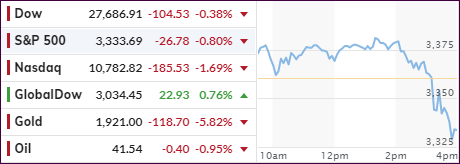
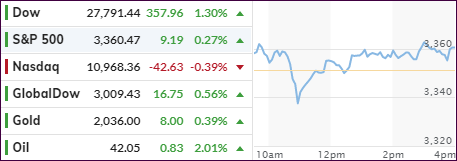
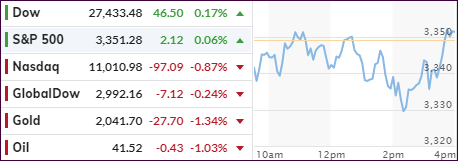
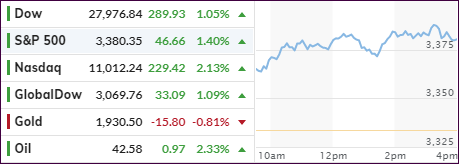
Yesterday’s sell-off now appears in the rear-view mirror as a vanishing object, as the major indexes stormed back and ended solidly in the green. The S&P 500 closed just shy of a new record, although it broke the old high set on February 19 on an intra-day basis.
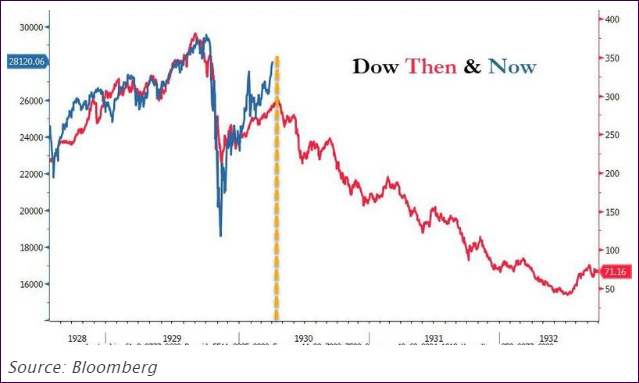
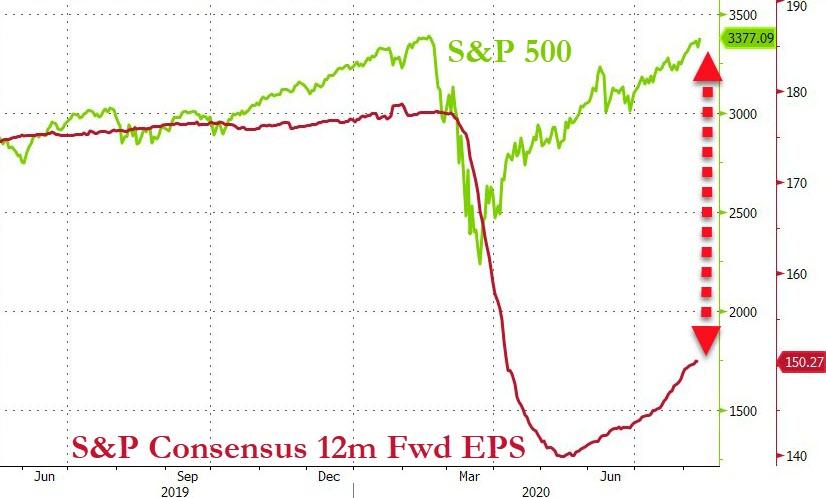
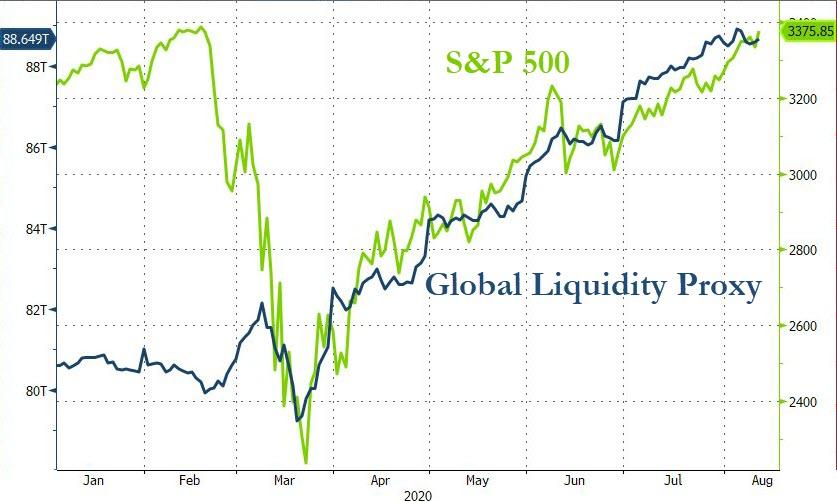
Surely, the move was not based on fundamentals, which are way out of whack, as Bloomberg demonstrates here, while explaining the real reason in this chart. Of course, for readers of this blog, this is nothing new but merely a refresher.
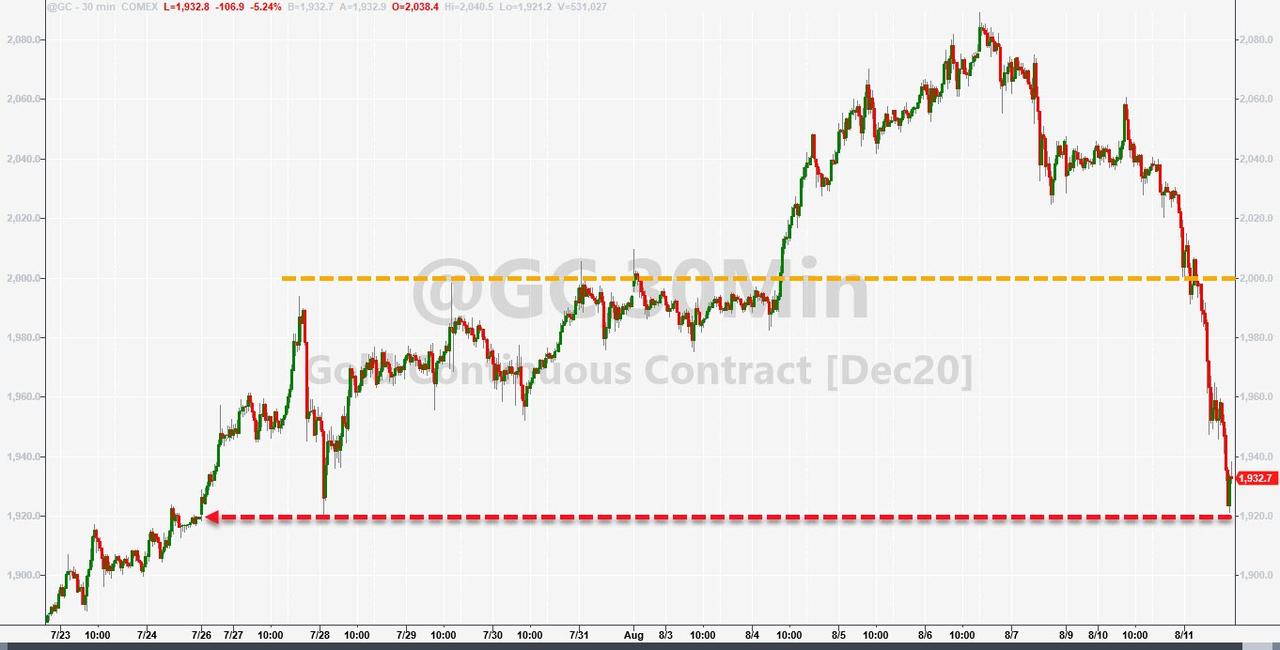
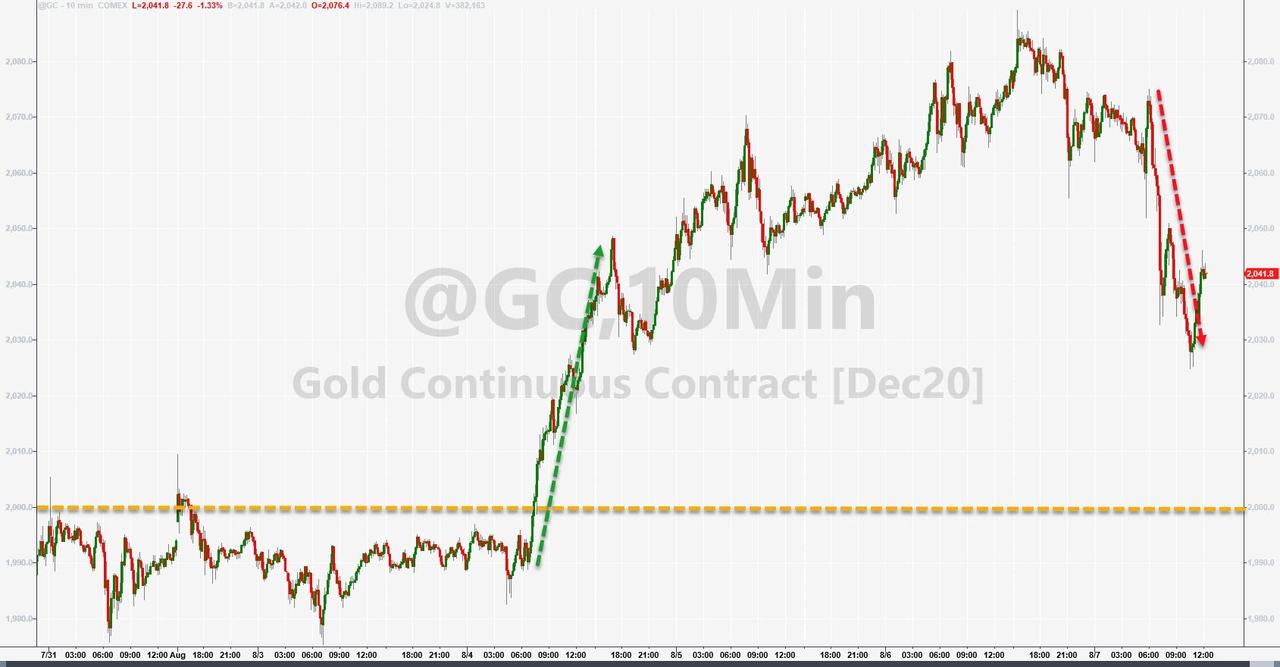
Gold lagged the entire session, thanks to higher bond yields, and pulled back into close to end the day in the red. Reviewing yesterday’s performance, and the importance of gold in the bigger picture, was Rabobank’s Michael Every:
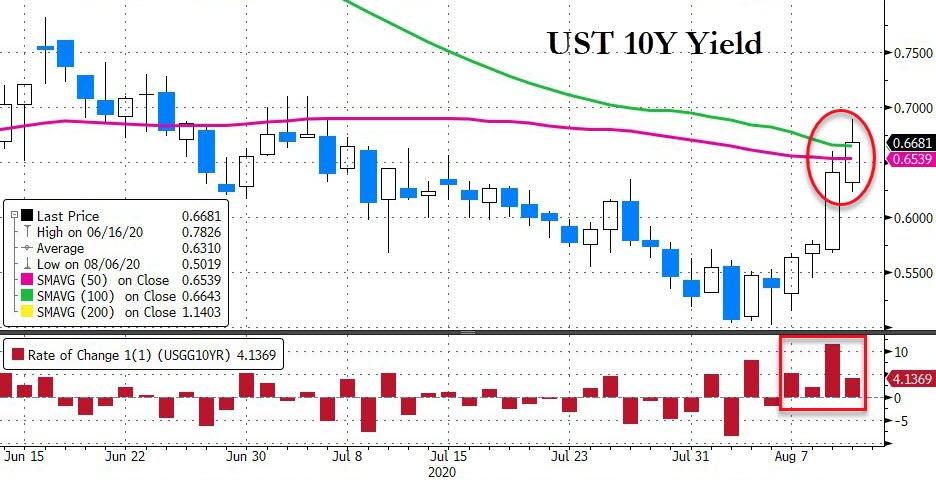
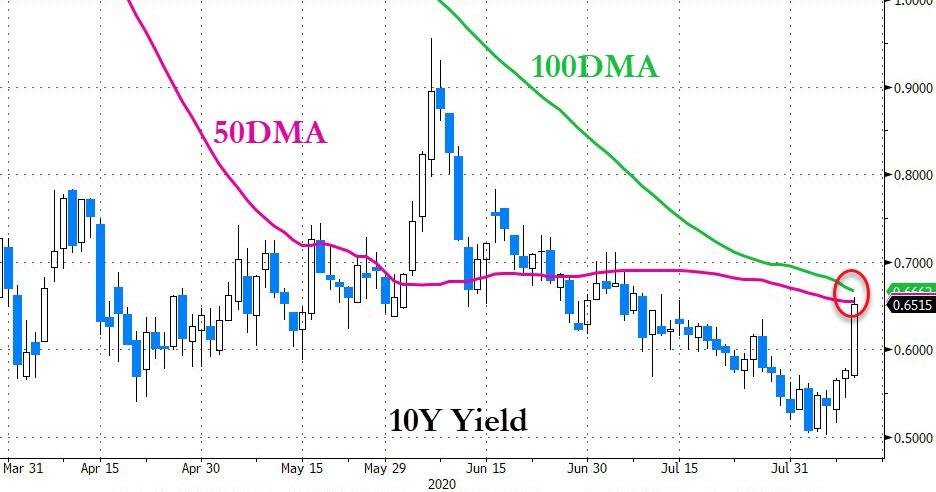
Meanwhile, markets did wobble yesterday for entirely different reasons, with one of the key ones being that 10-year US Treasuries are now back up to 0.65%, which makes holding everything else that much less attractive. Including gold, which was supposed to be showing us that inflation was everywhere ahead (not just in assets) and that the USD was over. Yes, being below $1,900 and not above $2,000 is just a small detail in a far bigger picture, but it does underline that nothing is rock solid day-to-day – even metal.
That the precious metal will have a great future was further underscored today, as news that the Budget Deficit has hit a record caused ZH to comment:
On a YTD basis, 10 months into the 2020 fiscal year, the US has spent $5.631 trillion and collected just $2.824 trillion, which means that YTD outlays are a record 100% higher than receipts, which also includes the $8.3BN received last month and $63.4BN YTD in deposits of earnings by the Fed.
Ouch! And considering that this trend will not end soon, gold remains an important component in everyone’s portfolio, but it also means that sharp corrections will be inevitable.
Author and gold bug Peter Schiff saw yesterday’s sell-off this way:
What the market is doing is trying to flush out the weaker players. When it comes to a bear market, it’s trying to create some hope and sucker people back into the market by having a really big rally. Well, in a bull market it’s the opposite. The market is trying to instill fear in the weaker hands, so you get these spectacular one-day moves in the opposite direction of the primary trend to shake people out, to get the weaker players out of the market so you can clear away the excess baggage and then continue the trend.
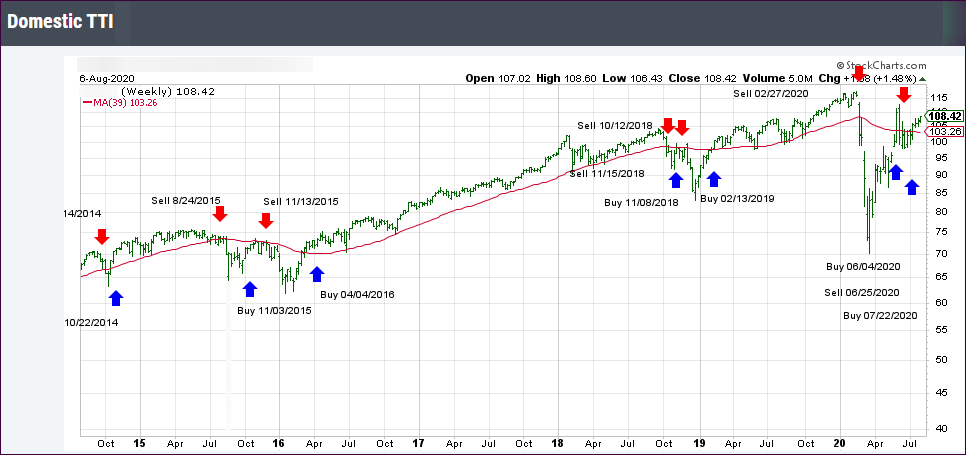
In the meantime, equities remain in bullish mode, despite the Washington stalemate about a new coronavirus package with legal challenges about Trump’s executive orders to extend spending measures waiting on deck.
Read More