[Chart courtesy of MarketWatch.com]
- Moving the market
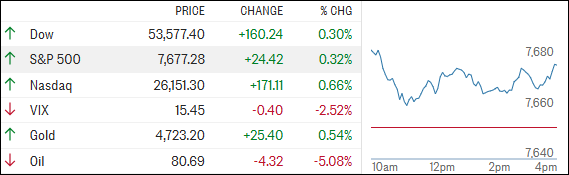
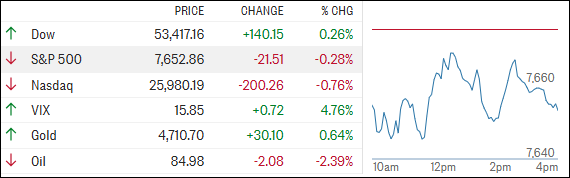
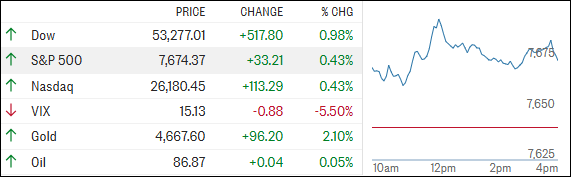
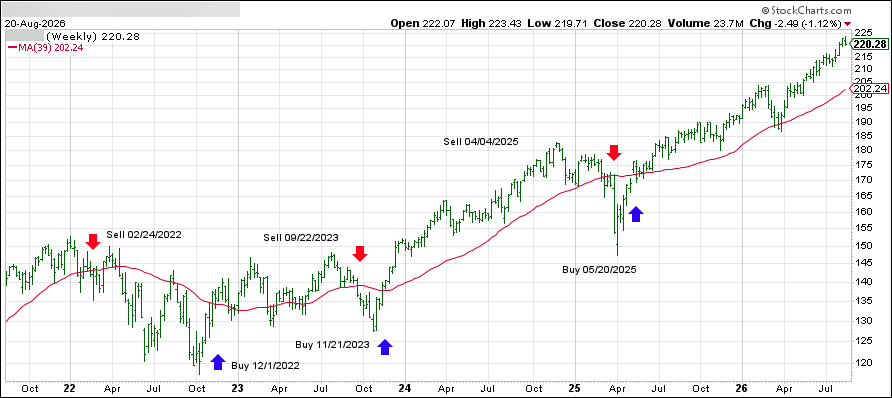
The market spent most of today standing around the coffee machine waiting for something interesting to happen.
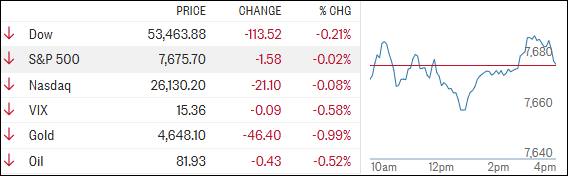
July’s PCE inflation report came in a touch hotter than expected, reminding investors that inflation still hasn’t fully gotten the memo. Even so, the S&P 500 barely budged as traders chose to keep their powder dry.
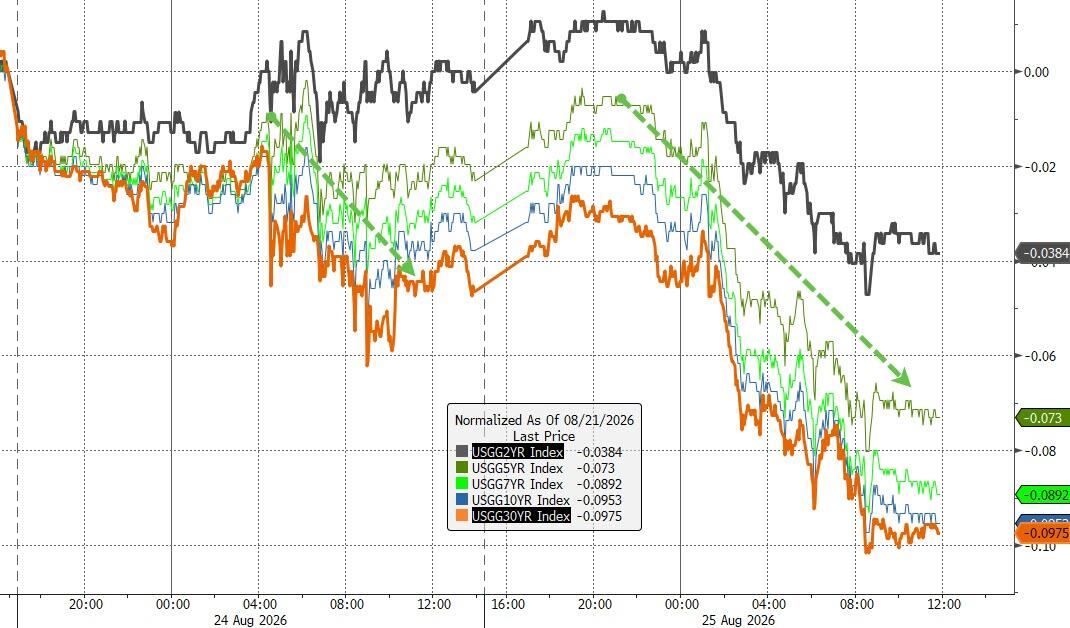
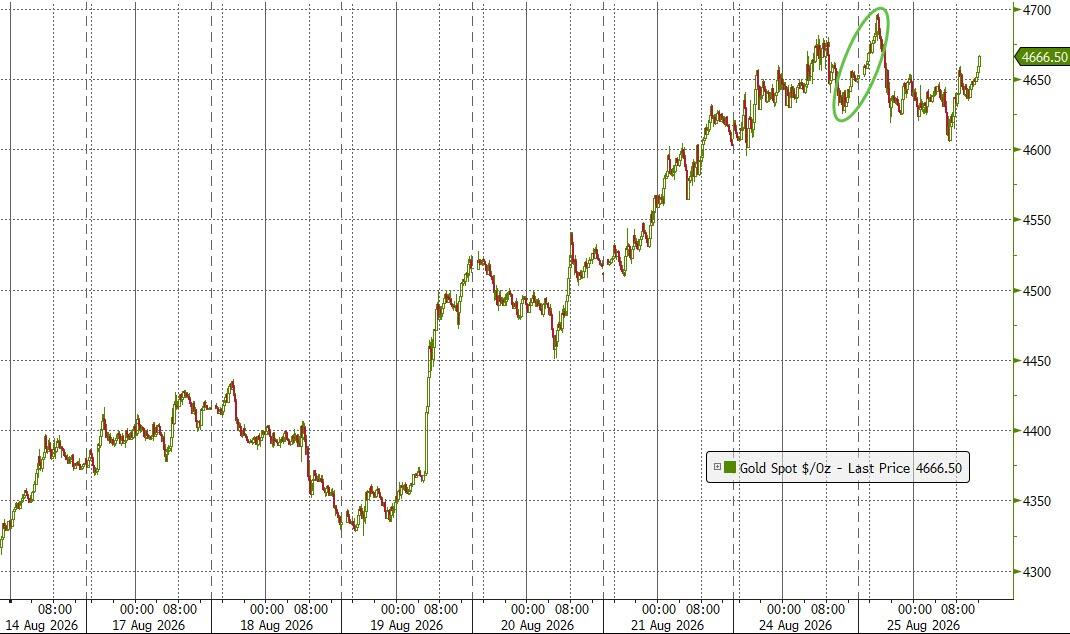
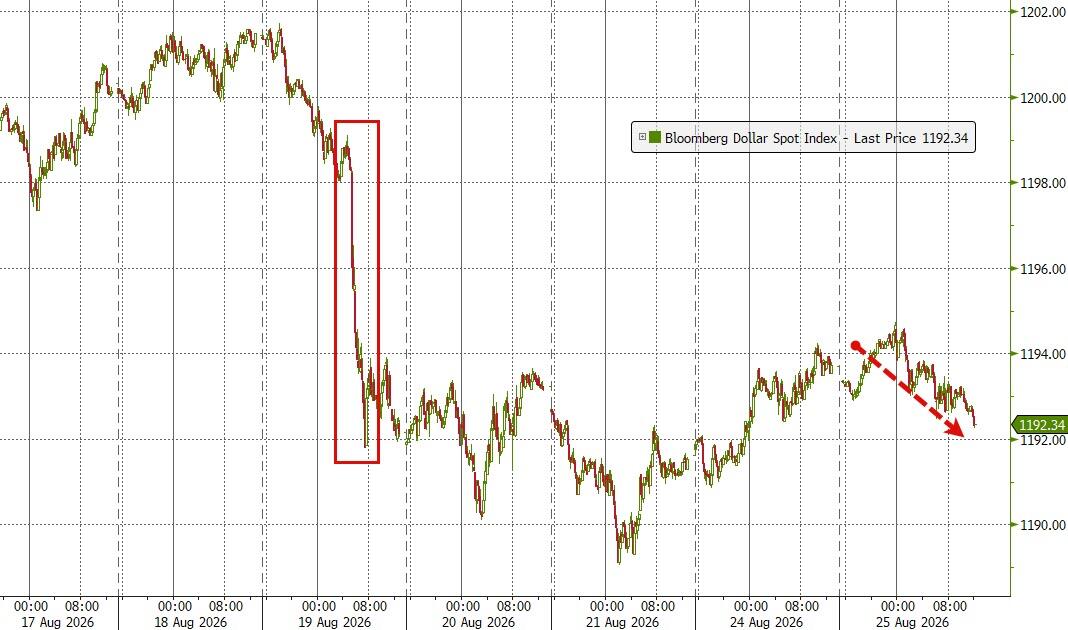
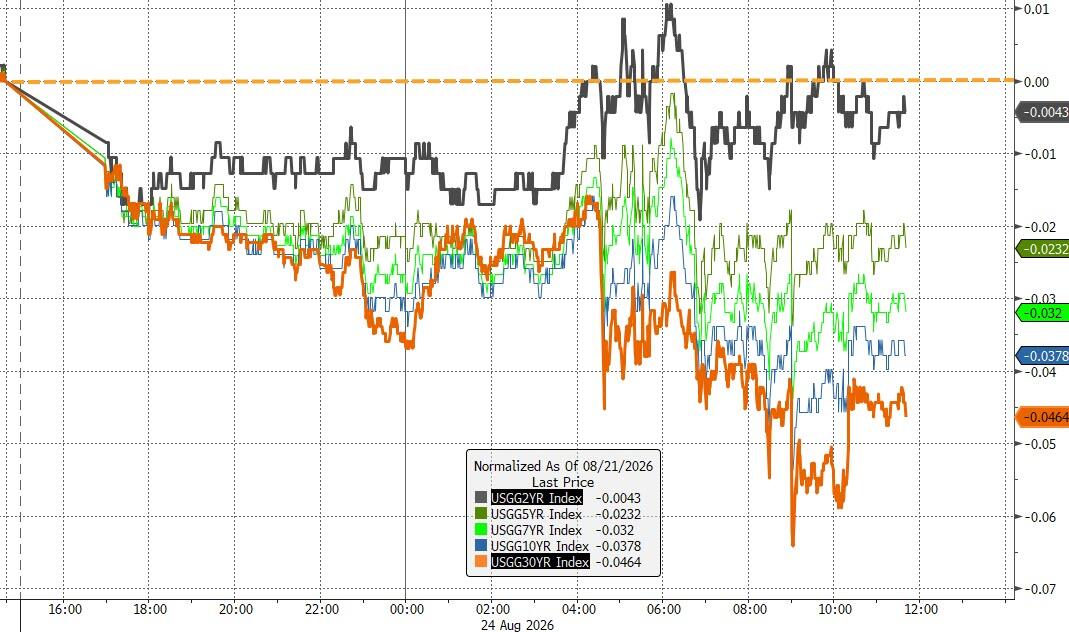
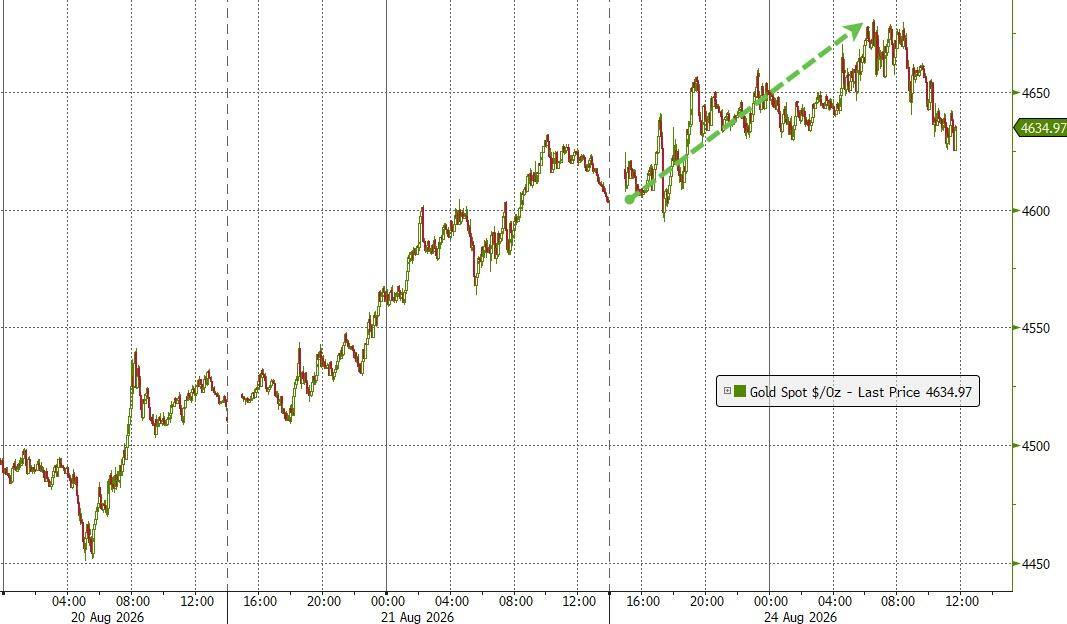
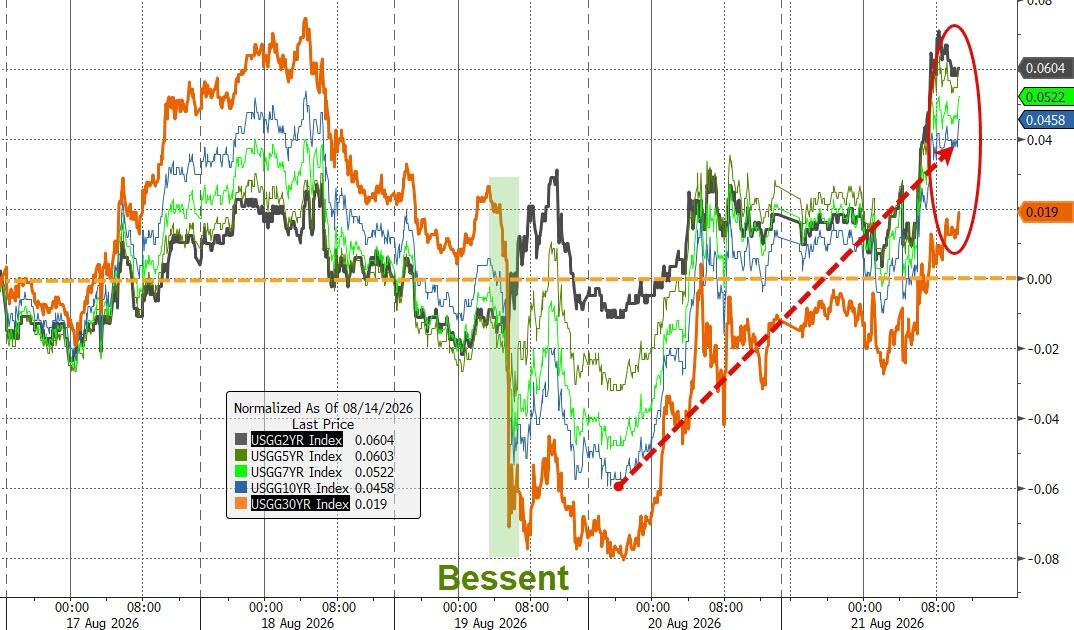
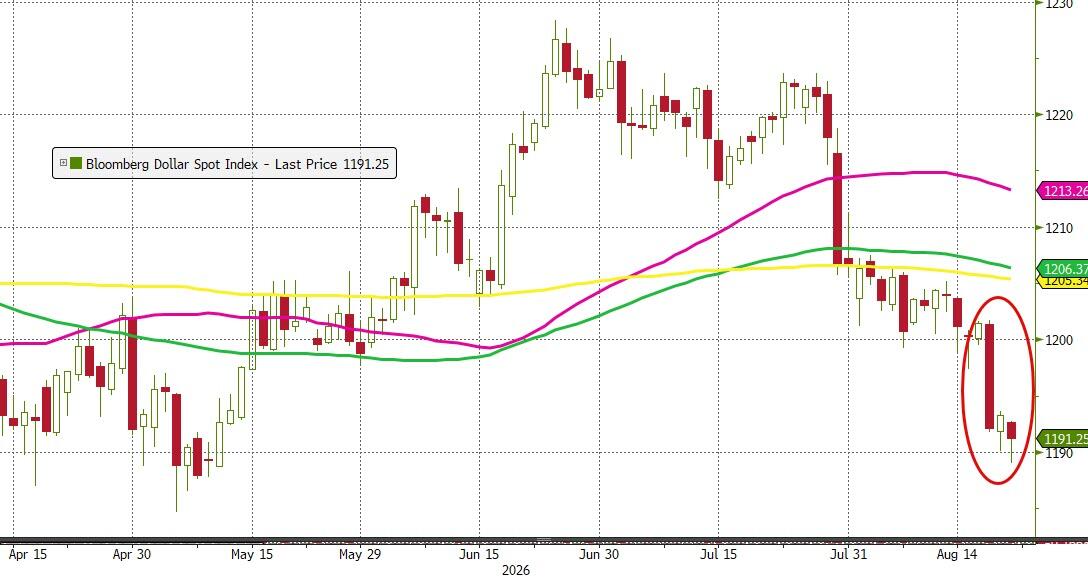
What mattered more was the bond market. Treasury yields bounced higher after yesterday’s pullback, the dollar strengthened modestly, and that combination put some pressure on gold, which slipped back below $4,600.
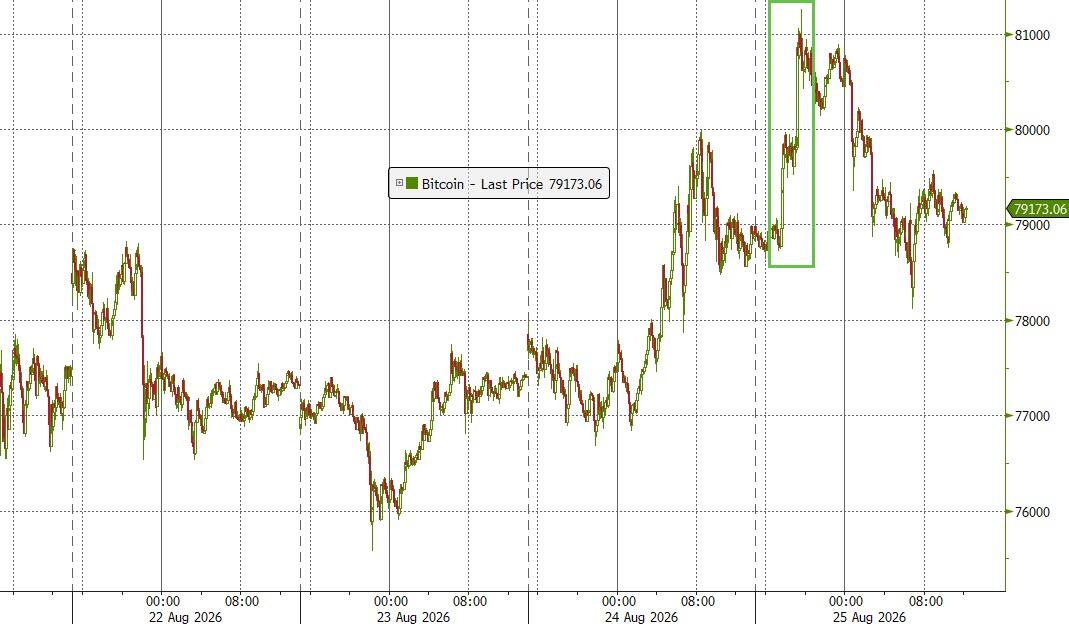
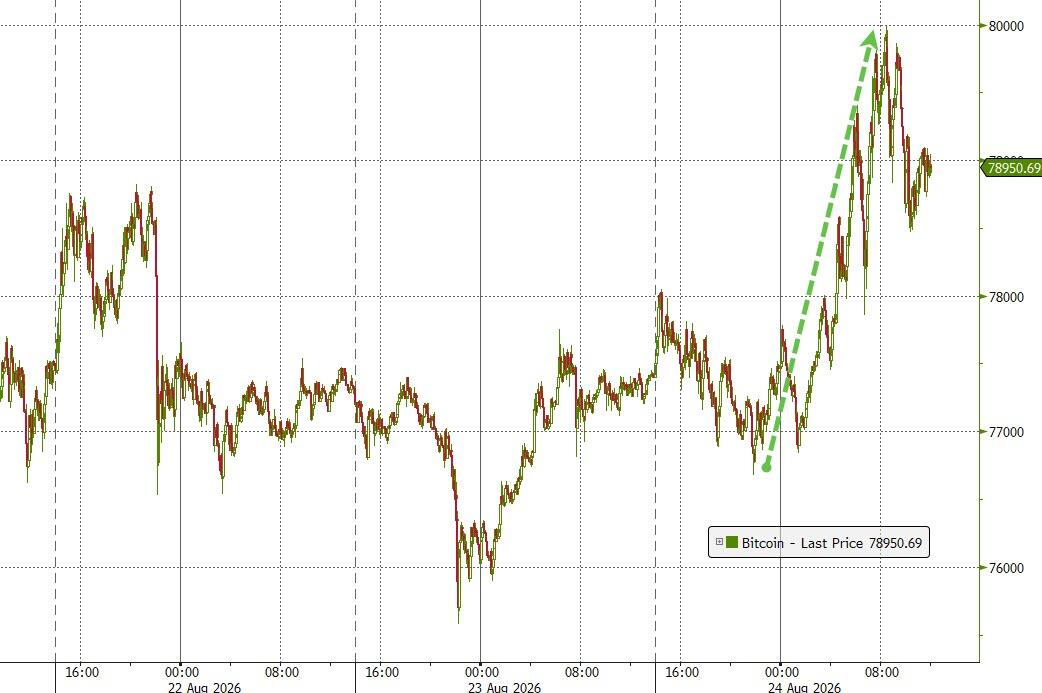
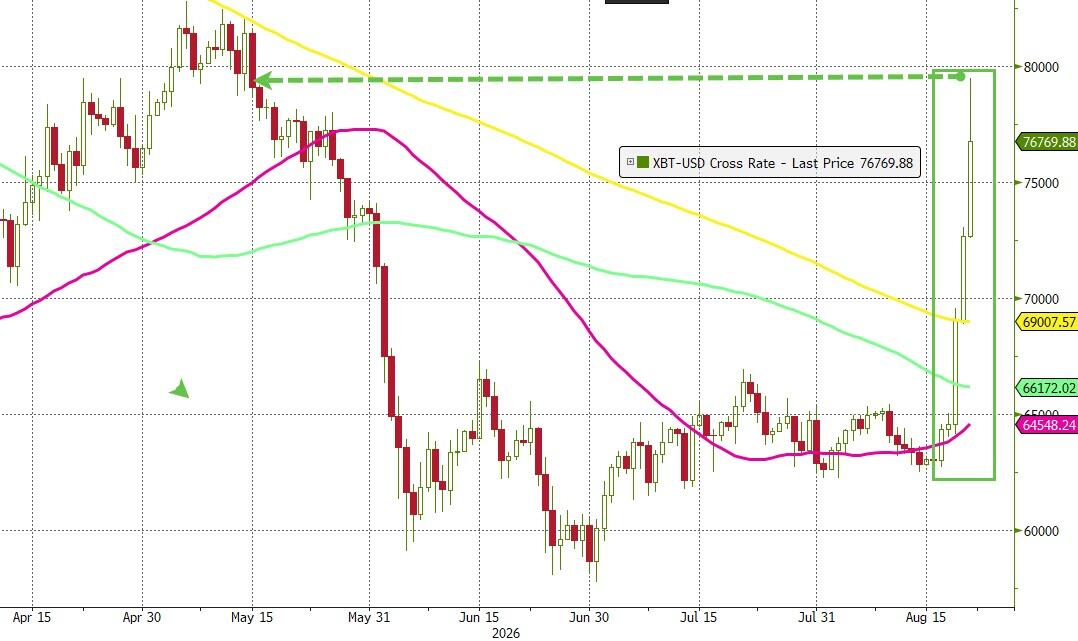
Bitcoin also took a breather after yesterday’s run above $81,000, finishing little changed.
Now the spotlight shifts squarely to Nvidia. With the chip giant set to report after the bell and Fed Chair Kevin Warsh scheduled to speak in Jackson Hole on Friday, traders have no shortage of potential catalysts.
The market has been marking time lately, but will Nvidia’s report card finally be enough to wake Wall Street from its late-summer nap?
Read More