Most traders were glued to their monitors today, trying to watch the talks between Republicans and Democrats wrangling for a mutually acceptable solution on a second coronavirus aid package.
Noted MarketWatch:
A fight looms over supplemental unemployment benefits, with Democrats eager to maintain the existing $600 weekly supplement, while the Republican plan would reduce it to a $200 add-on through September. The supplemental jobless benefits are due to expire at the end of the month. Democrats and Republicans also want to issue another round of stimulus checks but disagree on the details.
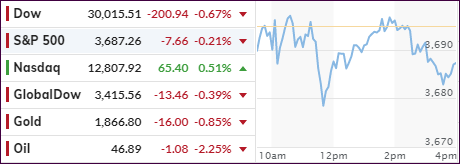
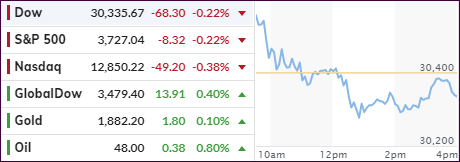
With no result on the horizon so far and a deluge of earnings on deck for Thursday, as well as the outcome of the Fed’s policy meeting tomorrow, it came as no surprise that the markets meandered aimlessly, drifted lower and ended up diving into the close.
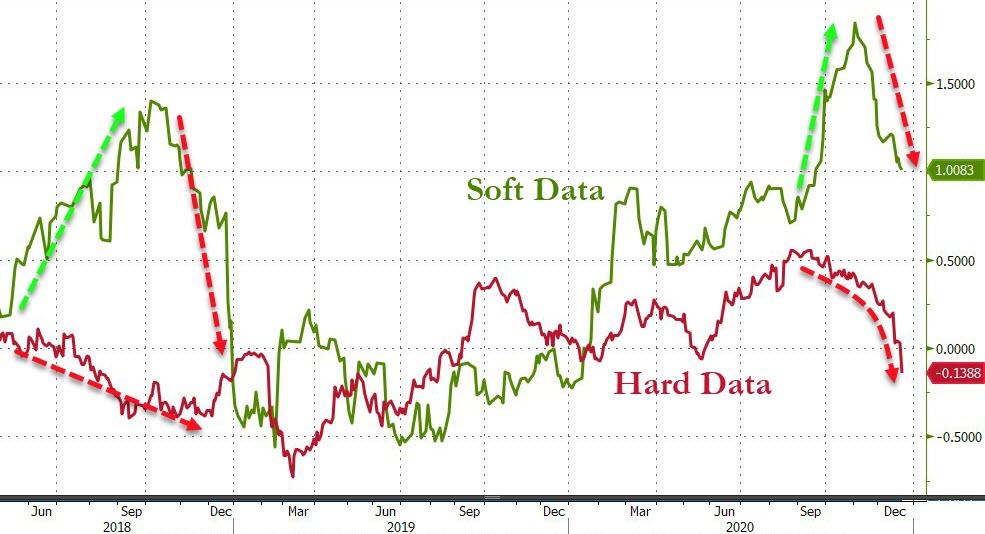
Economic data did nothing to support the bulls with Consumer Confidence sliding in July to 91.5 from 106.1 the prior month, which obviously does not indicate a “V-shape” type of recovery. We also learned that Home price appreciation, which had accelerated nine straight months, hit a brick wall and slowed from its torrid pace.
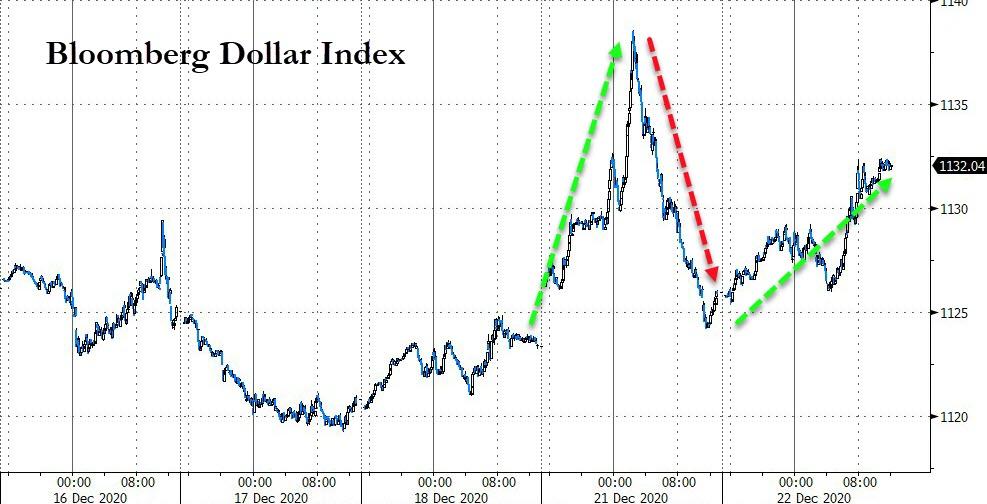
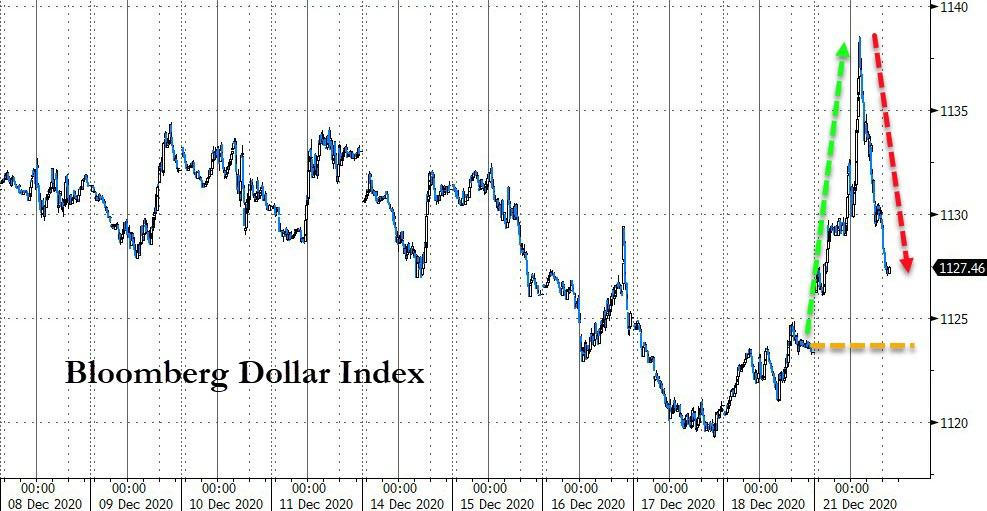
But again, the shining light was gold with GLD scoring another gain of +0.85%, while the US Dollar index continued its slippery slide.
With the upcoming events mentioned above, we may be in for some fireworks the rest of the week.
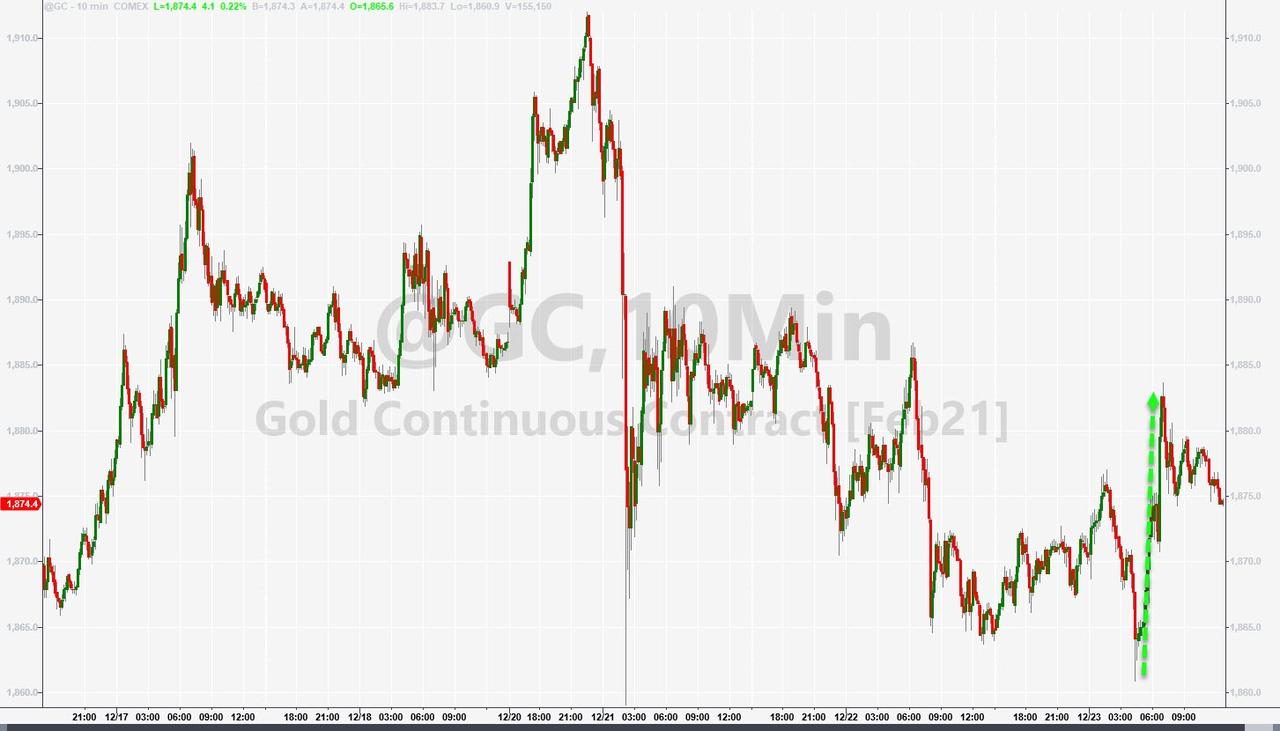
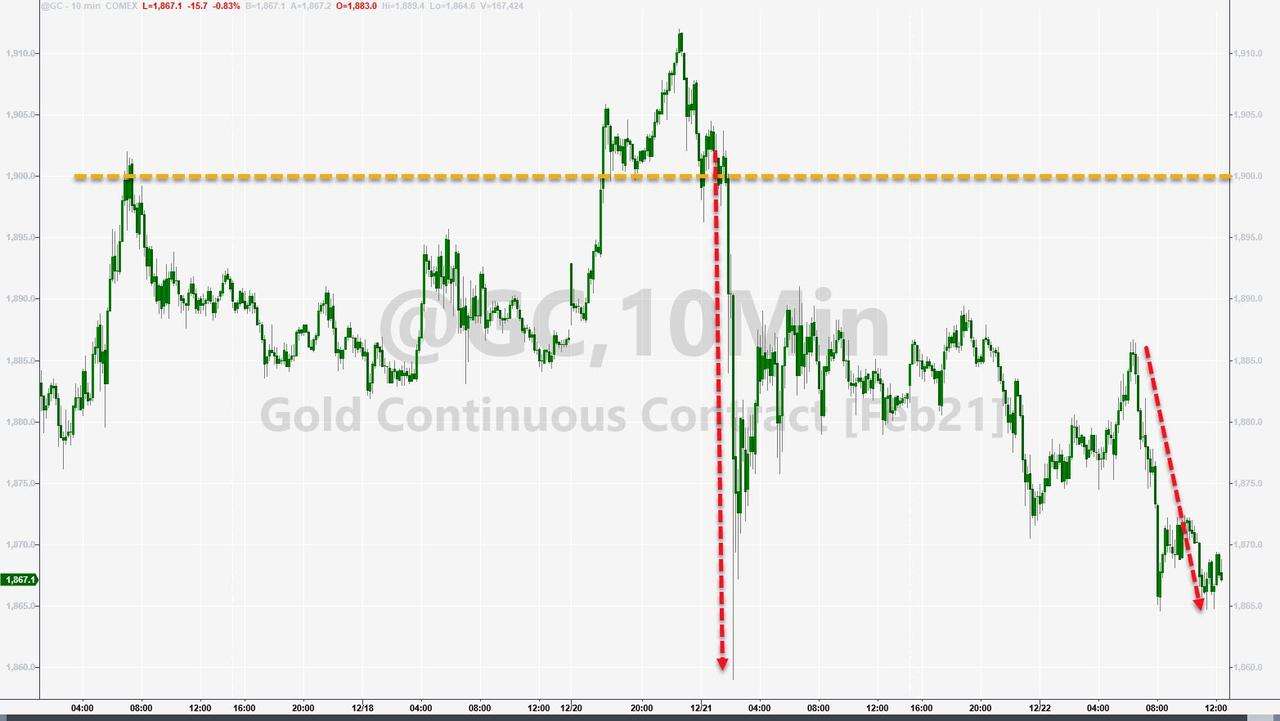
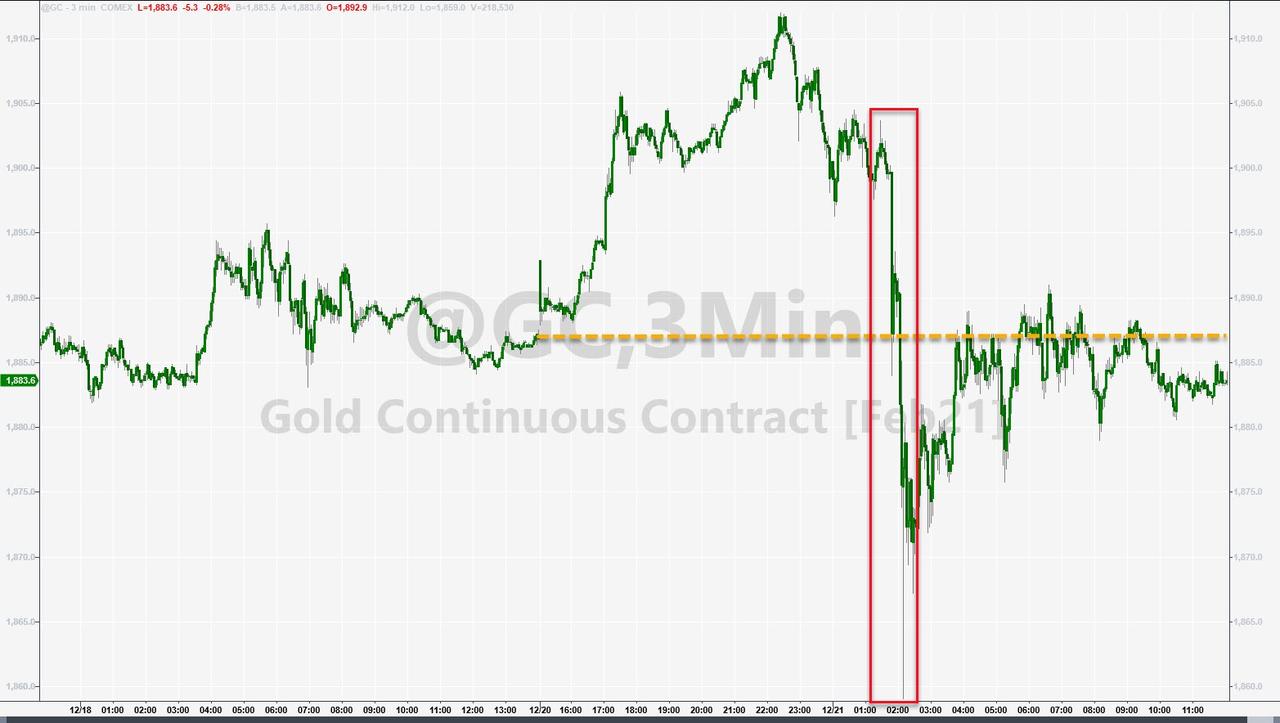
Gold’s rally continued today, as the precious metal settled at the highest price in history, namely $1,931 with silver recapturing the $24.50 level. As gold popped, the US dollar dropped, which was to be expected as these two asset classes move in opposite direction.
Equities followed gold to the upside with especially the Nasdaq regaining last week’s lost momentum by powering ahead +1.67%. Hope reigns supreme that the coronavirus rescue program by lawmakers turns out positive, and that this upcoming busiest week for the earnings season offers no unexpected surprises.
“There is a very strong case to be made for additional fiscal stimulus. Both sides of the political aisle want to get something down,” said Talley Leger, senior investment strategist for Invesco, in an interview.
He noted high-frequency data tracking movements of Americans, shopping habits and dining reservations had stalled in several states, suggesting the steady recovery in U.S. economic activity thus far was at risk of coming apart.
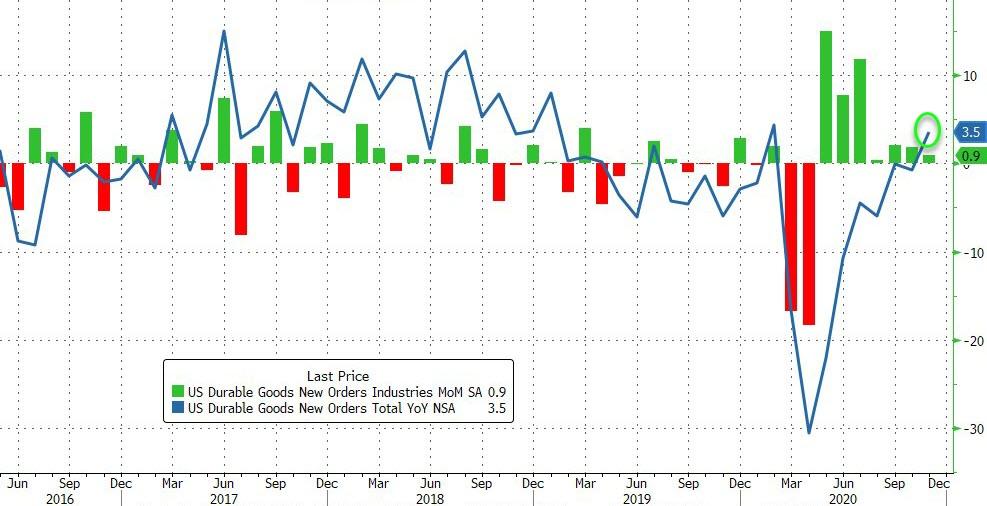
Today’s Durable Goods orders for June jumped 7.3%, but whether that is simply an outlier or the beginning of a new trend remains to be seen.
On deck for Tuesday and Wednesday is the Fed’s 2-day policy meeting on interest rates with no changes to be expected other than Fed head Powell maintaining his dovish views.
The big tech companies and other powerhouses will report earnings on Thursday including:
Alphabet, Amazon, Apple, Facebook, Samsung, Nestle, Procter & Gamble, Comcast, L’Oreal, Stanley Black & Decker, AstraZeneca, Linde, Mastercard, American Tower, AB InBev, Total, Volkswagen, Ford, Royal Dutch Shell, Lloyds Banking Group and Credit Suisse.
It promises to be an interesting week, possibly full of surprises.
Below, please find the latest High-Volume ETF Cutline report, which shows how far above or below their respective long-term trend lines (39-week SMA) my currently tracked ETFs are positioned.
This report covers the HV ETF Master List from Thursday’s StatSheet and includes 312 High Volume ETFs, defined as those with an average daily volume of more than $5 million, of which currently 198 (last week 186) are hovering in bullish territory. The yellow line separates those ETFs that are positioned above their trend line (%M/A) from those that have dropped below it.
Negative sentiment was clearly present in the futures markets with US indexes falling and Chinese stocks tumbling on increased tensions between the US and China. The tit-for-tat on forcing closures of each other’s consulates continued unabated.
Global stocks took a hit, while domestically Intel shares slumped (some -15%) on a report that a new chip technology would be delayed, causing the entire tech sector to start the regular session in the red.
Even though the Nasdaq came off its worst level of the day, it ended up with back-to-back declines.
Not helping matters was the lack of progress for another fiscal stimulus bill in Washington, while rising coronavirus counts in 40 states were and continues to limit business and consumer activity and creating more doubt about the dream of a V-shape recovery.
Gold was the standout performer again, offsetting some of the Nasdaq losses. As I pointed out before, I see a lot of upside potential for gold in the future given the reckless and unprecedented money printing efforts by the Fed.
A great explanation about the importance of gold in today’s environment came from Johnny Bravo in an interview with SchiffGold:
“The reason that governments don’t like gold is probably for the same reason that kids don’t like chaperones at the senior prom. Because the chaperones are there to keep the kids in line and prevent them from doing things they really shouldn’t be doing. And that’s really what gold does. It’s kind of like a chaperone for government politicians because it keeps them honest. Because if you have real money, and government wants to spend money on programs, it needs to collect that money in taxes. And that generally puts a brake on a lot of programs because the public doesn’t want to pay.
…
Gold stands in the way, because you can print paper out of thin air. But gold can’t be printed into existence; it needs to be mined. And if we’re on a gold standard, and gold is money, then the government needs real money. And since it doesn’t have the ability to make it, it has to collect it in taxes before it can spend it back into circulation.”
Next week, the markets will be dealing with the looming effects of the expiration of the eviction moratorium.
The Federal Housing Administration (FHA) was able to stop evictions of renters during the coronavirus pandemic. The Coronavirus Aid, Relief, and Economic Security Act (CARES) also made it unlawful for landlords to evict tenants in federally subsidized or federally backed housing. However, those protections are set to expire today (Friday, July 24).
Of course, it’s widely expected that the government will ride to rescue via an extension, but then we also have this:
The end of eviction protection comes as households are being hit with a fiscal cliff. The $600 in weekly federal unemployment assistance for tens of millions of folks is set to expire next week. We’ve called it an “income cliff,” as it would mean consumption would crater, and the recovery would quickly reverse.
These are a lot of issues for the markets to deal with, although they are all known. This week’s pullback was relatively mild with the S&P 500 given back about 0.5%, while none of our trailing sell stops were in danger of being triggered.
1. From the universe of over 1,800 ETFs, I have selected only those with a trading volume of over $5 million per day (HV ETFs), so that liquidity and a small bid/ask spread are assured.
2. Trend Tracking Indexes (TTIs)
Buy or Sell decisions for Domestic and International ETFs (section 1 and 2), are made based on the respective TTI and its position either above or below its long-term M/A (Moving Average). A crossing of the trend line from below accompanied by some staying power above constitutes a “Buy” signal. Conversely, a clear break below the line constitutes a “Sell” signal. Additionally, I use a 7.5% trailing stop loss on all positions in these categories to control downside risk.
3. All other investment arenas do not have a TTI and should be traded based on the position of the individual ETF relative to its own respective trend line (%M/A). That’s why those signals are referred to as a “Selective Buy.” In other words, if an ETF crosses its own trendline to the upside, a “Buy” signal is generated. Since these areas tend to be more volatile, I recommend a wider trailing sell stop of 7.5% -10% depending on your risk tolerance.
If you are unfamiliar with some of the terminology, please see Glossary of Termsand new subscriber information in section 9.
1. DOMESTIC EQUITY ETFs: BUY— since 07/22/2020
Click on chart to enlarge
Our main directional indicator, the Domestic Trend Tracking Index (TTI-green line in the above chart) has now rallied above its long-term trend line (red) by +3.50% and is in “BUY” mode as posted.
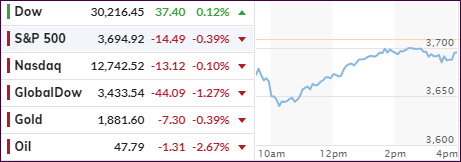
Early weakness in equities prevailed throughout the session, but downward momentum accelerated leaving the major indexes in the red with the Nasdaq taking the brunt of the beating.
As we all know, the tech sector has been on a tear, so corrections are to be expected. Look at this chart below showing the dominance of tech within the S&P 500 composition:
What this demonstrates is downright mindboggling: The five largest stocks have returned 35% YTD; the other 495 stocks have declined by 5%. And as a composite, the S&P has gained +2% YTD!
Late in the session, the slide stopped, in part due to some Fed intervention, as ZH pointed out tongue-in-cheek:
Well, it took it’s sweet time, but at exactly 2:30pm the Fed fired a warning shot at all the racist criminals known as “sellers” when it announced that it had “broadened the set of firms eligible to transact with and provide services in three emergency lending facilities.”
… apparently the Fed decided that the only reason there is not even more demand, is because the program is too… limiting, and so it decided to expand the list of counterparties. The signal was clear: any more selling and the Fed starts buying stocks.