[Chart courtesy of MarketWatch.com]
- Moving the markets
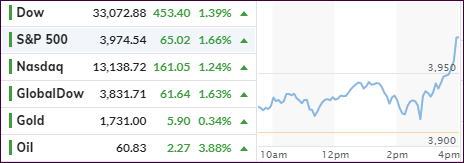
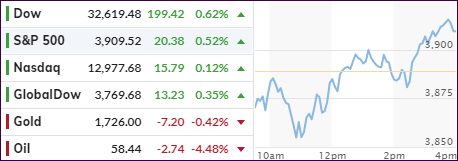
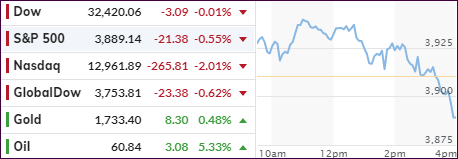
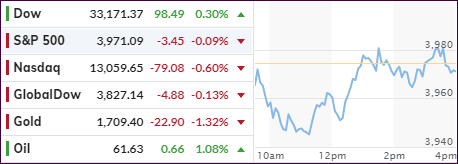
Despite the major indexes climbing again out of an initial hole, with the Dow back above its unchanged line, markets were shaken up early on.
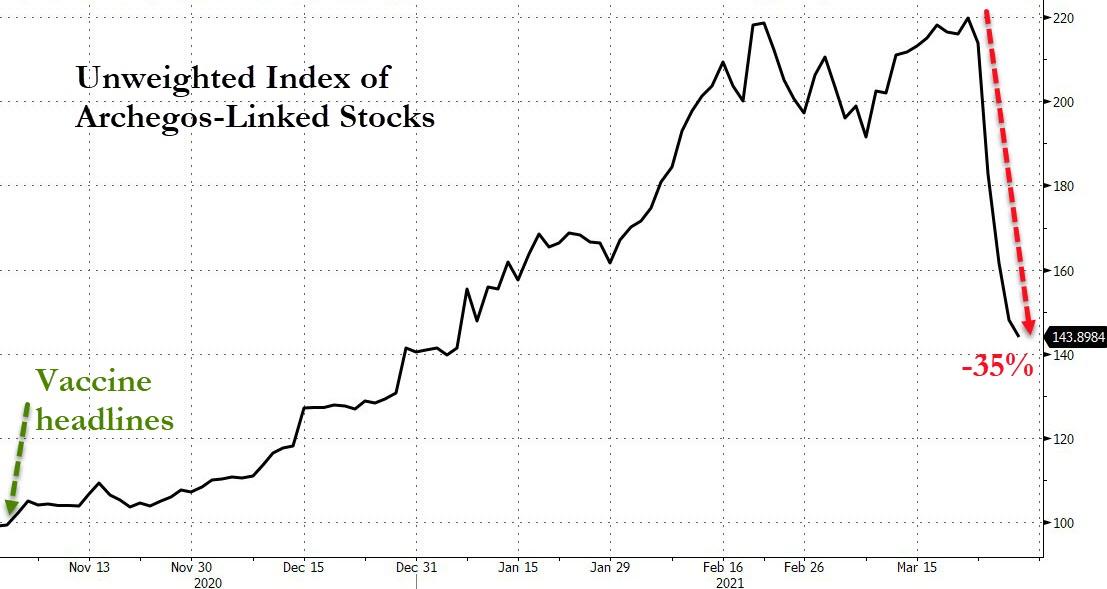
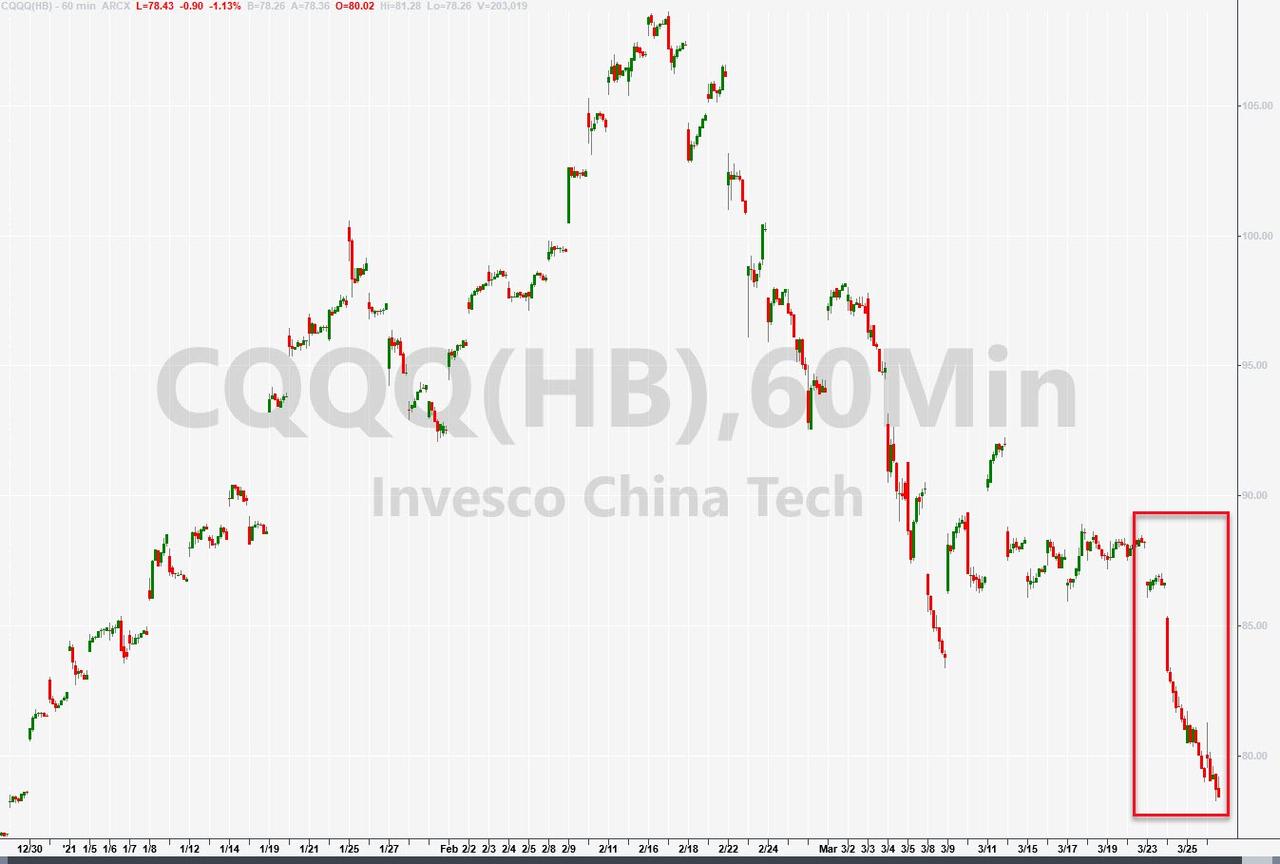
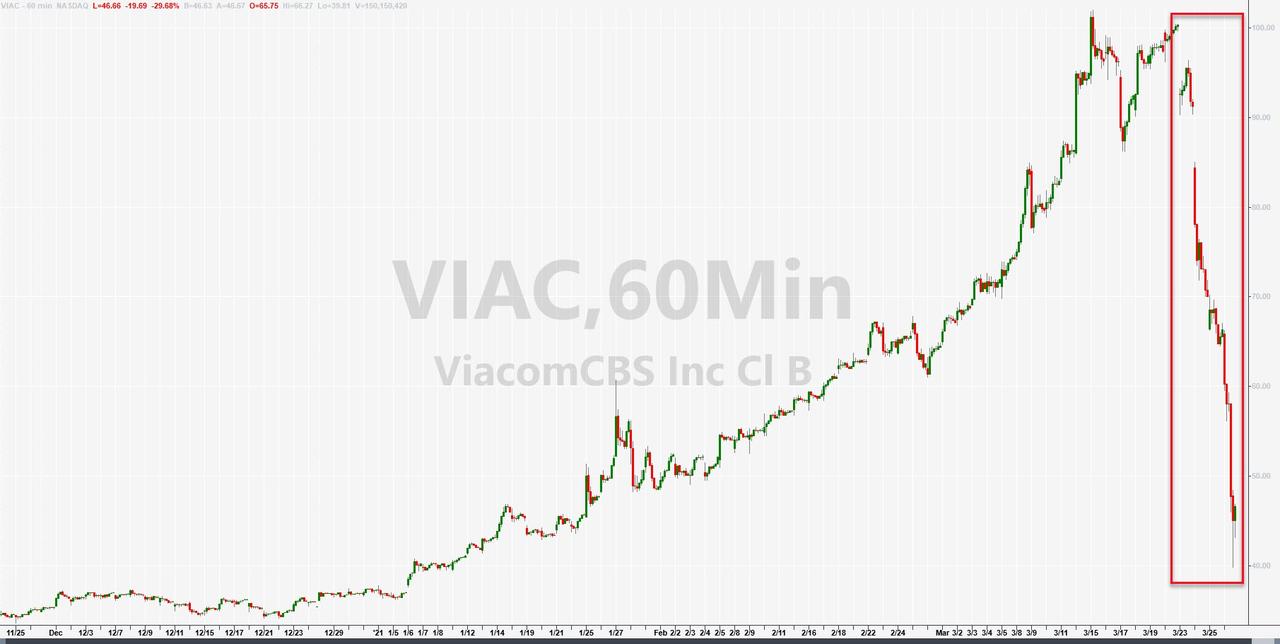
The culprit was news about the multibillion-dollar family office of Archegos Capital Management, which was faced with a margin call forcing them to liquidate massive holdings in stocks and causing prices to plunge.
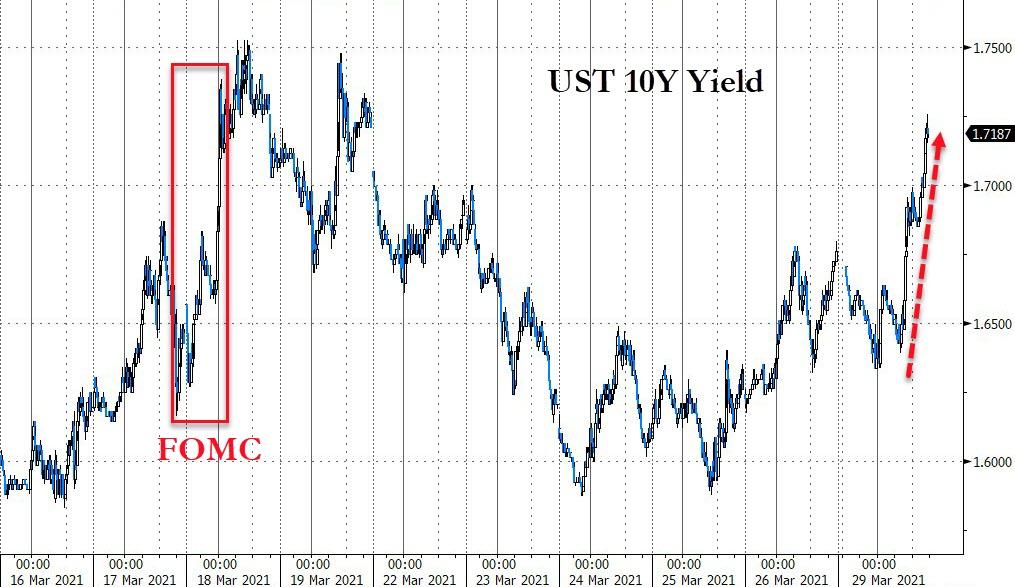
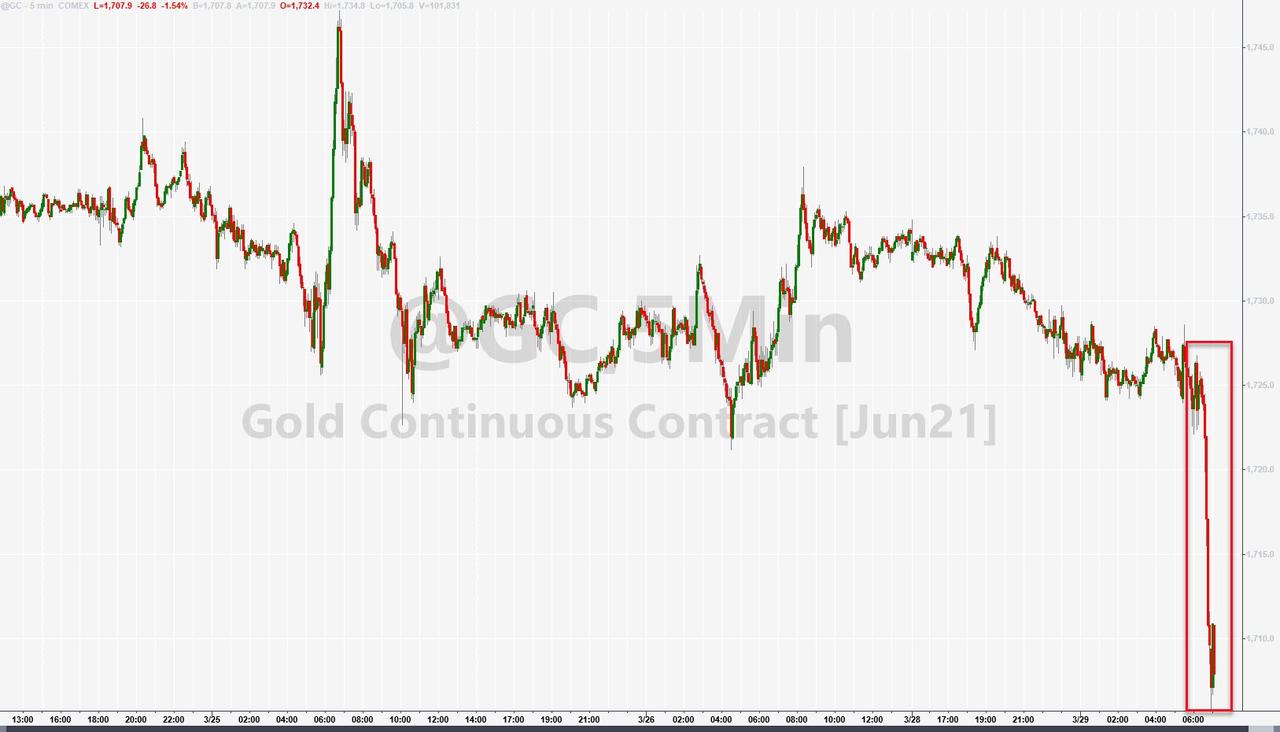
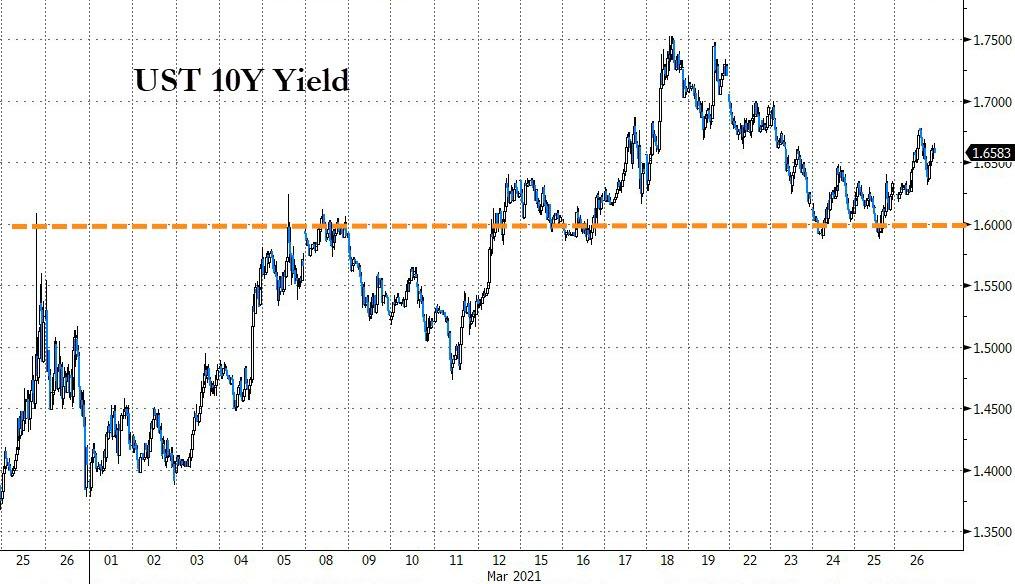
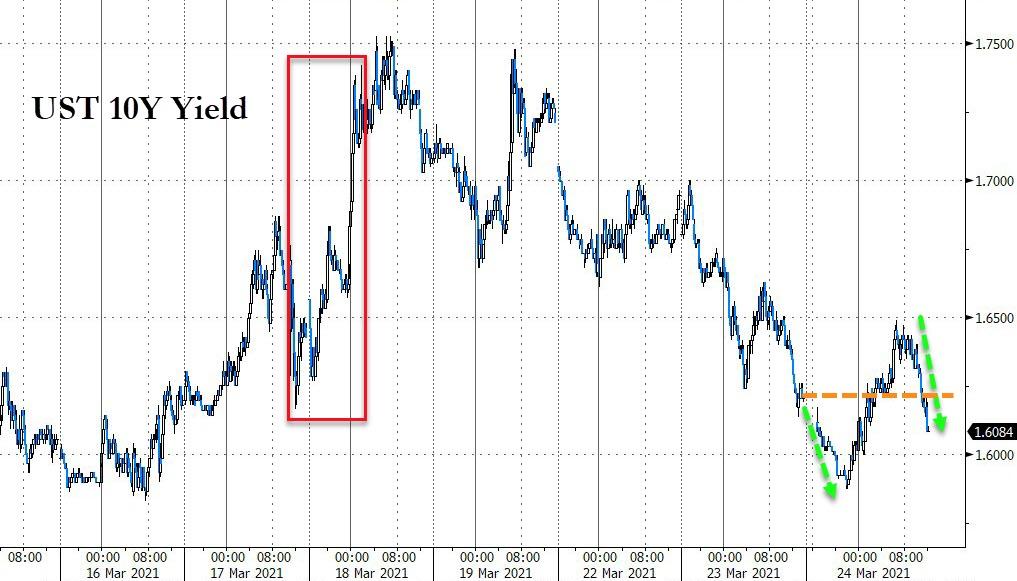
Of course, the immediate question was as to who else might be in trouble, which was left unanswered, at least for the time being. US bond yields shot up and gold was getting hammered, as uncertainty reigned.
Not adding anything positive to the already sour mood was this bon mot from MarketWatch:
Credit Suisse shares tumbled 13% as the bank warned it would face a “significant” hit to its first-quarter results due to the bank having to exit hedge fund positions related to the forced selling. Nomura also warned that it could get hit, sending its shares down nearly 15%.
Translated, that means there is never just one cockroach, and we’ll have to wait and see how this plays out and if other entities, yet to be named, may have been caught in that predicament. Whether the ultimate fallout is contained remains the big unknown.
Despite the effort to pull the major indexes out of the doldrums, the S&P fell slightly short, but the Nasdaq remained in the red.
Taking the brunt of the beating were SmallCaps, which we no longer own, and both varieties, growth, and value, were pummeled with the former sinking some 3%.
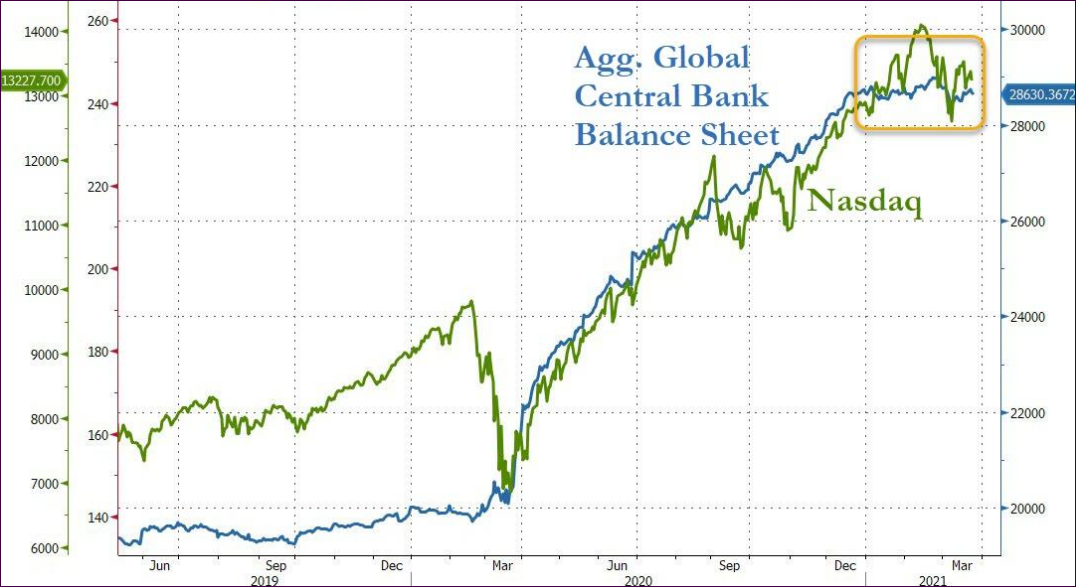
So far, in March it’s been a tale of two markets with the tech sector slightly in the red, while the Dow and S&P 500 have risen 6.9% and 4.3% respectively.
The US Dollar was slashing around aimlessly and ended marginally higher, while not contributing any warm and fuzzy feelings to this nutty market environment.
Read More