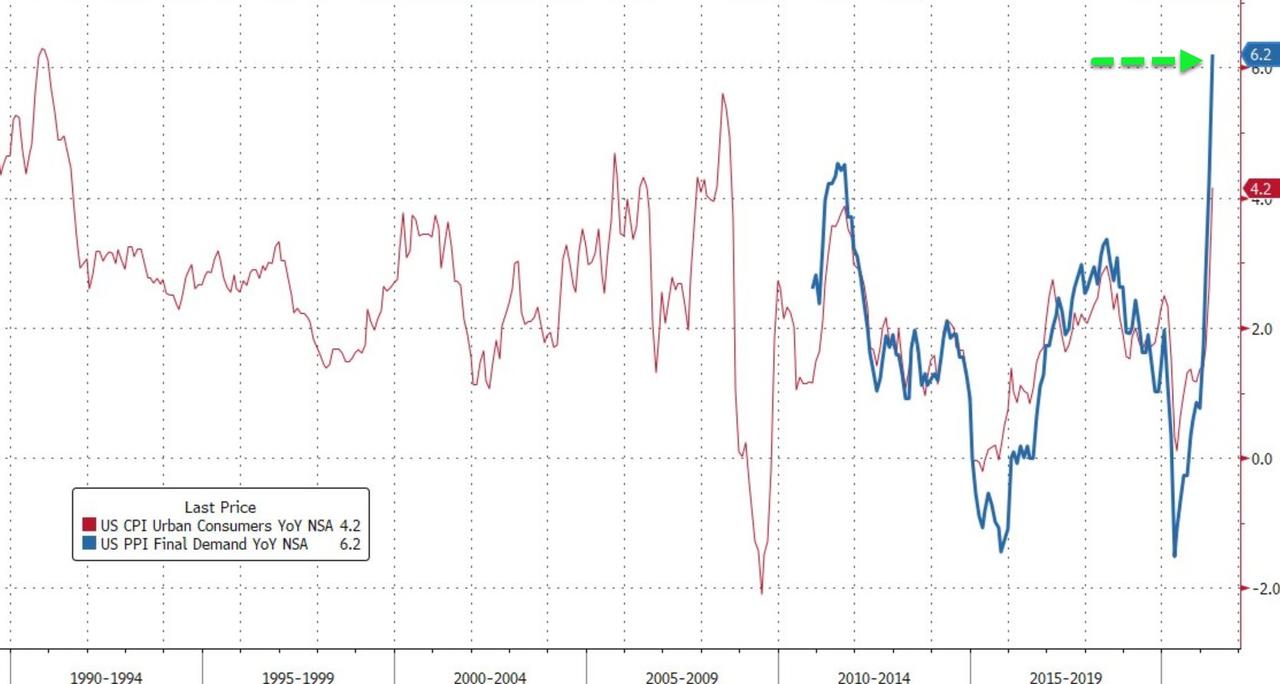
[Chart courtesy of MarketWatch.com]
- Moving the markets
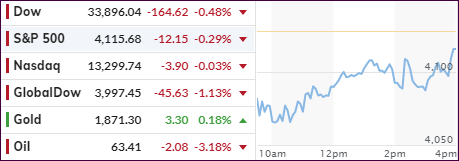
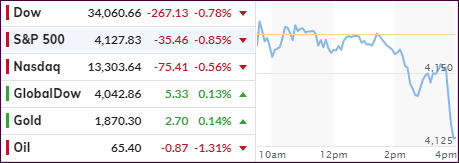
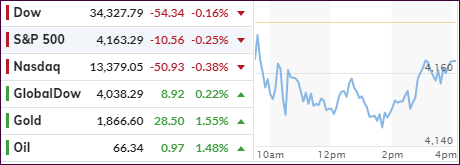
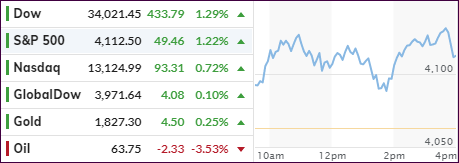
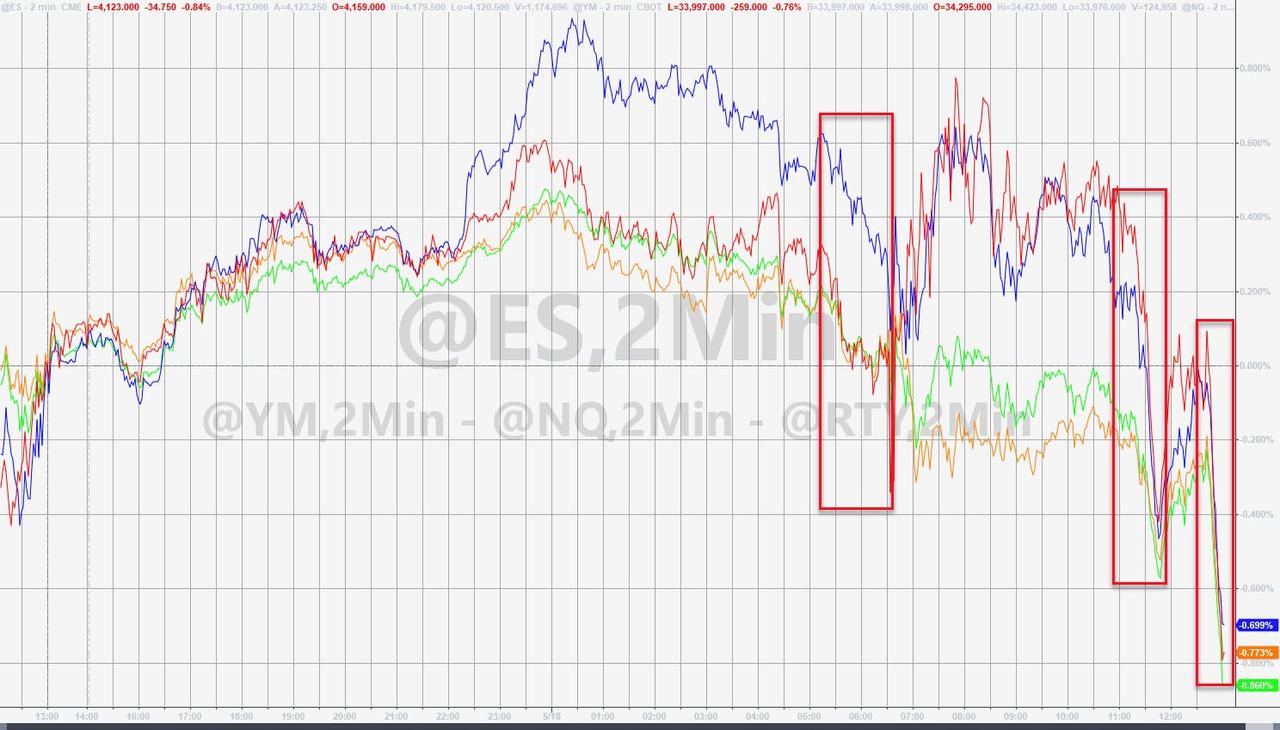
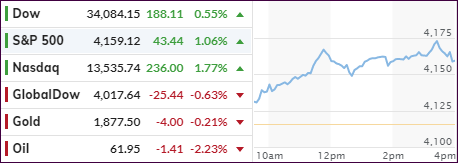
After three days of losses, the major indexes found some footing which, despite some ups and downs, provided enough upward momentum to ensure a green close. For a change, the Nasdaq led the way with a solid, yet long overdue rebound of 1.77%.
On the economic front, we learned that first-time claims for unemployment fell to 444k in the past week, better than the expected 452k, which is the lowest since March 14, 2020. If this trend can hold, we will finally make some progress and head in the right direction.
Today’s bounce-back included Small Caps and predominantly the tech sector with “value” lagging, as the Nasdaq took the limelight.
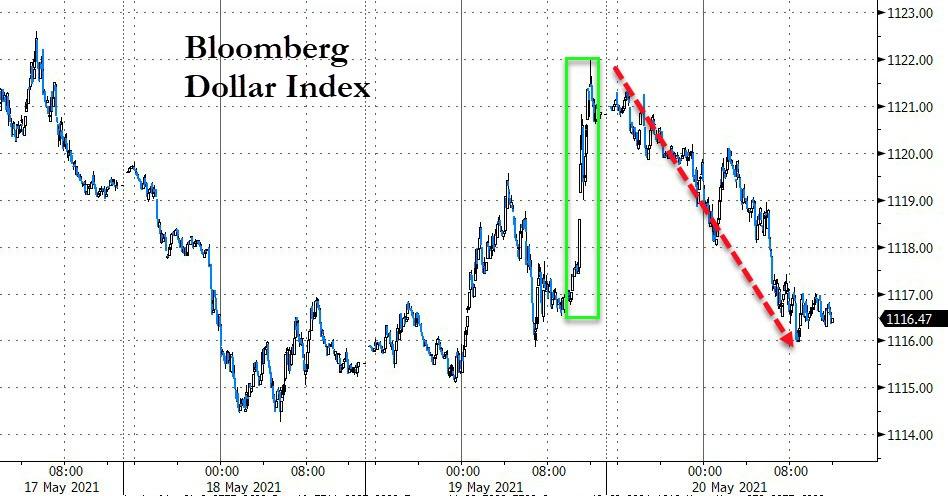
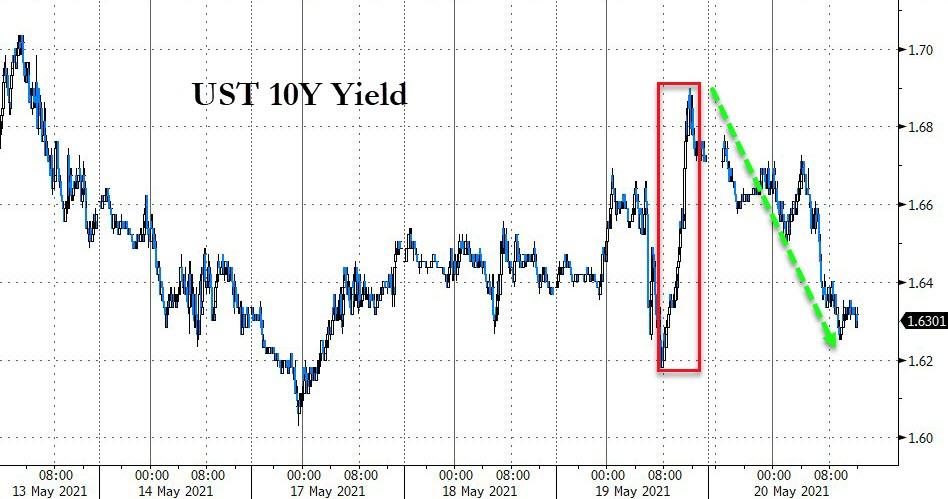
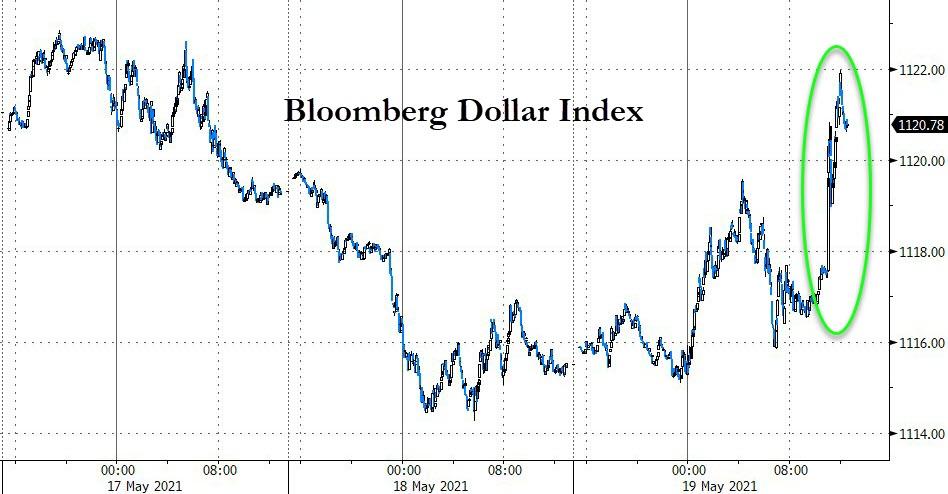
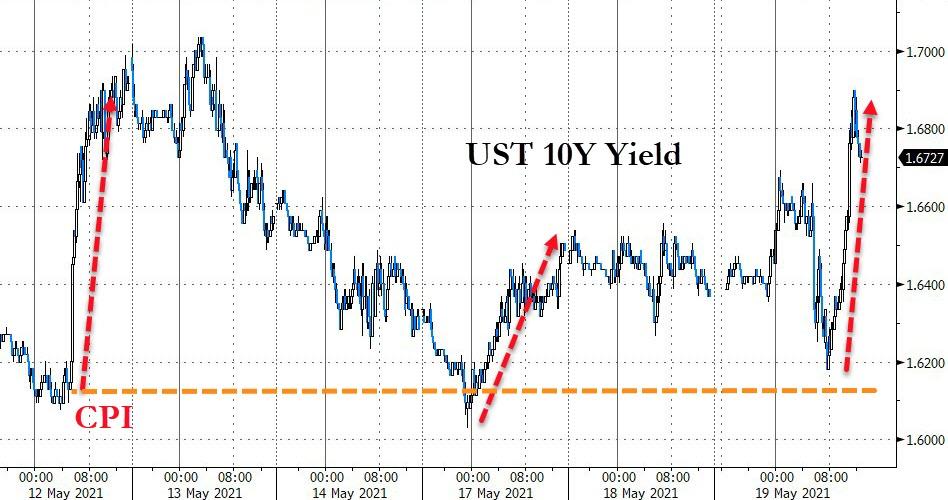
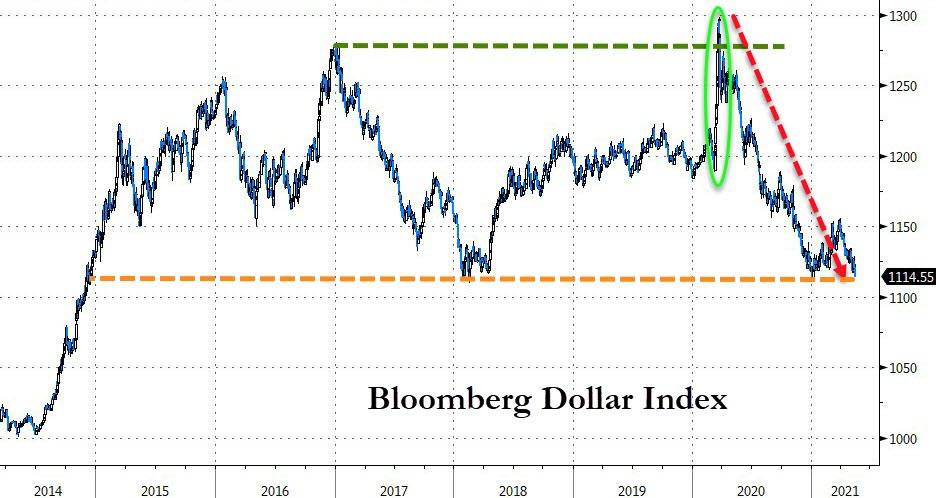
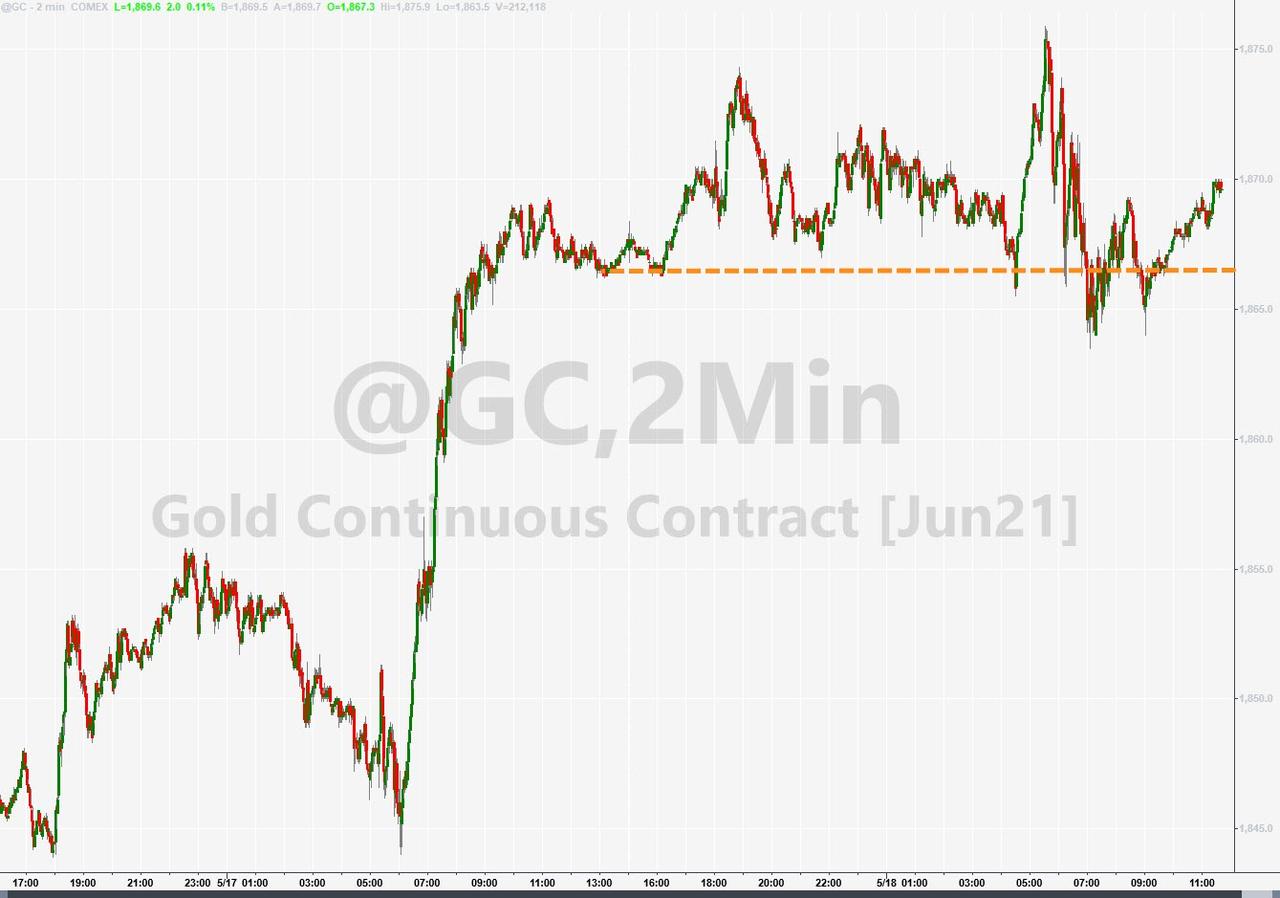
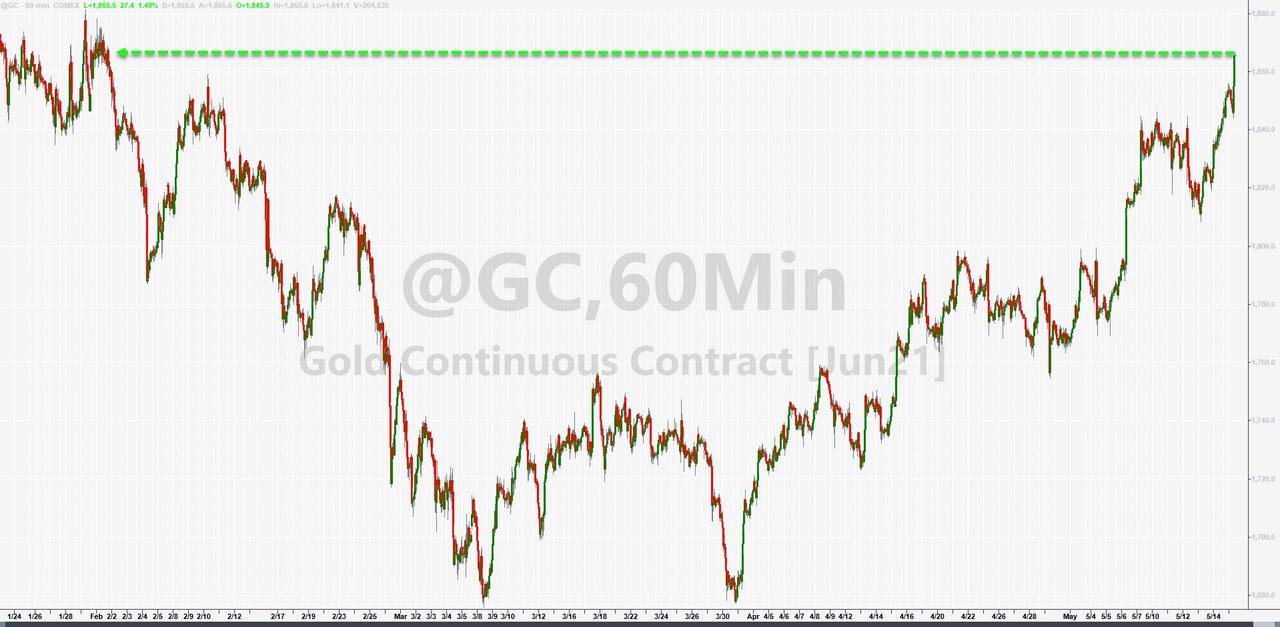
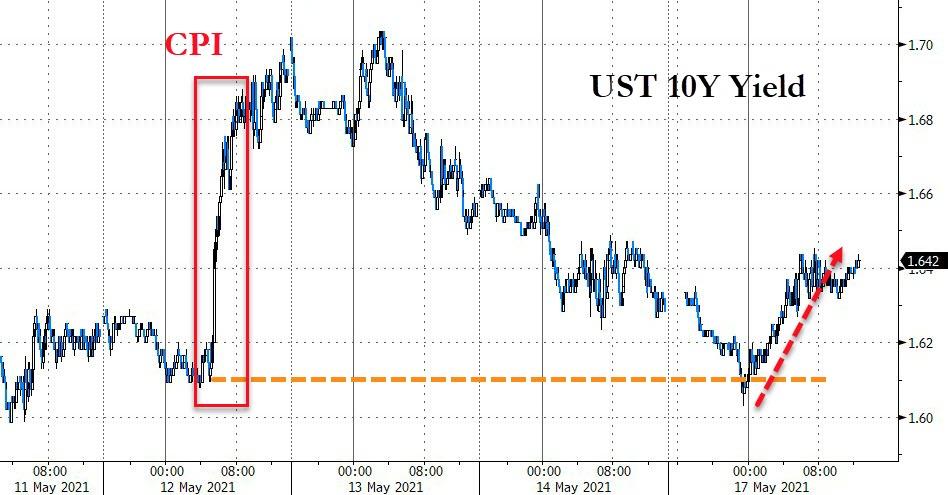
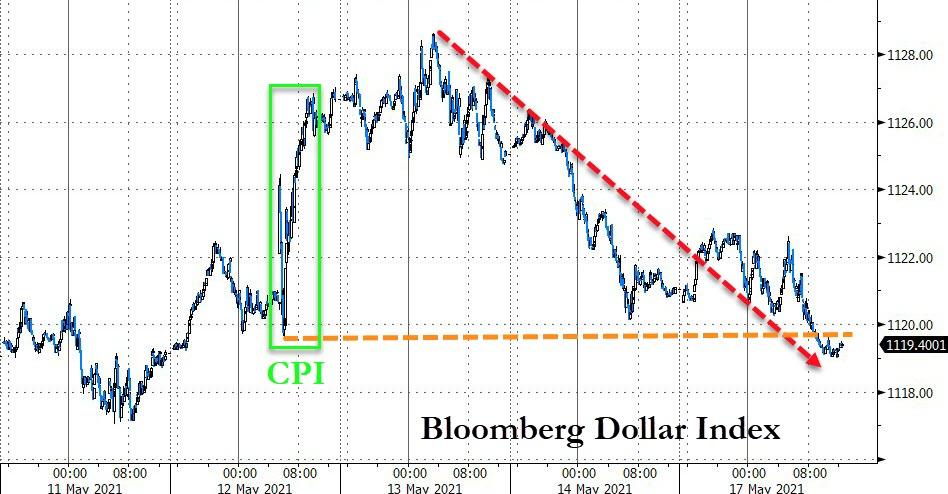
The US Dollar, which spiked Wednesday, lost its stamina, and gave up all of yesterday’s gains. Part of the reason was the drop in bond yields with the 10-year retracing its recent run. As is the case when that duo collapses in unison, the beneficiary ends up being gold. Today was no exception, and the Gold ETF GLD added +0.43%.
On deck tomorrow will be options expirations, which can increase volatility and influence markets negatively, but that does not mean that the long-term bullish trend will be violated.
Read More