Weekly StatSheet For The ETF Tracker Newsletter – Updated Through 09/15/2022

Ulli ETF StatSheet Contact

ETF Data updated through Thursday, September 15, 2022
Methodology/Use of this StatSheet:

1. From the universe of over 1,800 ETFs, I have selected only those with a trading volume of over $5 million per day (HV ETFs), so that liquidity and a small bid/ask spread are assured.

2. Trend Tracking Indexes (TTIs)

Buy or Sell decisions for Domestic and International ETFs (section 1 and 2), are made based on the respective TTI and its position either above or below its long-term M/A (Moving Average). A crossing of the trend line from below accompanied by some staying power above constitutes a “Buy” signal. Conversely, a clear break below the line constitutes a “Sell” signal. Additionally, I use an 12% trailing stop loss on all positions in these categories to control downside risk.

3. All other investment arenas do not have a TTI and should be traded based on the position of the individual ETF relative to its own respective trend line (%M/A). That’s why those signals are referred to as a “Selective Buy.” In other words, if an ETF crosses its own trendline to the upside, a “Buy” signal is generated. Here too, I recommend trailing sell stop of 12%, or less, depending on your risk tolerance.

If you are unfamiliar with some of the terminology, please see Glossary of Terms and new subscriber information in section 9.     

1. DOMESTIC EQUITY ETFs: SELL — since 02/24/2022
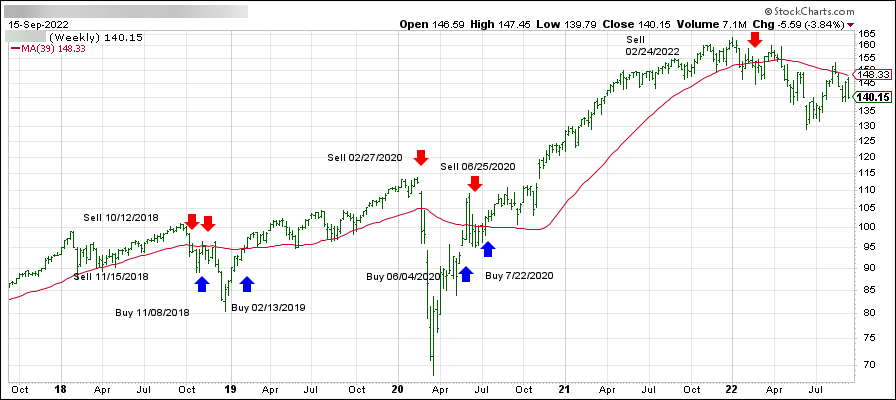
Click on chart to enlarge

Our main directional indicator, the Domestic Trend Tracking Index (TTI-green line in the above chart) has broken below its long-term trend line (red) by -5.76% and remains in “SELL” mode.

Read More
Struggling For Direction

Ulli Market Commentary Contact

[Chart courtesy of MarketWatch.com]

  1. Moving the markets

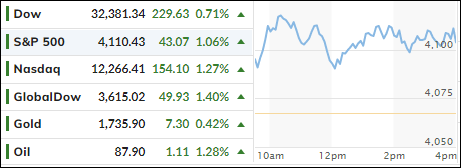
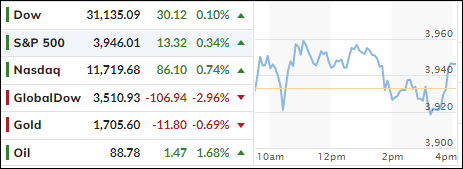
After yesterday’s bloodbath, it came as no surprise that dip buyers surfaced and nibbled hoping to catch the market equivalent of a falling knife. The major indexes vacillated above and below their respective unchanged lines but managed to eke out some small gains, thanks to a last hour rebound.

Trying to find some footing during this choppy and sloppy session was the goal, after the indexes notched their biggest one-day drop in more than two years. The Dow was the weakling and barely reached its unchanged line after an early 200-point drop.

Traders are now pondering the uneasy question as to whether equities will head back to their June lows, or even break through that marker and fall much further, as the certainty, that the Fed is serious about fighting inflation, has everyone on edge.

However, in the end, equities could face a double whammy, or a “death blow,” as ZeroHedge called it, when higher rates and lower earnings (from the upcoming economic slowdown) combine forces to push stocks to much lower levels.

After all, when lower rates and a growing economy support higher stock valuations, the opposite also holds true—and that looks to be the direction we are headed.

Read More

Markets Puke After CPI Data

Ulli Market Commentary Contact

[Chart courtesy of MarketWatch.com]

  1. Moving the markets

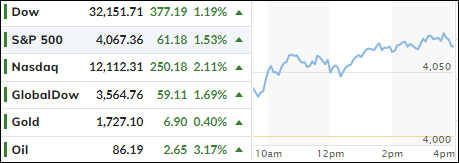
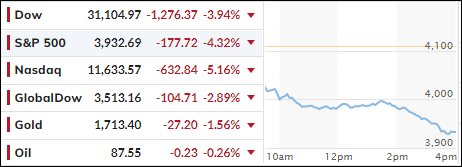
The wishful thinking of traders and algos alike, that peak inflation was behind us, came to a screeching halt today, when the latest CPI number showed a worse than expected reading of 8.3, and that a Fed pivot to lower rates is now nowhere on the horizon.

For months, I have commented ad nauseam that inflation is only in the beginning stages, even though last month’s CPI dropped a tad from the prior one, as if one lower reading represents a trend.

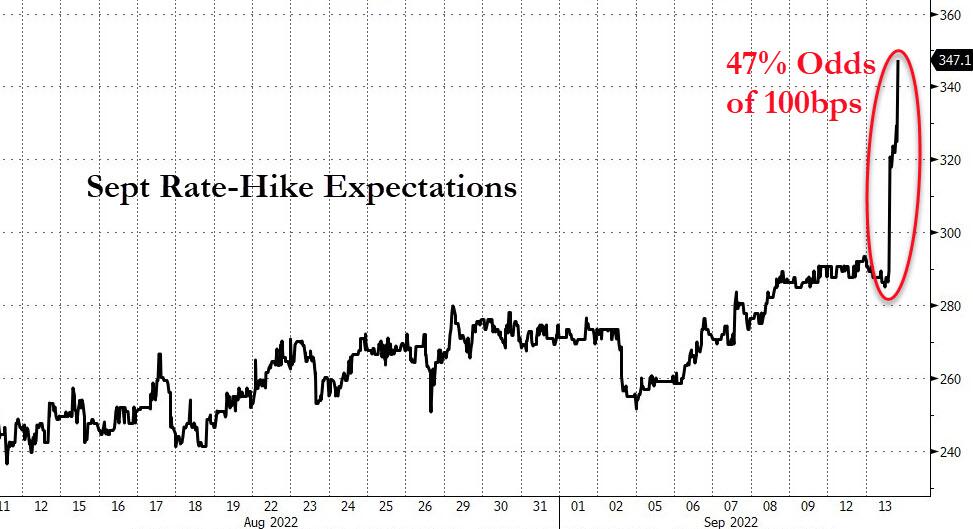
And just like that, the eager front runners, who pushed this market higher, starting after Labor Day, ran into the buzz saw of reality and surrendered all profits in one session. In other words, the dead-cat-bounce has died on the vine, as the Fed will now for sure hike rates at least 75bps next week—or even 100bps.

The major indexes tanked in unison, as not only the Fed’s hopeful pivot disappeared but also the odds of wishful soft landing. The Fed and his staff had made it abundantly clear over the past few weeks that fighting the inflation monster would be their main priority, a theme that was simply dismissed by traders and algos alike, so today, the piper had to be paid for that ignorance.

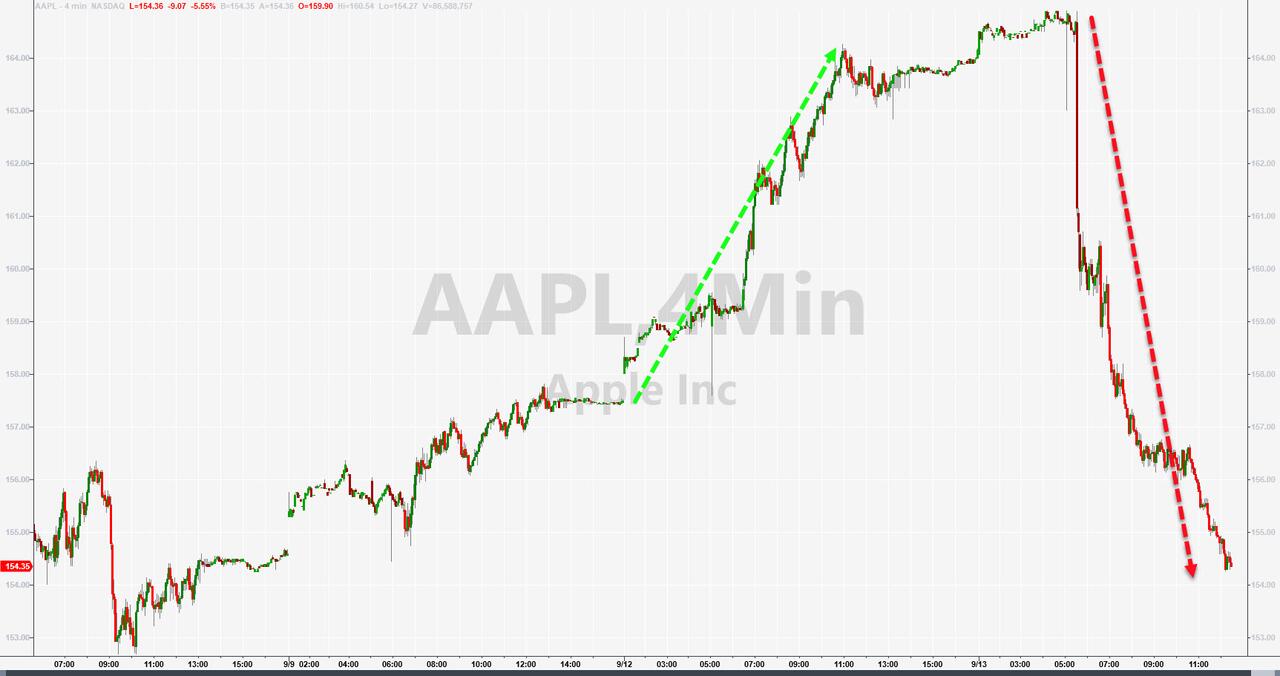
There was no place to hide in this ocean of red, and even Apple, after having its best day since May yesterday, suffered its worst day since May, as ZeroHedge pointed out. That’s the kind of idiotic market environment we’ve been in for a while, with the much talked about short squeeze abruptly coming to an end.

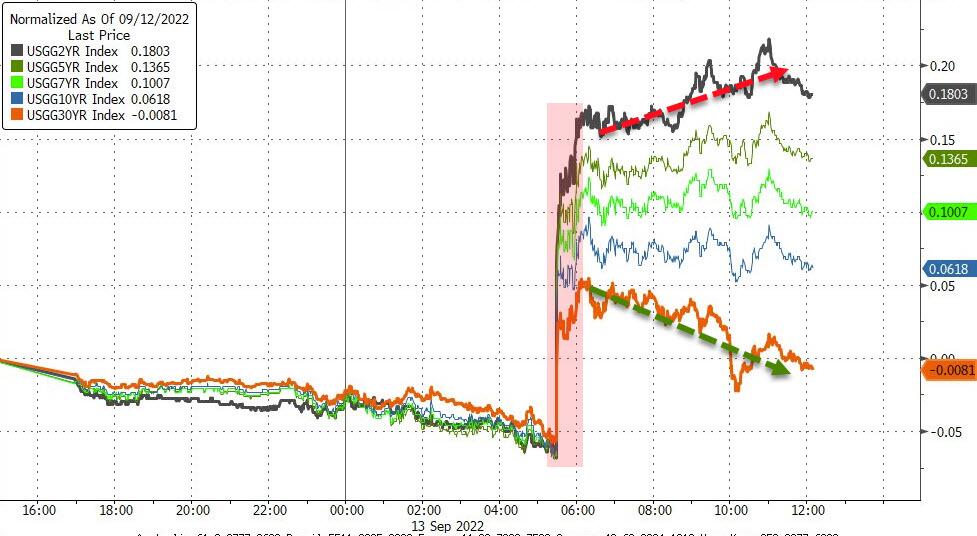
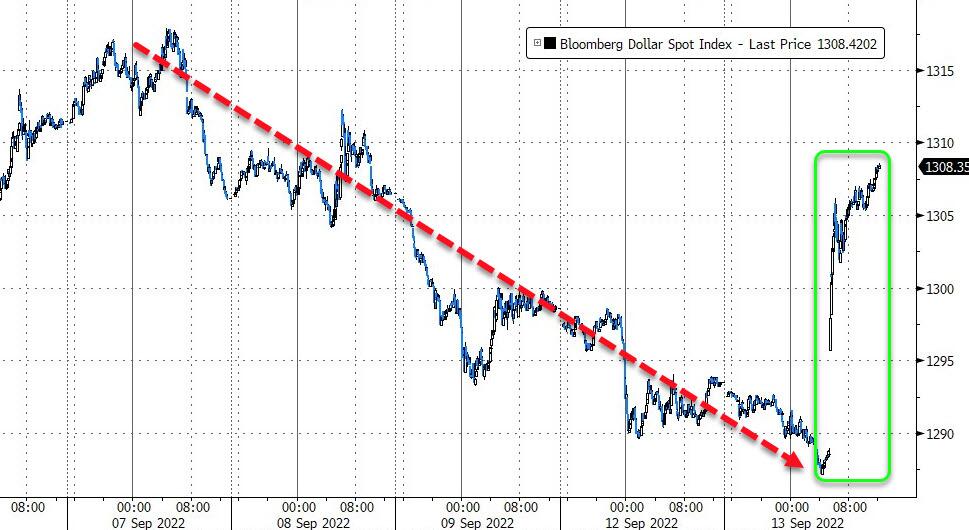
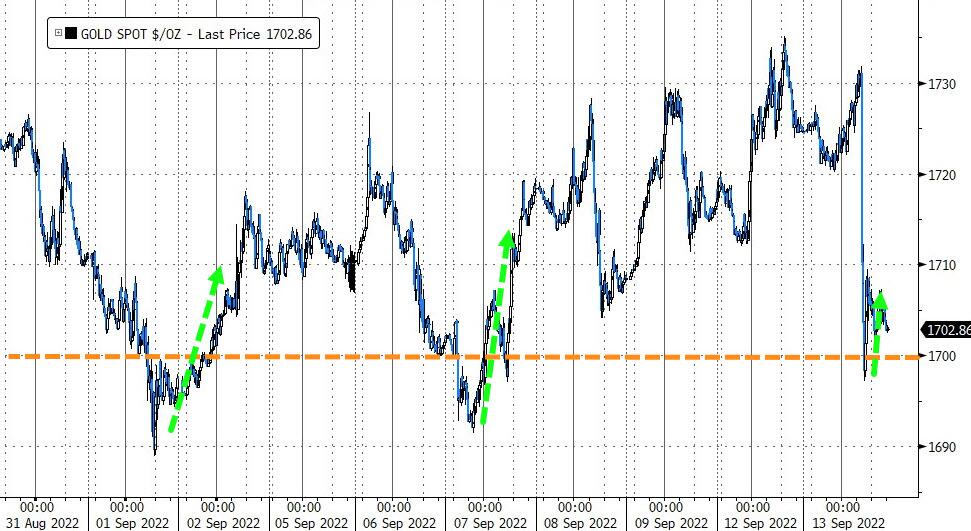
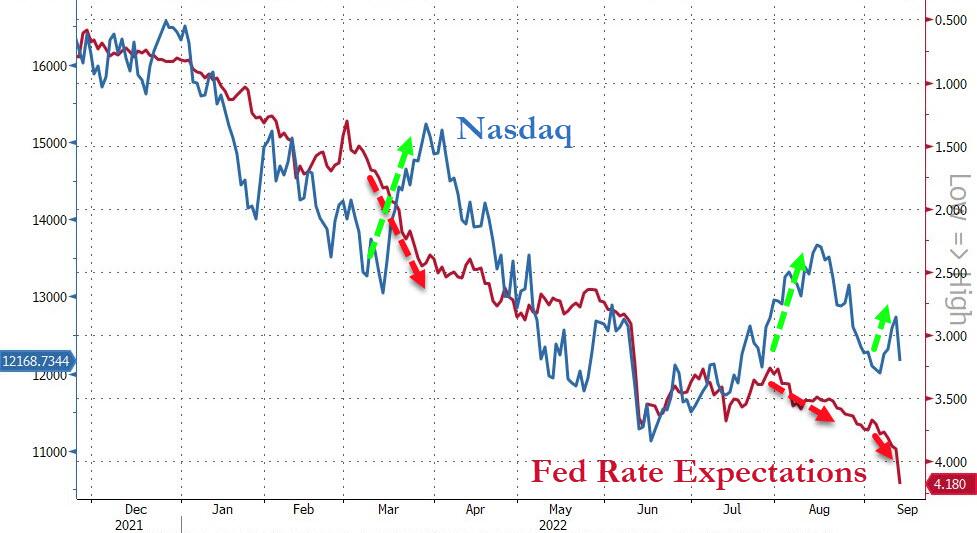
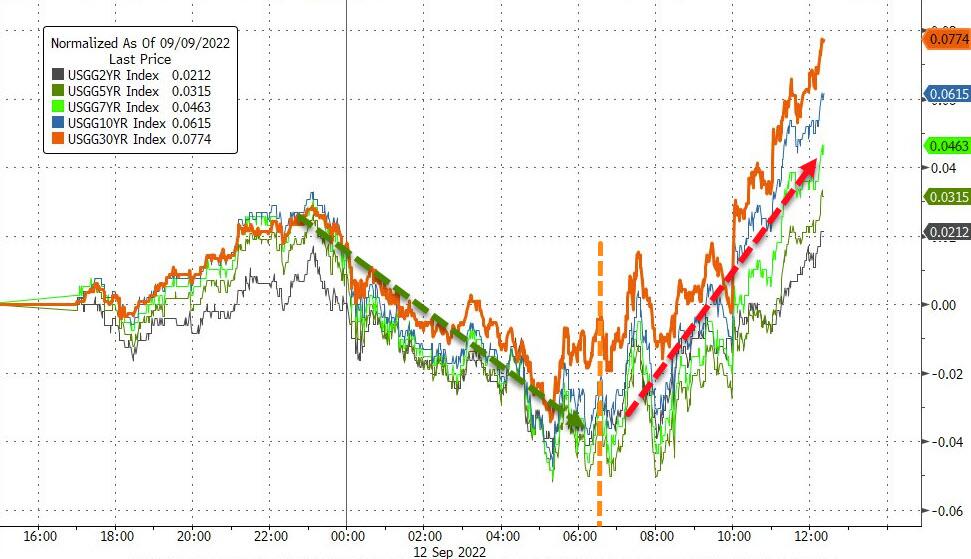
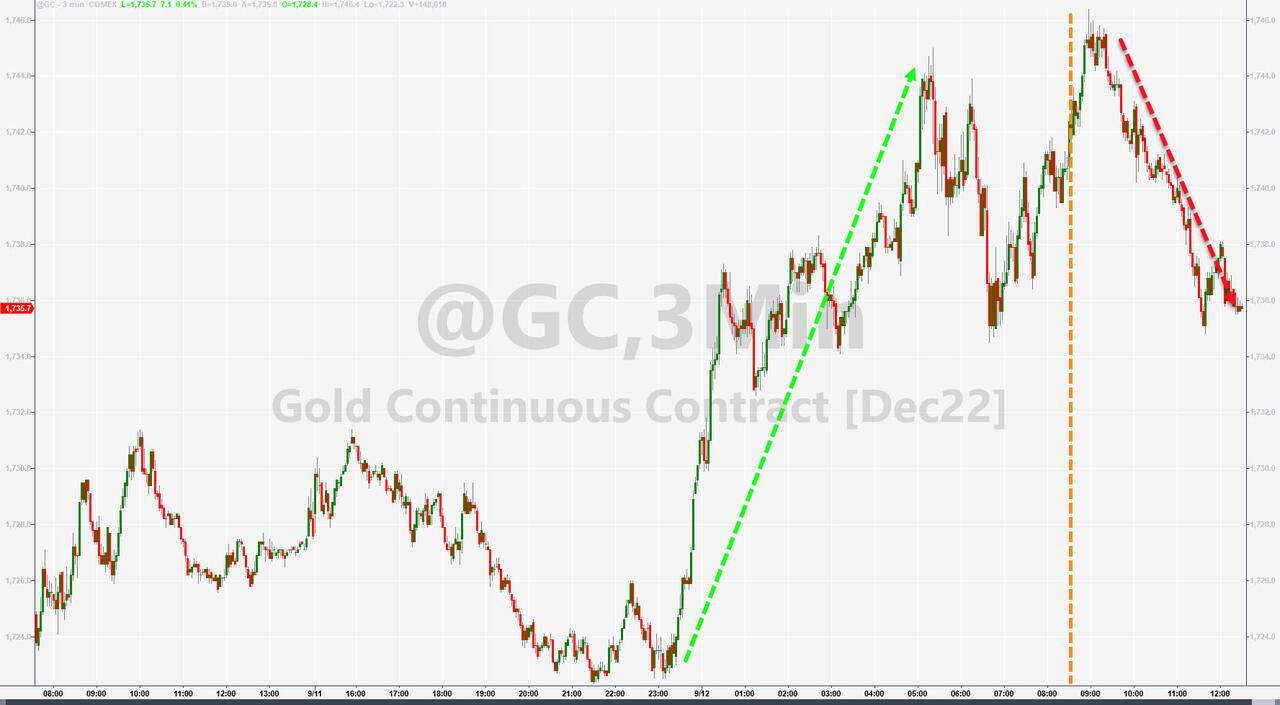
Bond yields screamed higher, as bond prices got slammed with the 10-year rallying 10bps to close at 3.42%. Rate hike expectations surged, while the US Dollar shifted in reverse and rallied thereby taking Gold back down, but the precious metal defended its $1,700 level.

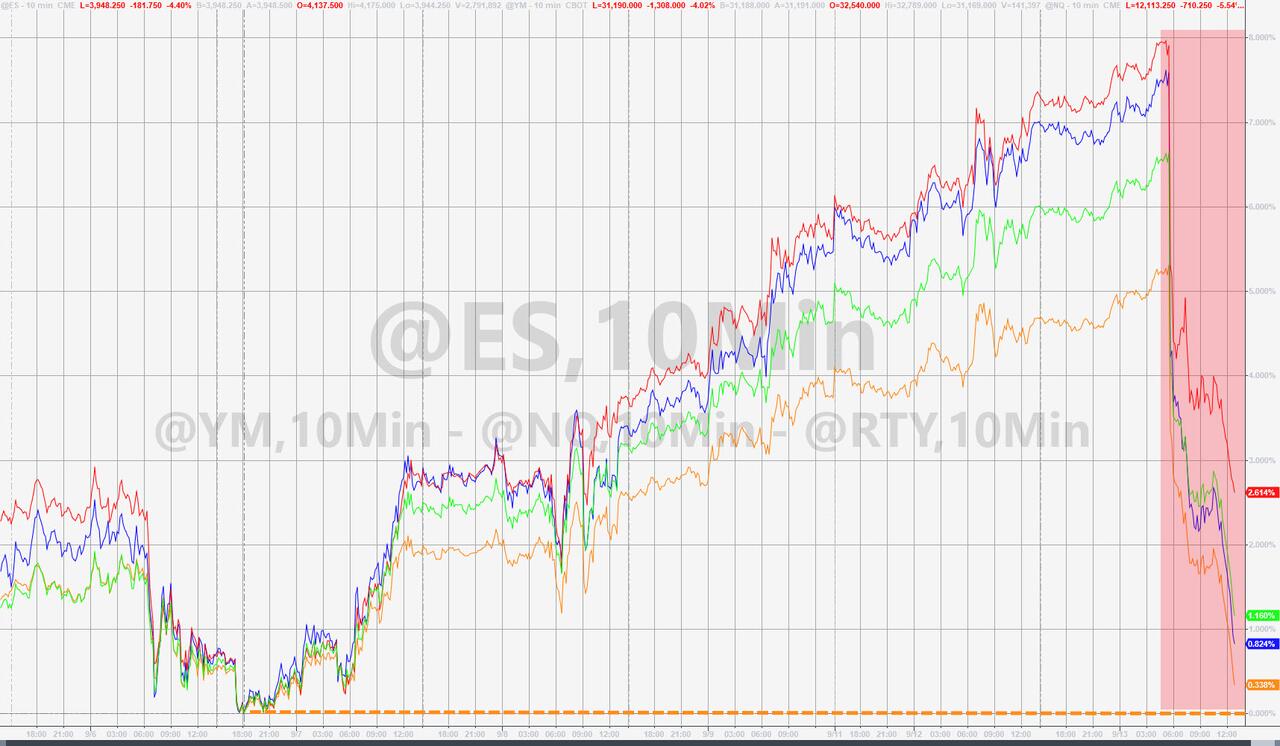
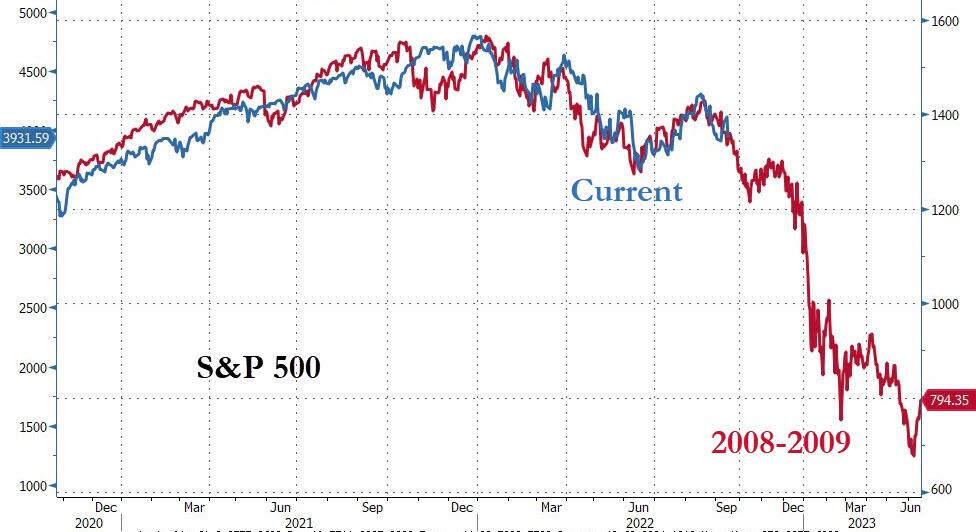
As ZH pointed out with this chart, it’s catch-down time for stocks, and with a $3.2 trillion options expirations day lurking on Friday, will the 2008-2009 analog hold?

As Trend followers, we are out of equities and will watch the show from the safety of the sidelines.

Read More

Front Running The CPI Report

Ulli Market Commentary Contact

[Chart courtesy of MarketWatch.com]

  1. Moving the markets

Stocks continued last week’s momentum to higher ground, as traders are still convinced that peak inflation is in the rear-view mirror, and that future rate hikes might be smaller because of it. That goes against Fed head Powell’s repeated assertions that he remains “strongly committed” to bring down inflation.

No matter how the CPI number will turn out tomorrow, the Fed meeting on Sept. 20-21 looms large with expectations being that they will deliver the 3rd consecutive 0.75% rate hike. In the meantime, a softer than expected CPI reading could maintain bullish momentum and soon create a new Domestic Buy signal for our Trend Tracking approach. At this time, we are not quite there yet, as you can see in section 3 below.

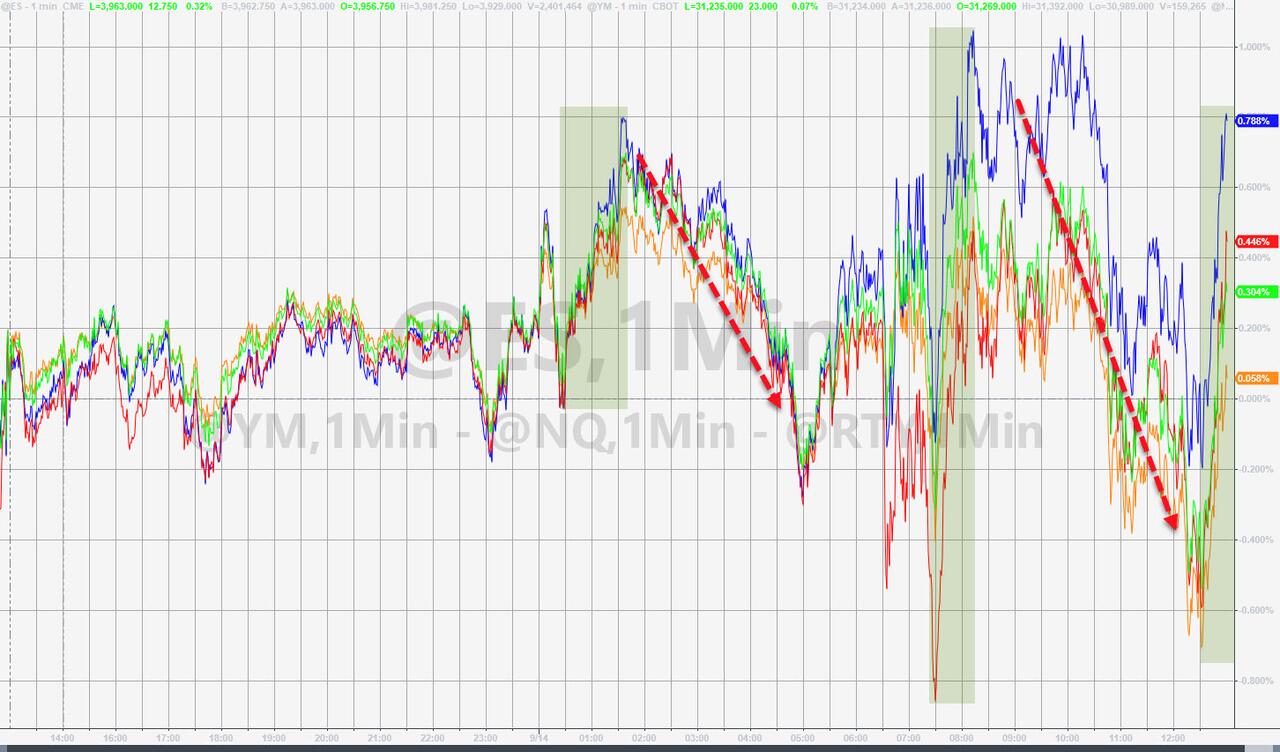
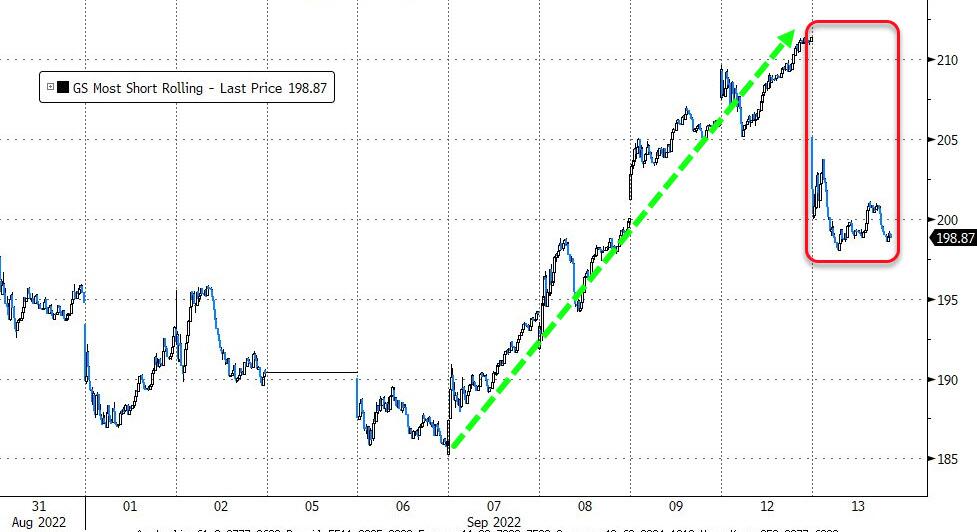
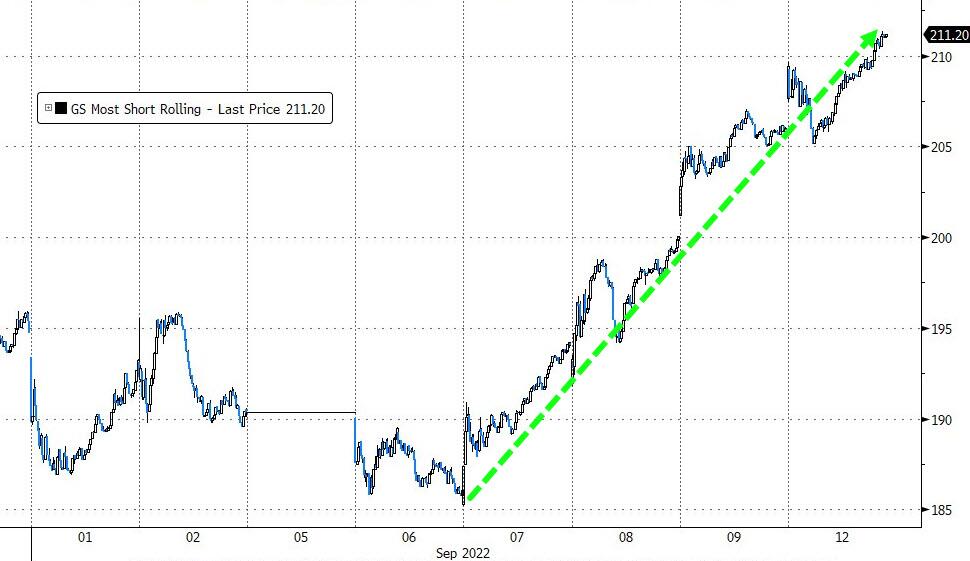
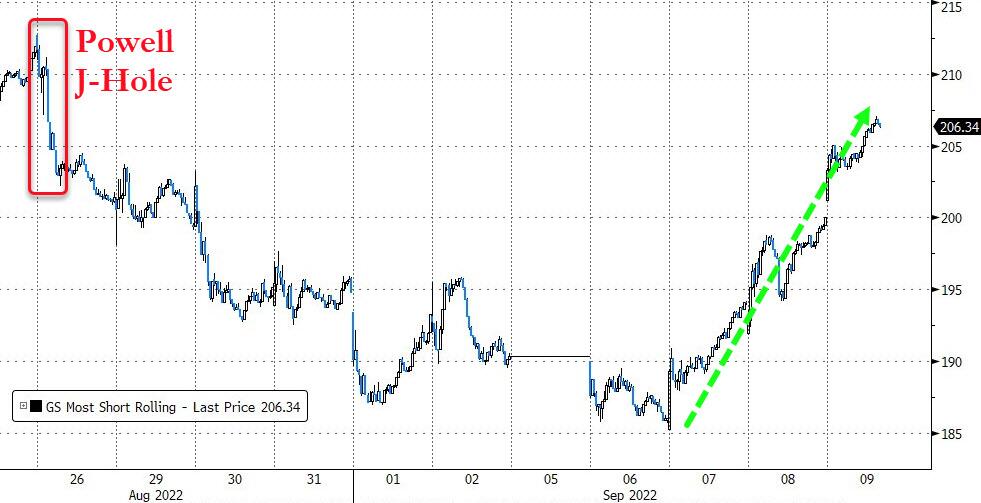
As is usually the case, no major rebound can materialize without a solid short squeeze. That was the case over the past 4 trading days, as the most shorted stocks got squeezed by some 14% off their lows, as ZeroHedge posted.

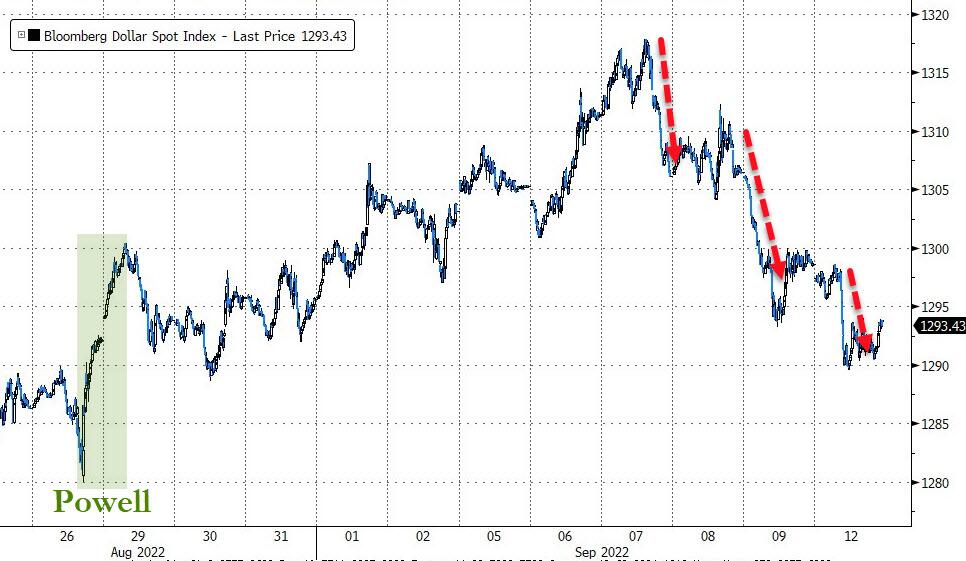
Bond yields rallied with the 10-year adding 6 basis points to close at 3.36%. The US Dollar tanked again, which allowed Gold to score another winning session above its $1,700 marker, despite a late day sell off.

With the CPI on deck tomorrow, traders may again ignore the Fed’s latest warning that one month’s report will not sway them in their fight against inflation.

Read More

ETFs On The Cutline – Updated Through 09/09/2022

Ulli ETFs on the Cutline Contact

Below, please find the latest High-Volume ETF Cutline report, which shows how far above or below their respective long-term trend lines (39-week SMA) my currently tracked ETFs are positioned.

This report covers the HV ETF Master List from Thursday’s StatSheet and includes 312 High Volume ETFs, defined as those with an average daily volume of more than $5 million, of which currently 38 (last week 27) are hovering in bullish territory. The yellow line separates those ETFs that are positioned above their trend line (%M/A) from those that have dropped below it.

Take a look:                                                                   

The HV ETF Master Cutline Report

In case you are not familiar with some of the terminology used in the reports, please read the Glossary of Terms. If you missed the original post about the Cutline approach, you can read it here.      

ETF Tracker Newsletter For September 9, 2022

Ulli ETF Tracker Contact

ETF Tracker StatSheet          

You can view the latest version here.

SHATTERING A 3-WEEK SLUMP

[Chart courtesy of MarketWatch.com]

  1. Moving the markets

Despite the Fed having gone all out with its resolve of fighting inflation confirmed via a variety of speeches by Fed governors and Fed head Powell himself during his Jackson Hole 10-minute closing speech, the markets are simply not buying it and calling his bluff.

Here’s what he said:

Restoring price stability will take some time and requires using our tools forcefully to bring demand and supply into better balance. Reducing inflation is likely to require a sustained period of below-trend growth. Moreover, there will very likely be some softening of labor market conditions. While higher interest rates, slower growth, and softer labor market conditions will bring down inflation, they will also bring some pain to households and businesses. These are the unfortunate costs of reducing inflation. But a failure to restore price stability would mean far greater pain.

The markets tanked originally over a 3-week span, but during this Holiday shortened week, traders and algos alike challenged his conviction of not turning dovish soon and pumped stocks higher hoping/wishing/concluding that the much-awaited pivot will be close at hand. And that despite another host of hawkish announcements, as ZeroHedge posted:

  • *BULLARD SAYS MARKETS UNDERPRICING ‘HIGHER FOR LONGER’ RATES
  • *BULLARD SAYS GOOD CPI REPORT SHOULDN’T AFFECT SEPT. FED CALL
  • *WALLER BACKS ‘ANOTHER SIGNIFICANT’ RATE HIKE IN SEPTEMBER
  • *WALLER: INFLATION FAR TOO HIGH, PREMATURE TO JUDGE IT’S PEAKED
  • *WALLER: IF WE DON’T GET INFLATION DOWN, WE’RE IN TROUBLE
  • *GEORGE: FED HAS SOME ROOM TO RUN TO BRING INTEREST RATES UP
  • *GEORGE: WARNS OF POSSIBLE DIFFICULT PATH IN LOWERING INFLATION

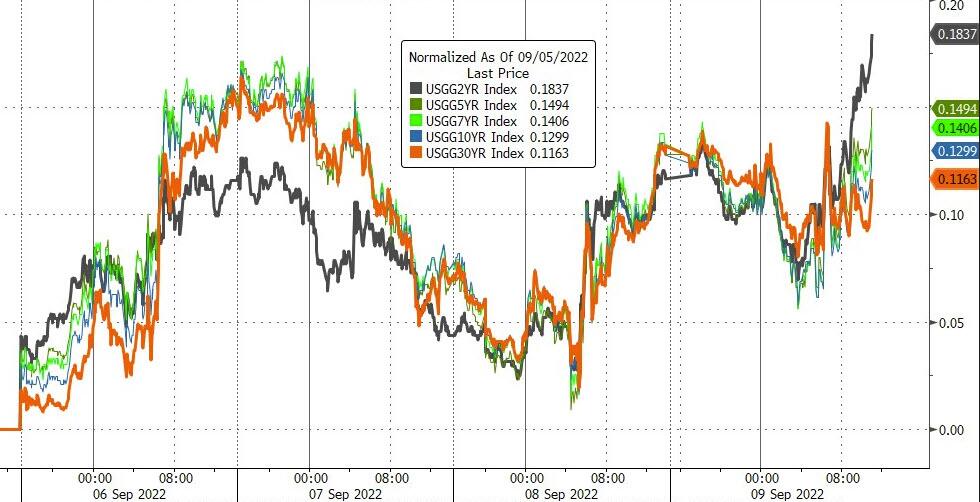
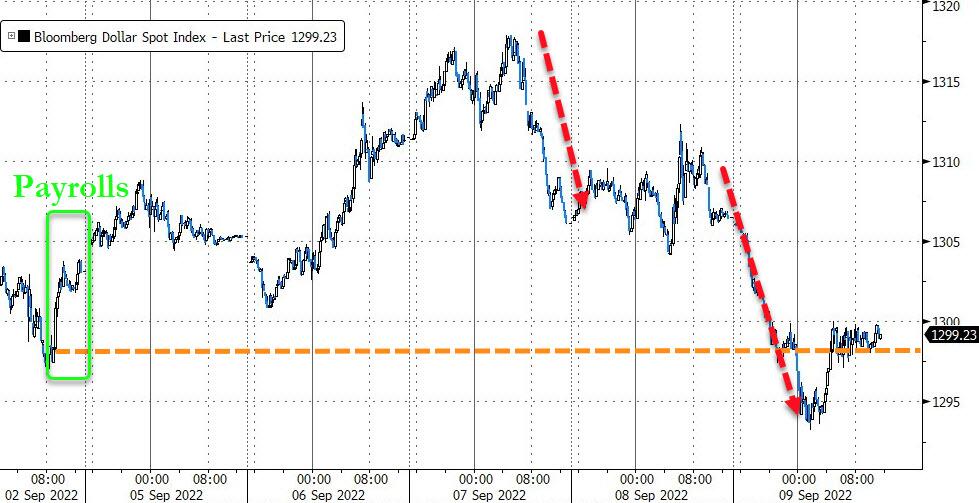
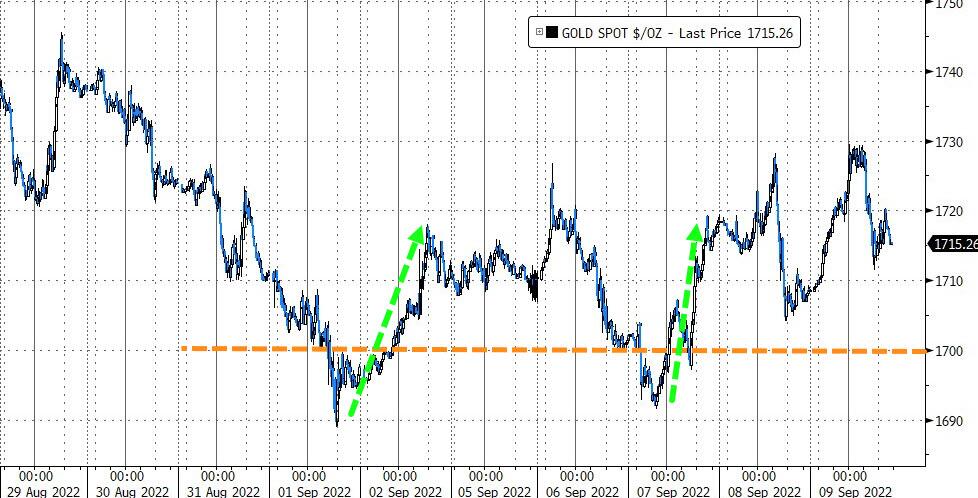
Even a continued surge in Rate Hike Expectations did nothing to stop the bulls from pushing the indexes higher. Just as higher bond yields did not change traders’ minds. The US Dollar slipped off its mid-week high, which enabled Gold to recapture its $1,700 level.  

In the end, the S&P 500 gained 3.6% during the past 4 trading days, thereby wiping out the past 2 weeks of losses. While it’s too early to tell if this week’s activity turns out to be another head fake, it’s clear to me that the Fed will continue its mission to tighten monetary policy, which will be a headwind for equities going forward.

Nevertheless, bear market bounces will always be part of that equation, but we must be prepared that out of one those rebounds a new bull market may emerge.   

Read More