ETF Tracker Newsletter For November 19, 2021

Ulli ETF Tracker Contact

ETF Tracker StatSheet          

You can view the latest version here.

LIMPING INTO THE WEEKEND

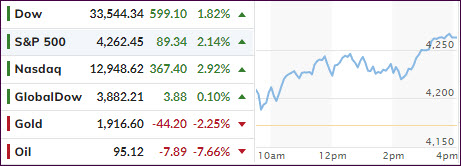
[Chart courtesy of MarketWatch.com]

  1. Moving the markets

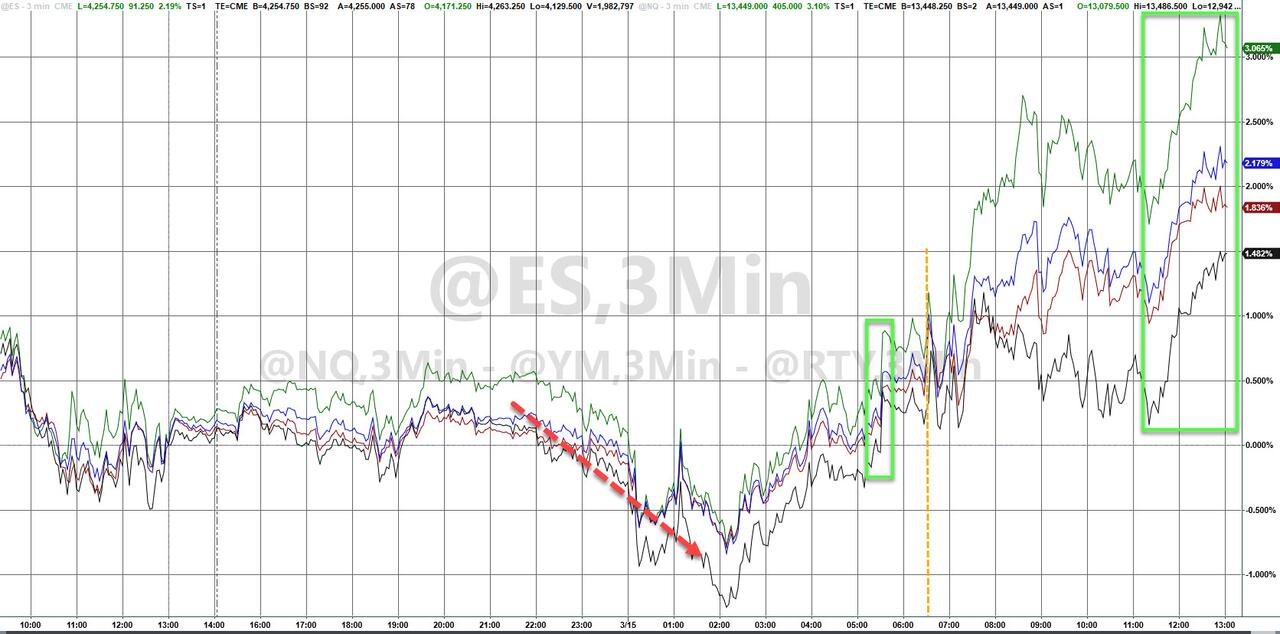
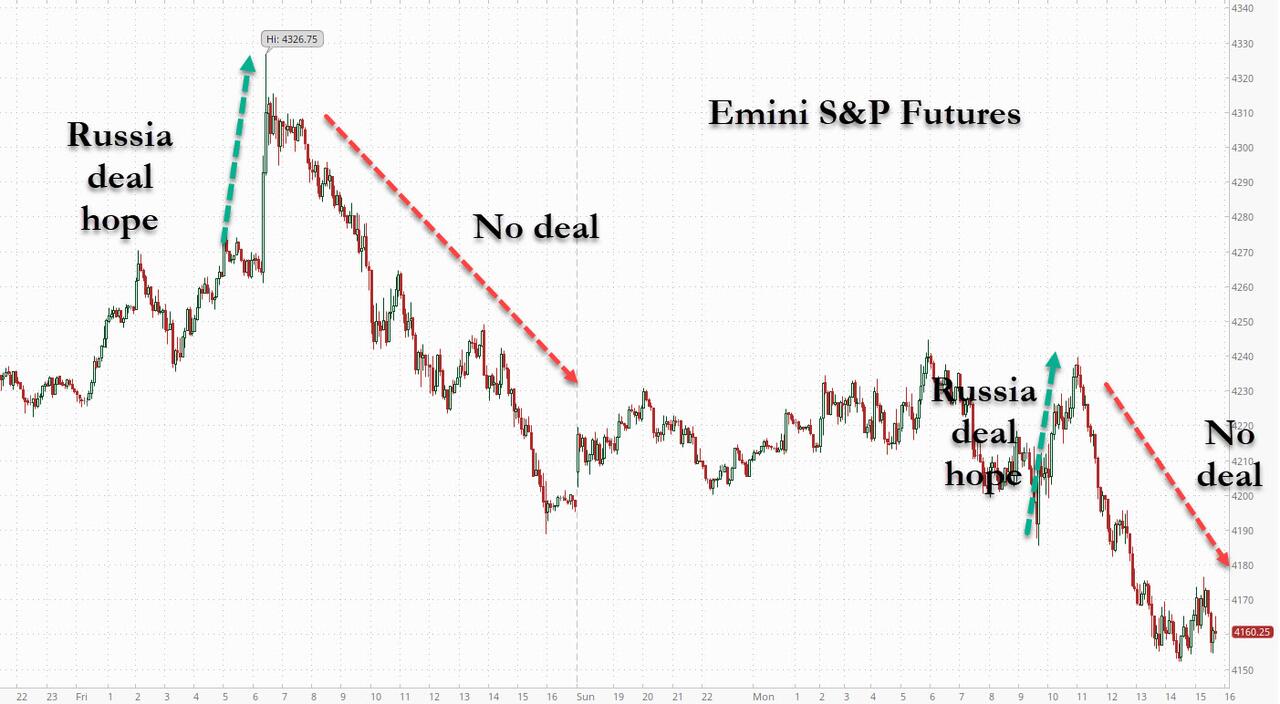
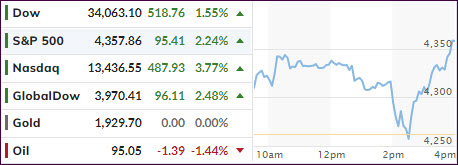
In a similar fashion to yesterday, the markets chopped around with the Dow again being the weakling, while the S&P clung to its unchanged line, but the Nasdaq continued its ascent to higher prices and gained 0.40%.

With a solid earnings season coming to an end, it’s understandable that a slowdown is in order, that is until a new driver appears to propel the indexes towards their much hoped-for year-end rally. Right now, we’re in a lull, which is influenced by refreshed Covid concerns, the reminder that inflation will be anything but “transitory,” and the potential of Fed tightening.

Not helping the bulls over the past few days was the absence of the always welcome short squeeze, as most shorted stocks did what they do best, when not manipulated, namely drop in price.

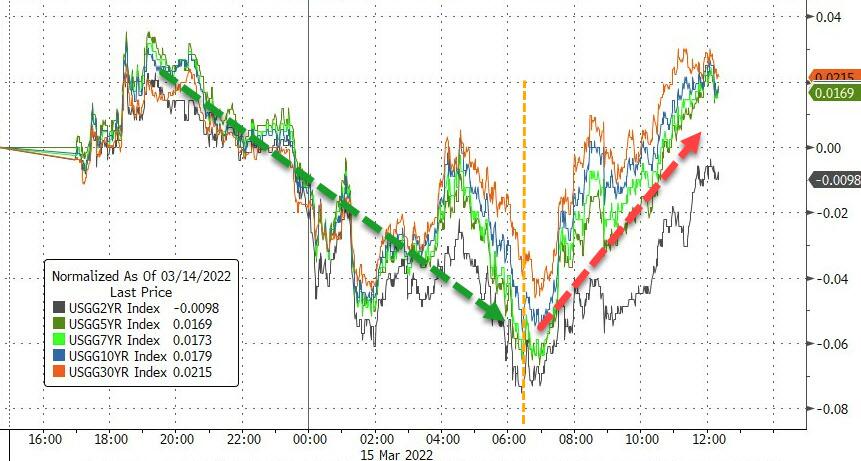
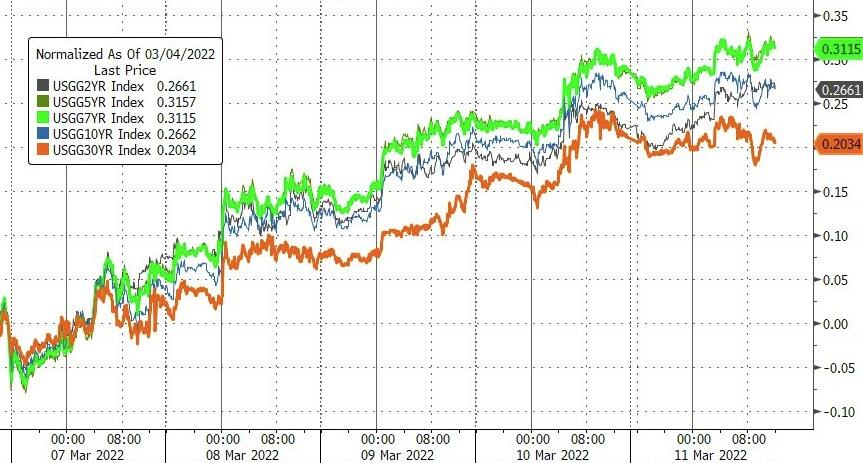
Bond yields operated in a world of their own with the 2-year spiking and the 30-year sinking, which paints a picture of uncertainty in that arena. This can easily influence the equity market, should conditions become more extreme.

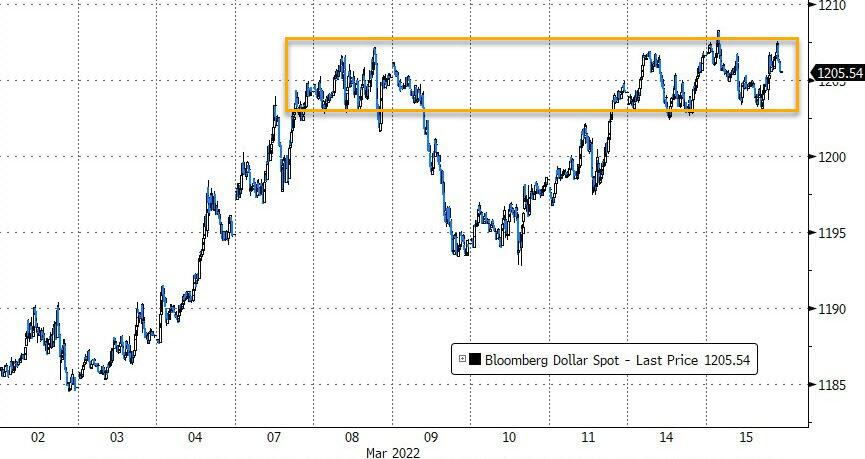
The US Dollar index rode the roller coaster yet, despite losing some mojo in the end, closed higher by 0.51%. Dollar strength, and recovery fears, sent commodities (DBC) lower for this week, as ZeroHege noted.

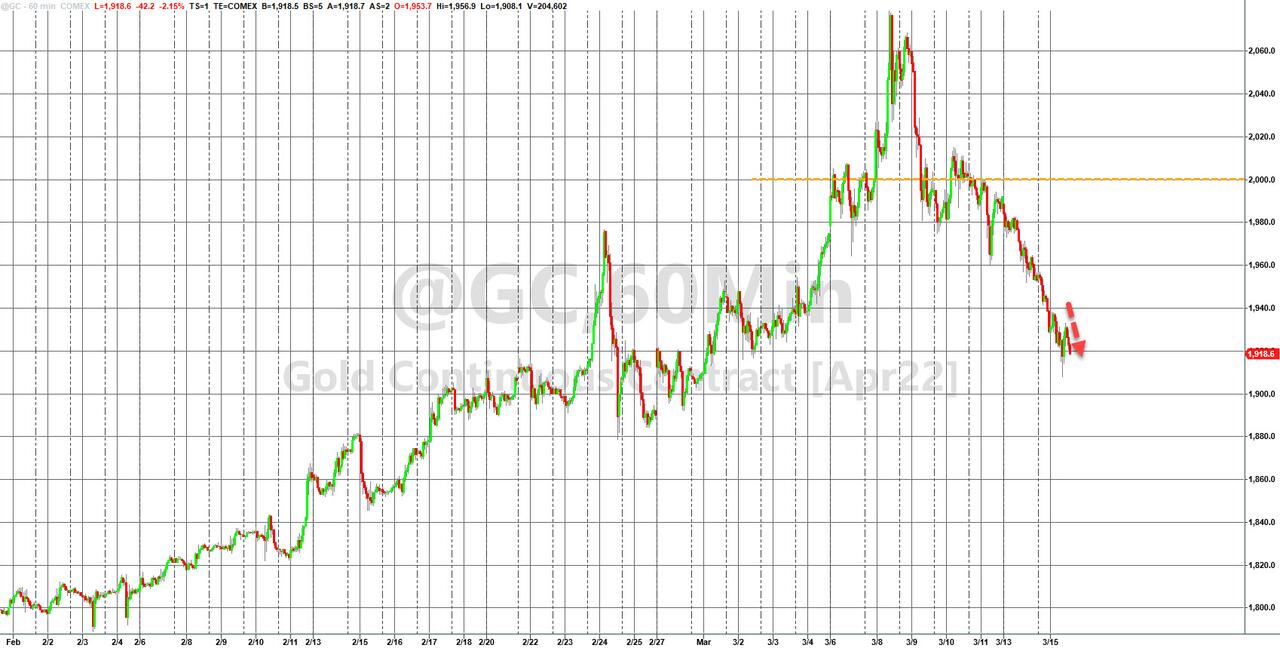
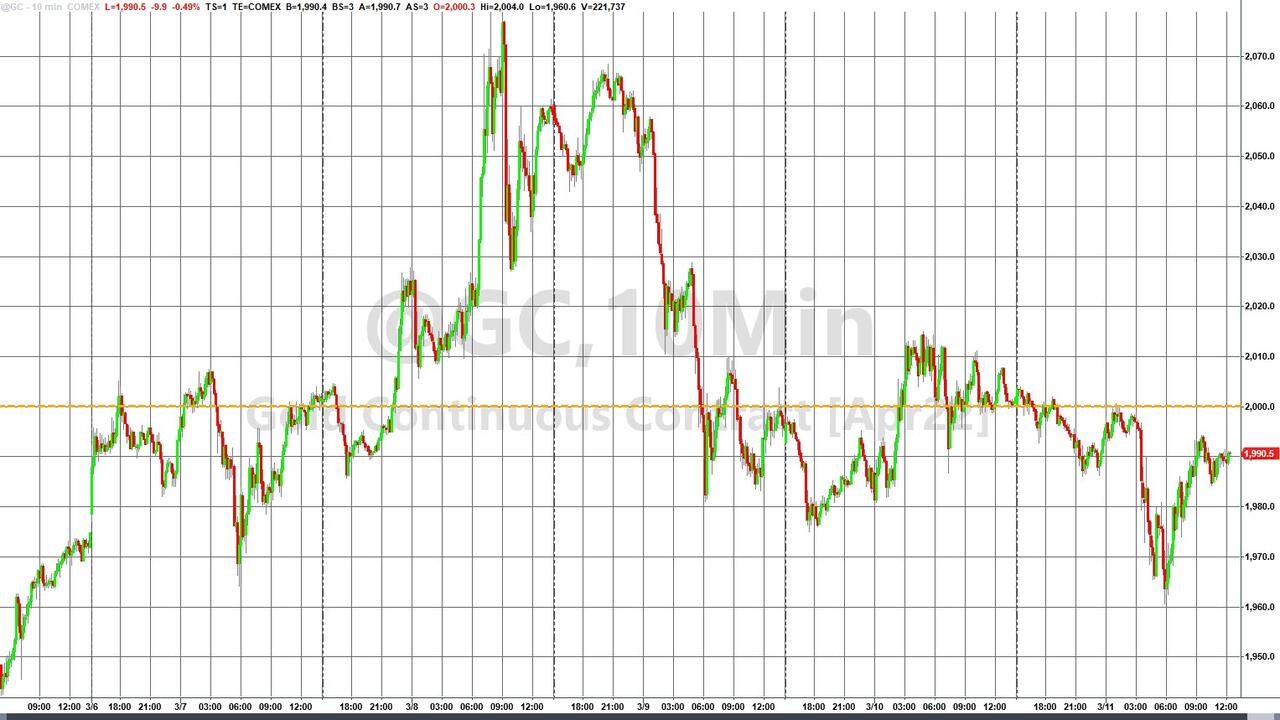
Despite today’s 0.69% pullback, gold managed to hang on to its $1,800 level, but showed a strange top like pattern this week.   

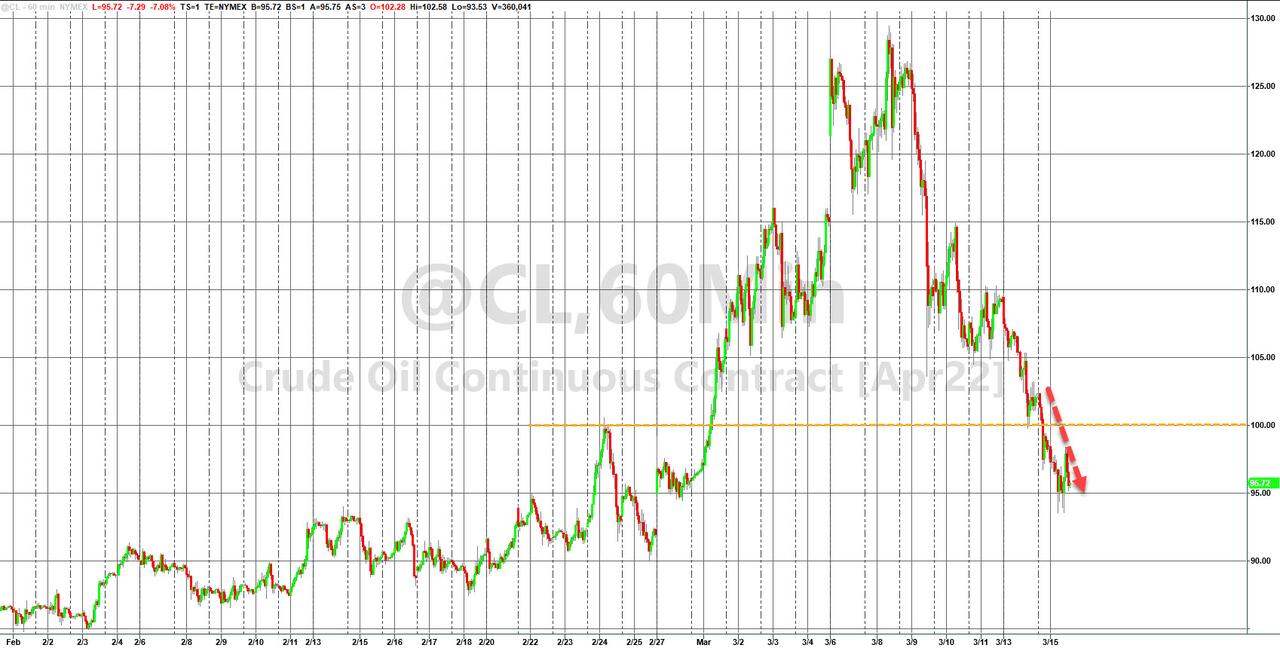
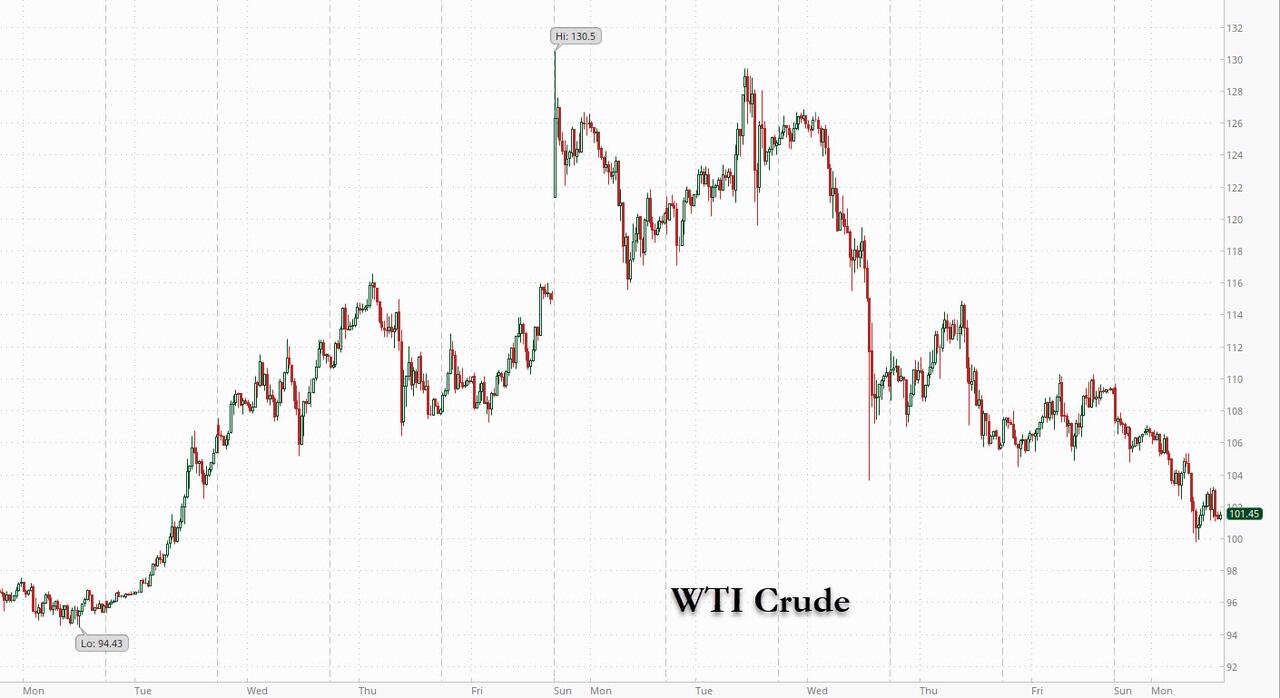
ZeroHege pointed to some good news for the lowly consumer in that gas prices at the pump are offering some relief, if this chart is any indication. The only question is: How long will this last?

Read More

Weekly StatSheet For The ETF Tracker Newsletter – Updated Through 11/18/2021

Ulli ETF StatSheet Contact

ETF Data updated through Thursday, November 18, 2021

Methodology/Use of this StatSheet:

1. From the universe of over 1,800 ETFs, I have selected only those with a trading volume of over $5 million per day (HV ETFs), so that liquidity and a small bid/ask spread are assured.

2. Trend Tracking Indexes (TTIs)

Buy or Sell decisions for Domestic and International ETFs (section 1 and 2), are made based on the respective TTI and its position either above or below its long-term M/A (Moving Average). A crossing of the trend line from below accompanied by some staying power above constitutes a “Buy” signal. Conversely, a clear break below the line constitutes a “Sell” signal. Additionally, I use an 8% trailing stop loss on all positions in these categories to control downside risk.

3. All other investment arenas do not have a TTI and should be traded based on the position of the individual ETF relative to its own respective trend line (%M/A). That’s why those signals are referred to as a “Selective Buy.” In other words, if an ETF crosses its own trendline to the upside, a “Buy” signal is generated. Since these areas tend to be more volatile, I recommend a wider trailing sell stop of 8%-10% depending on your risk tolerance.

If you are unfamiliar with some of the terminology, please see Glossary of Terms and new subscriber information in section 9.     

1. DOMESTIC EQUITY ETFs: BUY — since 07/22/2020

Click on chart to enlarge

Our main directional indicator, the Domestic Trend Tracking Index (TTI-green line in the above chart) has now rallied above its long-term trend line (red) by +7.41% and remains in “BUY” mode as posted.

Read More
Stalling Near Record Highs

Ulli Market Commentary Contact

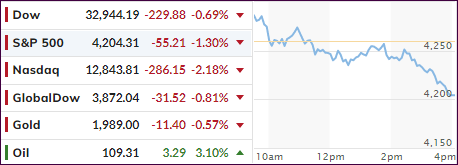
[Chart courtesy of MarketWatch.com]

  1. Moving the markets

The bulls took a breather today and lost a tug-of-war pitting a continuation of strong earnings against persistent inflation anxieties. At least for this day, the dip buyers were conspicuously absent causing the major indexes to give back some of their recent gains.

For the week, the Nasdaq has been sprinting ahead with the Dow and S&P lagging, as supply chain issues and labor shortages remain on traders’ minds, which seems to affect the bullish theme but only on a temporary basis.

SmallCaps got spanked, and “Value” followed suit by getting hit hard relative to “Growth.” In a way, bond yields saved the day by retreating with the 30-year dropping below the 2% level, a retracement similar to the US Dollar, which corrected a scant 0.12%.

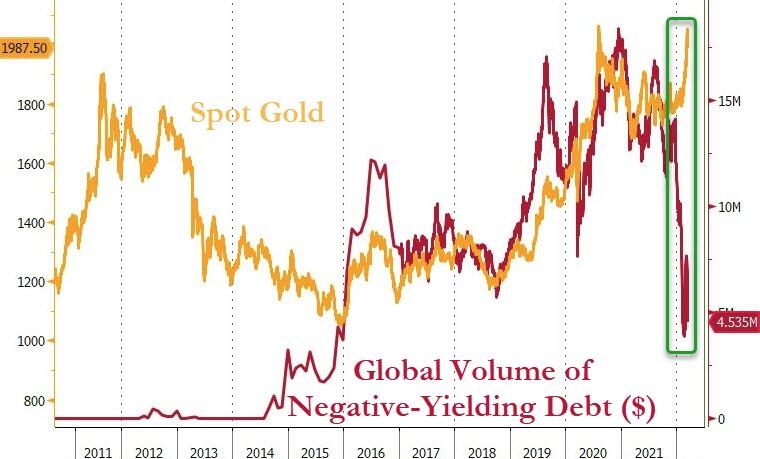
Gold, while pulling back into the close, continued its ascent towards the $1,900 level by gaining 0.80% and was one of the few ‘green’ closes we saw today.

I will be out tomorrow but will return on Friday to write that day’s market commentary.

Read More

Finding A Catalyst

Ulli Market Commentary Contact

[Chart courtesy of MarketWatch.com]

  1. Moving the markets

An initial bounce caused by strong October retail sales, as well as better-than-expected earnings report cards from Home Depot and Walmart, ran into some resistance mid-day, but the major indexes still managed to eke out a gain.

Leading the pack was the Nasdaq with a solid 0.76% advance, while the Dow lagged and barely stayed in the green. Traders took the above data as a sign that consumers are still in spending mode, however, their motivation may have been to buy now to avoid higher prices later.

The latest retail data showed that consumers increased their spending, as sales jumped 1.7%, a considerable increase from the prior month’s meager 0.8%. Online sales took top billing with an increase of 10.2% YoY, even though the CPI surged 6.2% YoY.

Despite the recent rut in the averages, MarketWatch noted that the Dow sits away from his record by 1.4%, while the S&P and Nasdaq hover within 1% of theirs.

Today’s rebound was again helped by a short squeeze, which provided the much needed fuel to keep the markets on track for a green close, because bond yields continued their run. The 30-year again climbed above the 2% level but did not break out of November’s trading range—yet.

The US Dollar followed suit and touched a level last seen in September. None of these events proved beneficial to gold, so the precious metal slipped 0.79% but managed to successfully defend its $1,800 level.   

Read More

Slipping And Sliding

Ulli Market Commentary Contact

[Chart courtesy of MarketWatch.com]

  1. Moving the markets

One look at the chart above tells the entire story, namely that the markets were aimlessly wandering, as bond yields reversed and spiked, which kept any bullish meme in check. On deck, and awaited with some anxiety, are the quarterly reports from the big box retailers due out later this week.

Inflation remains the elephant in the room and will affect bond prices negatively (higher yields), as various data points and more Fed speak scheduled throughout the week, may push interest rates around, despite the Central Bank’s announcement of their policy going forward.

It’s almost amusing to watch Tesla trade like a penny stock. Down 20% off its highs today, then a sudden mysterious buying ramp, exactly like last week, pushed the stock back up, as ZeroHedge elaborated.

Back to bond yields. The 30-year spiked above the 2% level but stayed below its recent high. Not to be outdone, the US dollar followed suit and gained 0.45% for the session.

Rising yields and a rallying dollar are the recipe for lower gold prices, and that’s what happened today. However, gold’s retreatment of 0.20% was minor and did not disturb its current bullish rebound.

In the end, it was a session during which the major indexes did nothing but tread water.

Read More

ETFs On The Cutline – Updated Through 11/12/2021

Ulli ETFs on the Cutline Contact

Below, please find the latest High-Volume ETF Cutline report, which shows how far above or below their respective long-term trend lines (39-week SMA) my currently tracked ETFs are positioned.

This report covers the HV ETF Master List from Thursday’s StatSheet and includes 312 High Volume ETFs, defined as those with an average daily volume of more than $5 million, of which currently 231 (last week 232) are hovering in bullish territory. The yellow line separates those ETFs that are positioned above their trend line (%M/A) from those that have dropped below it.

Take a look:                                                                   

The HV ETF Master Cutline Report

In case you are not familiar with some of the terminology used in the reports, please read the Glossary of Terms. If you missed the original post about the Cutline approach, you can read it here.