ETF Tracker StatSheet
You can view the latest version here.
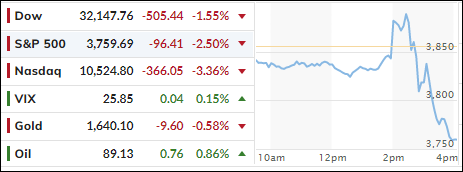
WINNING FOR THE DAY BUT LOSING FOR THE WEEK
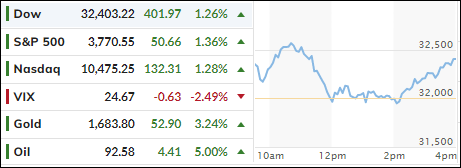
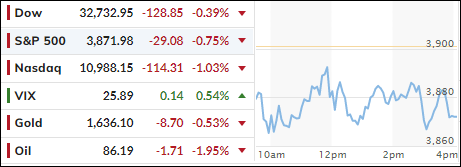
[Chart courtesy of MarketWatch.com]
- Moving the markets
It was chaotic session indeed, as the Dow jumped to an early 500-point gain, only to see it evaporate in no time, with the index diving into the red, before dip buyers pulled equities back above their respective unchanged lines to a solid green close. However, for the week, the Dow snapped its four-week win streak.
ZeroHedge summed up the day’s news like this:
- Good: payrolls beat expectations (tightening not working – bad for stocks)
- Bad: wage growth slowed modestly (less-flation – good for stocks?), full-time workers dropped 490k (economic weakness – not good for stocks)
- Ugly: number of unemployed Americans highest since Feb (recession reality – bad for stocks)
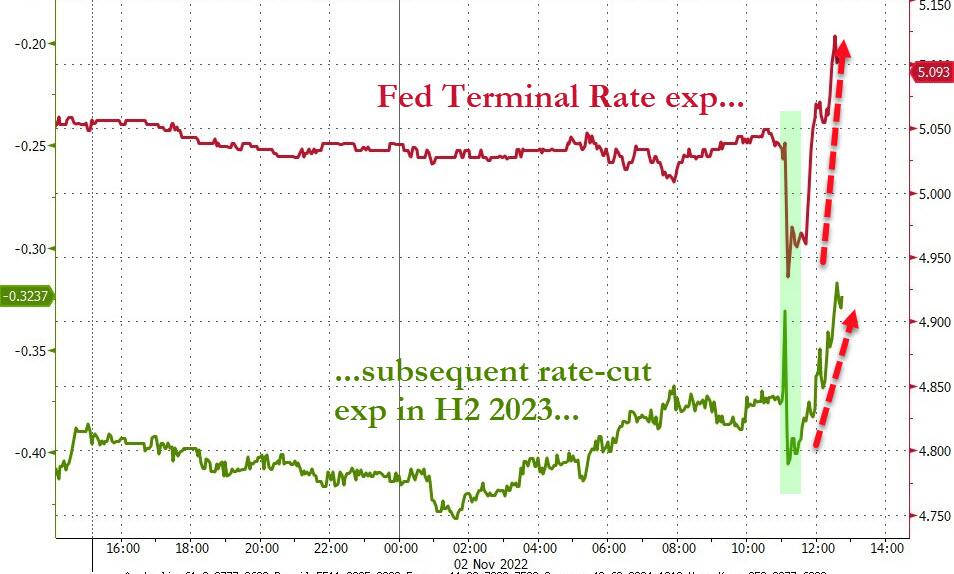
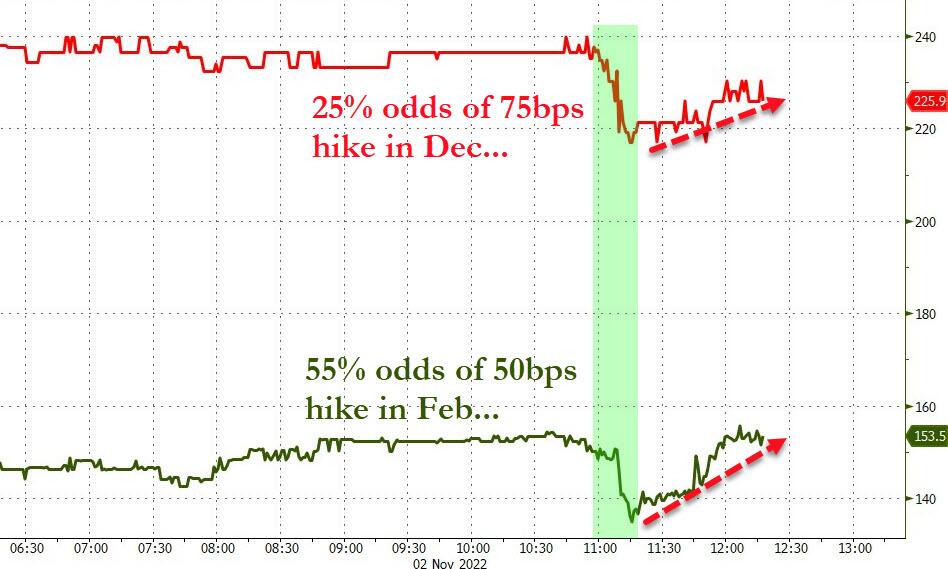
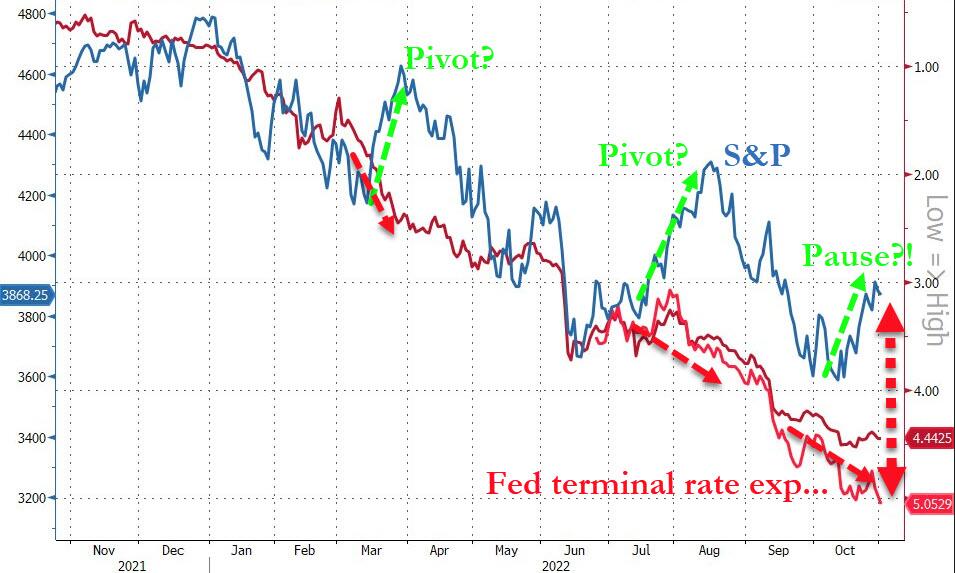
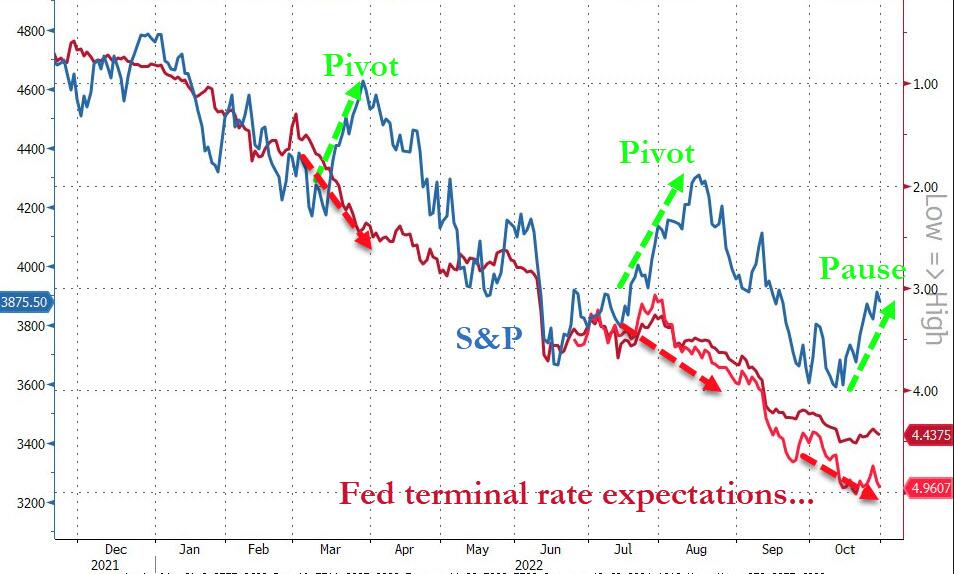
October’s nonfarm payrolls surprised to the upside with the Labor market saying that 261k jobs were added, as the unemployment rate rose to 3.7%. Traders viewed today’s numbers as a mixed picture, yet the idea that a cooldown in the Labor market, with the economy not tanking, was seen as a positive. However, the addition of 261k jobs may also keep the Fed’s policy of continued rate hikes on schedule, thereby pushing the much hoped-for pause or pivot on the back burner.
For the week, the Nasdaq was the biggest loser, down around 6%, the S&P 500 gave back 2.6%, while the Dow fared the best with only a 1.5% loss. Tech stocks gagged some 8%, but energy was the winner with a 2.4% gain.
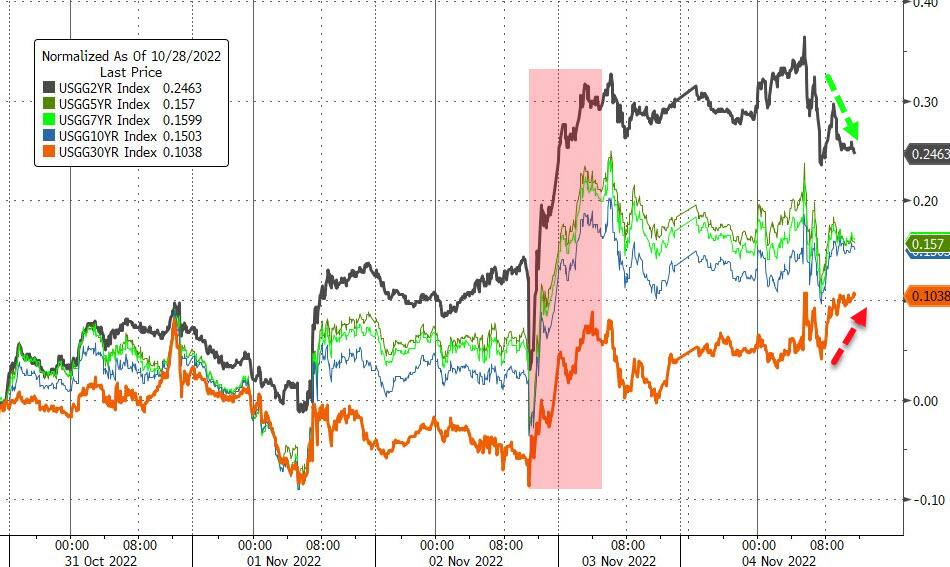
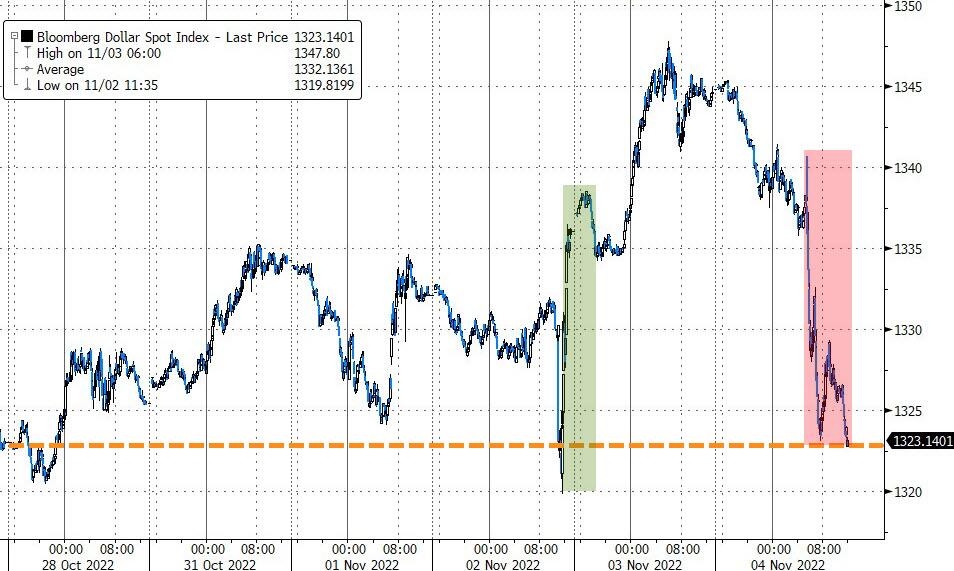
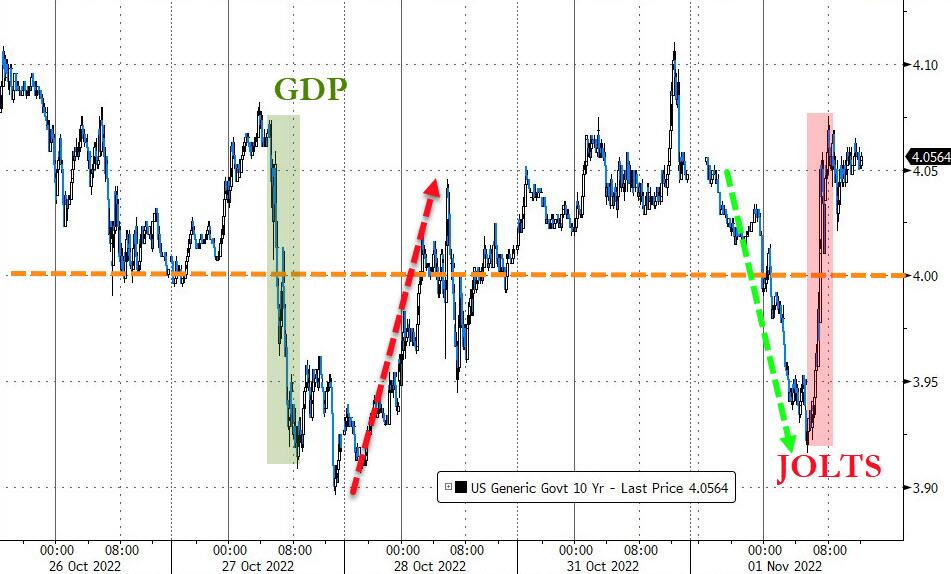
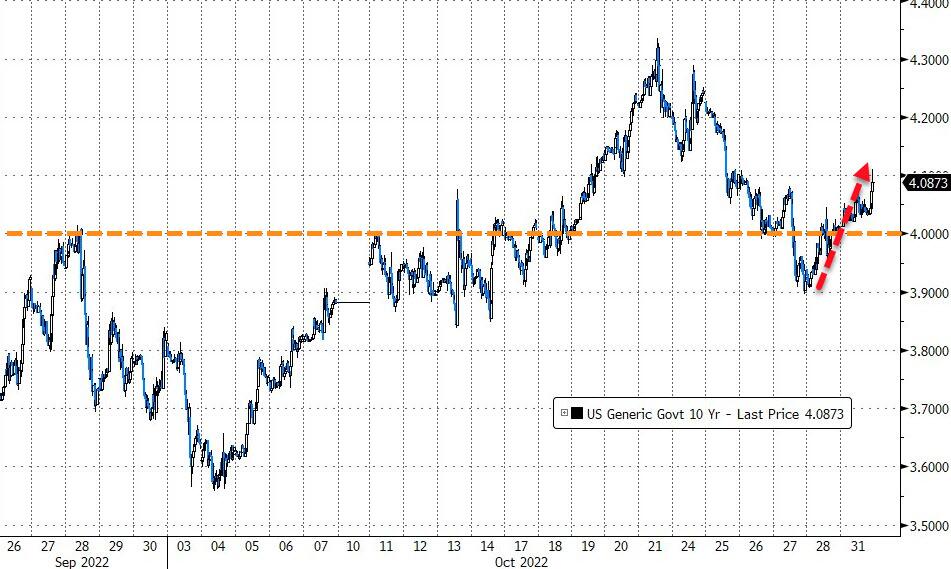
While bond yields had a mixed day, they stormed higher for the week with the 10-year solidly closing above its much-fought over 4% level (4.166%). The US Dollar took a massive dive today (almost 2%), but for the week the currency closed about unchanged.
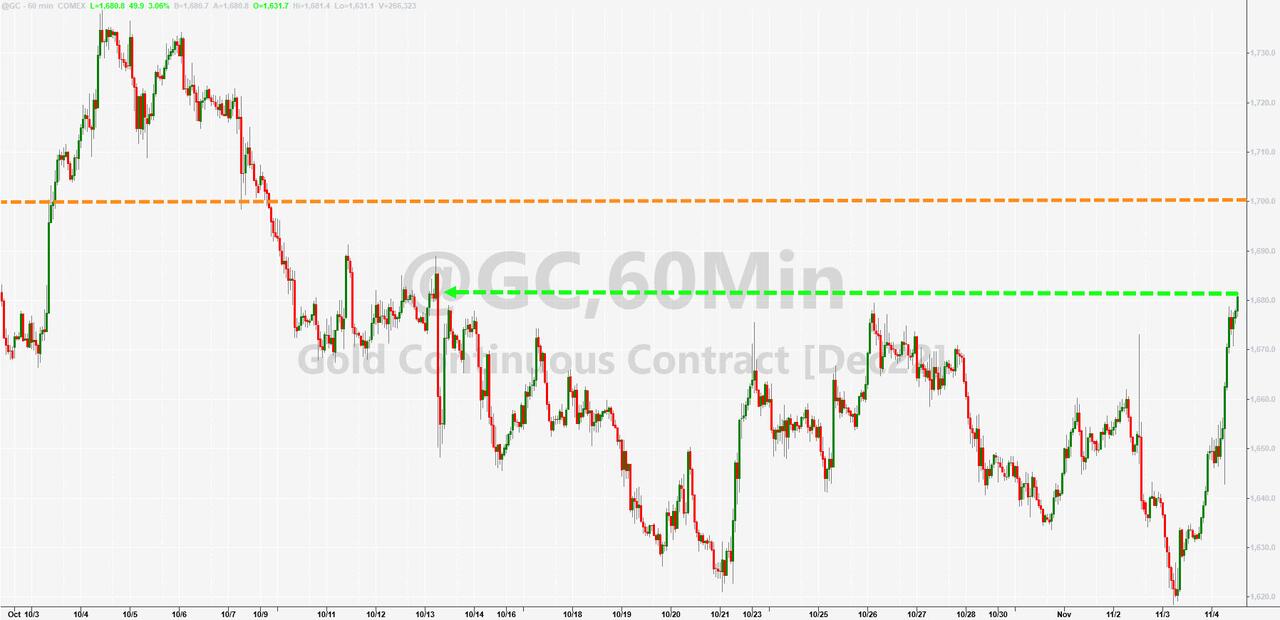
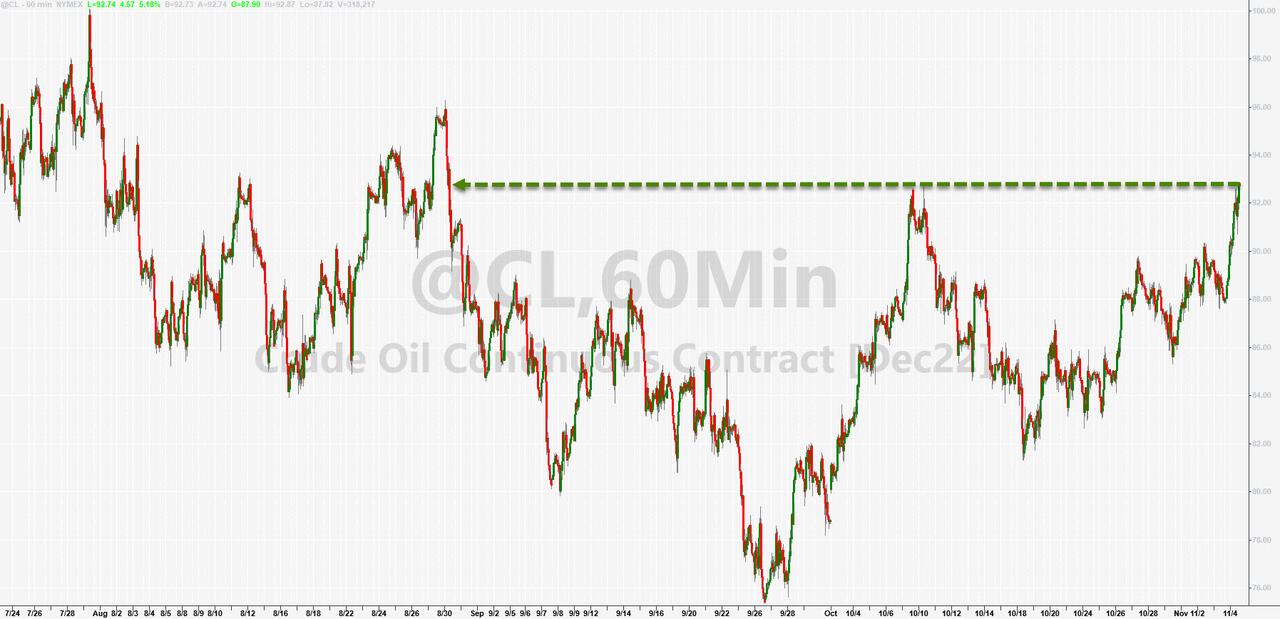
Gold benefitted, captured a solid +3.3% gain on the day and reached its highest point in 3 weeks, while Crude Oil followed suit but climbed to a 3-month high.
Fireworks could be on deck next week, as mid-term elections, and the latest CPI report, will both be able to affect future market direction.
Read More