Weekly StatSheet For The ETF Tracker Newsletter – Updated Through 06/02/2022

Ulli ETF StatSheet Contact

ETF Data updated through Thursday, June 2, 2022
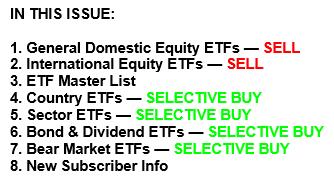
Methodology/Use of this StatSheet:

1. From the universe of over 1,800 ETFs, I have selected only those with a trading volume of over $5 million per day (HV ETFs), so that liquidity and a small bid/ask spread are assured.

2. Trend Tracking Indexes (TTIs)

Buy or Sell decisions for Domestic and International ETFs (section 1 and 2), are made based on the respective TTI and its position either above or below its long-term M/A (Moving Average). A crossing of the trend line from below accompanied by some staying power above constitutes a “Buy” signal. Conversely, a clear break below the line constitutes a “Sell” signal. Additionally, I use an 12% trailing stop loss on all positions in these categories to control downside risk.

3. All other investment arenas do not have a TTI and should be traded based on the position of the individual ETF relative to its own respective trend line (%M/A). That’s why those signals are referred to as a “Selective Buy.” In other words, if an ETF crosses its own trendline to the upside, a “Buy” signal is generated. Here too, I recommend trailing sell stop of 12%, or less, depending on your risk tolerance.

If you are unfamiliar with some of the terminology, please see Glossary of Terms and new subscriber information in section 9.     

1. DOMESTIC EQUITY ETFs: SELL — since 02/24/2022
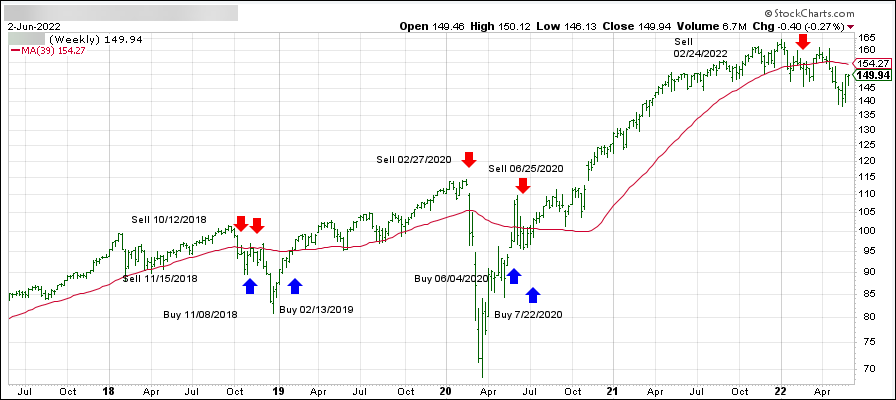
Click on chart to enlarge

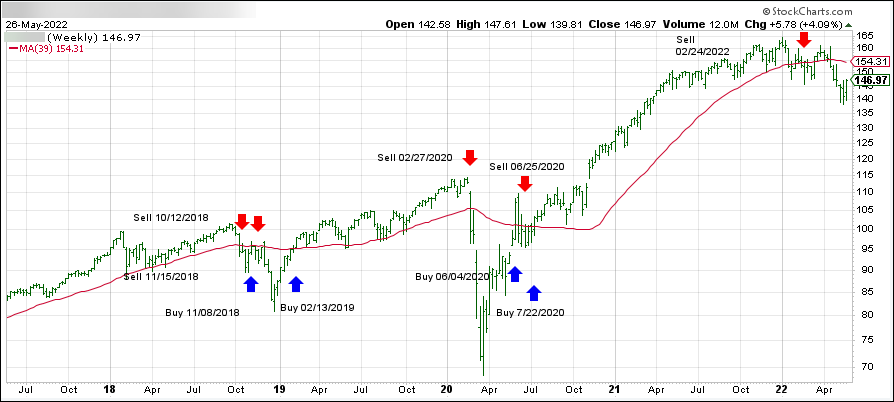
Our main directional indicator, the Domestic Trend Tracking Index (TTI-green line in the above chart) has broken below its long-term trend line (red) by -2.89% and remains in “SELL” mode.

Read More
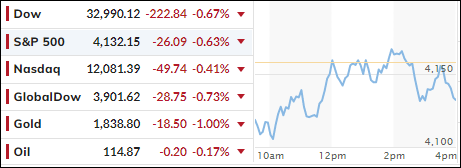
Markets Get Double-Punched

Ulli Market Commentary Contact

[Chart courtesy of MarketWatch.com]

  1. Moving the markets

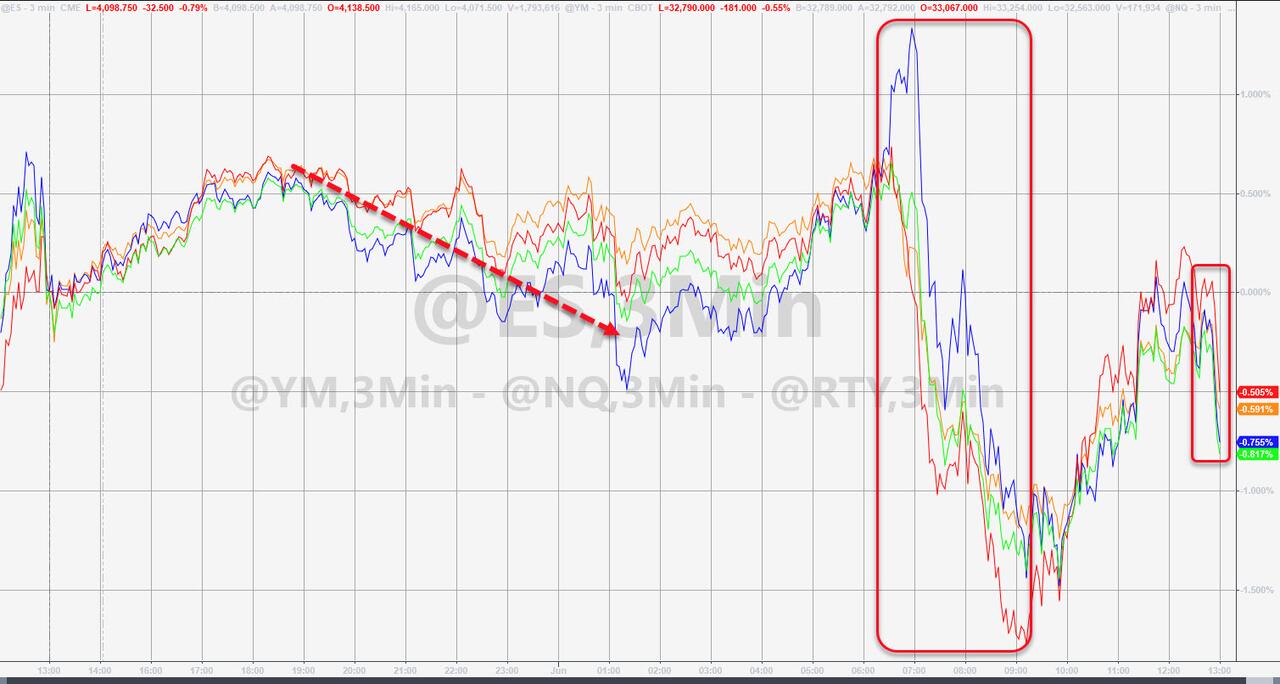
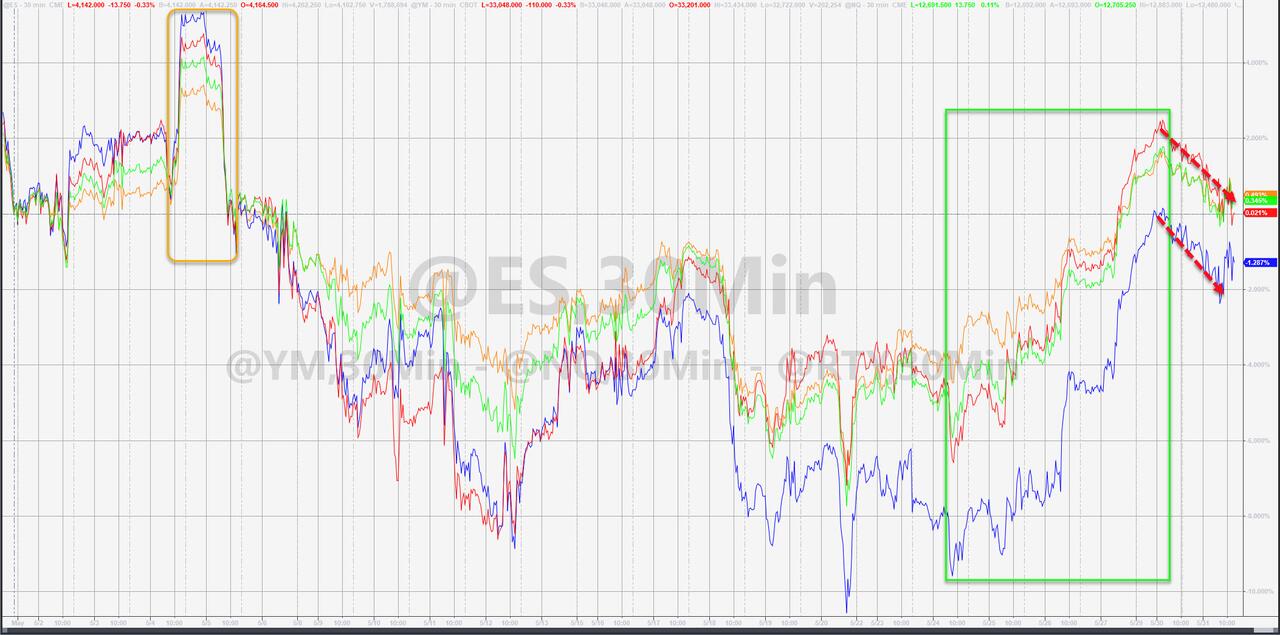
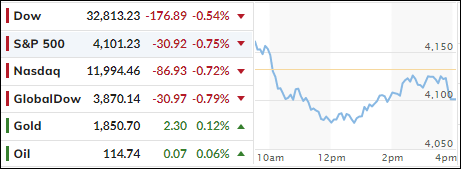
After an early bounce, the markets got double punched via a variety of headlines that gave the bears the upper hand and allowed them to dominate this session.

We learned that “inflation is sticky and degrowth is not slowing it,” as well as a warning by JP Morgan’s Jamie Dimon that “it’s a hurricane. That hurricane is right there, down the road, and coming our way. We don’t know if it’s a minor storm or if it’s a Superstorm Sandy,” all of which left last week’s dead-cat-bounce in the rearview mirror.

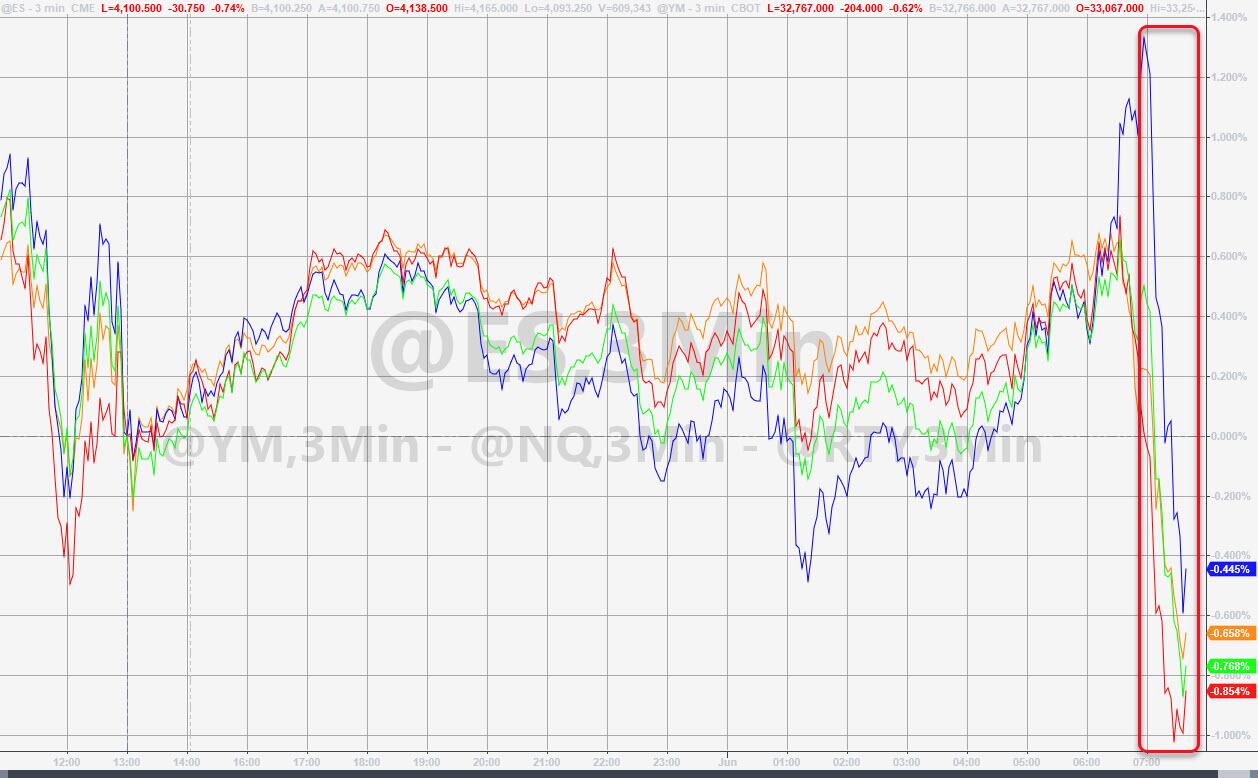
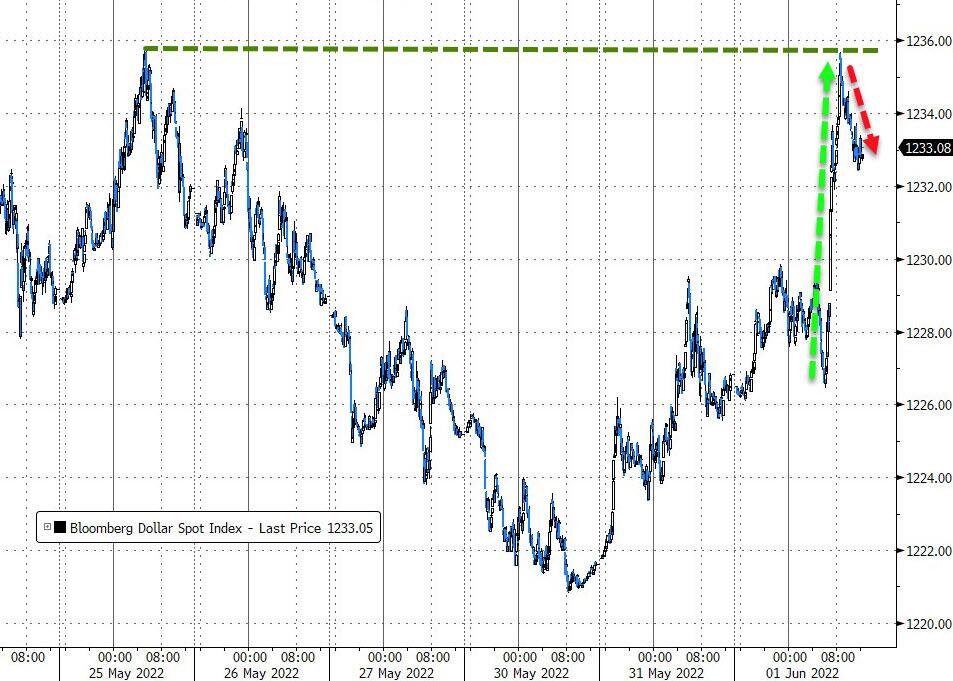
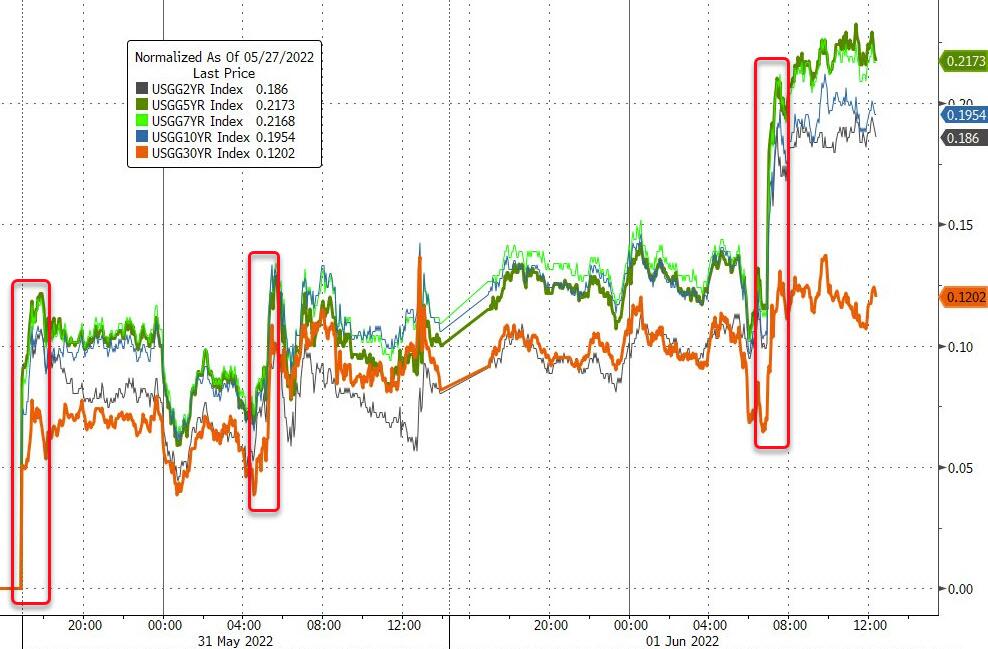
Not helping was the known fact that today was the first day of the Fed’s QT (Quantitative Tightening) program, which will affect markets negatively. As a result, the major indexes tumbled off their morning highs, while bond yields spiked and the US Dollar jumped.   

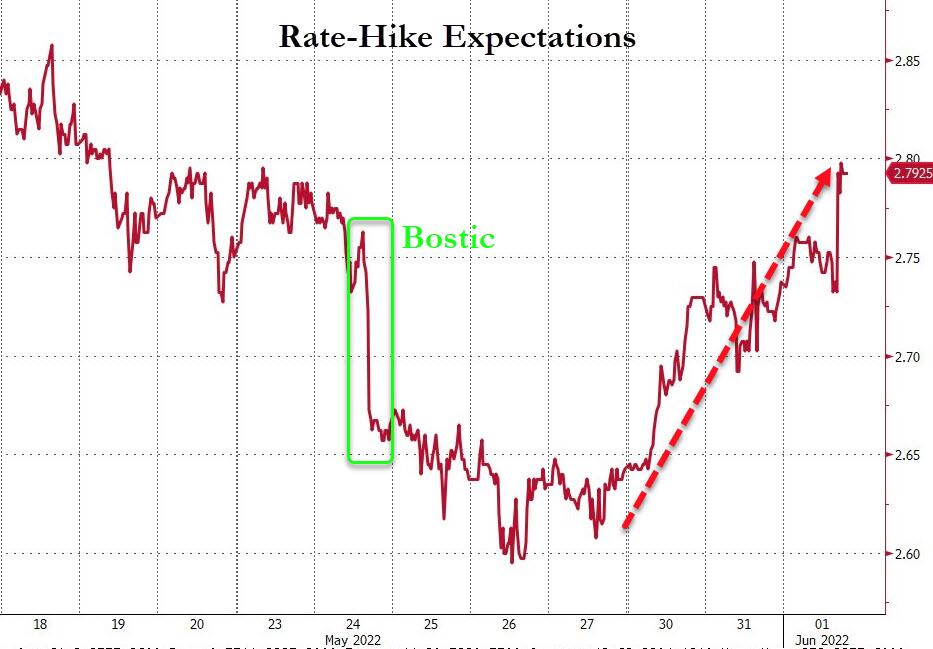
An afternoon rebound effort failed with another dour outlook like “a soft-landing scenario is hard to achieve,” which was uttered by Wells Fargo’s CEO. Even the Fed’s Bostic clarified his previous comments that a “September pause” should in no way be interpreted as a “Fed Put.”  

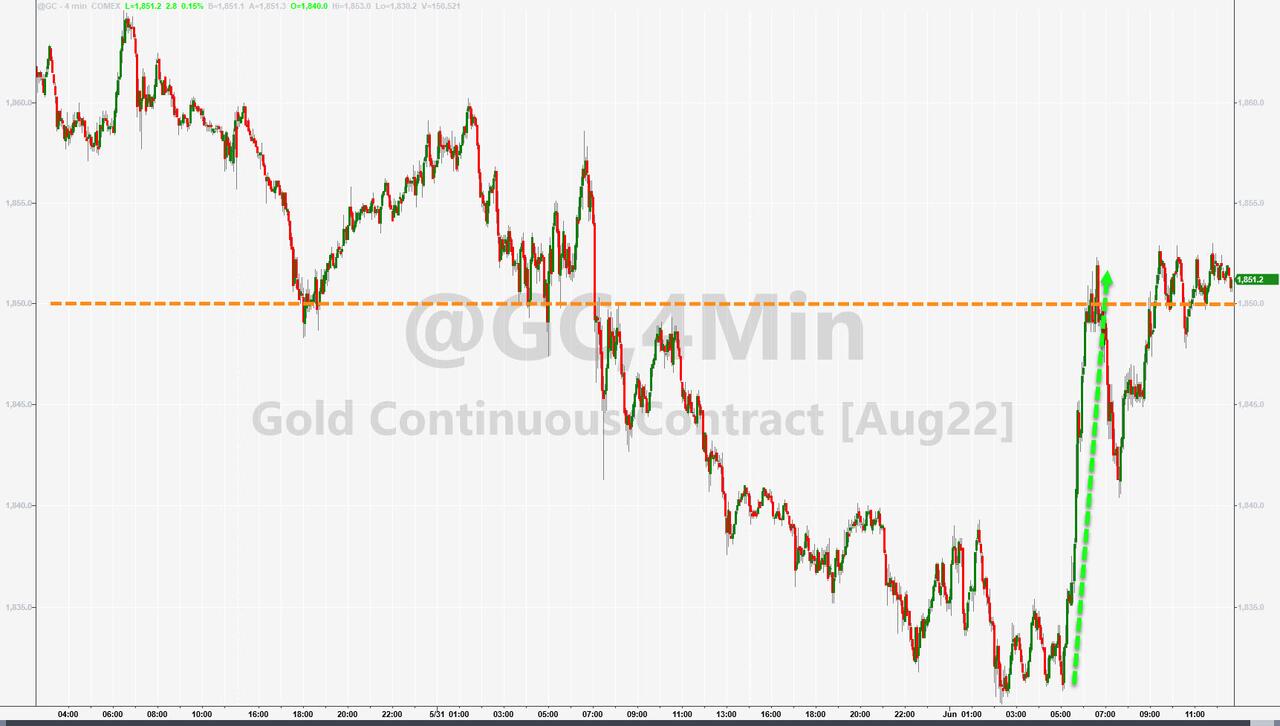
In the end, Rate-Hike Expectations rose, with stocks, bonds and banks all closing in the red. Gold bucked the trend and, despite an up and down ride, ended the day in the plus by a small margin.

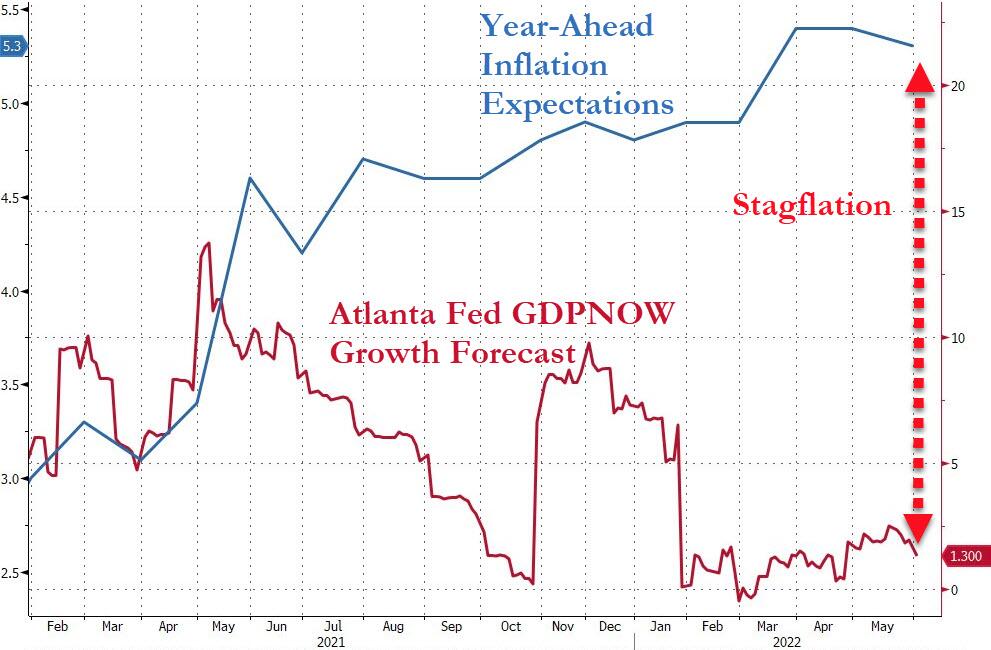
As ZH commented, the manufacturing surveys and the reduced Atlanta Fed’s own GDP forecast (revised down to +1.3%), as well as current inflation expectations, paint a picture that clearly screams “Stagflation.”

Read More

Running Out Of Steam

Ulli Market Commentary Contact

[Chart courtesy of MarketWatch.com]

  1. Moving the markets

A roller-coaster month saw the S&P 500 dip into bear market territory (-20% from its recent high), before last week’s rebound rally pulled the index out of the doldrums. But that move ended today, with the major indexes simply running out of steam at the end of the session.

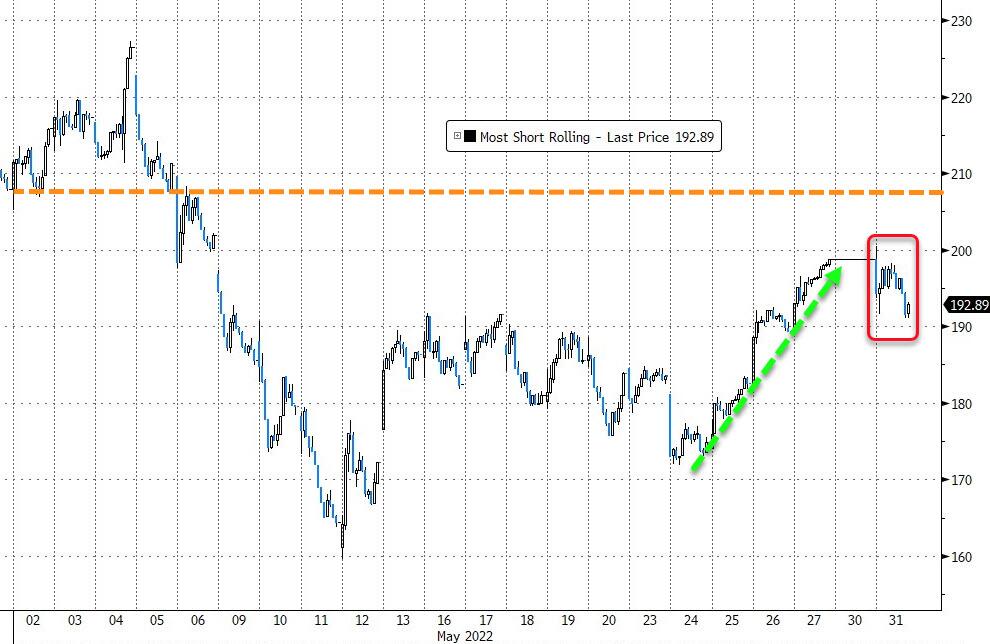
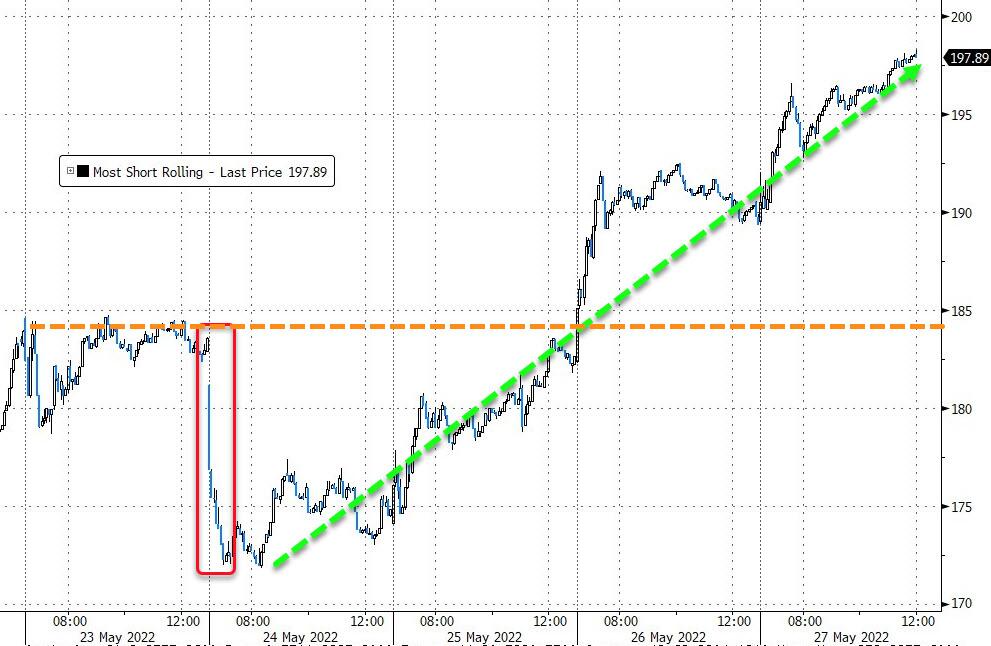
Inflation, monetary tightening and recession fears were at the center of the collapse, but a bear market rally, supported by a gigantic short-squeeze, assisted the S&P in its comeback to the breakeven point for the month.

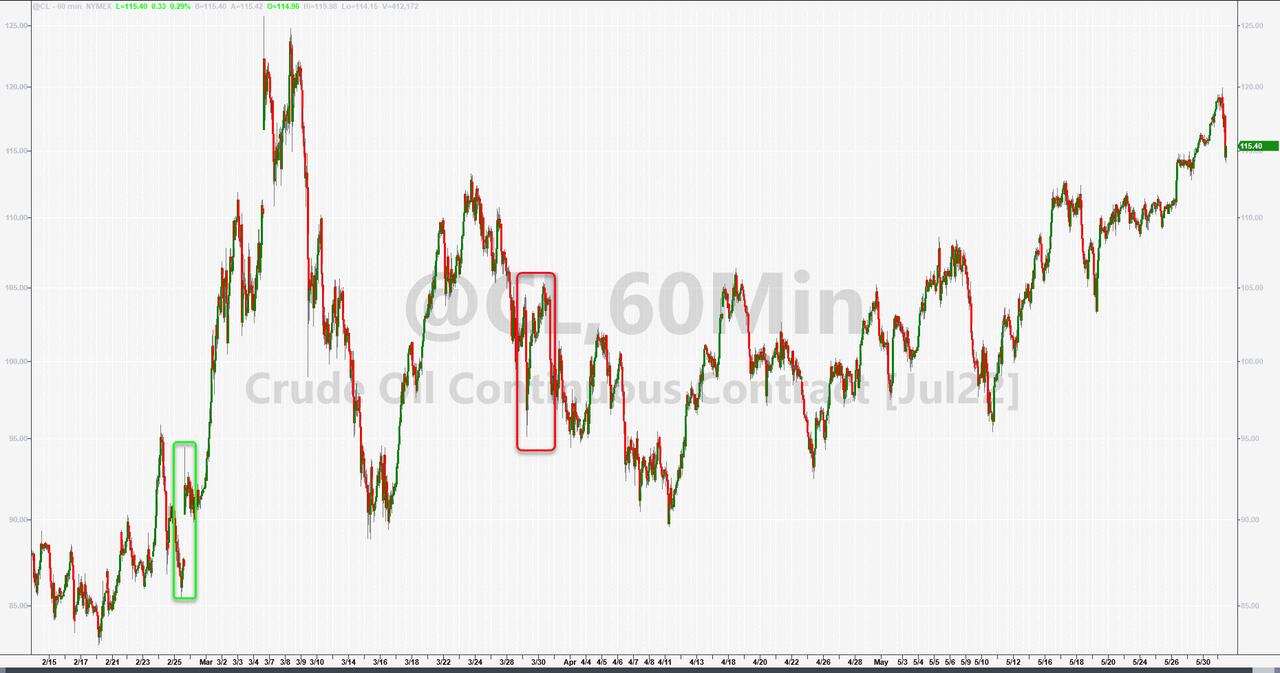
Higher prices will be with us, as the markets took cues from the Eurozone, where inflation readings hit a record high for the seventh straight month by surging 8.1% in May. Crude oil prices contributed to today’s volatility and almost touched $120 intraday, before fading back to close at $115.

It was a “go nowhere fast” session, which ZH described like this:

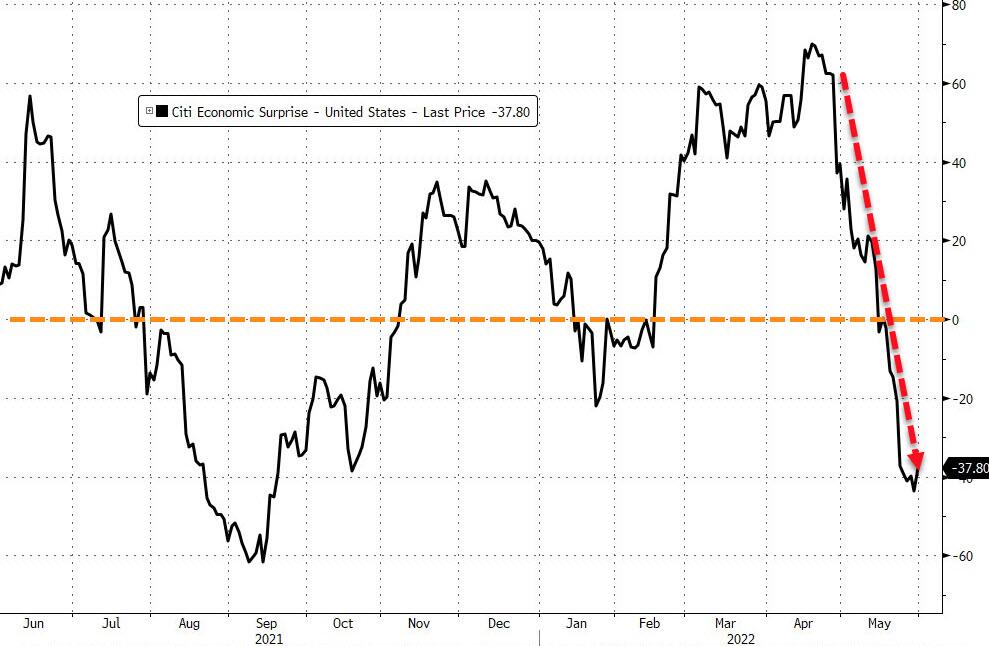
30Y Bond unch-ish, S&P unch-ish, Gold unch-ish, Oil way-up, USD down, US Macro data total collapse…

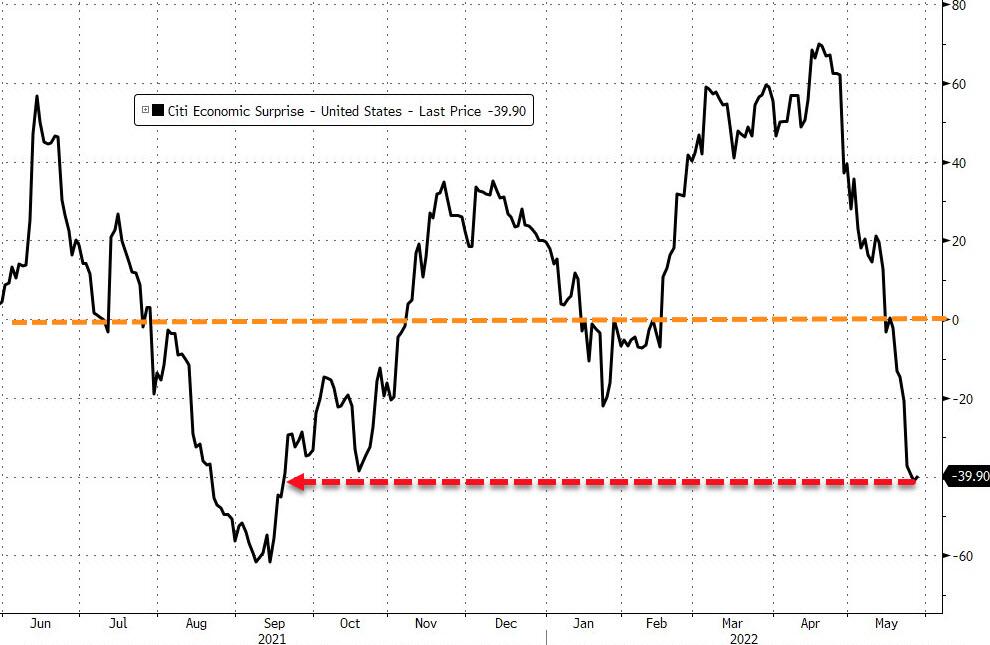
The US Macro Data collapse, outside the April 2020 crash (where the government basically shut down the entire economy), May’s 2022 fall was the worst since October 2008, when all capital markets froze up.

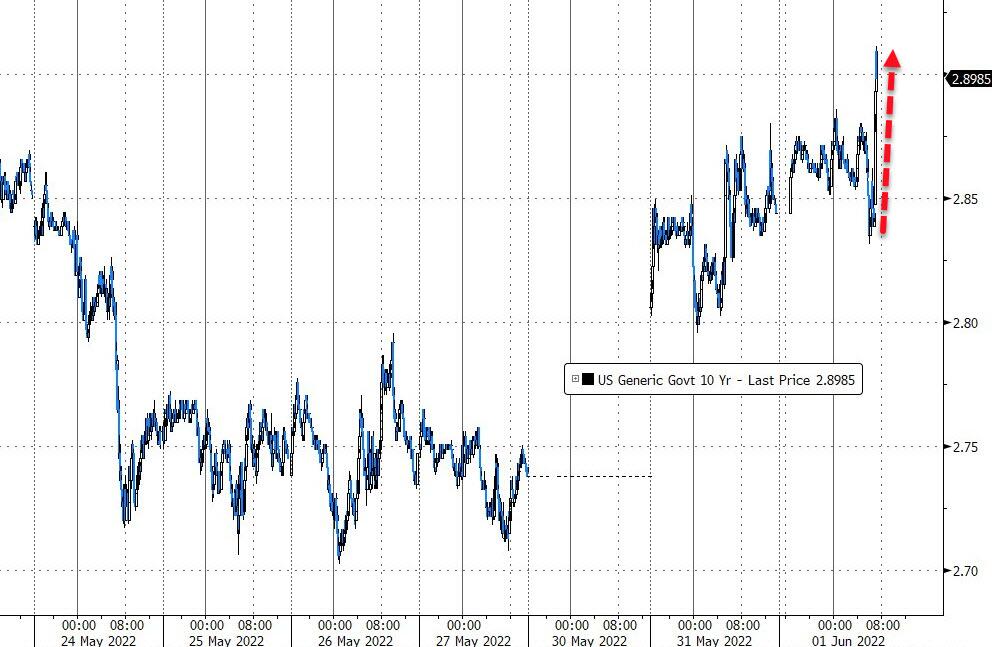
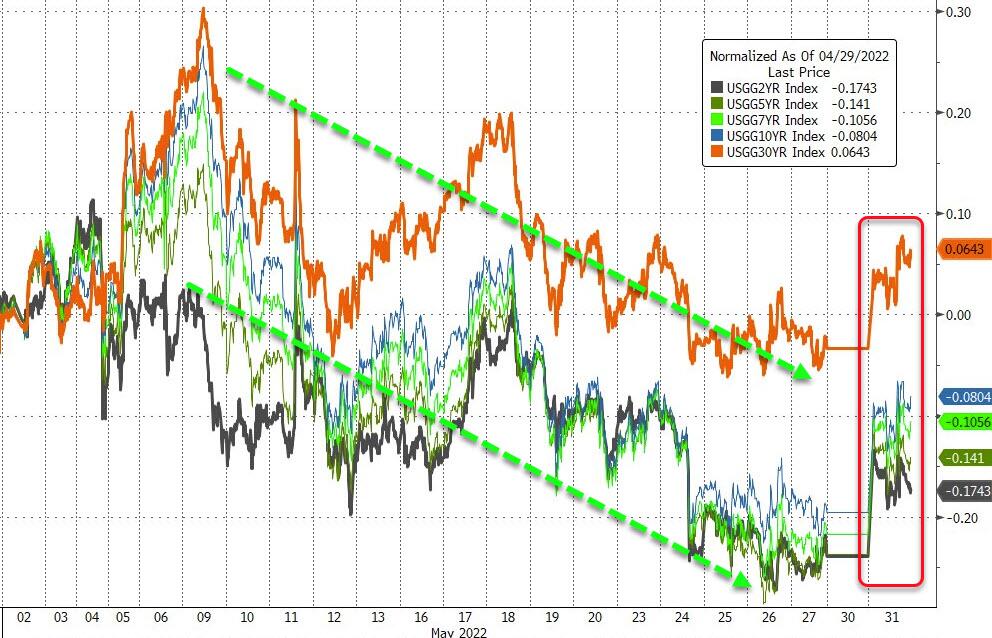
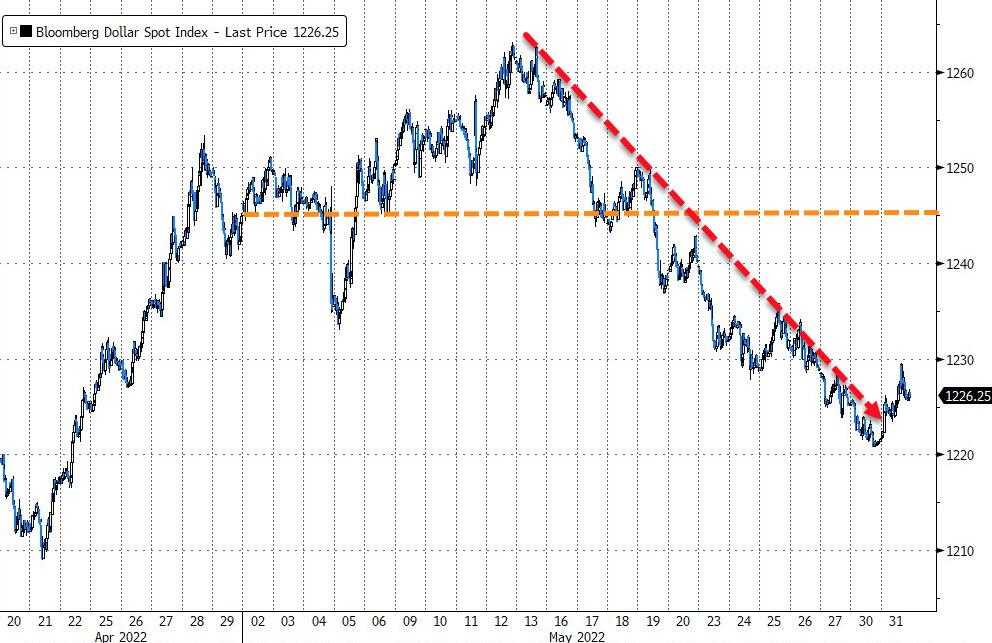
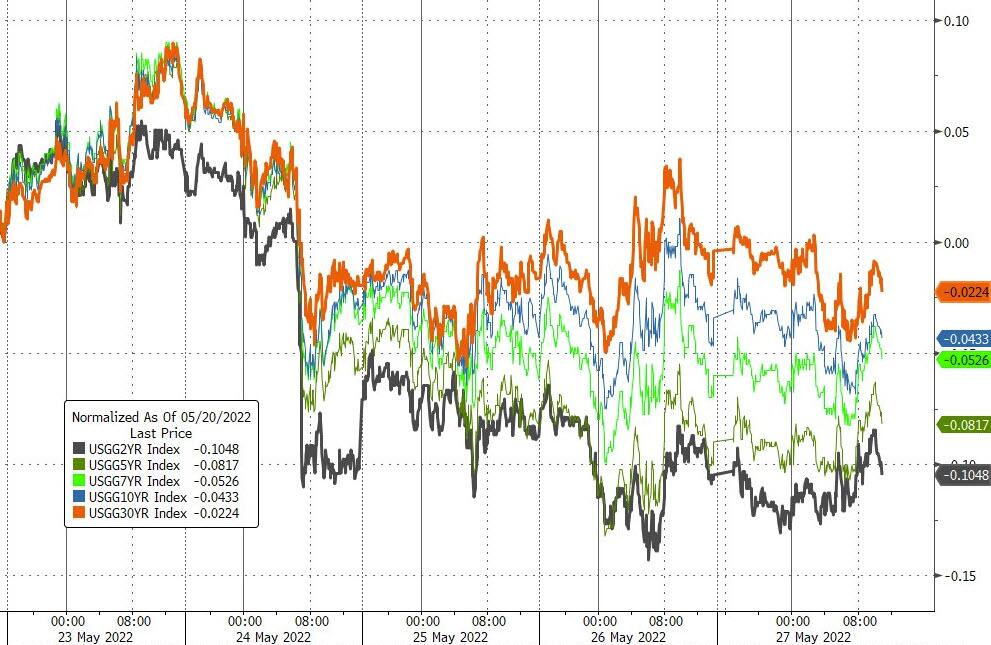
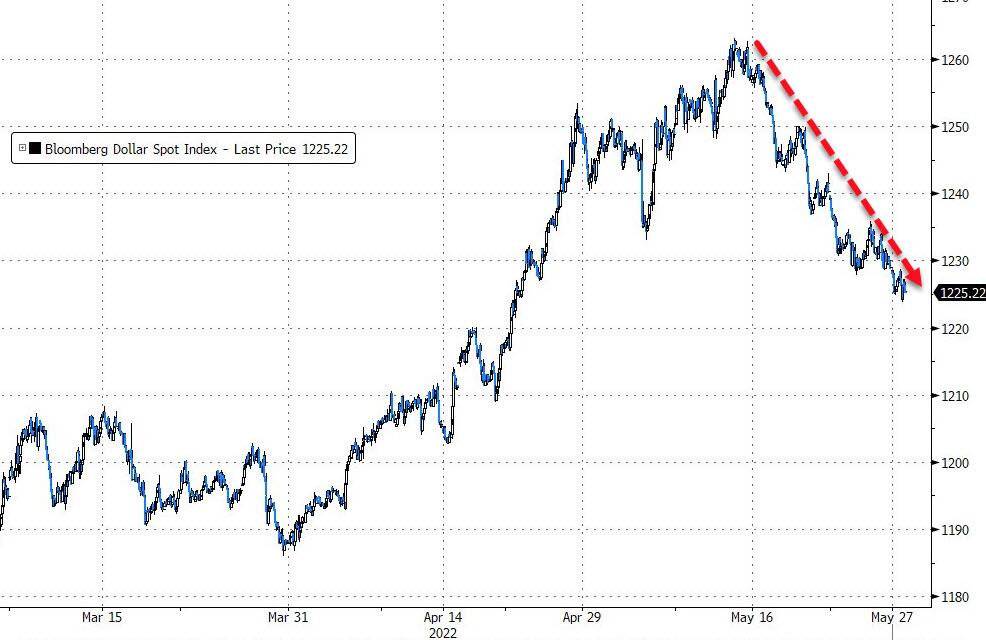
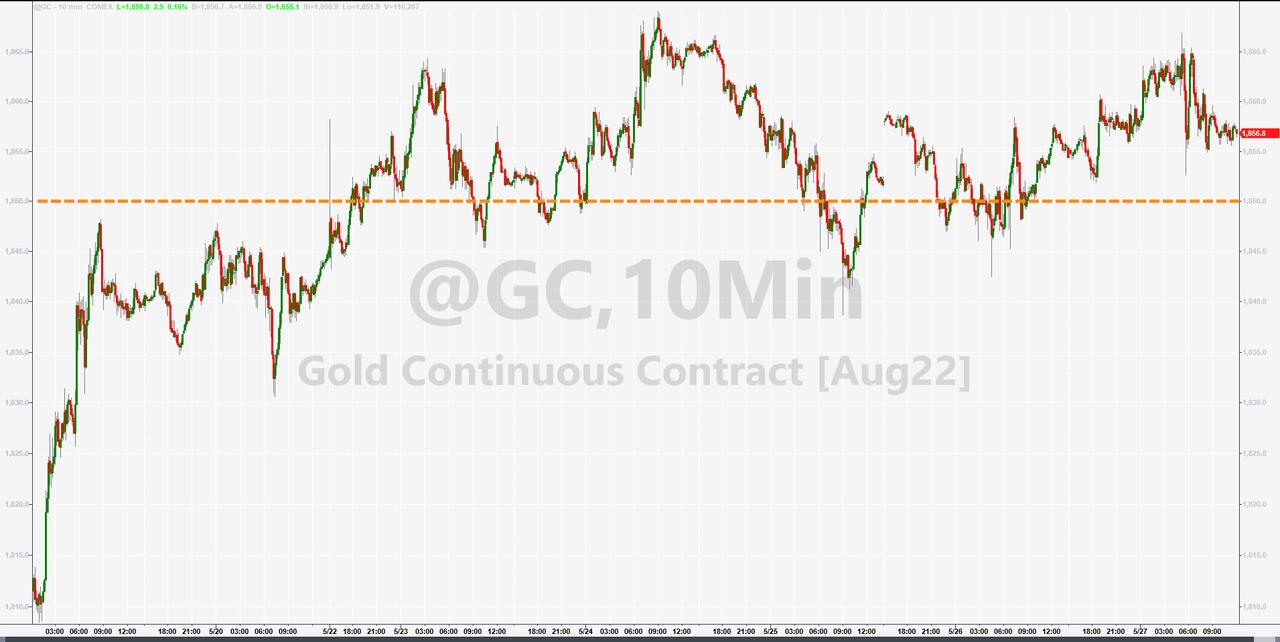
Bond yields were lower during May, as this chart by Bloomberg shows, but today’s turnaround may signal higher yields on deck again. The US Dollar slumped and saw its worst month in 2 years. Gold was down moderately for May and continues to struggle around its $1,900 level.  

Read More

ETFs On The Cutline – Updated Through 05/27/2022

Ulli ETFs on the Cutline Contact

Below, please find the latest High-Volume ETF Cutline report, which shows how far above or below their respective long-term trend lines (39-week SMA) my currently tracked ETFs are positioned.

This report covers the HV ETF Master List from Thursday’s StatSheet and includes 312 High Volume ETFs, defined as those with an average daily volume of more than $5 million, of which currently 69 (last week 45) are hovering in bullish territory. The yellow line separates those ETFs that are positioned above their trend line (%M/A) from those that have dropped below it.

Take a look:                                                                   

The HV ETF Master Cutline Report

In case you are not familiar with some of the terminology used in the reports, please read the Glossary of Terms. If you missed the original post about the Cutline approach, you can read it here.

ETF Tracker Newsletter For May 27, 2022

Ulli Market Commentary Contact

ETF Tracker StatSheet          

You can view the latest version here.

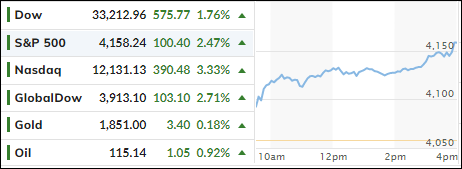
DOW BREAKS OUT OF 8-WEEK SLUMP

[Chart courtesy of MarketWatch.com]

  1. Moving the markets

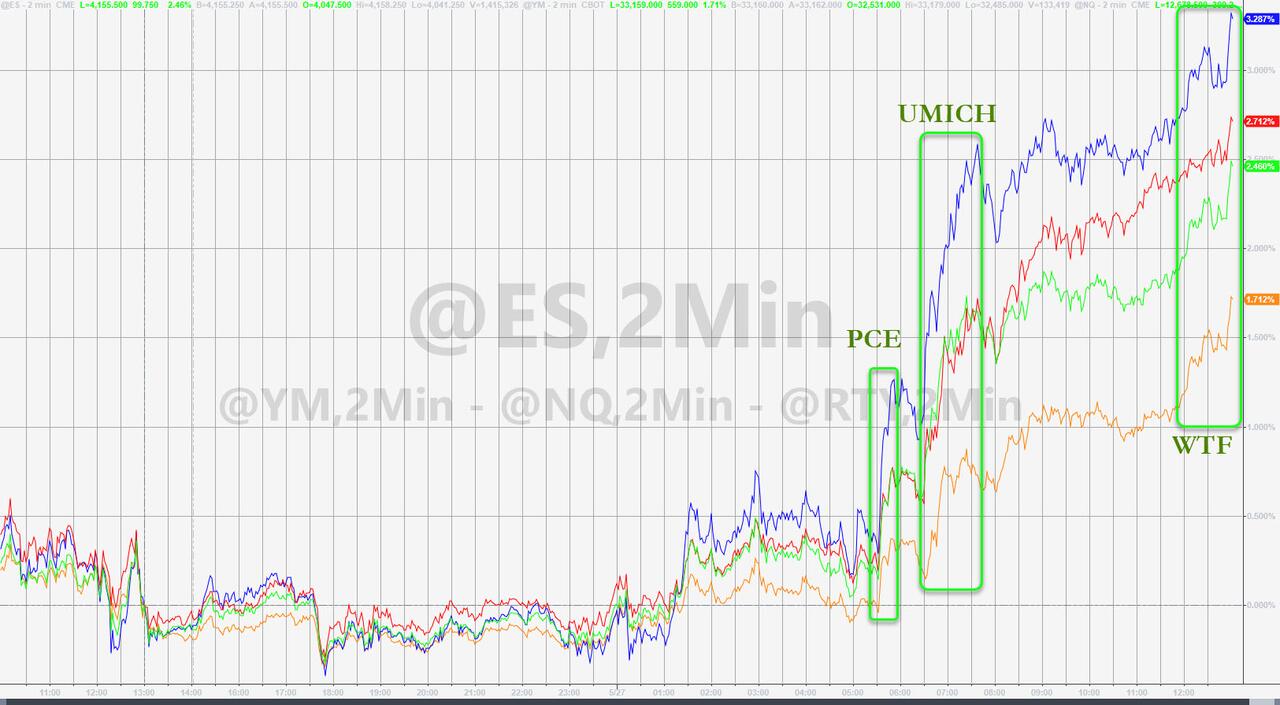
The major indexes continued their rebound out of oversold territory for the second session and managed to combine two bullish days to finally break the Dow’s eight-week slump, while the S&P 500 and Nasdaq each conquered their seven-week losing streaks.

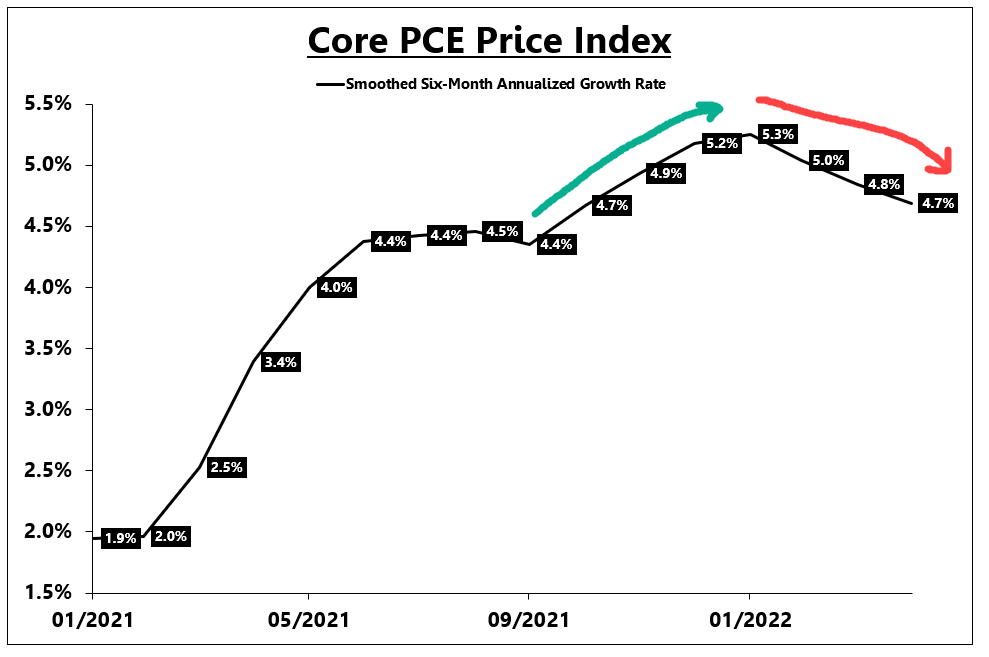
This buying tsunami was unleashed thanks to a PCE (Personal Consumption Expenditure) number in line with expectations. This is the Fed’s favorite index to evaluate the severity of inflation. The core CPE came in on the money, which got the bullish juices flowing, sort of like a relief rally, because the number could have been much worse.

ZeroHedge summed it up best:

And with demand destruction already crippling purchases of airplane tickets after last month’s record surge in air fares (“Runaway Airfare Inflation Is Starting To Cool Demand For Summer Travel, Data Suggests”), expect many more downside surprises in one-time price spikes (if not in food and gas, those are here to stay, but as a reminder, those are non-core prices according to the Fed and as such carry less weight as far as the market is concerned).

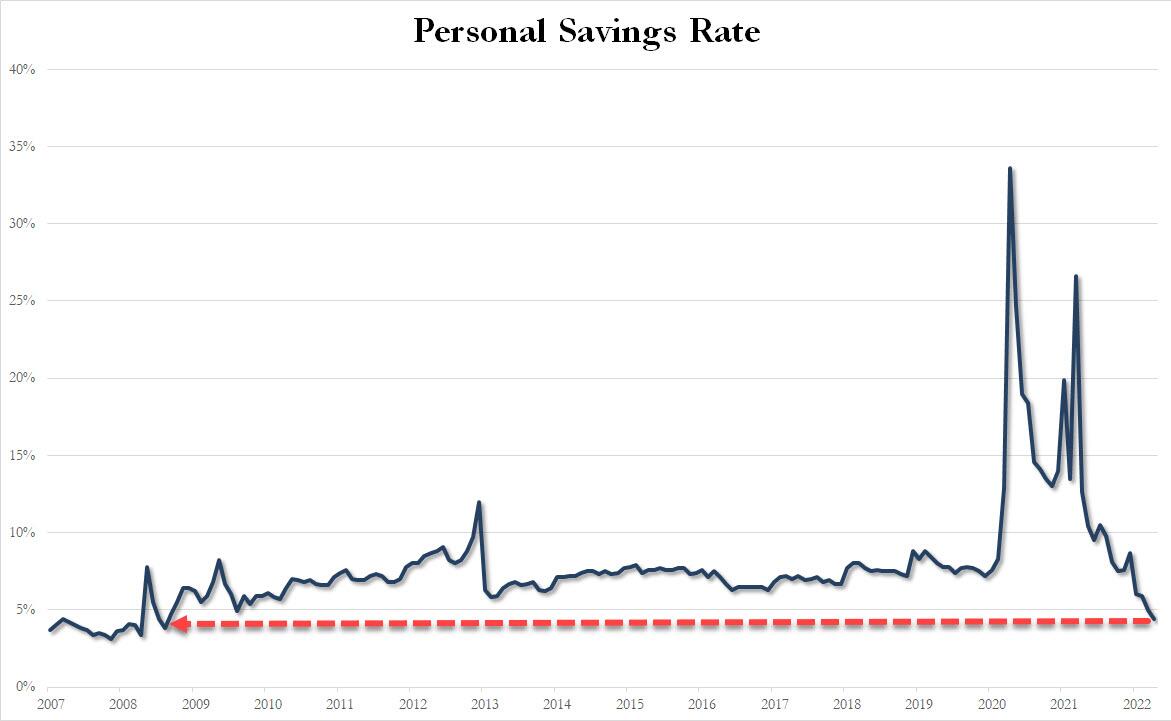
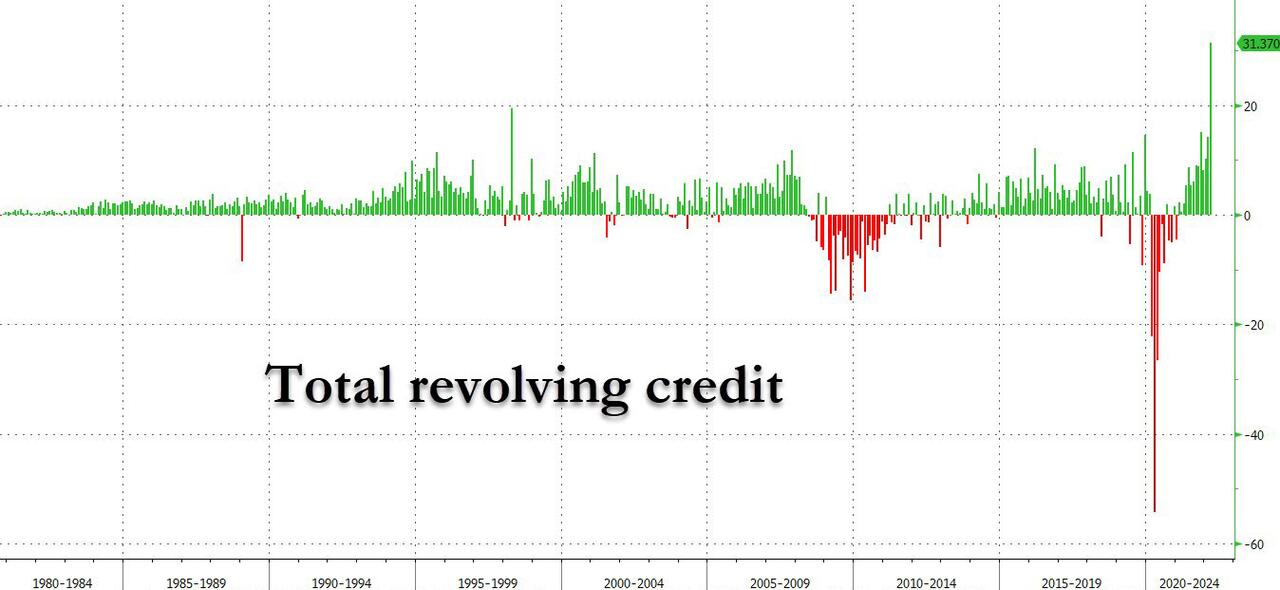
But perhaps the most direct reason why stocks have surged today is because as we noted earlier, the US consumer is officially tapped out: a few weeks after we reported that new credit card debt exploded to the highest level on record, which led us to speculate that US savings – either excess or any other kind – are now gone…

This firmed up traders’ opinions that indeed the Fed will pause its rate hiking efforts in September, which is the #1 reason the markets have spiked and turned from bearish to temporarily bullish. The overriding view is that Fed head Powell will then pull off another “December 2018” event, which ended the horrific slide in stocks and supported a return to the prior bull market.

Looking at the big picture, bad news is good news again, as econ data was ugly, yet all Fed speak and rate hike guesses were, at least for today, interpreted as being a positive for the markets. Since last Friday, the Nasdaq, S&P 500 and Dow are up 10%, 9% and 8% respectively, with the latter two now being in the green for the month.

Of course, no bear market rally can materialize without a short squeeze, and this week presented one of mega proportions. Despite this effort, the Nasdaq (QQQ) is still down some 22% YTD, while the S&P 500 (SPY) has done better but remains under water by almost 13%.

Bond yields drifted lower, the US Dollar dropped for the second week in a row, and precious metals eked out some gains. Financial conditions tightened causing ZeroHedge to ponder:

Will the Fed even hike again?

Read More

Weekly StatSheet For The ETF Tracker Newsletter – Updated Through 05/26/2022

Ulli ETF StatSheet Contact

ETF Data updated through Thursday, May 26, 2022

Methodology/Use of this StatSheet:

1. From the universe of over 1,800 ETFs, I have selected only those with a trading volume of over $5 million per day (HV ETFs), so that liquidity and a small bid/ask spread are assured.

2. Trend Tracking Indexes (TTIs)

Buy or Sell decisions for Domestic and International ETFs (section 1 and 2), are made based on the respective TTI and its position either above or below its long-term M/A (Moving Average). A crossing of the trend line from below accompanied by some staying power above constitutes a “Buy” signal. Conversely, a clear break below the line constitutes a “Sell” signal. Additionally, I use an 12% trailing stop loss on all positions in these categories to control downside risk.

3. All other investment arenas do not have a TTI and should be traded based on the position of the individual ETF relative to its own respective trend line (%M/A). That’s why those signals are referred to as a “Selective Buy.” In other words, if an ETF crosses its own trendline to the upside, a “Buy” signal is generated. Here too, I recommend trailing sell stop of 12%, or less, depending on your risk tolerance.

If you are unfamiliar with some of the terminology, please see Glossary of Terms and new subscriber information in section 9.     

1. DOMESTIC EQUITY ETFs: SELL — since 02/24/2022

Click on chart to enlarge

Our main directional indicator, the Domestic Trend Tracking Index (TTI-green line in the above chart) has broken below its long-term trend line (red) by -4.89% and remains in “SELL” mode.  

Read More