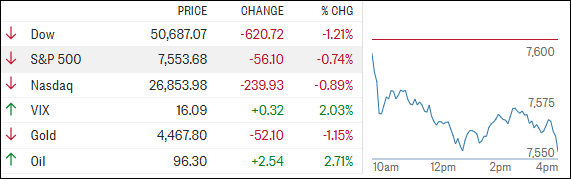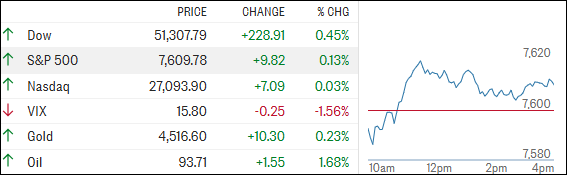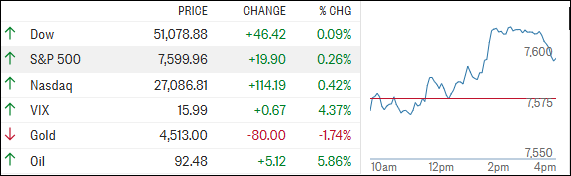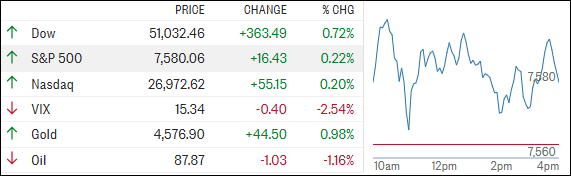
[Chart courtesy of MarketWatch.com]
- Moving the market
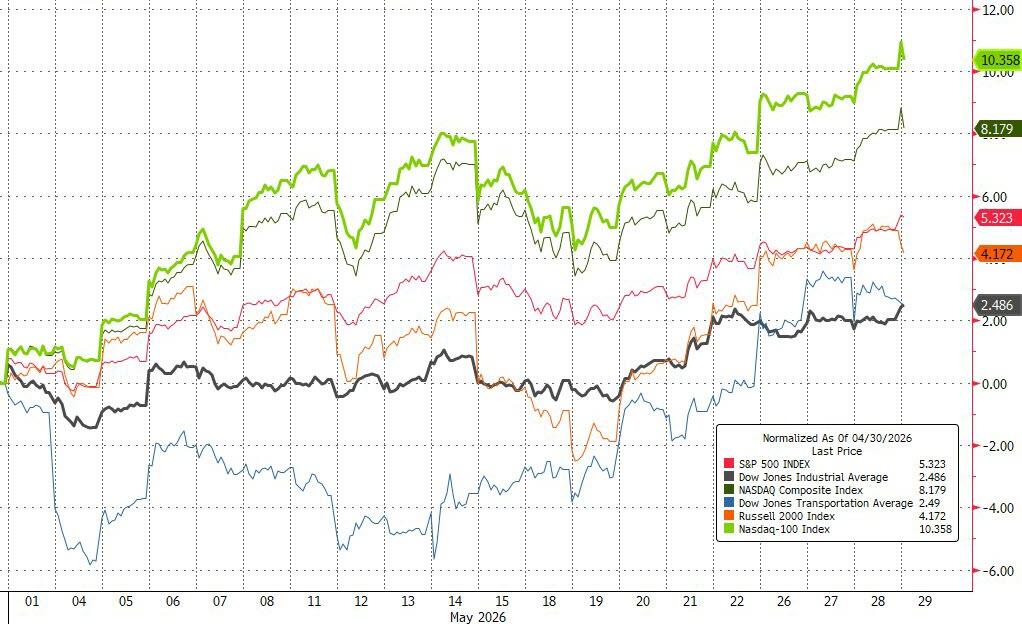
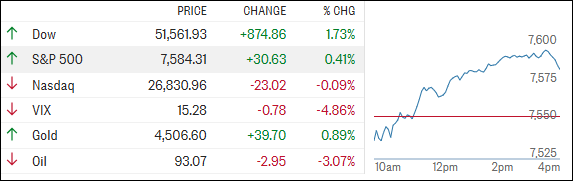
The Dow kept the momentum going this morning, pushing to a fresh record high, while the Nasdaq headed the opposite way as traders rotated out of chip stocks and into more traditional, non-tech names.
Leading the charge for the Dow was UnitedHealth, which jumped 5.8%. JPMorgan Chase and Walmart also helped lift the index, gaining 2.2% and 1.6%. Outside the Dow, “old economy” names like Costco and Eli Lilly had a strong showing too, climbing 2% and 4.6%.
The shift seemed to start with a sharp sell-off in Broadcom, which dropped 14% after missing fiscal second-quarter revenue expectations. That move spilled over into the broader AI space, prompting traders to dial back exposure. CrowdStrike added to the pressure, falling 10% after issuing underwhelming revenue guidance.
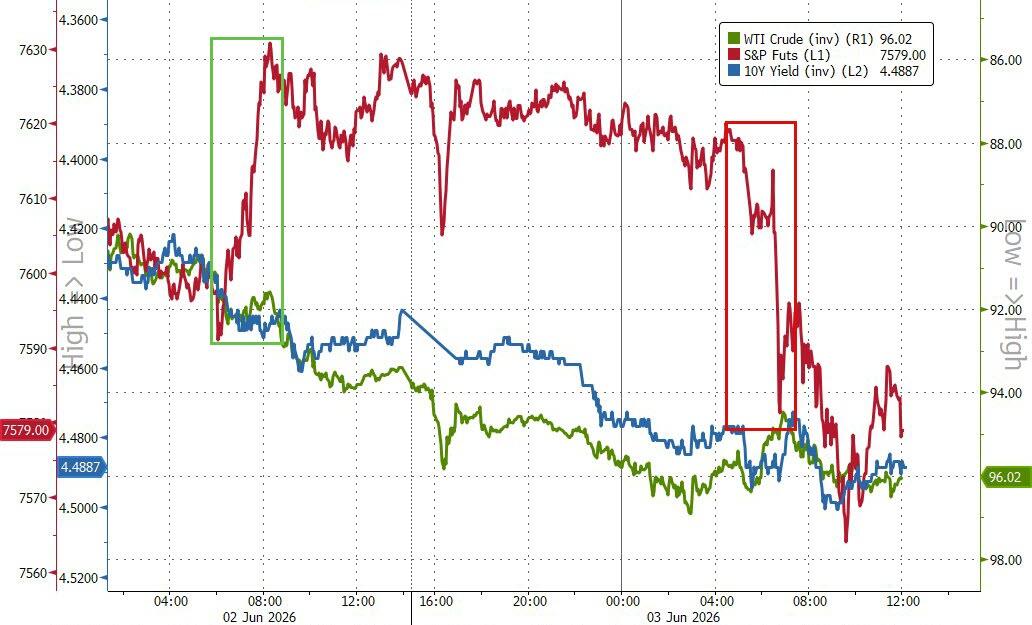
All of this came on the heels of a rough session yesterday, with markets already on edge due to escalating tensions in the Middle East following increased clashes between the U.S. and Iran.
By the close, the Nasdaq managed to claw its way back to around flat, but still notched its biggest relative underperformance versus the Dow in 17 months—a pretty clear sign that money is shifting around under the surface.
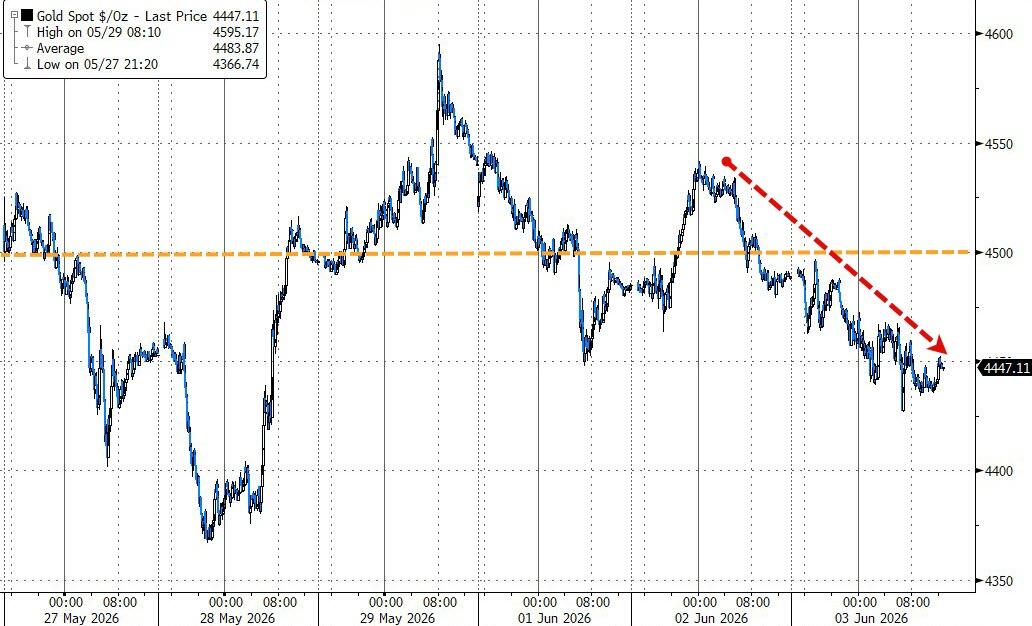
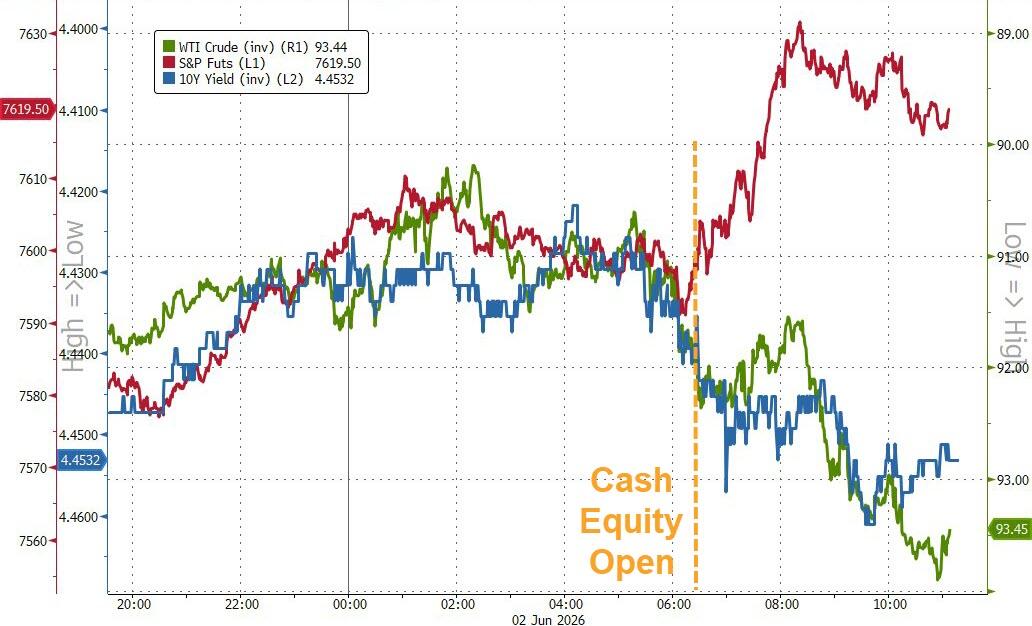
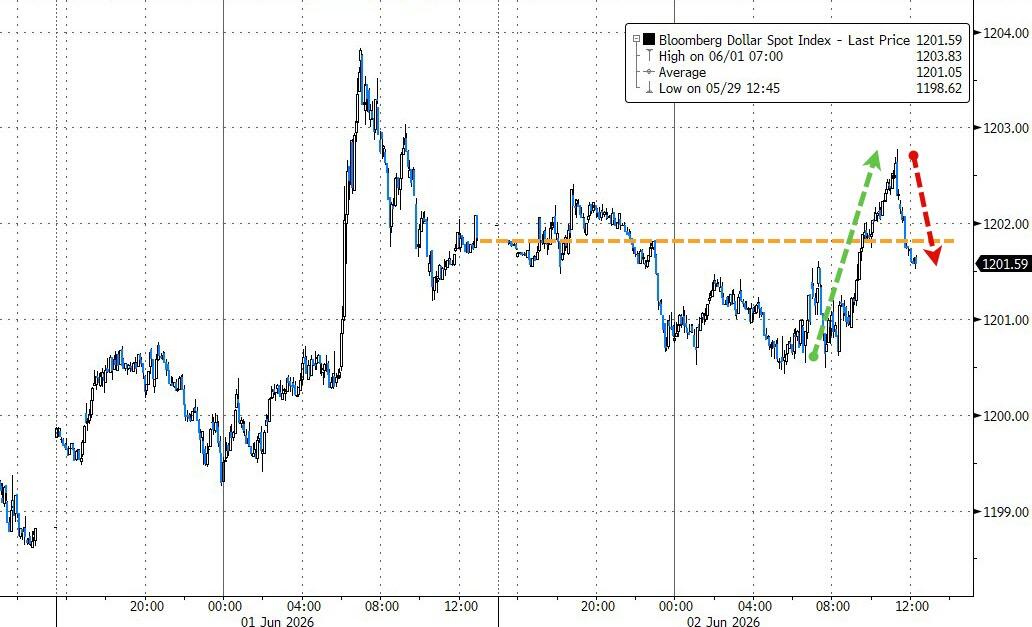
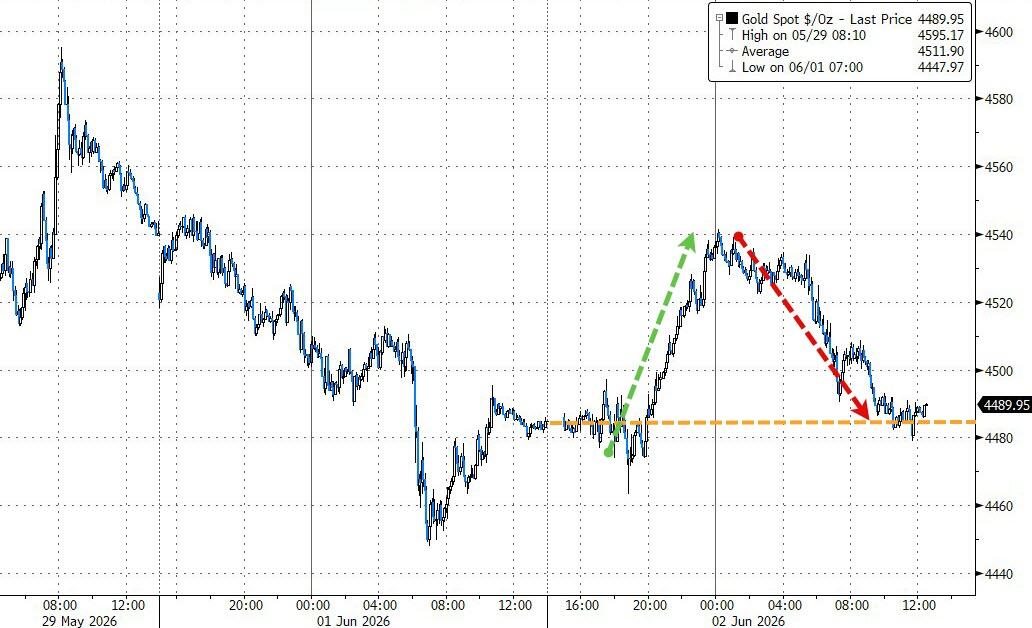
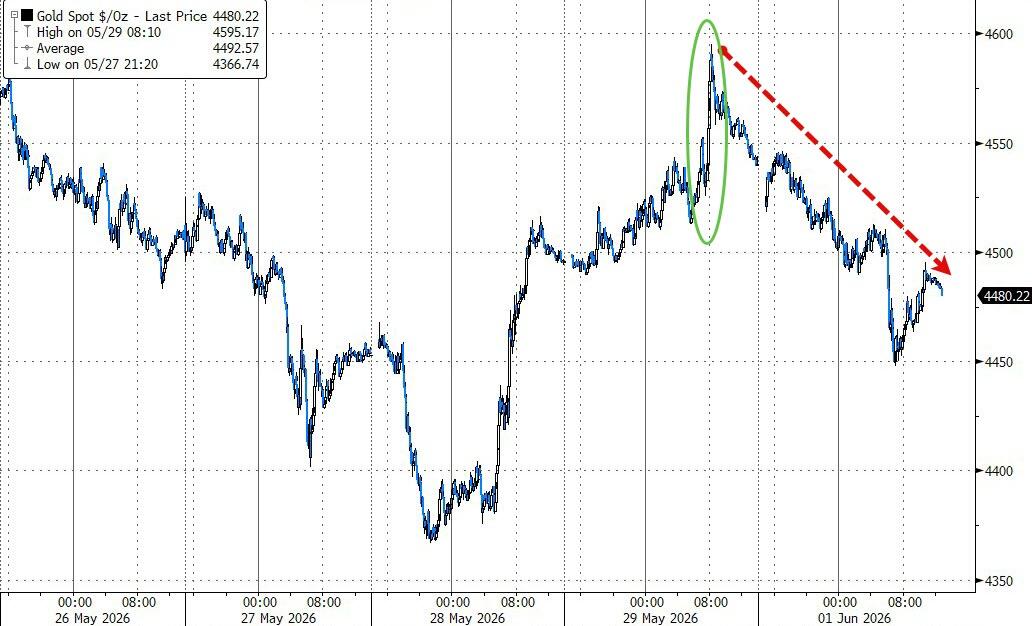
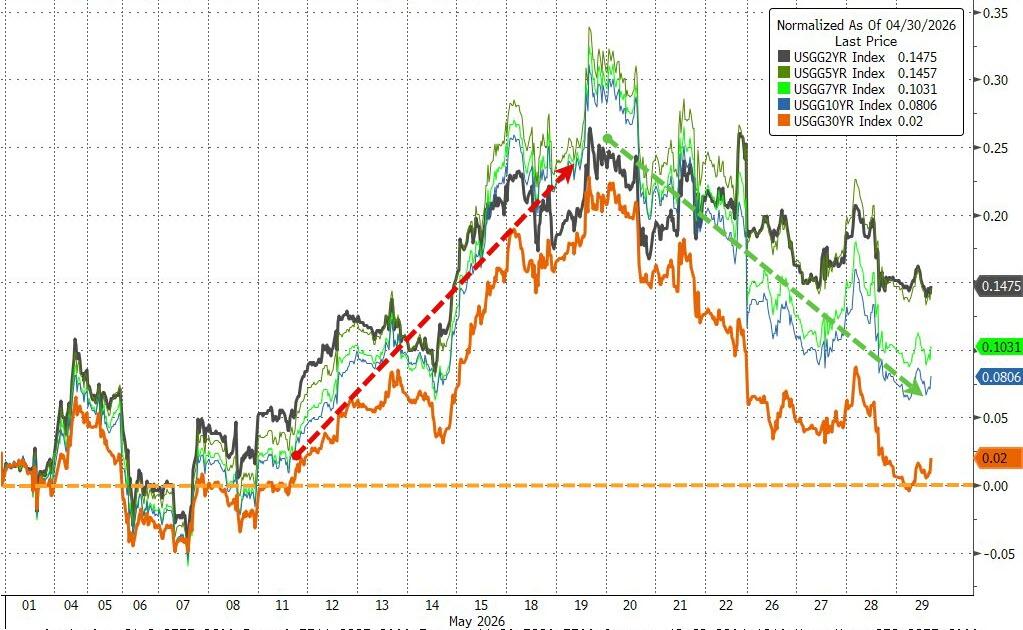
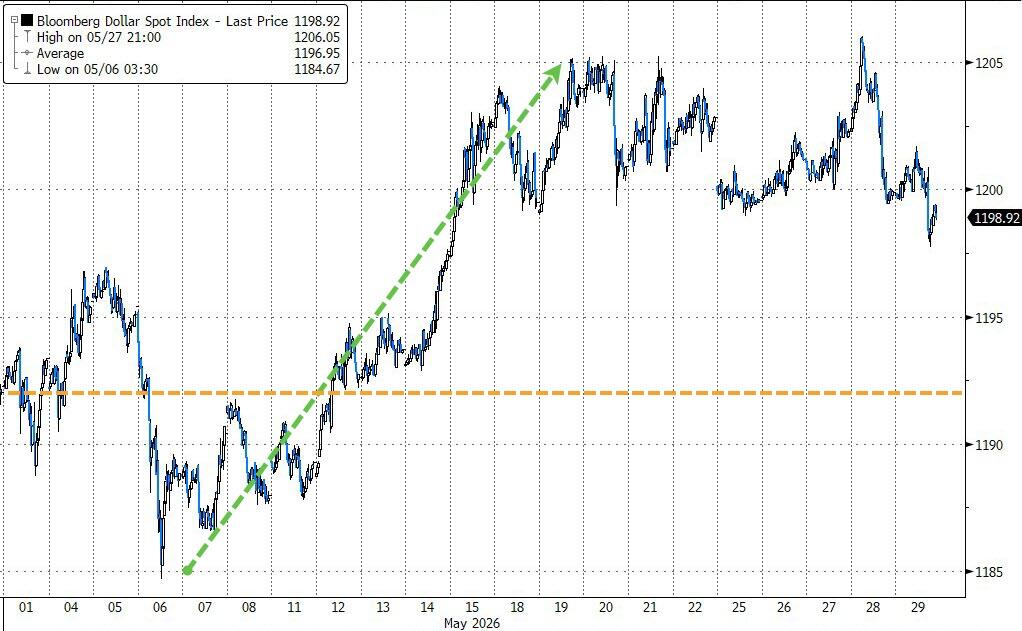
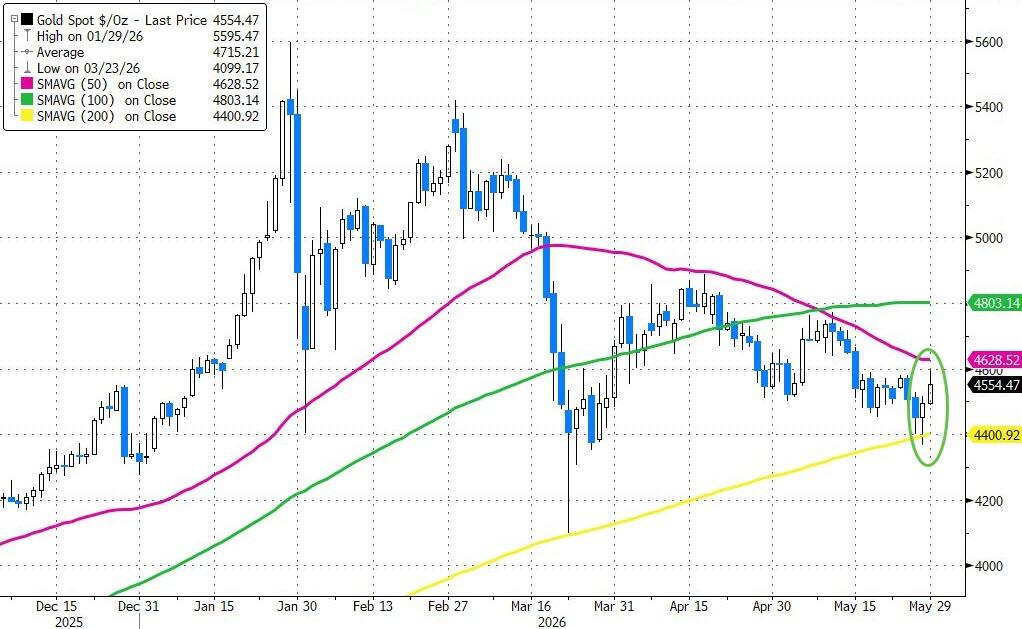
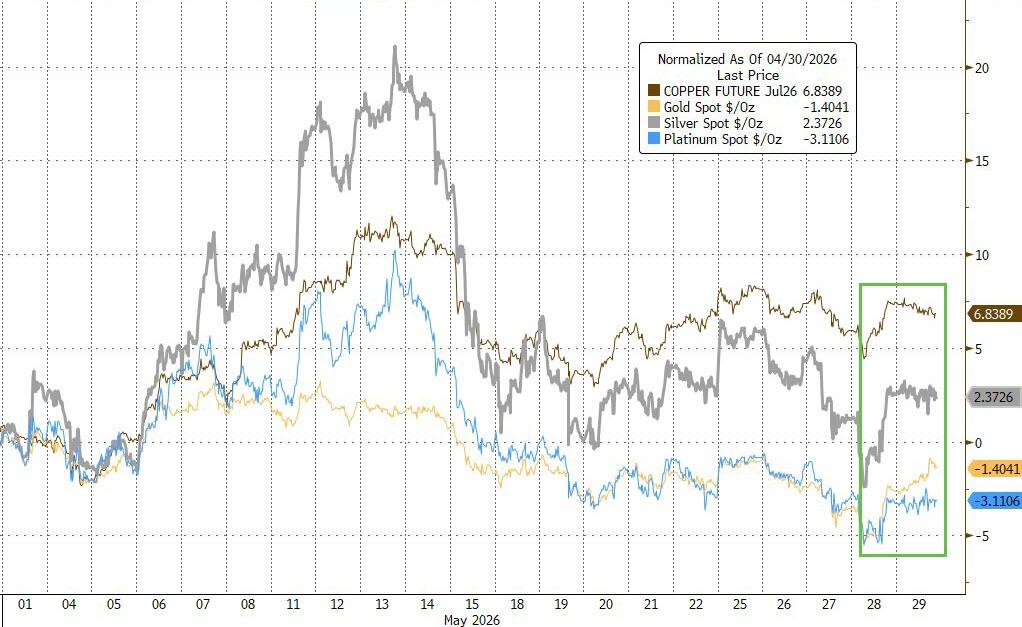
On the macro side, falling oil prices, easing bond yields, and a softer dollar gave gold some breathing room, helping it rebound moderately.
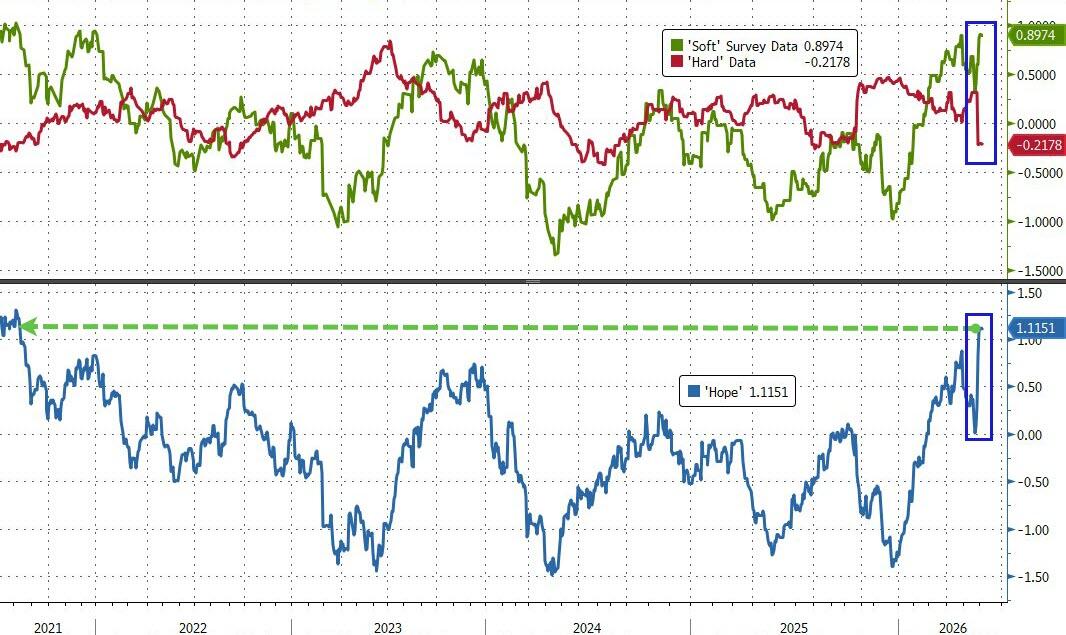
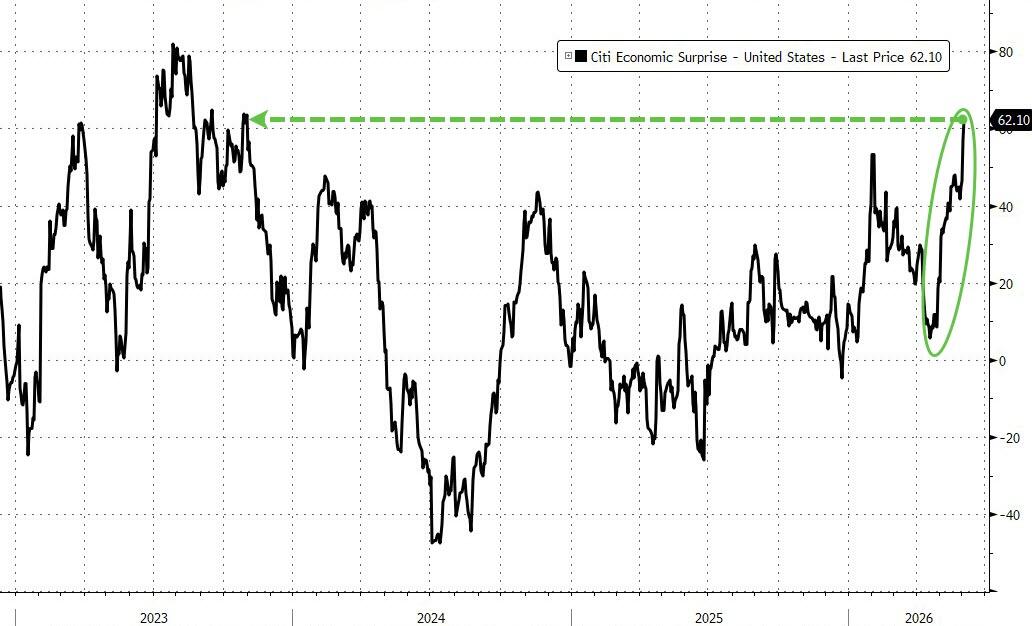
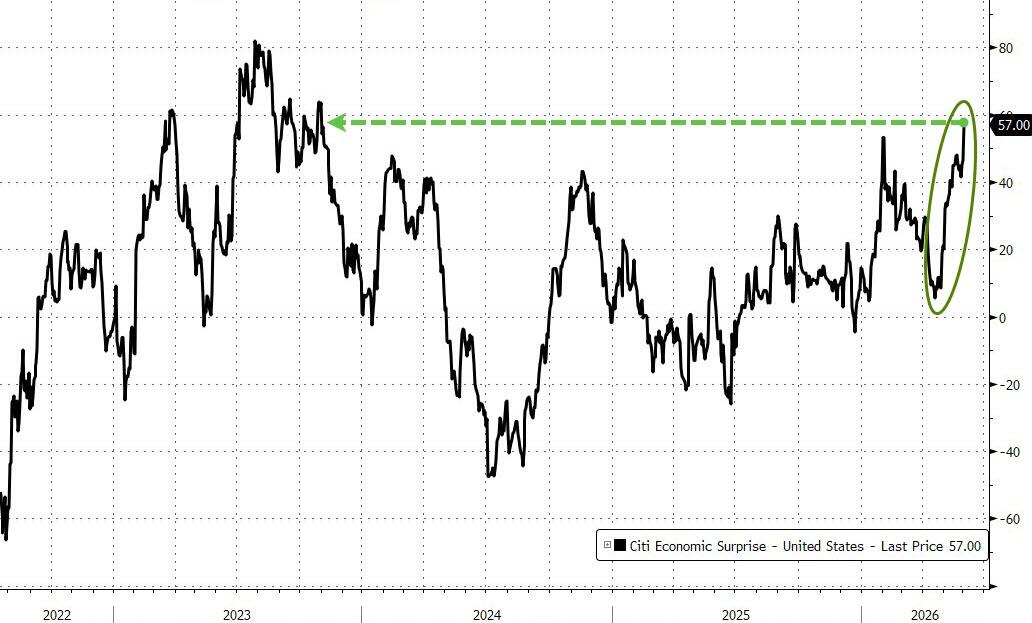
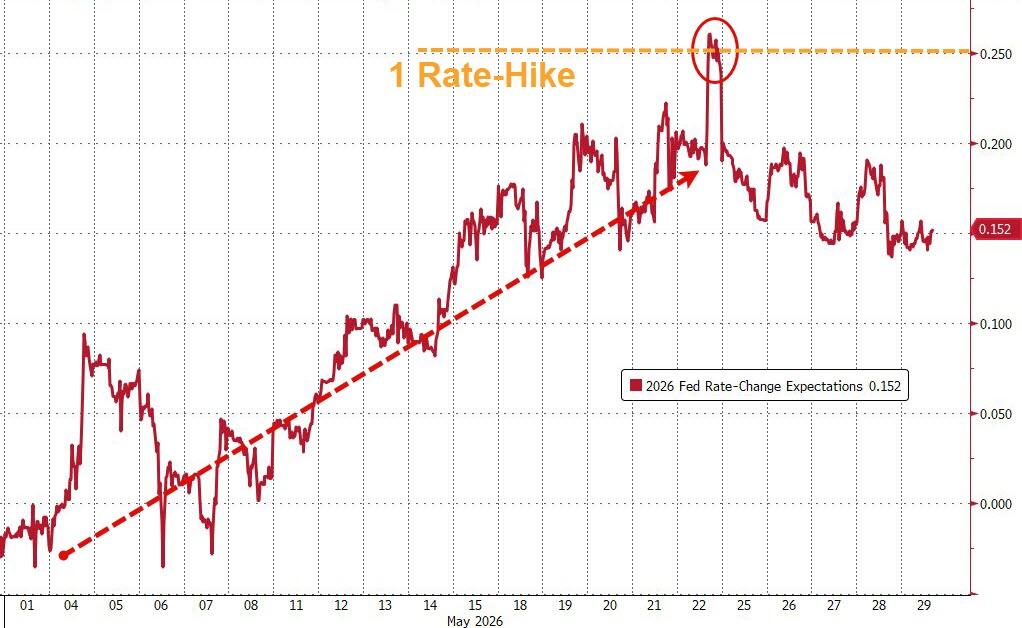
At the same time, rising jobless claims and a spike in announced job cuts added a layer of concern ahead of tomorrow’s payroll report, highlighting the growing disconnect between “soft” survey data and more reality-based “hard” numbers.
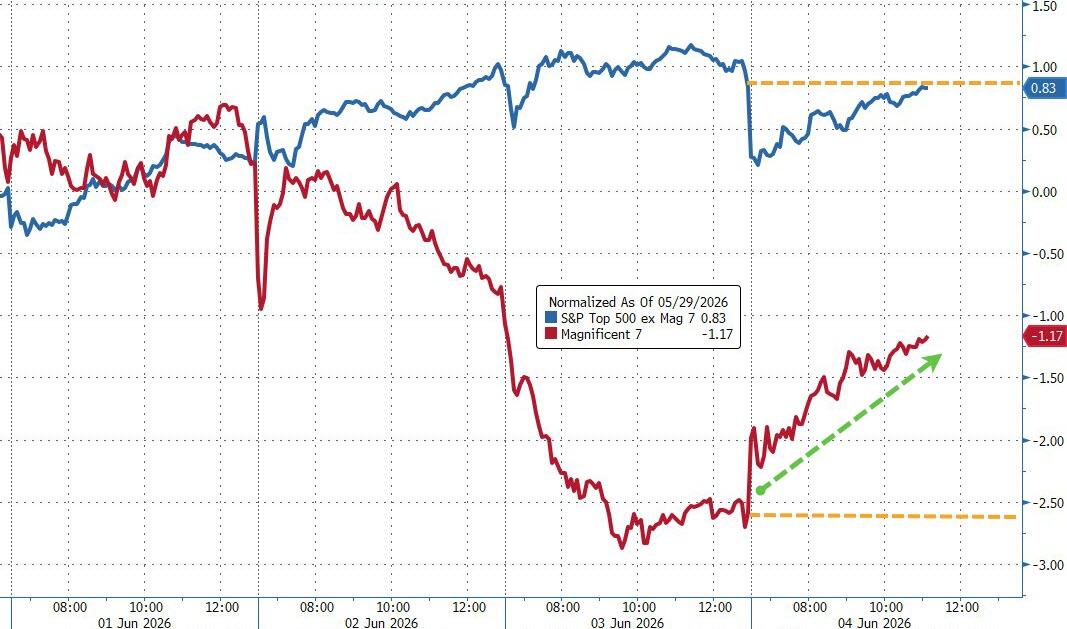
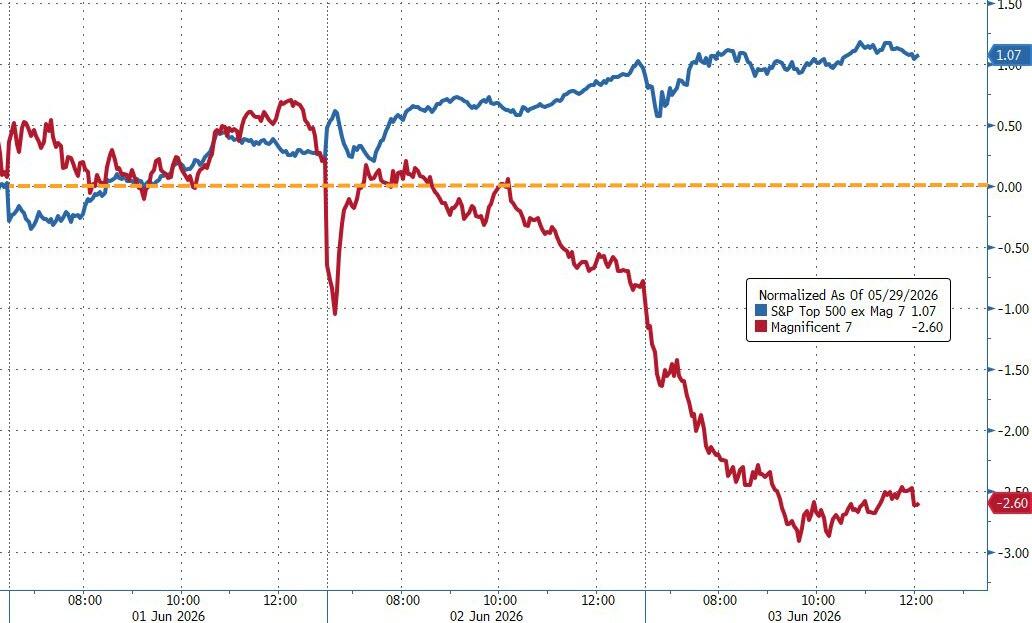
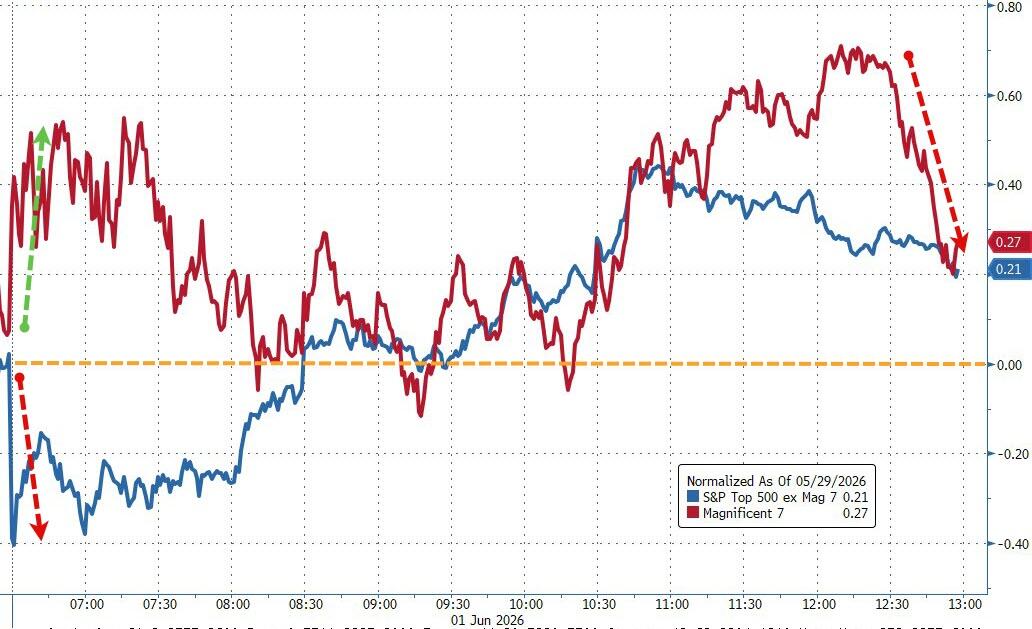
Interestingly, while the Magnificent 7 outperformed the rest of the S&P 500 today, they’re still lagging significantly on the week.
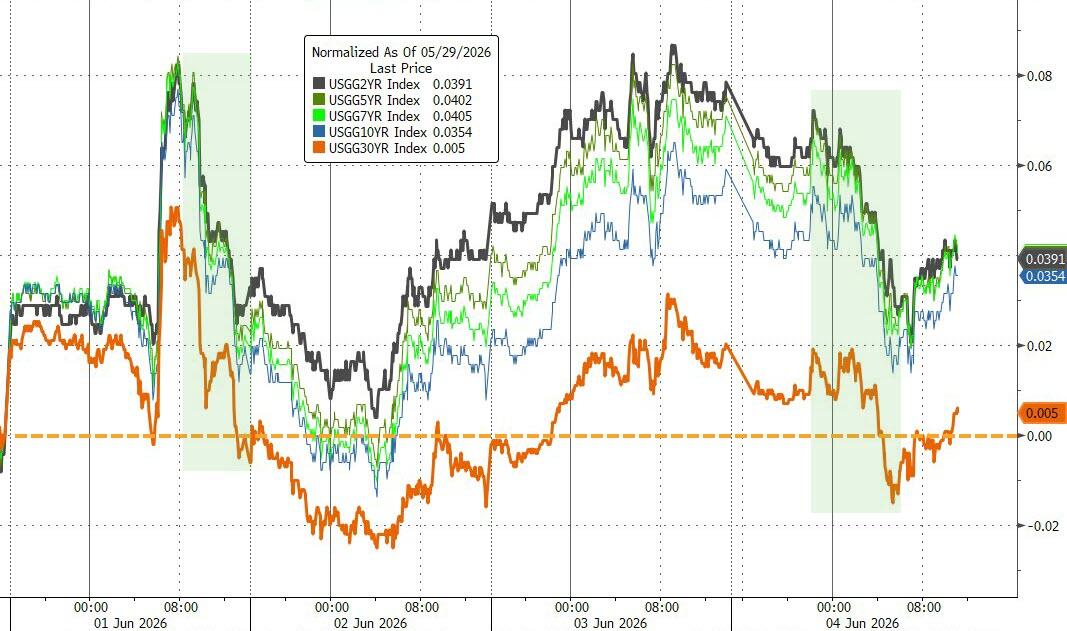
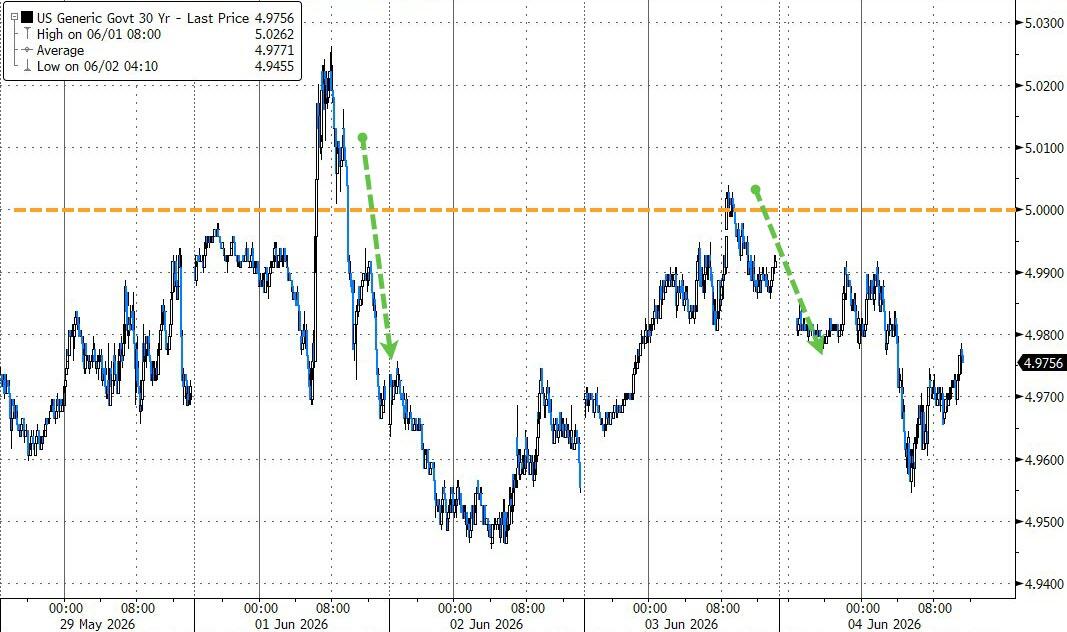
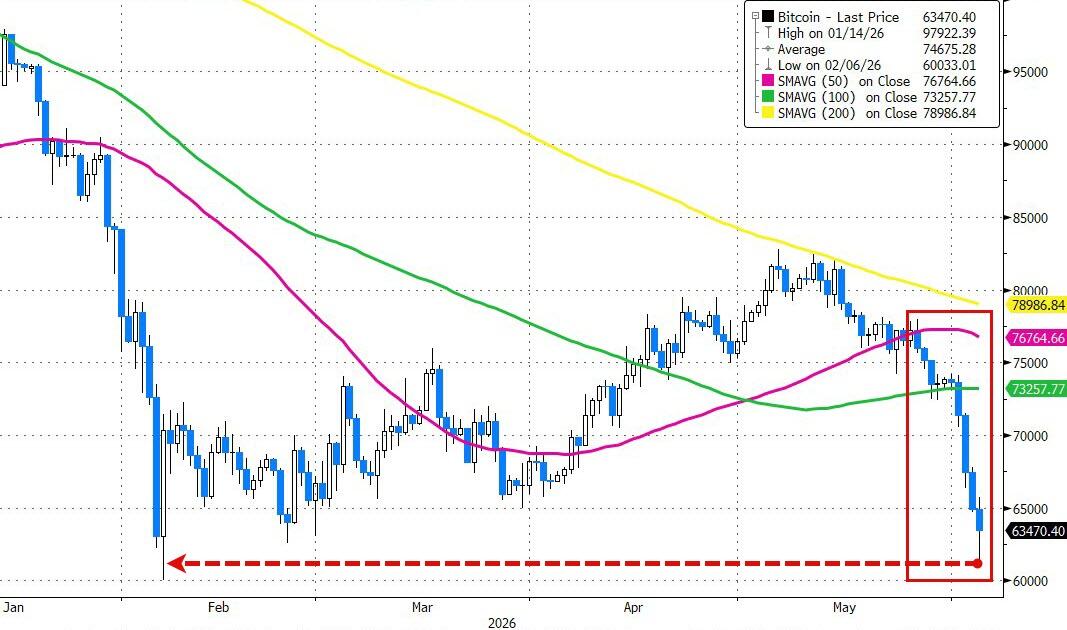
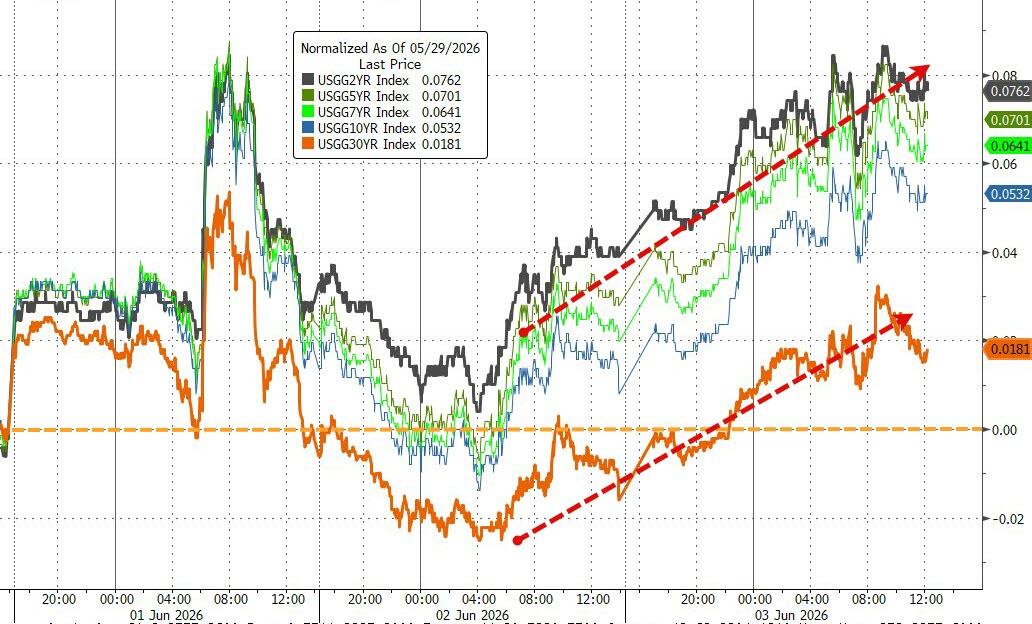
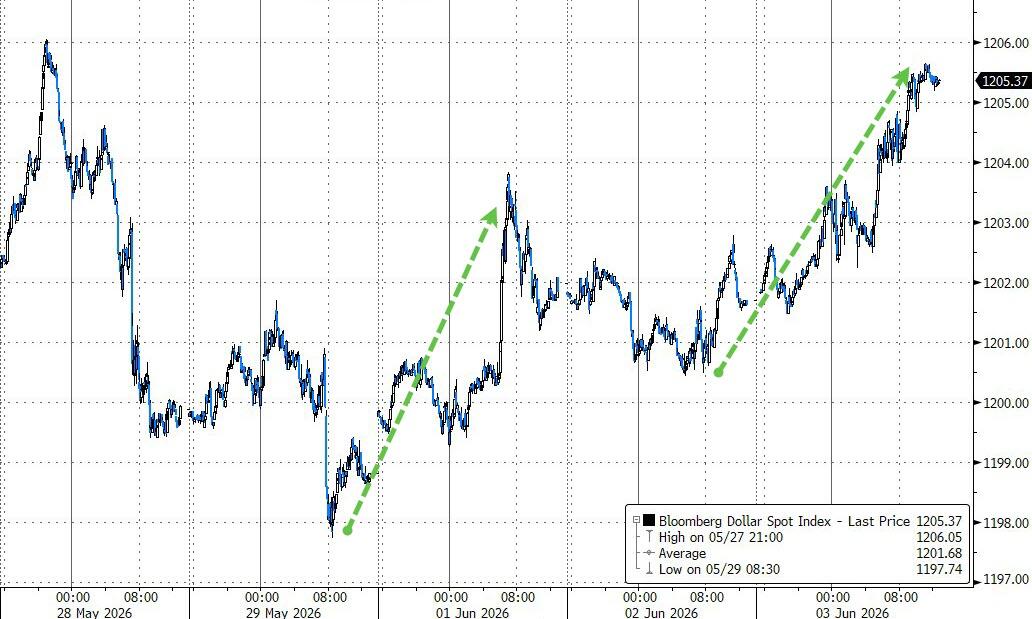
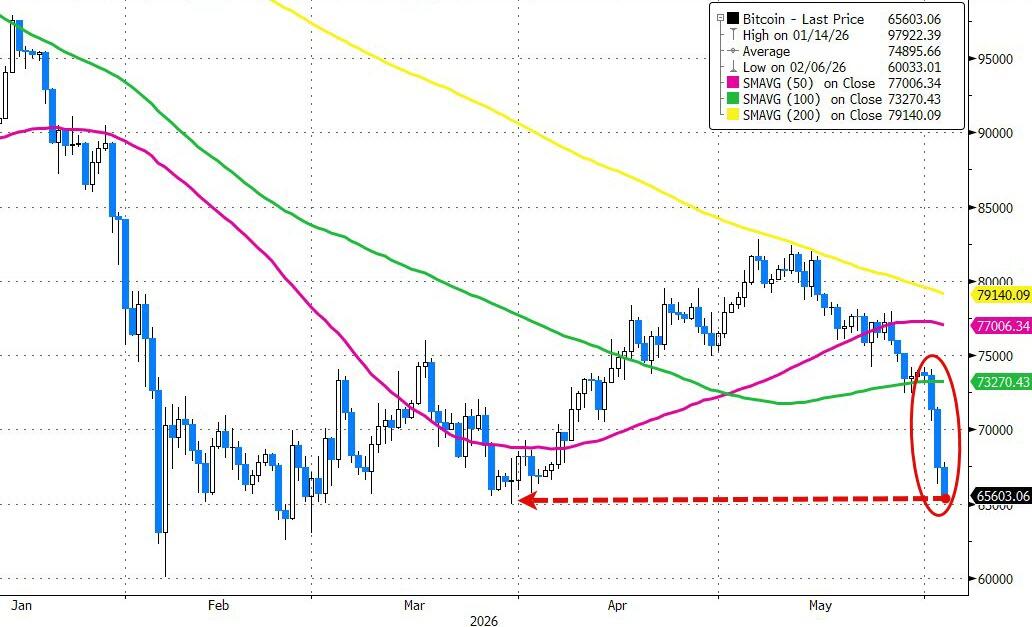
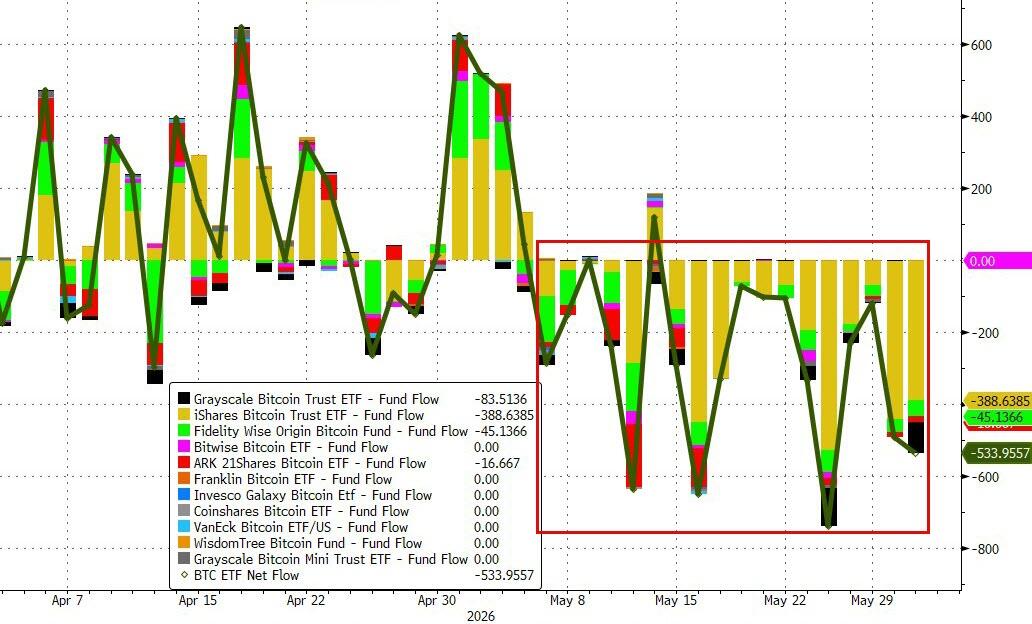
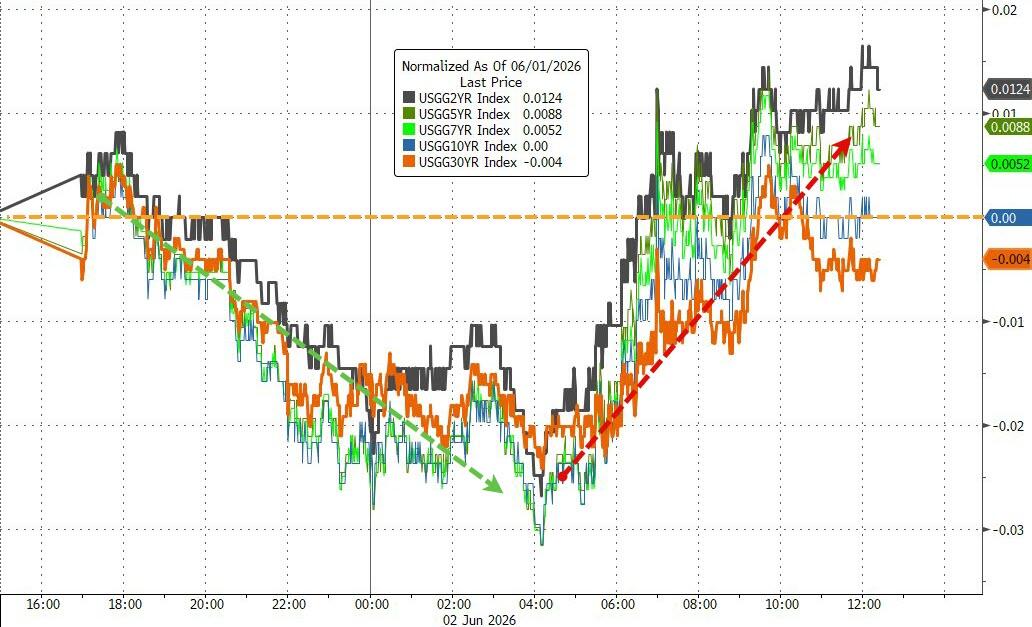
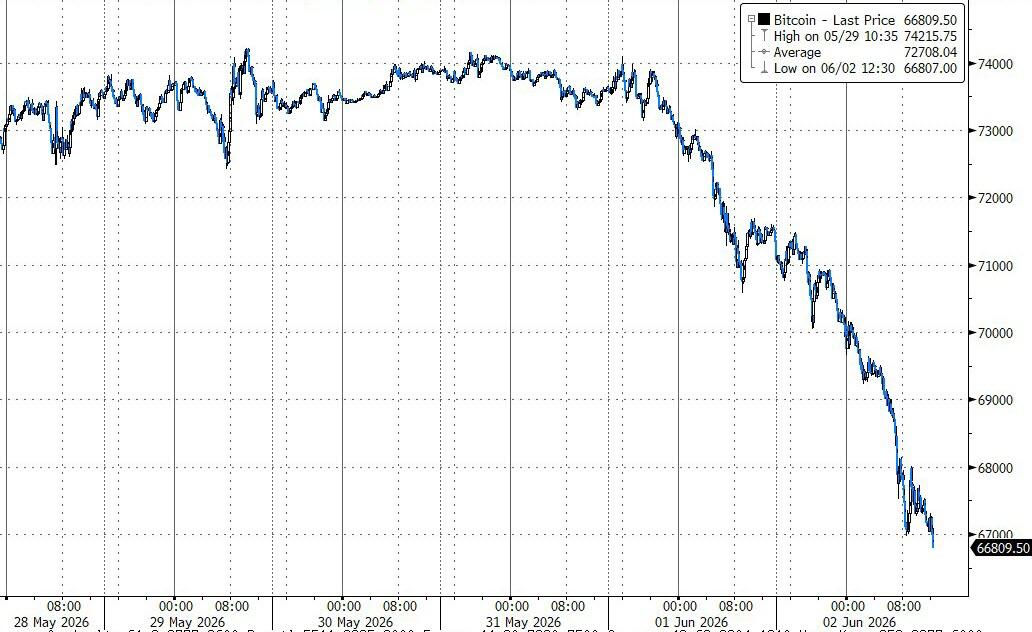
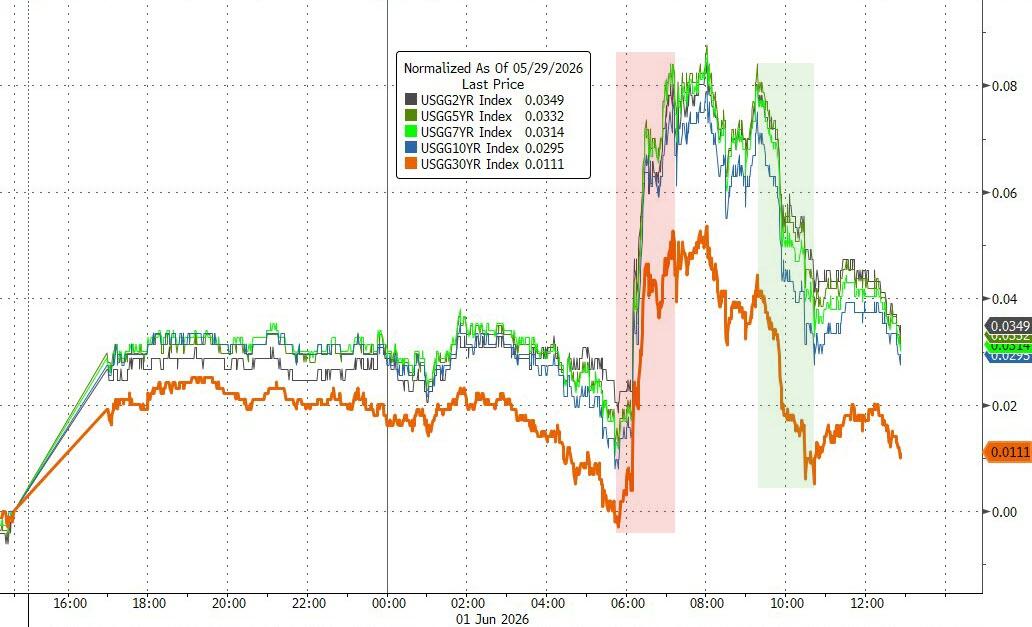
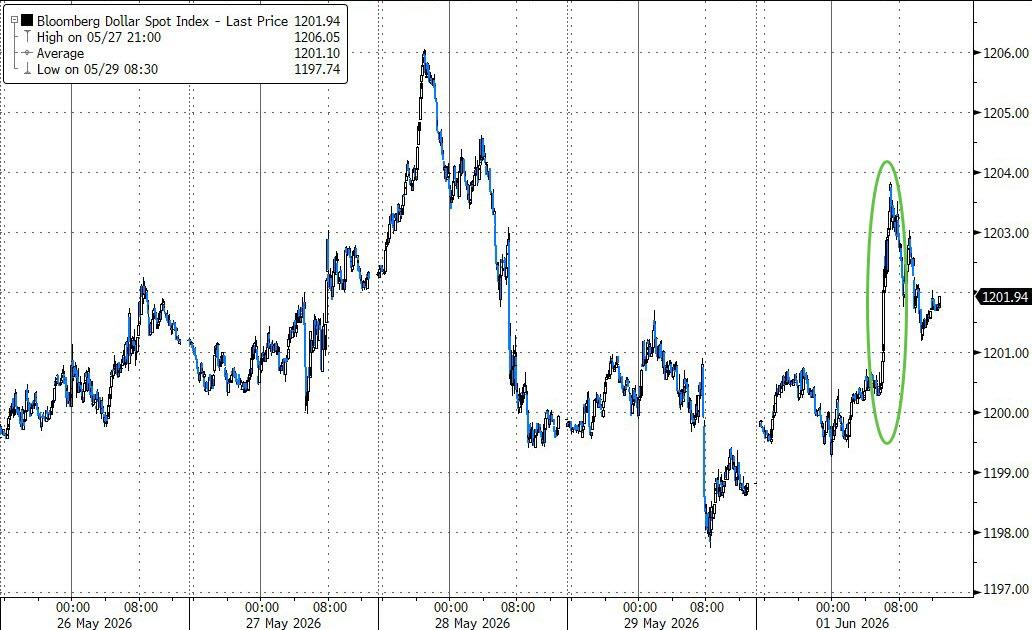
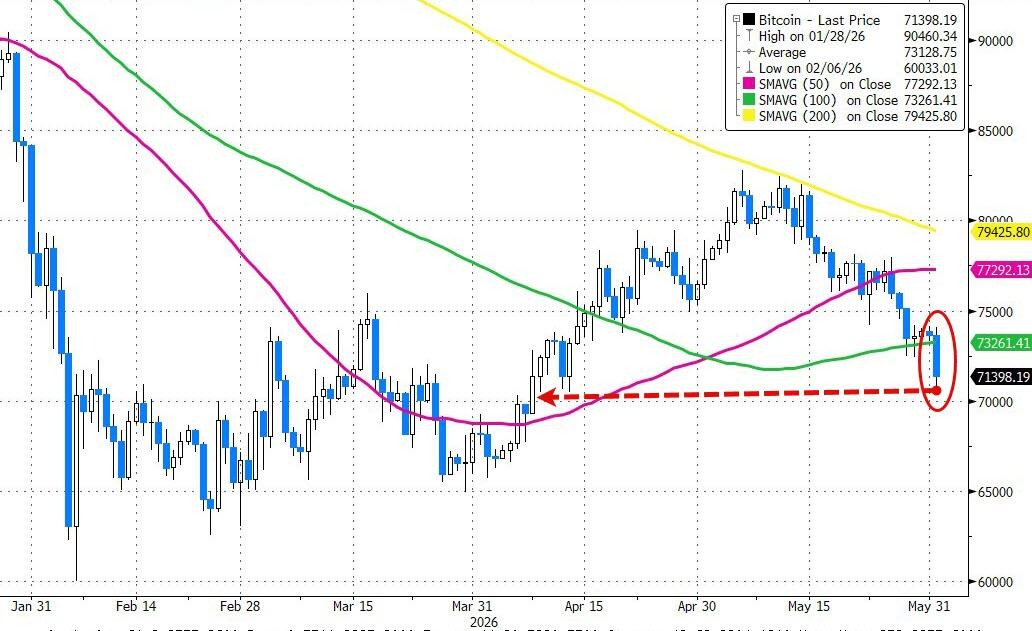
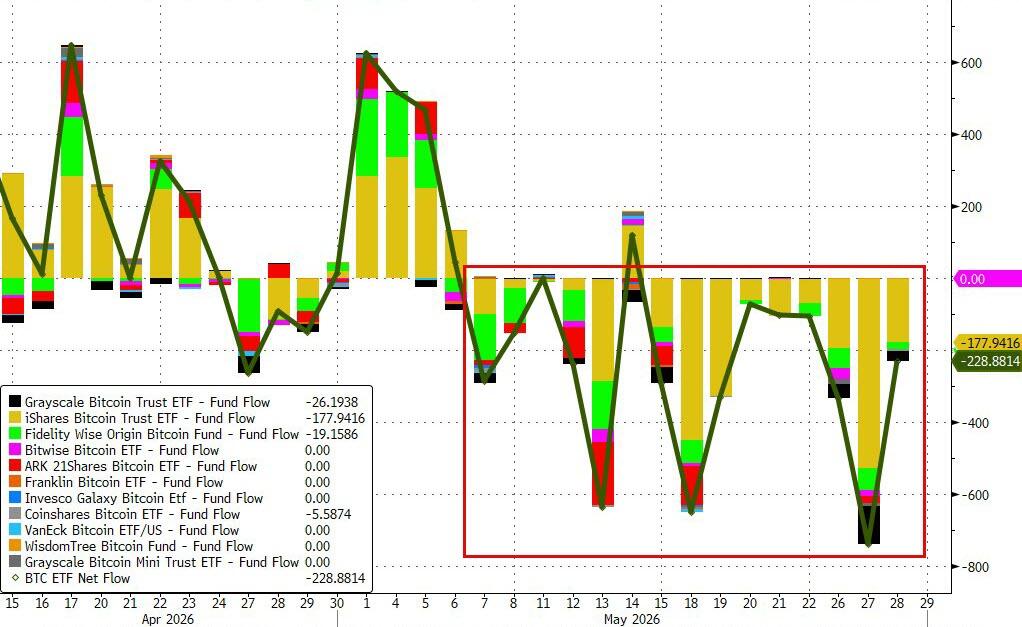
Bond yields continued to drift lower, with the 30-year pulling back after testing 5% yesterday, dragging the dollar down with it. Gold briefly surged back above $4,500, while Bitcoin dipped near $61K before bouncing slightly.
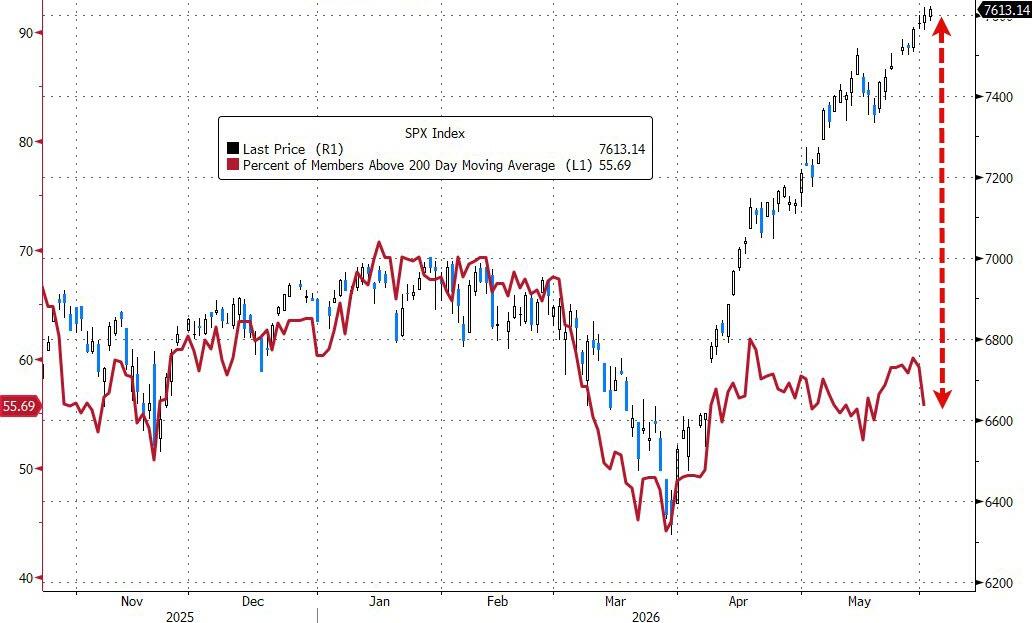
One analyst pointed out that positioning between risk-on and risk-off assets is now at its most extreme since 2019—which raises a big question: how long can this balancing act last before something gives?
Read More