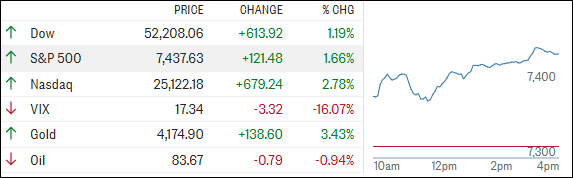
It looked like the market served up a classic reminder that investors have a short memory when there’s good news on the table.
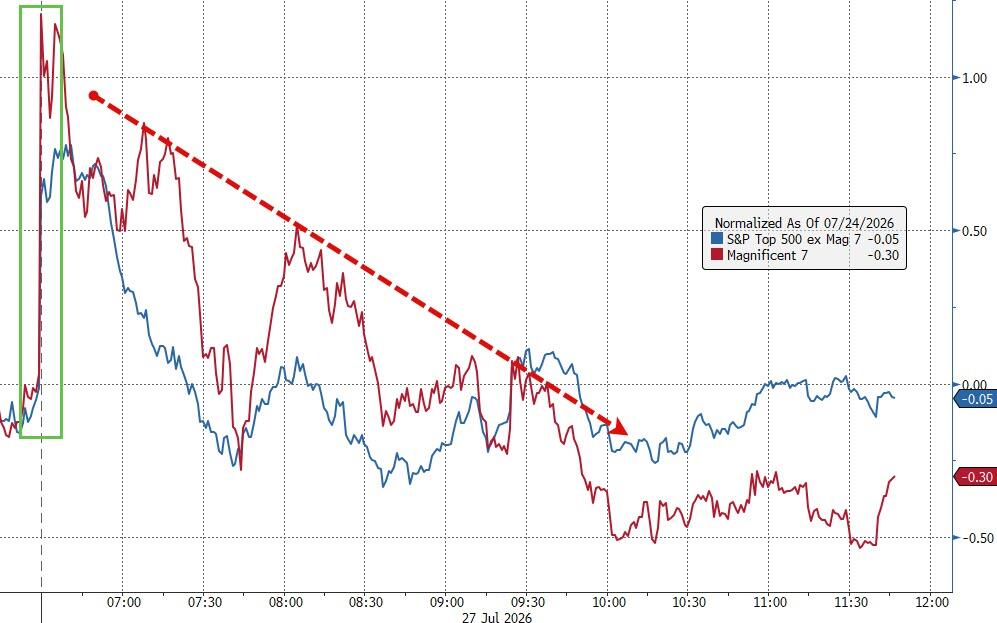
After yesterday’s Fed-induced selloff, stocks came roaring back, led by Microsoft, whose Azure-fueled earnings report had investors reaching for a second helping. Semiconductor stocks happily joined the feast, turning AI optimism back into the market’s favorite flavor.
Not everyone got an invitation. Meta stumbled after a disappointing outlook and shrinking free cash flow, highlighting that Wall Street still expects AI spending to come with a clear path to profits.
As one trader joked, there seems to be a difference between “investing in the future” and “sending the future an unlimited budget.”
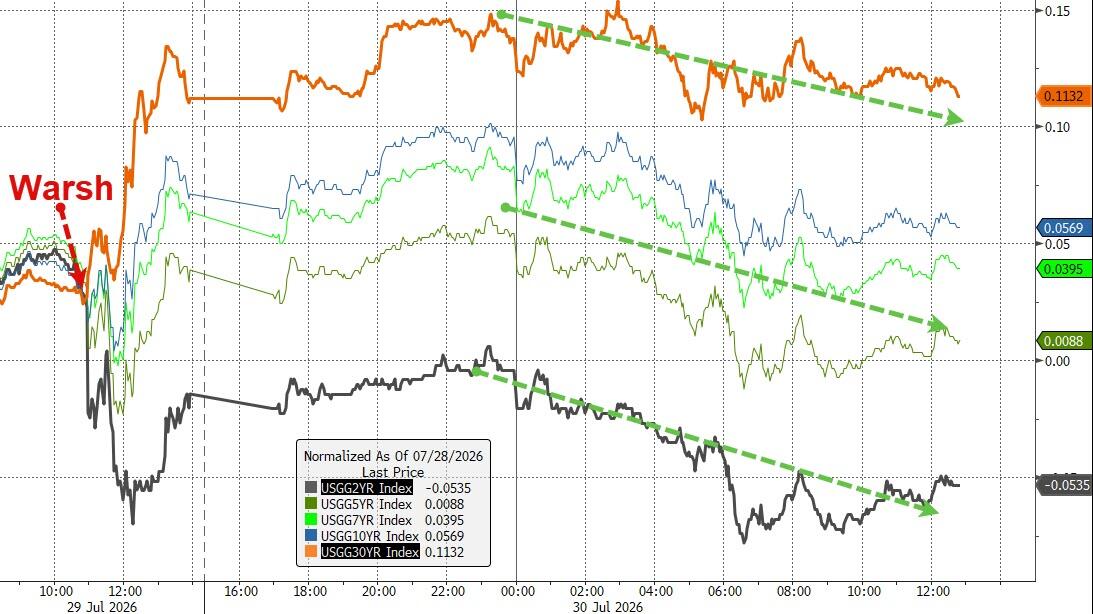
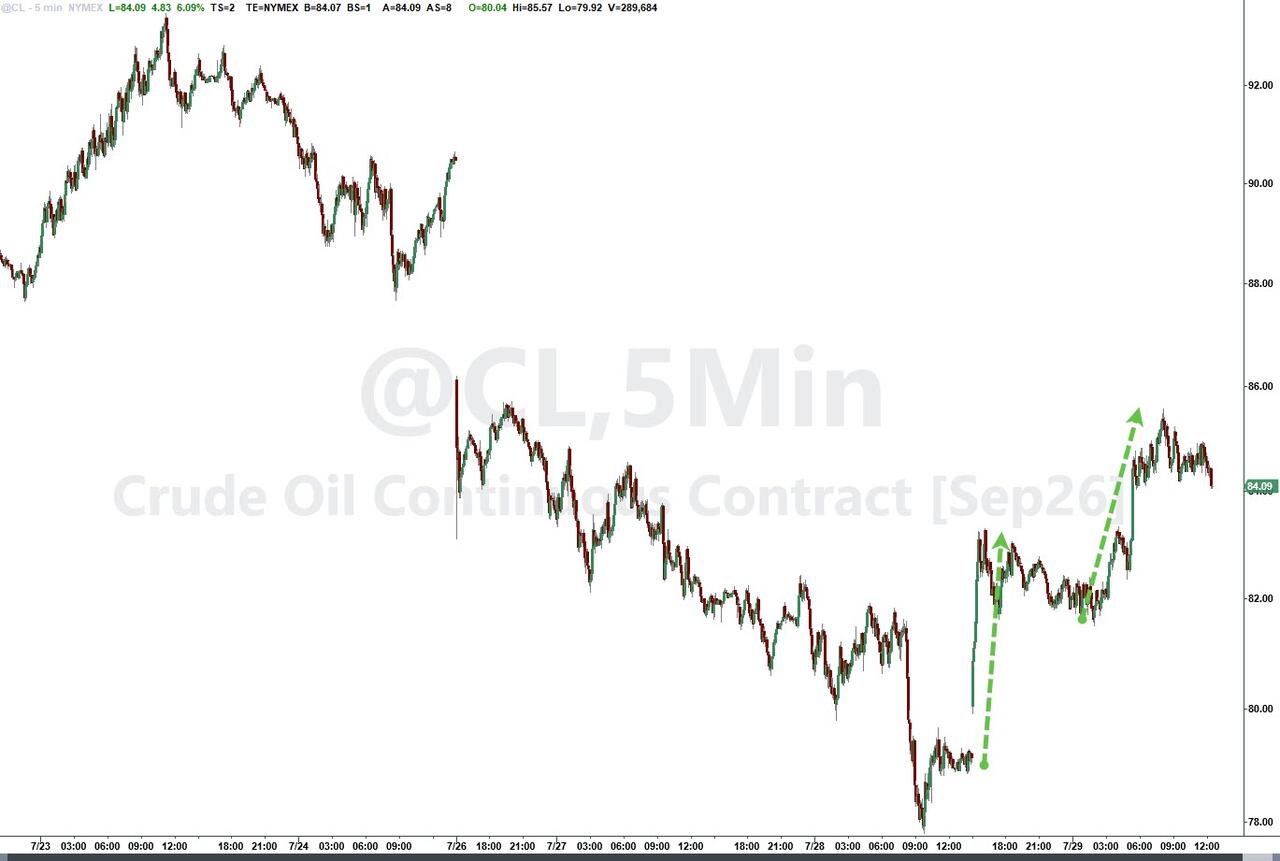
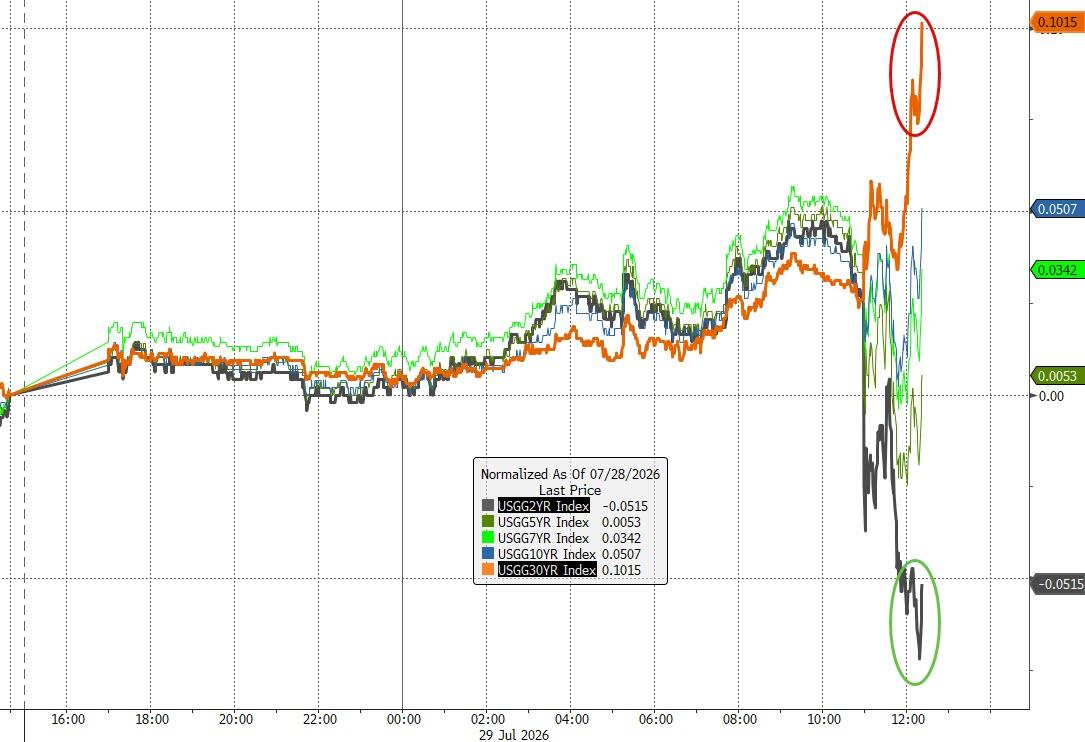
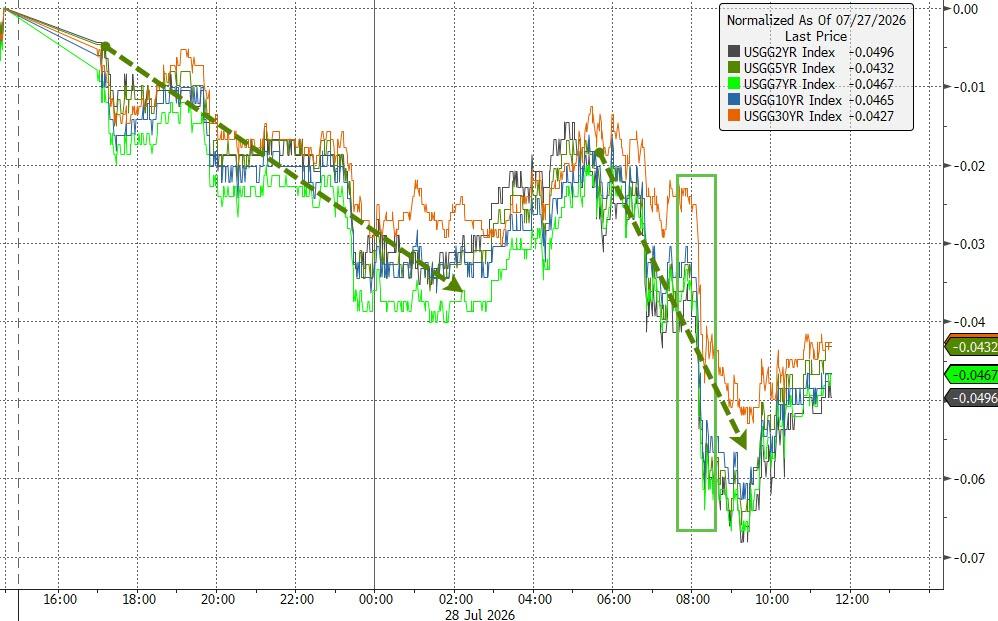
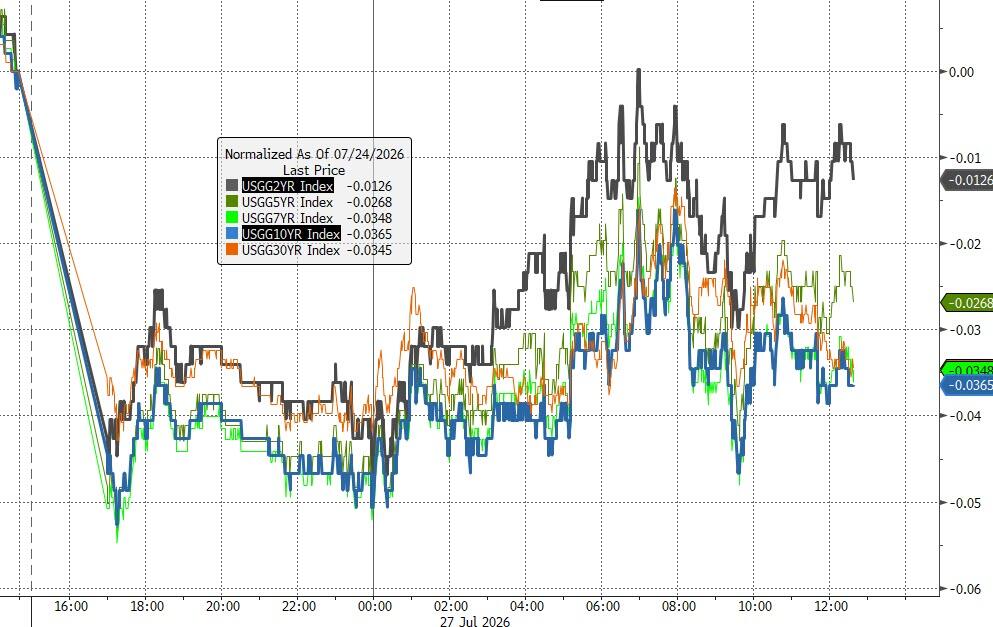
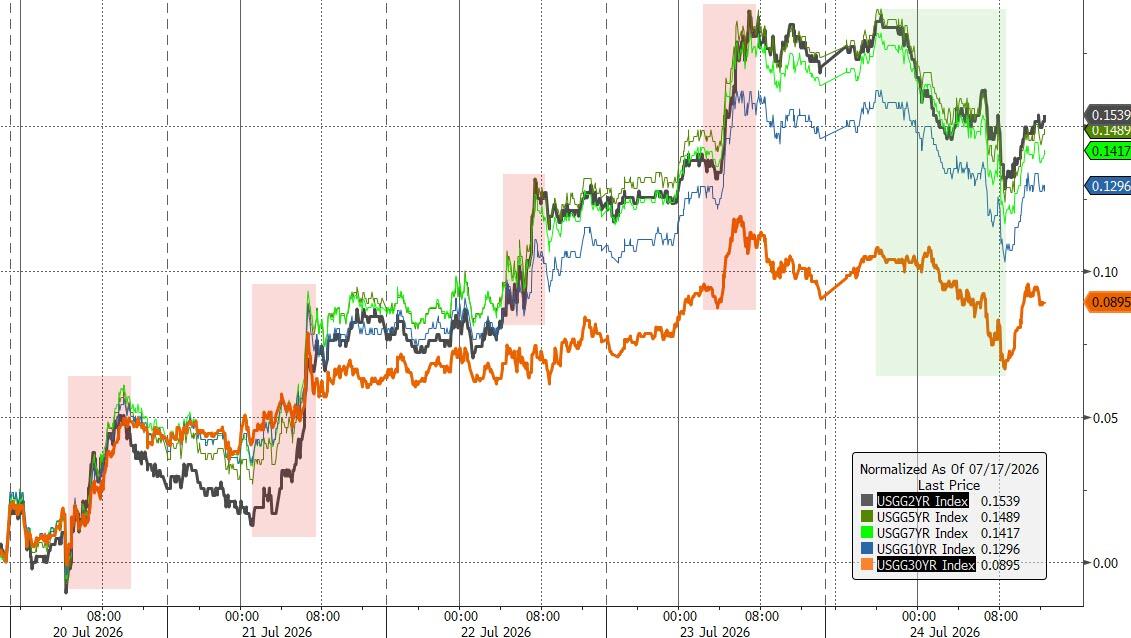
Elsewhere, inflation remained sticky, economic growth cooled a bit, and yet lower oil prices and falling bond yields gave stocks all the encouragement they needed.
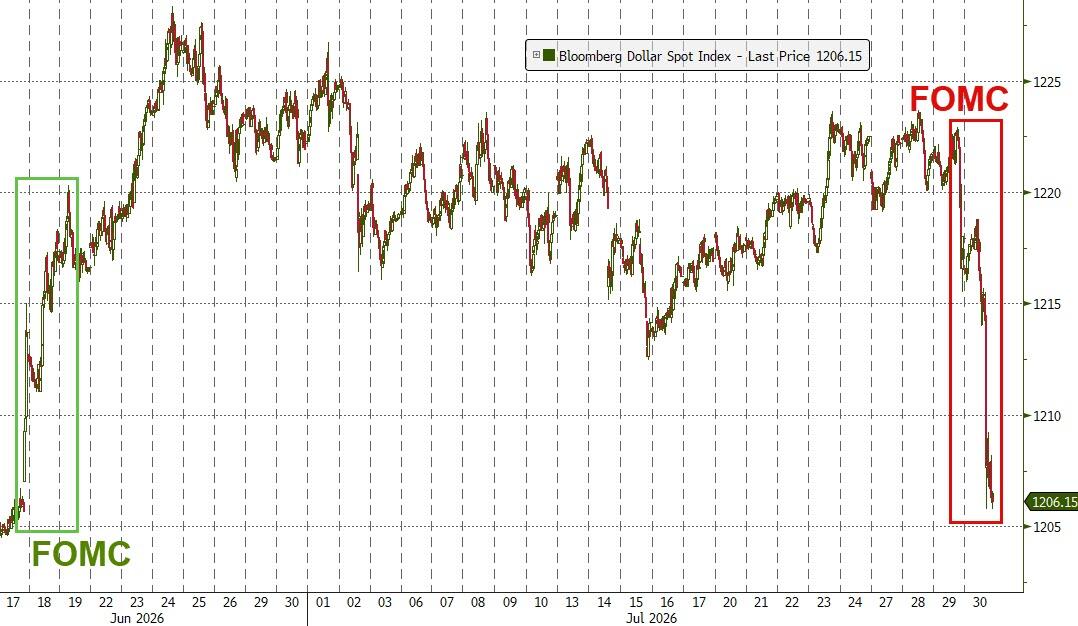
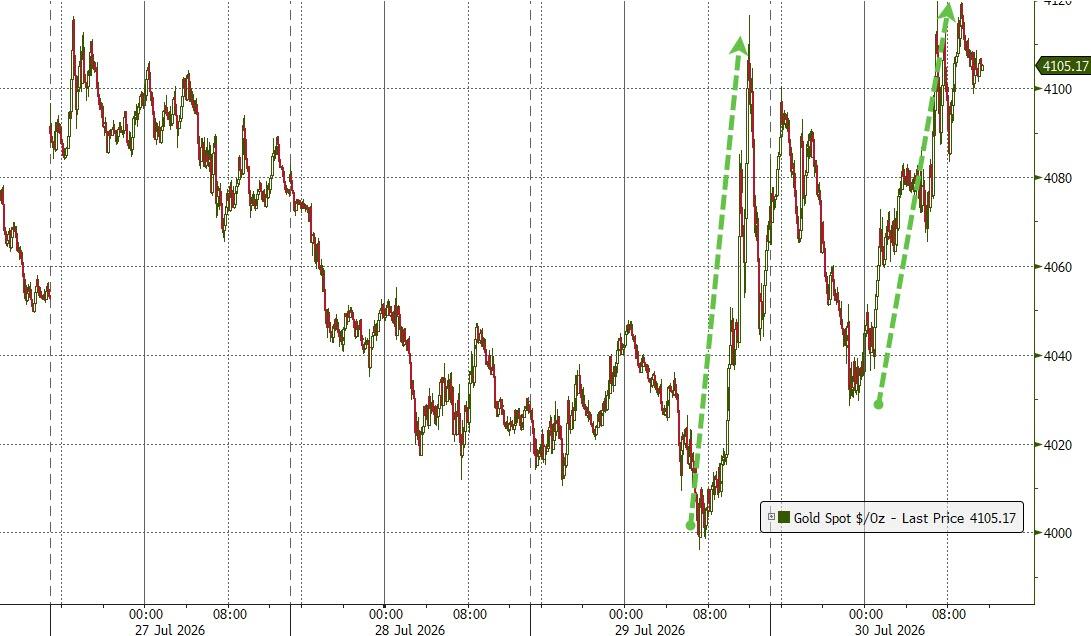
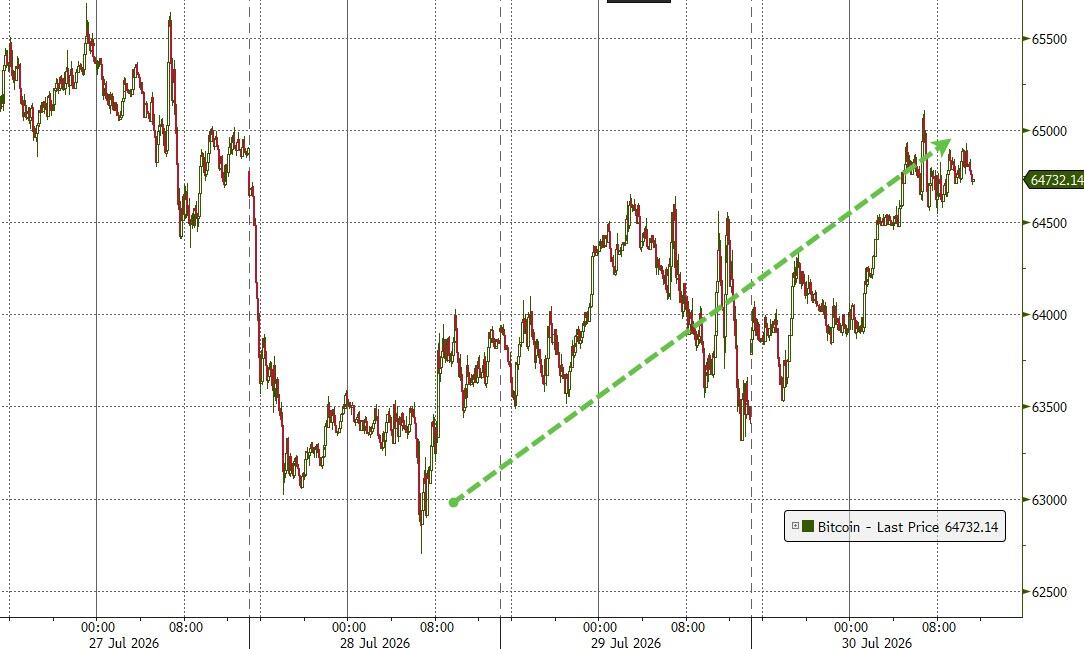
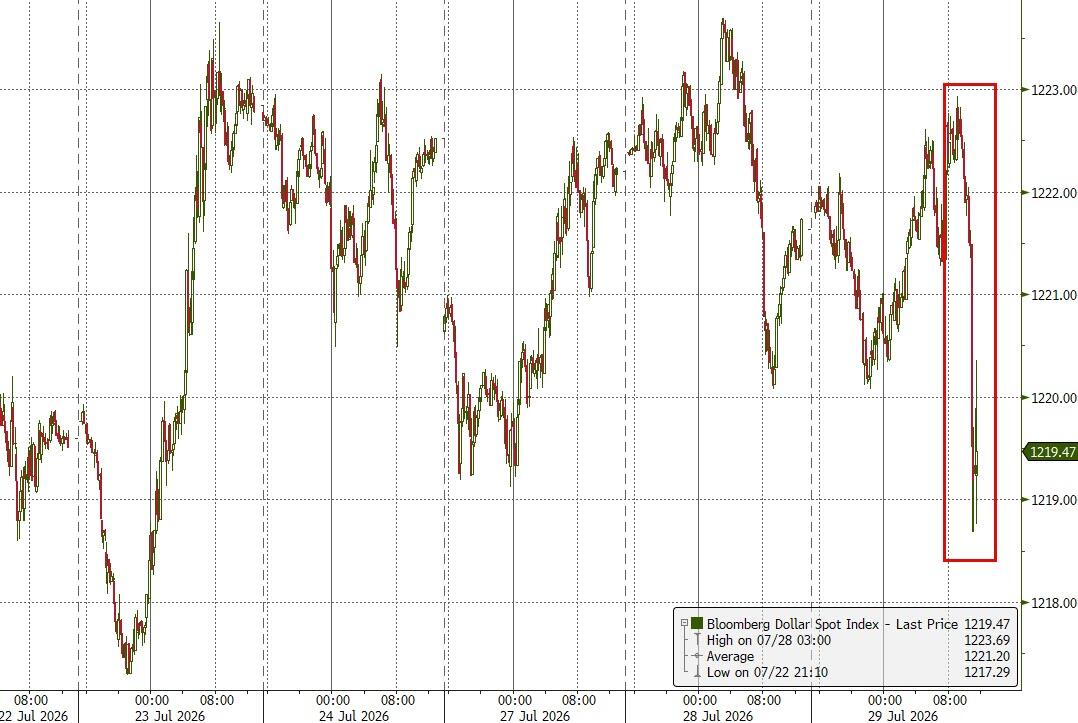
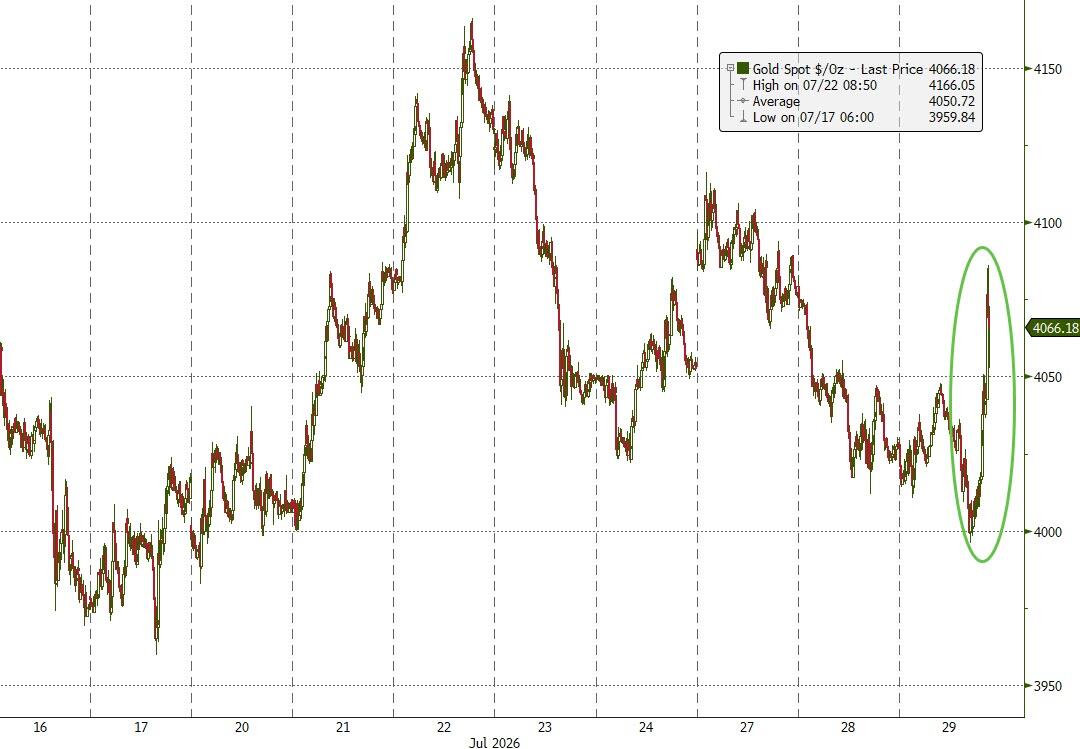
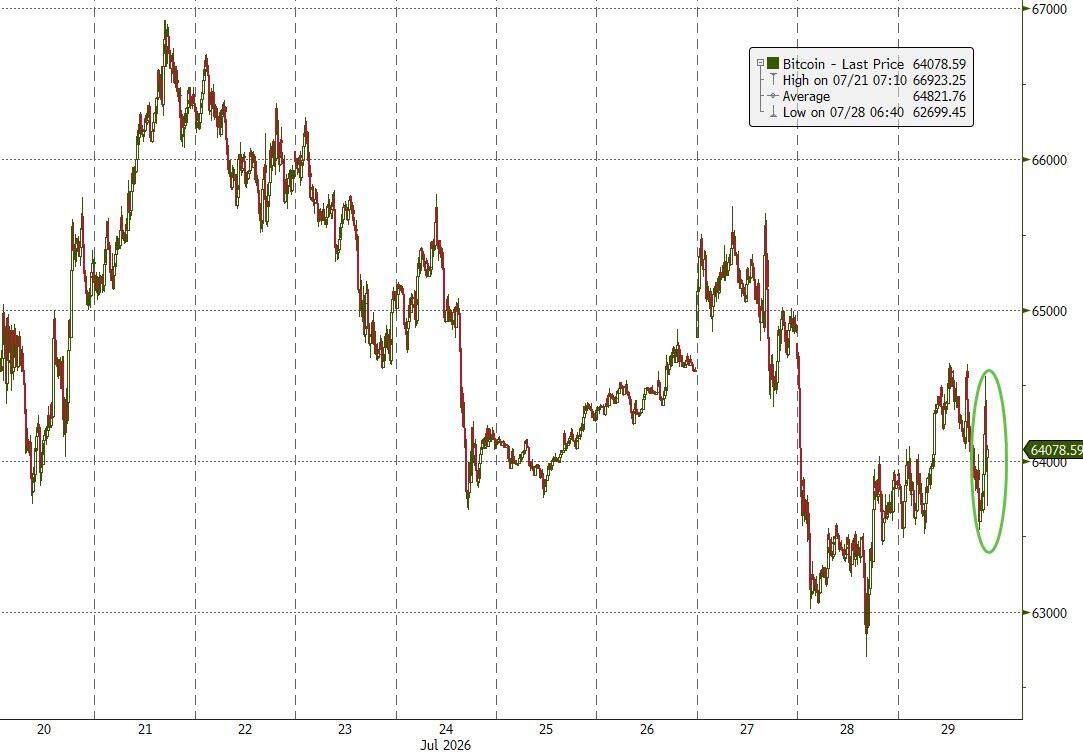
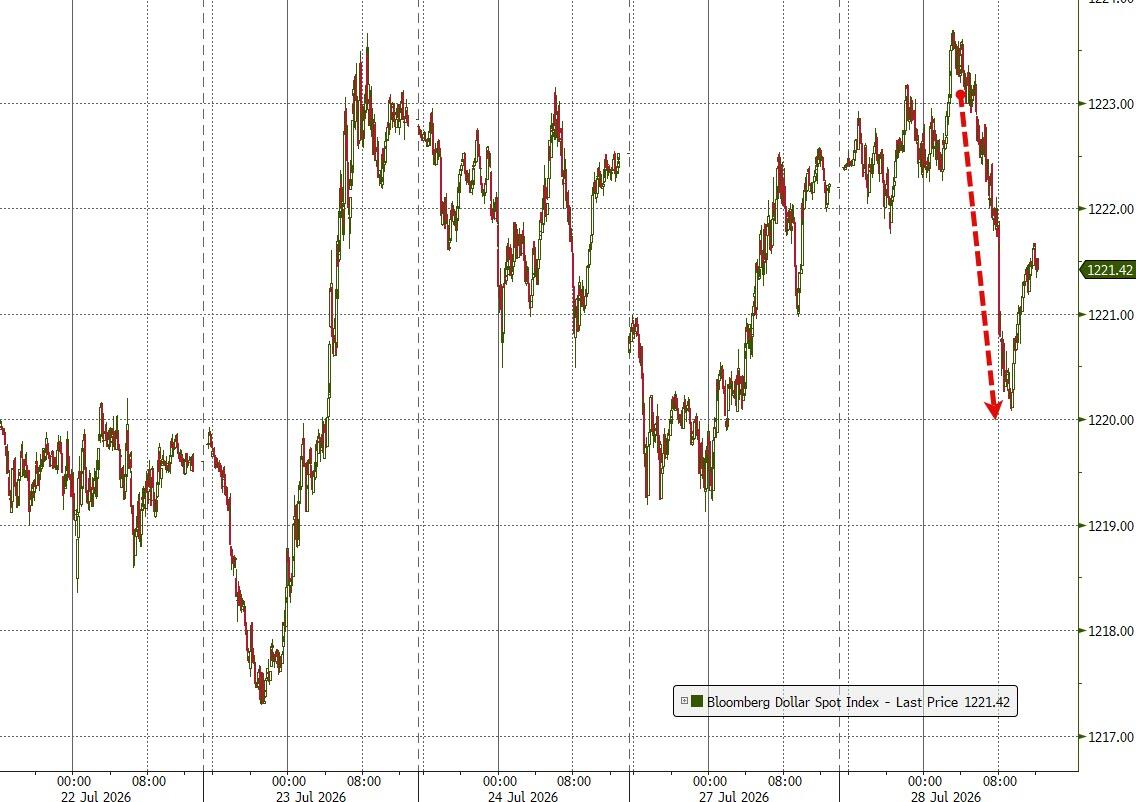
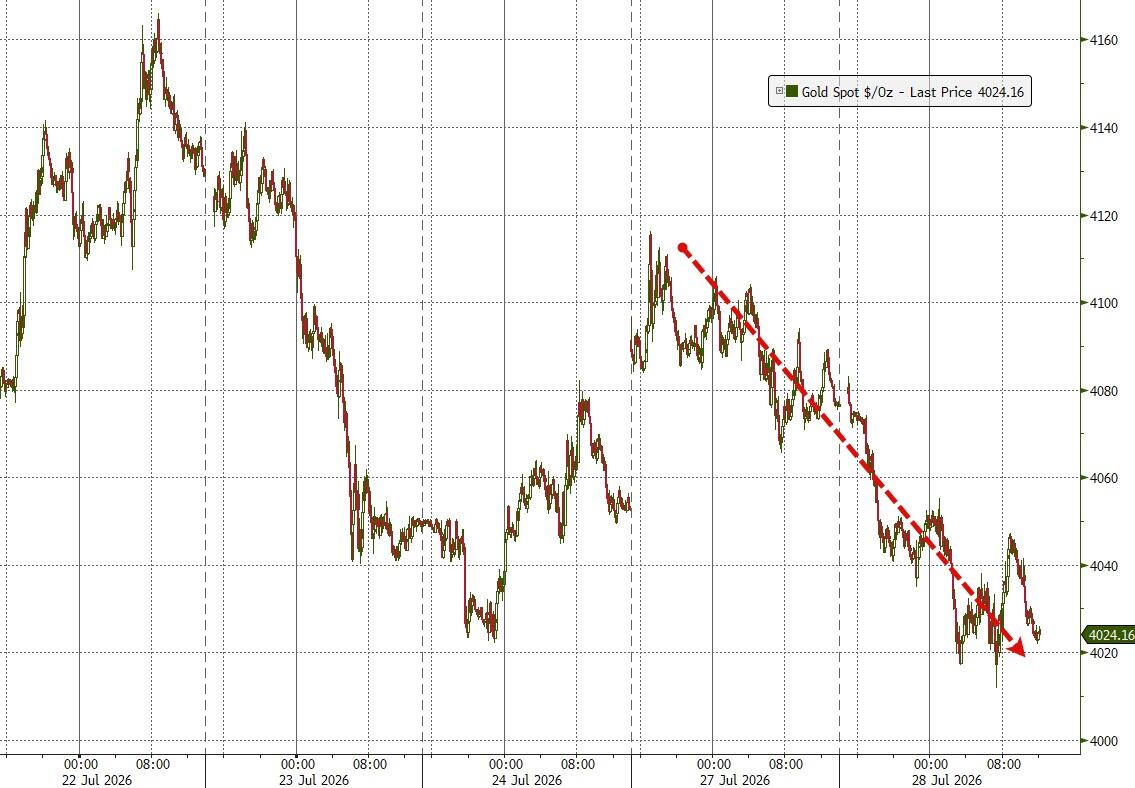
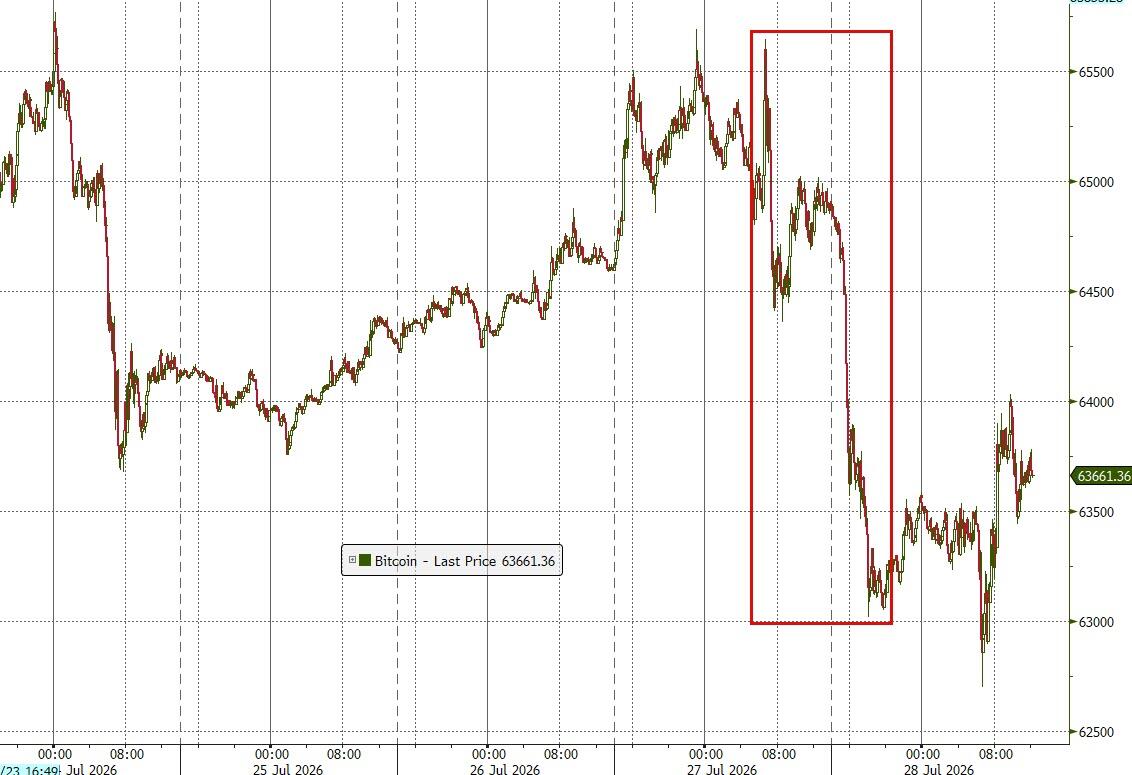
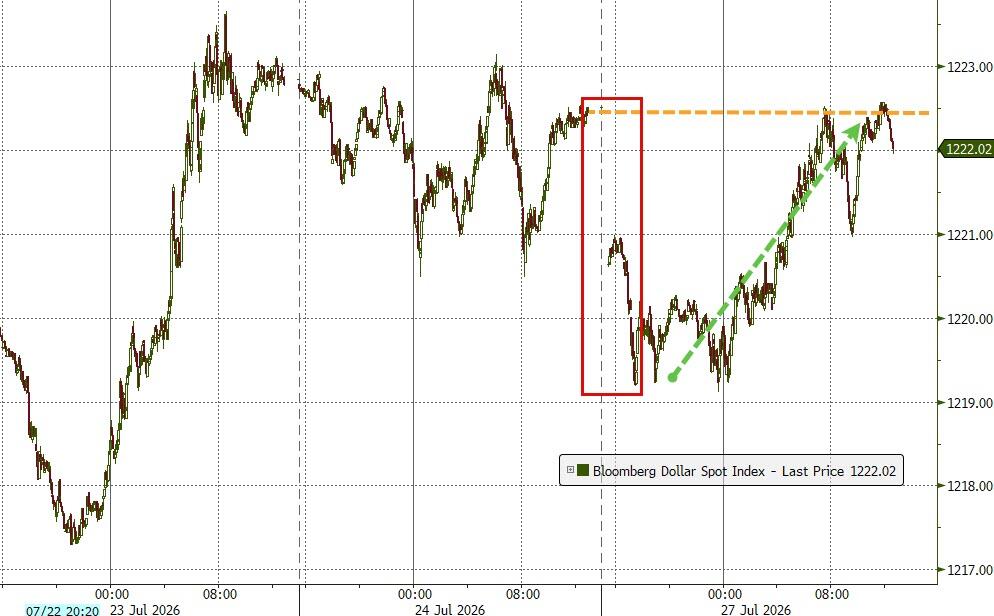
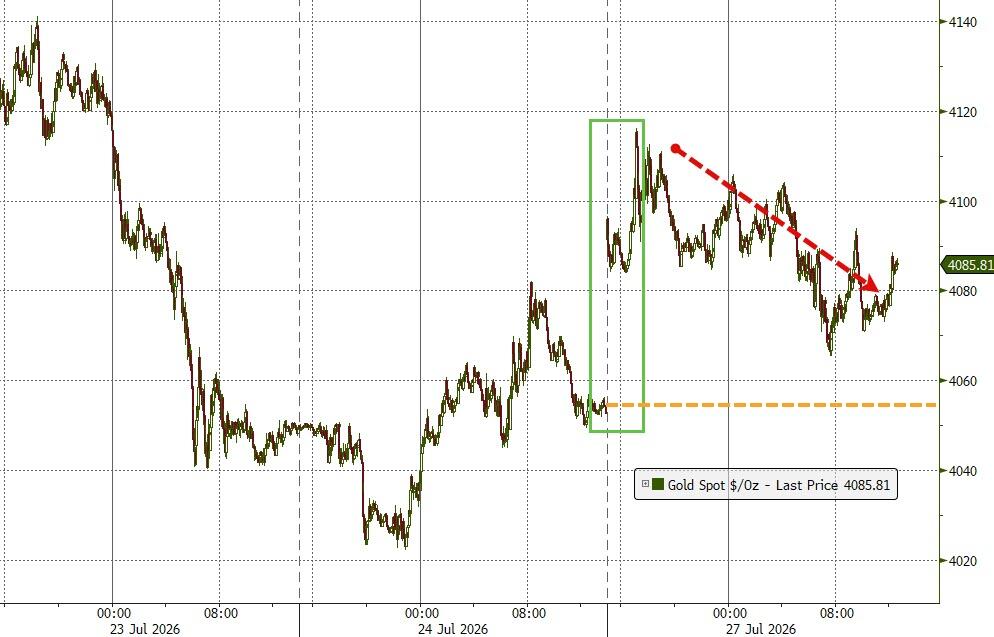
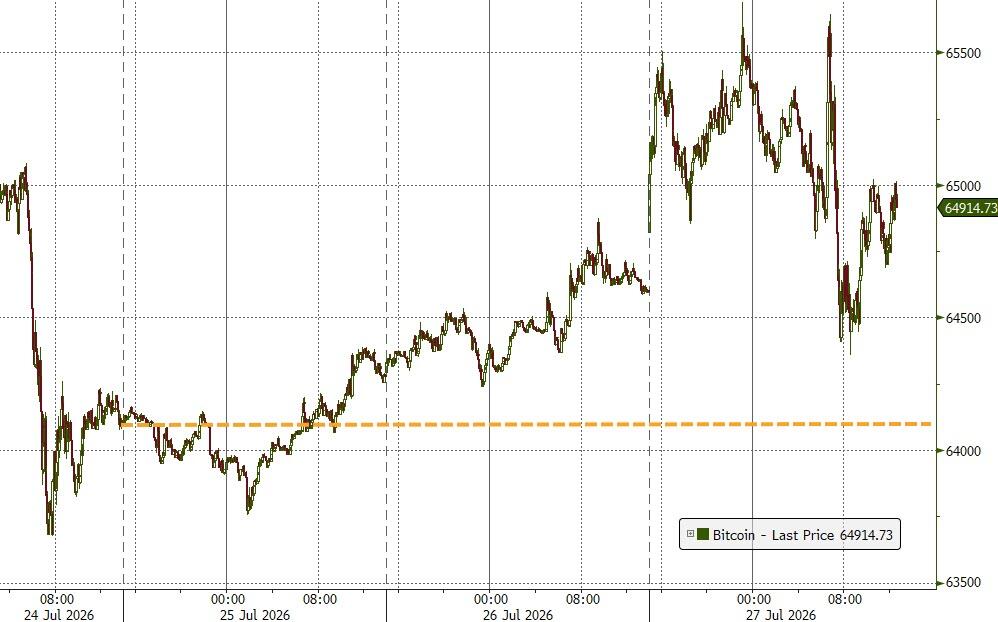
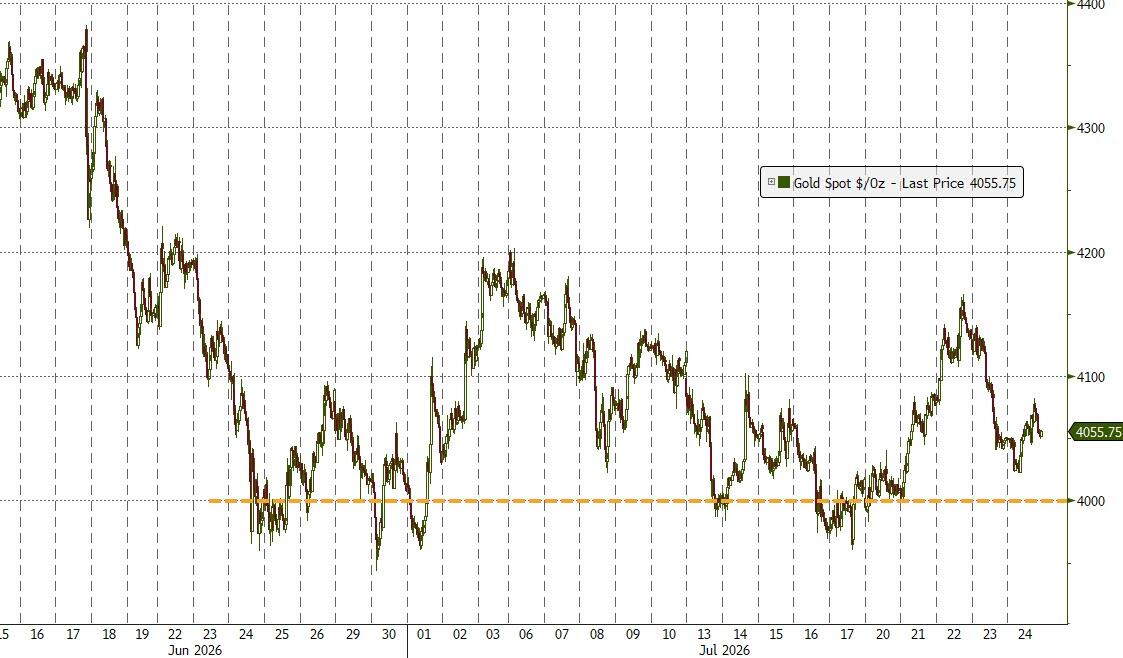
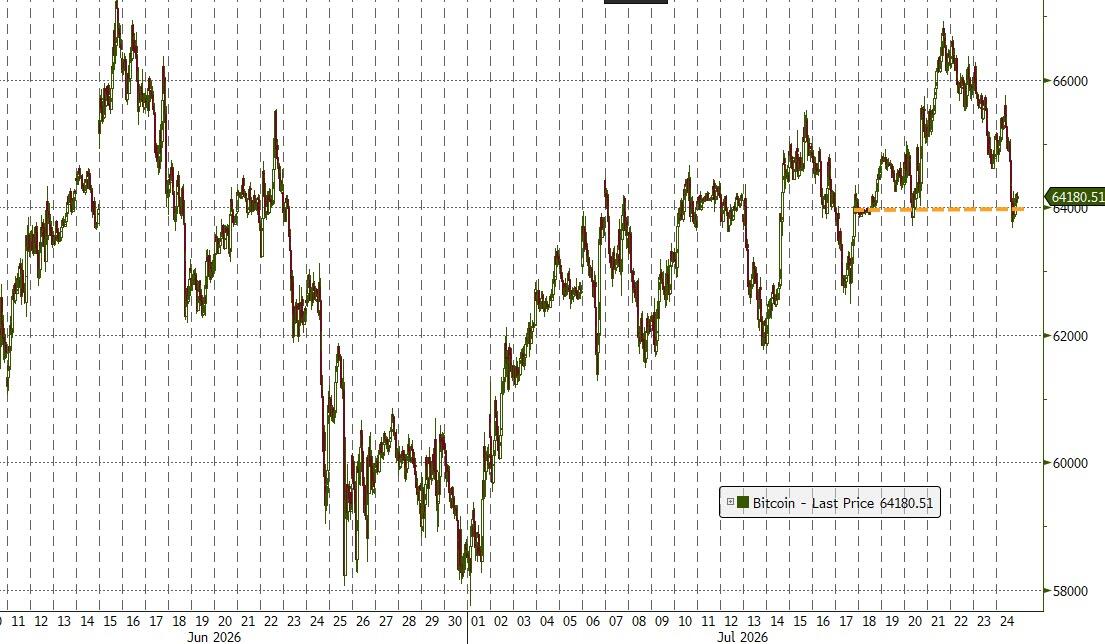
The dollar weakened, gold reclaimed the $4,100 level, and bitcoin tagged along with the tech rally by climbing back above $65,000.
With OPEC+ expected to discuss another production increase on Sunday, the next big question is whether more oil supply will finally translate into some relief at the gas pump, or will consumers need a little more patience?
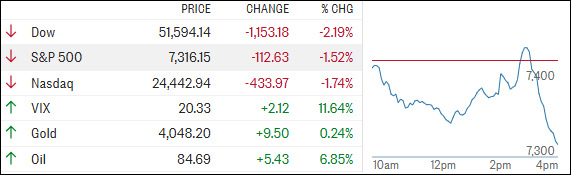
Stocks came out of the gate on the wrong foot as higher oil prices and continued weakness in chip stocks kept sellers in control.
The Fed’s decision to leave rates unchanged briefly changed the mood, sparking a relief rally that had traders feeling a little better about life.
That optimism didn’t last long.
News of Iran’s surprise missile attack in Jordan quickly shifted the focus back to geopolitics. Oil and bond yields jumped, stocks headed south, and the market’s post-Fed celebration ended about as quickly as a free lunch on Wall Street.
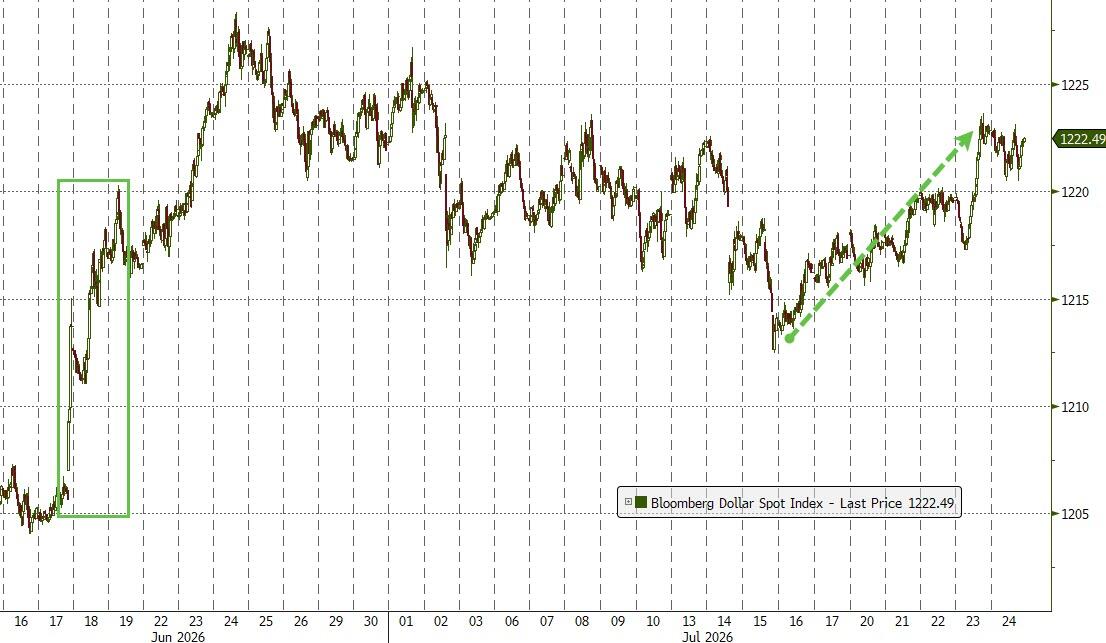
Meanwhile, the dollar took traders on a roller-coaster ride, first climbing and then sliding hard, helping lift gold and giving Bitcoin a boost as it held above the $64,000 level.
In the end, it was one of those days that left traders scratching their heads and wondering why stocks rallied on the Fed news in the first place.
Was today’s real story the Fed, or was it a reminder that geopolitics can still hijack the market at a moment’s notice?
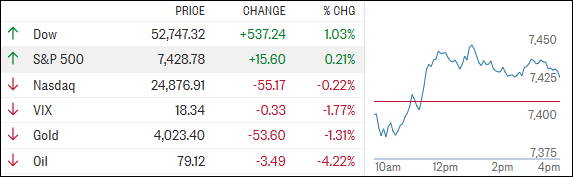
Today’s market action continued to highlight the ongoing rotation beneath the surface.
The Dow posted a solid gain, while the Nasdaq remained under pressure as semiconductor stocks struggled again, leaving the tech-heavy index about 10% below its intraday peak.
The real story is that investors are still shifting money from high-flying technology names into more traditional sectors. That trend has been building for weeks and remained firmly intact today.
Looking ahead, the spotlight now turns to earnings from Microsoft, Meta, Amazon, and Apple, along with Wednesday’s Fed decision.
I expect rates to remain unchanged, but the market will be listening closely for clues about what comes next.
By the close, reports of progress toward easing tensions around the Strait of Hormuz helped improve sentiment, allowing the Nasdaq to recover much of its earlier loss while the Dow finished strongly. Meanwhile, bond yields and the dollar fell, while gold and Bitcoin also moved lower.
With the Fed and Big Tech both taking center stage this week, will they reignite the technology trade, or will this market’s changing leadership continue?
After opening higher, the S&P 500 and Nasdaq quickly reversed course as semiconductor stocks came under heavy selling pressure, overshadowing the relative calm that followed the weekend’s pause in hostilities between the U.S. and Iran.
Chipmakers led the retreat. The VanEck Semiconductor ETF (SMH) tumbled 3.7%, extending Friday’s losses. AMD and Teradyne each fell more than 7%, while Micron Technology dropped over 6%, weighing heavily on tech sentiment.
One bright spot came from the energy market. Easing tensions in the Middle East sent Brent crude futures sharply lower, with September contracts falling nearly 7% to around $90 per barrel.
Under normal circumstances, cheaper oil would provide a tailwind for stocks, but investors remained focused on broader market risks.
Meanwhile, geopolitical uncertainty is far from disappearing. Ukraine’s reported strike on an Iranian commercial vessel in the Caspian Sea added another layer of tension, prompting Tehran to denounce the incident as a “hostile and criminal act.”
Investors now face a critical week packed with potential market-moving events. Earnings reports from Amazon, Apple, Meta, and Microsoft will put the spotlight on corporate spending and the return on massive AI investments.
After Alphabet’s disappointing report last week, traders will be watching closely for signs that AI-related spending is starting to generate meaningful results.
The Federal Reserve also takes center stage on Wednesday. While most economists expect the next rate hike to come in September, markets are increasingly considering the possibility that the Fed could act sooner, adding another layer of uncertainty.
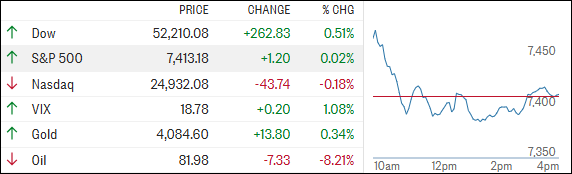
By the closing bell, even falling oil prices weren’t enough to lift the broader market. The S&P 500 and Nasdaq finished lower, while the Dow managed to hold onto a modest gain. The Mag 7 erased all their early advances, highlighting the market’s lack of conviction.
Elsewhere, bond yields moved lower, the dollar traded mostly sideways, gold rose but slipped back below the $4,100 level, and Bitcoin bounced around before finishing above Friday’s close.
For now, traders remain locked into a headline-driven market, reacting to every geopolitical development, earnings release, and Fed rumor.
With a major Fed decision and several mega-cap earnings reports just days away, will this week’s events finally provide a clear direction for the market, or simply add another layer of uncertainty?
Do you want to know which ETFs are hot and which ones are not? Then you need my High-Volume ETF Cutline report. It tells you how close or far each of the 311 ETFs I follow is from its long-term trend line (39-week SMA). These are the ETFs that trade more than $5 million a day, so they are not some obscure funds that nobody cares about.
The report is split into two parts: The winners that are above their trend line (%M/A), and the losers that are below it. The yellow line is the line of shame that separates them. You can see how many ETFs are in each group and how they have changed since the last report (216 vs. 213 current).
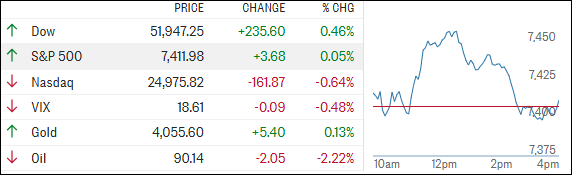
CHIP STOCKS SINK NASDAQ AS GEOPOLITICAL RISKS RATTLE MARKETS
[Chart courtesy of MarketWatch.com]
Moving the market
It was a challenging end to the week for the major indexes, with the Nasdaq once again taking the brunt of the selling pressure as weakness in semiconductor stocks weighed heavily on the tech sector.
Chip stocks got off to a shaky start after Intel initially rallied on better-than-expected second-quarter results, only to reverse course and finish down 4%.
The selling spread across the sector, with Broadcom and AMD each losing 2%, Micron dropping 6%, and the VanEck Semiconductor ETF (SMH) falling 2%. After months of leading the market higher, semiconductors found themselves firmly in the crosshairs.
The broader market remained on edge following Thursday’s selloff, when the Dow tumbled more than 500 points and both the S&P 500 and Nasdaq suffered their largest one-day declines since late June.
Disappointing reactions to earnings from Tesla and Alphabet have raised questions about whether the market’s biggest winners can continue carrying the rally.
Adding to investor unease were rising geopolitical tensions in the Middle East. President Trump indicated he is considering a major military response against Iran as the conflict continues to expand into the Red Sea region.
Markets dislike uncertainty, and right now traders are being forced to react to a constant stream of geopolitical headlines that can change sentiment in a matter of minutes.
By the closing bell, the Dow managed to stay in positive territory, while the S&P 500 finished little changed.
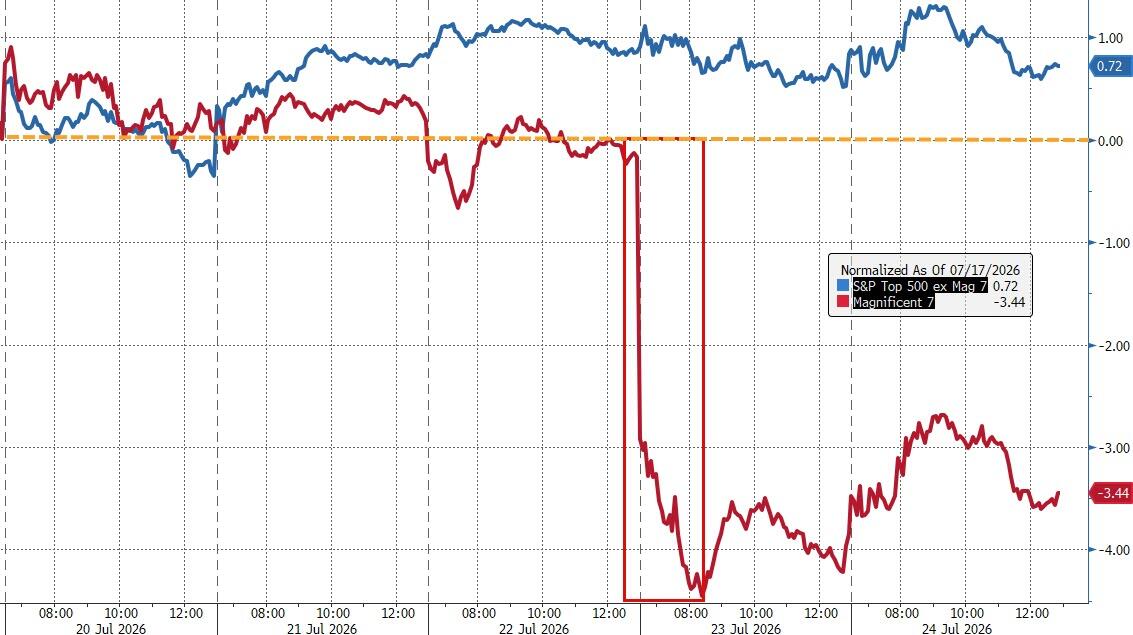
The Nasdaq, however, ended lower under the weight of chip stocks. For the week, all three major indexes finished in the red, with the Mag 7 notably underperforming the rest of the market.
Outside of equities, bond yields moved higher alongside oil prices, while the dollar posted its strongest weekly performance in more than a month.
Gold recovered to finish above $4,000 an ounce, although well below its intraday highs. Bitcoin briefly tested its mid-June highs before fading and ending the session roughly flat.
One development that may deserve more attention is the growing disruption to global shipping routes in the Middle East. Traffic through the Strait of Hormuz has slowed dramatically as tensions in and around the Persian Gulf intensify.
With only six ships passing through the strait on Thursday, the lowest level since early May, the potential impact on energy markets and future oil prices is becoming harder to ignore.
With earnings season losing some momentum, geopolitical risks rising, and markets increasingly reacting to each new headline, the key question remains: Can traders keep their confidence in stocks, or is a more cautious stance beginning to make sense?