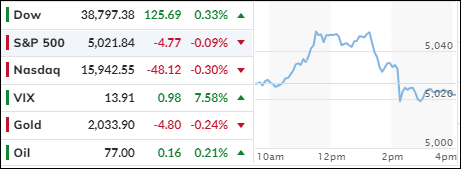
A Bad Day For The Bulls: S&P 500 Dives As Bond Yields Soar After Disastrous Auction

Ulli Uncategorized Contact

[Chart courtesy of MarketWatch.com]

  1. Moving the markets 

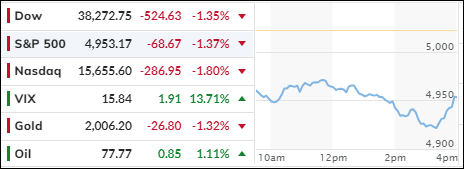
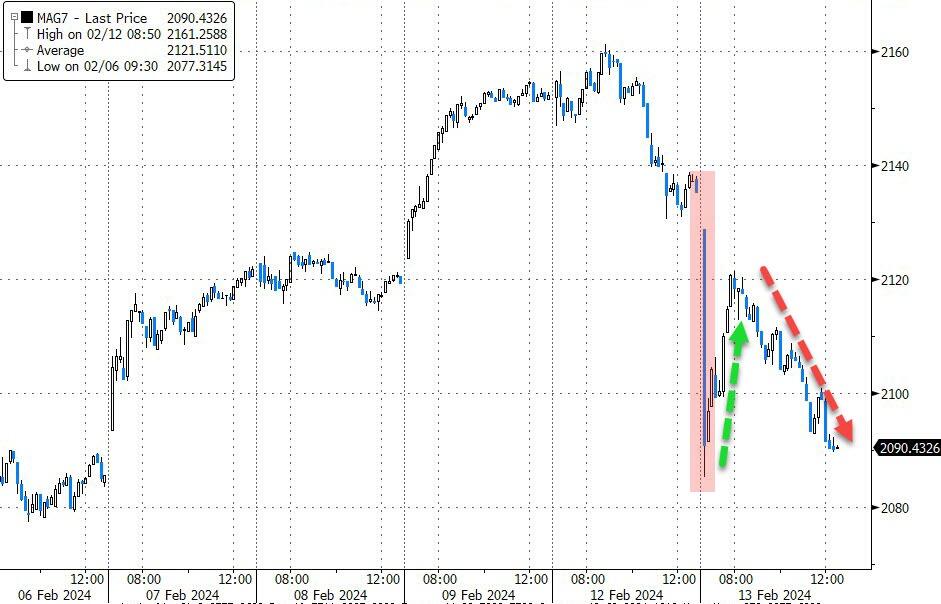
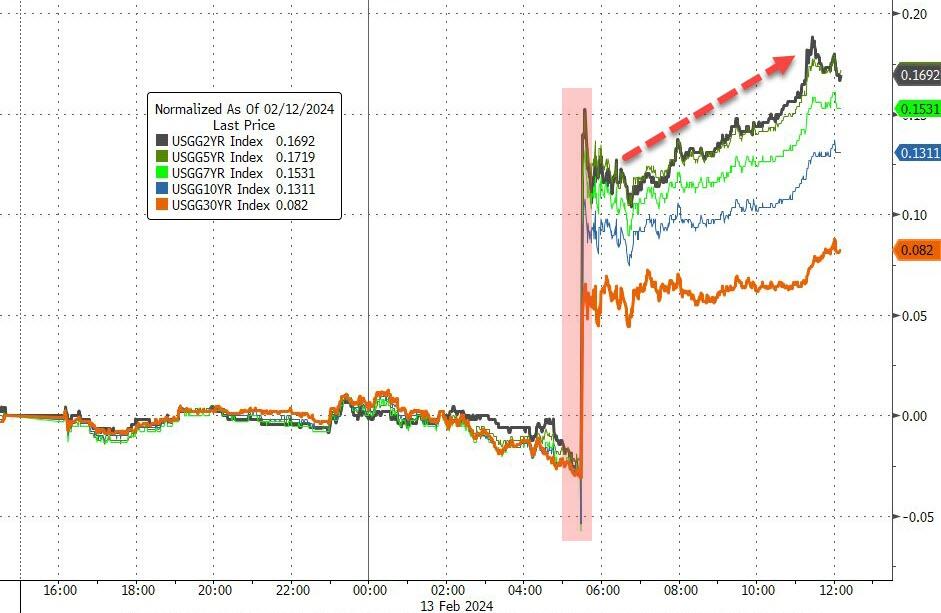
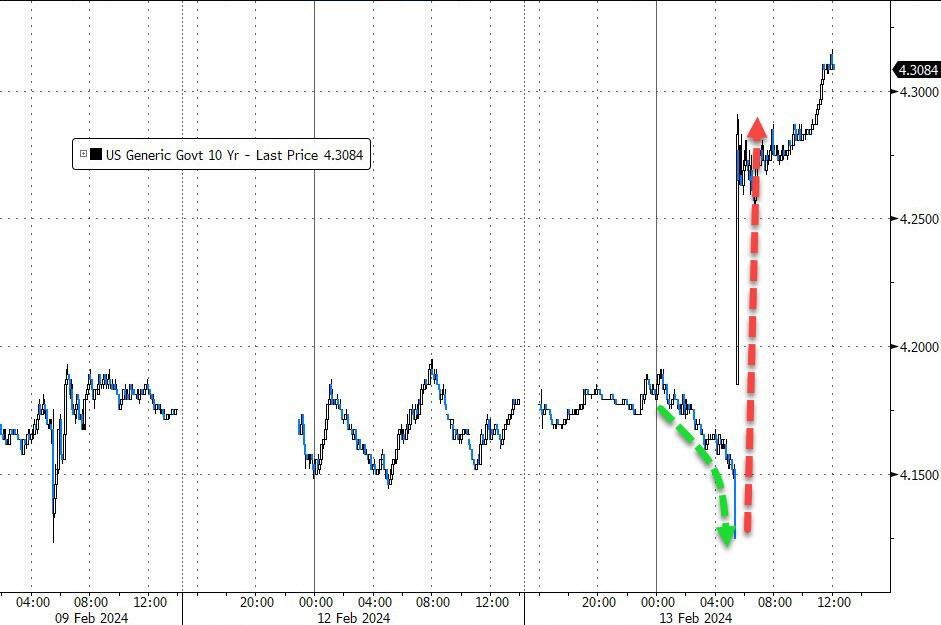
It was a bad day for the S&P 500, as the bond market threw a tantrum and spoiled the party. The trigger was a disastrous 30-year bond auction, which saw foreign buyers flee. This was not the first time this year that the bond market was disappointed, but it was the worst. Stocks and bonds both got clobbered.

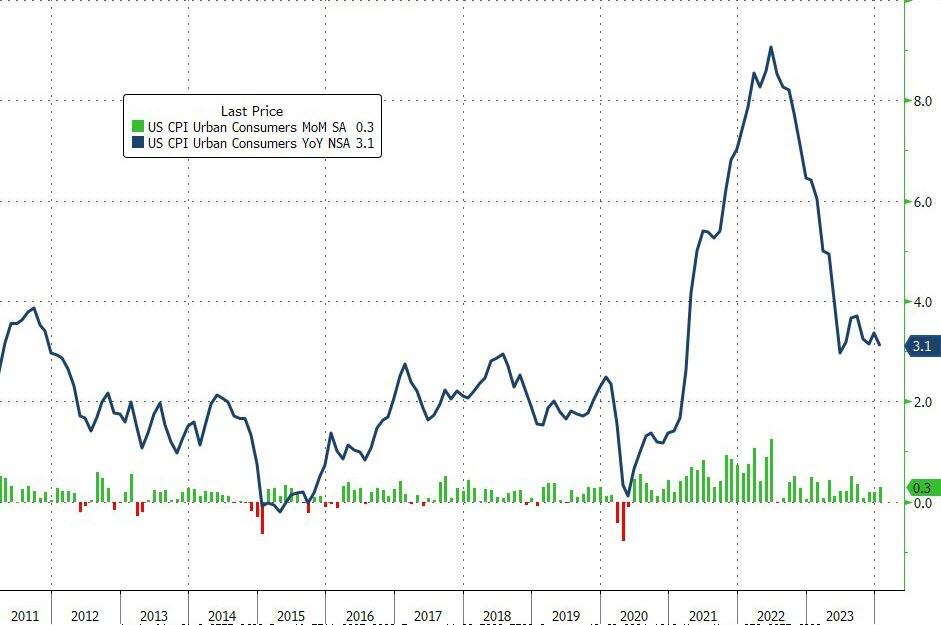
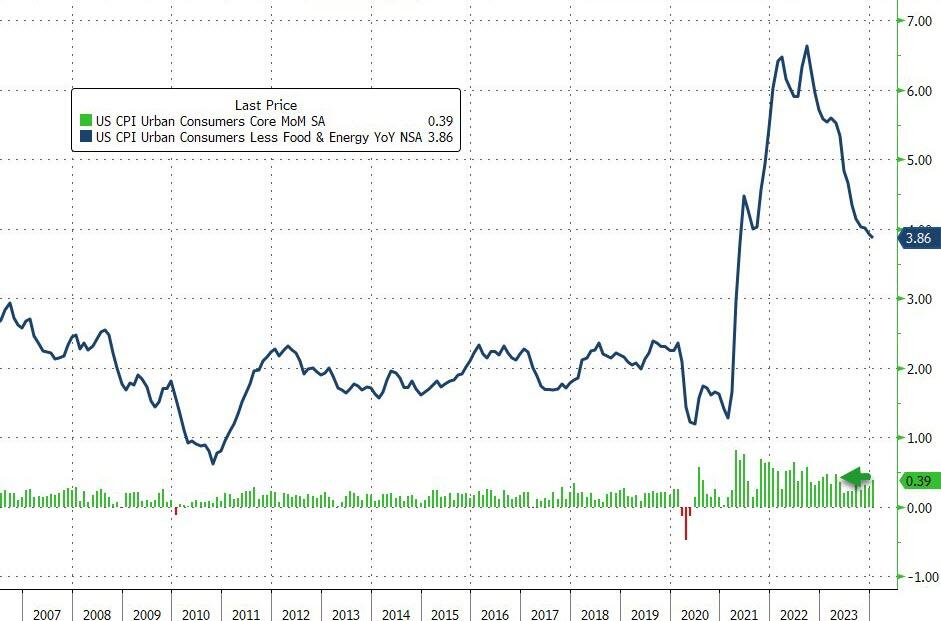
Fed chair Jerome Powell tried to calm the nerves, saying that inflation was slowing down, and more work was needed to tame it. But then he added this zinger:

We are not sure if we have tightened the monetary policy enough to bring inflation down to 2 percent in the long run.

That did not help.

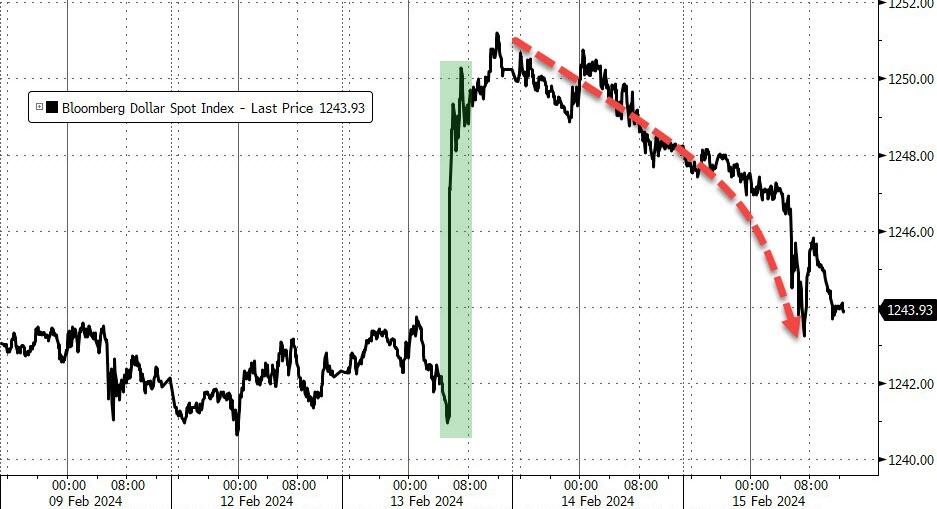
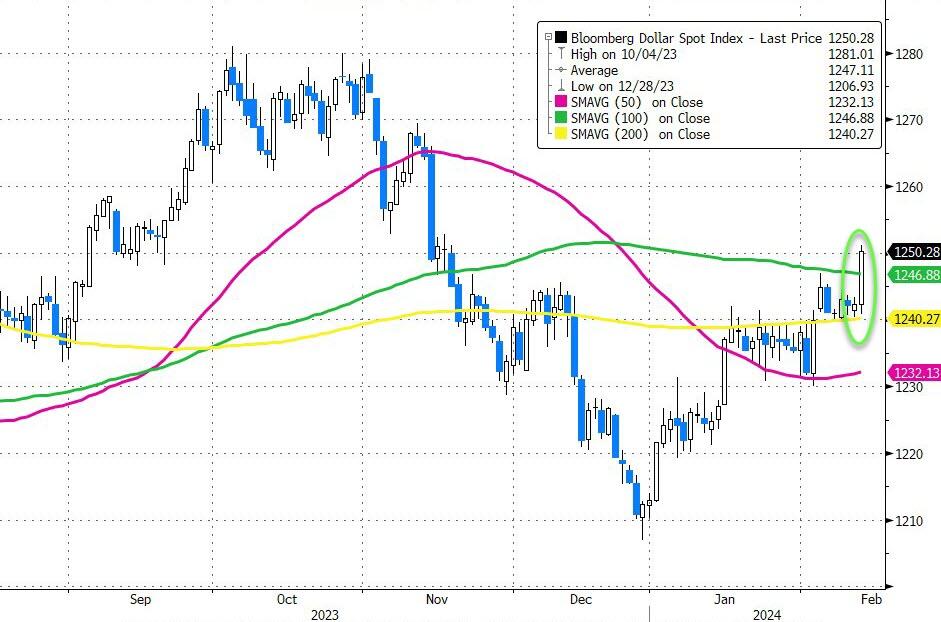
Regional banks tanked, as the dollar soared, and money dried up. I wonder what the Fed and the Treasury will do about this mess.

Thorstein Polleit from the Mises Institute had this to say:

Investors are finally waking up to the huge debt problem in the US, which they have ignored for too long: The US government owes more than thirty-three trillion US dollars, which is about 123 percent of the US economy.

And it is only getting worse: by 2030, the debt could reach fifty trillion US dollars. The usual suspects who used to buy US debt—like Japan, China, Brazil, Russia, and Saudi Arabia—are not interested anymore. Who will fund the US government’s spending spree of 6 percent of the economy every year?

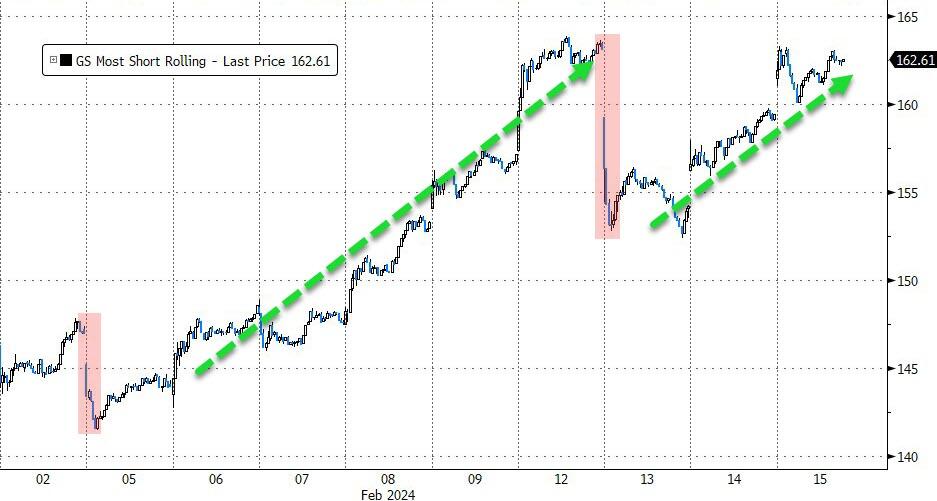
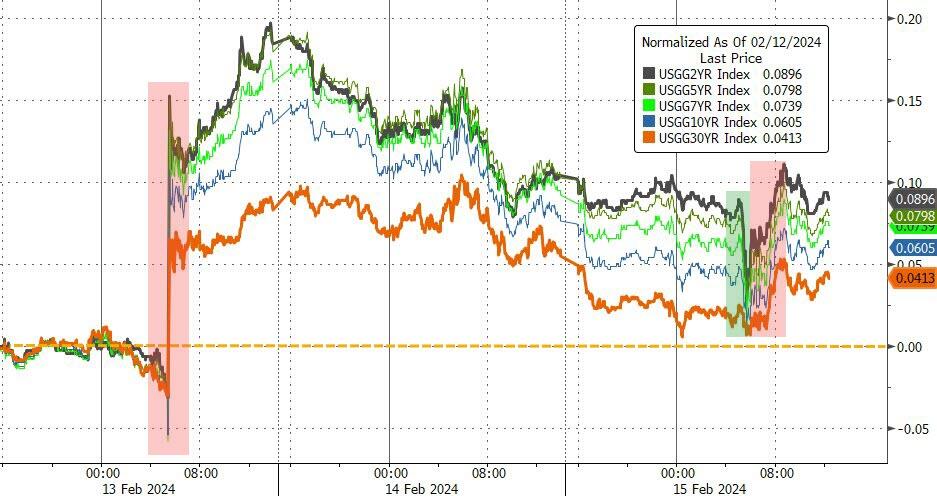
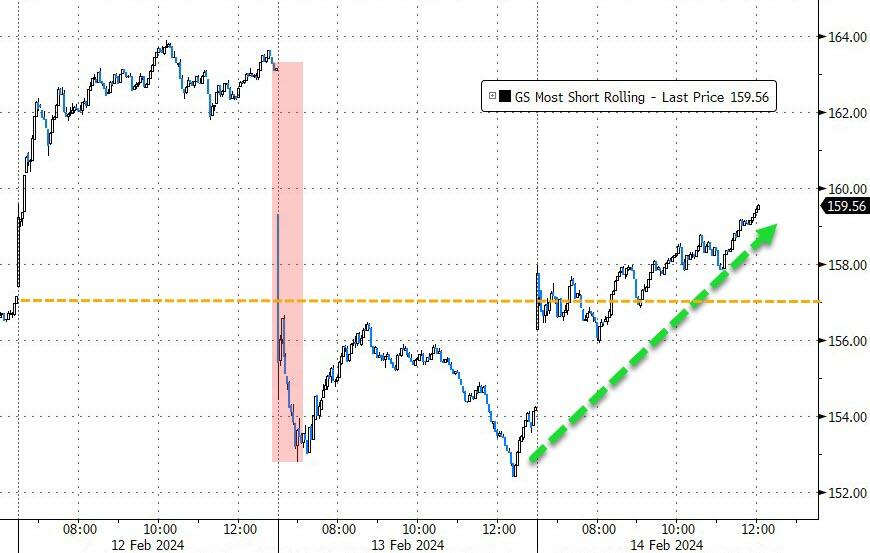
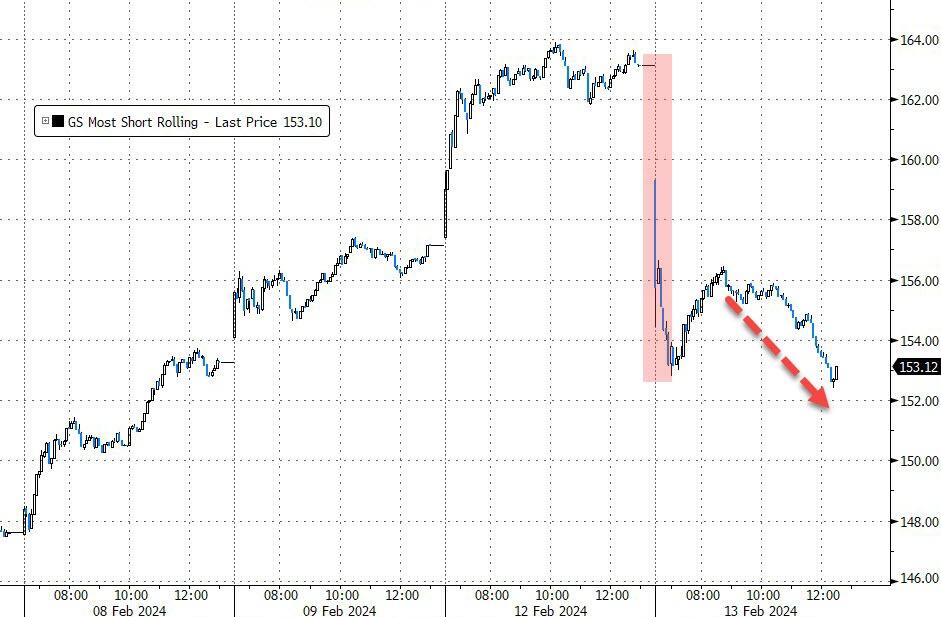
The most hated stocks also got smashed, as the bulls ran for the hills, while the 30-year yield had its biggest spike since the pandemic, and the 2-year yield breezed past 5 percent again.

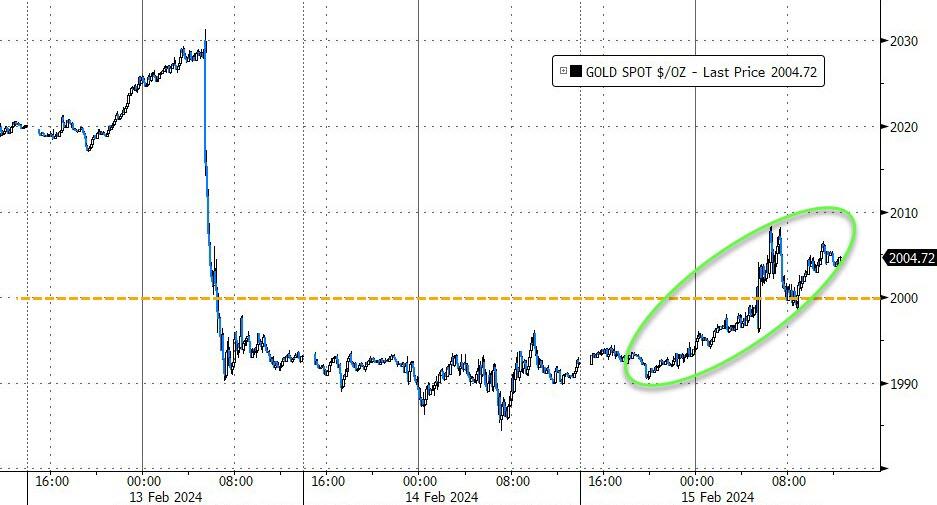
Gold was the only winner, as it rose despite the stronger dollar and higher bond yields. Is that a warning that things are about to get worse?

Read More
S&P 500 Sneaks A Win, Small Caps Slump, Buffett Hoards Cash

Ulli Market Commentary Contact

[Chart courtesy of MarketWatch.com]

  1. Moving the markets 

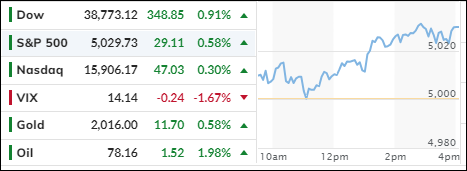
The S&P 500 had a roller-coaster ride on Wednesday, as it barely kept its winning streak alive for the eighth day in a row. That’s the longest run since 2021. But Small Caps got hammered again, as they lagged the big boys.

It seems that traders are betting on the Fed to take a break from hiking rates and hoping for a smooth landing. Stocks have been beaten down for too long, and they’re finally bouncing back a bit.

Of course, the fate of the market depends on how inflation and the economy behave. The data so far suggests that things are cooling off, but not crashing. That is, unless the numbers are wrong and get revised later.

The earnings season is almost over. Most companies in the S&P 500 have reported their results, and most of them have beaten the profit estimates. But the revenue picture is not so rosy, as only a little over half of them have exceeded the sales expectations. That could spell trouble for the future direction of stocks.

Wall Street is also eagerly waiting for what the Fed Chair Jerome Powell has to say. His words, along with the earnings picture and the inflation report next week, could either boost or bust the market.

Meanwhile, regional banks kept sliding, bond yields moved in different directions, the dollar stayed flat, gold lost some shine, and crude oil plunged to its lowest level since July.

And the US Treasury market saw its worst liquidity since 2010. Is that why Warren Buffett is sitting on a mountain of cash? Or is he just scared of his own indicator, which shows that stocks are as pricey as they were during the dotcom bubble in 2000?

Hmm…

Read More

Stocks Rally Again, But Is It A Fluke Or A Trend?

Ulli Market Commentary Contact

[Chart courtesy of MarketWatch.com]

  1. Moving the markets  

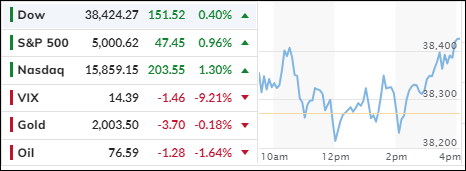
Stocks were snoozing early on, as traders took a nap after a wild rally on Wall Street to kick off November, but a sudden burst of energy pushed the major indexes back into the green.

Tech stocks rose as yields retreated, with the yield on the 10-year Treasury note dropping about 7.5 basis points to 4.575%. Some notable winners included Microsoft, Amazon, and Advanced Micro Devices.

Traders wondered if last week’s rally was a fluke or a trend after all three indices had their best week in 2023. However, some feared that a fierce rally like this one was too good to last.

The November surge was a sharp contrast to a dismal October in which the S&P 500 dipped into correction territory. Wall Street cheered up after the Federal Reserve kept interest rates steady following their meeting last week.

Treasury yields slid and stocks climbed. Sure, lower yields gave a boost to the growth sectors of the market, but falling oil prices also helped ease inflation worries, as drivers enjoyed some relief at the pump.

Wolfe Research looked at the technical side of the market and predicted that the early November rally could soon fizzle out, if history repeats itself:

“Each rally since the July peak has fizzled out before making a fresh 1-month high, before tumbling to a new 1-month low…the definition of a downtrend.”

As ZeroHedge noted, another quiet macro day had no major catalysts – even with a bunch of Fed Speakers – since they all sang the same song – data-dependent, job not done, inflation still too high, rates high(er) for long(er), no cuts on the agenda.

As a result, the Nasdaq zoomed from open to close, The Dow and S&P barely budged, while Small Caps ended in the red. Regional banks struggled and faced some new rules to reign in their risky lending.

Bond yields pulled back, the dollar gained, while gold drifted lower and crude oil tanked, closing at its lowest level since July.

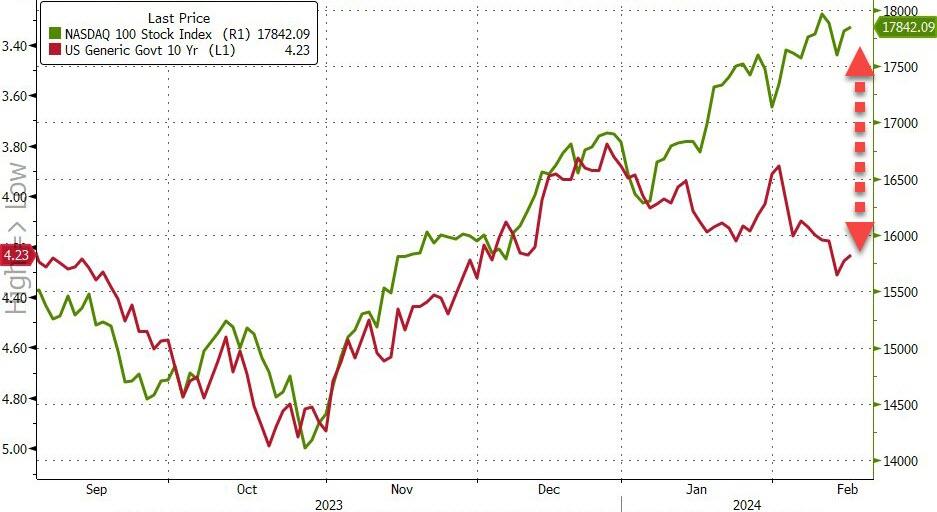
Looking at the big picture, you can see that global central banks are still in tightening mode and are sucking out the excess liquidity from financial markets, causing this gap.

Hmm…Which way will this crocodile mouth snap shut?

Read More

Wall Street’s Rally Stalls As Fed Chair Powell Looms Large

Ulli Market Commentary Contact

[Chart courtesy of MarketWatch.com]

  1. Moving the markets  

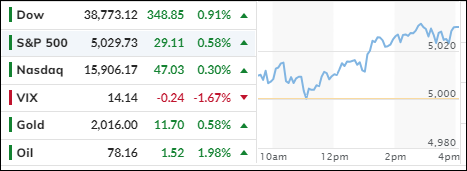
The S&P 500 wandered around like a lost sheep on Monday, as Wall Street tried to keep up the good vibes from last week’s stellar performance. In the end, after a tiny surge, nothing much changed.

Just to refresh your memory, all the major indexes had their best week of the year, starting November with a bang. The Dow soared by 5.1% last week, its biggest jump since October 2022. The S&P climbed 5.9% in the same period, and the Nasdaq rocketed 6.6%.

It was the best week for both indexes since November 2022. Weak jobs data also pushed bond yields lower, which helped stocks.

As I wrote before, this was just a nice bounce back from a bear market, and it only erased the losses that the buy-and-hold folks suffered since 9/22/23, when we issued our last domestic “Sell” signal.

The big question is whether this bounce can turn into a new bull market, as earnings season is almost over. JP Morgan thinks this rally will fizzle out soon:

We think that stocks will go back to being a bad deal as the Fed is going to keep rates high for longer, stocks are overpriced, earnings forecasts are too rosy, companies are losing their edge, profit margins are shrinking, and sales growth is slowing down.

I agree, this rally could collapse like a house of cards. But we don’t need to speculate, we will just follow the direction of our Trend Tracking Indexes.

A lot depends on what Fed chair Powell says in the next few days. He is scheduled to speak twice, and traders will be listening closely to see if he is more hawkish or dovish.

Most shorted stocks got hammered today, as there was no sign of a short squeeze. Regional banks gave up half of Friday’s gains, Bond yields went up with the 10-year undoing Friday’s drop.

The dollar stayed the same, gold slipped lower and fell below $2k. Financial conditions have eased, and we’ll see how Fed head Powell reacts, after he was happy that they had tightened.

Will he talk them up again on Thursday? Or will he change his tune and sing a different song?

Read More

ETFs On The Cutline – Updated Through 11/03/2023

Ulli ETFs on the Cutline Contact

Do you want to know which ETFs are hot and which ones are not? Then you need my High-Volume ETF Cutline report. It tells you how close or far each of the 311 ETFs I follow is from its long-term trend line (39-week SMA). These are the ETFs that trade more than $5 million a day, so they are not some obscure funds that nobody cares about.

The report is split into two parts: The winners that are above their trend line (%M/A), and the losers that are below it. The yellow line is the line of shame that separates them. You can see how many ETFs are in each group and how they have changed since the last report (36 vs. 98 current).

Take a peek:

The HV ETF Master Cutline Report

If you are confused by some of the terms we use, don’t panic. I have a helpful Glossary of Terms for you.

If you want to learn more about the Cutline method and how it can make you rich (or at least less poor), read my original post here.

ETF Tracker Newsletter For November 3, 2023

Ulli ETF Tracker Contact

ETF Tracker StatSheet          

You can view the latest version here.

JOBS REPORT FLOP, BOND YIELD DROP, STOCK MARKET POP: IS THIS A NEW BULL MARKET?

[Chart courtesy of MarketWatch.com]

  1. Moving the markets

The stock market had a blast last week, despite a dismal jobs report that sent bond yields and the dollar plunging. Investors cheered the alleged end of the Fed’s rate hikes and squeezed the bears out of their positions. The major indexes posted their best weekly performance since November 2022, thanks to the largest short squeeze in 12 months.

The October jobs report was a shocker, as the economy added only 150k jobs, less than half of the September figure. And that’s not all, the previous two months were revised down by a whopping 101k jobs. That makes it eight months in a row of downward revisions. Something fishy is going on here…

But the markets don’t care about facts, they care about expectations. And the expectations are that the Fed will be more dovish and less hawkish in the face of weak jobs and wage growth. That’s why stocks and bonds rallied, while the dollar tanked.

Lower bond yields and inflation worries also helped the equity market, which still shows signs of a healthy labor market that is creating more jobs than the break-even rate of 100k. The 10-year Treasury yield dropped by 14 basis points to 4.52%, well below the 5% peak it reached last month.

Apple was one of the few losers, as it fell 1.5% after giving disappointing revenue guidance for the December quarter. The tech giant beat the earnings estimates for the fourth quarter, but its sales declined for the fourth consecutive quarter. However, this did not have a major impact on the overall market sentiment.

The Citi Economic Surprise Index also declined, as global economic data came in weaker than expected. The US macro indicators also slipped, while financial conditions improved significantly by the end of the week.

Lower bond yields, a weaker dollar, and the improved financial conditions should have boosted the oil and gold prices, but surprisingly, they did not. Oil prices dropped, while gold stayed around its $2k level.

After a five-day rally, the S&P 500 recovered all its losses since our last “Sell” signal, and our TTIs are close to triggering a new “Buy” signal (section 3). But the question is:

Are we witnessing a genuine bull market or a fake-out breakout?

Read More