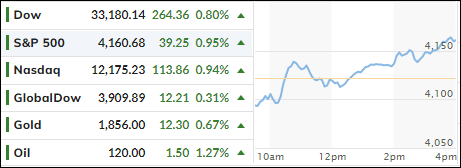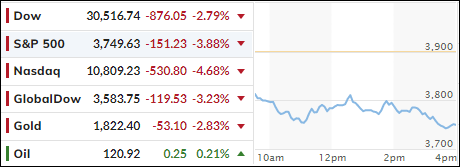
[Chart courtesy of MarketWatch.com]
- Moving the markets
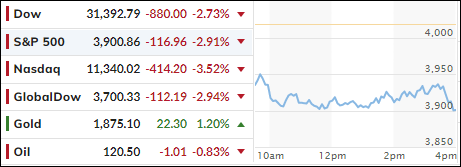
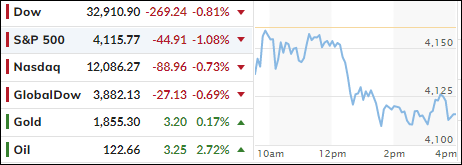
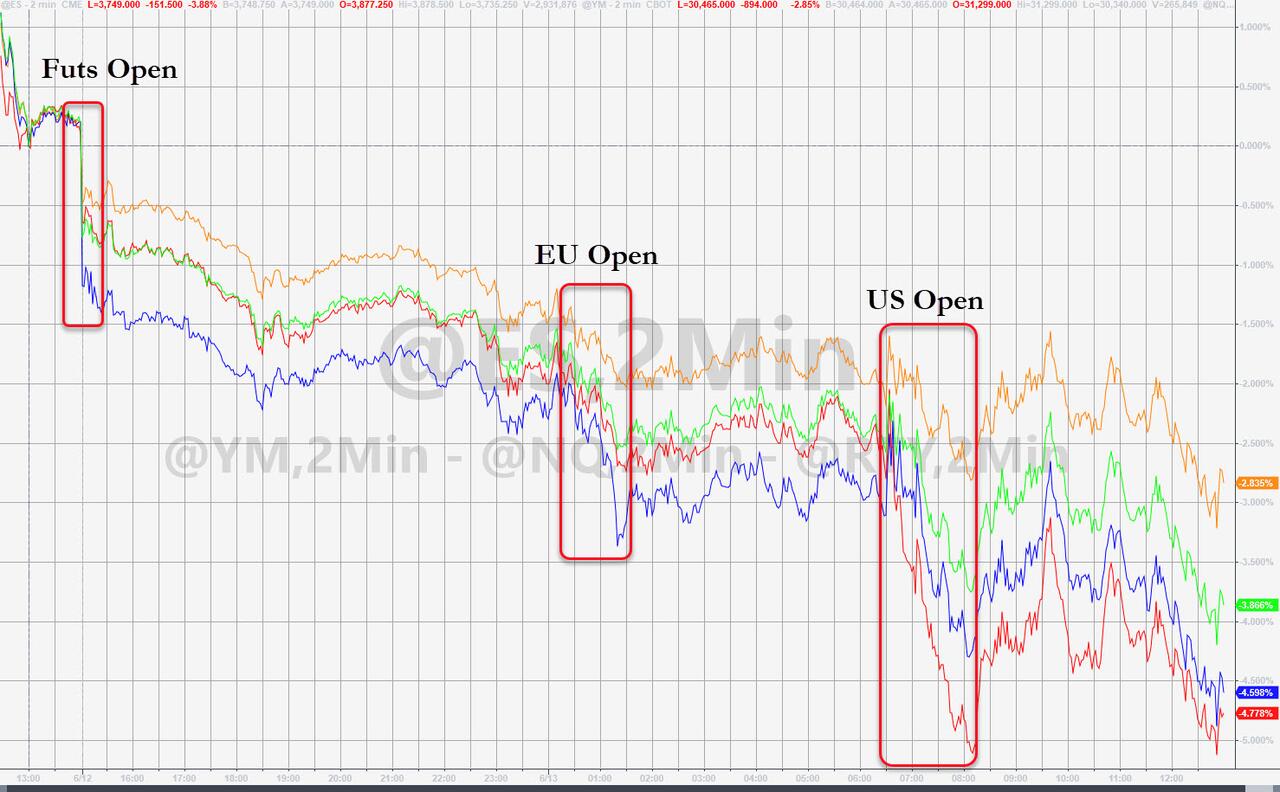
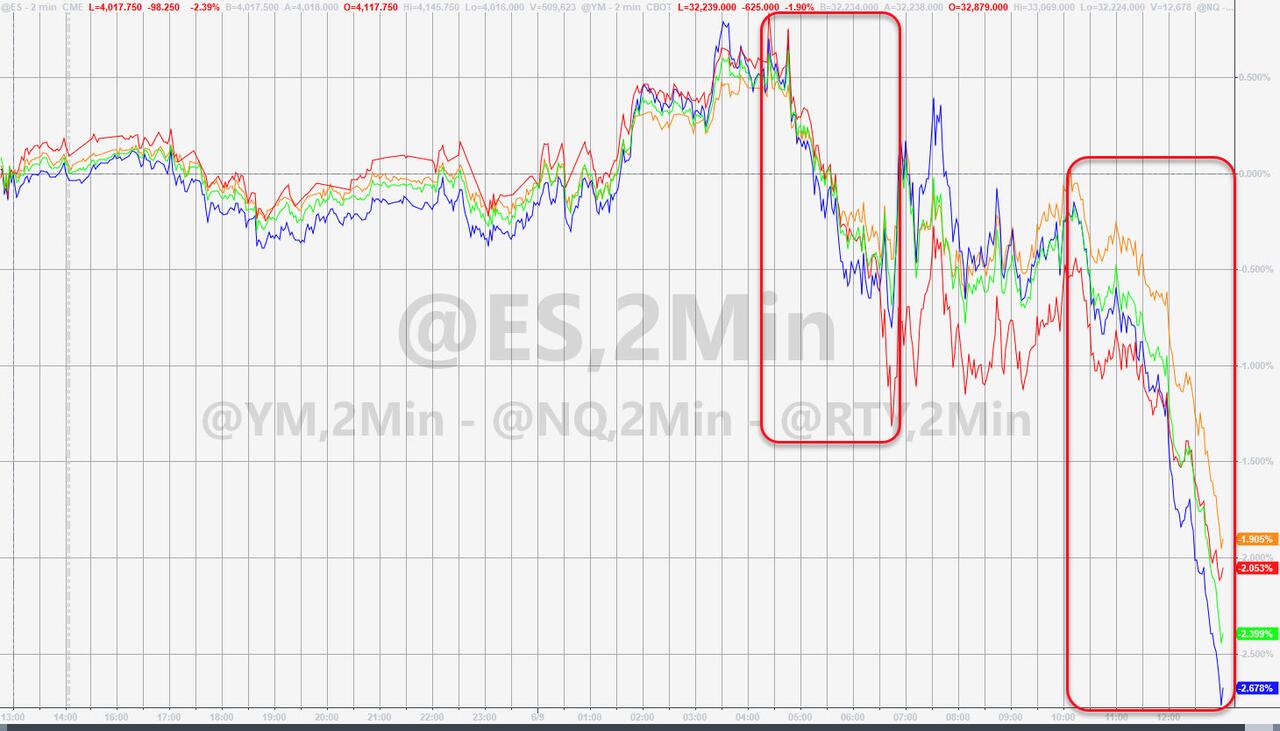
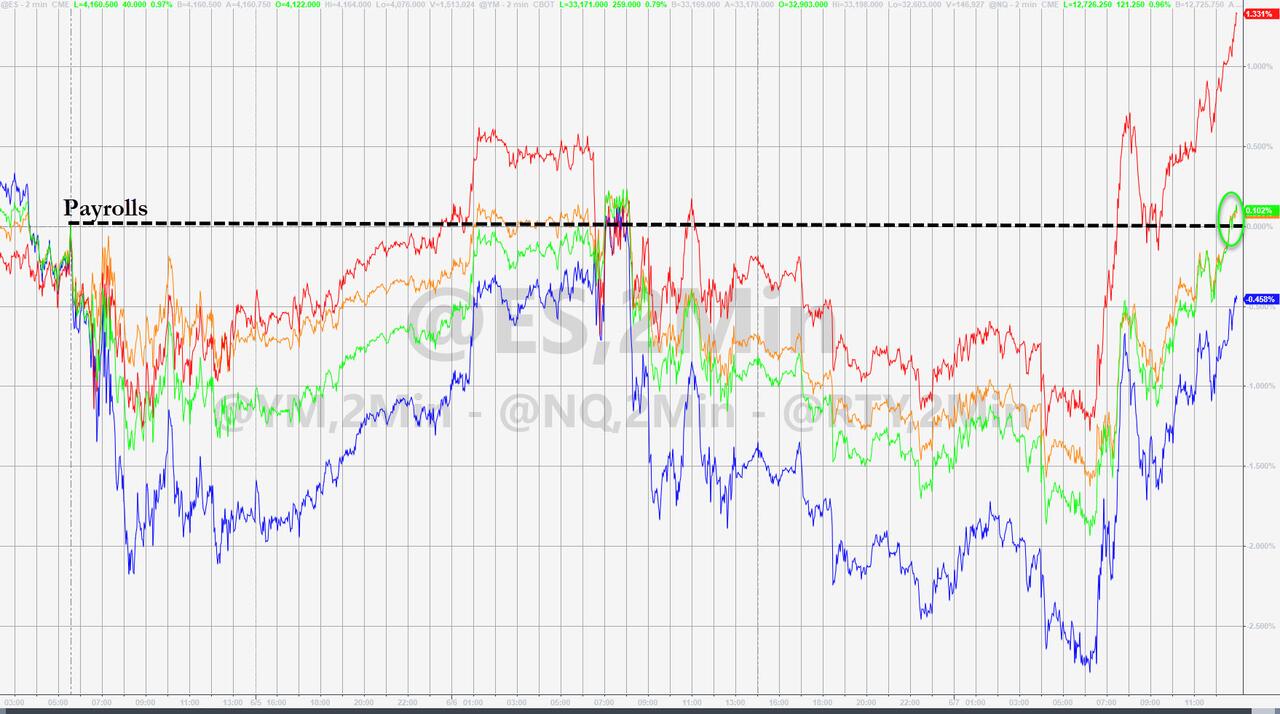
Friday’s drubbing was followed by an ugly overnight futures session, which already pointed towards another knock-down of the buy-and-hold crowd and the dip-buyers.
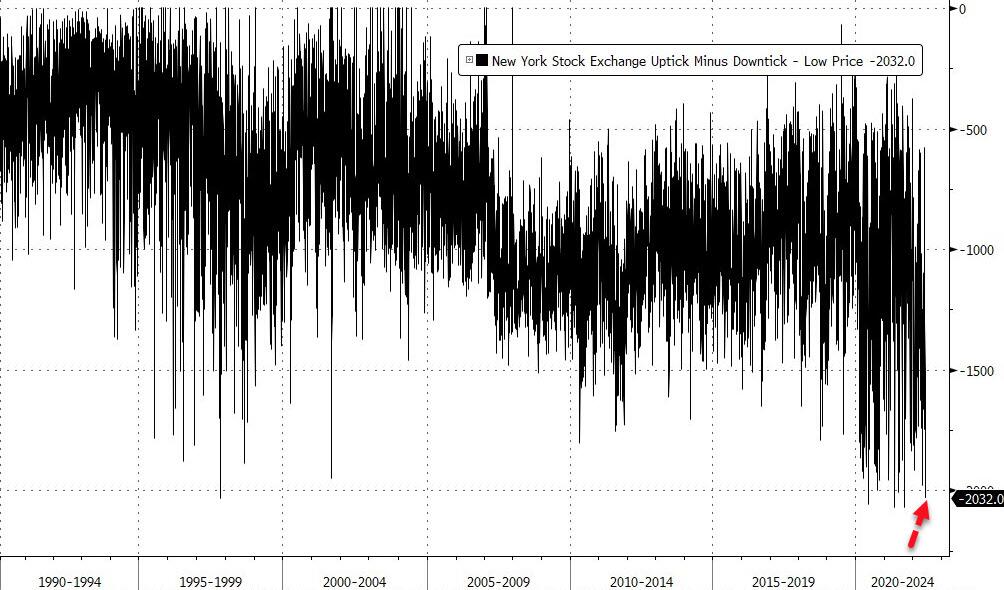
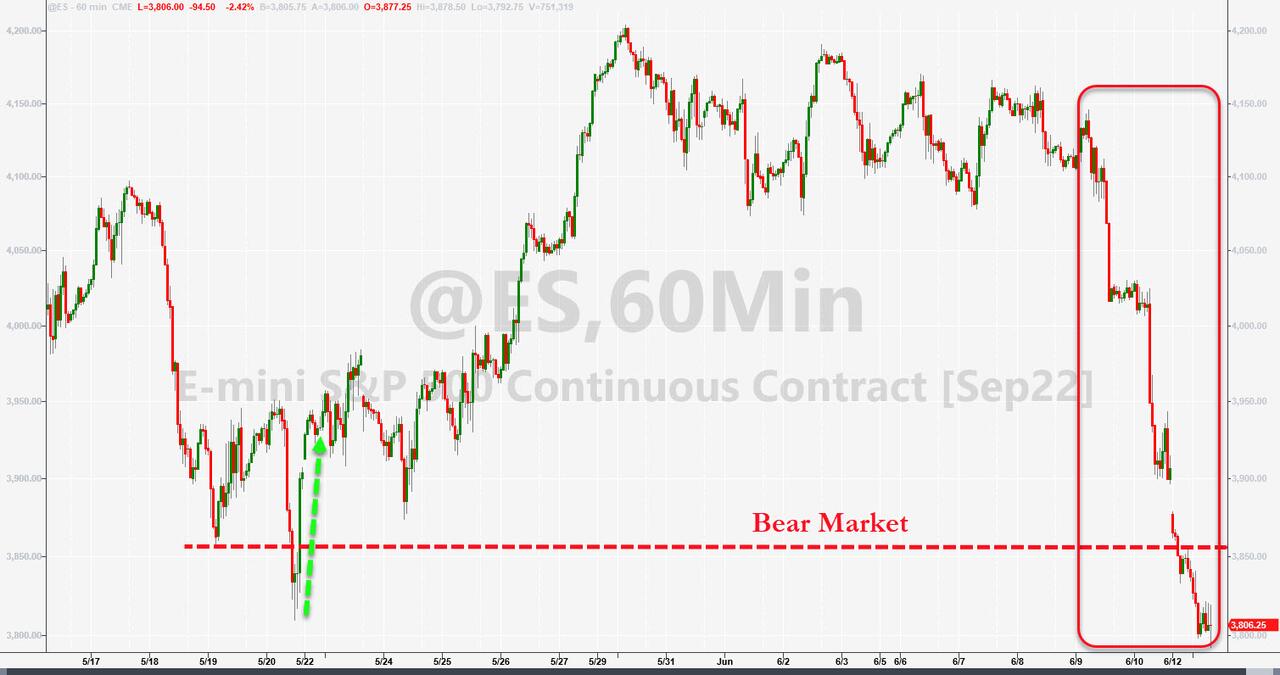
Things got worse as the fifth largest ‘sell program’ in history was launched, as ZeroHedge elaborated, and wreaked havoc with the markets, while sending the S&P 500 back into official Wall Street bear market territory, which the index had touched a few weeks ago.
It was a Puke-A-Thon at its finest with Bloomberg offering this explanation:
Sell programs of this size are typically no single events. They tend to happen in clusters, and that probably means stocks might be in store for bigger losses.
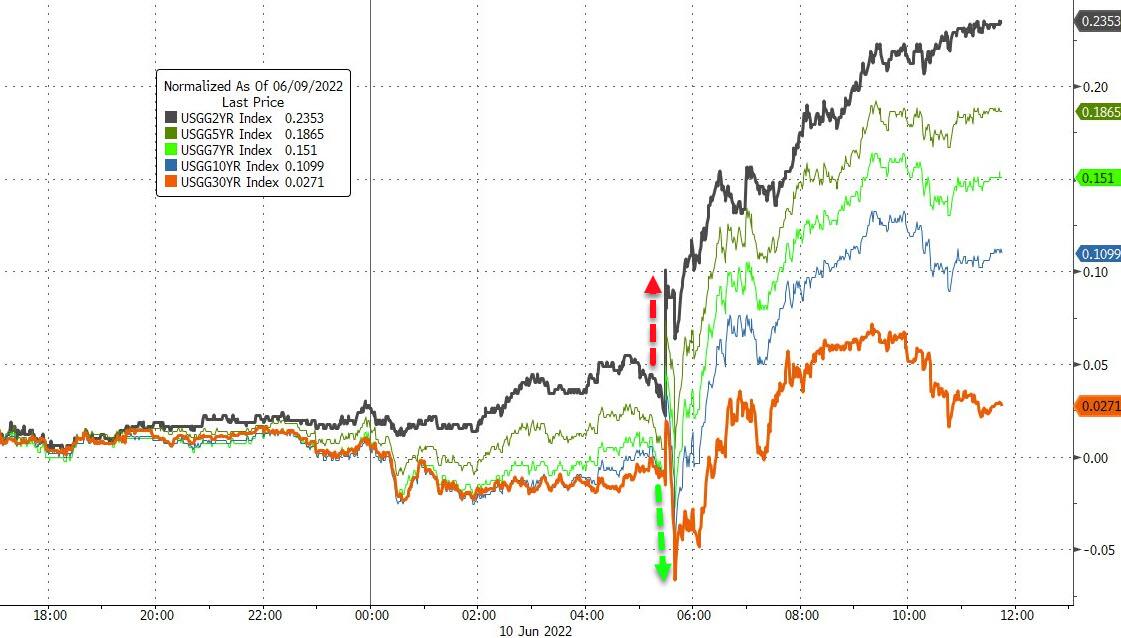
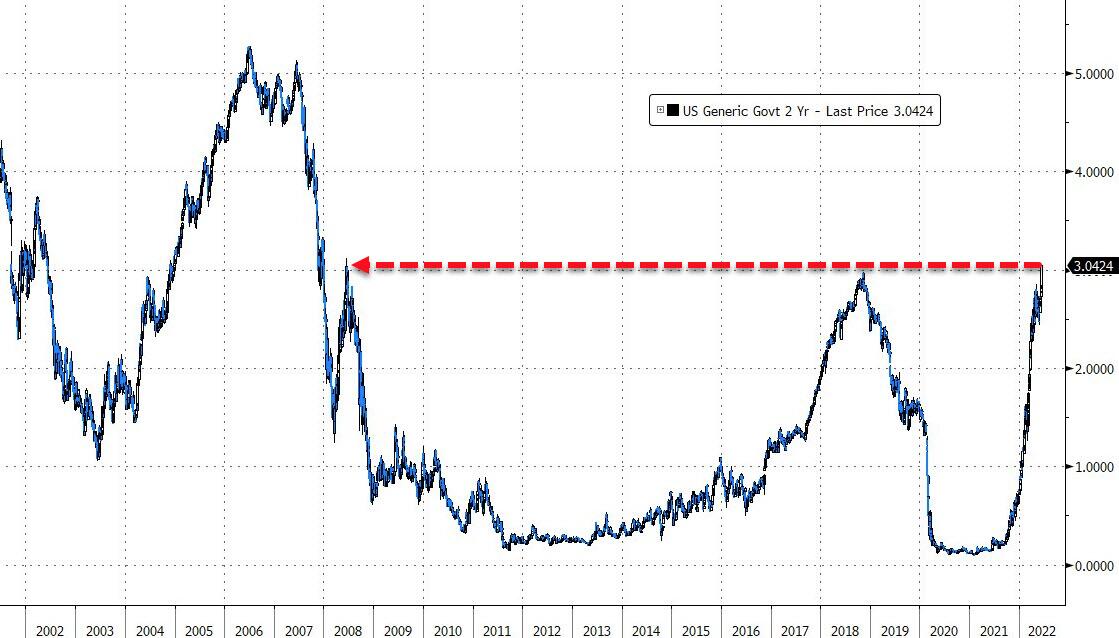
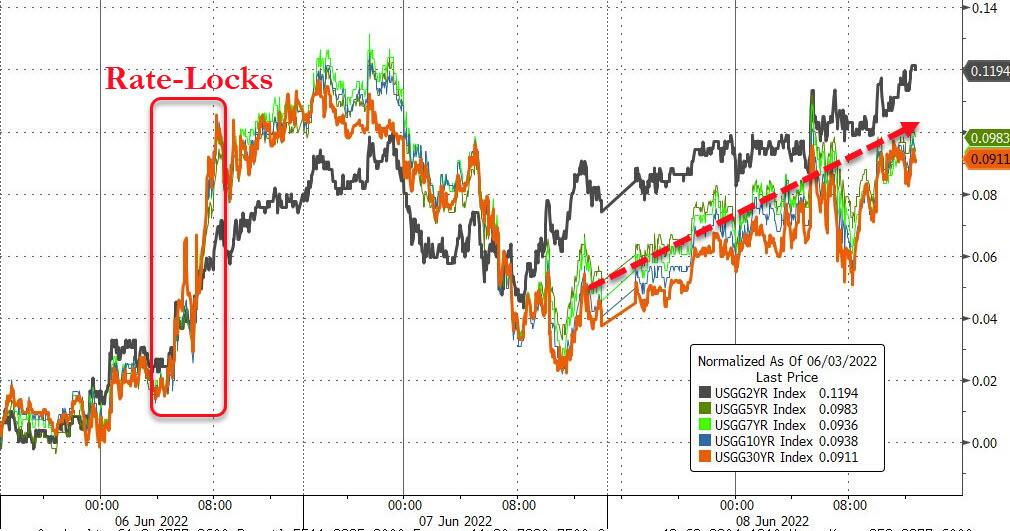
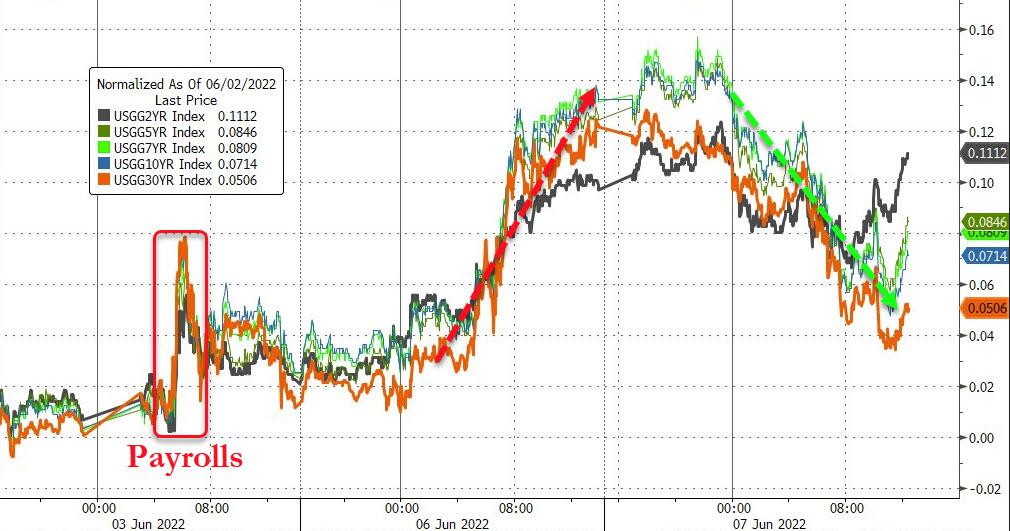
Bond yields surged, as the major indexes got clobbered with the S&P 500 losing almost 4%, but the Nasdaq fared worse by giving up 4.68%. The 10-year ripped higher by an amazing 22 basis points to close at 2.389%! For context, the 2-year has now reached its highest yield since 2008.
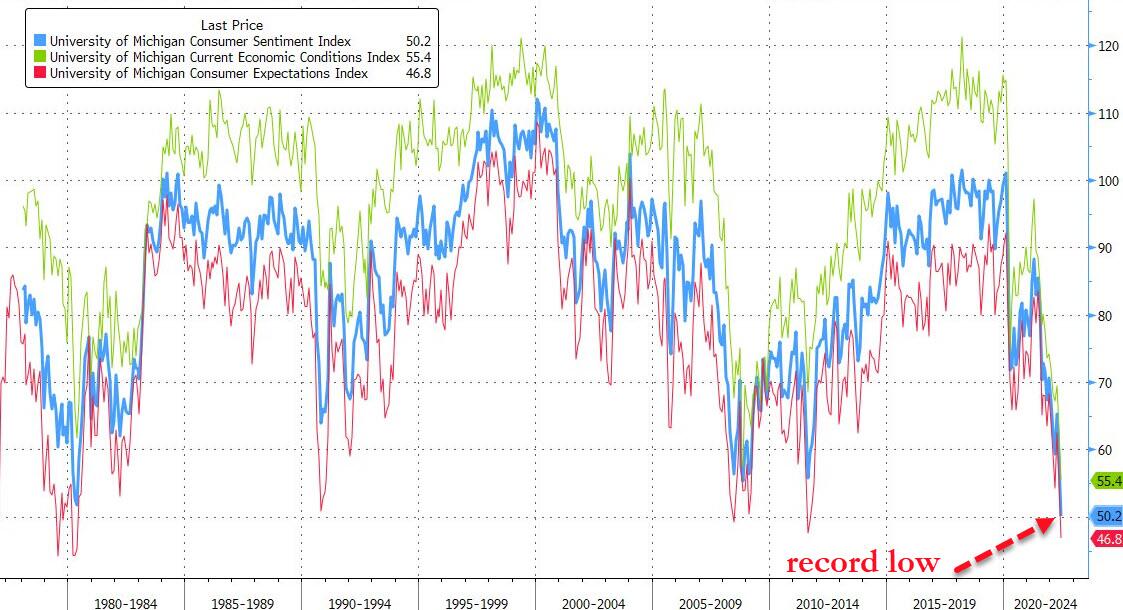
All asset classes were clubbed, and even gold could not escape the carnage, as a host of news combined to hand the bears a chest-pounding win. ZH noted that event risk anxiety ahead of the FOMC meeting combined with Option Expiration technicals ($3.4 trillion option expirations) and European ‘fragmentation’ fears, along with the usual political and economic worries, were simply too much for traders to handle.
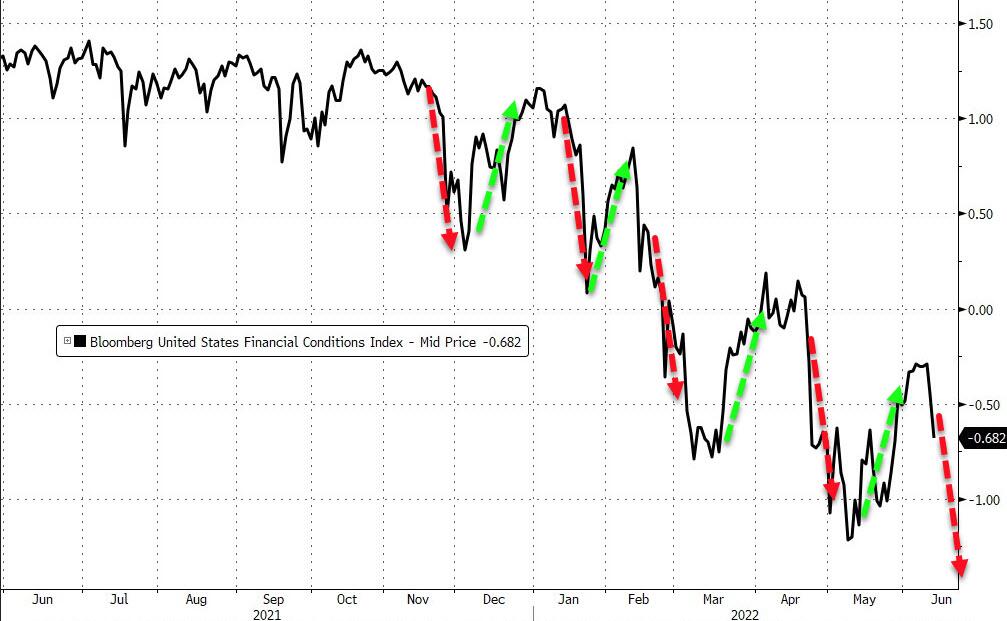
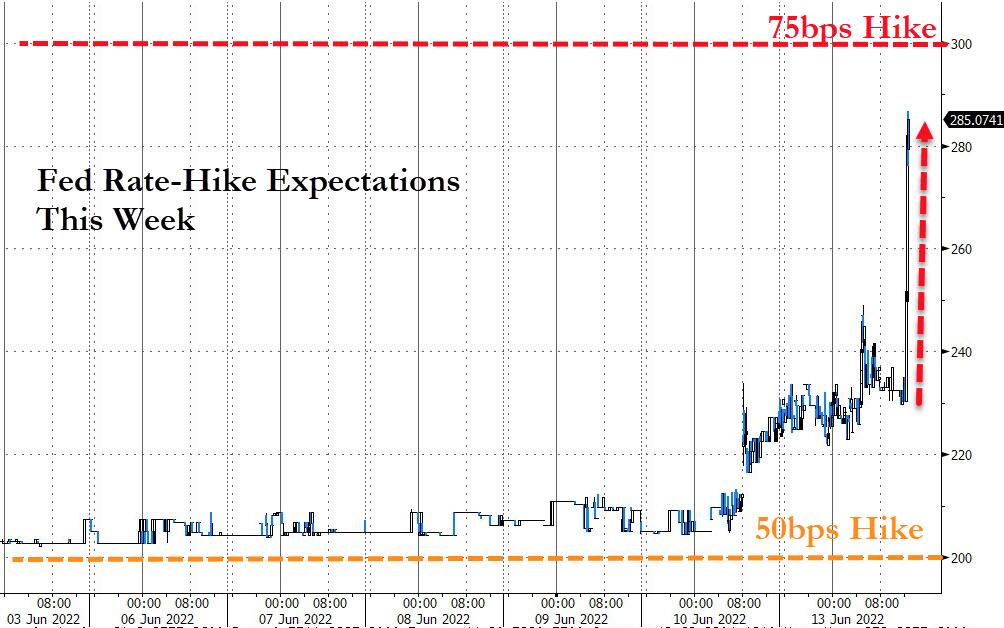
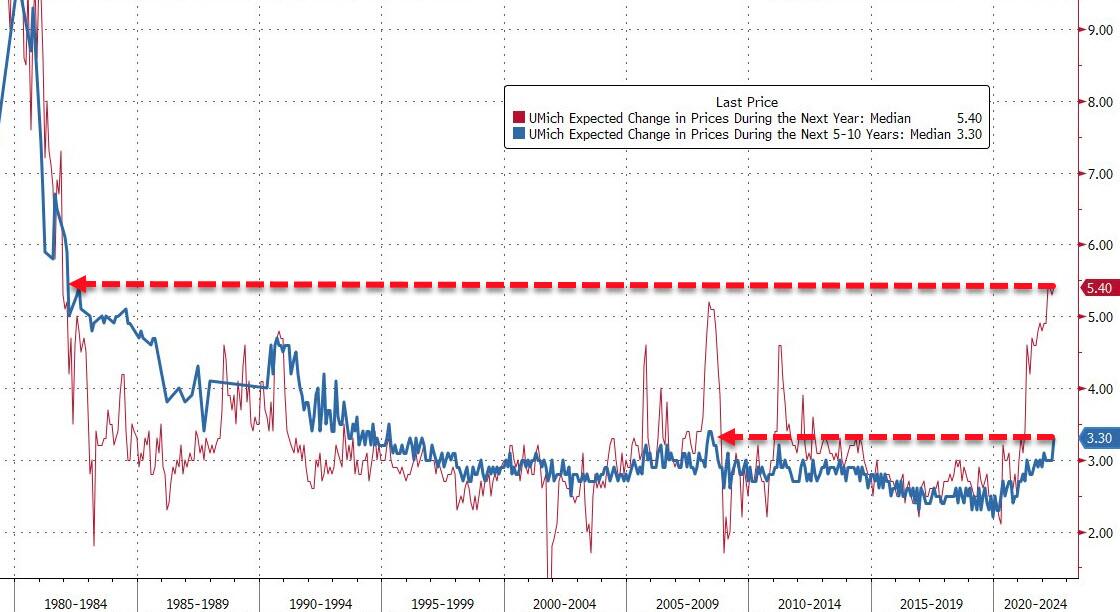
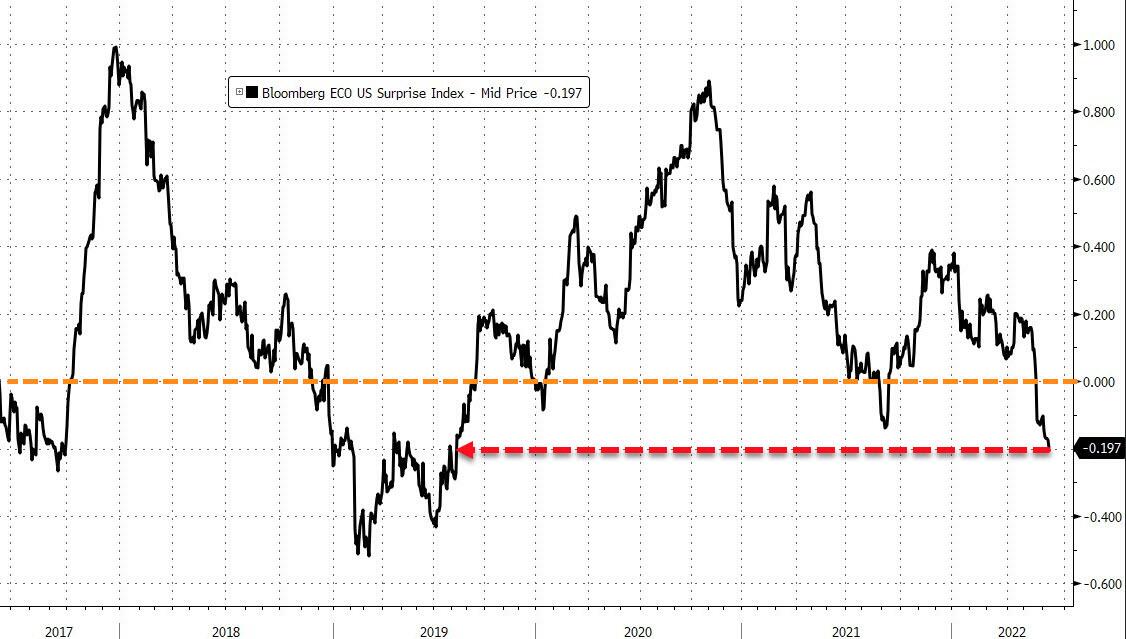
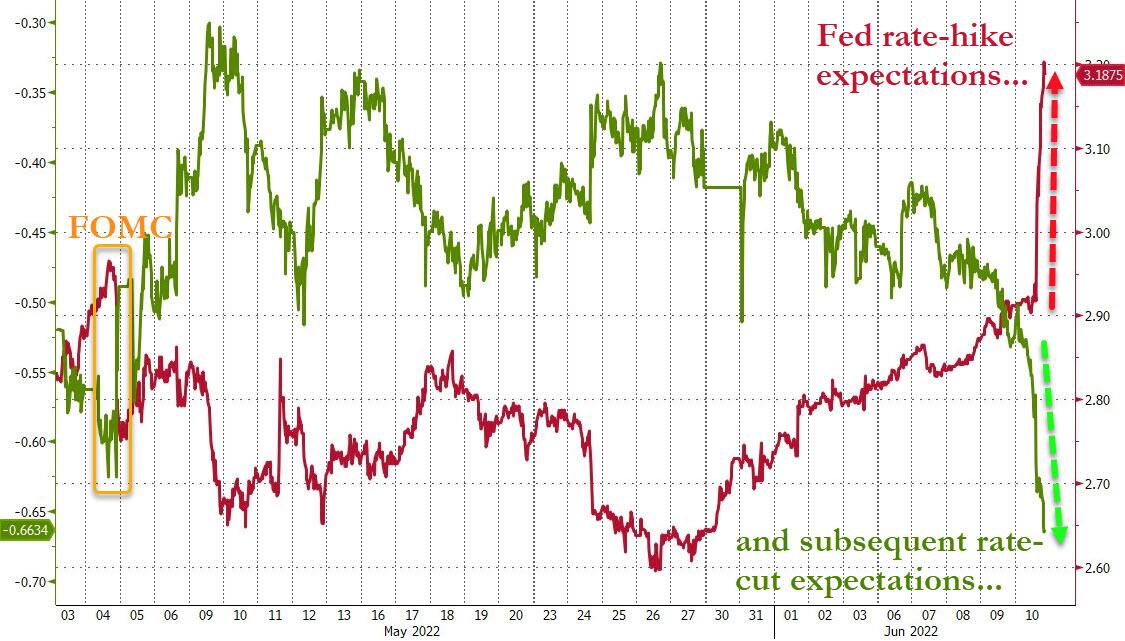
Financial conditions are tightening again and are zigzagging in tune with daily news as to the Fed’s next cause of action. This was not helped by sudden increase in expectations that the Fed might hike 75 bps instead of the assumed 50 bps when they meet this Wednesday.
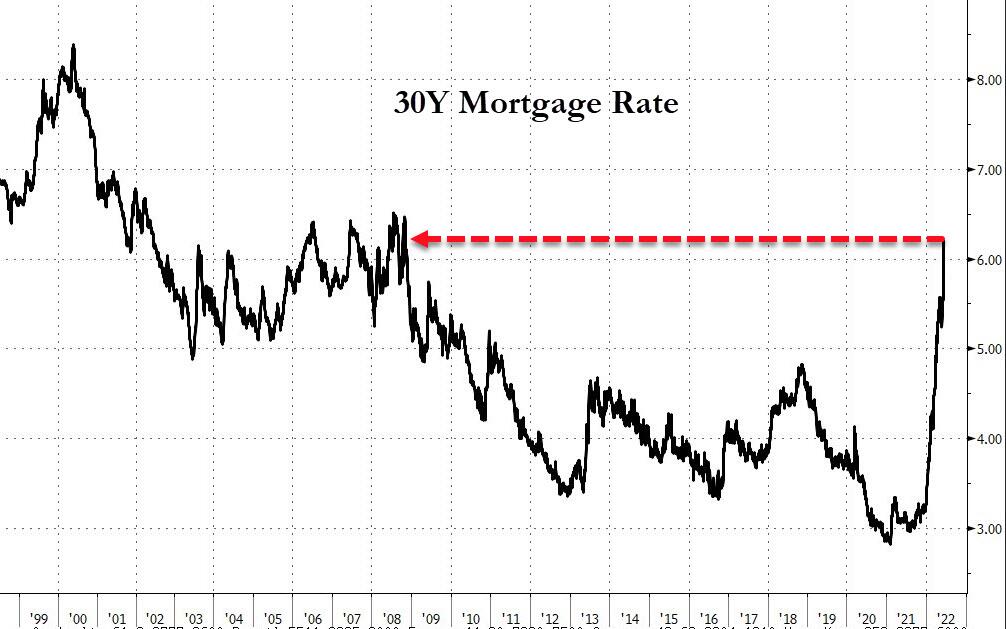
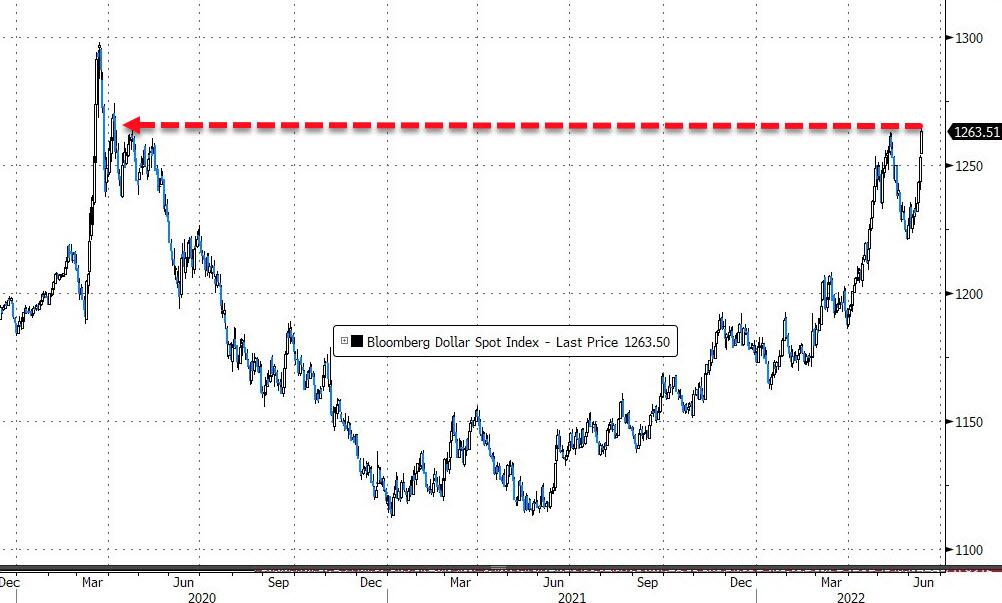
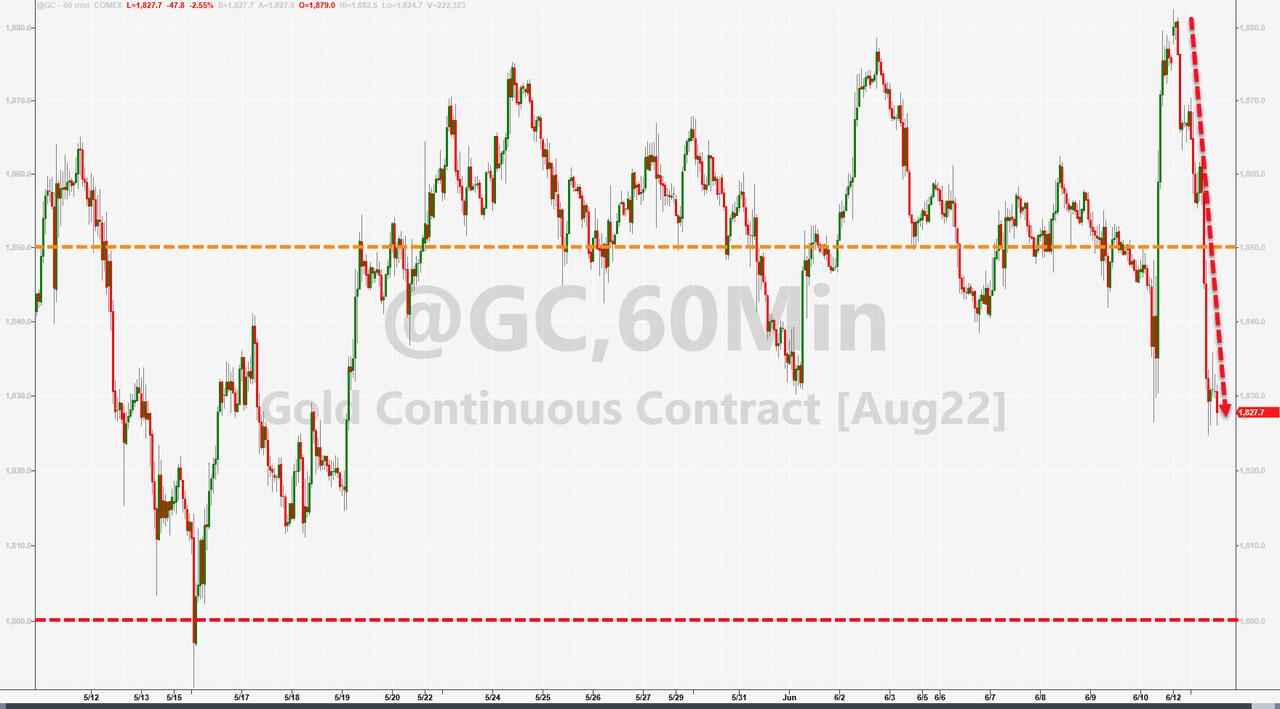
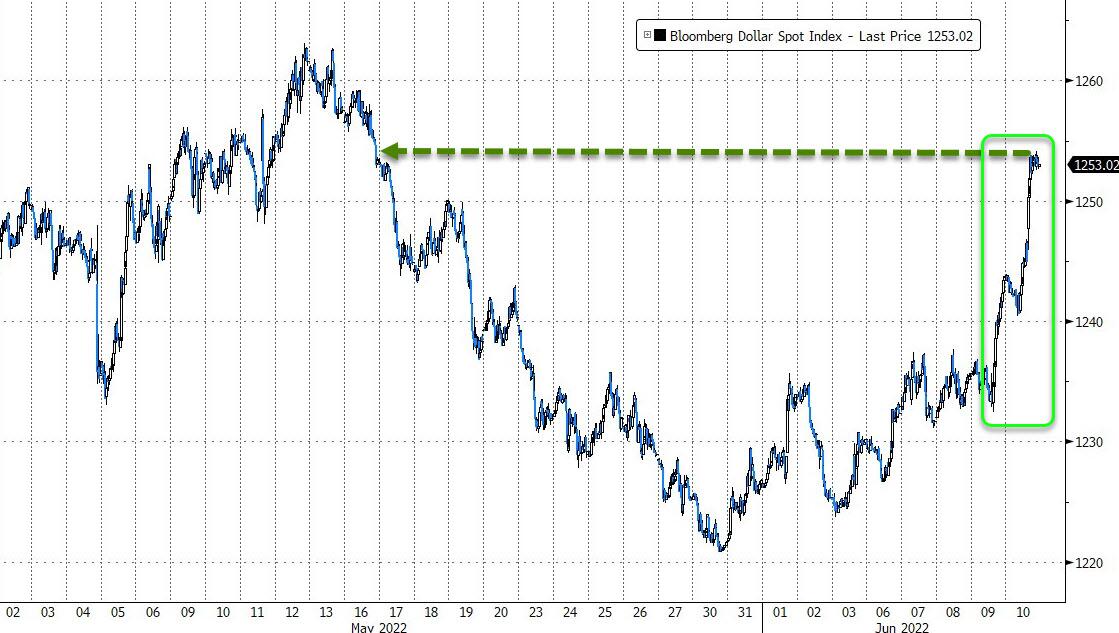
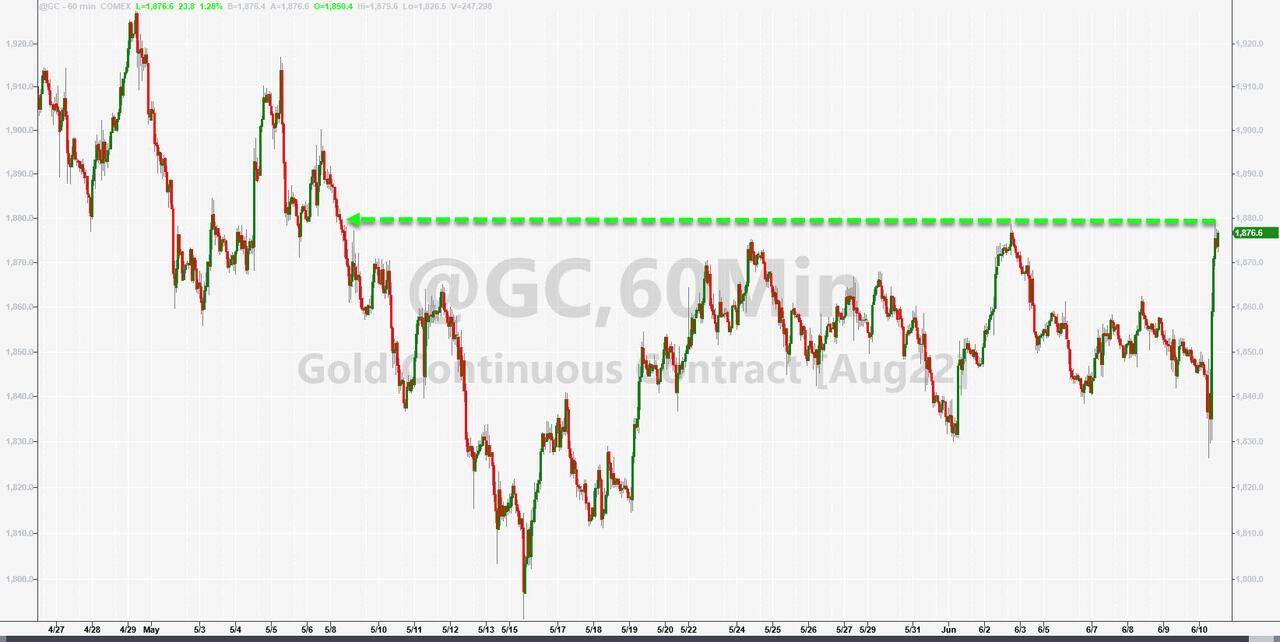
As a result of soaring bond yields, mortgage rates rose and topped 6%, the US Dollar reversed from its recent sell-off and raced higher, while gold suffered from higher rates and gave back its $1,850 level.
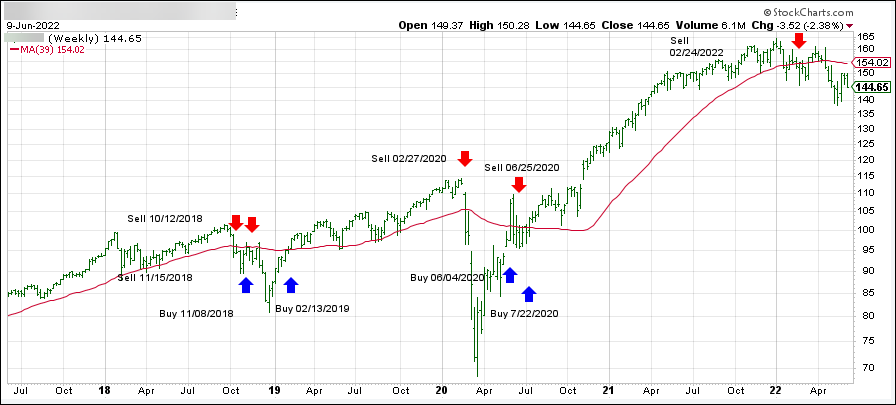
Even though, this bear market may present us with some bounce-backs, the major trend remains lower, and in my advisor practice, we continue to be out of equities but have some limited exposure in selected sector ETFs.
Read More