ETFs On The Cutline – Updated Through 08/19/2022

Ulli ETFs on the Cutline Contact

Below, please find the latest High-Volume ETF Cutline report, which shows how far above or below their respective long-term trend lines (39-week SMA) my currently tracked ETFs are positioned.

This report covers the HV ETF Master List from Thursday’s StatSheet and includes 312 High Volume ETFs, defined as those with an average daily volume of more than $5 million, of which currently 70 (last week 99) are hovering in bullish territory. The yellow line separates those ETFs that are positioned above their trend line (%M/A) from those that have dropped below it.

Take a look:                                                                   

The HV ETF Master Cutline Report

In case you are not familiar with some of the terminology used in the reports, please read the Glossary of Terms. If you missed the original post about the Cutline approach, you can read it here.      

ETF Tracker Newsletter For August 19, 2022

Ulli ETF Tracker Contact

ETF Tracker StatSheet          

You can view the latest version here.

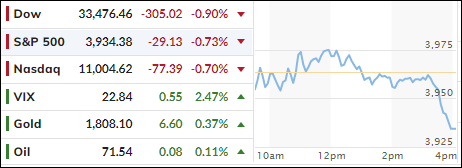
OPTIONS EXPIRATIONS DAY WHACKS MARKETS

[Chart courtesy of MarketWatch.com]

  1. Moving the markets

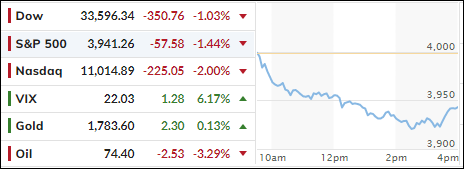
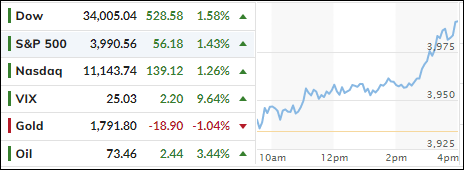
Bulls were nowhere to be found today, as the $2.1 Trillion options expiration day exacted a pound of flesh from the markets, thereby breaking the S&P 500’s 4-week win streak. The summer rally hit the skids and brought thoughts of this being the end of the bear market bounce back into play.

A variety of forces, besides options expirations, contributed to the sour mood on Wall Street. The Fed minutes from the July meeting, as well as Federal Reserve President Bullard’s comments that the Central Bank would likely continue hiking rates in the near term, which again dashed hopes for the infamous “dovish pivot.”

Then Richmond President Barkin pulled that rug out even further with this comment:

“The Fed must curb inflation even if this causes a recession.”

Ouch!

Goldman Sachs laid out this list of items, which added to the sell-off:

  • Retail Meme Stocks Unraveling – BBBY -40%…Imagine shorts will be coming out of the woodwork
  • Crypto following suit
  • German PPI Came in at Record Highs5.7% MoM rise and 37.2% YoY
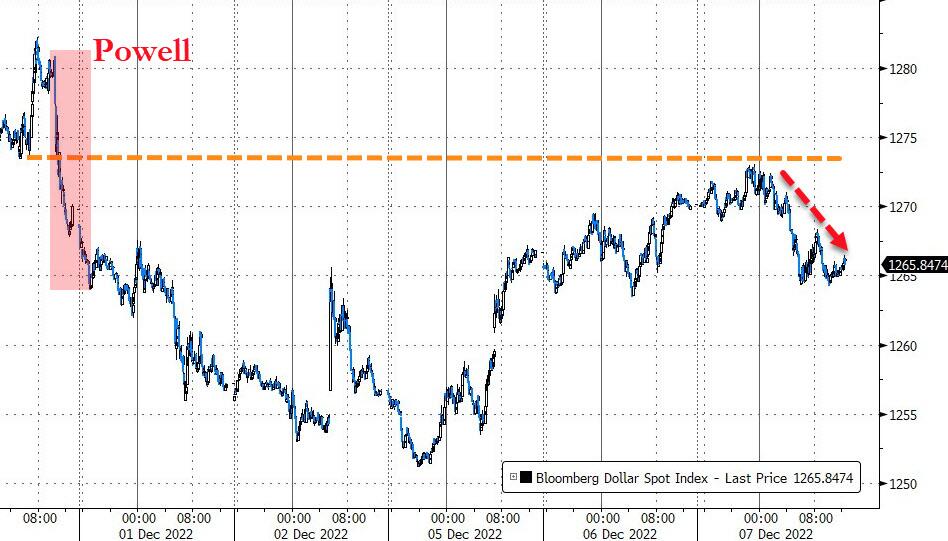
  • DXY Strong following suit – EURUSD testing parity…
  • Bullard called for 75bps in September – yet mkt still pricing in 50/50 short of a 75bps hike in Sept.
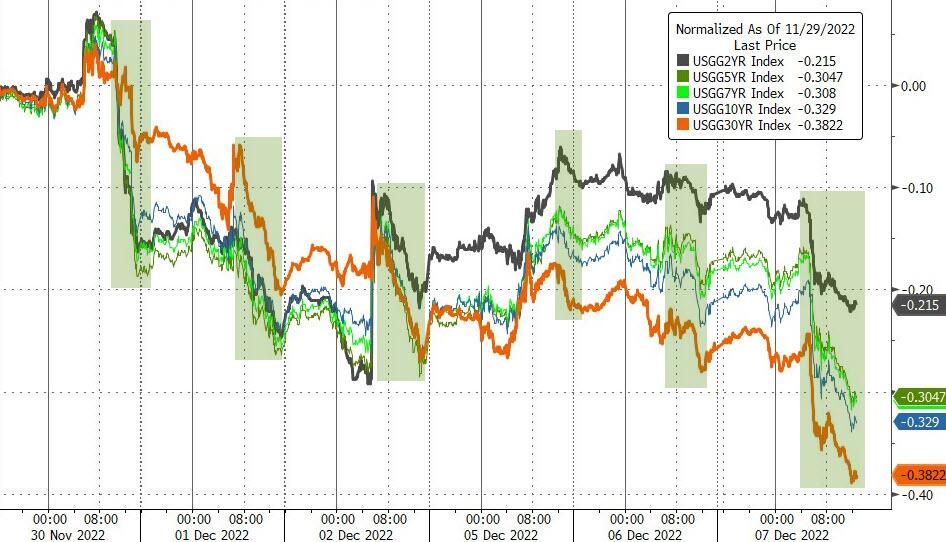
  • Yields Higher following suit – 10y at 2.97…
  • Large Expiry – $2T in options rolling off

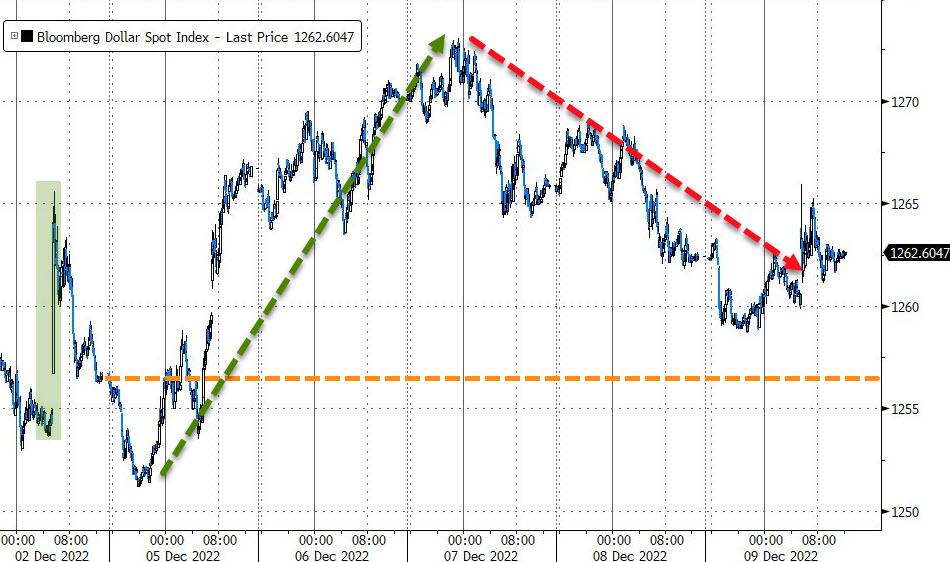
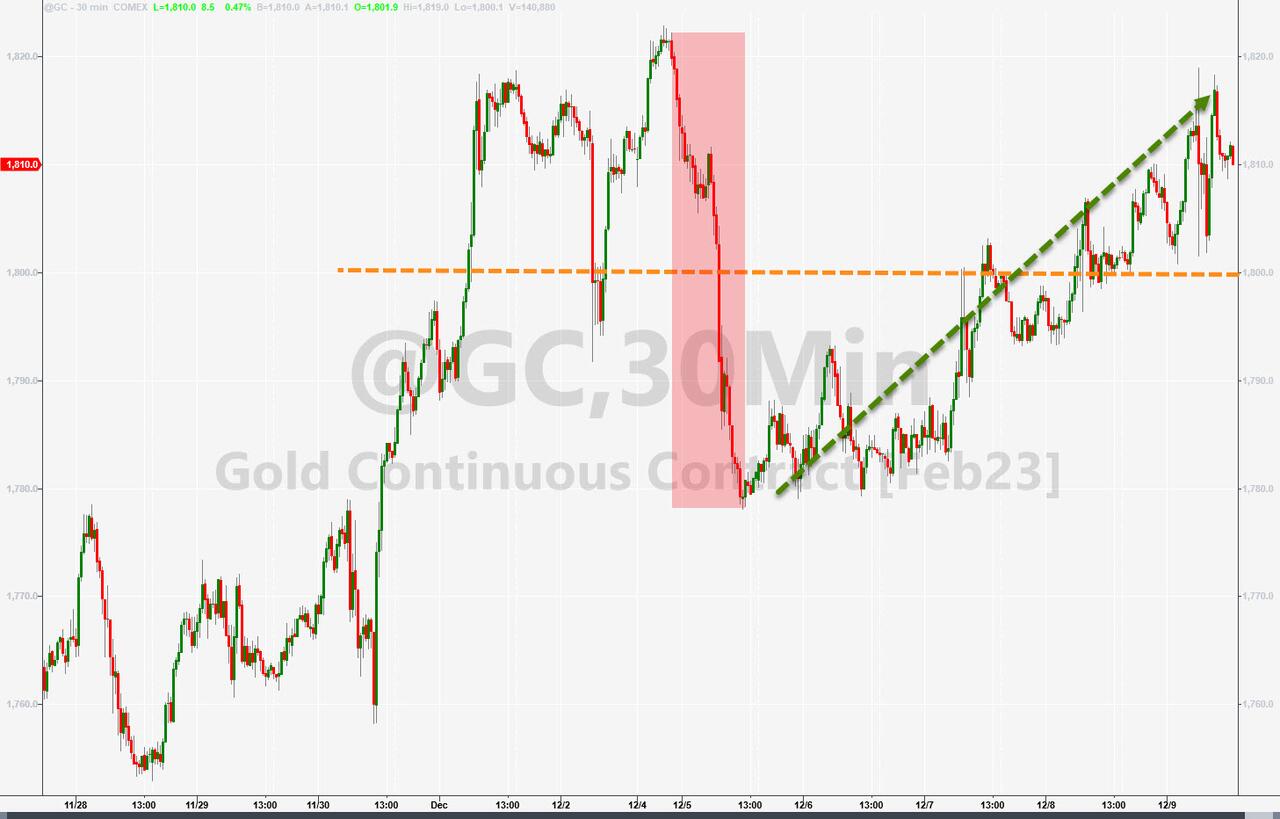
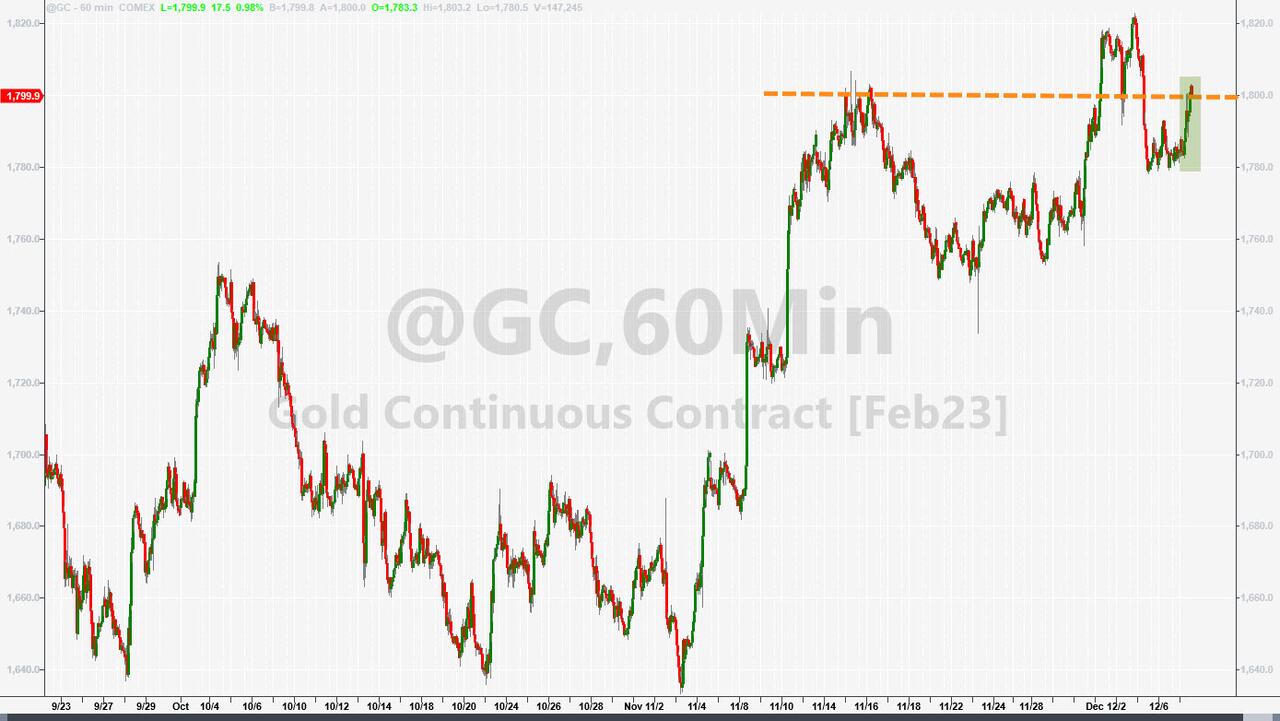
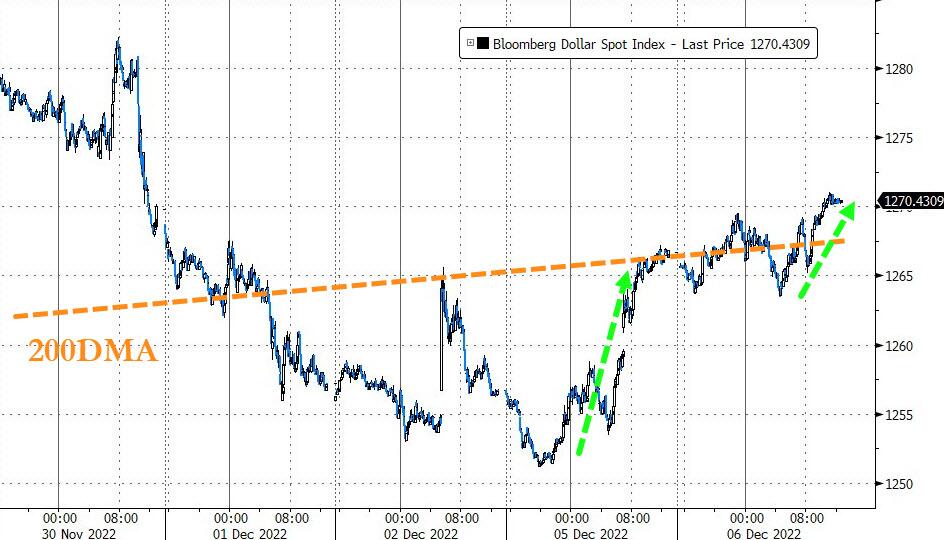
The most shorted stocks fell hard this week, as the squeeze simply evaporated, while bond yields rallied, with the 10-year almost reaching its 3% level. The US Dollar spiked and gained an amazing 2% for the week, as commodities, including gold, lagged.  

Headline news pointed to one market indicator with a perfect track record, which says that stocks have bottomed…Another says they are about to plunge again. ZeroHedge summed up the discrepancy like this:

In short, we have reached a perfect quantum state of a market based on flawless backward-looking indicators, where one “100% accurate” market signpost predicts stocks melt up from here (or at worst, suffer a modest drop), while another sees stocks tumbling as much as 2,500 if not lower to a new, and far more painful low.

One of the two will see their perfect predictive track record crushed forever.

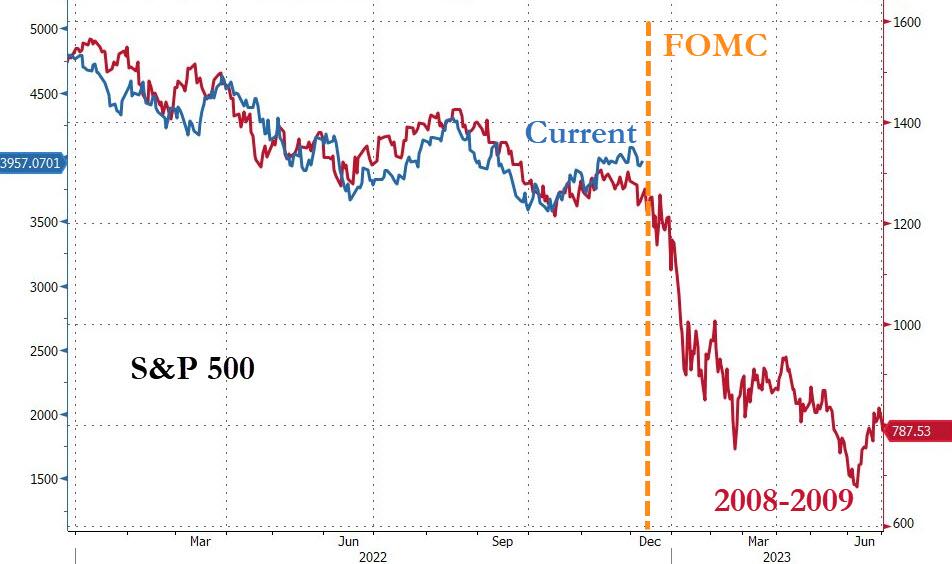
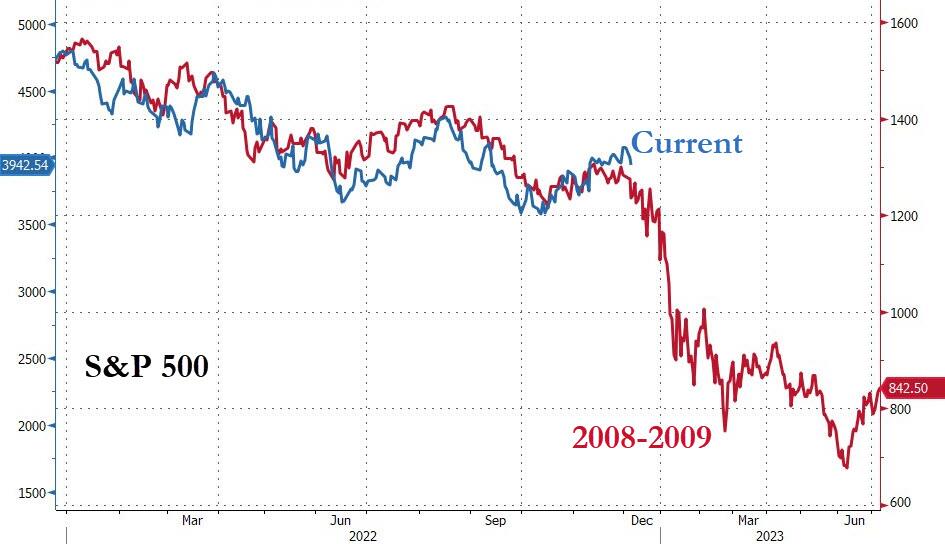
Bloomberg’s updated historic comparison chart casts a picture that clearly shows what it is that we will potentially need to guard against via the use of our exit strategy.

Read More
Weekly StatSheet For The ETF Tracker Newsletter – Updated Through 08/18/2022

Ulli Uncategorized Contact

ETF Data updated through Thursday, August 18, 2022

Methodology/Use of this StatSheet:

1. From the universe of over 1,800 ETFs, I have selected only those with a trading volume of over $5 million per day (HV ETFs), so that liquidity and a small bid/ask spread are assured.

2. Trend Tracking Indexes (TTIs)

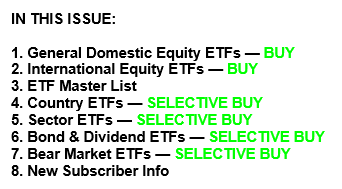
Buy or Sell decisions for Domestic and International ETFs (section 1 and 2), are made based on the respective TTI and its position either above or below its long-term M/A (Moving Average). A crossing of the trend line from below accompanied by some staying power above constitutes a “Buy” signal. Conversely, a clear break below the line constitutes a “Sell” signal. Additionally, I use an 12% trailing stop loss on all positions in these categories to control downside risk.

3. All other investment arenas do not have a TTI and should be traded based on the position of the individual ETF relative to its own respective trend line (%M/A). That’s why those signals are referred to as a “Selective Buy.” In other words, if an ETF crosses its own trendline to the upside, a “Buy” signal is generated. Here too, I recommend trailing sell stop of 12%, or less, depending on your risk tolerance.

If you are unfamiliar with some of the terminology, please see Glossary of Terms and new subscriber information in section 9.     

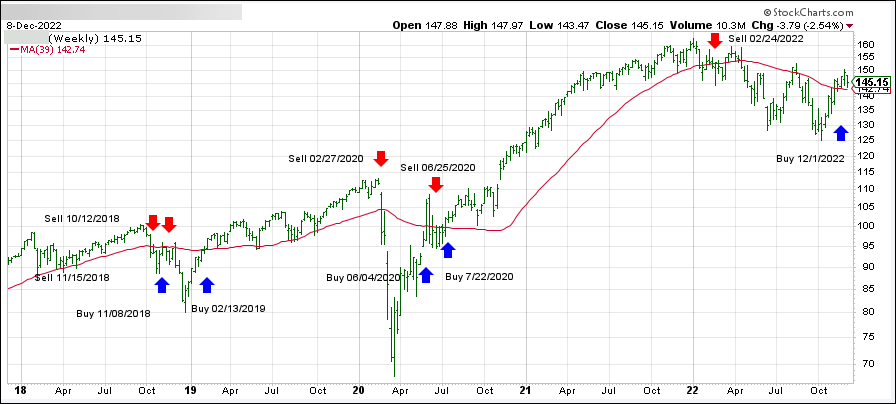
1. DOMESTIC EQUITY ETFs: SELL — since 02/24/2022

Click on chart to enlarge

Our main directional indicator, the Domestic Trend Tracking Index (TTI-green line in the above chart) has broken above its long-term trend line (red) by +1.08% but remains in “SELL” mode.

Read More
Running Into Overhead Resistance

Ulli Uncategorized Contact

[Chart courtesy of MarketWatch.com]

  1. Moving the markets

A few items kept traders in a defensive position with overhead resistance lurking due to the S&P 500 approaching its 200-day M/A, a level that is often associated with a major trend change. Historically, these attempts have not played out well for the bulls, as this chart shows.

The other issues for traders’ non-committal behavior were the latest retail sales data, which stalled in July, as Target slipped due to excess inventory, while Lowe’s traded higher despite a questionable quarter.

That was followed by investors’ assessment of the Fed’s latest FOMC minutes, which again confirmed what many of the Fed’s mouth pieces have opined on, namely that their policy remains aggressive regarding hiking rates until it can subdue inflation.

But, to make the issue more confusing, the Central Bank also indicated that it could soon slow the speed of its tightening, while also acknowledging the dire strait of the economy and risk to the downside for GDP growth, as quoted by MarketWatch.

There you have it. The Fed has no clue what’s next and has conveniently covered both possibilities. This left the market in a state of confusion and allowed the bears to score a win for the first day in six, as the usual short squeeze simply ran out of ammo.

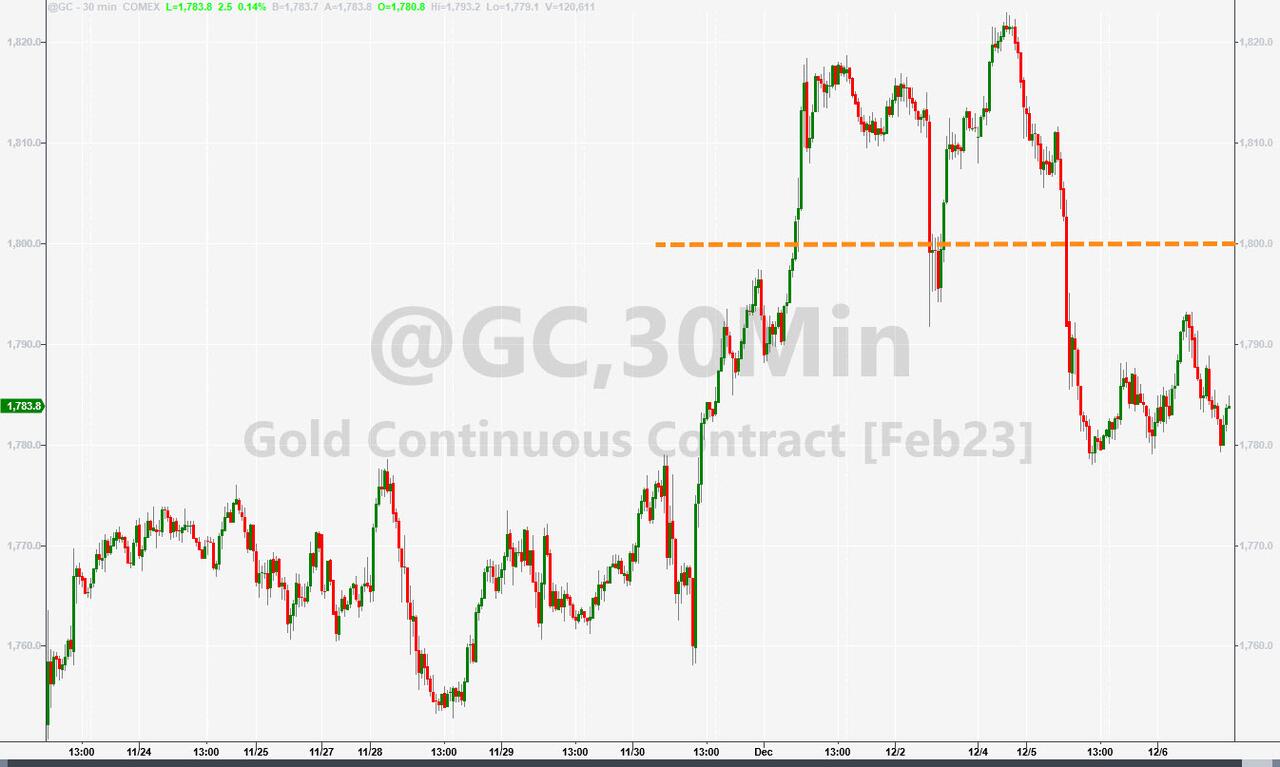
Bond yields rose with the 10-year now it hot pursuit of its 3% level, but its 100-day M/A acted as a strong resistance level. The US Dollar built on recent gains and closed higher, while gold lost its $1,800 level again.

Brace for impact is how ZeroHedge closed its commentary with a new comparison of where the S&P 500 sits now compared to the Great Financial Crises in 2008.  

Will history repeat itself?

Read More

Gingerly Advancing

Ulli Market Commentary Contact

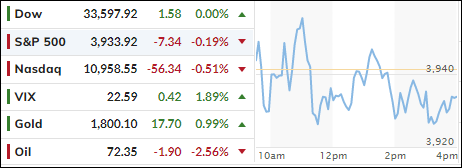
[Chart courtesy of MarketWatch.com]

  1. Moving the markets

Despite the Dow setting the bullish pace early on, the S&P 500 and Nasdaq struggled through the session by bouncing above and below their respective trend lines, with the former eking out a small gain and the latter falling short of it.

The Dow benefitted from earnings results of Walmart and Home Depot, which seemed to indicate that, at least for the time being, consumer spending might remain strong enough to avoid tipping the economy into a recession. On deck tomorrow are Target and Lowe’s with their earnings, with more retailers to come.

On the economic front, we learned that the real estate market has been hit hard considering surging layoffs, a collapse in Homebuilder Sentiment, soaring mortgage rates, and plunging mortgage applications. One more nail in the coffin appeared today, as Housing Starts simply cratered in July, as ZeroHedge reported.

None of that mattered to the markets with bad news simply being ignored, but it seemed that traders were listening to widely followed analyst Michael Hartnett, who may have caused the S&P’s pullback from its highs, as this chart shows.   

Bond yields pumped and dumped but closed the day slightly higher. The US Dollar hugged its unchanged line, while gold remained a tad below its $1,800 level.

Despite the precious metals’ wild swings, YTD, on a buy and hold basis it has done much better than the S&P 500. As of today, gold is down -3.07% vs. the S&P’s -9.71%.

It’s interesting to note, when looking at the big picture, that gold holdings have increased, while Treasury holdings (bonds) have trended lower, as this chart demonstrates.

Hmm…

Read More

Keeping The Bullish Theme Alive

Ulli Market Commentary Contact

[Chart courtesy of MarketWatch.com]
  1. Moving the markets

After a sharp opening drop, led by energy and financials, the major indexes reversed course, dug themselves out of a hole and rallied to a green close.

The rebound came despite disappointing economic data out of China, as their Central Bank out of nowhere decided to cut rates, which seems to indicate that their economic recovery may not be all it’s cracked up to be.

On deck this week, here at home, are a slew of retail earnings from powerhouses like Home Depot, Target, and Walmart, with traders especially homing in on news as to how those businesses have been affected by inflation, and more importantly, what type of forward guidance they will be issuing.

Not helping today’s advance was a thrashing of Homebuilder Confidence, with the index tumbling for the 8th consecutive month, which is its worst slump since the 2007 crash, according to ZeroHedge. The markets also ignored that NY Fed Manufacturing unexpectedly cratered in its second biggest drop on record.

Bond yields dove, The US Dollar retraced its CPI losses, which caused gold to pull back, as the precious metal surrendered its $1,800 level again.

Of course, as we have seen before, all of the bad economic news are a good thing for “easing” (rate cut) expectations, because the up-trend has reversed again, which supports the current bullish theme—but for how long?

Read More