Below, please find the latest High-Volume ETF Cutline report, which shows how far above or below their respective long-term trend lines (39-week SMA) my currently tracked ETFs are positioned.
This report covers the HV ETF Master List from Thursday’s StatSheet and includes 312 High Volume ETFs, defined as those with an average daily volume of more than $5 million, of which currently 127 (last week 44) are hovering in bullish territory. The yellow line separates those ETFs that are positioned above their trend line (%M/A) from those that have dropped below it.
In case you are not familiar with some of the terminology used in the reports, please read the Glossary of Terms. If you missed the original post about the Cutline approach, you can read it here.
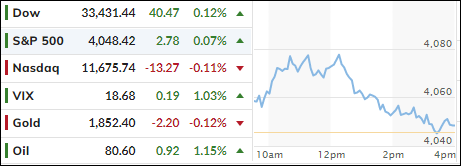
After yesterday’s euphoric reaction to the better-than-expected CPI report, bullish momentum prevailed throughout the session, despite the bond market being closed on this Veteran’s Day. But the short squeeze was alive and well and contributed to another positive ending.
Again, hopes that the Fed would be slowing its interest rate hikes, and therefore supporting equities, was the main driver for the S&P scoring its best week since the June rebound. However, that one ended in a bearish disaster only two months later when the index’s 200-day M/A turned out to be the reversal point to new yearly lows.
This scenario seems to be repeating itself, as the S&P 500 is only 2.16% away from a second attempt to break through that resistance level. If it’s successful, I could see more upside potential. However, if the 200-day M/A turns out to be another impenetrable overhead ceiling, this feel-good CPI rebound may bite the dust.
The future for a sustainable rally in equities lies with the Fed and its intentions not only how high they might hike but also for how long. Despite Fed head Powell and its various mouthpieces spewing nothing but hawkish comments, the Wall Street crowd remains convinced that a pause or a pivot is on deck, hence the frontrunning efforts.
Today, it was Boston Fed President Susan Collins, who uttered these words:
I think that as we have raised rates that the risk of over tightening has increased.
I do think we’re going to need to raise rates further.
A smaller, more “deliberate” rate increase should not be confused for a sign that the Fed is backing down from the task of curbing price pressures.
To me, that does not sound like a Fed that is about to pivot…
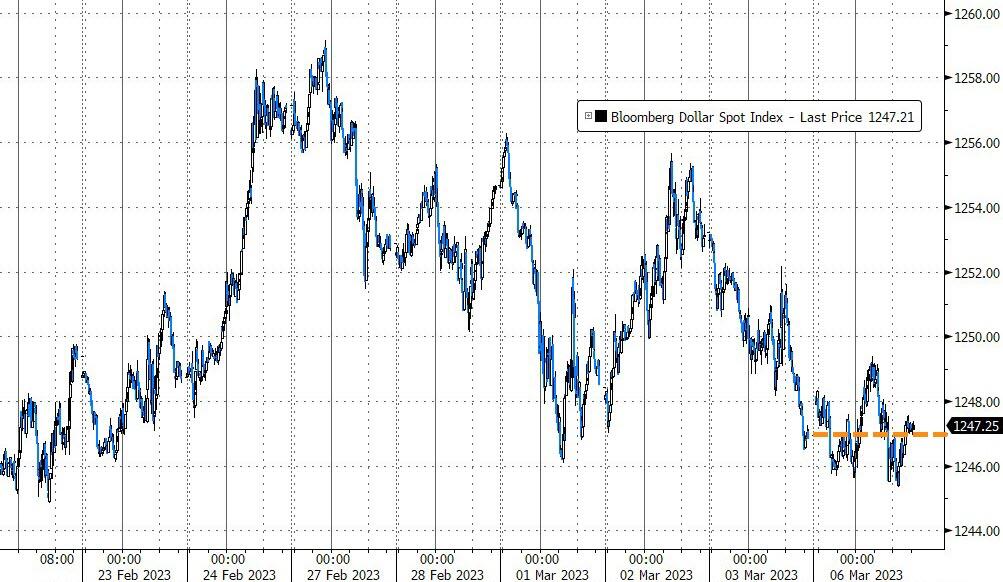
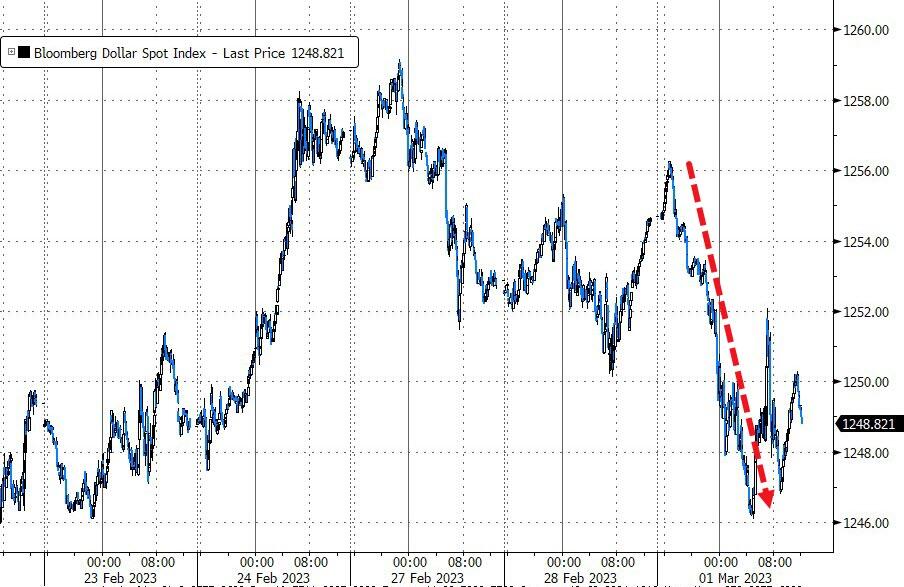
The US Dollar spanking continued, as ZeroHedge reported, with the world’s reserve currency down 5 of the last 6 days. It has lost 5% against its fiat peers and has broken its 50- and 100-day M/As on its way to 3-month lows.
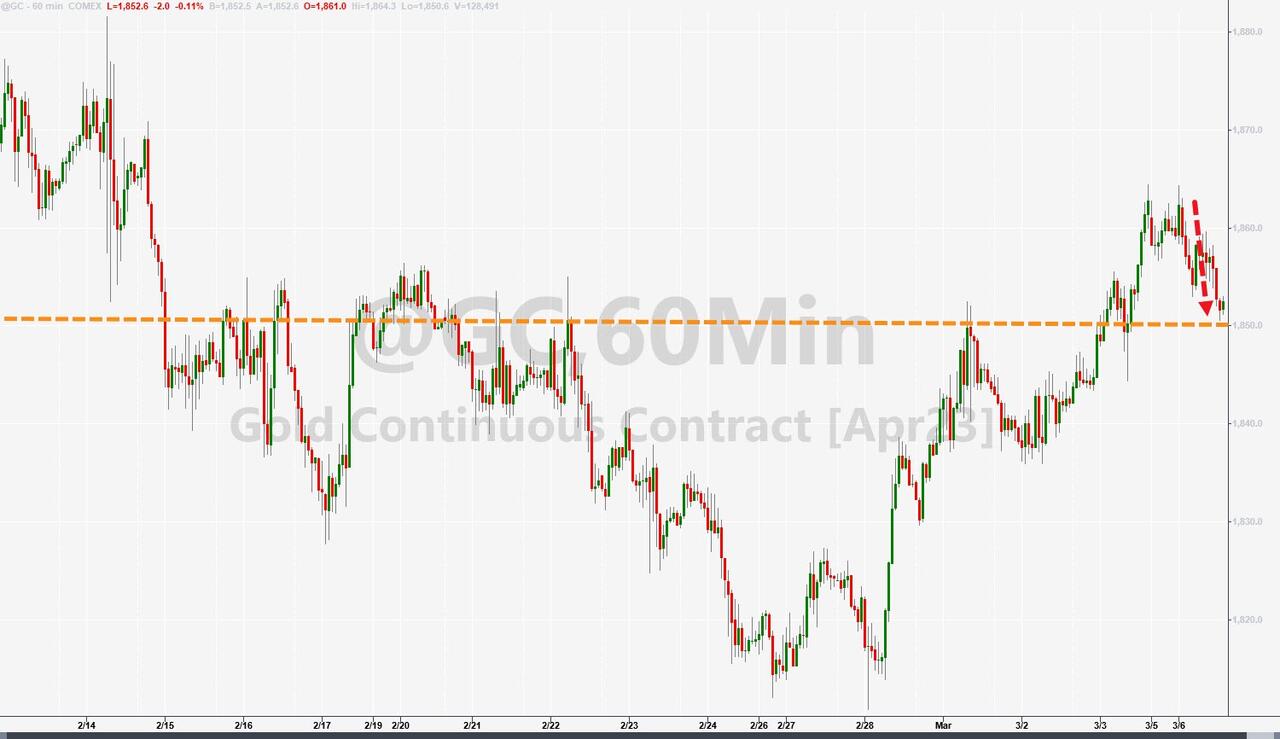
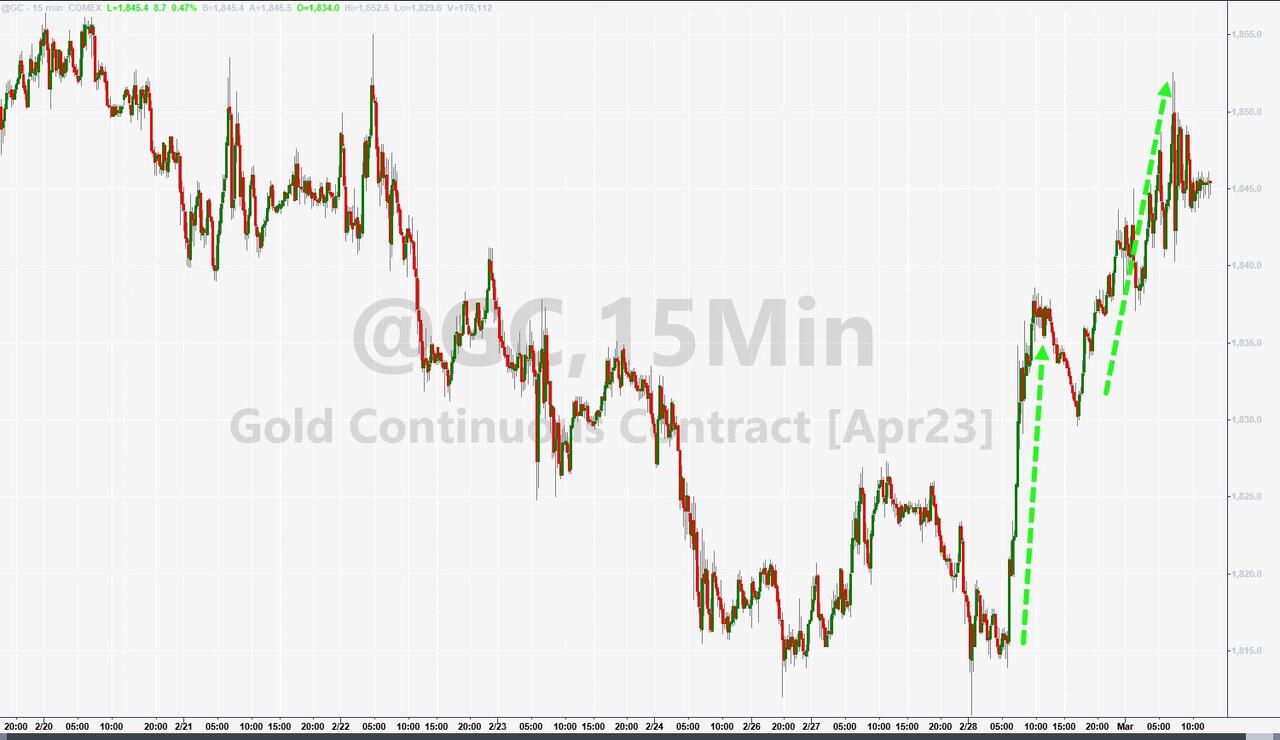
Gold was the beneficiary and closed at $1,770, its highest in 3 months while scoring its best week since March 2020.
According to this analog, we are still in a bear market rally, although my Domestic Trend Tracking Index (TTI-section 3) has crossed its trend line into bullish territory. We should see more clarity next week—in one way or another.
ETF Data updated through Thursday, November 10, 2022
Methodology/Use of this StatSheet:
1. From the universe of over 1,800 ETFs, I have selected only those with a trading volume of over $5 million per day (HV ETFs), so that liquidity and a small bid/ask spread are assured.
2. Trend Tracking Indexes (TTIs)
Buy or Sell decisions for Domestic and International ETFs (section 1 and 2), are made based on the respective TTI and its position either above or below its long-term M/A (Moving Average). A crossing of the trend line from below accompanied by some staying power above constitutes a “Buy” signal. Conversely, a clear break below the line constitutes a “Sell” signal. Additionally, I use a 12% trailing stop loss on all positions in these categories to control downside risk.
3. All other investment arenas do not have a TTI and should be traded based on the position of the individual ETF relative to its own respective trend line (%M/A). That’s why those signals are referred to as a “Selective Buy.” In other words, if an ETF crosses its own trendline to the upside, a “Buy” signal is generated. Here too, I recommend trailing sell stop of 12%, or less, depending on your risk tolerance.
If you are unfamiliar with some of the terminology, please see Glossary of Termsand new subscriber information in section 9.
1. DOMESTIC EQUITY ETFs: SELL — since 02/24/2022
Click on chart to enlarge
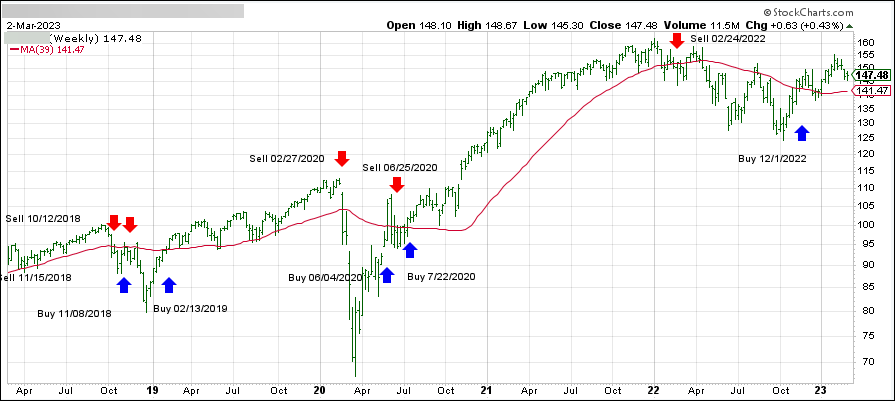
Our main directional indicator, the Domestic Trend Tracking Index (TTI-green line in the above chart) has broken above its long-term trend line (red) by a scant +0.93% but remains in “SELL” mode—for the time being.
Only one thing mattered today, and that was the CPI reading, which came in much more “friendly” than expected. The index rose only 0.4% for the month and 7.7% YoY, its lowest annual increase since January. Expectations were 0.6% and 7.9% respectively. Even the core numbers were better than anticipated.
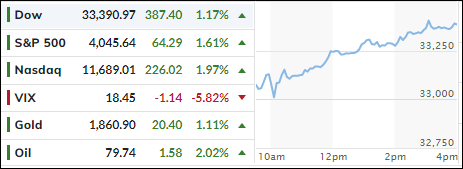
The market reaction was extremely bullish with the Dow jumping immediately some 800 points and headed higher from there with all major indexes following suit. All activity was supported by the 3rd biggest short squeeze ever.
ZeroHedge summed up today’s 5 Fed speakers like this:
So, all 5 Fed speakers confirmed higher rates from here, 3 signaled somewhat less hawkishly, 1 signaled a slight fear of overtightening, and 1 was full-hawktard.
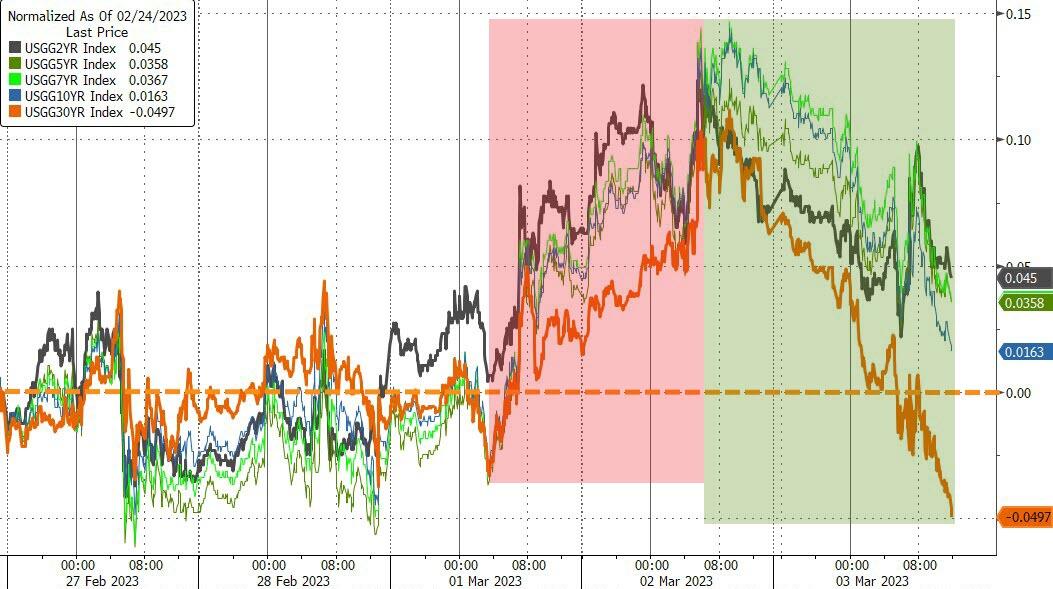
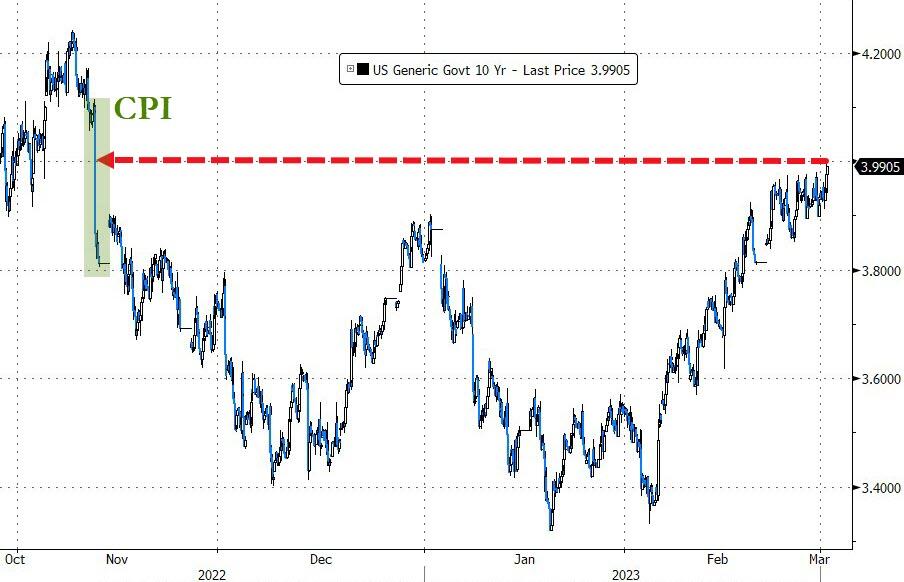
Bond yields dumped with the 10-year getting crushed, down an incredible 31 basis points to close the session at 3.823%.
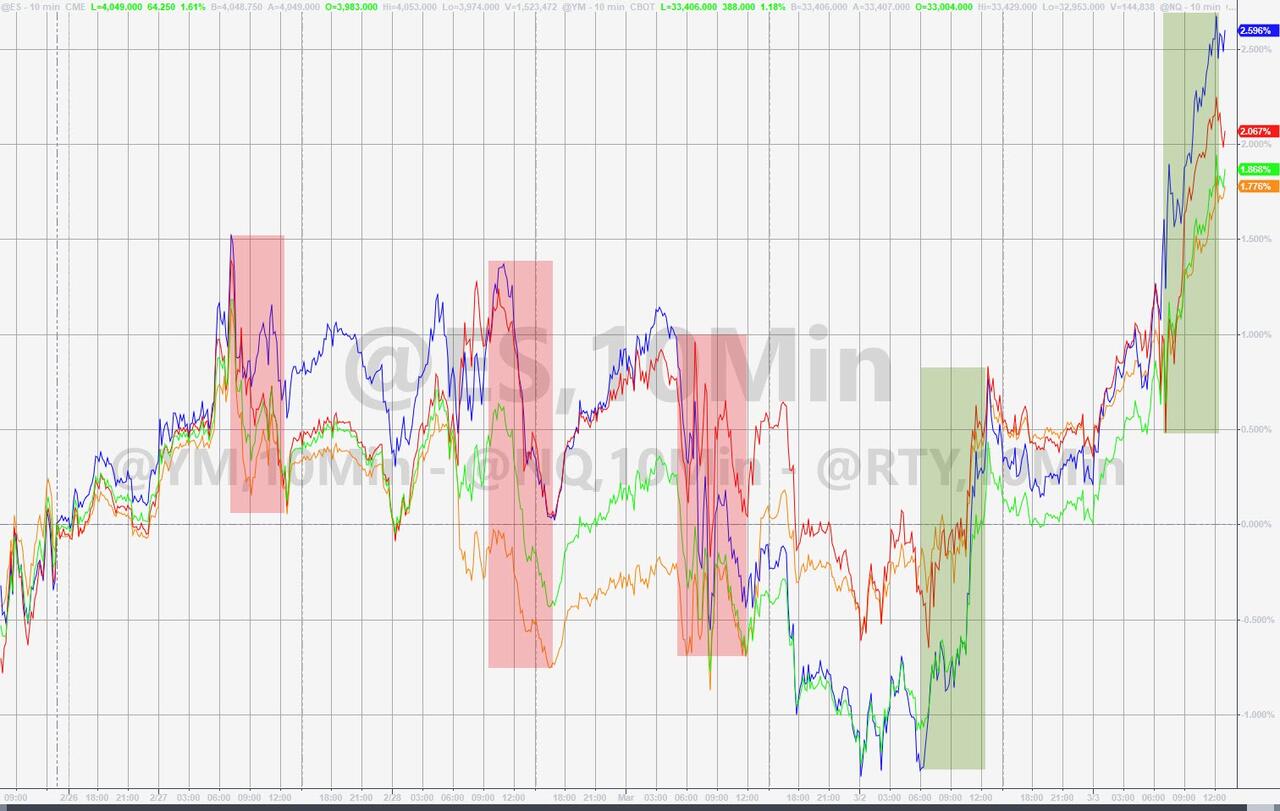
As a result, the US Dollar plunged causing gold to have a good day with a +2.67% gain. The S&P 500 jumped over 5%, which was its biggest rally in two years. Whether this “light” inflation report will remain the same in the future is questionable, but for right now those traders believing in the idea that we have seen peak inflation and peak Fed (rate hikes) are enjoying their day in the spotlight.
This broad Ramp-A-Thon has pushed our main directional indicator slightly above its long-term trend line by a tiny +0.93% (section 3), its first peek above it since July. That event lasted only one week, before the bears took over and pushed the index to new yearly lows.
As a result, I like to see a few days of staying power above the line before officially issuing a new “Buy” signal for domestic equity funds. Being a little more selective about the entry point has helped us avoid whipsaw signals in the past.
Updating the historical analog, we find ourselves in this eerily similar spot.
As far as the markets are concerned, uncertainty is the worst of any outcome, a theory which proved to be the correct today, as the results of the midterm elections provided no clear answers as to who would control Congress or the Senate.
Traders had assumed the Republicans being able to easily score most of the House seats, which had formed the basis for the 3-day rally. The idea was that any future spending and tax plans would consequently be blocked.
That did not happen, so the markets tanked across the board and, in the process, wiped out just about all recent gains, which pulled the S&P 500 back down to last Wednesday’s level.
Another extremely negative market influence were liquidity troubles for the crypto exchange FTX (it faces a federal probe), and it appeared that a potential takeover by Binance would not go through, causing some bond yields to retreat sharply as the flight to safety was on. The 10-year yield dropped almost 13bps to close at 4.083%.
The US Dollar rebounded, while gold held on to most of yesterday’s gains.
The CPI is on deck tomorrow and may give the bulls some hope, if the number comes in below expectations.
A bucking bronco type of market behavior seemed to be perfectly complementing this election day with its own ups and downs, irregularities, and accusations.
The major indexes stormed out of the gate and ripped higher with the Dow at one point sporting a 500-point gain, which collapsed, as the index almost broke below its unchanged line. However, bullish momentum reappeared, and all the majors managed to score a green close.
The initial ramp was based on traders’ hopes that in case the Republicans take back the House, a gridlock in Washington would be the result, a scenario which is viewed as a positive because, with a divided Congress and President, government spending, new taxes and regulations will be limited. At least, that’s the theory.
The US Dollar plunged to 7-week lows and, as ZeroHedge pointed out, is its biggest 3-day dive since March 2020. As one analyst noted, “it’s been the dollar’s demise that has been driving this bounce in stocks…”
The beneficiary was gold, as the precious metal spiked +2.13% to over $1,700, which represents a 5-week high. Also giving an assist to stocks were declining bond yields, as market expectations for Fed rate trajectories changed from hawkish to dovish today.
Should market election probabilities not be met, we will see this bear market rally hit the skids, which it may do anyway, should Thursday’s CPI report confirm that we have not yet hit peak inflation.