Oil Up, Rates Jump, And Stocks Lose Their Footing

Ulli Market Commentary Contact

[Chart courtesy of MarketWatch.com]

  1. Moving the market

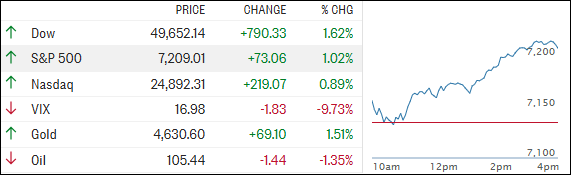
The major indexes were mostly flat early on, but the Russell 2000 stole the spotlight, hitting a new all‑time intraday high.

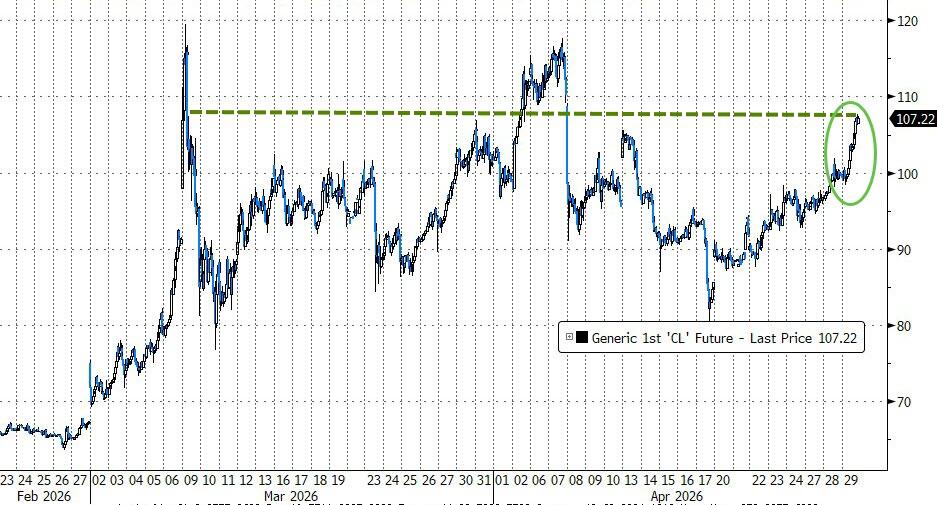
Meanwhile, fresh developments out of the Middle East pushed oil prices higher and reignited concerns about broader regional instability.

The Dow took a hit as the session unfolded, though it managed to bounce well off its lows amid conflicting reports of Iranian activity.

Iranian media claimed a ship was turned back from the Strait of Hormuz, while other reports suggested a possible attack on a U.S. warship—though none of the claims were independently confirmed.

According to Iranian state television, the country’s navy said it blocked what it called “American‑Zionist” warships from entering the area.

Separately, the Fars news agency reported that two missiles struck a U.S. vessel near Jask Island after warnings were ignored. Again, those reports remain unverified, adding to the fog surrounding the situation.

Over the weekend, President Trump announced “Project Freedom” in a Truth Social post, outlining plans for the U.S. to help escort and free cargo ships from non‑involved nations that have been stranded by the closure of the Strait of Hormuz.

The initiative is expected to kick off today.

Despite all the jawboning, markets have largely stayed resilient. Hope that tensions won’t spiral further, combined with a strong first‑quarter earnings season, has helped push stocks to record levels in recent days.

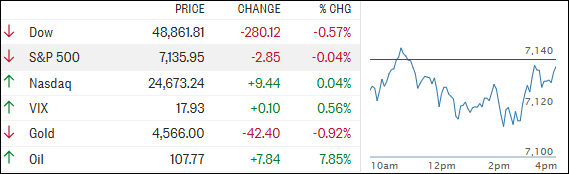
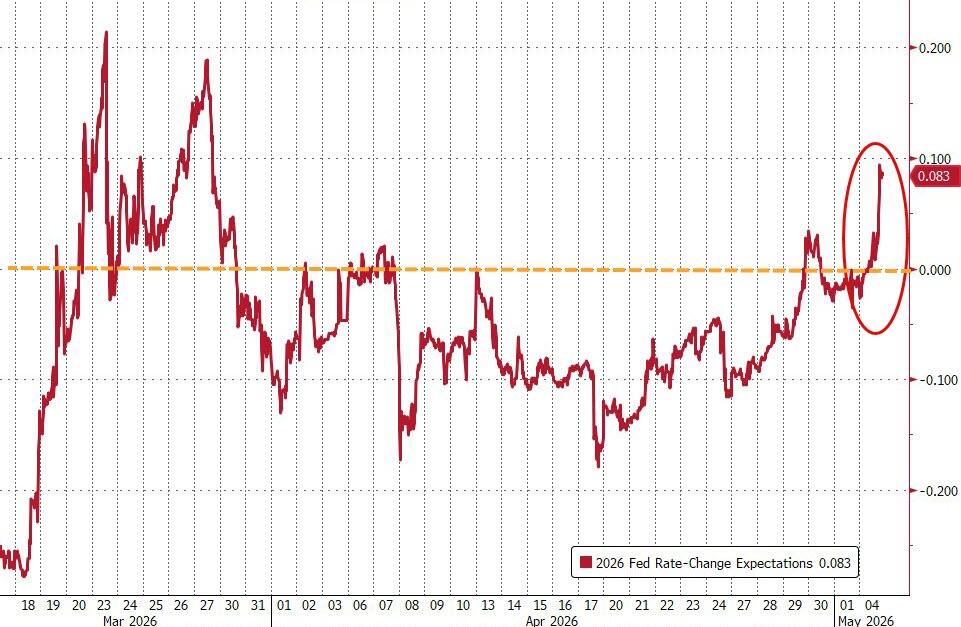
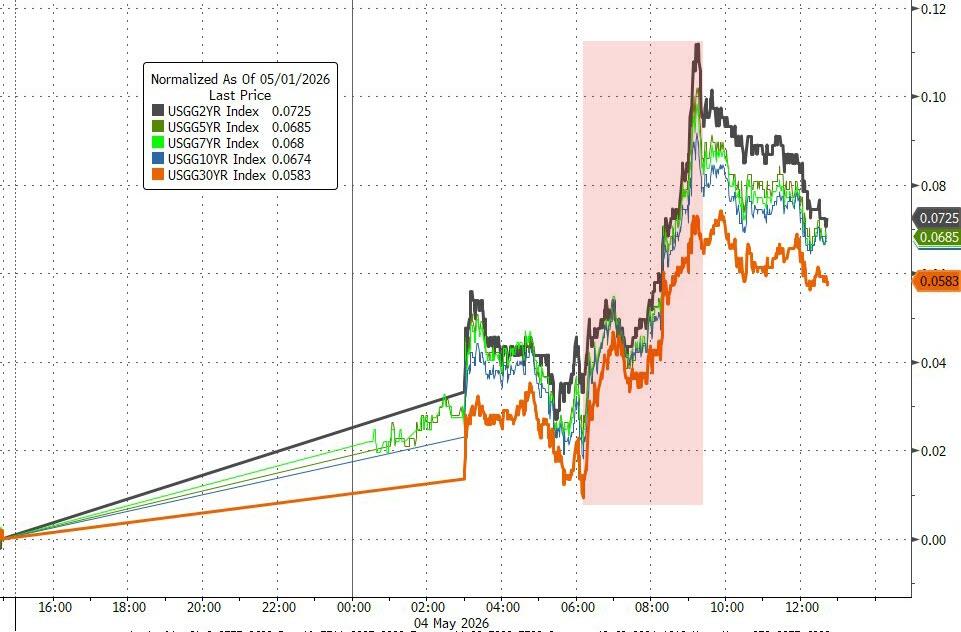
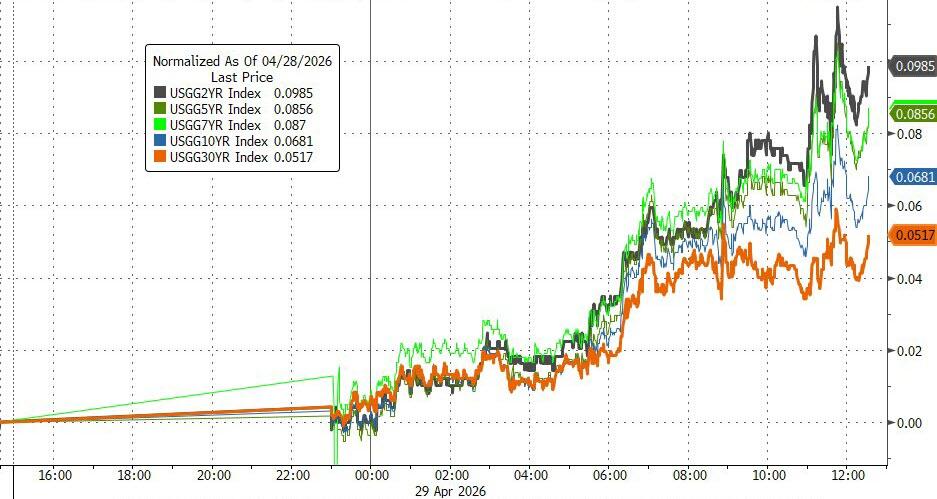
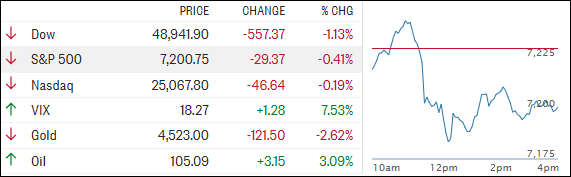
That optimism didn’t last all day, though. Mid‑session headlines of renewed Iranian attacks against the UAE sent oil prices and rate‑hike expectations higher, pulling the major indexes into the red by the close, with the Dow taking the biggest hit.

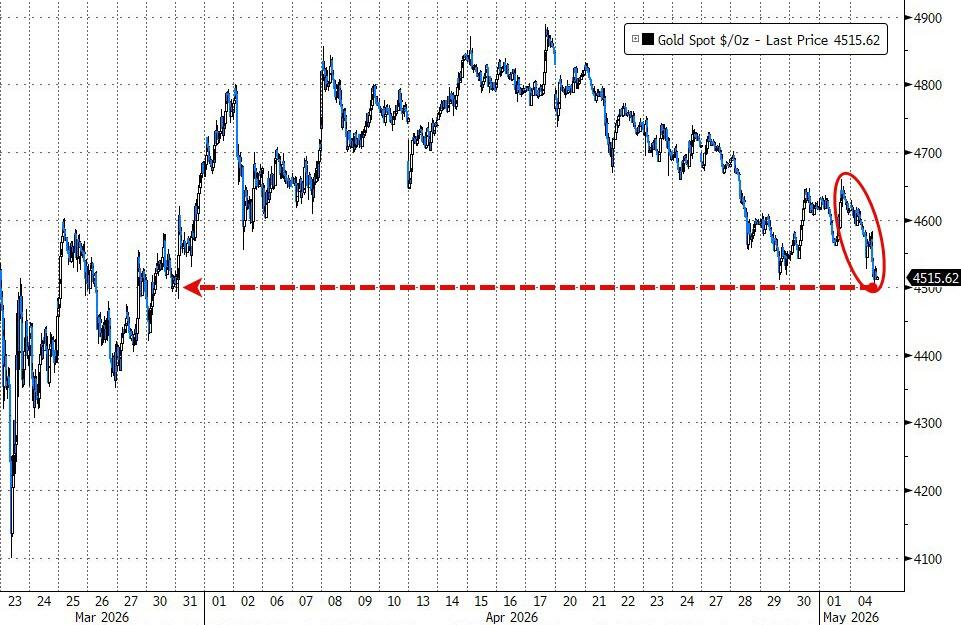
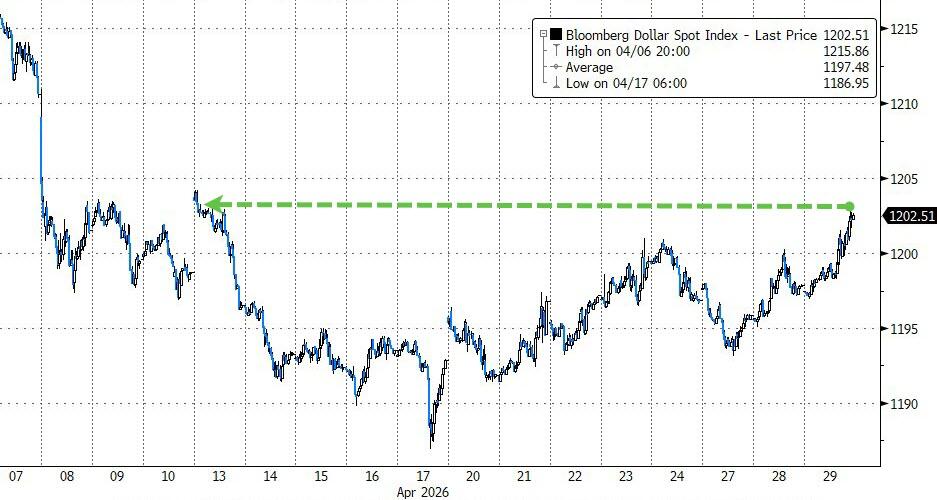
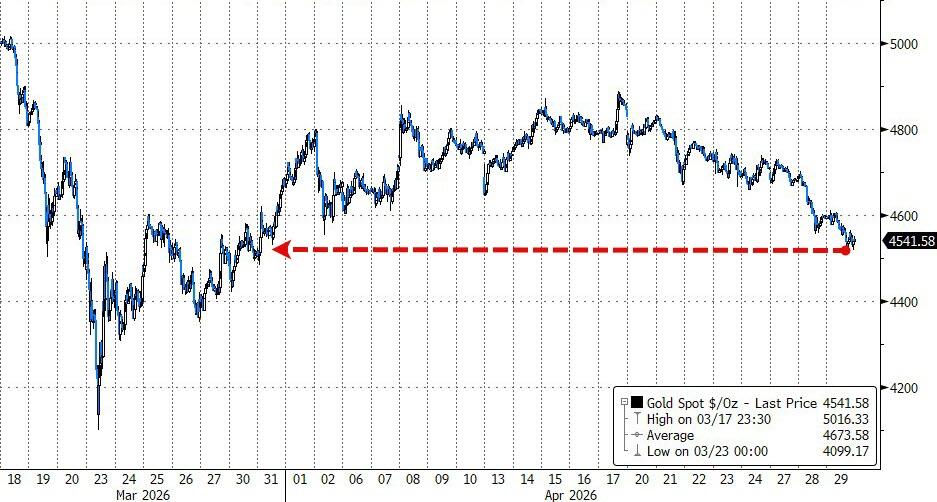
Bond yields surged, the dollar edged higher, and gold slid back to around $4,500—once again behaving as it tends to when rising oil prices bring inflation concerns to the forefront.

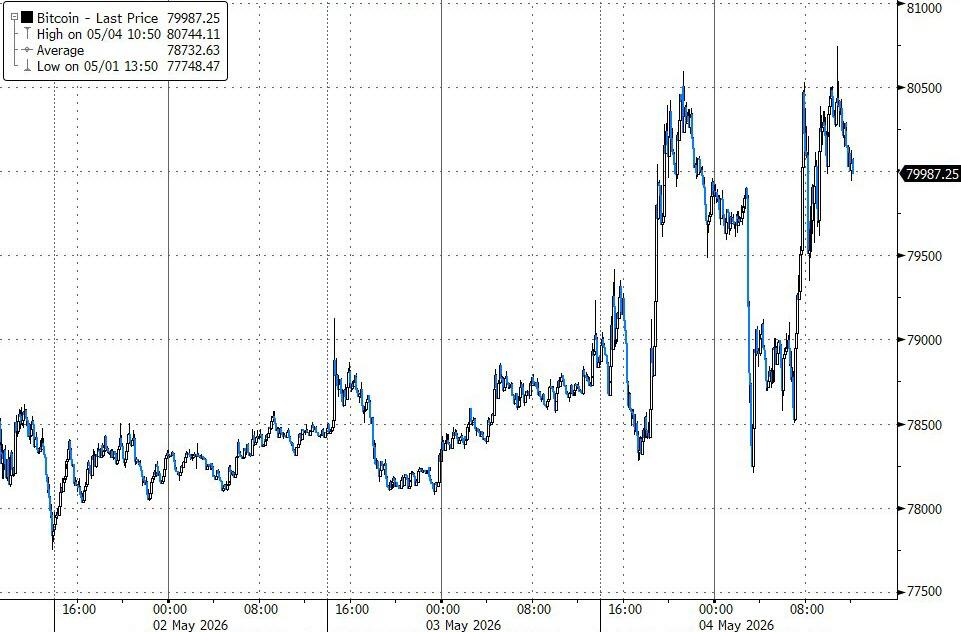
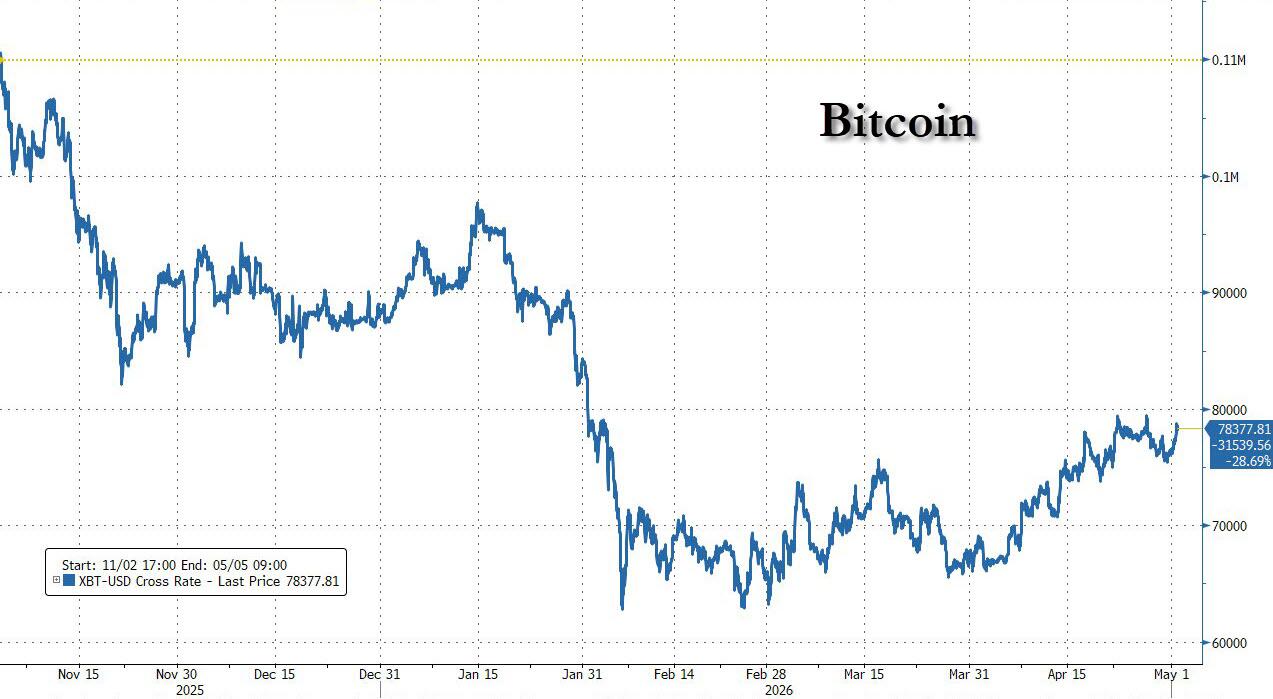
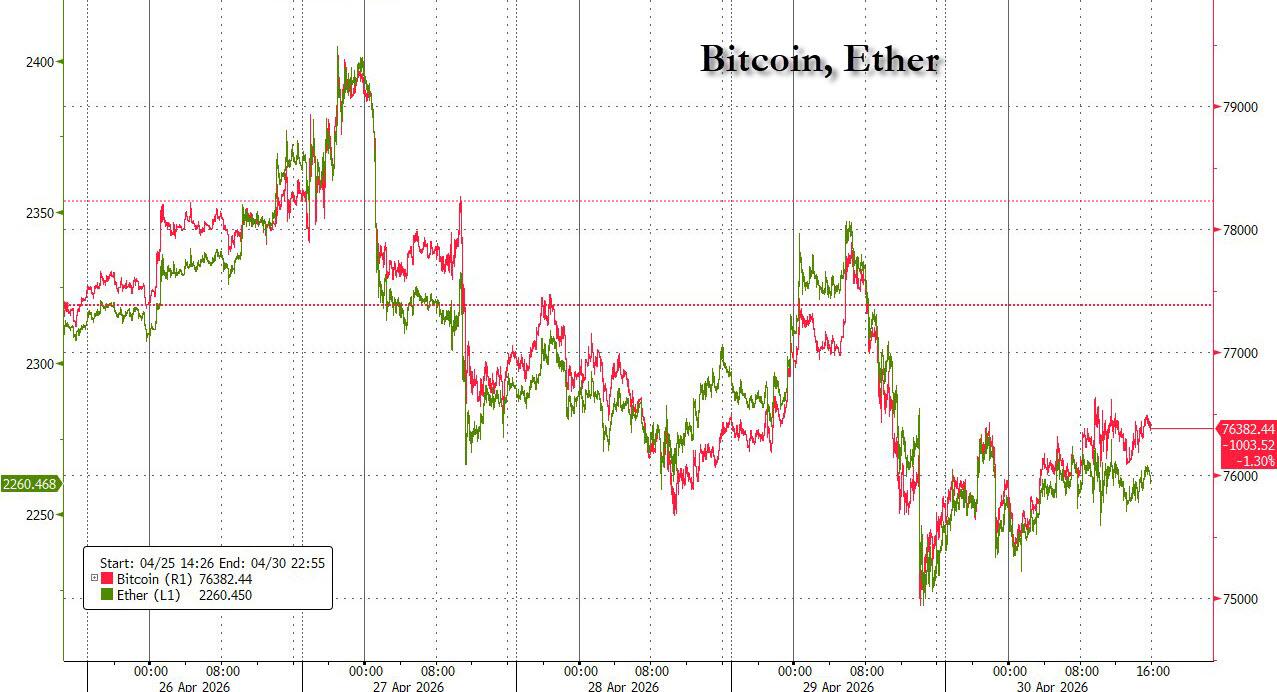
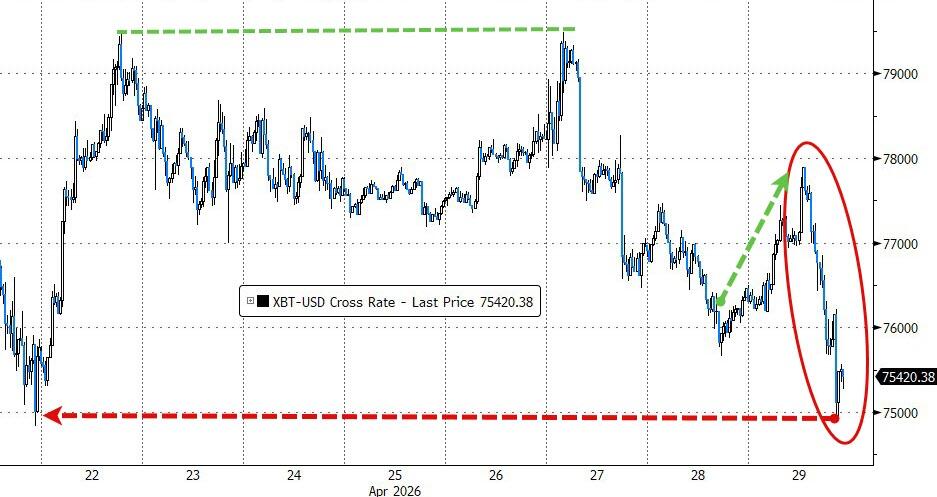
Bitcoin had a wild ride, swinging between $78,500 and $80,500 multiple times before finishing up about 2% and marking its highest level since January.

Even with all that volatility, earnings season continues to impress, with far more companies beating expectations than missing them.

The question now is: How long can strong earnings offset rising geopolitical and inflation risks?

Read More
ETFs On The Cutline – Updated Through 05/01/2026

Ulli ETFs on the Cutline Contact

Do you want to know which ETFs are hot and which ones are not? Then you need my High-Volume ETF Cutline report. It tells you how close or far each of the 311 ETFs I follow is from its long-term trend line (39-week SMA). These are the ETFs that trade more than $5 million a day, so they are not some obscure funds that nobody cares about.

The report is split into two parts: The winners that are above their trend line (%M/A), and the losers that are below it. The yellow line is the line of shame that separates them. You can see how many ETFs are in each group and how they have changed since the last report (228 vs. 219 current).

Take a peek:

The HV ETF Master Cutline Report

If you are confused by some of the terms we use, don’t panic. I have a helpful Glossary of Terms for you.

If you want to learn more about the Cutline method and how it can make you rich (or at least less poor), read my original post here.

ETF Tracker Newsletter For May 1, 2026

Ulli ETF Tracker Contact

ETF Tracker StatSheet          

You can view the latest version here.

RECORDS ROLL ON, BUT THE FOUNDATION LOOKS THINNER

[Chart courtesy of MarketWatch.com]

  1. Moving the market

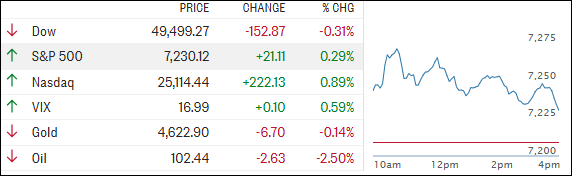
The S&P 500 pushed to a fresh intraday record high on Friday, getting a big lift from Apple, while oil prices moved lower as a new trading month kicked off.

Apple shares jumped more than 5% after the company delivered a solid fiscal second‑quarter earnings and revenue beat.

Even better, its outlook for the current quarter topped expectations, easily outweighing some lingering disappointment around iPhone sales, which fell short of estimates for the second time in three quarters.

On the other side of the ledger, oil prices slid after reports that Iran sent its response—via Pakistani mediators—to the latest U.S. revisions of a draft agreement aimed at ending the Middle East conflict.

West Texas Intermediate crude fell roughly 4%, trading near the $100‑a‑barrel mark.

Today’s moves followed a record‑setting session the day before, when the S&P 500 closed above 7,200 for the first time ever. That milestone helped both the S&P 500 and Nasdaq lock in their strongest monthly performances since 2020, while the Dow logged its best month since November 2024.

Strong first‑quarter earnings and hopes for easing tensions in the Middle East have powered stocks higher this year. Even after the initial dip when the U.S. war with Iran began, all three major indexes are now trading comfortably above where they started 2026.

By the close, the S&P 500 once again flexed its strength, finishing at a fresh record high—despite another day of brutal negative breadth. In fact, this marked the fourth record high in the past five sessions where decliners (320) far outnumbered advancers (180), highlighting just how narrow this rally has become.

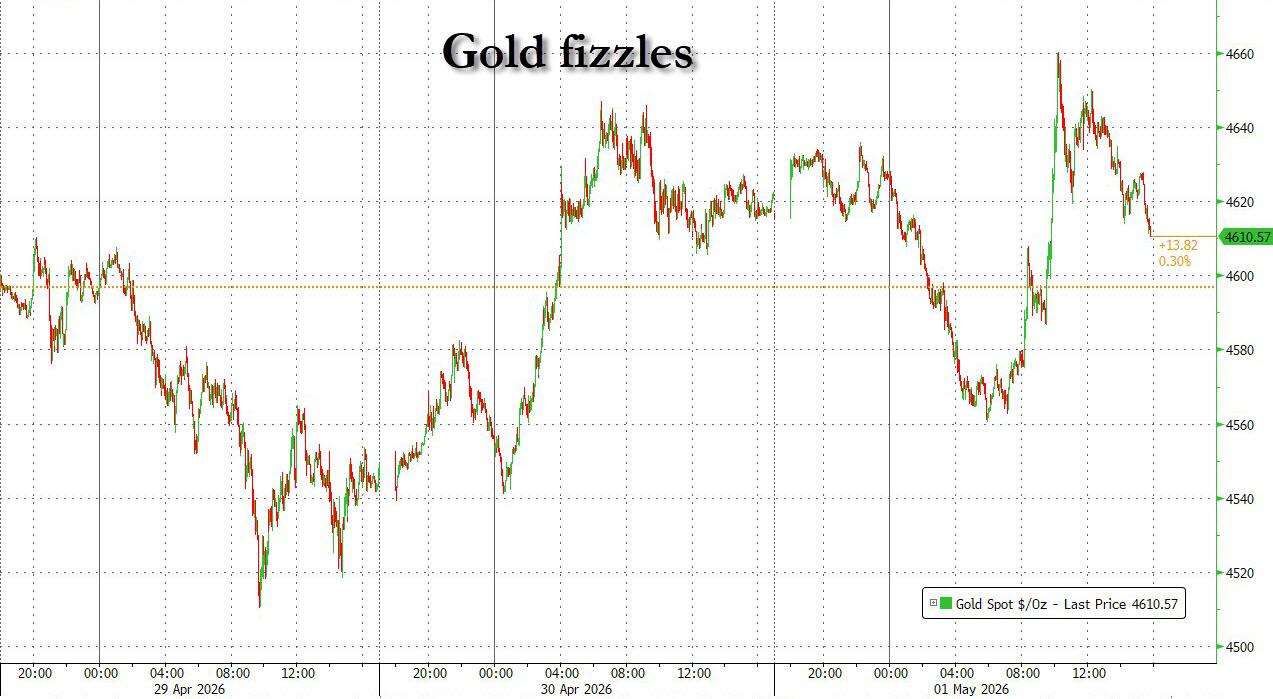
Bitcoin climbed back above $78,000 to notch a new post‑January high, while gold briefly popped midday before fading back to roughly unchanged. As ZeroHedge noted, gold’s stagflationary signal may still be coming—it’s just not being heard yet.

The peak of earnings season is now behind us, with only about 10% of the S&P 500 set to report next week.

As some near‑term catalysts fade, markets may soon be left to grapple with lingering stagflation risks and a deteriorating geopolitical backdrop—so the question is:

Can this rally keep pushing higher with fewer tailwinds and growing uncertainty?

Read More

Weekly StatSheet For The ETF Tracker Newsletter – Updated Through 04/30/2026

Ulli ETF StatSheet Contact

ETF Data updated through Thursday, April 30, 2026

How to use this StatSheet:

  1. Out of the 1,800+ ETFs out there, I only pick the ones that trade over $5 million per day (HV ETFs), so you don’t get stuck with a lemon that nobody wants to buy or sell.
  1. Trend Tracking Indexes (TTIs)

These are the main indicators that tell you when to buy or sell Domestic and International ETFs (section 1 and 2). They do that by comparing their position to their long-term M/A (Moving Average). If they cross above, and stay there, it’s a green light to buy. If they fall below, and keep going, it’s a red light to sell. And to make sure you don’t lose your shirt if things go south, I also use a 12% trailing stop loss on all positions in these categories.

  1. All other investment areas don’t have a TTI and should be traded based on the position of each ETF relative to its own trend line (%M/A). That’s why I call them “Selective Buy.” In other words, if an ETF goes above its own trend line, you can buy it. But don’t forget to use a trailing sell stop of 12%, or less if you’re feeling nervous.

If some of these words sound like Greek to you, please check out the Glossary of Terms and new subscriber information in section 9.

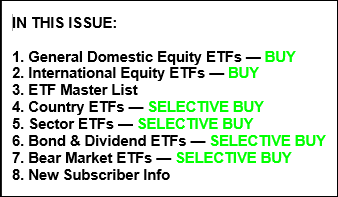
  1. DOMESTIC EQUITY ETFs: BUY— effective 5/20/2025

Click on chart to enlarge

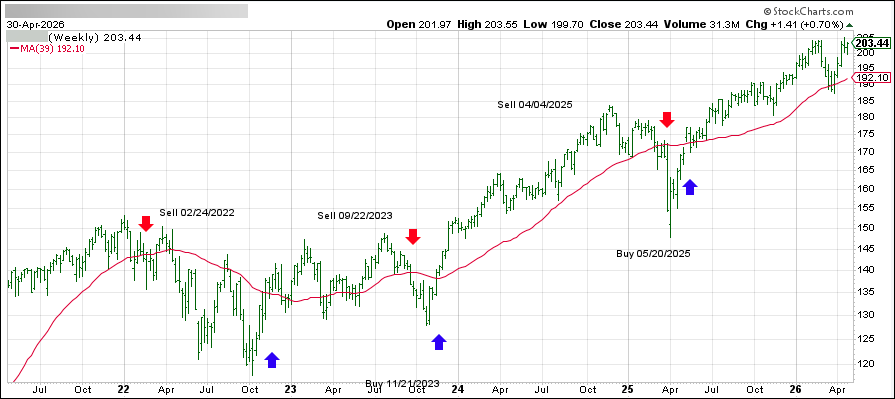
This is our main compass, the Domestic Trend Tracking Index (TTI-green line in the above chart). It has broken above its long-term trend line (red) by +6.25% and remains in “Buy” mode, with our holdings being subject to our trailing sell stops.

Read More

Stocks Aim For A Strong Finish Despite Mixed Signals

Ulli Market Commentary Contact

[Chart courtesy of MarketWatch.com]

  1. Moving the market

All three major indexes opened the day in positive territory, but the Dow clearly stole the show, surging more than 1% early on thanks to a strong earnings report from caterpillar, which jumped 9%.

That strength helped keep the broader market afloat even as technology struggled.

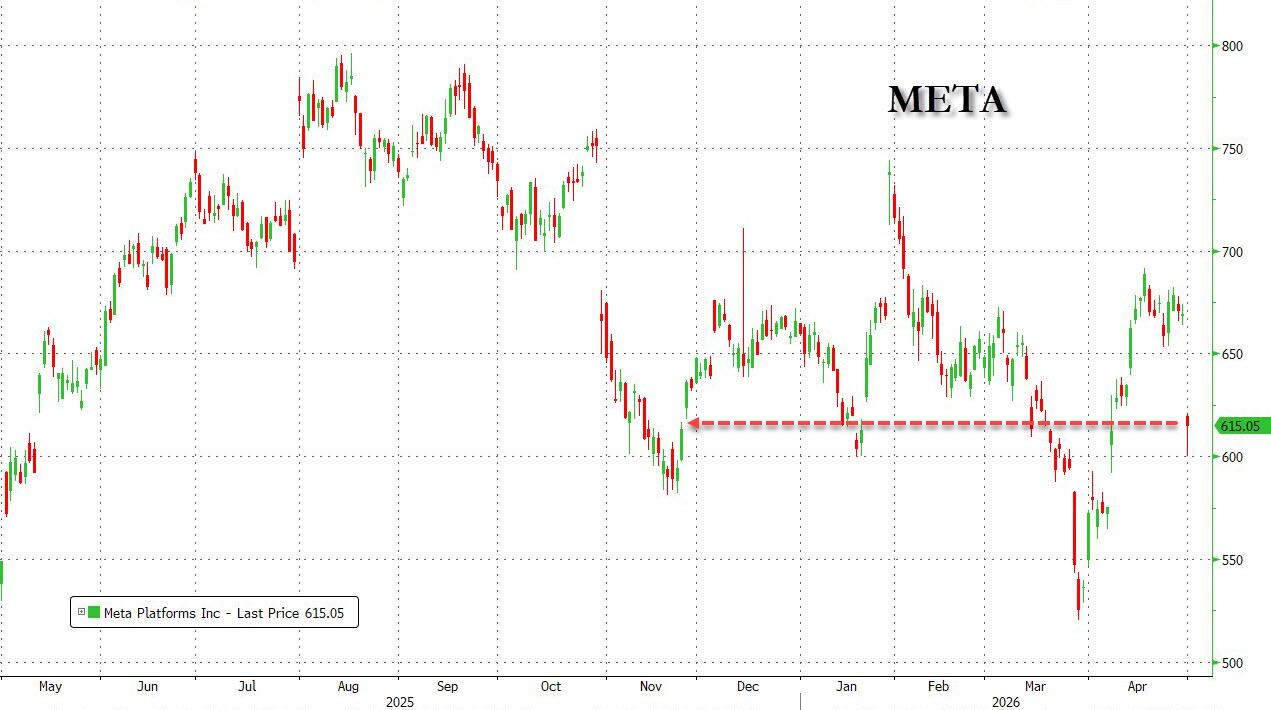
Tech was a different story. Meta platforms and Microsoft weighed heavily on the S&P 500 and Nasdaq, falling 9% and 5%, respectively.

Meta was pressured by higher‑than‑expected capital spending and softer user growth, while Microsoft pulled back after projecting total spending could climb to $190 billion due to rising memory costs.

Even with today’s tech weakness, the bigger picture remains constructive. A strong run in recent weeks has put all three major averages on track to finish the month solidly higher.

The S&P 500 is now up more than 9% month‑to‑date, setting up its best monthly performance since November 2020.

Markets are coming off a mixed session following the fed’s decision to hold rates steady at 3.5%–3.75%. While the outcome was expected, the 8‑4 vote raised eyebrows, marking the first time since 1992 that four fed officials dissented.

Several policymakers appear increasingly uneasy about inflation and seem eager to signal that the next move may not be a rate cut.

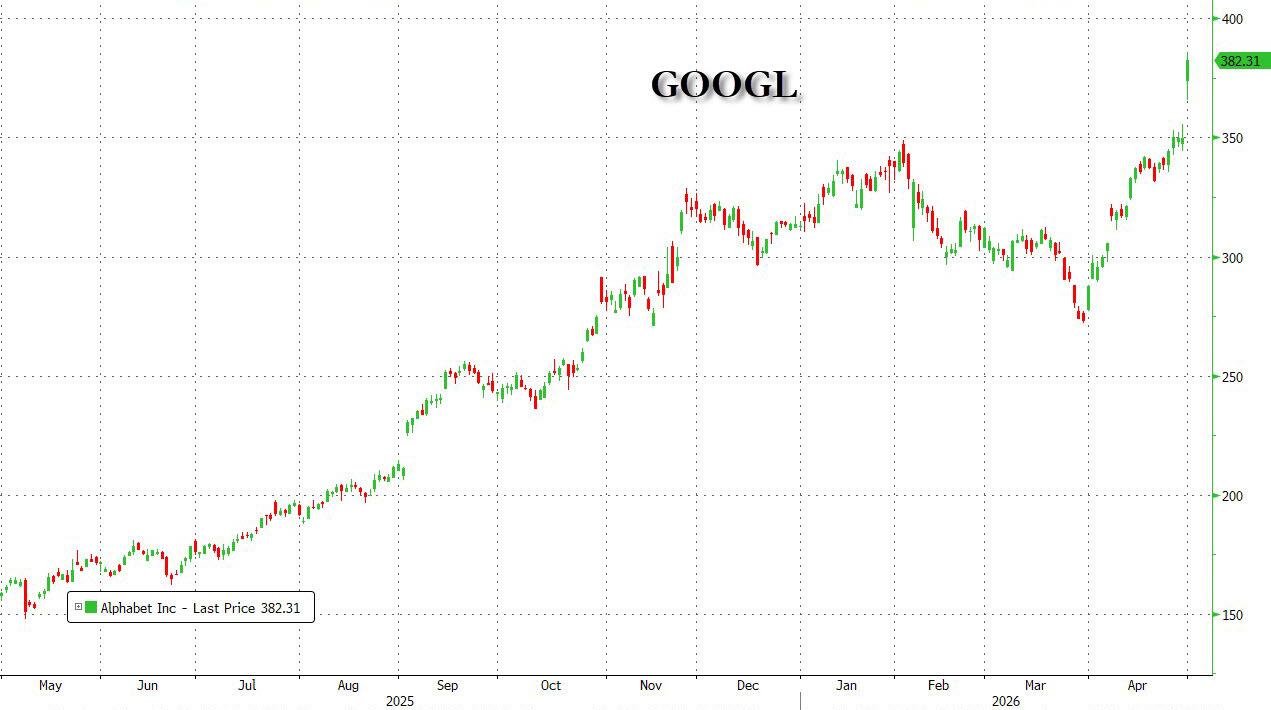
After treading water earlier in the week, stocks melted higher as dip buyers stepped in and pushed indexes to fresh all‑time highs. Among the magnificent seven, results were mixed — Google surged to a new record, while Meta went the other way.

Overnight, intervention by the bank of Japan pushed the dollar lower and helped drag bond yields and oil prices down as well, giving a boost to risk assets.

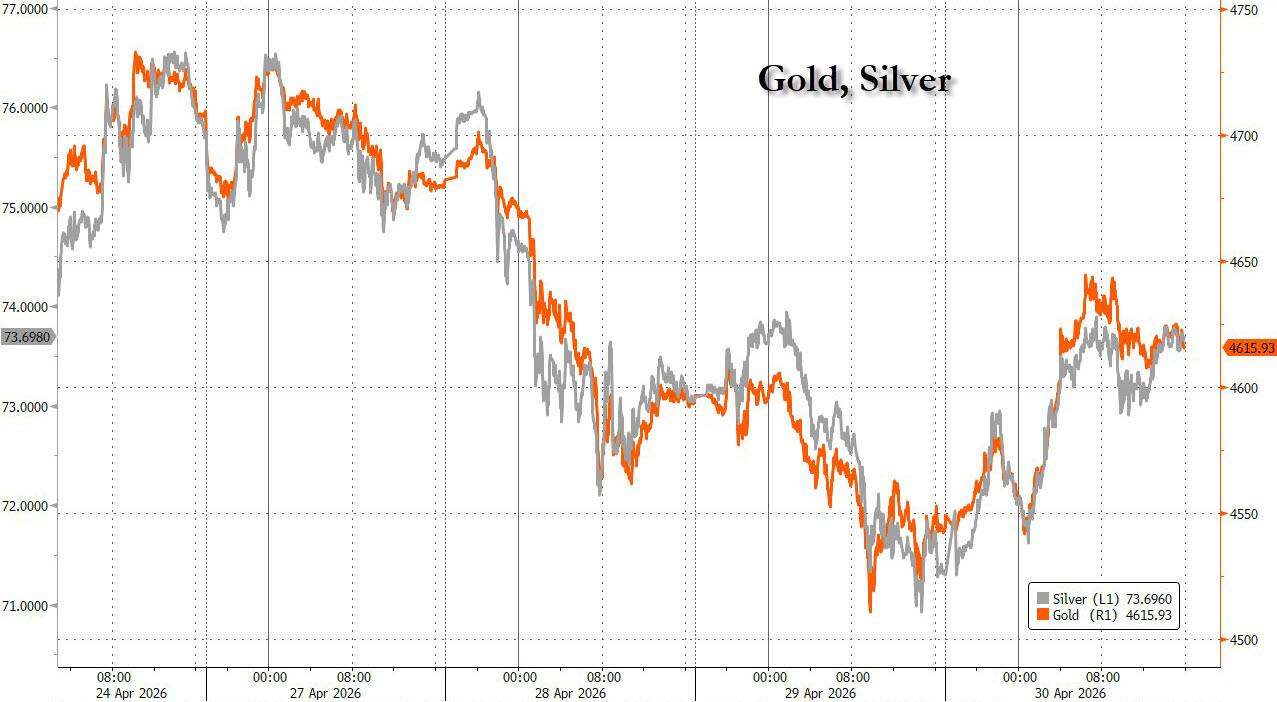
Precious metals and Bitcoin bounced during the session but remain largely stalled.

With Apple earnings due out this afternoon, the big question is: will they provide the next leg higher—or throw some cold water on the rally?

Read More

Higher Oil, Hawkish Powell, And A Market Going Nowhere

Ulli Market Commentary Contact

[Chart courtesy of MarketWatch.com]

  1. Moving the market

The S&P 500 spent most of the session hovering near unchanged, while oil prices kept pushing higher amid an ongoing U.S. blockade of Iranian ports. With energy prices climbing, traders stayed cautious heading into a packed stretch of catalysts.

Markets were also focused on what could be Jerome Powell’s final policy meeting as Federal Reserve chair, along with earnings from four members of the “Magnificent Seven.”

Expectations were low for any rate changes, but high for guidance—especially given how much uncertainty is tied to inflation and geopolitics right now.

Oil continued its climb after The Wall Street Journal reported that President Trump has asked aides to prepare for a prolonged blockade of Iran.

West Texas Intermediate crude jumped another 4%, pushing back above $104 per barrel. The ongoing closure of the Strait of Hormuz, a key artery for global oil flows, remains a major concern and keeps upward pressure on energy prices.

As expected, the Fed held rates steady. However, Powell struck a hawkish tone in his press conference, warning that “the effects of oil‑related inflation are still in front of us.” Mixed macro data didn’t help ease concerns, leaving markets stuck in neutral.

By the close, oil surged, bond yields moved higher, and the dollar strengthened.

Gold and Bitcoin both headed lower, while the S&P 500 and Nasdaq finished essentially flat—another day of plenty of motion beneath the surface, but little progress overall.

Elevated energy prices seem likely to stick around longer than hoped. That said, with the UAE exiting OPEC, could shifting supply dynamics eventually open the door for a reversal in oil prices—or are higher energy costs here to stay?

Read More