
1. Moving the Markets
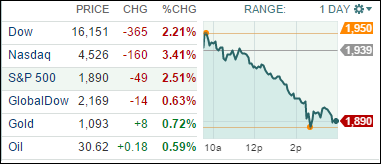
Intense selling returned to Wall Street in afternoon trading Wednesday, pushing the Dow down 365 points and slicing 3.4% off of the tech-packed Nasdaq, dashing hopes for a third straight day of gains on Wall Street and extending the financial pain in what has been a horrific start to the year.
Earlier in the day, it appeared the market math was basic Arithmetic 101: Better data from China plus higher oil prices equals higher stock prices. But that investment thesis gave way later to fears of a global recession and the decision of investors to pare back risk and sell stocks confirming that the bearish trend is in full force.
We heard some disappointing news from GoPro (GPRO) today. The company said it only expects to post revenue of $435 million during the fourth quarter, missing analysts forecasts calling for revenue of $508 million by 14%. The company blamed lower than anticipated sales of its capture devices due to slower than expected sell through at retailers. They also announced it would cut 7% of its workforce of more than 1,500 employees as of the end of 2015. GoPro is one of the most severe examples of the recent crop of over-hyped technology companies selling hardware and winning a huge valuation with investors. The dose of reality seems to be spreading.
All of our 10 ETFs in the Spotlight shifted into reverse and got spanked as the bears took charge. Getting downright clobbered was Consumer Discretionaries (XLY) with -3.37%. Resisting the mauling the best were the Select Dividend ETF (DVY) and the Low Volatility ETF (SPLV) which each gave back -1.50%.
This is the time for preservation of capital, and we continue to stay on the sidelines.
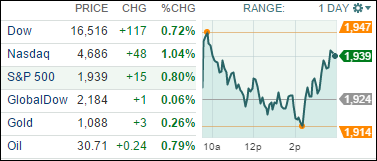
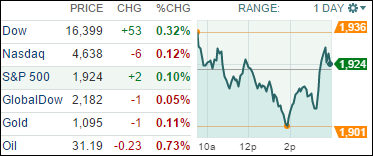
 US equities are expected to give single-digit returns this year though the initial days look a little bad, said Bob Doll of Nuveen Asset Management. The current market turmoil looks a lot like August last year with plenty of similarities.
 While the debate among market participants rages about the frequency of rate increases in 2016, investors worried about capital protection may consider an industry first fixed-income product product since not all bonds would get hammered with the gradual normalization of interest rates.