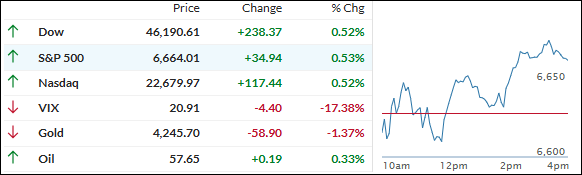
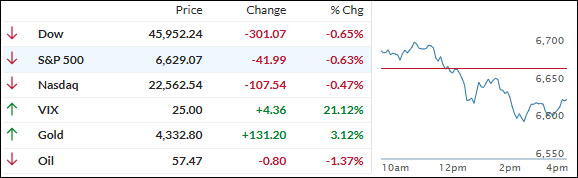
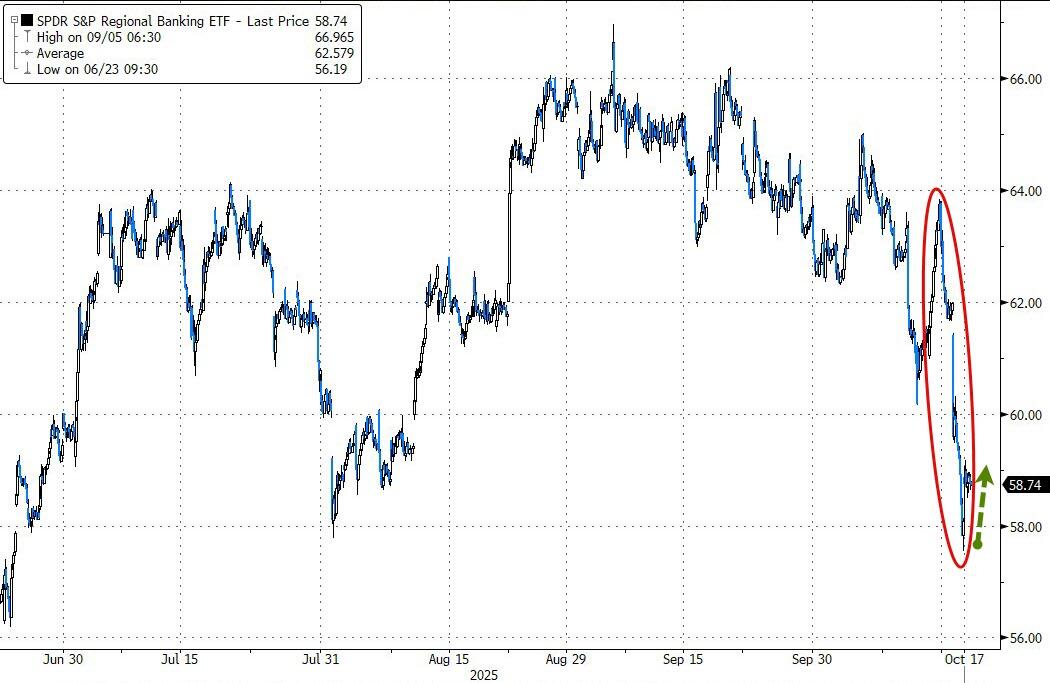
Stocks started the day mixed as traders tried to shake off lingering worries from Thursday’s steep selloff in regional banks. By the afternoon, confidence began to return, and the major indexes firmed up, eventually closing higher to cap off the week on a stronger note.
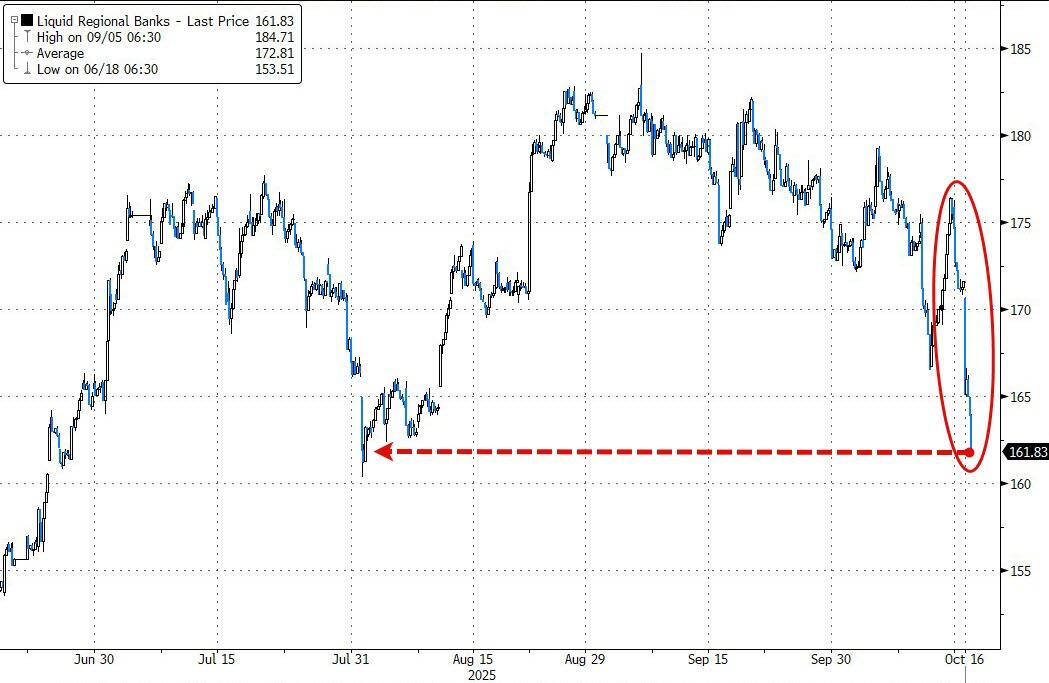
Regional bank names that led Thursday’s rout bounced back as Wall Street analysts defended the stocks and bet the bad-credit headlines were isolated.
Zions Bancorp, which plunged 13% yesterday after disclosing a $50 million loan charge-off tied to alleged fraud, gained about 2% today after receiving an upgrade. Western Alliance, down 11% on Thursday after revealing similar loan issues, also clawed back some early losses.
Investment bank Jefferies joined the rebound, rising roughly 3% after Oppenheimer raised its rating to outperform, just a day after the stock sank on concerns about exposure to bankrupt retailer First Brands.
For now, most in the market believe recent loan problems at banks like Zions and Western Alliance are one-off situations rather than evidence of a wider credit problem.
By the close, major indexes had stabilized, helped by a relatively quiet tape from the banking and private credit side.
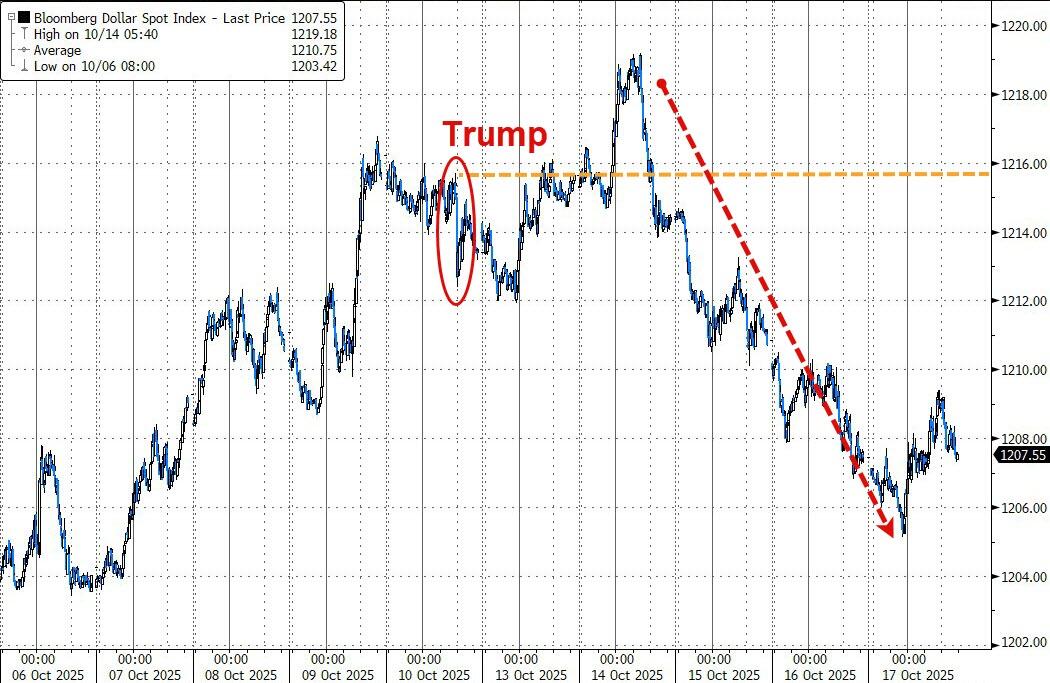
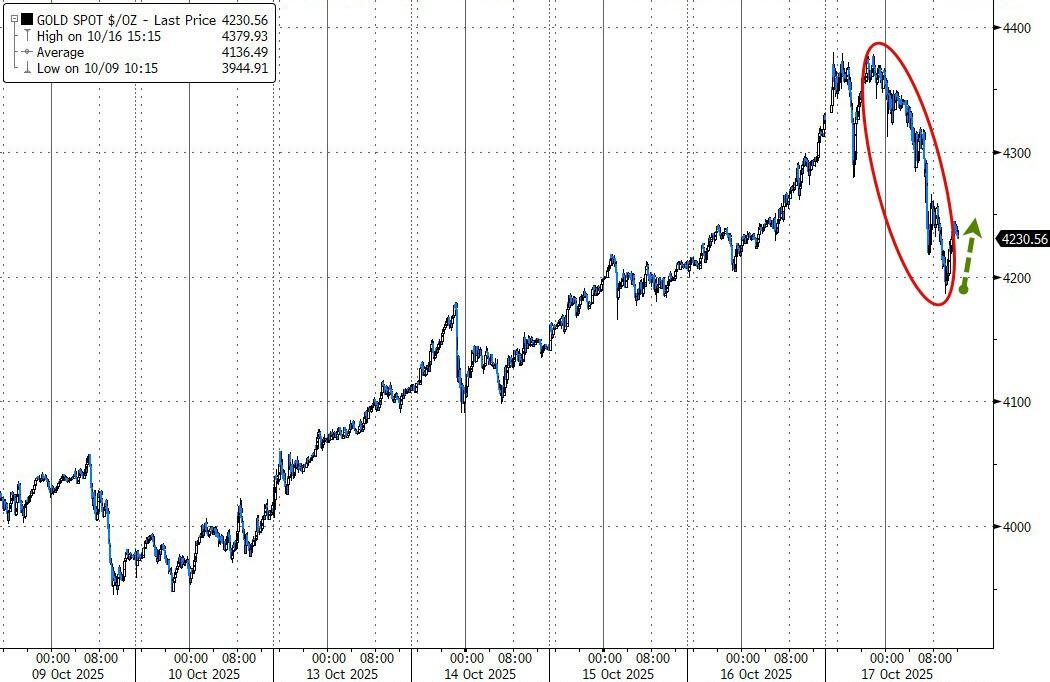
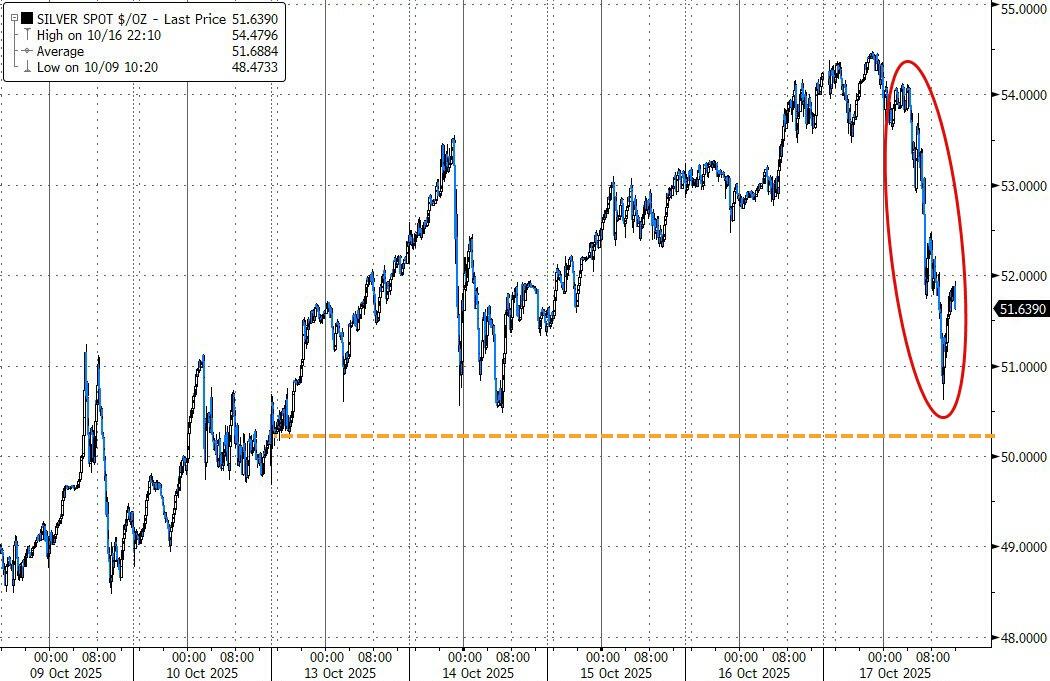
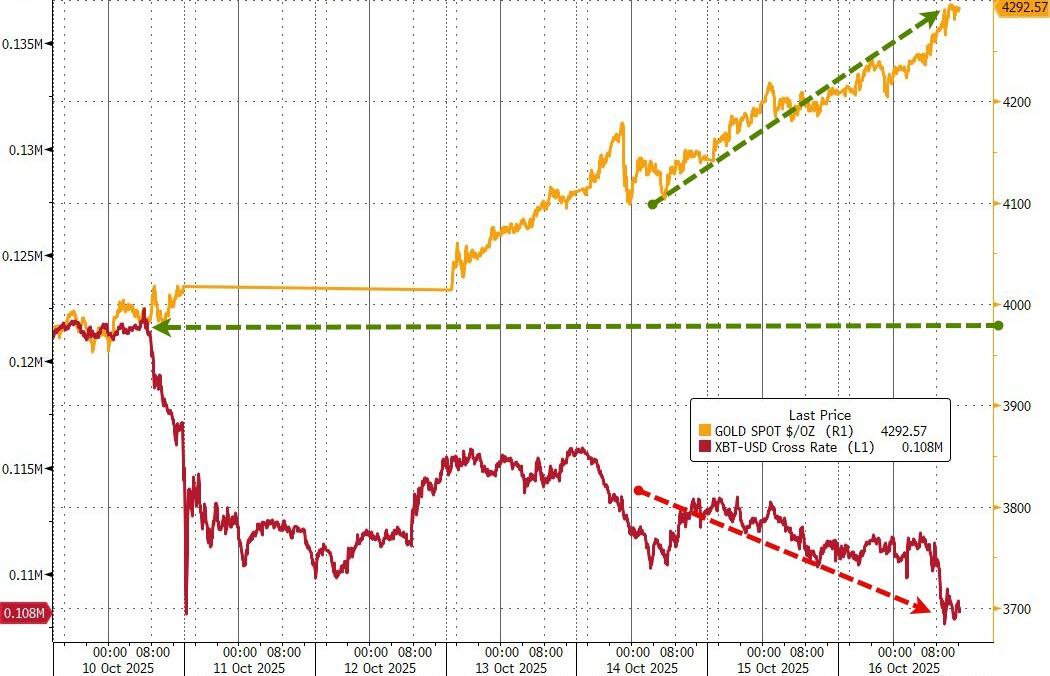
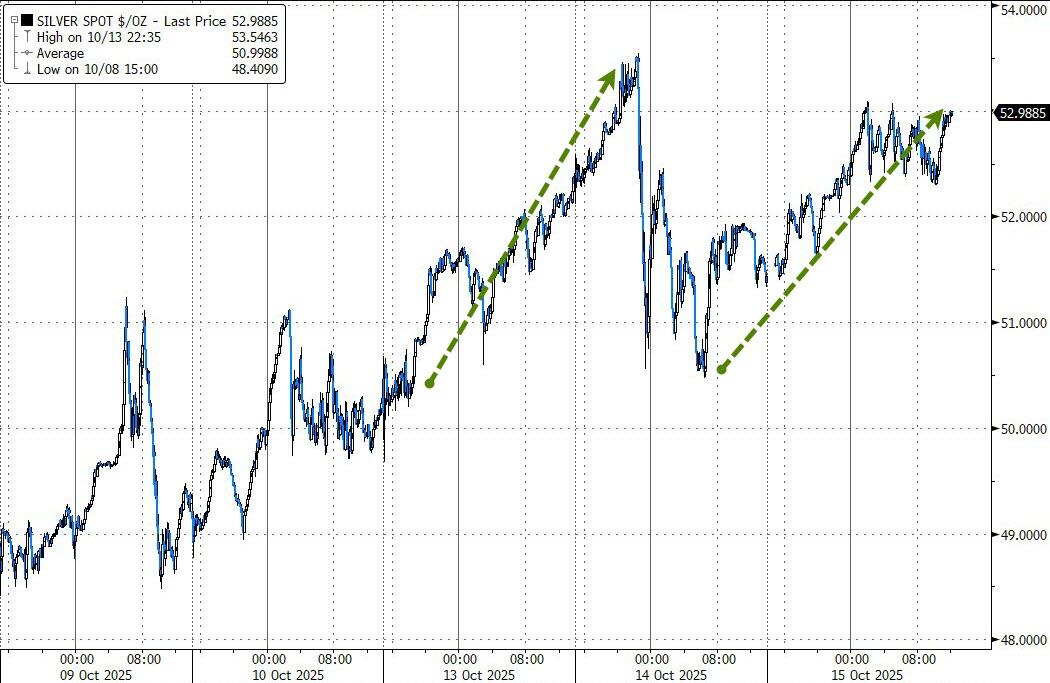
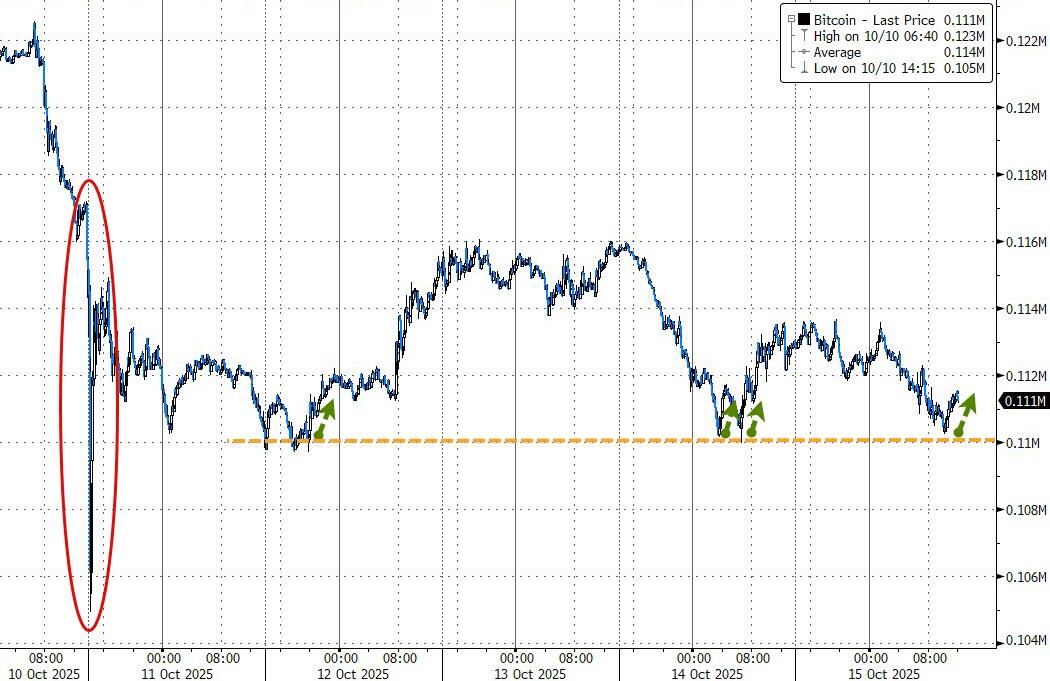
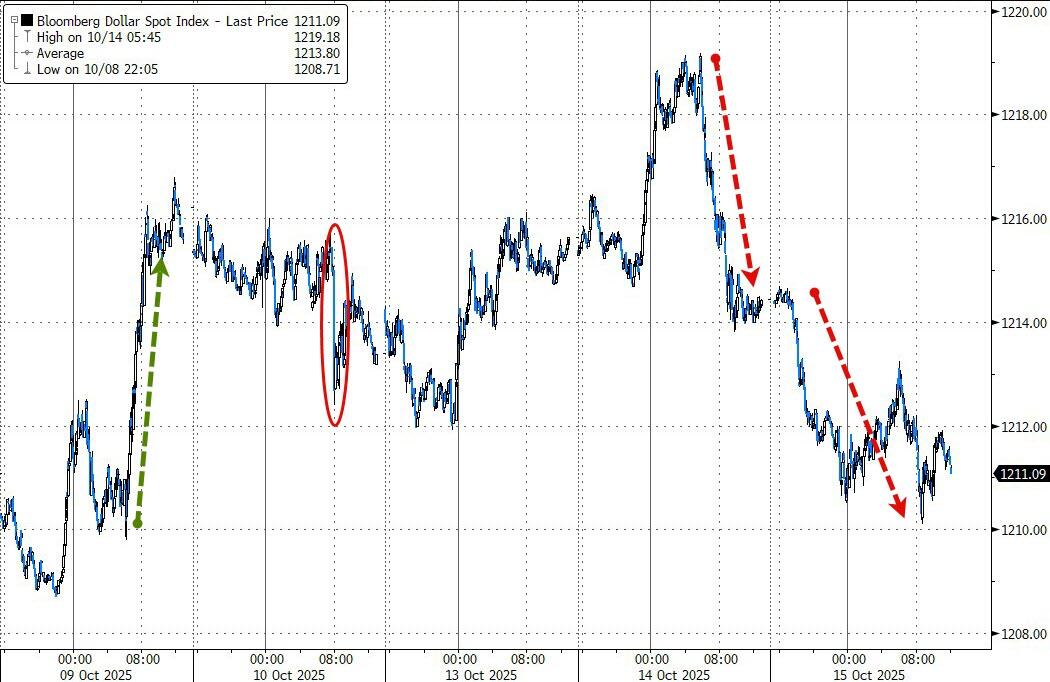
The dollar just notched its worst week in two months, while gold and silver finally cooled after a relentless run higher. Bitcoin slipped to around $107,000 after briefly hitting $104,000 earlier in the session.
With markets showing signs of steadiness heading into next week, will fresh earnings and inflation data help solidify this rebound, or will lingering credit worries creep back into focus?
ETF Data updated through Thursday, October 16, 2025
How to use this StatSheet:
Out of the 1,800+ ETFs out there, I only pick the ones that trade over $5 million per day (HV ETFs), so you don’t get stuck with a lemon that nobody wants to buy or sell.
Trend Tracking Indexes (TTIs)
These are the main indicators that tell you when to buy or sell Domestic and International ETFs (section 1 and 2). They do that by comparing their position to their long-term M/A (Moving Average). If they cross above, and stay there, it’s a green light to buy. If they fall below, and keep going, it’s a red light to sell. And to make sure you don’t lose your shirt if things go south, I also use a 12% trailing stop loss on all positions in these categories.
All other investment areas don’t have a TTI and should be traded based on the position of each ETF relative to its own trend line (%M/A). That’s why I call them “Selective Buy.” In other words, if an ETF goes above its own trend line, you can buy it. But don’t forget to use a trailing sell stop of 12%, or less if you’re feeling nervous.
If some of these words sound like Greek to you, please check out the Glossary of Terms and new subscriber information in section 9.
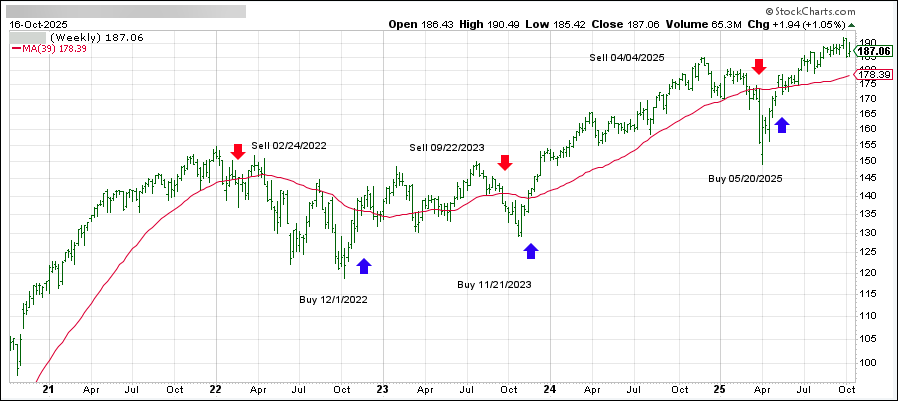
DOMESTIC EQUITY ETFs: BUY— effective 5/20/2025
Click on chart to enlarge
This is our main compass, the Domestic Trend Tracking Index (TTI-green line in the above chart). It has broken above its long-term trend line (red) by +5.00% and remains in “Buy” mode, with our new holdings being subject to our trailing sell stops.
The link below shows all High Volume (HV) Domestic Equity ETFs. They are ranked by M-Index, which is my secret sauce for measuring momentum. Prices in all linked tables below are updated through 10/16/2025, unless otherwise noted. Price data not yet available at publication is indicated with 00.00% or -100.00%. Please note that distributions are not included in the current momentum numbers.
If the TTI is above the trend line, you can use the tables in the link below to pick your winners:
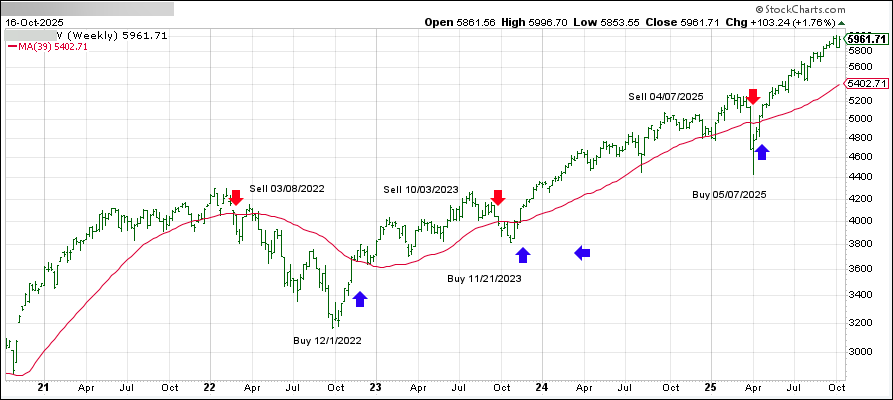
This is our global guide, the International Trend Tracking Index (green). It has broken above its long-term trend line (red) by +10.87% and has been in “Buy” mode since 5/7/2025.
The list in the link below shows the High Volume (HV) International ETFs I track for you during a Buy cycle. They are also ranked by M-Index:
This is the mother of all lists, showing all ETFs I track and how they stack up against each other. The sorting order is by M-Index too. Momentum figures for all ETFs are not adjusted for dividends.
This is where you can find HV ETFs for specific countries or regions that I watch every week. Please note that the data in this table does not include adjustments due to distributions. Country funds can be wild beasts, so make sure you use a trailing stop loss (I use 10%) to protect yourself from nasty bites.
This is where you can diversify your portfolio by looking for different opportunities in various sectors of the market. The table of HV Sector ETFs in the following link covers a wide range of possibilities. The sorting order is by M-Index:
Here too, I recommend using a 10% trailing stop loss to limit your risk.
BOND & DIVIDEND ETFs: SELECTIVE BUY
If you like getting paid for holding ETFs, here’s a list of bond and dividend paying ETFs. But before you buy them, make sure you check their momentum figures first. Then you can visit your favorite financial web site to see their yield and other details.
Please note that the data in this table does not include adjustments due to distributions.
Please note that some of these funds try to beat the index they are tied to by a certain percentage. This can boost your returns, but it can also magnify your losses. So be careful and use a trailing sell stop (I suggest 10%) and be ready for some bumps along the way.
NEW SUBSCRIBER INFORMATION
To get a head start on more successful investing, please click on:
In case you missed it, you can download my latest e-book “How to beat the S&P 500…with the S&P 500,” here. If you are investing your 401k and must use mutual funds, I suggest you mainly stick with the S&P 500 as described in my book. Of course, you can always use the above tables to find sector or country ETFs that suit your taste and use the equivalent mutual funds as offered by your custodian.
Disclosure:
I must tell you that I, as well as my advisory clients, own some of the ETFs listed in the above table. Also, they are not meant to be specific investment recommendations for you, they just show which ETFs from my universe are doing well right now.
Stocks jumped out of the gate early on, fueled by upbeat bank earnings and optimistic forecasts from tech heavyweights that briefly pushed trade-war worries to the back burner.
Big Tech helped keep the early rally alive—Nvidia gained 1.2%, while Broadcom rose another 2% after Taiwan Semiconductor lifted its 2025 revenue outlook to mid-30% growth and reaffirmed plans for $42 billion in capital spending before year-end.
Momentum from earlier in the week carried over, thanks to strong reports from Goldman Sachs, Wells Fargo, and other big banks, which bolstered confidence in corporate fundamentals.
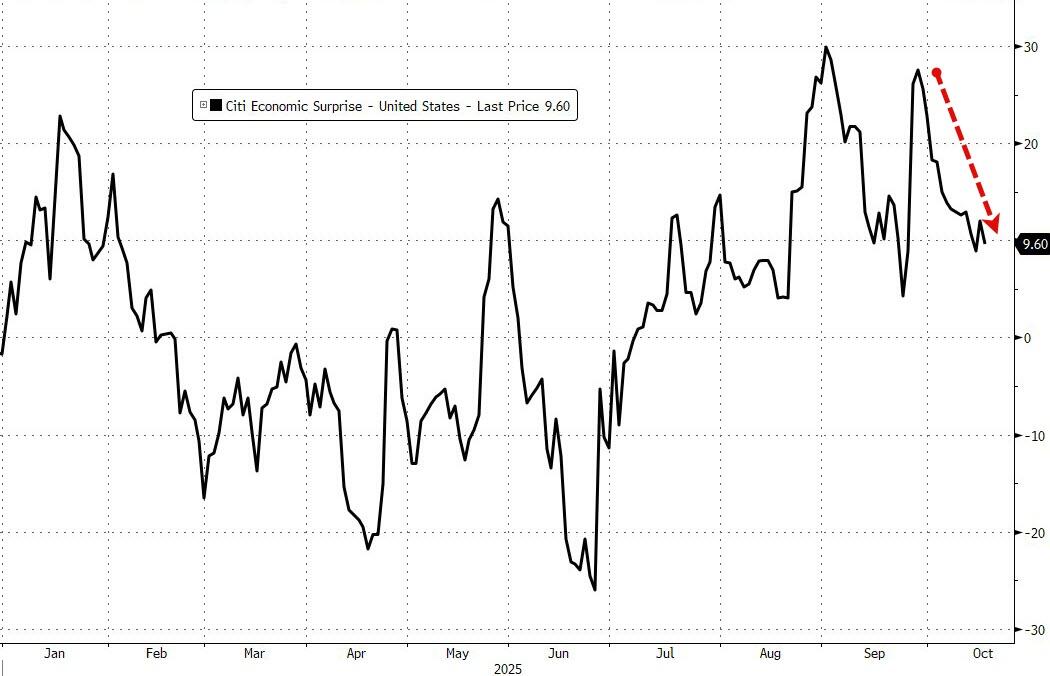
But as we’ve seen repeatedly this month, the early optimism didn’t last. Weak macro data, hawkish Fed comments, and fresh concerns over loan troubles at regional banks sapped enthusiasm by midday, with the major indexes turning south and surrendering Wednesday’s gains.
The latest hit to sentiment came from two regional lenders—Zions and Western Alliance—which revealed potential loan irregularities involving alleged fraud. That renewed fears about credit quality and financial stability, sparking a flight to safety.
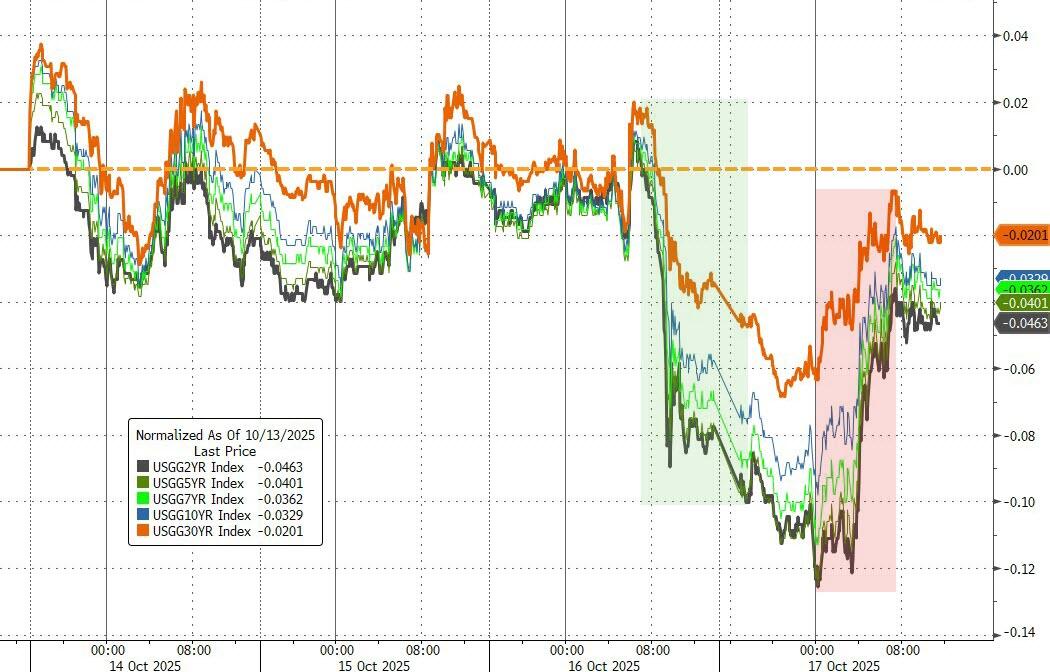
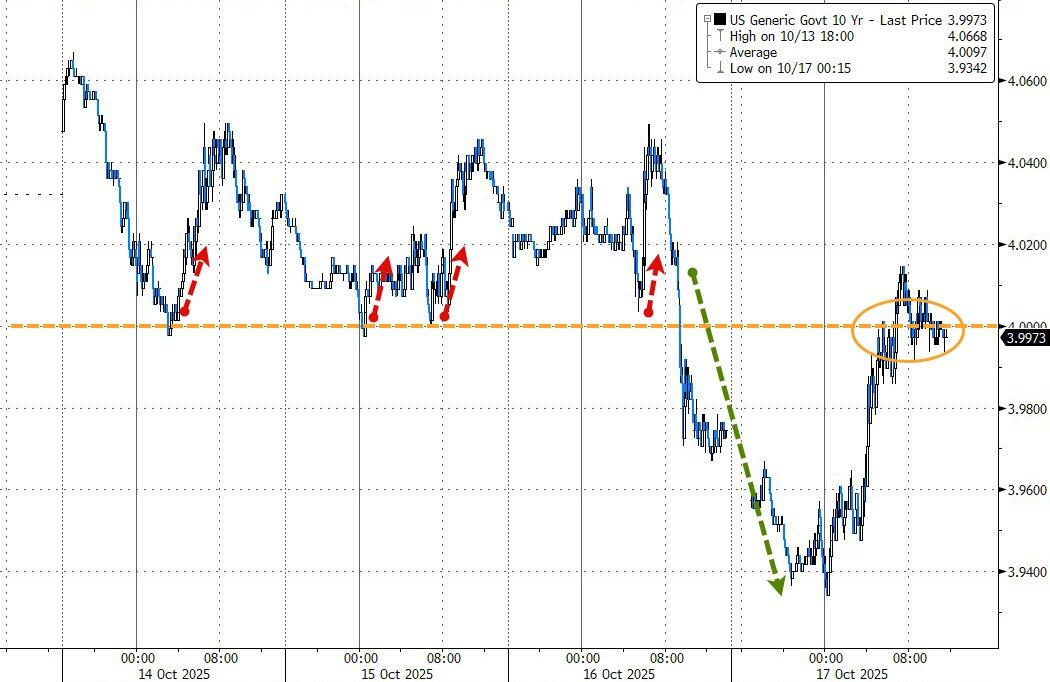
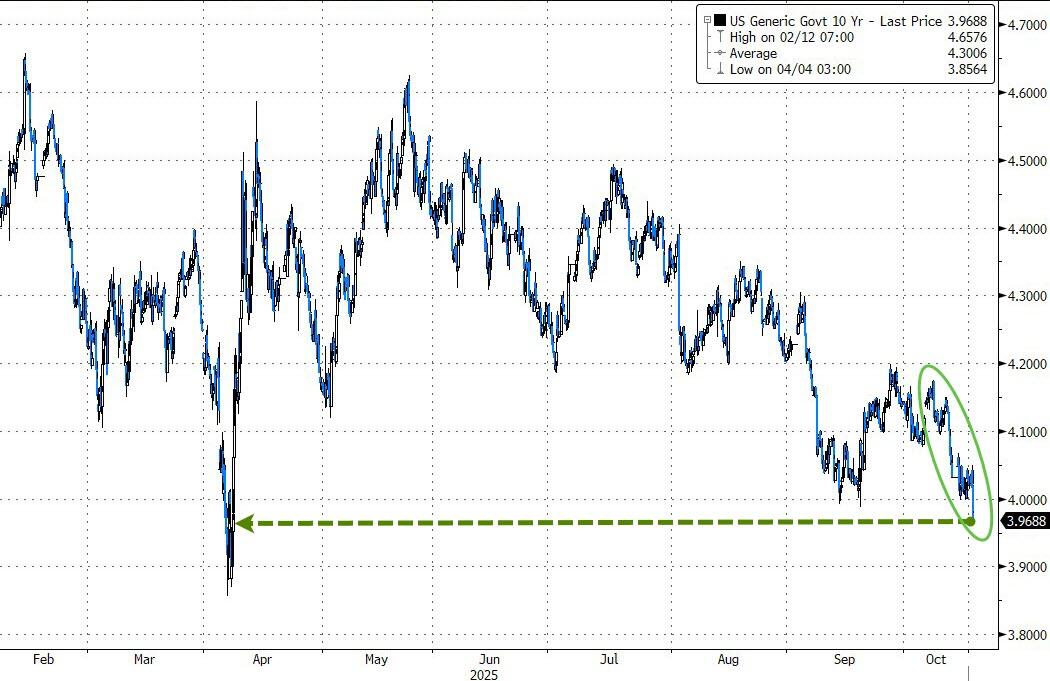
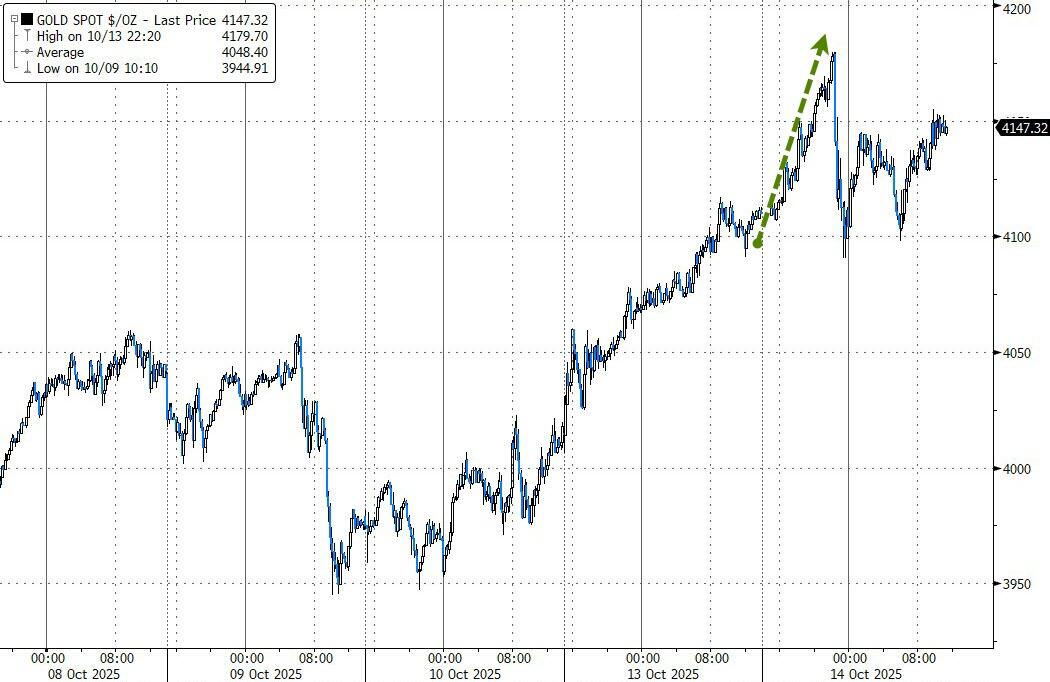
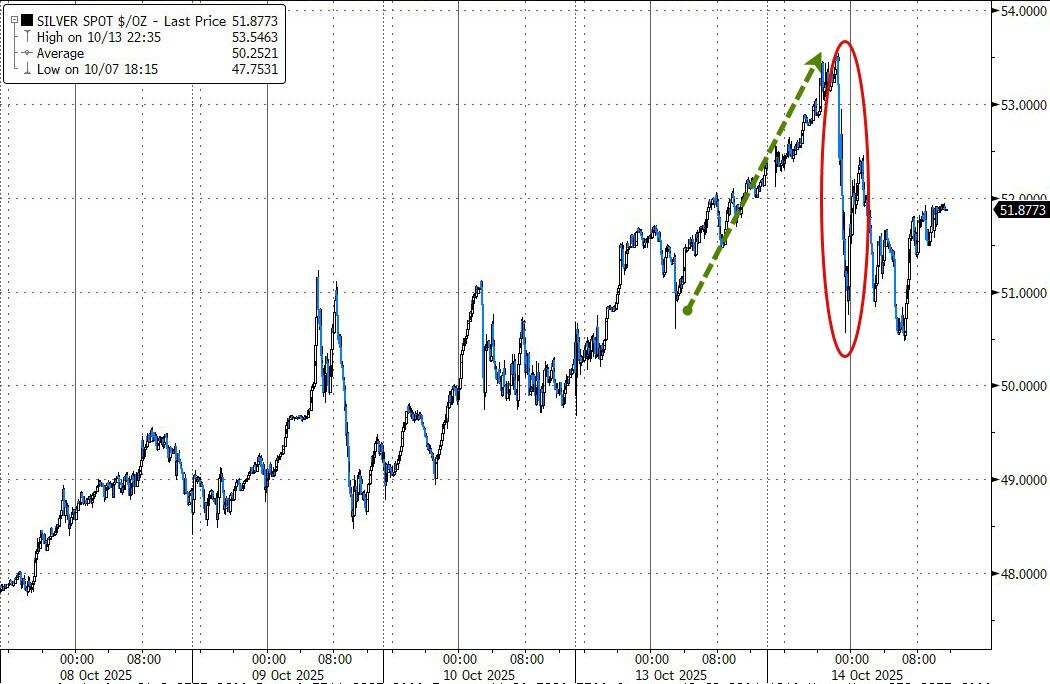
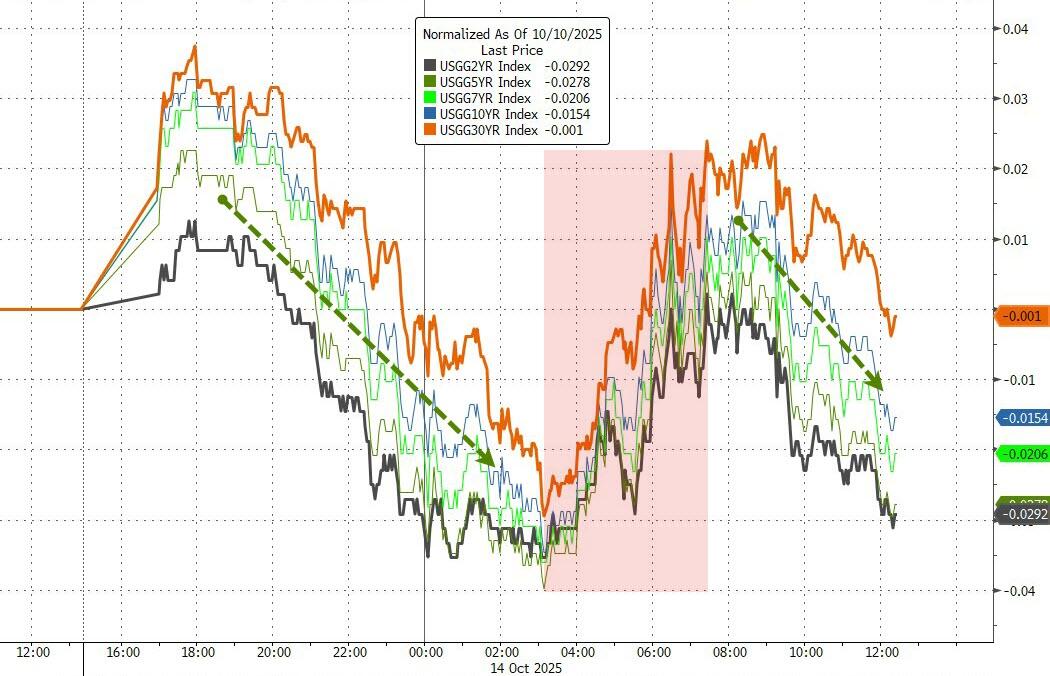
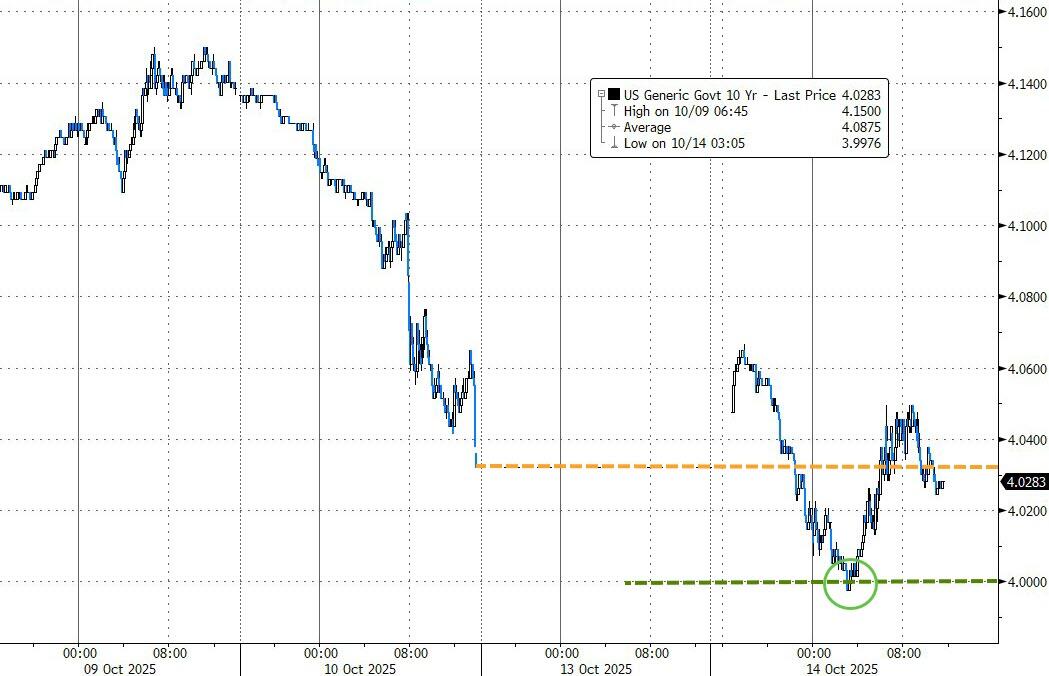
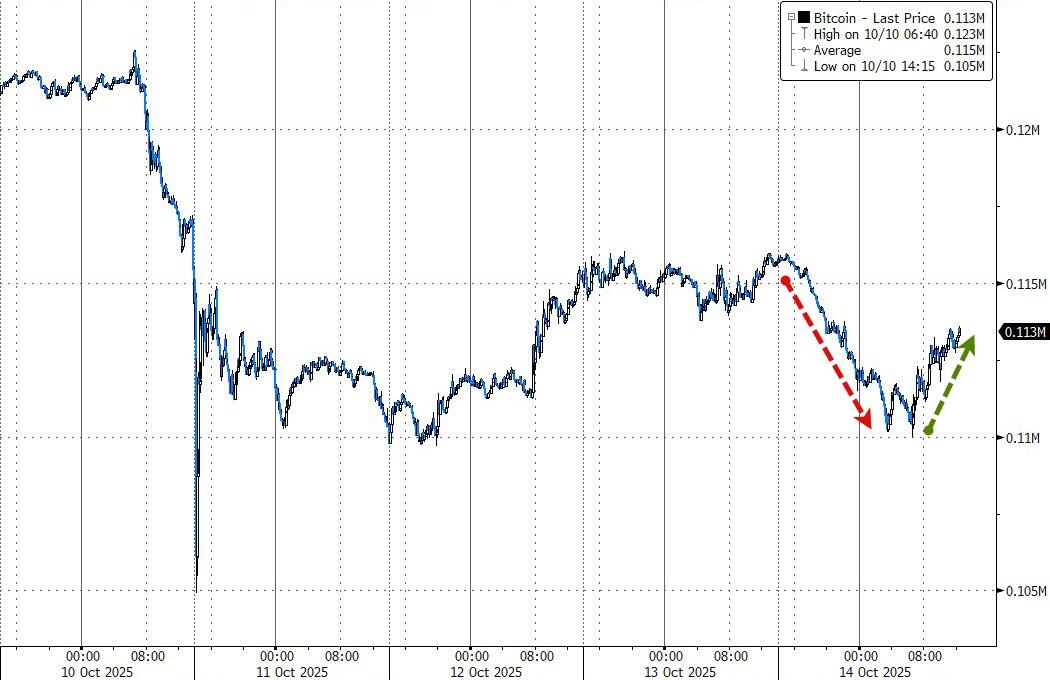
Bonds rallied, driving the 10-year Treasury yield below 4% for the first time in a year. The dollar slipped, gold soared 3.2% to another record, and silver climbed 1.7% to crack the $54 level. Bitcoin, meanwhile, slid to $107,000 before finding some support.
With the market now juggling upbeat earnings, banking worries, and shifting Fed signals, is this just a healthy reset—or the start of deeper caution setting in before year-end?
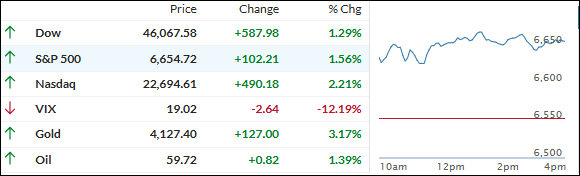
The bulls wasted no time taking charge this morning, pushing stocks higher as a string of upbeat earnings easily outweighed any anxiety from escalating trade tensions with China.
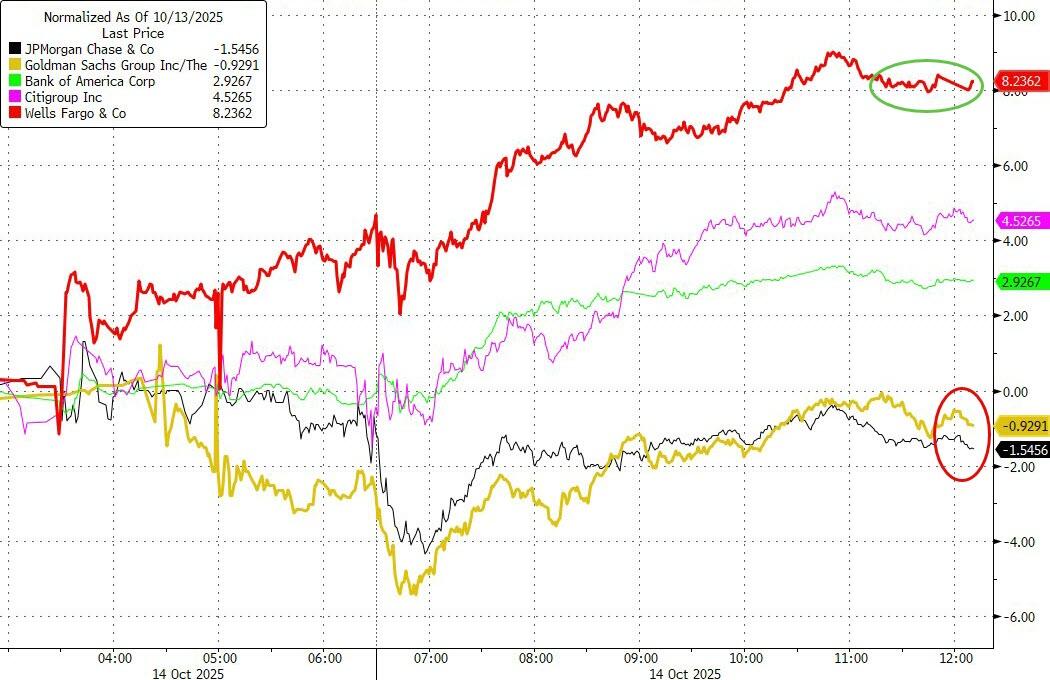
Big banks fueled the rally—Bank of America jumped 4% after smashing earnings forecasts thanks to a surge in investment banking revenue, and Morgan Stanley soared 6% on its own blowout results. Those strong showings followed Tuesday’s solid reports from Goldman Sachs and Wells Fargo, keeping the positive momentum rolling.
That said, it looks to me like stocks could drift sideways from here, especially if the trade war rumbles on and the ongoing government shutdown continues to weigh on sentiment.
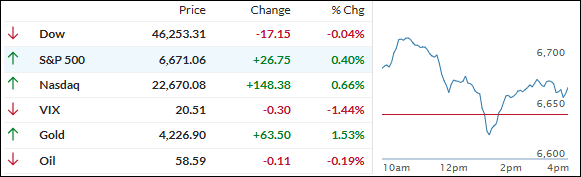
Yesterday’s session was a wild ride—the S&P 500 nearly staged a comeback but faded late after President Trump threatened a cooking oil embargo against China, hitting back for Beijing’s decision to stop buying U.S. soybeans.
Today, midday jitters briefly took markets into the red, but by the close today, bullish spirits returned, leaving only the Dow unable to keep pace.
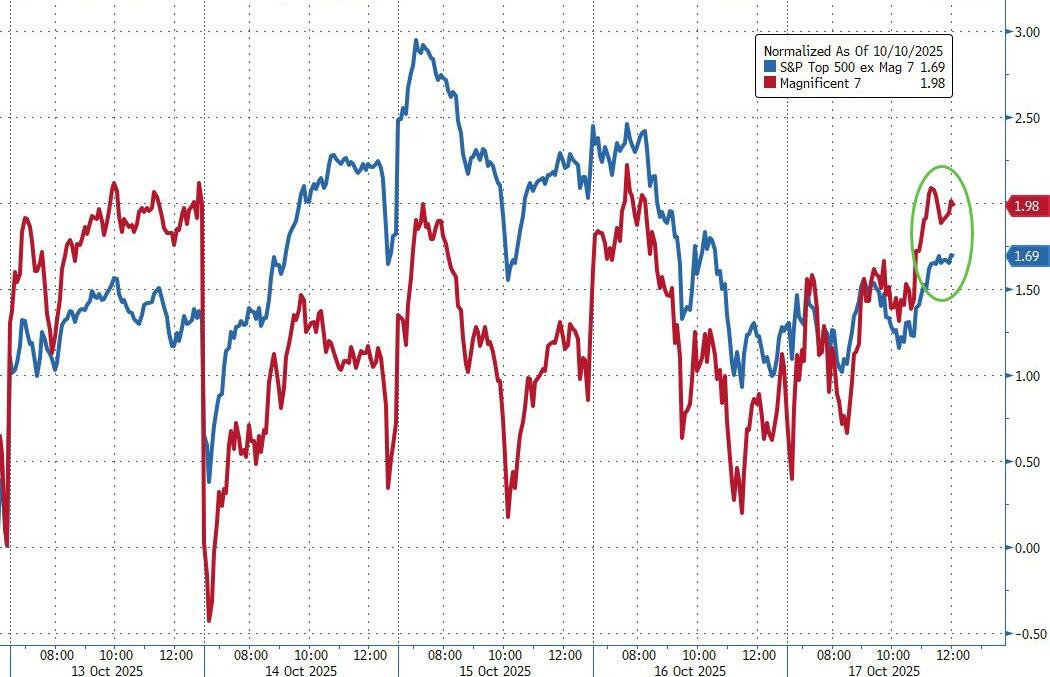
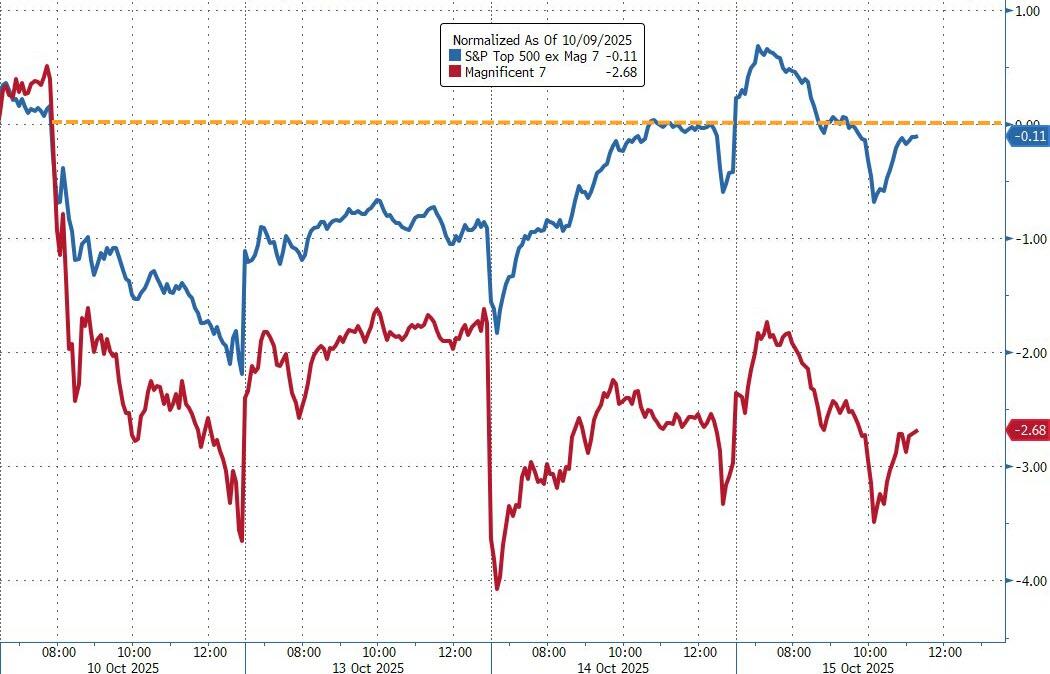
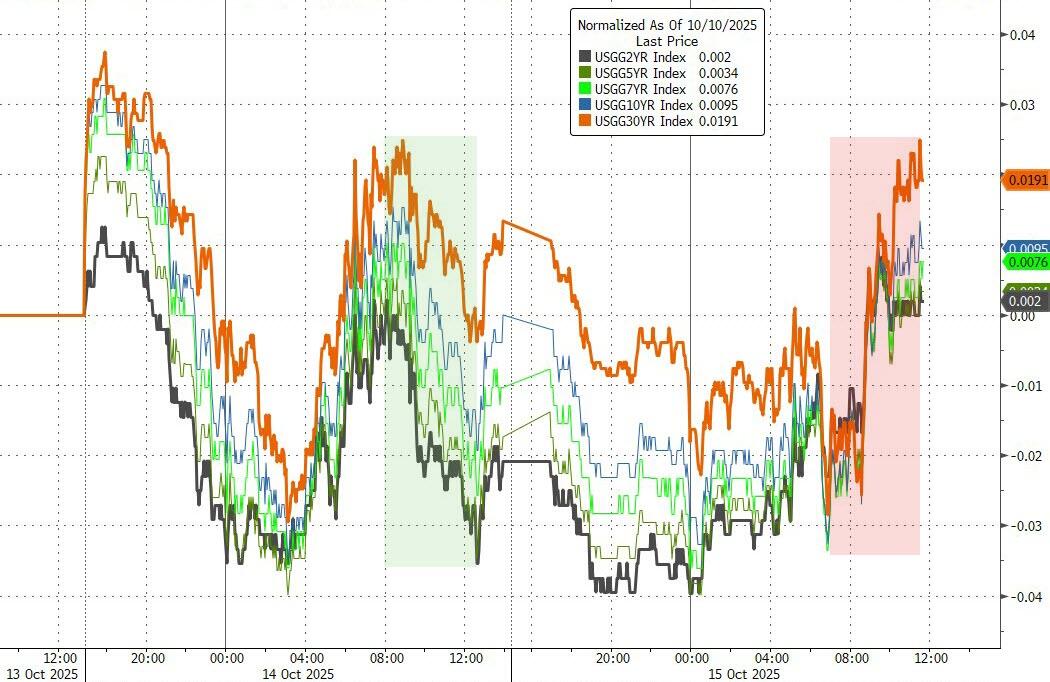
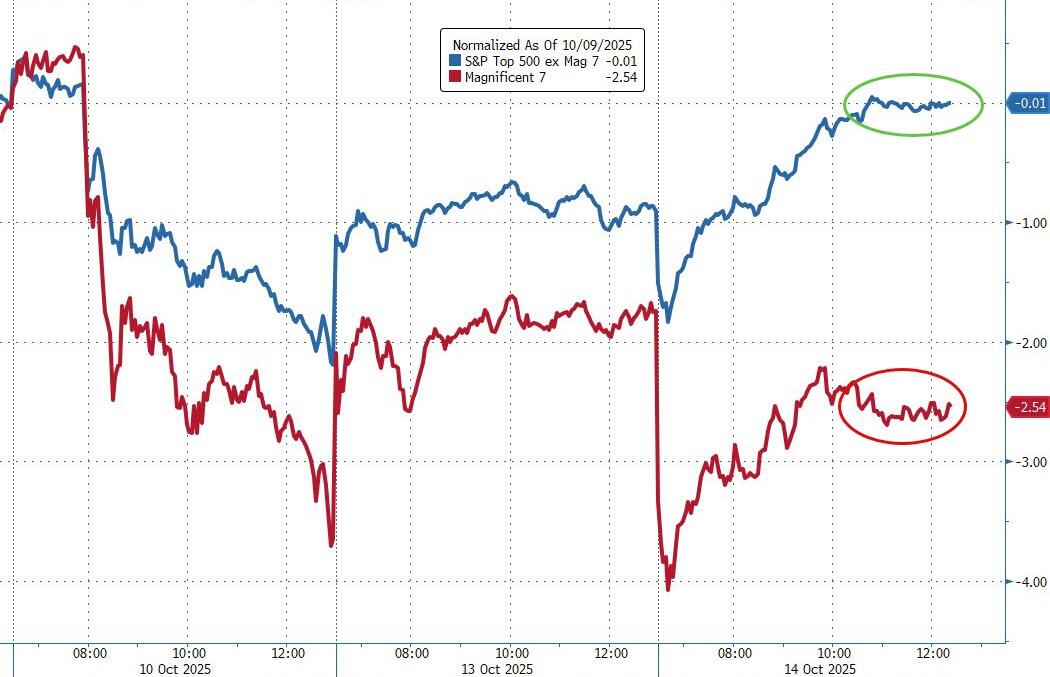
Once again, the broad market outperformed the big-name “Mag 7” stocks, while bond yields crept higher, and the 10-year Treasury bounced off the 4% mark.
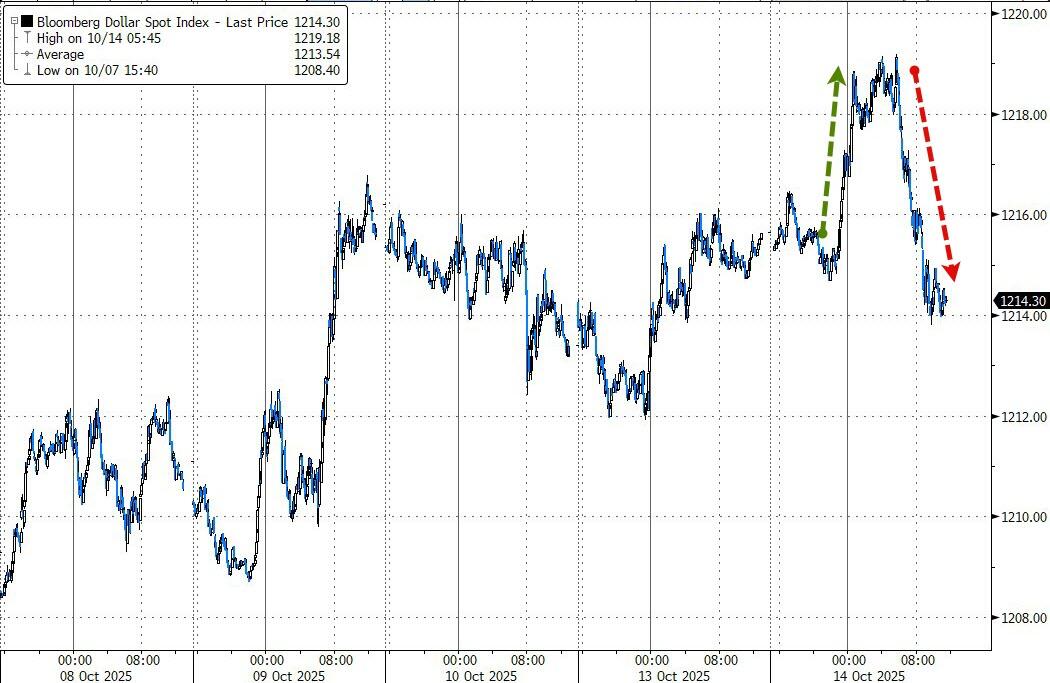
Gold kept smashing records, up 1.7% for the day, with silver also climbing 3.3% and just barely missing a fresh high. Bitcoin slipped to $111,000, and the dollar pulled back to one-week lows.
Is this just a quick burst of volatility as earnings compete with trade headlines—or are we in for more headline-driven swings as the drama unfolds?
The Dow pulled off an impressive comeback early on, shaking off a plunge of over 600 points as traders tried to see past the latest twists in U.S.-China trade tensions.
While tech stocks like Nvidia remained stuck in reverse, a strong kickoff to earnings season offered a reassuring sign that corporate fundamentals are still holding up.
Standout results from Citigroup and Wells Fargo propelled their stocks up 3.4% and 7%, while JPMorgan and Goldman also beat forecasts but still finished down on the day.
Markets opened lower after fresh moves from China to tighten its control on global shipping—and after Beijing slapped sanctions on five U.S. subsidiaries of Korea’s Hanwha Ocean, essentially freezing business ties.
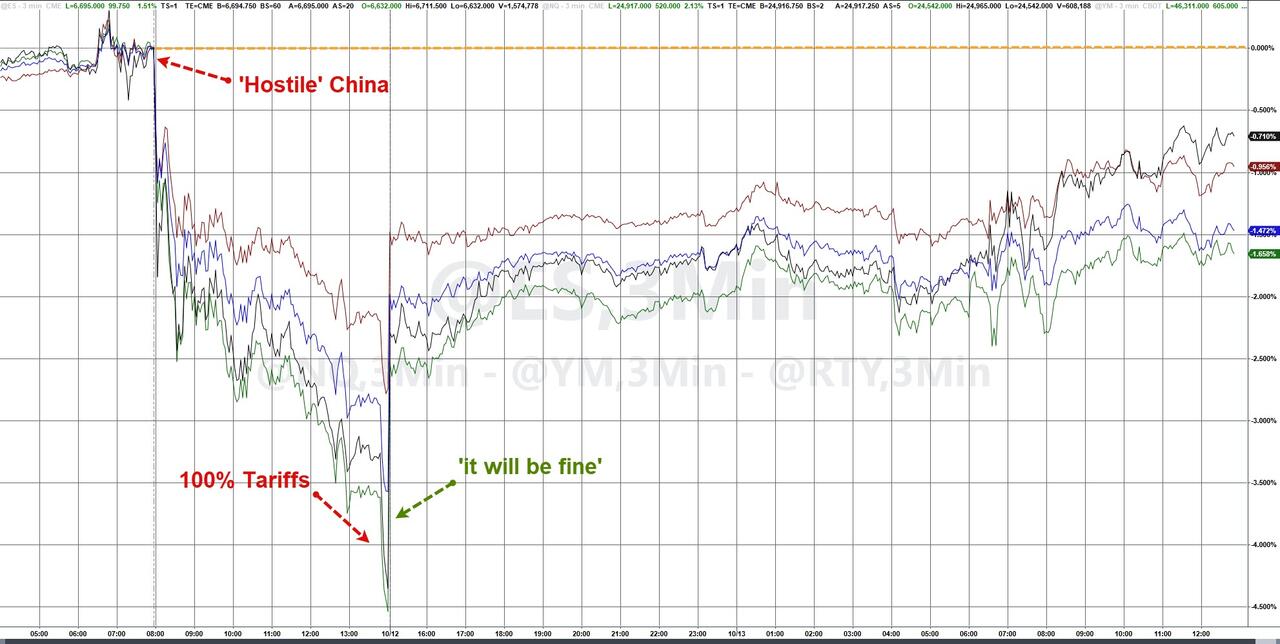
That added fuel to an already volatile backdrop, especially after Trump last week threatened to double tariffs on China, moves that sent the Dow tumbling more than 800 points on Friday and the S&P 500 to its worst session since early April.
Trump tried to dial back the rhetoric over the weekend, posting “Don’t worry about China, it will all be fine,” triggering Monday’s rally.
Today, however, that upbeat mood faded amid a new round of China headlines and Fed Chair Powell’s dovish remarks, which gave the market a brief lift before stocks closed mixed—only the Dow ending in the green.
Gold shot to another record before fading late, and silver had a volatile run, jumping above $53 then slipping.
Tech was the weakest link as “Mag 7” names lagged the S&P 500. Bond yields bounced around but ended a tad lower, with the 10-year briefly dipping to 4%. The dollar softened while bitcoin whipsawed but closed at $113,000, down for the day.
Uncertainty still rules the day: Will tech finally catch a break, or are markets in for more whiplash as the back-and-forth in trade talks drags on?
Stocks came roaring back Monday after President Trump toned down his tariff threats and struck a much calmer tone on China, saying trade relations “will all be fine”.
His comments helped reverse much of Friday’s steep selloff when fears of a renewed trade war wiped out roughly $2 trillion in market value.
Tech stocks were the day’s standouts—AMD, Nvidia, and Oracle each gained more than 3%, while Broadcom jumped over 7% after officially announcing a new partnership with OpenAI.
The reassuring tone from Trump’s Sunday post suggested he may not follow through with the 100% tariff threat that had markets rattled, easing investor jitters ahead of his potential meeting with President Xi later this month in South Korea.
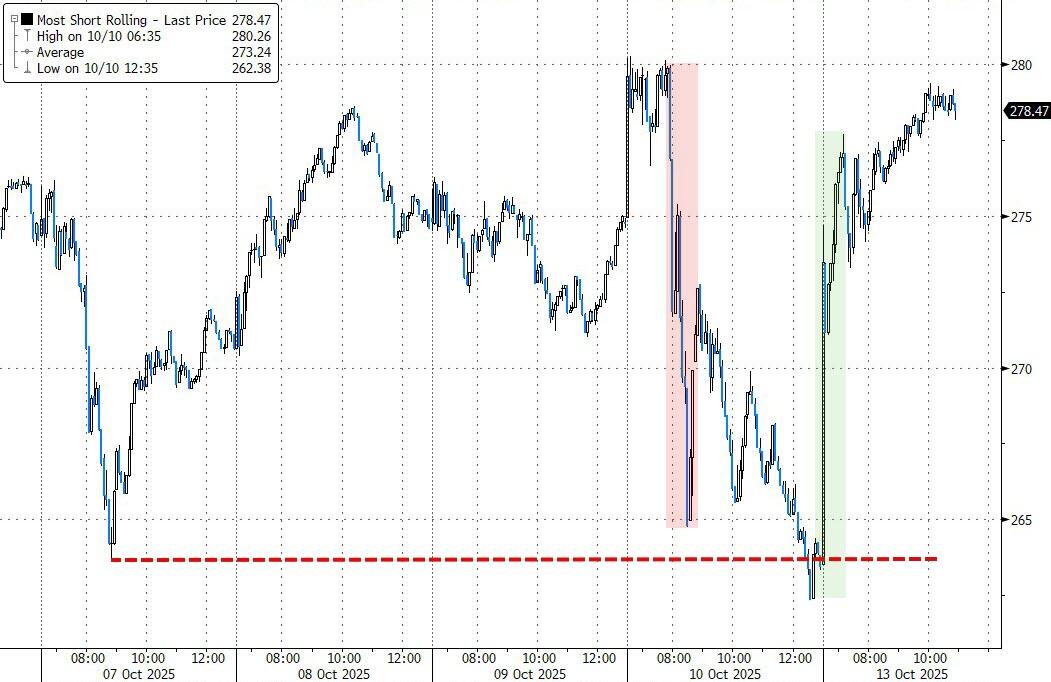
Nearly 80% of S&P 500 stocks traded higher, sparking a broad rebound across sectors. Small caps roared back too, with the Russell 2000 surging over 3% after last week’s bruising decline, helped along by what traders called a massive short squeeze.
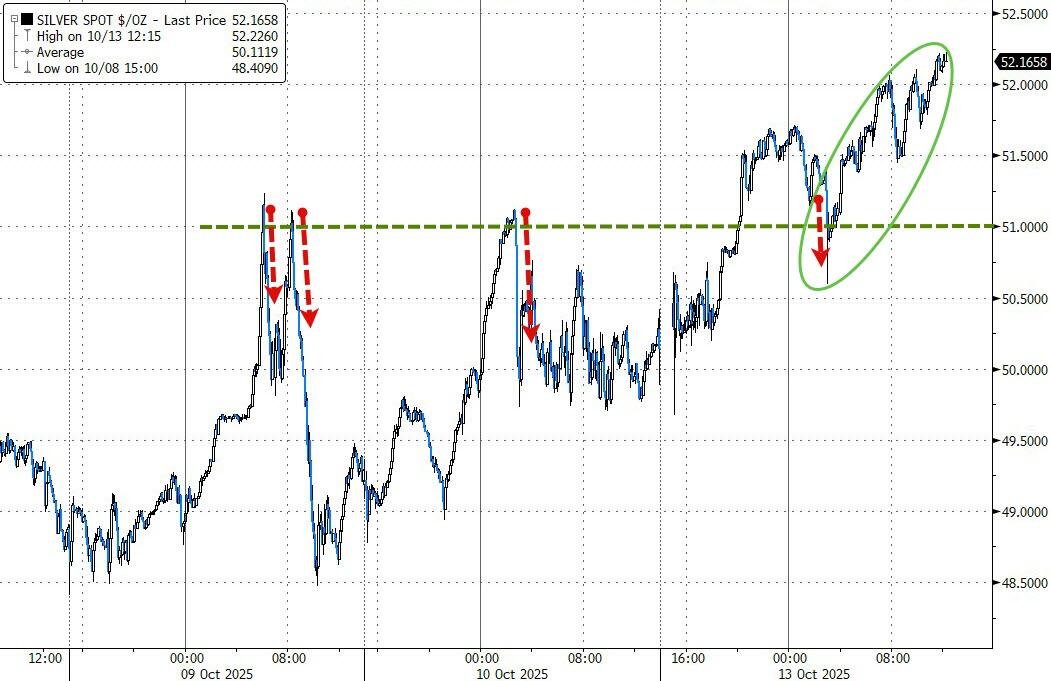
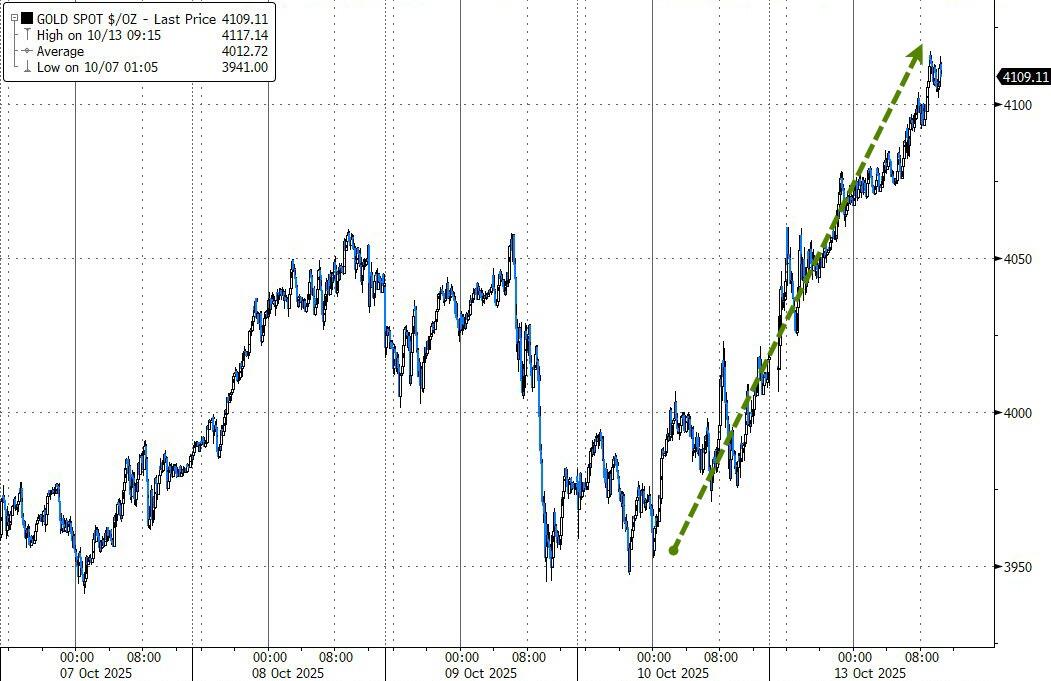
Precious metals once again stole the show—silver soared more than 4% to break $52, and gold surged past $4,100 for the first time ever.
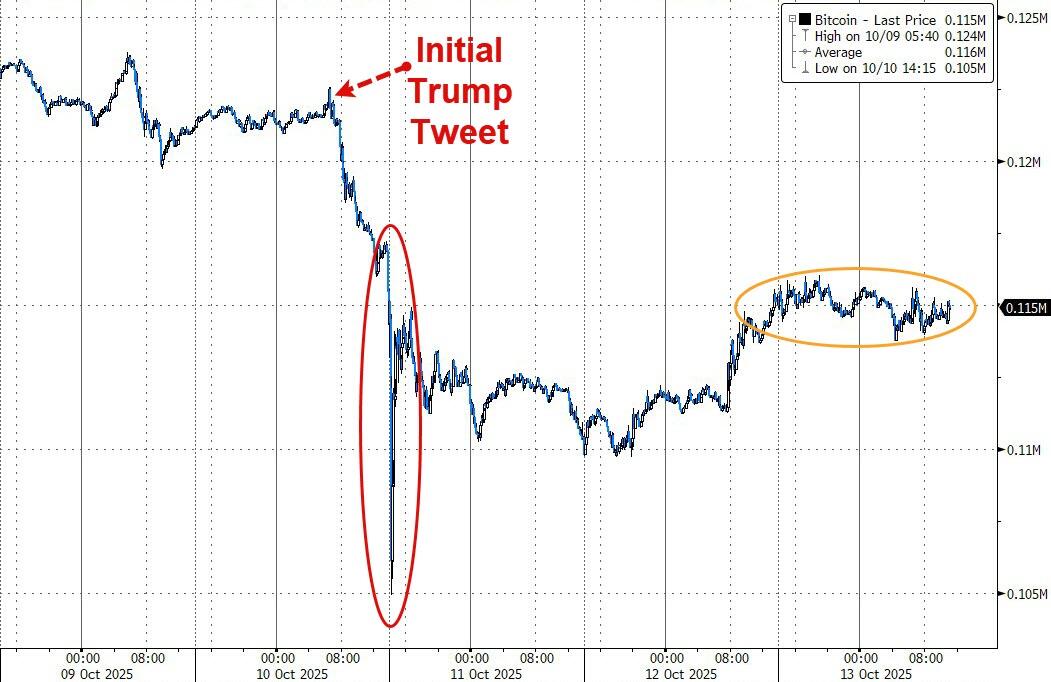
Bitcoin also bounced, rising back toward $115,000, while the dollar edged up slightly.
With Washington’s tone shifting from confrontation to calm, will this newfound optimism last—or is it just another temporary ceasefire in the trade drama?