Market In Turmoil: Stocks And Bonds Fall Together As Traders Lose Hope In Fed

Ulli Market Commentary Contact

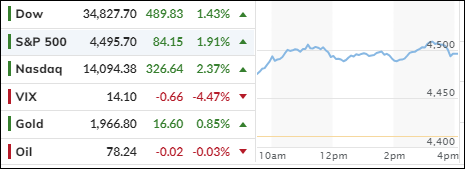
[Chart courtesy of MarketWatch.com]

  1. Moving the markets

The Fed’s July meeting minutes have caused quite a stir in the market today. Traders are struggling to swallow the bitter pill of rising rates, along with a mixed bag of earnings and economic data.

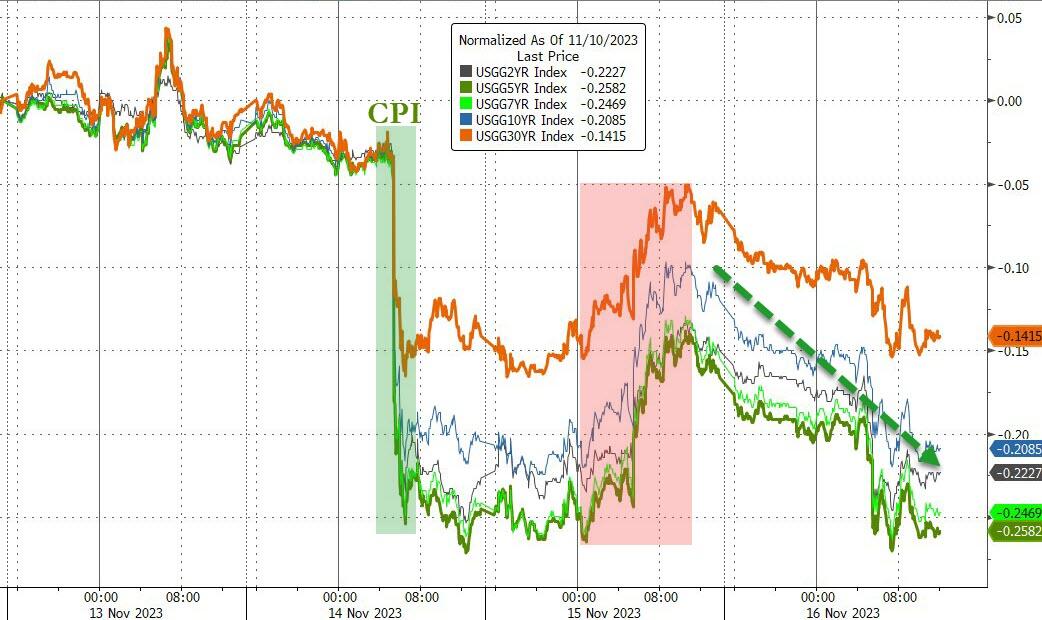
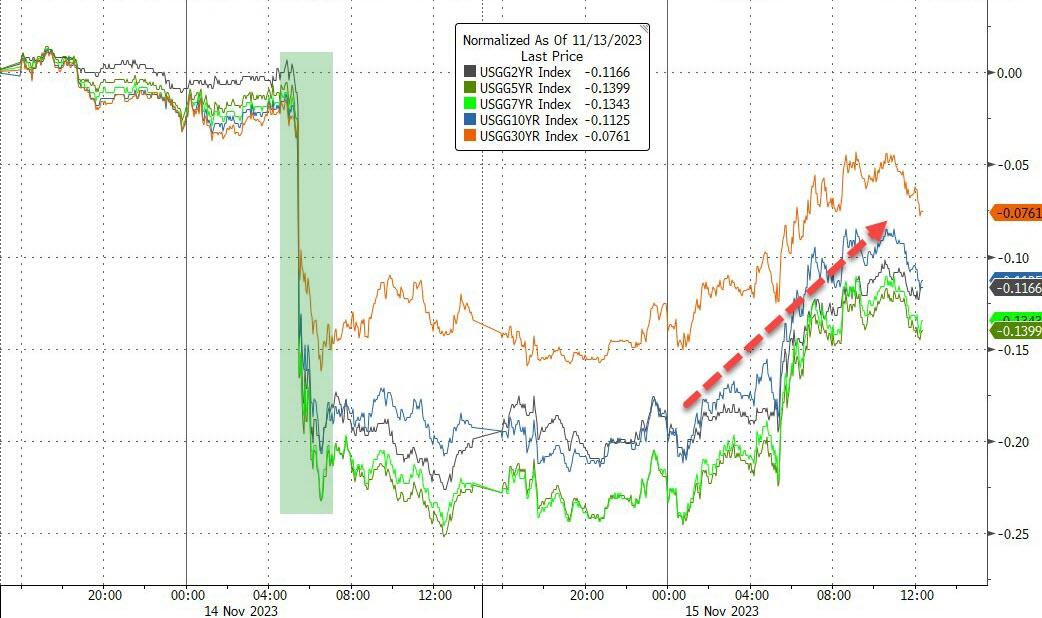
The 10-year bond yield jumped to its highest level since last October, and rates across the board (including globally) are climbing higher. The Fed’s latest words confirmed that they are still worried about inflation getting out of hand.

Even Walmart couldn’t save the day, despite beating earnings and revenue expectations and raising its full-year guidance. The stock fell by 2%.

It’s been a rough August so far, as the major indexes are on track for another losing week. The S&P 500 has given up -4.8% month to date. It seems that sentiment has changed, and traders have switched from “Buy the dip” to “Sell the rip,” a rare phenomenon in the market.

Of course, this shouldn’t be a surprise, considering that the gains of the first half of 2023 came mostly from the AI related rally, as well as the hope that the Fed would change its mind from hawkish to neutral or even dovish. But that hope may have been a mirage, hence the change in sentiment.

Sure, this could be just a minor setback and eventually turn out to be a buying opportunity on the way to another bull run, but that won’t happen without the Fed’s help.

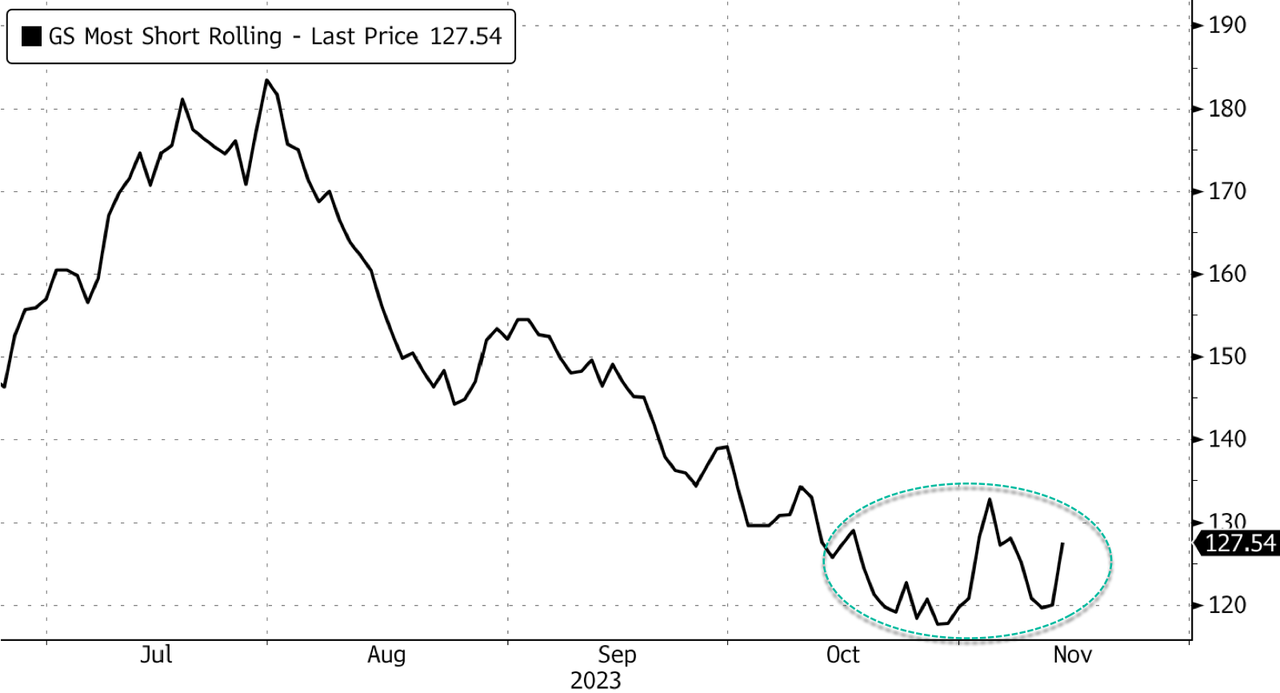
If nothing else works, the bulls can always try another short squeeze, but that hasn’t worked either. The most shorted stocks have declined 12 of the last 13 days.

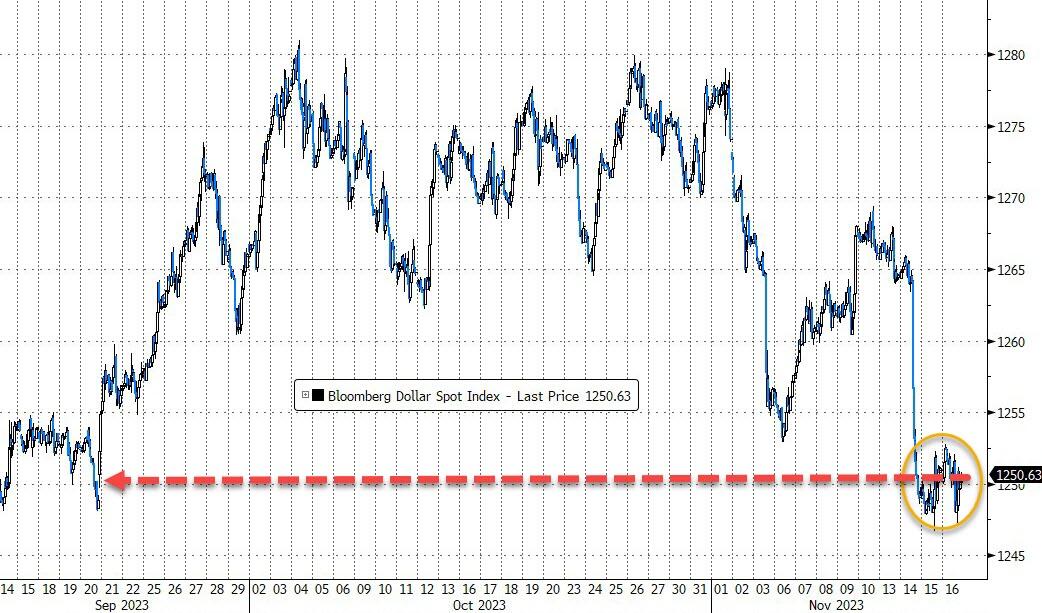
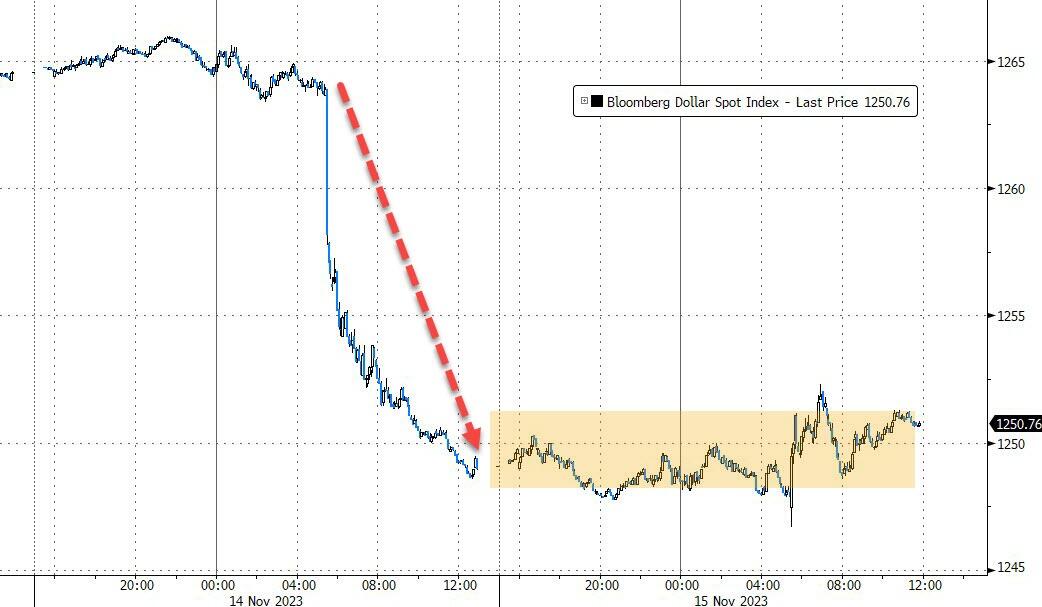
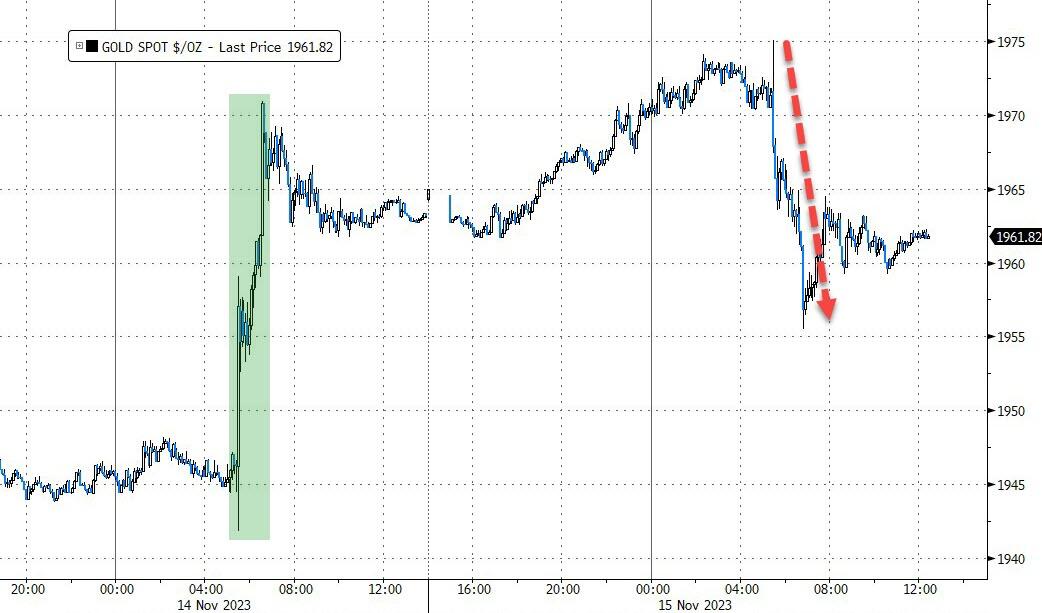
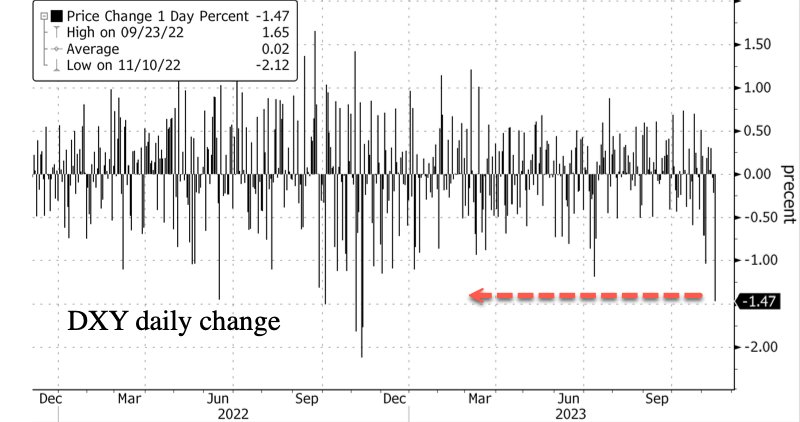
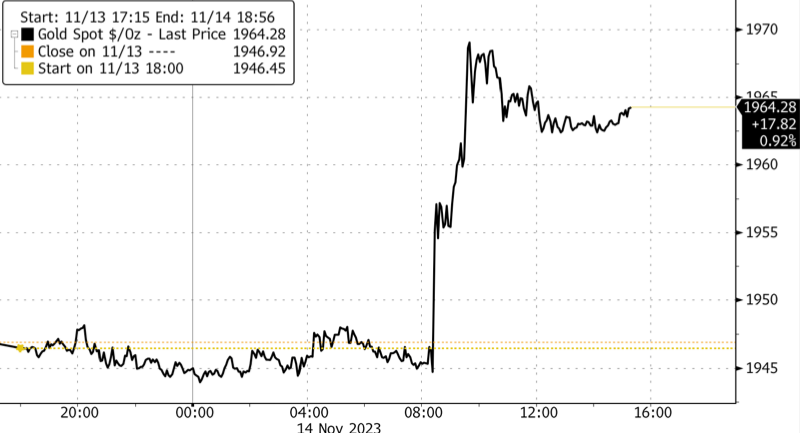
The dollar was flat, and gold continued its downward trend, while crude oil reclaimed its $80 level.

Surprisingly, stocks and bonds sank together, which means, if this continues, the S&P 500 has some 800 points to go before it catches up with HYG, as this chart shows.

Ouch! You better have your exit strategy ready, as we are approaching a possible domestic “Sell” signal (section 3).

Read More

Fed Minutes Crush Traders’ Hopes Of Rate Pause

Ulli Market Commentary Contact

[Chart courtesy of MarketWatch.com]

  1. Moving the markets

The Fed’s July meeting summary was a wake-up call for those traders who were dreaming of a pause in the rate hikes. The summary was as blunt as a hammer:

Inflation is way too high, the labor market is too tight, and we see more risks of inflation going up, so we might have to tighten the monetary policy even more.

The Fed minutes also said that the economy needs to cool down a bit, so that people don’t spend too much. But the recent data on retail sales and GDP show that people are still spending like there’s no tomorrow, so they’ll probably keep raising the rates until we see some signs of a recession.

All the US stock indexes took a dive, with the Nasdaq and Small Caps leading the plunge. The Nasdaq 100 fell below 15,000 for the first time since June, while the S&P, Nasdaq, and Russell 2000 all closed below their 50-day moving averages.

Regional bank stocks also suffered, as bond yields kept climbing higher and higher. The 30-year yield reached its highest level since last October, and the 2-year yield was close to breaking its 5% resistance level.

The dollar was on a roll, gaining for the fifth day in a row, while crude oil dropped below $80, and gold fell below $1,900 to its lowest level since March.

NVDA bounced back as expected and seemed to follow the same pattern as the Covid/Crypto boom/bust cycle, while the S&P 500 vs. High Yield credit HYG showed a similar bearish outlook.

Will the S&P catch up with HYG, or will HYG catch down with the S&P?

Read More
Why Good News Is Bad News For The Markets

Ulli Market Commentary Contact

[Chart courtesy of MarketWatch.com]

  1. Moving the markets

The markets were caught off guard by a double whammy of bad news, and they took a dive. On one hand, bond yields rose again, signaling higher borrowing costs and inflation fears. On the other hand, China’s economy showed signs of slowing down and struggling with debt.

Meanwhile, the US economy seemed to be doing well, at least on the surface. Retail sales in July beat expectations, rising by 0.7% month-over-month and accelerating year-over-year. This was the best performance since January.

But as traders know, good news can be bad news when it comes to the Fed. The strong retail sales data could mean that the Fed will not pause its rate hikes anytime soon.

The banking sector was hit hard by a warning from Fitch, a rating agency, that it might downgrade dozens of banks and put others on a watchlist. I told you months ago that the banking crisis was not over yet, and neither was the inflation monster.

Fed official Neel Kashkari added some fuel to the fire by calling for more capital regulations and more rate hikes to tame inflation. He said that if inflation got out of control, the banks could face more losses and more pressure in the future.

No kidding: we haven’t seen the worst of it yet.

Homebuilder confidence also took a hit today, as the housing market cooled off amid rising costs and supply shortages.

The major US stock indexes got clobbered, with the S&P 500, Nasdaq and Small Caps dropping below their respective 50-day moving averages. Bond yields ended the session mixed, the dollar held on to yesterday’s gains, and gold tested its 200-day moving average and found support.

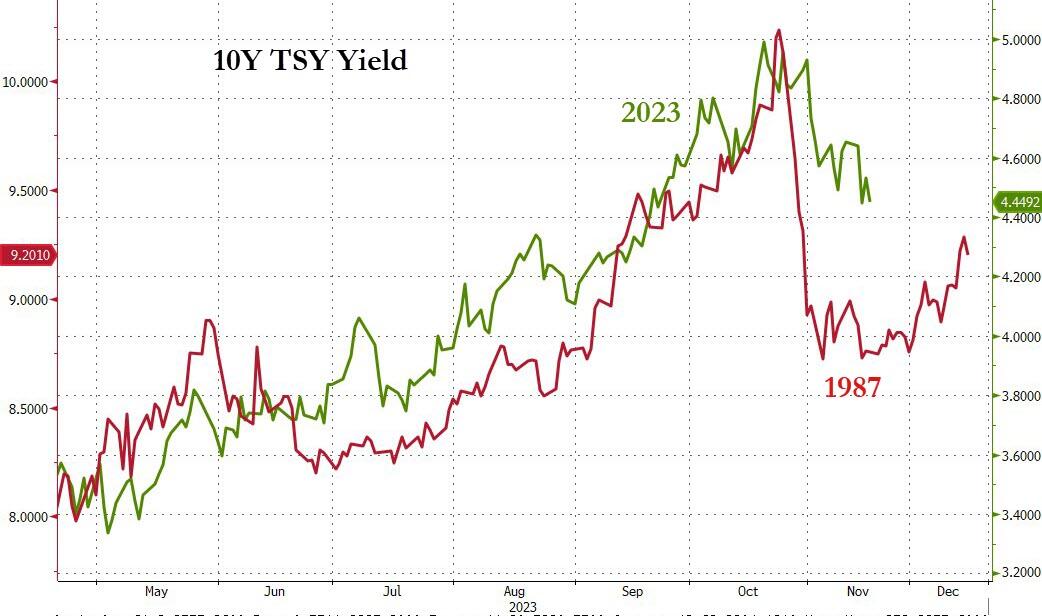
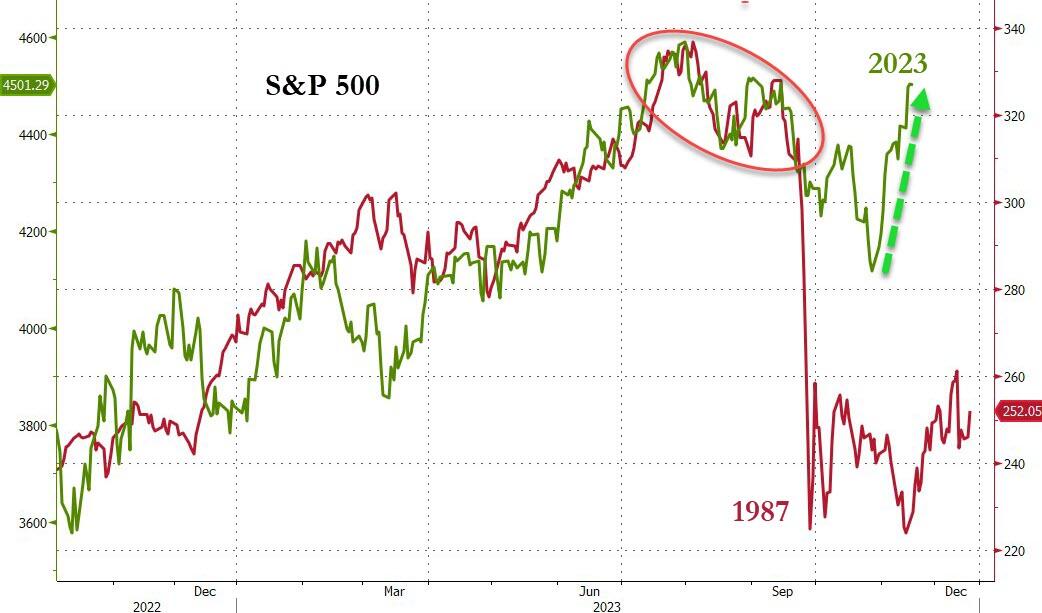
And just for fun, here’s a chart from ZeroHedge that compares the S&P 500 today with its performance in 1987, right before the infamous Black Monday crash.

No… that can’t happen again, right?

Read More

Markets Await Clarity From Retail Reports Amid Choppy August Trading

Ulli Market Commentary Contact

[Chart courtesy of MarketWatch.com]

  1. Moving the markets

The U.S. consumer is in the spotlight this week, as three retail giants – Home Depot, Target, and Walmart – are set to report their earnings. We’ll also get a glimpse of how shoppers spent their money in July, with the retail sales data coming out on Tuesday morning.

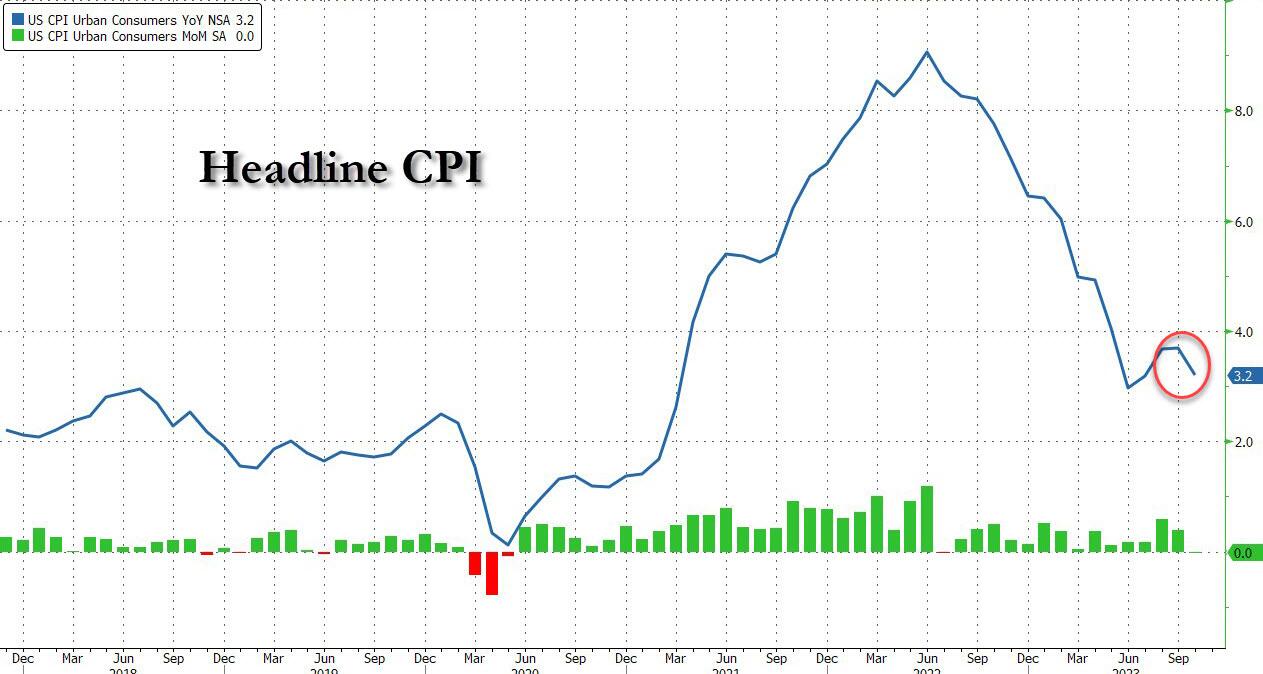
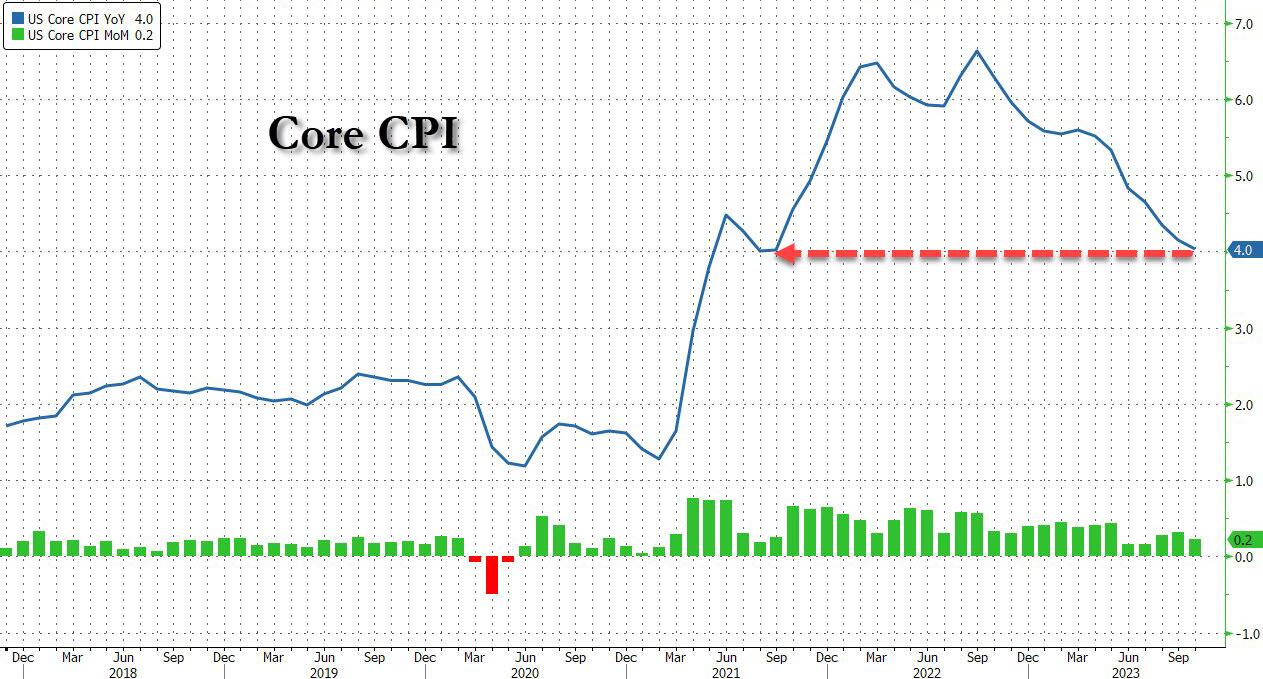
These reports come on the heels of last week’s inflation data, which showed that prices are still rising faster than the Fed’s 2% target but not as fast as they did in the previous months. Is this a sign that inflation is cooling off, or just a temporary blip?

Two weeks ago, I asked ‘What’s next?’ for the markets, and the answer was ‘not much’. The markets have been choppy and directionless, waiting for more clarity on the economy and the Fed’s next move. That hasn’t changed much this month.

But in the dog days of August, when investors have more time to daydream, some are starting to wonder if there are other scenarios besides a Goldilocks soft landing. Maybe the news flow isn’t as rosy as it was earlier this summer. Maybe there are some risks lurking in the shadows?

Some traders are trying to brush off the August slump by saying that it’s healthy and normal, and that it doesn’t mean the end of the bull market. They seem to forget that the rally was based on a lot of speculation and hope that the Fed would cut interest rates soon. But today’s data showed that rate hike expectations are rising, not falling, as this chart shows.

The chart shows the implied probability of a rate hike by December 2023 based on fed funds futures contracts.

The major indexes managed to close slightly higher today, but the small caps were left behind. NVDA had a rough start, but recovered and crossed its 50-day moving average, just in time for the AI boom downturn. Look at this chart.

Bond yields had a wild ride today, ending higher after a dip in the middle of the day. The 2-year yield is on track to hit 5% soon. The dollar gained some strength, which weighed on gold prices. Oil prices were aimless and ended lower.

The big event of the week will be Home Depot’s earnings report on Thursday. The company has more impact on the S&P than Walmart and Target combined. But it has missed expectations for two quarters in a row.

Will it break the streak, or break the market?

Read More

ETFs On The Cutline – Updated Through 08/11/2023

Ulli ETFs on the Cutline Contact

Do you want to know which ETFs are hot and which ones are not? Then you need my High-Volume ETF Cutline report. It tells you how close or far each of the 311 ETFs I follow is from its long-term trend line (39-week SMA). These are the ETFs that trade more than $5 million a day, so they are not some obscure funds that nobody cares about.

The report is split into two parts: The winners that are above their trend line (%M/A), and the losers that are below it. The yellow line is the line of shame that separates them. You can see how many ETFs are in each group and how they have changed since the last report (192 vs. 199 current).

Take a peek:

The HV ETF Master Cutline Report

If you are confused by some of the terms we use, don’t panic. I have a helpful Glossary of Terms for you.

If you want to learn more about the Cutline method and how it can make you rich (or at least less poor), read my original post here.

ETF Tracker Newsletter For August 11, 2023

Ulli ETF Tracker Contact

ETF Tracker StatSheet          

You can view the latest version here.

STOCKS AND BANK RESERVES DIVERGE: A CROCODILE TRAP?

[Chart courtesy of MarketWatch.com]

  1. Moving the markets

The stock market was stuck in a rut today, as the Nasdaq and S&P 500 closed slightly lower after some ups and downs. The Nasdaq has been on a losing streak for two weeks in a row, the first time since December, as investors got nervous about the AI bubble bursting.

The Dow managed to end the week higher, but the S&P 500 and the Small Caps joined the tech giants in the red. Traders were on their toes as they faced mixed signals from corporate earnings and inflation data.

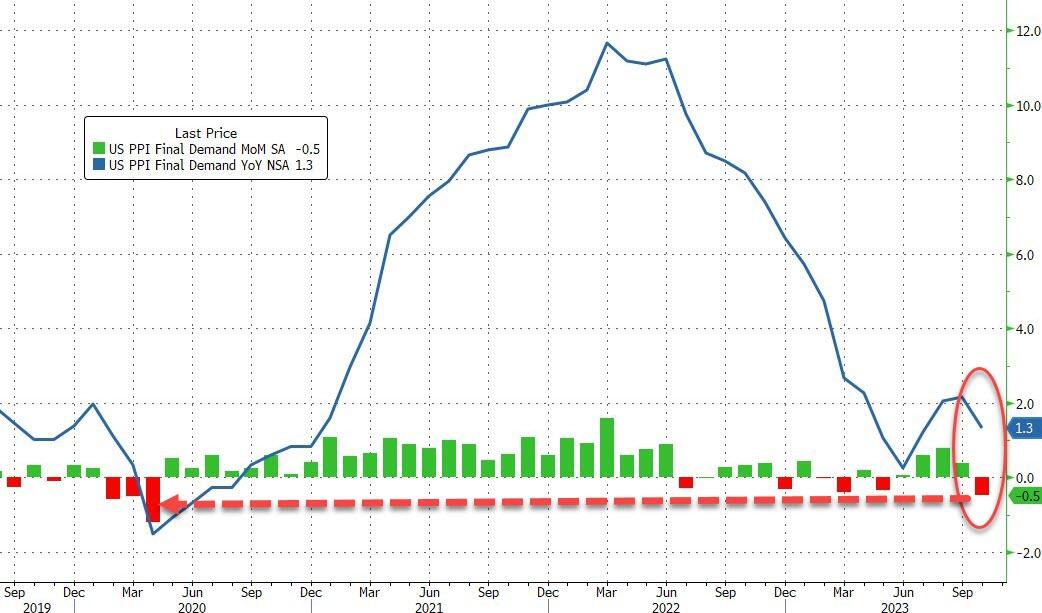
Yesterday’s CPI report was a grab bag of surprises, which initially boosted the market, but later fizzled out as the gains were erased. Today’s PPI report added more confusion, as wholesale prices rose 0.3% from last month, beating the expected 0.2% increase.

This week’s wobbly moves are part of a recent rough patch for the stock market, which had a strong performance in the first half of the year. The three major indexes are all below where they started August, as disappointing hard data and optimistic soft data clashed.

The most shorted stocks took a dive for the second week in a row, as all attempts to squeeze them were met with resistance. The most-shorted basket has been down for eight out of the last nine days.

Bond yields swung wildly and ended up where they began last Friday. The dollar gained strength, which kept gold from shining.

Another divergence emerged as stocks went their own way compared to bank reserves, as this chart shows. It makes me wonder when the jaws of this crocodile will snap.

Read More