Do you want to know which ETFs are hot and which ones are not? Then you need my High-Volume ETF Cutline report. It tells you how close or far each of the 311 ETFs I follow is from its long-term trend line (39-week SMA). These are the ETFs that trade more than $5 million a day, so they are not some obscure funds that nobody cares about.
The report is split into two parts: The winners that are above their trend line (%M/A), and the losers that are below it. The yellow line is the line of shame that separates them. You can see how many ETFs are in each group and how they have changed since the last report (138 vs. 156 current).
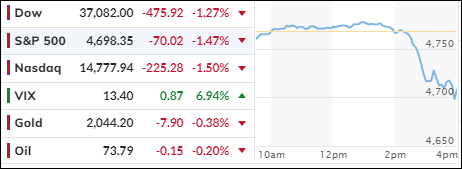
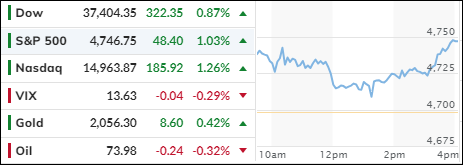
TECH WRECK: MARKET PLUNGES AS INFLATION FEARS LOOM
[Chart courtesy of MarketWatch.com]
Moving the markets
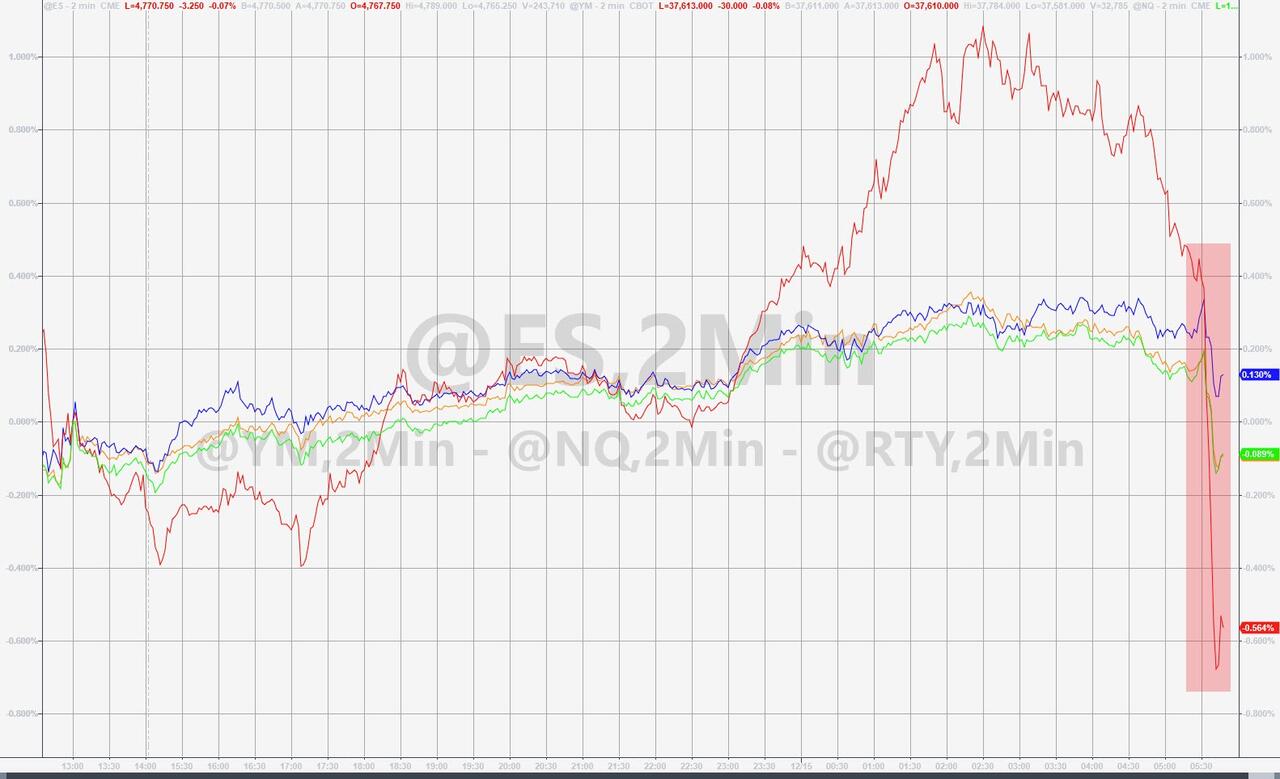
The market had a bad case of the Fridays, as tech stocks led the way down and erased most of the gains from earlier this week. Auto stocks were the exception, as Ford, GM and Stellantis managed to rev up despite a massive strike by the UAW that shut down half of US auto production.
The market was also hopeful about the end of the tech IPO drought, as ARM Holdings made a strong debut and traded 6% higher. But that optimism faded as investors looked at the latest economic data. The data was a mixed bag, to say the least.
On one hand, industrial production rose more than expected in August, showing some resilience in the manufacturing sector. On the other hand, inflation expectations dropped sharply in September, according to the UMich survey. That’s either good news or bad news, depending on how you look at it.
The market is now waiting for the Fed’s decision next week, hoping that they won’t raise rates again or taper their bond buying program. The Fed has been saying that inflation is transitory, but the data seems to suggest otherwise.
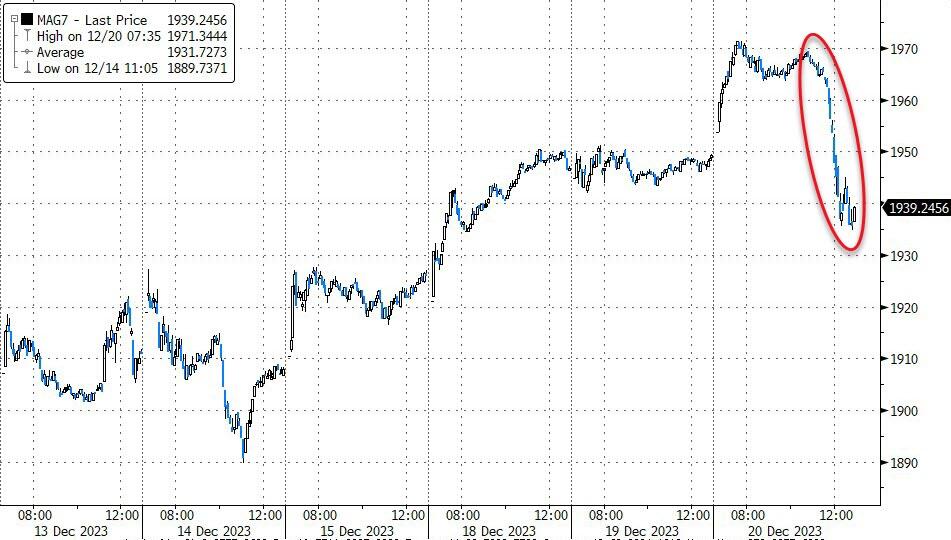
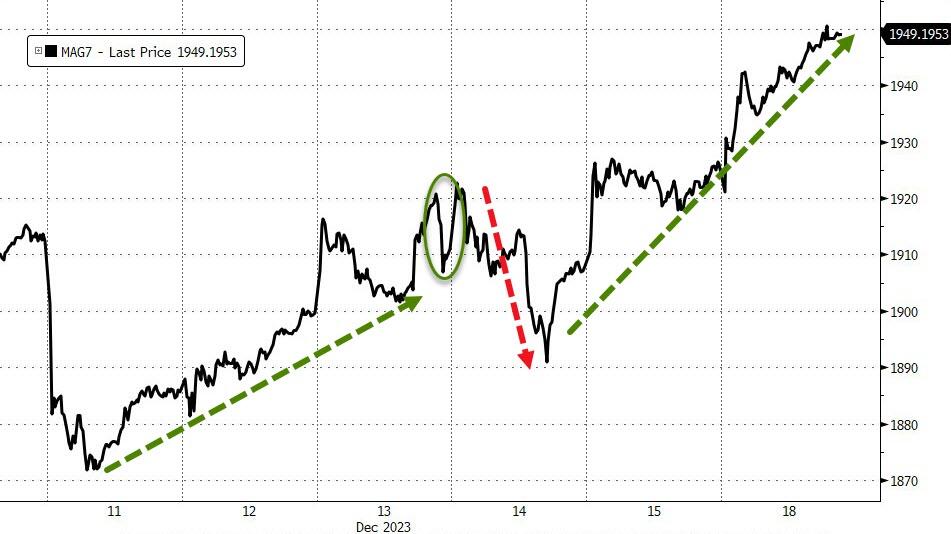
The tech sector was especially hit hard, as the ‘Magnificent 7’ (AAPL, AMZN, FB, GOOG, MSFT, NFLX and NVDA) lost their magic and gave up all their weekly gains. NFLX was the worst performer, dropping like a bad movie. NVDA also suffered, falling 13% from its record high after earnings.
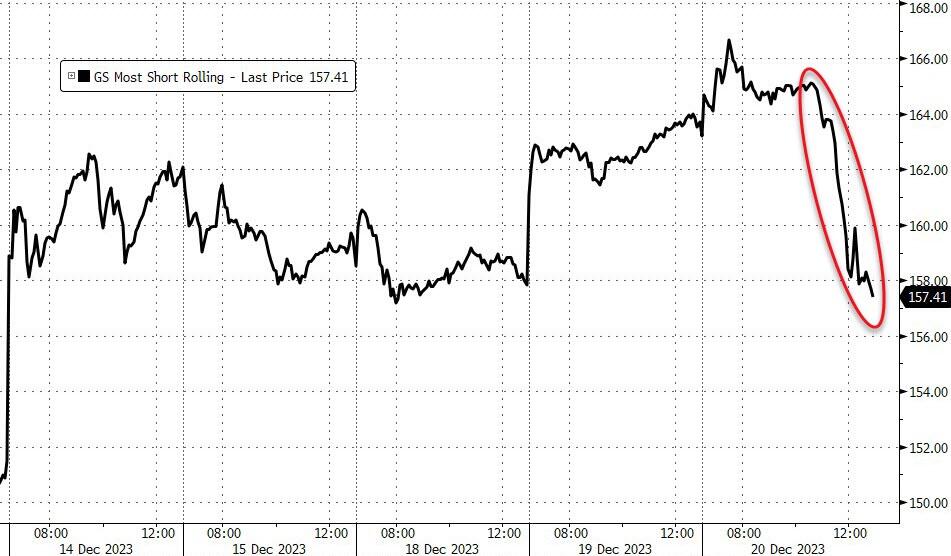
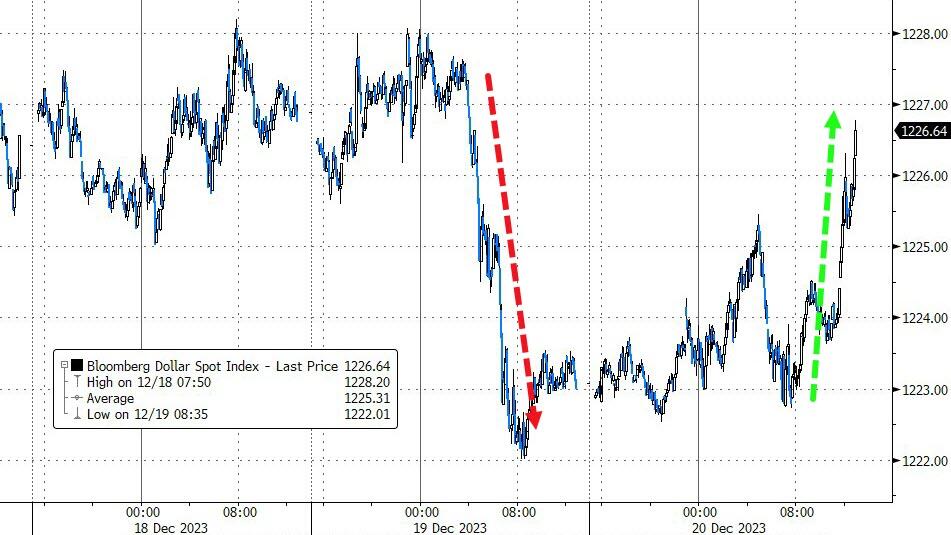
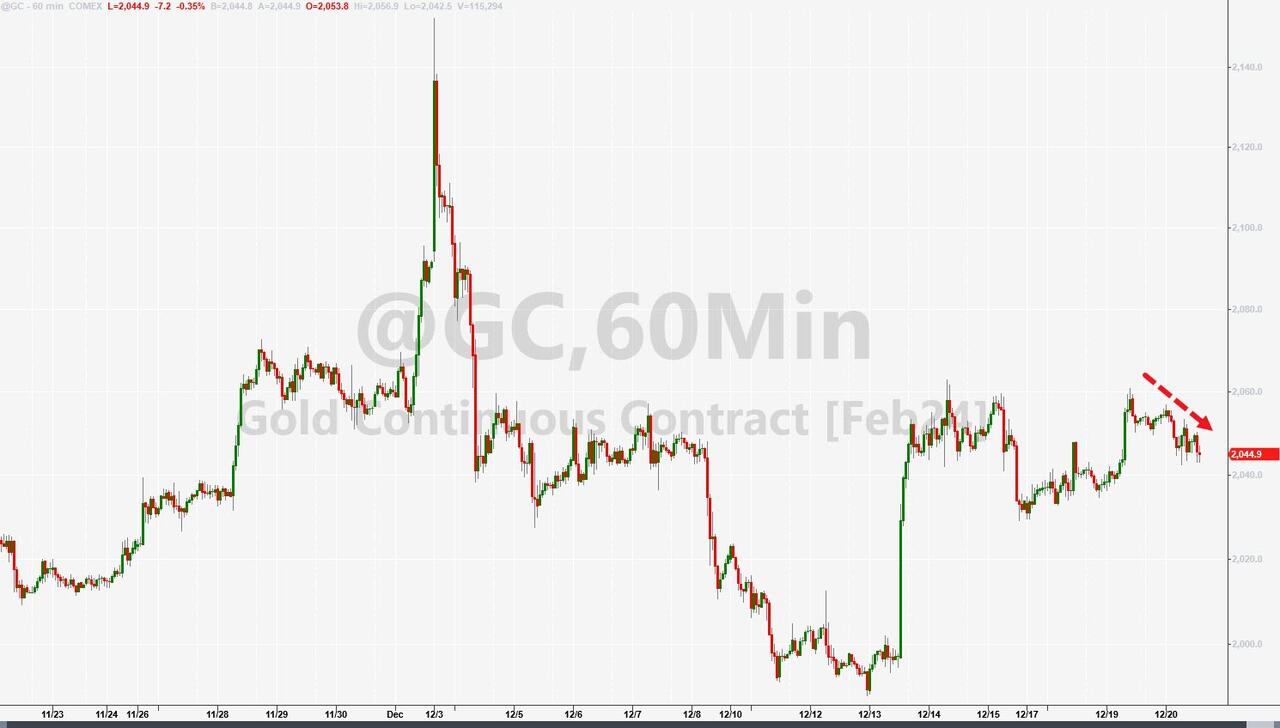
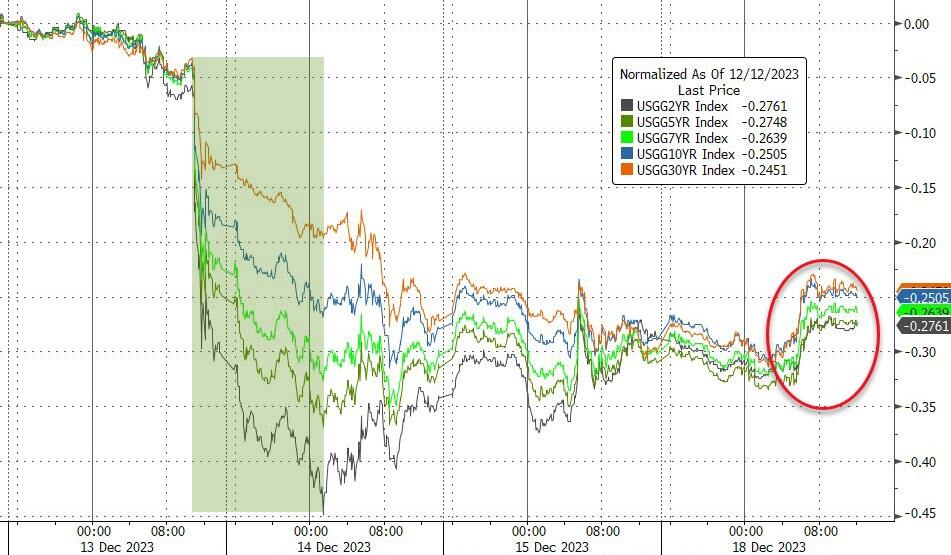
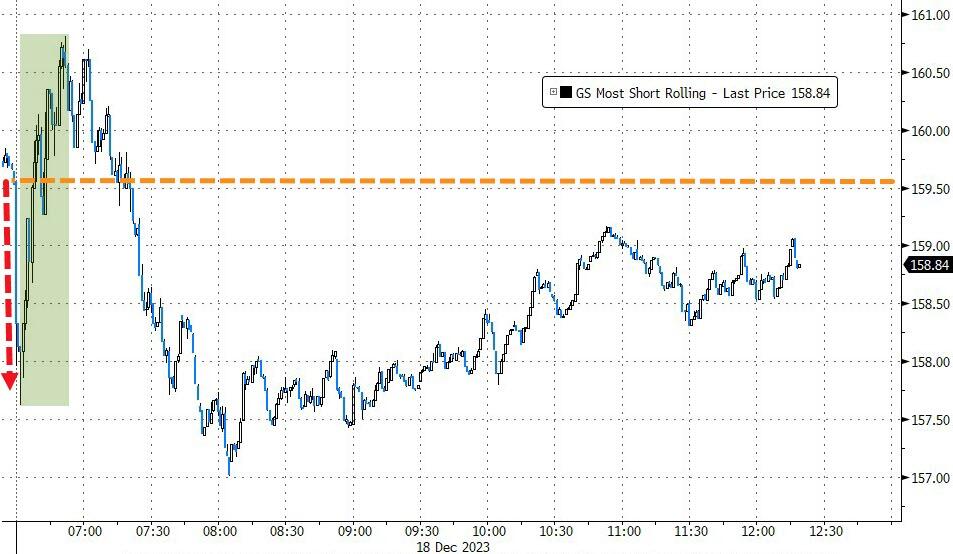
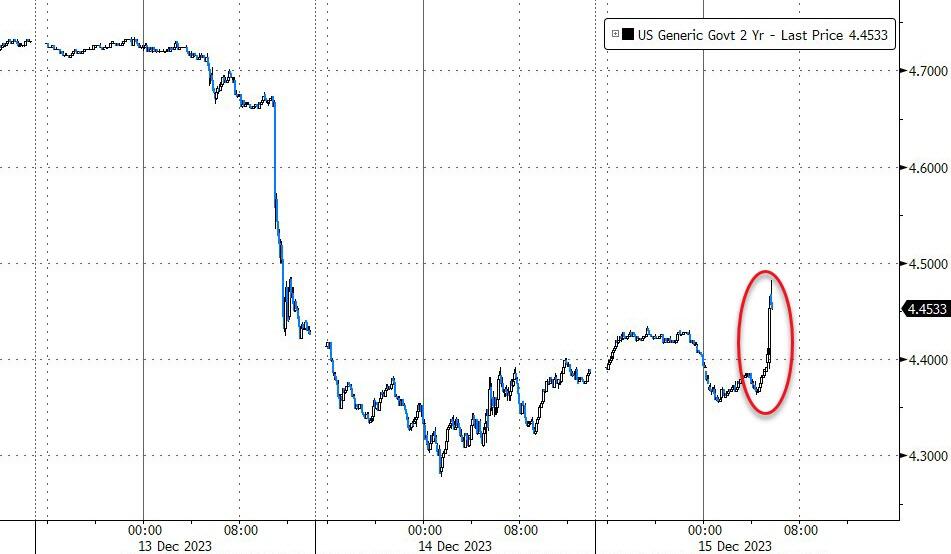
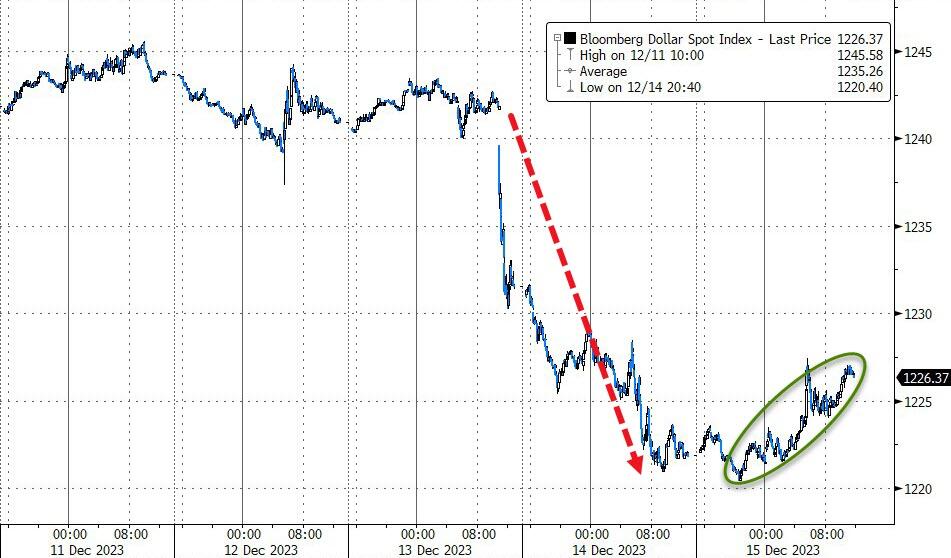
The most shorted stocks also continued their downward trend, falling for the second week in a row. Bond yields rose slightly, with the 2-year breaking above 5%. The dollar weakened, while gold and oil prices rose with the latter reaching $91. Gas prices are also soaring, which might hurt consumer spending.
With all this uncertainty, some analysts are comparing the current situation to the AI/Covid/Crypto Boom/Bust.
Will history repeat itself? Or will the market find a way to bounce back? That’s the million-dollar question.
ETF Data updated through Thursday, September 14, 2023
How to use this StatSheet:
Out of the 1,800+ ETFs out there, I only pick the ones that trade over $5 million per day (HV ETFs), so you don’t get stuck with a lemon that nobody wants to buy or sell.
Trend Tracking Indexes (TTIs)
These are the main indicators that tell you when to buy or sell Domestic and International ETFs (section 1 and 2). They do that by comparing their position to their long-term M/A (Moving Average). If they cross above, and stay there, it’s a green light to buy. If they fall below, and keep going, it’s a red light to sell. And to make sure you don’t lose your shirt if things go south, I also use a 12% trailing stop loss on all positions in these categories.
All other investment areas don’t have a TTI and should be traded based on the position of each ETF relative to its own trend line (%M/A). That’s why I call them “Selective Buy.” In other words, if an ETF goes above its own trend line, you can buy it. But don’t forget to use a trailing sell stop of 12%, or less if you’re feeling nervous.
If some of these words sound like Greek to you, please check out the Glossary of Terms and new subscriber information in section 9.
DOMESTIC EQUITY ETFs: BUY— since 12/01/2022
Click on chart to enlarge
This is our main compass, the Domestic Trend Tracking Index (TTI-green line in the above chart). It has now broken above its long-term trend line (red) by +2.11% and remains in “Buy” mode.
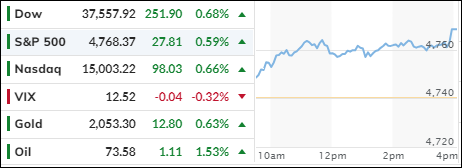
The market soared today as investors shrugged off inflation fears and snapped up stocks that were heavily shorted. This triggered a powerful short squeeze that boosted our domestic TTI deeper into the green zone. This means we can breathe a sigh of relief and postpone any potential “Sell” for now.
The market optimism was fueled by better-than-expected retail sales in August, which rose 0.6% against a 0.1% increase forecasted. This shows that consumers are still spending despite supply chain disruptions. Excluding autos, which are hard to find these days, retail sales also rose 0.6%, beating the 0.4% estimate.
On the other hand, inflation remained hot as the producer price index (PPI) jumped 0.7% in August, more than the 0.4% expected. This was the highest increase in 14 months. But who cares about food and energy prices, right? If we exclude those pesky items, core PPI only rose 0.2%, matching the estimate.
Meanwhile, across the pond, the European Central Bank (ECB) raised its key interest rate by a quarter percentage point, as expected. But the ECB also hinted that it might be done with hiking rates for now, as inflation is easing in Europe. Lucky them!
Back in the US, the Federal Reserve is likely to keep its rates unchanged at its September meeting next week, according to the latest pricing data. The odds of a rate hike in November are still low, but not zero. If the economy continues to surprise on the upside, the Fed might have to reconsider its stance and tighten its policy sooner than later.
One of the bright spots in today’s rally was Arm shares, which soared more than 15% on their first day of trading. The chip design company had the biggest tech IPO of the year and raised hopes for a revival of the tech IPO market. Arm’s IPO was priced at $51 a share, which seems like a bargain now.
In summary, today’s market action was a mix of good news and bad news, depending on your perspective. The good news is that the economy is strong and resilient. The bad news is that inflation is high and persistent. The market chose to focus on the good news today and ignore the bad news.
But will this last? How long can the market defy gravity and ignore inflation? And more importantly, how long can we ignore food and energy prices?
The markets were like a yo-yo today, as traders freaked out over the latest inflation report. The CPI, or consumer price index, showed that prices of stuff we buy went up more than expected in August.
The core CPI, which excludes food and energy (because who needs those, right?), also went up more than expected. The Fed, which is supposed to keep inflation under control, may or may not raise interest rates or stop buying bonds. Nobody knows for sure, and that’s why the markets are so jittery.
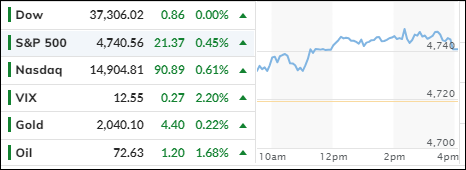
The Dow dropped a bit, while the Nasdaq and the S&P barely stayed in the green. Our Domestic TTI, or Trend Tracking Index (section 3), went below +1% and is almost ready to tell us to change our market strategy. But not yet, we still need more evidence from the market.
In other news, US mortgage applications hit rock bottom, the lowest since 1996. That’s bad news for the housing market and anyone who wants to buy or sell a home. The banking sector (KRE) had a wild ride, Netflix got slammed, and the most shorted stocks erased all of their “gains” from the August big squeeze. Semiconductors also had a rough day, as uncertainty ruled the market.
Bond yields fell, the dollar stayed flat, crude oil did nothing, and gold drifted along. What a boring day for commodities!
Will tomorrow’s PPI release, or producer price index, make things clearer or messier? The PPI measures the changes in the prices of stuff that producers sell.
A high PPI means that producers are passing on their higher costs to consumers, which could lead to more inflation. A low PPI means that producers are absorbing their higher costs or cutting their prices, which could lead to less inflation.
Stay tuned for tomorrow’s episode of “As the Market Turns”!
Oil prices soared to their highest level in seven years, making everyone wonder if they should invest in electric cars or bicycles. The rising cost of energy spooked the stock market, which fell for the second day in a row.
The major indexes dipped below their 50-day moving averages, a sign of weakness in the market trend. Oracle was the biggest loser of the day, plunging 13% after disappointing investors with its revenue and guidance. The cloud computing giant faced stiff competition from other tech titans, such as Amazon, Alphabet and Microsoft, which also dropped.
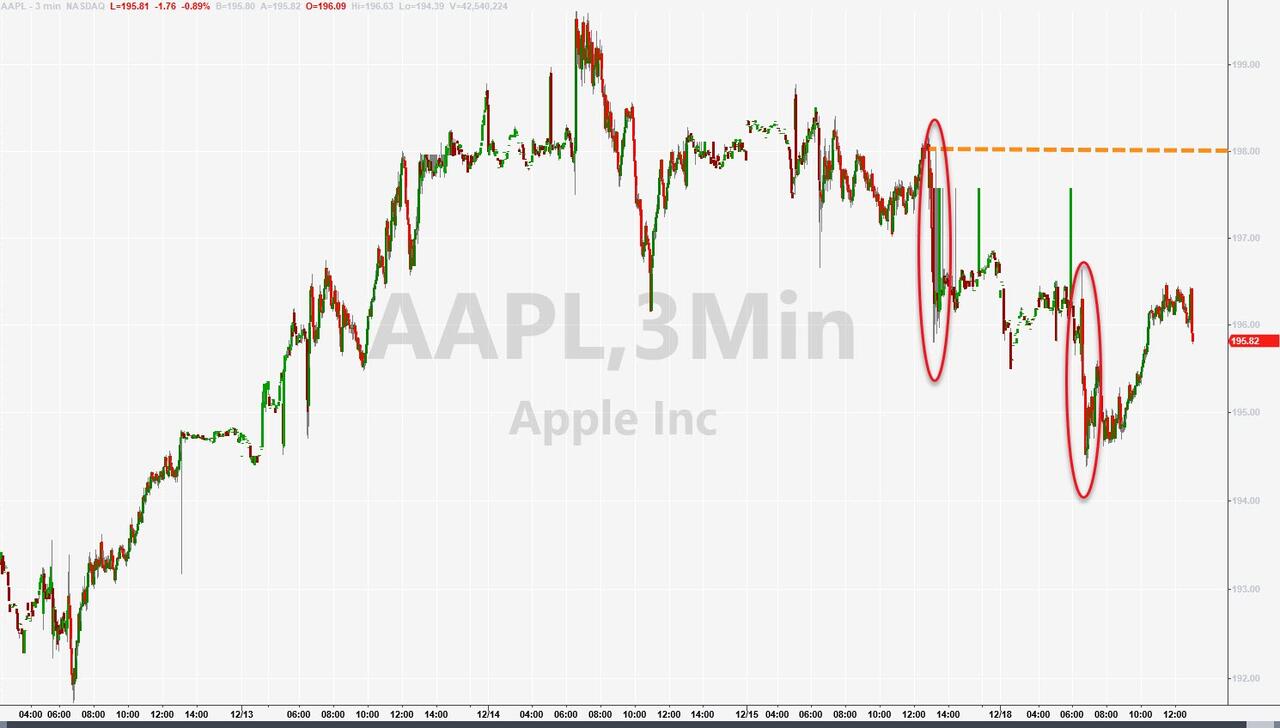
Apple fans were eagerly awaiting the launch of the new iPhone model, but the stock was down ahead of the event. Maybe they were hoping for a cheaper phone or a free charger.
Investors were also nervous about the inflation data coming out later this week. The consumer price index (CPI) will be released tomorrow, followed by the producer price index (PPI) on Thursday. These reports measure the changes in the prices of goods and services and are closely watched by the Federal Reserve and the market.
High inflation could force the Fed to raise interest rates sooner than expected, which could hurt the economy and the stock market. Analysts had a lot to chew on this week, with a menu of economic reports to digest.
But if any of those reports come in much worse than expected, they might lose their appetite and throw up. That would not be good for the market either.
On the bright side, banks managed to crawl out of the hole they dug themselves into, with the banking index (KRE) rising slightly. However, they gave up some of their gains at the end of the day, showing a lack of confidence.
Bond yields were mixed, with the 2-year yield climbing above 5%. The US dollar bounced around but ended up slightly higher. Gold slipped, as investors preferred cash over shiny metal.
With all eyes on tomorrow’s CPI report, inflation expectations are surging. Does that mean a worse than expected CPI reading will ruin the party? Or will it be a non-event that will allow the market to resume its uptrend?