Fed Stays Firm On Rates, Markets Stay Hopeful For Cuts

Ulli Market Commentary Contact

[Chart courtesy of MarketWatch.com]

  1. Moving the markets 

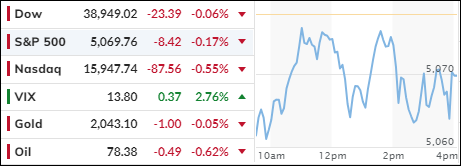
The Fed dashed the hopes of traders who were looking for some hints of interest rate cuts in the latest meeting minutes. Instead, the central bank said it would keep its policy “restrictive” to tame inflation, which could rise further. The Fed kept the interest rate unchanged at 5.25% to 5.5% in its meeting on Oct. 31-Nov. 1.

Participants continued to judge that it was critical that the stance of monetary policy be kept sufficiently restrictive to return inflation to the Committee’s 2 percent objective over time,” the minutes said.

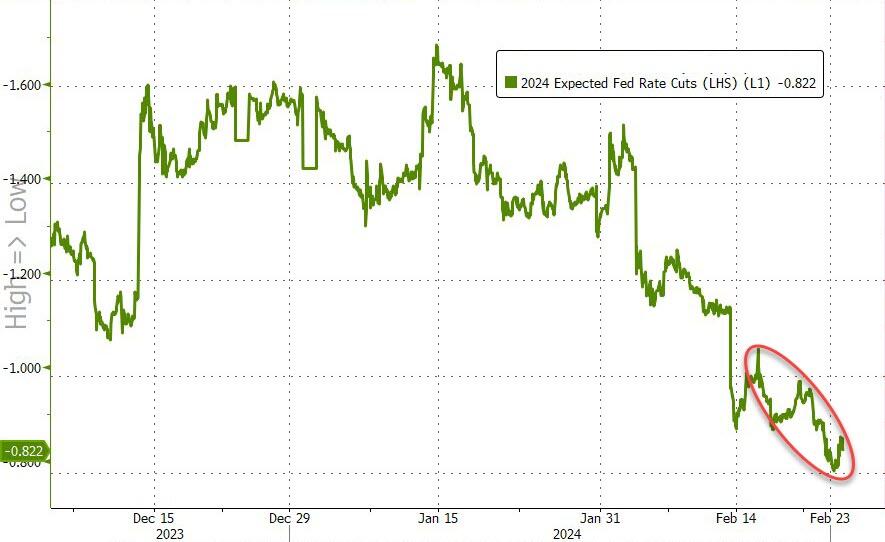
That sounds pretty hawkish, but the market is still betting on rate cuts starting from May next year. Is that wishful thinking or realistic expectation? History suggests that the Fed usually waits for about 11 months after the last rate hike before cutting rates again. And the last rate hike was in December 2022.

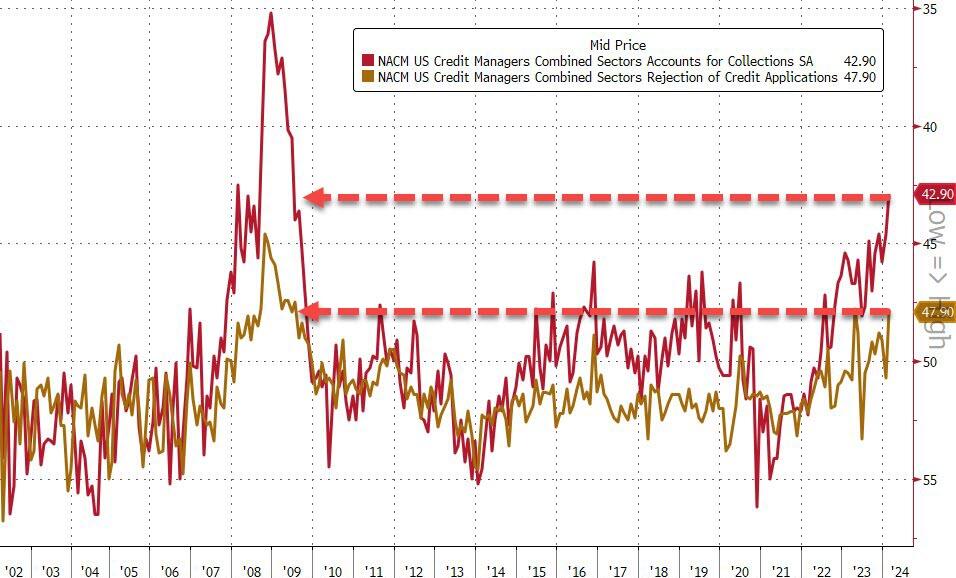
Meanwhile, the economy is showing signs of slowing down, as some major retailers lowered their sales outlooks and missed revenue expectations. Lowe’s stock price fell more than 2%, Best Buy dropped 2.7%, and American Eagle plunged 17.3%. Ouch.

The housing market is also cooling off, as existing home sales hit their lowest level since 2010 and reached a record low in the West. This dragged down the US Economic Surprise index and the Financial Conditions index, which measure how the economy is performing relative to expectations and how easy it is to borrow money.

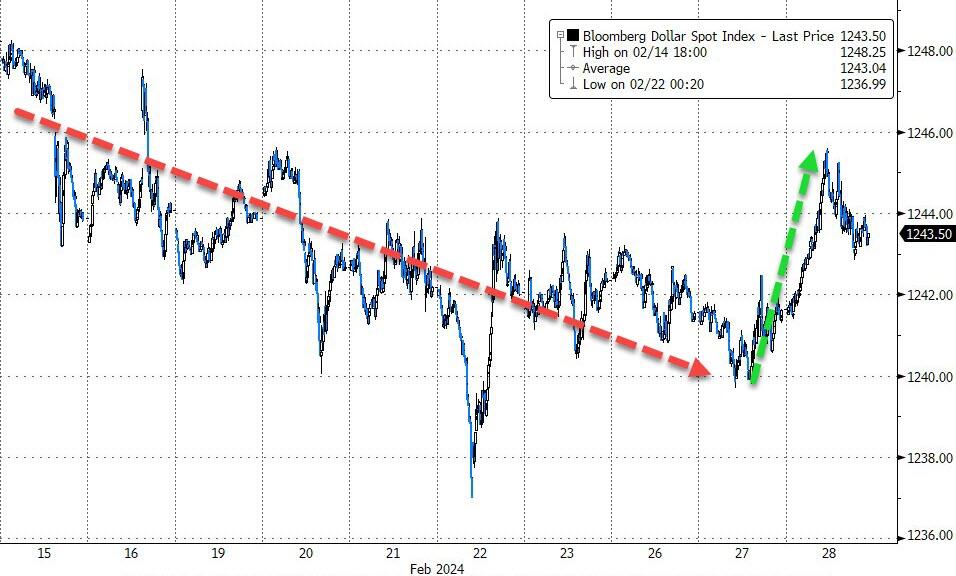
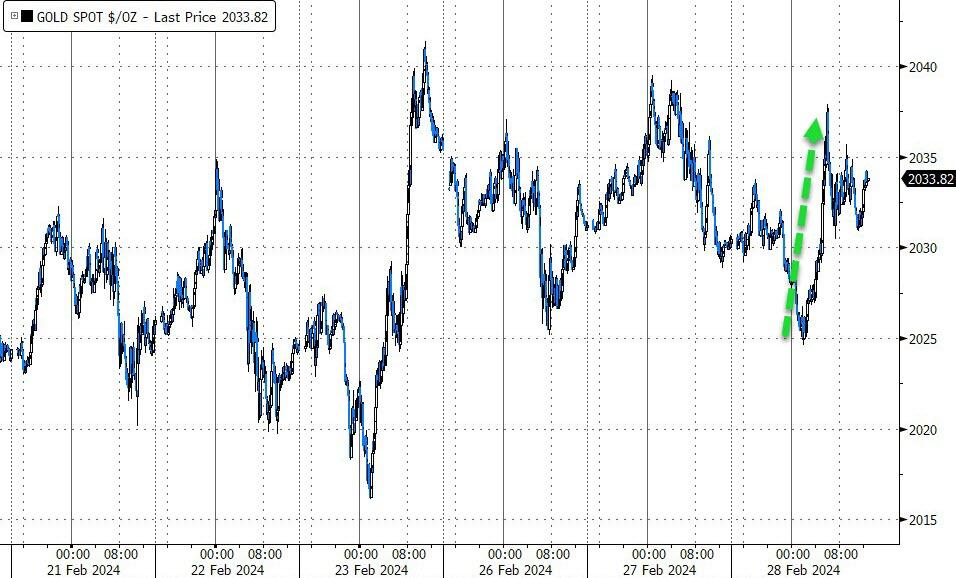
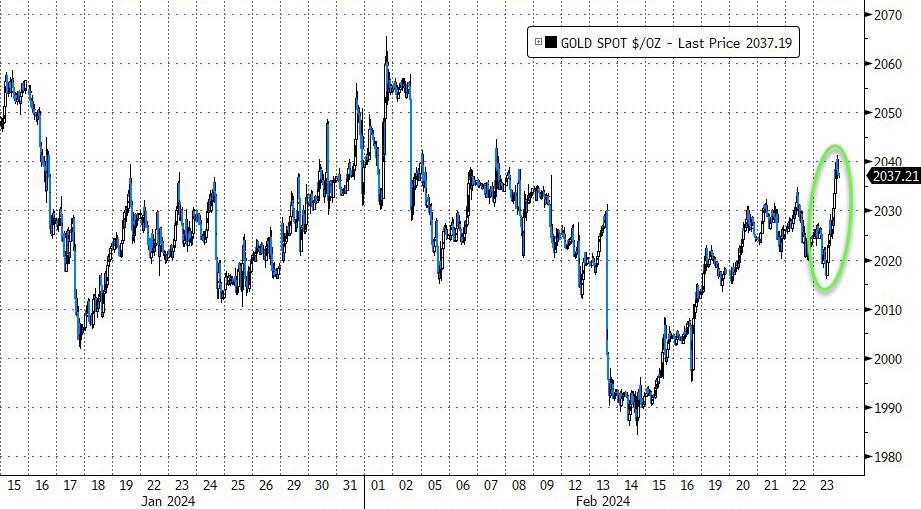
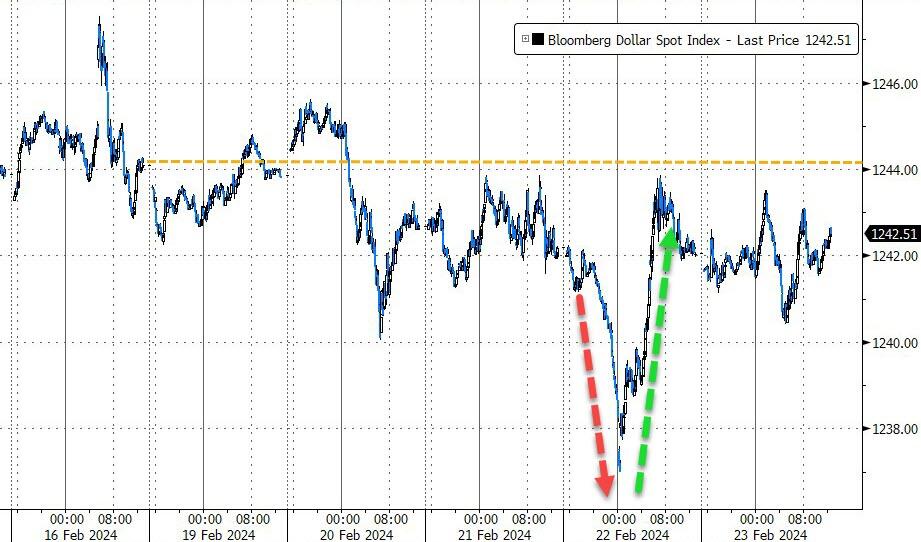
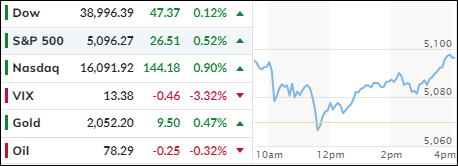
The stock market retreated, as the short squeeze that lifted the market yesterday ran out of steam and the big tech stocks gave up some of their recent gains. The bond market was mixed, the dollar bounced back, but gold shone brightly and reclaimed its $2k level.

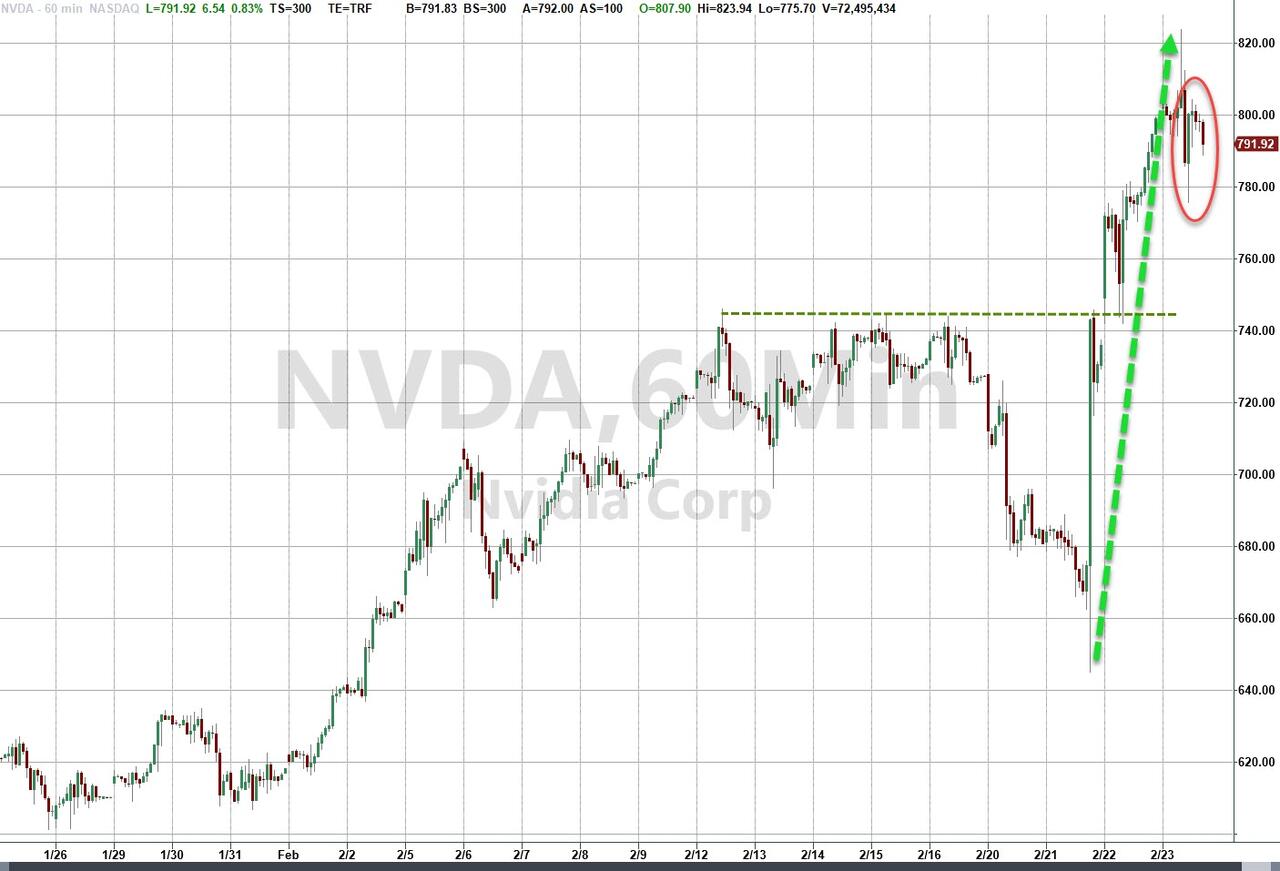
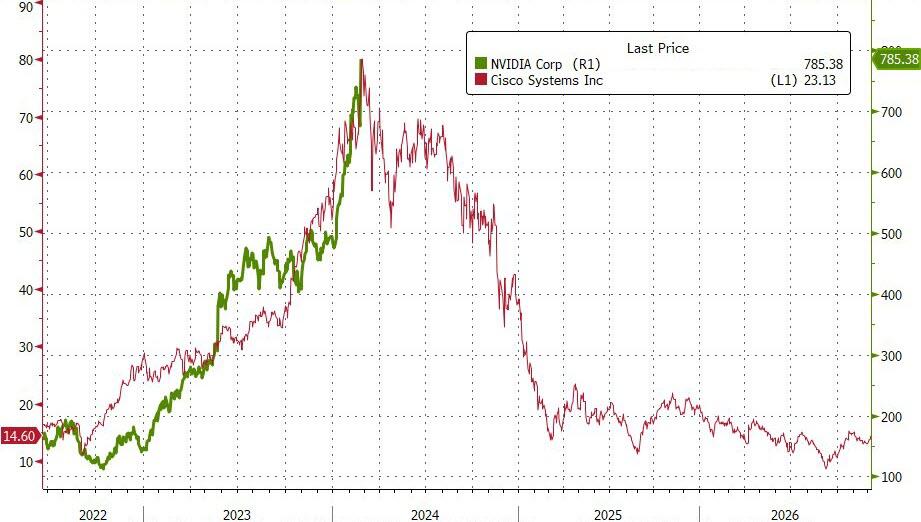
All eyes are now on Nvidia’s earnings report tonight, which could be a make-or-break moment for the chipmaker. Will it follow the footsteps of its rivals AMD and Intel, which reported disappointing results amid the global chip shortage? Or will it surprise the market with strong growth driven by its gaming and data center segments?

Read More
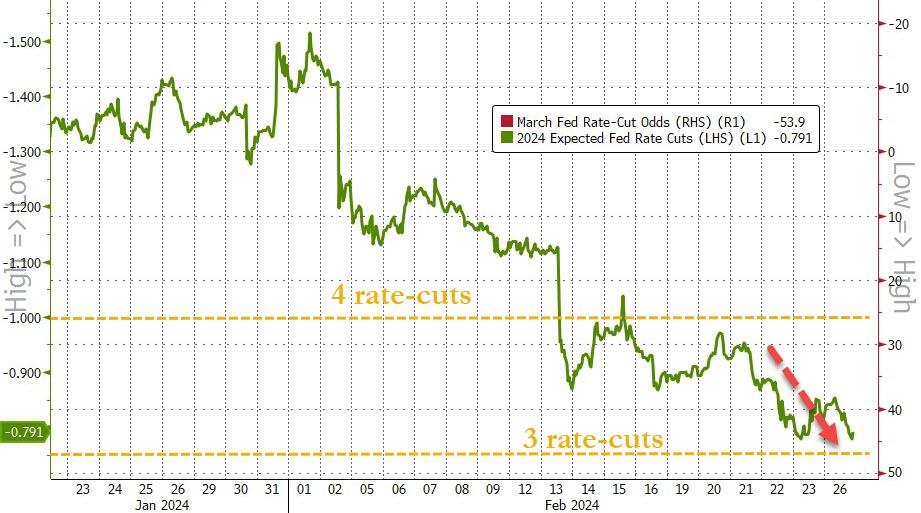
Market Divergence: Nasdaq Nears Record High Amid Tight Financial Conditions And Weak Leading Indicators

Ulli Uncategorized Contact

[Chart courtesy of MarketWatch.com]

  1. Moving the markets 

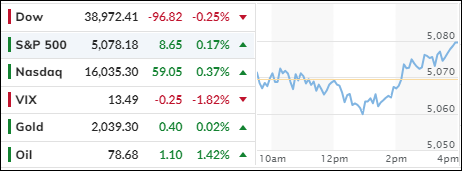
The U.S. stock market continued its bullish run as it entered the Thanksgiving week, which will have a shorter trading schedule.

Traders are feeling optimistic after the latest inflation data showed a lower-than-expected increase in consumer prices, easing the fears of a prolonged period of high inflation and aggressive rate hikes by the Federal Reserve. Some analysts even expect the Fed to start cutting rates sooner than later, which could boost the market further.

Among the notable earnings reports this week, Nvidia stands out as the star performer of the year, with its stock price soaring more than 200% in 2023. The chipmaker will announce its third-quarter results on Tuesday, and investors are eager to see if it can maintain its momentum amid the global chip shortage and rising competition.

Meanwhile, the tech sector also got a boost from the drama surrounding OpenAI, the artificial intelligence research organization that was co-founded by Elon Musk. Several of its top researchers threatened to leave the organization and join Microsoft, which has a close partnership with OpenAI. This news sent Microsoft’s stock to a new record high, while Nvidia also benefited from its involvement in OpenAI’s projects.

On the other hand, the bond market saw a strong demand for the 20-year Treasury auction, which pushed the yields lower and supported the stock rally. However, the rally lost some steam towards the end of the day, as some traders took profits ahead of the holiday. The U.S. dollar also weakened to its lowest level since late August, breaking below its 200-day moving average. However, this did not help gold, which remained flat and slightly lower.

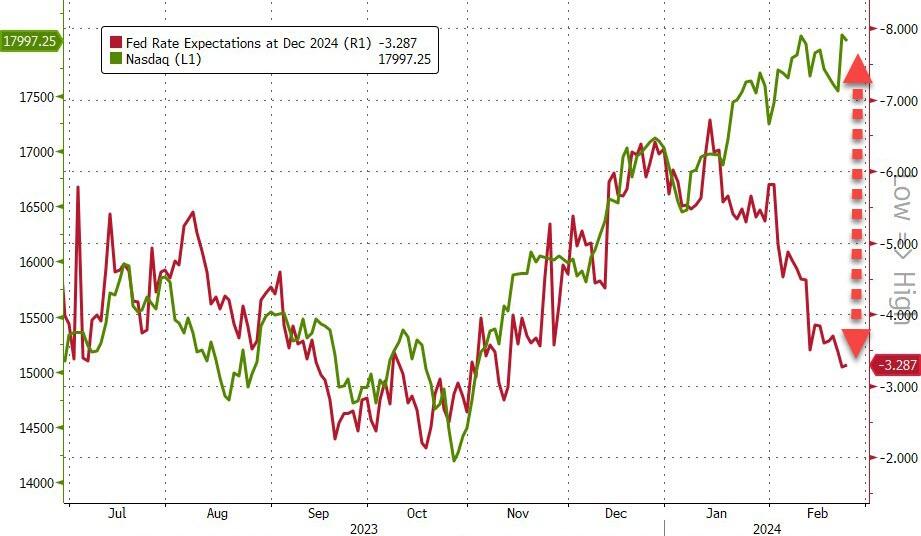
Despite the bullish sentiment in November, there is still a glaring discrepancy between the financial conditions index, which measures the tightness of credit and liquidity in the market, the leading indicators, which predict the future economic activity, and the Nasdaq, which is hovering near its all-time high. This divergence suggests that the market may be overvalued and disconnected from the underlying fundamentals.

Can the market sustain its rally in the face of these challenges?

Read More
ETFs On The Cutline – Updated Through 11/17/2023

Ulli ETFs on the Cutline Contact

Do you want to know which ETFs are hot and which ones are not? Then you need my High-Volume ETF Cutline report. It tells you how close or far each of the 311 ETFs I follow is from its long-term trend line (39-week SMA). These are the ETFs that trade more than $5 million a day, so they are not some obscure funds that nobody cares about.

The report is split into two parts: The winners that are above their trend line (%M/A), and the losers that are below it. The yellow line is the line of shame that separates them. You can see how many ETFs are in each group and how they have changed since the last report (83 vs. 179 current).

Take a peek:

The HV ETF Master Cutline Report

If you are confused by some of the terms we use, don’t panic. I have a helpful Glossary of Terms for you.

If you want to learn more about the Cutline method and how it can make you rich (or at least less poor), read my original post here.

ETF Tracker Newsletter For November 17, 2023

Ulli ETF Tracker Contact

ETF Tracker StatSheet          

You can view the latest version here.

THE NASDAQ’S EERIE RESEMBLANCE TO 1999: A WARNING SIGN OR A COINCIDENCE?

[Chart courtesy of MarketWatch.com]

  1. Moving the markets 

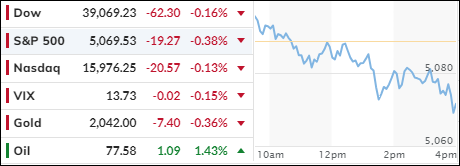
The stock market gained modestly on Friday, capping off another week of gains in a sizzling November rally. This was the third consecutive week of positive returns for all three indexes.

What fueled this bullish frenzy? Investors seemed to shrug off the worries about inflation, the Fed’s rate hikes, and the geopolitical tensions that have plagued the markets for months. Instead, they focused on the positive signs of a soft landing for the U.S. economy, with moderate growth and inflation.

The market was also cheered by some encouraging economic data, such as stronger-than-expected housing starts, an improved Philly Fed index, a smaller-than-anticipated decline in retail sales, and steady jobless claims. Additionally, Congress passed a stopgap funding bill to avert a government shutdown, easing some of the political uncertainty.

As a result, the bond market rallied, sending the 10-year Treasury yield to its lowest level since September at 4.44%. The dollar weakened, posting its second-biggest weekly drop of the year, and turning negative for 2023. Gold shone, rising over 2% for the week and bouncing off its 200-day moving average.

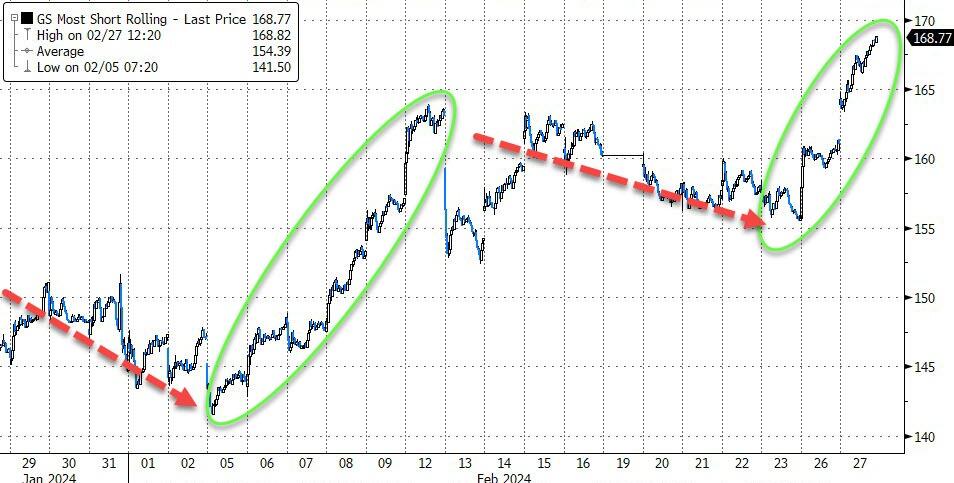
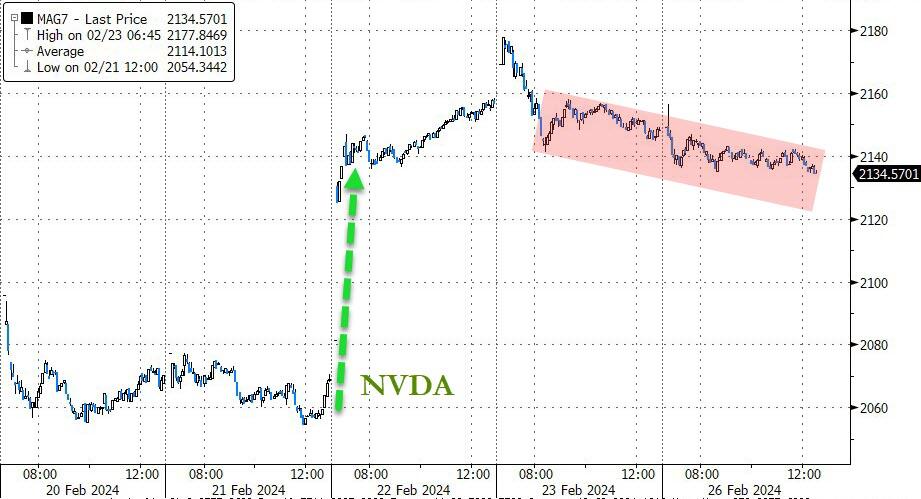
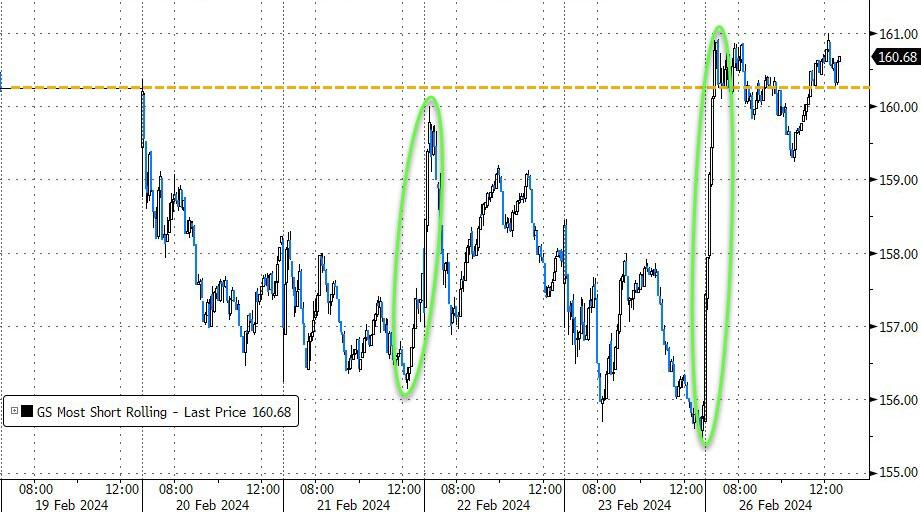
The market was also helped by a short squeeze, as some of the most heavily shorted stocks surged on Tuesday and Wednesday. The so-called “magnificent 7” stocks, which include Apple, Microsoft, Amazon, Google, Facebook, Tesla, and Netflix, broke out of their downtrend, and reached new highs.

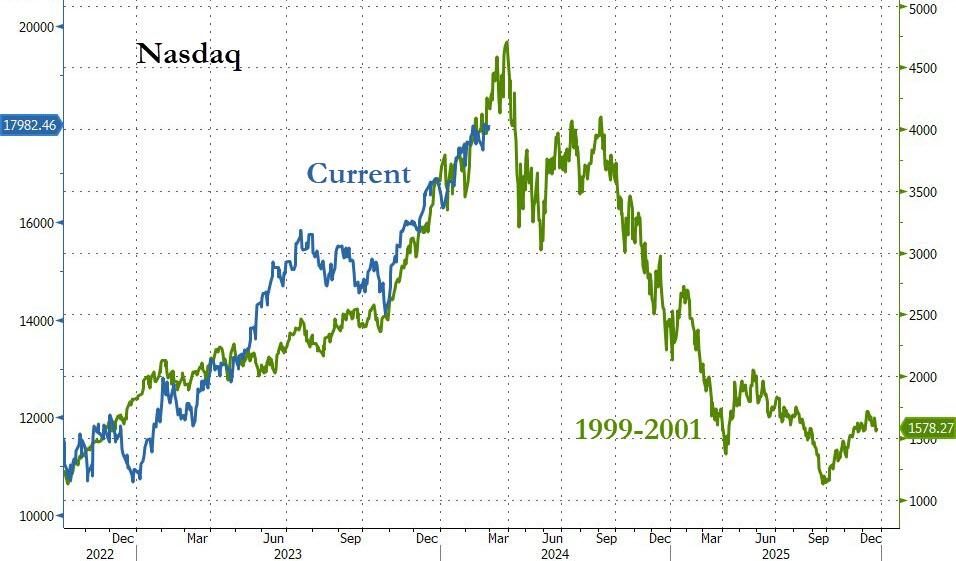
But before you pop the champagne and celebrate the return of the Goldilocks economy, you might want to look at this chart. It shows the striking similarity between the Nasdaq’s performance in 2023 and 1999, the year before the dot-com bubble burst.

Could history repeat itself? And if so, do you have an exit strategy ready? Or are you drinking Kool-Aid too?

Read More
Weekly StatSheet For The ETF Tracker Newsletter – Updated Through 11/16/2023

Ulli ETF StatSheet Contact

ETF Data updated through Thursday, November 16, 2023

How to use this StatSheet:

  1. Out of the 1,800+ ETFs out there, I only pick the ones that trade over $5 million per day (HV ETFs), so you don’t get stuck with a lemon that nobody wants to buy or sell.
  1. Trend Tracking Indexes (TTIs)

These are the main indicators that tell you when to buy or sell Domestic and International ETFs (section 1 and 2). They do that by comparing their position to their long-term M/A (Moving Average). If they cross above, and stay there, it’s a green light to buy. If they fall below, and keep going, it’s a red light to sell. And to make sure you don’t lose your shirt if things go south, I also use a 12% trailing stop loss on all positions in these categories.

  1. All other investment areas don’t have a TTI and should be traded based on the position of each ETF relative to its own trend line (%M/A). That’s why I call them “Selective Buy.” In other words, if an ETF goes above its own trend line, you can buy it. But don’t forget to use a trailing sell stop of 12%, or less if you’re feeling nervous.

If some of these words sound like Greek to you, please check out the Glossary of Terms and new subscriber information in section 9.

  1. DOMESTIC EQUITY ETFs: SELL— since 09/22/2023

Click on chart to enlarge

This is our main compass, the Domestic Trend Tracking Index (TTI-green line in the above chart). It has now barely broken above its long-term trend line (red) by +0.43% but remains in “Sell” mode for the time being.

Read More
Market Summary: Stocks Flat, Bonds Yields Down, Gold Up

Ulli Market Commentary Contact

[Chart courtesy of MarketWatch.com]

  1. Moving the markets 

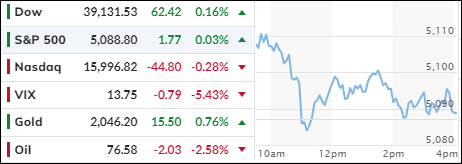
The stock market seemed to take a break from its recent rally today, as the major indexes barely moved from their opening levels. The S&P 500 and Nasdaq managed to squeeze out some gains, but the Dow closed slightly lower.

Tech stocks were hit hard by disappointing earnings and guidance from Cisco Systems and Palo Alto Networks, which plunged 12% and 7%, respectively. Investors were not impressed by their weak outlooks for the current quarter and the full fiscal year.

Meanwhile, economic data was mixed, with import prices falling more than expected in October, but weekly jobless claims rising last week. Some traders might see this as a sign of easing inflation pressures, but they are ignoring the bigger picture.
Massive government spending and money printing will continue to fuel inflation, which is already running at a 30-year high. The inflation monster is not going away anytime soon, no matter what the Fed says or does.

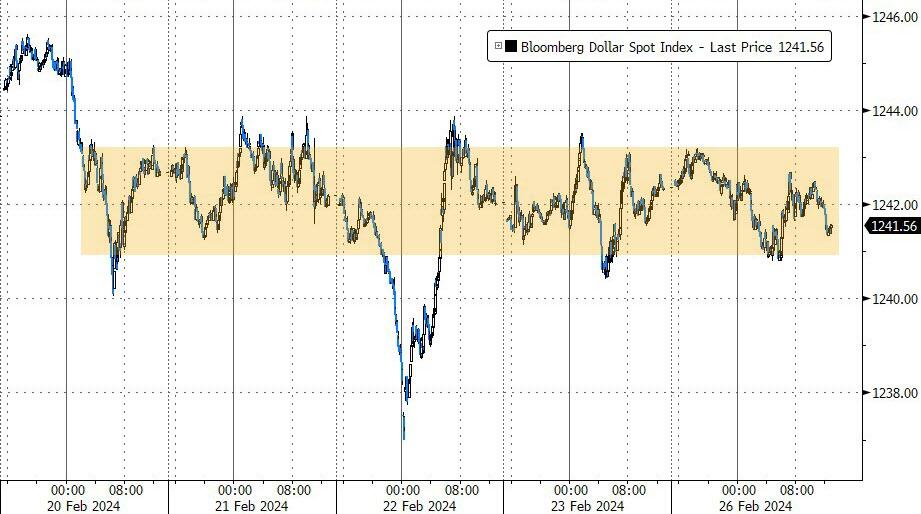
The bond market also reflected the sluggish economic conditions, with the 10-year yield dropping to 4.441%. The dollar was flat, but gold shone brightly, gaining 1.02% and closing in on its $2k level.

As ZeroHedge pointed out, the 10-year bond yield is following a similar pattern to 1987, when it crashed along with the stock market. But the S&P 500 is not following suit, at least not yet.

Will the bond market be proven right again, or will the stock market defy gravity? That is the question that keeps many traders awake at night.

Read More