Weekly StatSheet For The ETF Tracker Newsletter – Updated Through 08/05/2021

Ulli ETF StatSheet Contact

ETF Data updated through Thursday, August 5, 2021

Methodology/Use of this StatSheet:

1. From the universe of over 1,800 ETFs, I have selected only those with a trading volume of over $5 million per day (HV ETFs), so that liquidity and a small bid/ask spread are assured.

2. Trend Tracking Indexes (TTIs)

Buy or Sell decisions for Domestic and International ETFs (section 1 and 2), are made based on the respective TTI and its position either above or below its long-term M/A (Moving Average). A crossing of the trend line from below accompanied by some staying power above constitutes a “Buy” signal. Conversely, a clear break below the line constitutes a “Sell” signal. Additionally, I use an 8% trailing stop loss on all positions in these categories to control downside risk.

3. All other investment arenas do not have a TTI and should be traded based on the position of the individual ETF relative to its own respective trend line (%M/A). That’s why those signals are referred to as a “Selective Buy.” In other words, if an ETF crosses its own trendline to the upside, a “Buy” signal is generated. Since these areas tend to be more volatile, I recommend a wider trailing sell stop of 8%-10% depending on your risk tolerance.

If you are unfamiliar with some of the terminology, please see Glossary of Terms and new subscriber information in section 9.     

1. DOMESTIC EQUITY ETFs: BUY — since 07/22/2020

Click on chart to enlarge

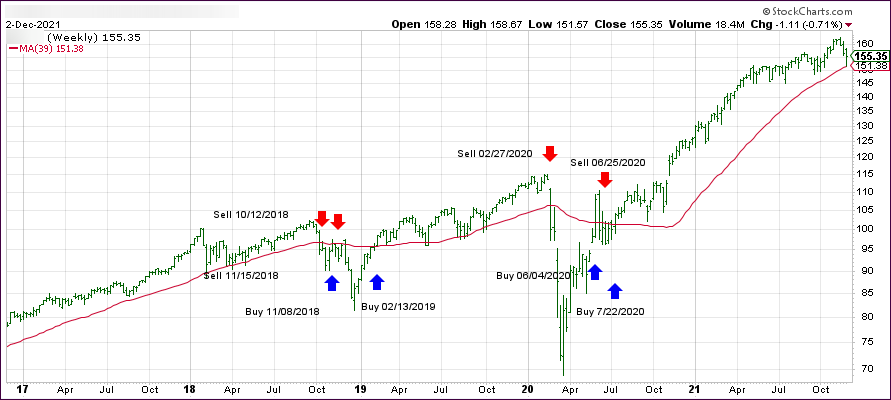
Our main directional indicator, the Domestic Trend Tracking Index (TTI-green line in the above chart) has now rallied above its long-term trend line (red) by +10.84% and remains in “BUY” mode as posted.

Read More

Bond Rollercoaster Punishes Equities

Ulli Market Commentary Contact

[Chart courtesy of MarketWatch.com]

  1. Moving the markets

A variety of factors combined to knock down equities with the 10-year bond yield getting whacked around like a rubber ball in a trampoline factory.

First, General Motors dropped some 7%, which weighed heavily on the broad market as the automaker missed earnings expectations, but it managed to issue a positive guidance for the remainder of the year.

Second, in economic news, the private ADP payroll survey confirmed a weakening environment with a meager gain of only 330k jobs for July vs. expectations of 653k. This could be a harbinger of things to come when the Labor Department’s official jobs report will be posted on Friday. However, at times, one report is not indicative of the other.

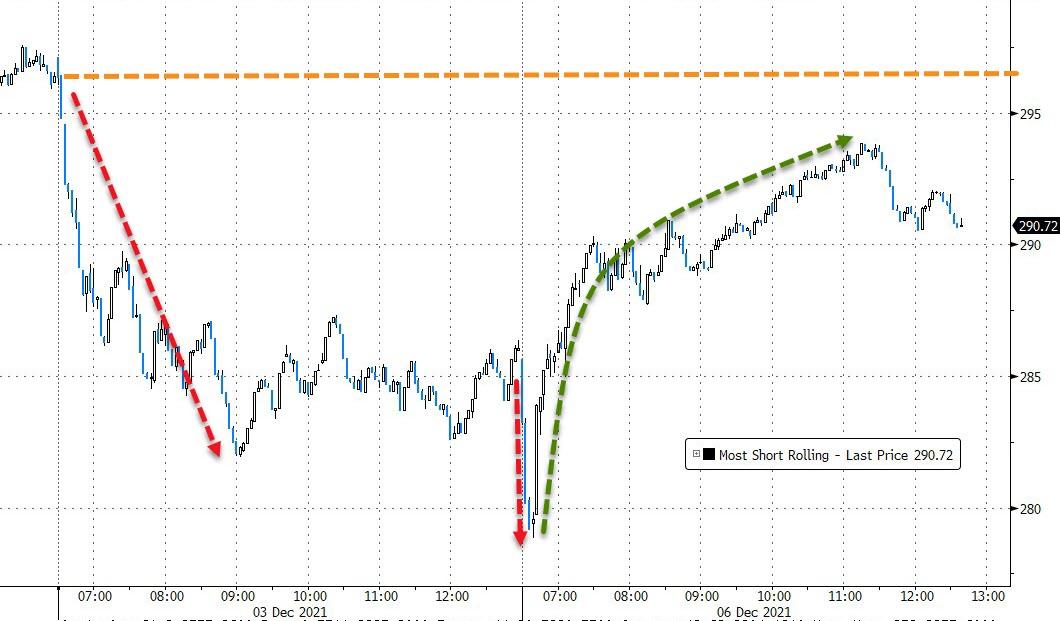
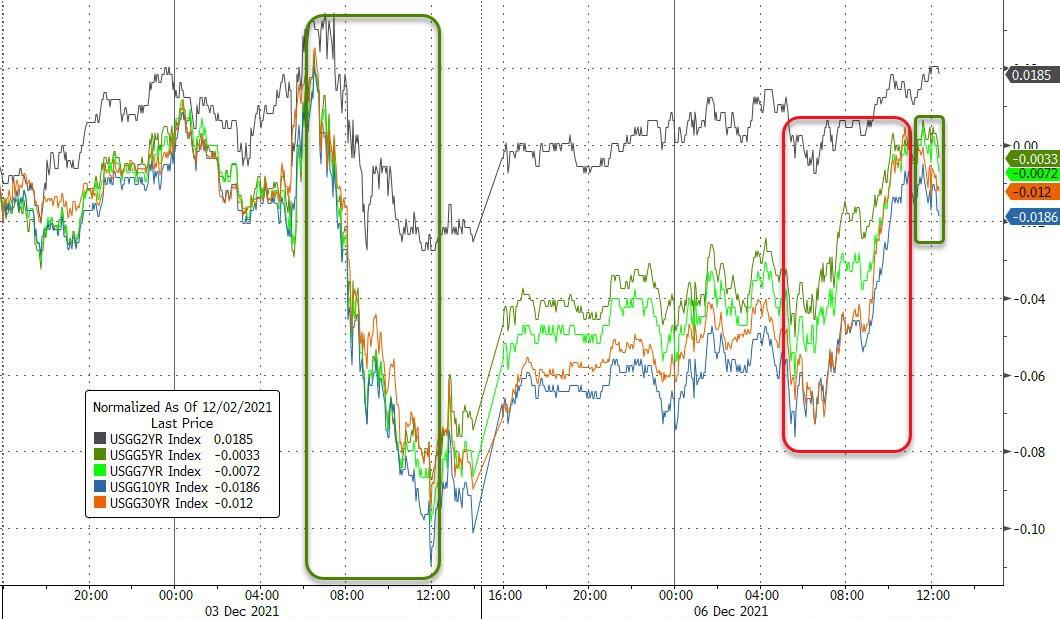
Third, an early short squeeze in the bond market set up a negative tone with the 10-year yield dipping to below 1.13%, after which all hell broke loose. The cause was remarks from Fed Vice Chair Richard Clarida opining that “the Fed may be much closer to tightening than last week’s FOMC release implied.”

Ouch, no one saw that one coming and bond yields responded to that much hawkishness by spiking straight up to almost 1.19% before easing back to 1.16%, as this chart shows.

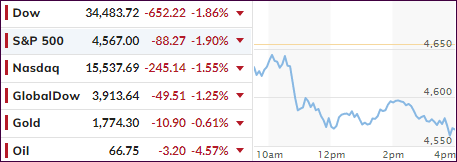
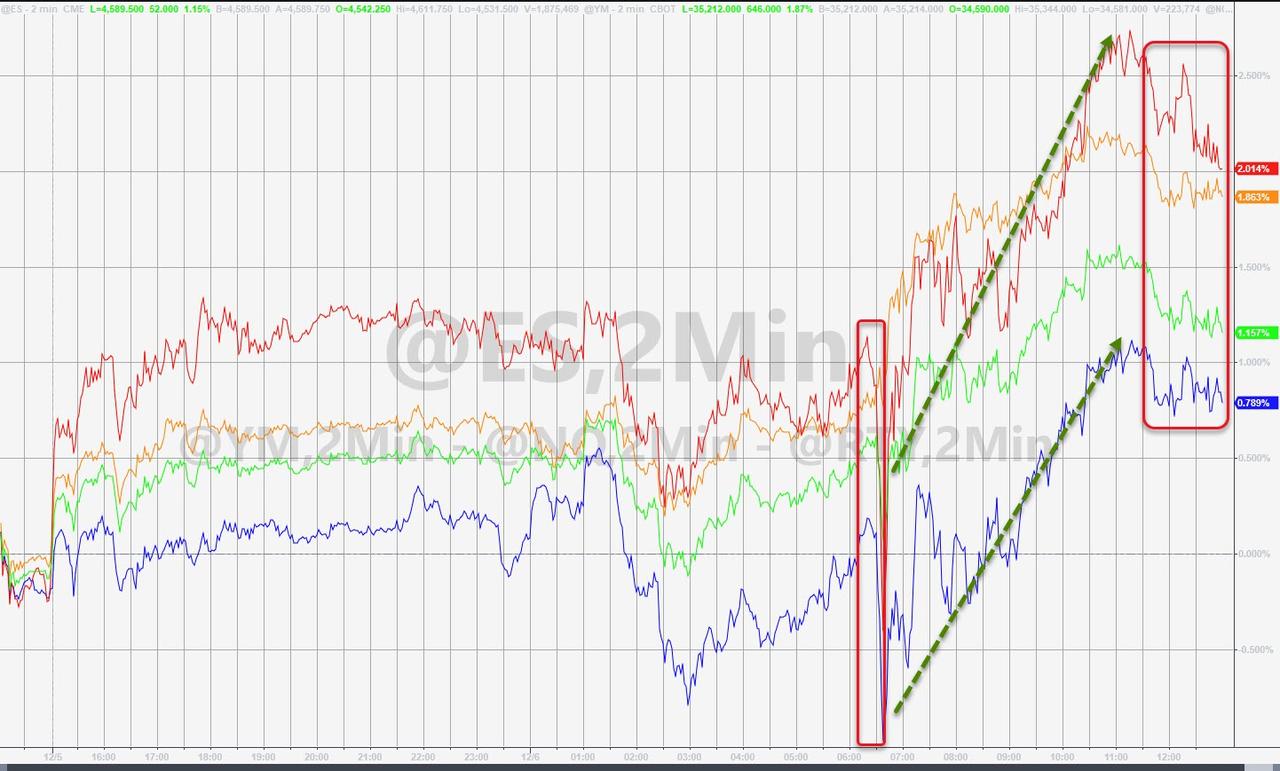
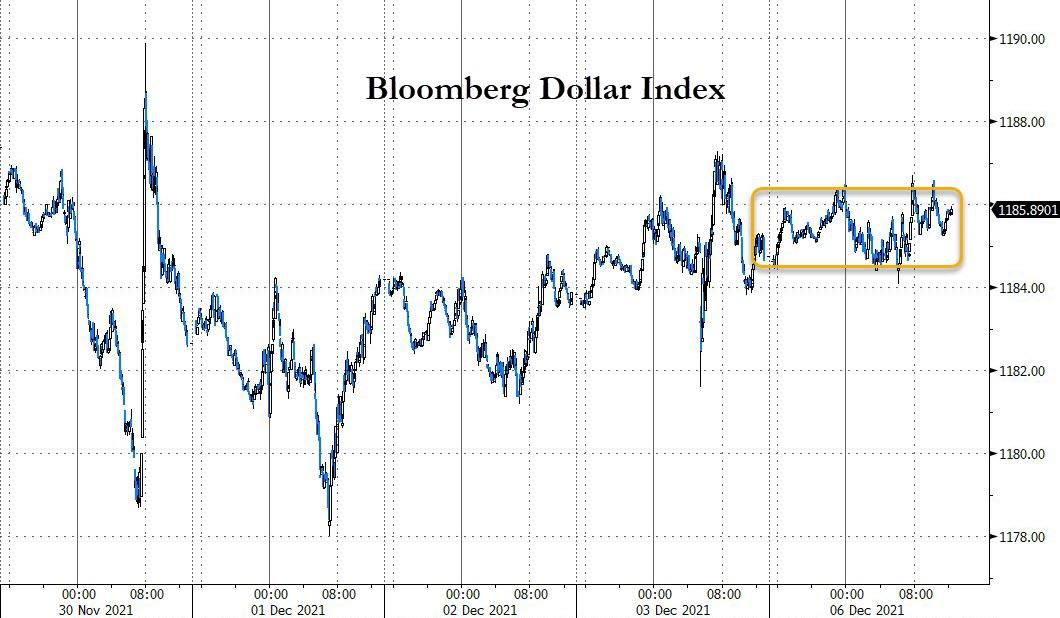
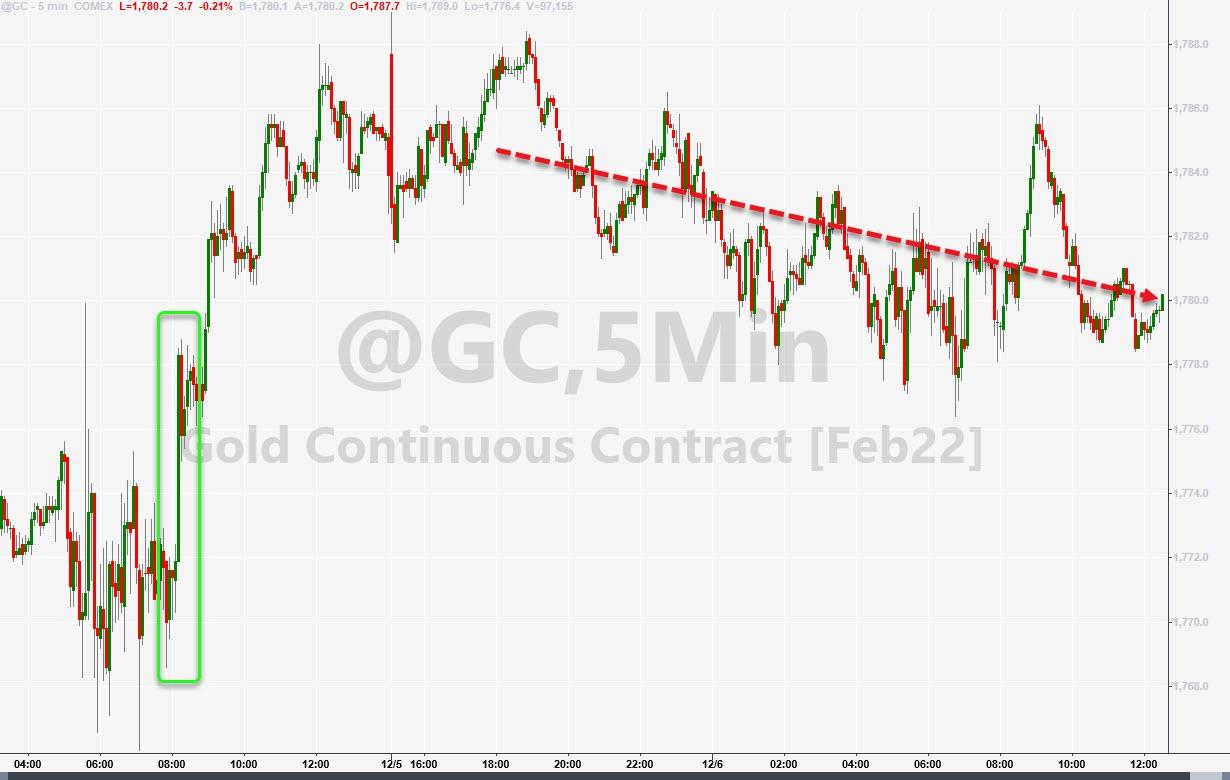
The US Dollar index first dumped to 6-week lows and then pumped on Clarida’s hawkish remarks. Gold followed suit and rode its own rollercoaster and ended up slightly in the green. Despite this wild ride, the losses for the major indexes were moderate with the Nasdaq escaping unscathed.

Observing equity reaction to even the slightest hint of rising bond yields just goes to show the market’s total dependence on low rates/yields. Unfortunately, yields will have to go up at some point, as rising rates will be the only tool available to deal with the ever-increasing inflationary threat.

If you were around in 1980, you’ll recall that this is how then Fed Chairman Volker reigned in the crisis. And no, this time will not be different.  

Read More

From Zero To Hero

Ulli Market Commentary Contact

[Chart courtesy of MarketWatch.com]

  1. Moving the markets

A sloppy opening and quick pullback put the major indexes on the defensive with all three of them sinking into the red. It was a reversal from yesterday’s action when an early pump turned into a late dump.

Bond yields proved to be the stabilizing factor with 10-year yields rebounding from Monday’s drop to nearly five-month lows, which was repeated early this morning, and giving stocks a good enough reason to follow suit. Remember, that sliding bond yields indicate economic weakness, while rising ones, within reason, account for economic expansion.

Factory orders printed better-than-expected and lent support to the theme that the economy is still in expansion mode, at least for this day. Lately, econ reports paint at best a mixed picture, which is why we are seeing some of these extreme moves in the markets.

The US Dollar bounced off its lows and, together with rising bond yields, kept gold in check with the precious metal ETF GLD closing just about unchanged.

The ongoing battle between Small Caps (VBK) and “value” (RPV) was clearly won by the latter with a solid gain of +1.37%, while the former barely stayed in the green.

August started the month with two opposite trading days and increased volatility, as the latest headline news continues to be the dominating factor for market direction.

Read More

Thriving And Diving

Ulli Market Commentary Contact

[Chart courtesy of MarketWatch.com]

  1. Moving the markets

An early rally hit the skids with the major indexes giving back all their substantial initial gains. The exception was the Nasdaq, which managed to end up fractionally above its unchanged line.

Contributing to this sudden transformation in sentiment were the same old standbys, as Covid variants and slowing economic growth overwhelmed strong earnings reports.

The dead giveaway, that the economy is not all it can be, became obvious as bond yields tumbled just as they did last week when the same issues surfaced. The 10-year crashed to the 1.15% level before rebounding into the close.

The cause of this sudden change of heart, was the Manufacturing ISM survey, the index of which fell to its lowest in 2021, with the “soft” data now starting to catch “down” to hard data’s reality, as ZeroHedge put it.

That created havoc in the bond and stock markets, the latter of which were spooked some more after the Fed’s Waller warned in the last hour that good jobs data reports could move the timetable for the Fed by possibly “tapering early and fast.” To traders that means the punchbowl of easy money could be endangered, so stocks dumped off their early highs.

In the end, it was only this morning’s unrealized gains that were given back, as the major indexes barely crossed their unchanged lines into the red. Whether this is a harbinger of things to come remains to be seen.

The US Dollar index went the other way by selling off early on but rallying back into the close. Despite this chaotic back and forth, gold managed to come back from an early pullback and ended unchanged.

To make it easier for you to follow my various blog posts, you can view the current schedule here.

Read More

ETFs On The Cutline – Updated Through 07/30/2021

Ulli ETFs on the Cutline Contact

Below, please find the latest High-Volume ETF Cutline report, which shows how far above or below their respective long-term trend lines (39-week SMA) my currently tracked ETFs are positioned.

This report covers the HV ETF Master List from Thursday’s StatSheet and includes 312 High Volume ETFs, defined as those with an average daily volume of more than $5 million, of which currently 260 (last week 260) are hovering in bullish territory. The yellow line separates those ETFs that are positioned above their trend line (%M/A) from those that have dropped below it.

Take a look:                                                                   

The HV ETF Master Cutline Report

In case you are not familiar with some of the terminology used in the reports, please read the Glossary of Terms. If you missed the original post about the Cutline approach, you can read it here.      

ETF Tracker Newsletter For July 30, 2021

Ulli ETF Tracker Contact

ETF Tracker StatSheet          

You can view the latest version here.

ENDING A POSITIVE MONTH ON A NEGATIVE NOTE

[Chart courtesy of MarketWatch.com]

  1. Moving the markets

Disappointment about Amazon’s unsatisfactory earnings report, after Thursday’s close, dented any remaining optimism and the kept the major indexes in the red throughout today’s session. To no surprise, the Nasdaq suffered the most but came off its worst intra-day level, as Amazon slid over 7%.

In the end, the losses were minor but broad with equities being manhandled across the board. Other than a few sector funds, there was no place to hide as Small Caps and “value” were equally hit with “value” faring worse.

The month of July had its rollercoaster moments with the S&P 500 at one point sinking into the red. This proved to be short-lived, however, and the index managed to score its sixth positive month by adding some +2.2%.

Weaker than expected economic readings influenced market direction as well with the GDP “only” accelerating 6.5% on an annual basis vs. predictions of 8.4%. Adding insult to injury were the latest weekly jobless claims numbers, which came in higher than anticipated.

Of course, as I have pointed out many times, traders see weak econ numbers as a positive in their twisted thinking that bad news is good news, as it won’t motivate the Fed to cut down on propping up the markets via their monthly purchases of $120 billion of bonds and other QE programs.

The US Dollar index recovered from yesterday’s drubbing, while bond yields weakened with the 10-year breaking below the 1.23% level. Gold tried to maintain yesterday’s rally, but was not able to due to a stronger dollar, which caused the precious metal to give back -0.80%.

We are now entering a seasonally weak period, and it remains to be seen if the bullish trend, along with the always needed Fed assist, can prevail.

Read More