ETF Tracker Newsletter For February 25, 2022

Ulli ETF Tracker Contact

ETF Tracker StatSheet          

You can view the latest version here.

EXPLODING INTO THE WEEKEND

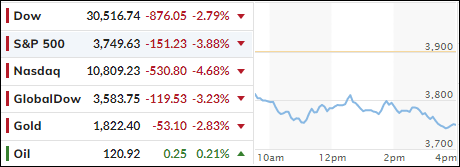
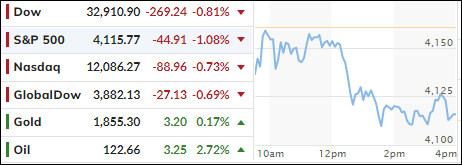
[Chart courtesy of MarketWatch.com]

  1. Moving the markets

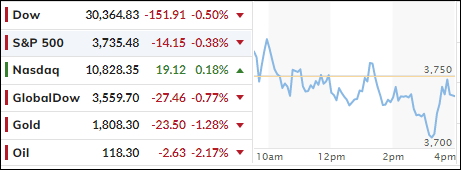
The markets continued their upward explosion from a low of -850 points yesterday, which was entirely wiped out, with the index adding another 800-point for a comeback range of almost 1,700 Dow points—in 2 days.

It now appears that there was an overreaction to the downside with the financial risks being perceived as less than was anticipated. Helping today’s ramp was an announcement by the Kremlin that Putin had agreed to organize negotiations with Ukraine’s Zelensky to discuss Ukraine’s “neutral status.”

ZeroHedge reported the timeline:

  • KREMLIN SAYS PUTIN HAS AGREED TO ORGANISE NEGOTIATIONS AFTER ZELENSKIY SAID HE WAS READY TO DISCUSS UKRAINIAN NEUTRALITY
  • KREMLIN SAYS WE HAVE NOTIFIED THE UKRAINIANS OF PROPOSAL TO HOLD TALKS IN MINSK
  • KREMLIN SAYS PUTIN HAS CALLED BELARUS’S LUKASHENKO TO ORGANISE MINSK TALKS WITH UKRAINE
  • KREMLIN SAYS PUTIN HAS AGREED TO ORGANISE NEGOTIATIONS AFTER ZELENSKIY SAID HE WAS READY TO DISCUSS UKRAINIAN NEUTRALITY

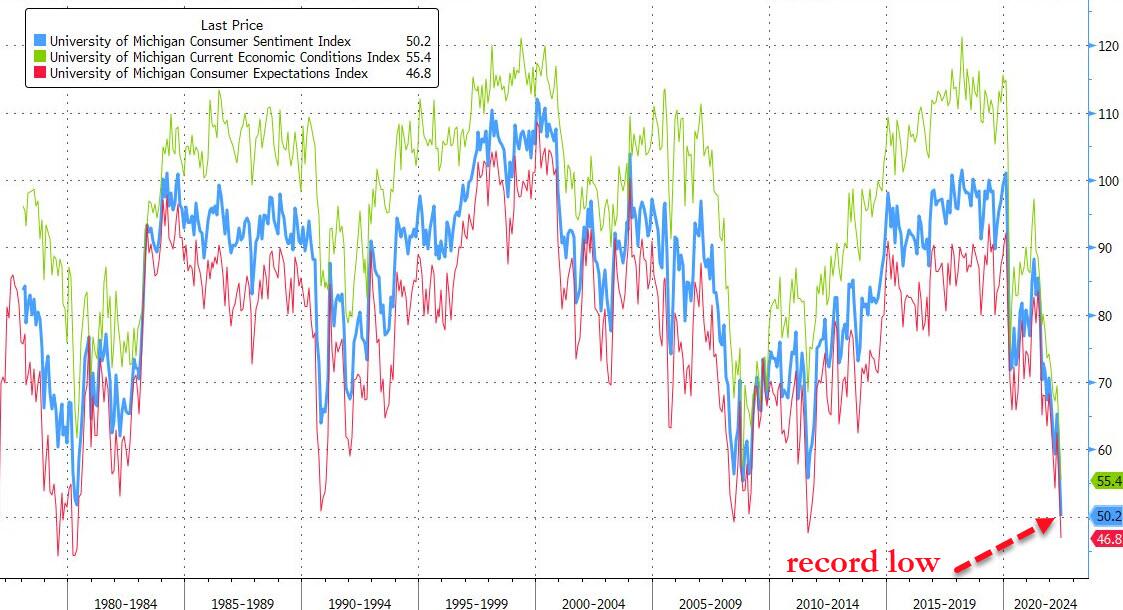
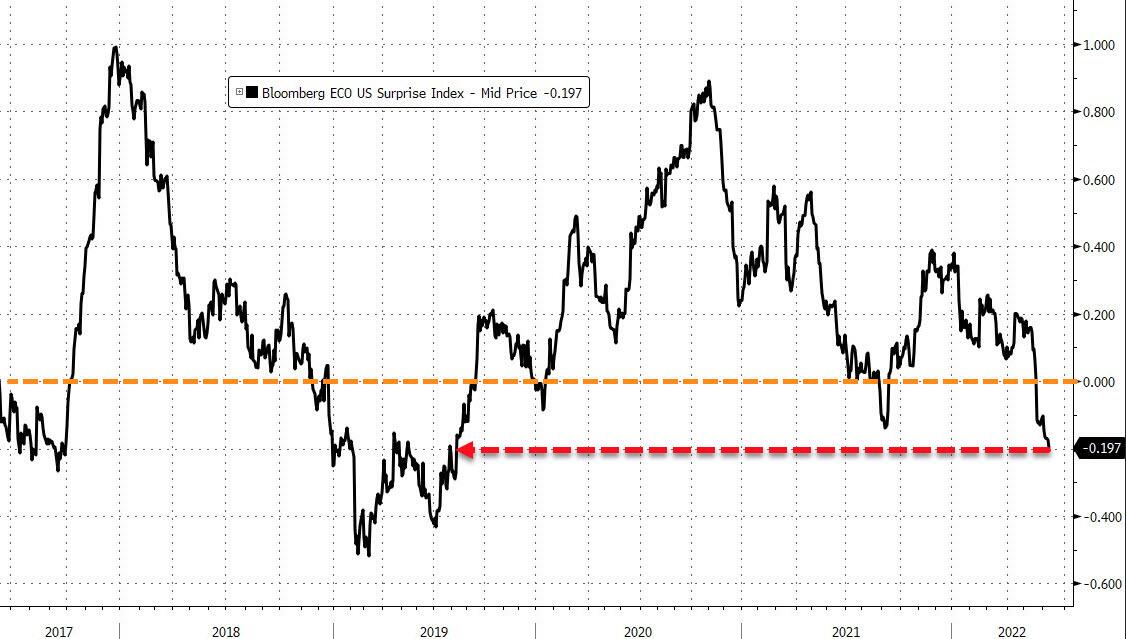
That was sufficient news to keep the bullish mood going, with economic news, global and domestic, being pushed aside or simply being neglected. Nobody cared that Consumer Sentiment remained at an 11-year low, or that US Pending Home Sales plunged in January due to soaring mortgage rates.

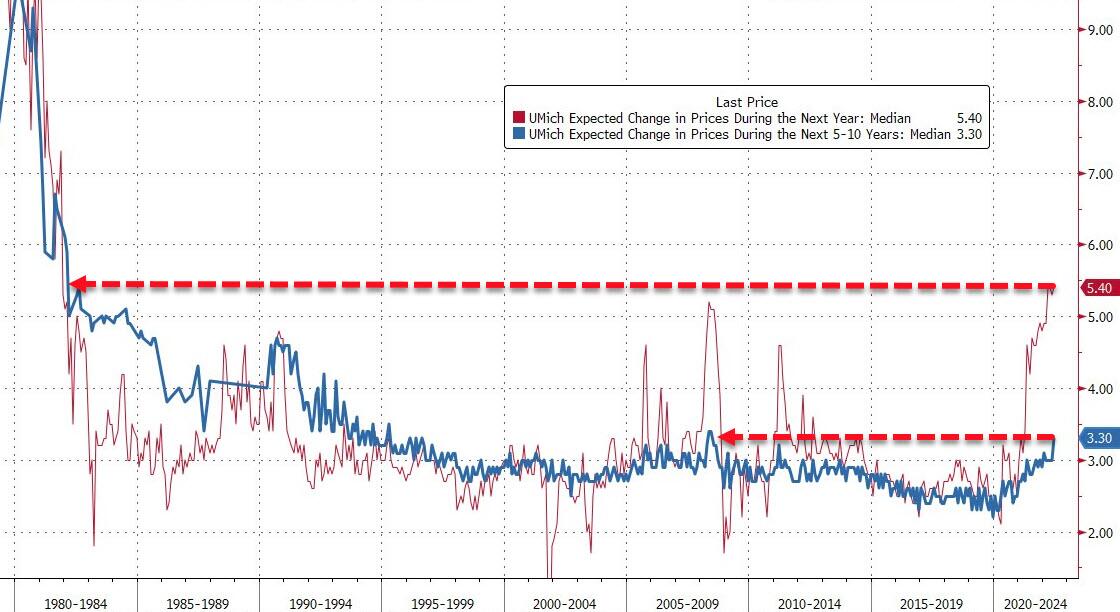
Adding insult to injury was the news that the Fed’s favorite inflation indicator came in hotter than expected, as ZH reported, and reached 40-year highs. Personal income experienced its biggest YoY drop since November 2009.

None of this mattered during this Holiday shortened week, which ZH summed up like this:

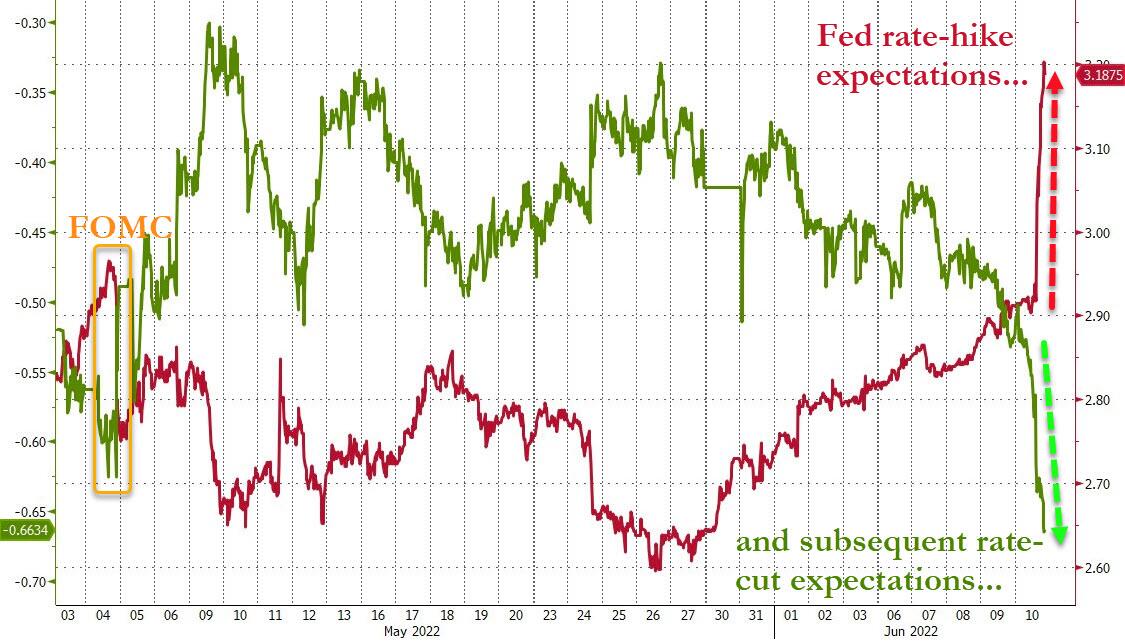
But by the end of the week (during which many bloviated that Putin was potentially starting WW3), stocks were higher, Fed rate-hike trajectory had shifted hawkishly, oil was unchanged, gold was flat, safe-haven Treasuries were sold, cryptos were lower, and Biden approval ratings were higher.

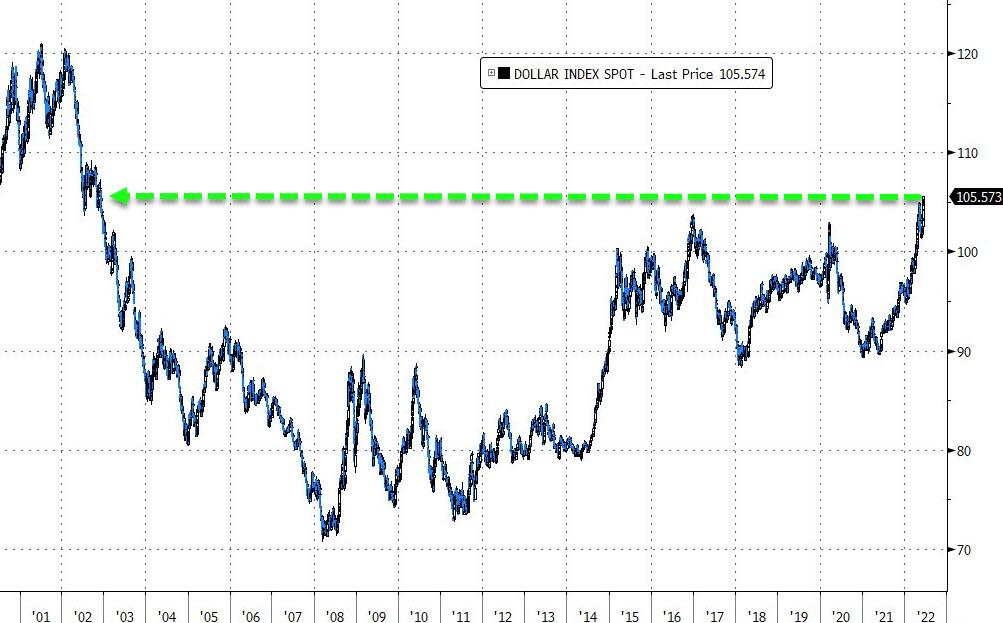
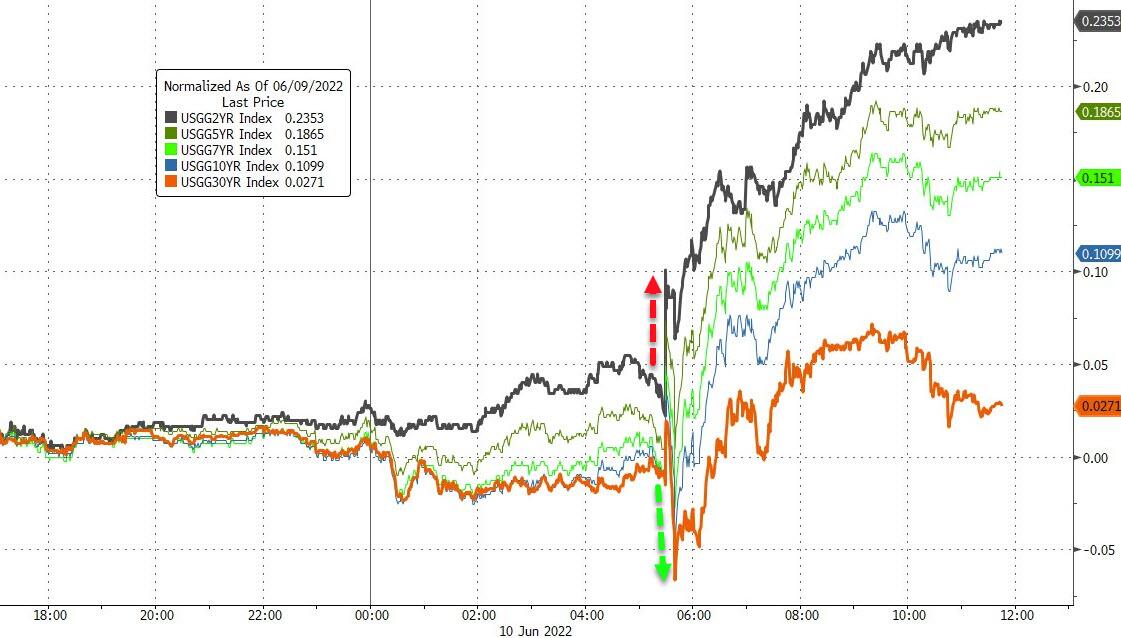
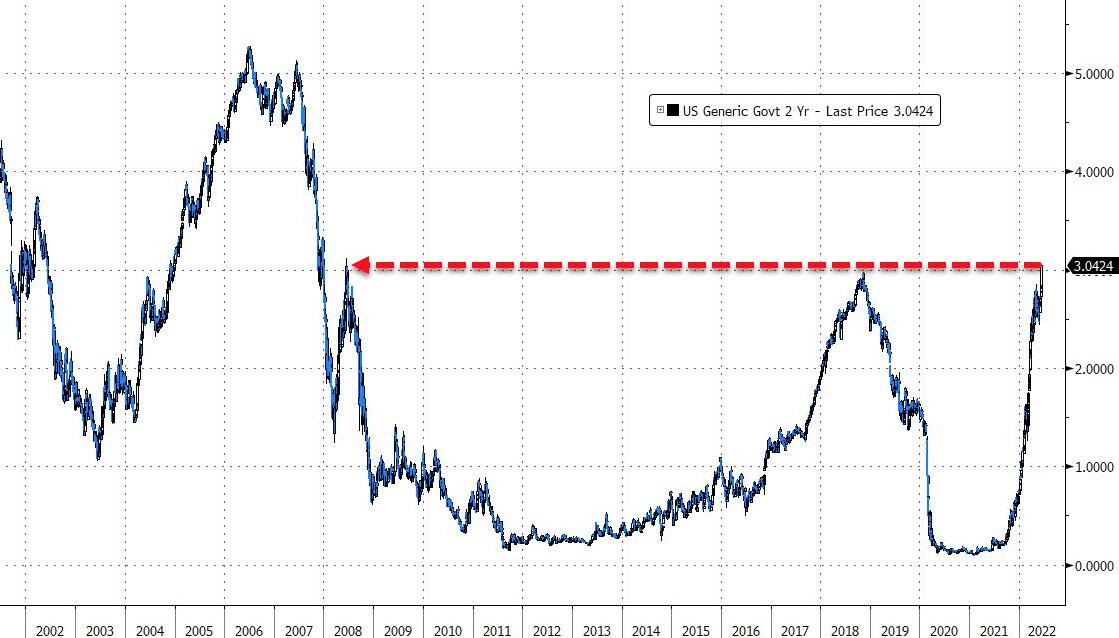
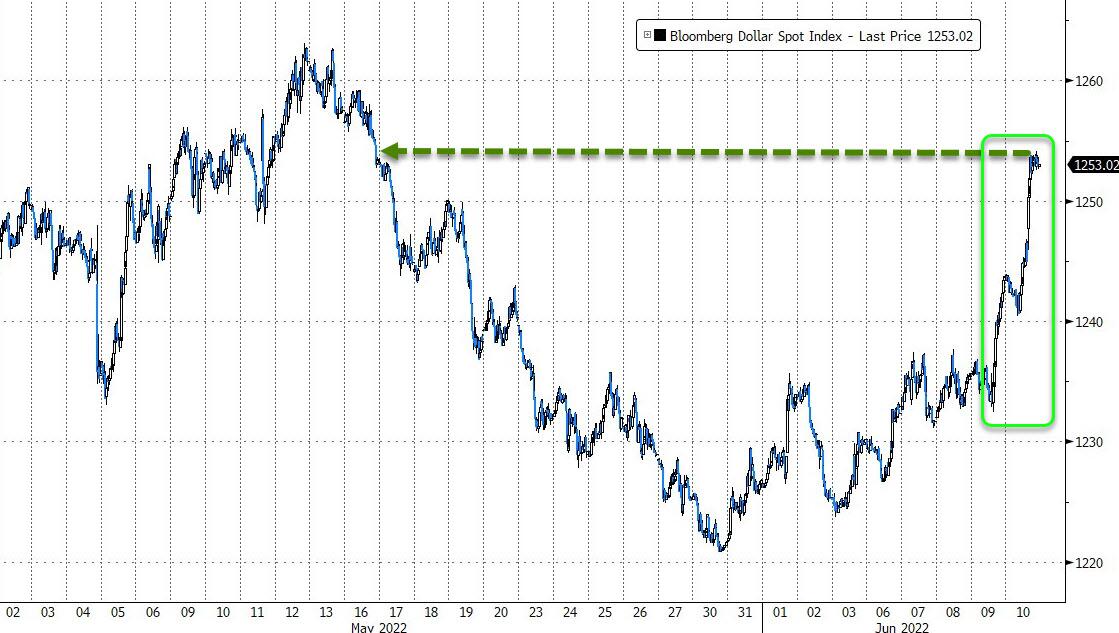
Bond yields closed higher, the US Dollar rallied while oil, crude and precious metals were essentially unchanged over the past 4 trading days.

It sure looked like the ultimate outcome when it comes to “bad news is good news,” and it influenced our trend tracking status, whose southerly direction has suddenly become questionable, that is if this rebound indeed has legs.

Right now, it looks like we’ve experienced one of the biggest head fakes I have seen in decades with the bearish trend reversing within 2 days and pushing our main directional indicator, the Domestic TTI, back into bullish territory—although by only a fraction, as you can see in section 3 below.

Whether that will potentially turn into a new “Buy” signal or simply be a hiccup in an ongoing bear market, is the unanswered question. I am sure, we may get some hints next week as to whether economic realty will take center stage again.

Read More
Weekly StatSheet For The ETF Tracker Newsletter – Updated Through 02/24/2022

Ulli ETF StatSheet Contact

ETF Data updated through Thursday, February 24, 2022

Methodology/Use of this StatSheet:

1. From the universe of over 1,800 ETFs, I have selected only those with a trading volume of over $5 million per day (HV ETFs), so that liquidity and a small bid/ask spread are assured.

2. Trend Tracking Indexes (TTIs)

Buy or Sell decisions for Domestic and International ETFs (section 1 and 2), are made based on the respective TTI and its position either above or below its long-term M/A (Moving Average). A crossing of the trend line from below accompanied by some staying power above constitutes a “Buy” signal. Conversely, a clear break below the line constitutes a “Sell” signal. Additionally, I use an 12% trailing stop loss on all positions in these categories to control downside risk.

3. All other investment arenas do not have a TTI and should be traded based on the position of the individual ETF relative to its own respective trend line (%M/A). That’s why those signals are referred to as a “Selective Buy.” In other words, if an ETF crosses its own trendline to the upside, a “Buy” signal is generated. Here too, I recommend trailing sell stop of 12%, or less, depending on your risk tolerance.

If you are unfamiliar with some of the terminology, please see Glossary of Terms and new subscriber information in section 9.     

1. DOMESTIC EQUITY ETFs: SELL — since 02/24/2020

Click on chart to enlarge

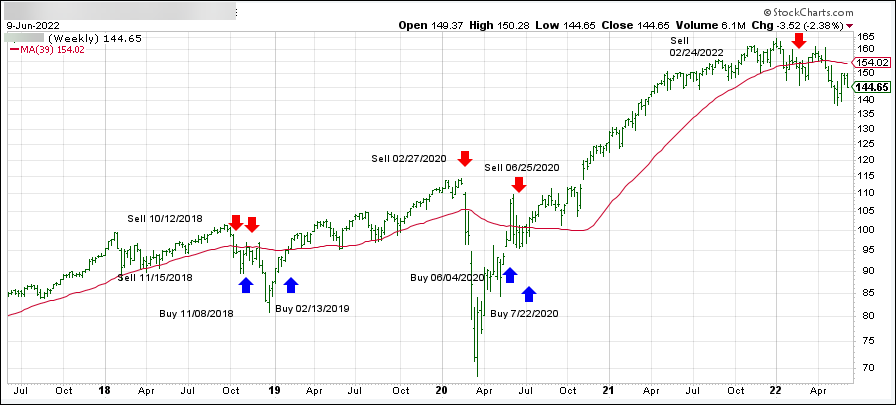
Our main directional indicator, the Domestic Trend Tracking Index (TTI-green line in the above chart) has just broken below its long-term trend line (red) by -2.24% and confirmed the “Sell” signal as of today.

Read More
Digging Out Of A Deep Hole

Ulli Market Commentary Contact

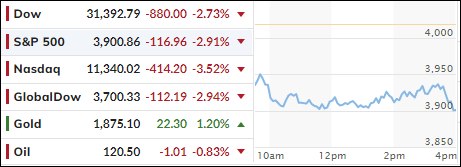
[Chart courtesy of MarketWatch.com]

  1. Moving the markets

The Russian-Ukraine saber rattling shifted into overdrive and pulled equities down sharply with the Dow down over 850 points at its low of the session.

As if by magic, a stunning afternoon comeback managed to wipe out all the morning’s losses with the major indexes ending in the green, as the Nasdaq ruled supreme, and the always present short-squeeze lent its usual assist.  

Apparently, traders and algo alike ignored warnings such as the one from Wells Fargo’s analyst “now is not a time to be buying the dip in stocks.” It’s difficult to fathom that the so-called worst invasion since WW 2 is a buying opportunity, as ZH put it.

Nomura’s Charlie McElligott cleared things up by explaining it this way:

If it’s hedge unwinds, not optimism that is driving this, it may leave us open to pullback thereafter unless flows sustain.

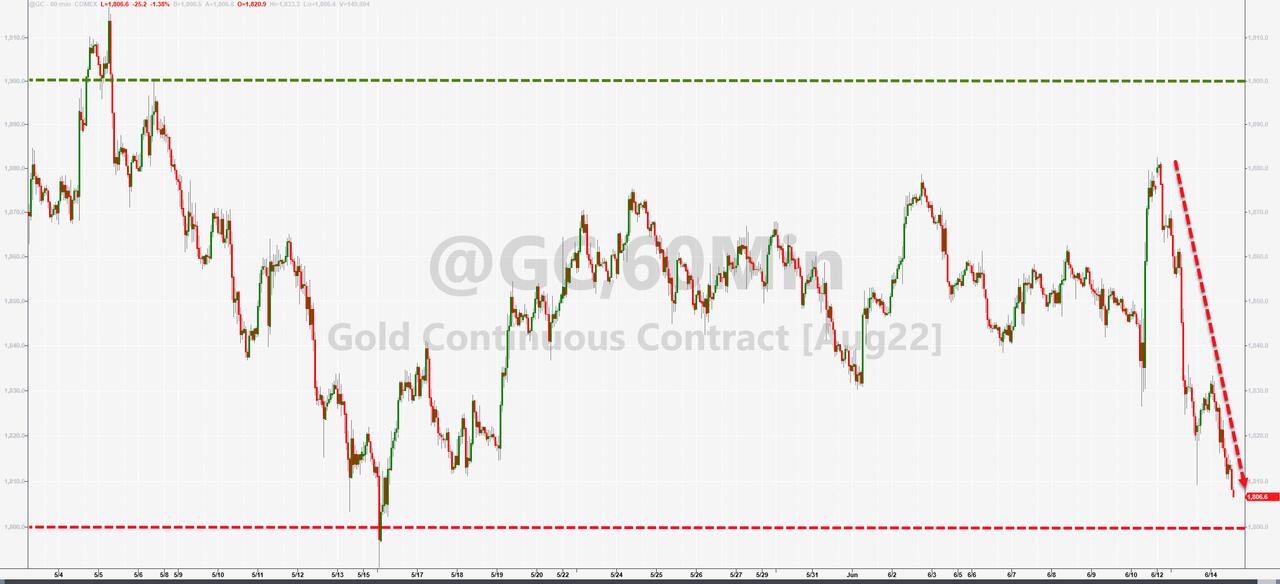
Roundtripping in a wild fashion was Crude Oil, which exploded to over $100 but gave back most of its gains. Gold followed suit and reversed its early advances by losing the $1,900 level.

Bond yields enjoyed the rollercoaster ride as well but, while serving as a “safe haven” first (lower yields), then spiking and thereby covering an unusual broad trading range.

Makes you wonder if tomorrow will bring joy or revulsion.

Read More
Domestic “Sell” Signal Generated

Ulli Market Commentary Contact

[Chart courtesy of MarketWatch.com]

  1. Moving the markets

Finally, after several weeks of bouncing above and below my domestic trend line, which separates bullish from bearish territory, today’s downside piercing was enough to confirm that the existing “Buy” cycle had finally come to an end. For tracking purposes, the effective date will be tomorrow, February 24th.

This shift to “Sell” mode only affects “broadly diversified domestic equity ETFs and mutual funds.” Sector and County funds shown in my Thursday StatSheet remain in “selective” Buy mode, meaning they are in bullish territory, if they remain above their respective trend lines (%M/A).

As posted yesterday, in my advisor practice we had only minimal domestic exposure left, the main position of which I already liquidated earlier in the session. It seemed that, due to all the geopolitical distractions, traders and algos alike had not realized that the most widely followed indicator, the S&P 500, had not only dropped below its 200-day M/A a few days ago but also into “correction” territory.

Of course, in this topsy turvy world we are living in, there is no way to assess how long we will remain out of the domestic market. In the meantime, however, I have shifted some assets into a few sector funds, which have been performing well and look to do so in the future given the continuing rise of inflation along with ever-increasing commodity and energy prices.

The major indexes, while holding up initially, plunged into the close and reached their lowest level in 2022. In a more shocking context, ZeroHedge reported that SmallCaps have now given up ALL of 2021’s gains (now down 1.4% from 12/31/20), and the Nasdaq is only up 1% from the end of 2020. Ouch! So much for Buy and Hold when the bear strikes.

Despite the sell-off in stocks, bond yields rose thereby inflicting more pain on those investors who hold bonds as “protection” against equity weakness. The US Dollar whipsawed and ended about unchanged. To no surprise, gold managed to eke out another gain, albeit a small one.  

In my mind, the open question is this one: Will this be the beginning of the long-overdue pricking of the stock market bubble, or will the Fed try to pull a rabbit of its hat—again?

Read More
Melting Down And Not Melting Up

Ulli Market Commentary Contact

[Chart courtesy of MarketWatch.com]

  1. Moving the markets

Given the overall geopolitical tensions, some real and some made up, I would have expected the markets to take a steeper dive. However, the pullback was slow and steady with no panic selling, but a melt-up attempt during the last hour hit the skids.

The major indexes gave back over 1% with the S&P 500 faring the best, despite the fact that it has now dropped below its widely watched 200-day M/A by -3.44%, which is a bearish signal. Apparently, traders and algos alike chose to ignore it for the time being.

Much jawboning by the current administration about sanctions on Russian banks and wealthy individuals occupied the MSM headlines, which was repeated in solidarity by the U.K. government.

While the Russia-Ukraine conflict will occupy center stage for some time to come, it does not look to have war implications, which is why the markets remained calm, but that could change in coming weeks.

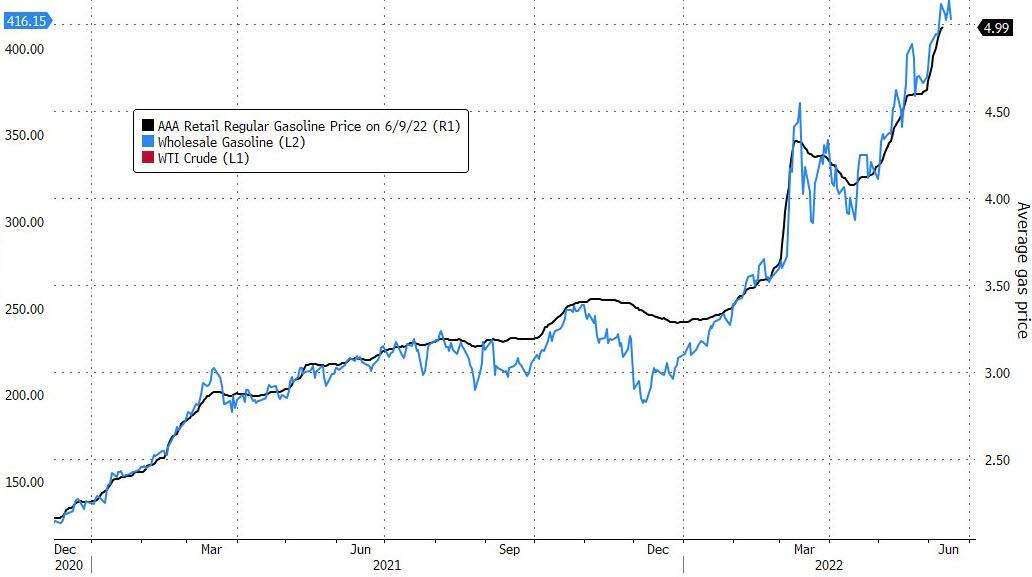
After all, there are many more items on the economic menu that have the power to affect stocks negatively. Higher interest rates, surging inflation affecting oil and food prices, along with shortages (truckers), are just a few that to me may have more of a market impact than what happens in Ukraine.

Bond yields went sideways to slightly higher, which was imitated by a directionless US Dollar, while oil prices spiked and look to be heading towards the $100 level. Gold regained the $1,900 point by advancing just a tad for the session.  

See section 3 below regarding the update about our Trend Tracking Indexes (TTIs).

Read More

ETFs On The Cutline – Updated Through 02/18/2022

Ulli ETFs on the Cutline Contact

Below, please find the latest High-Volume ETF Cutline report, which shows how far above or below their respective long-term trend lines (39-week SMA) my currently tracked ETFs are positioned.

This report covers the HV ETF Master List from Thursday’s StatSheet and includes 312 High Volume ETFs, defined as those with an average daily volume of more than $5 million, of which currently 75 (last week 65) are hovering in bullish territory. The yellow line separates those ETFs that are positioned above their trend line (%M/A) from those that have dropped below it.

Take a look:                                                                   

The HV ETF Master Cutline Report

In case you are not familiar with some of the terminology used in the reports, please read the Glossary of Terms. If you missed the original post about the Cutline approach, you can read it here.