Below, please find the latest High-Volume ETF Cutline report, which shows how far above or below their respective long-term trend lines (39-week SMA) my currently tracked ETFs are positioned.
This report covers the HV ETF Master List from Thursday’s StatSheet and includes 312 High Volume ETFs, defined as those with an average daily volume of more than $5 million, of which currently 107 (last week 127) are hovering in bullish territory. The yellow line separates those ETFs that are positioned above their trend line (%M/A) from those that have dropped below it.
In case you are not familiar with some of the terminology used in the reports, please read the Glossary of Terms. If you missed the original post about the Cutline approach, you can read it here.
Despite the tough language used by St. Louis’ Fed President Bullard yesterday, that a benchmark interest rate in the range of 5%-7% would be needed to bring down inflation, the Wall Street crowd refuses to pay attention and still lives the dream that the Fed will soon have to pivot (lower rates).
For weeks now, a variety of other Fed mouth pieces having been singing similar tunes from the same hymn book to no avail, as traders and algos alike continue to focus on the hope that peak inflation and peak rates are now clearly visible in the rearview mirror, and that good times for the markets are ahead of us.
Added ZeroHedge:
16 different speeches from Fed speakers this week – all with the same message: higher rates for longer; no pause or pivot imminent…
And in more detail:
Bostic: more rate-hikes needed, “must keep rates at peak” until inflation on track for 2%
Bullard: rates could rise to 7%, “burned two years in a row on inflation optimism”
Waller: Fed still has “long way to go” on rate-hikes
Daly: “pause is off the table“
Kashkari: “not seeing evidence of underlying demand cooling“, “not there yet” to pause rate-hikes
Collins: 75bps still on the table, “no clear evidence that inflation coming down”
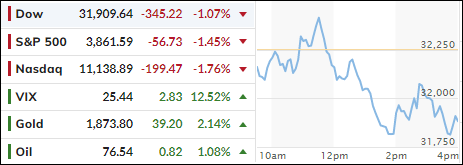
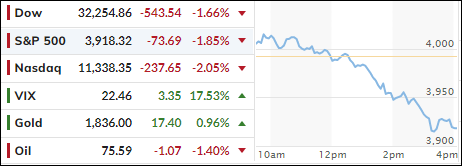
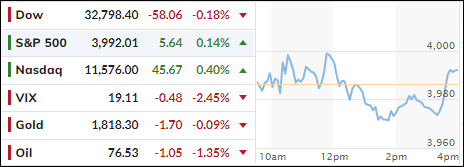
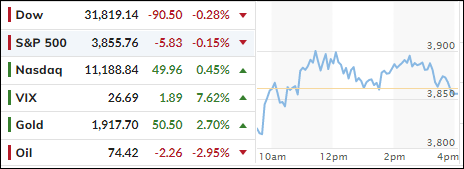
Suffice to say that, after last week’s Ramp-A-Thon, things slowed down during the past 5 trading days, during which the major indexes went nowhere with the S&P 500 surrendering a modest -0.7%. For the month, however, all are showing positive numbers from the CPI induced rebound.
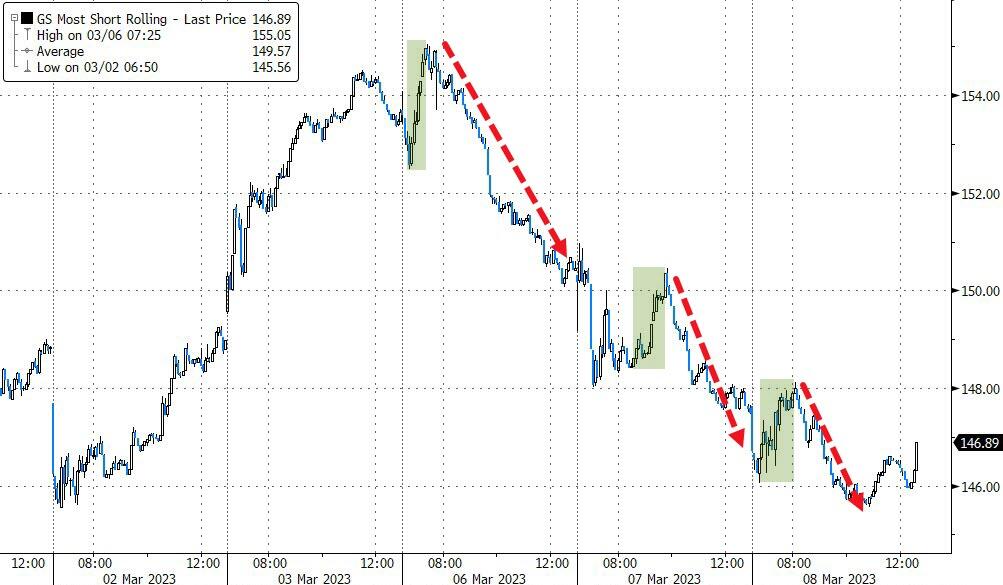
The lack of upside follow through can also be attributed to the “dying short squeeze,” as most shorted stocks did what they are supposed, namely go down. You could pretty much say that for the entire market which, as ZeroHedge pointed out, headed south with utter abundance.
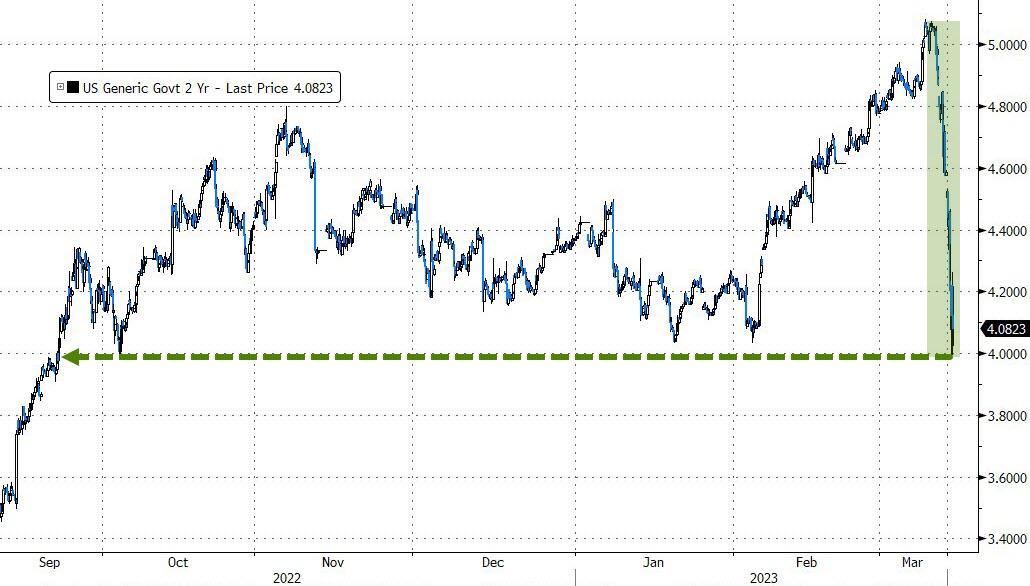
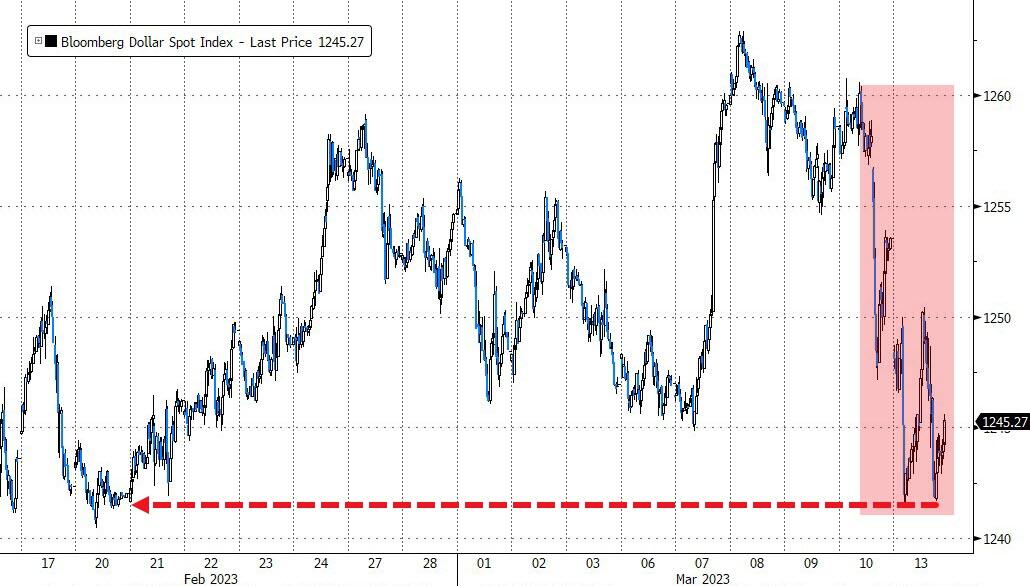
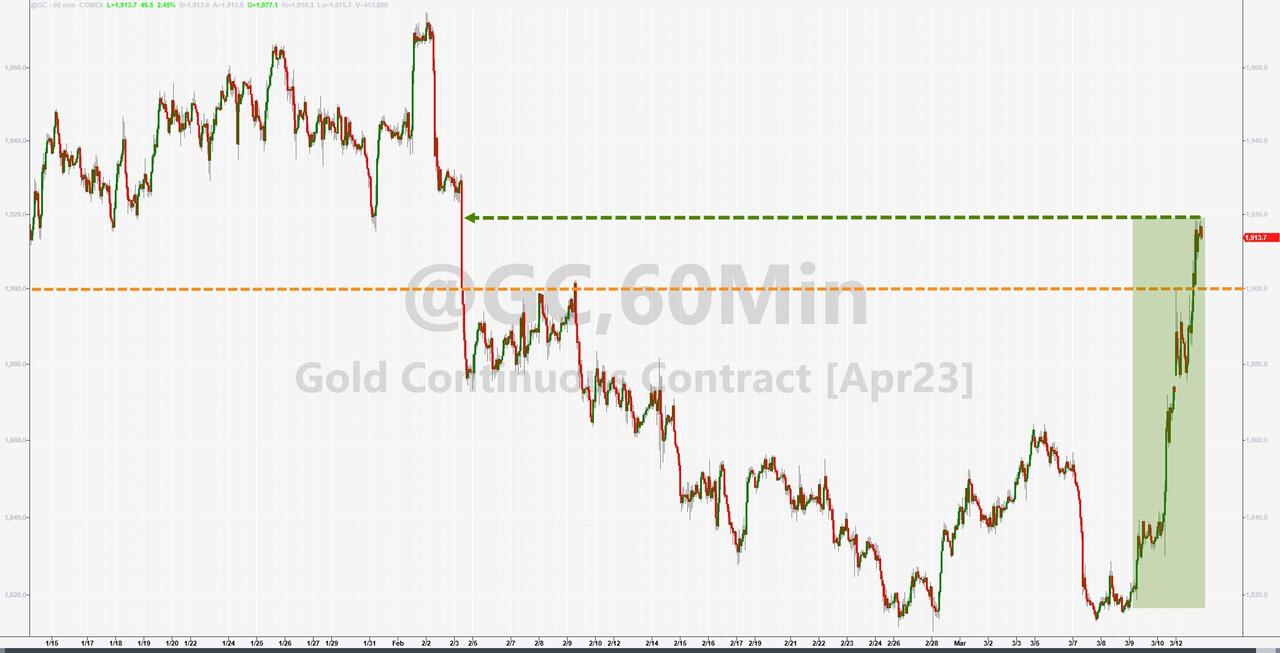
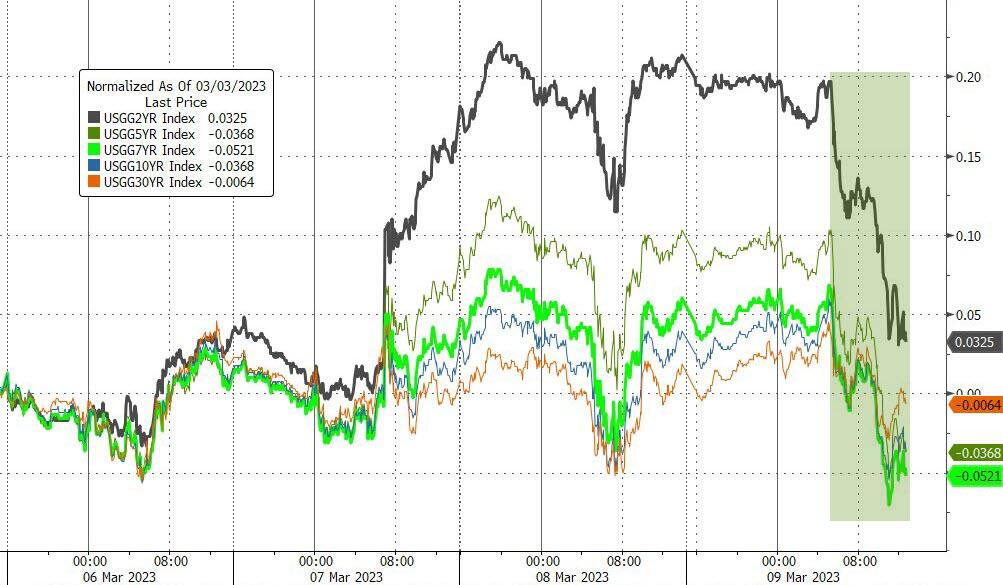
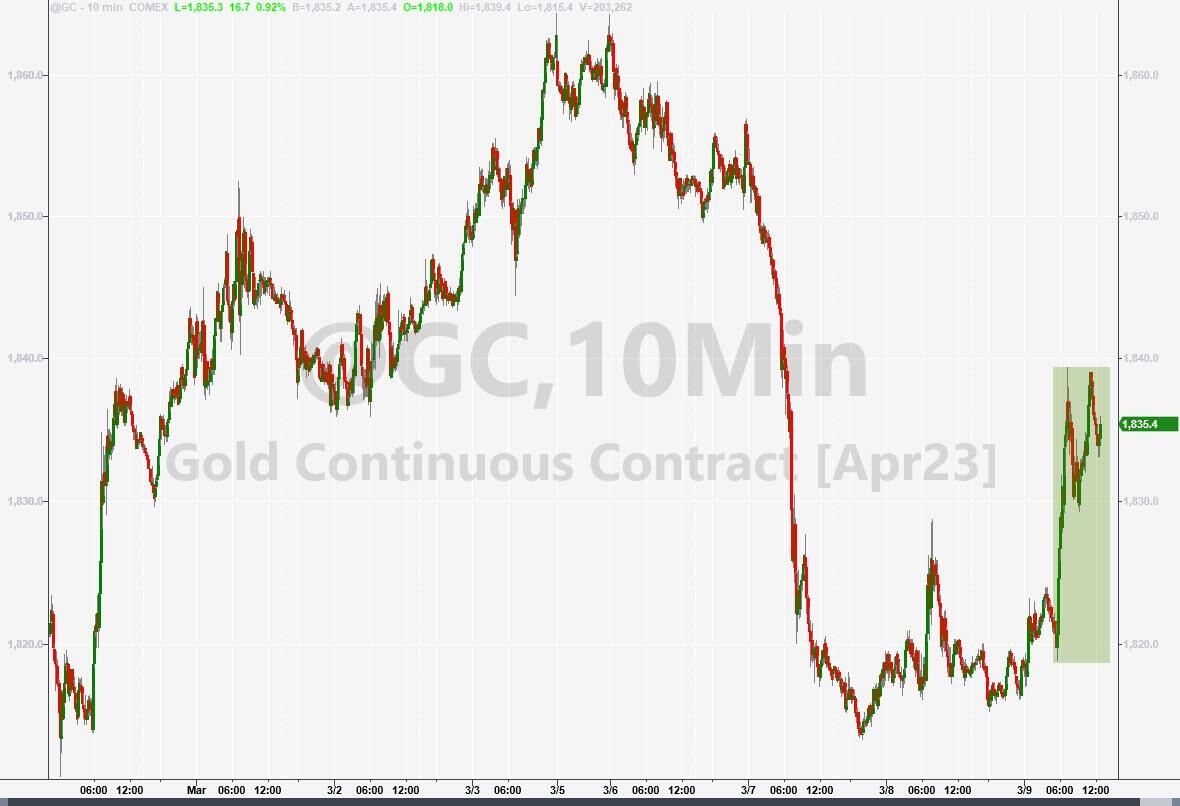
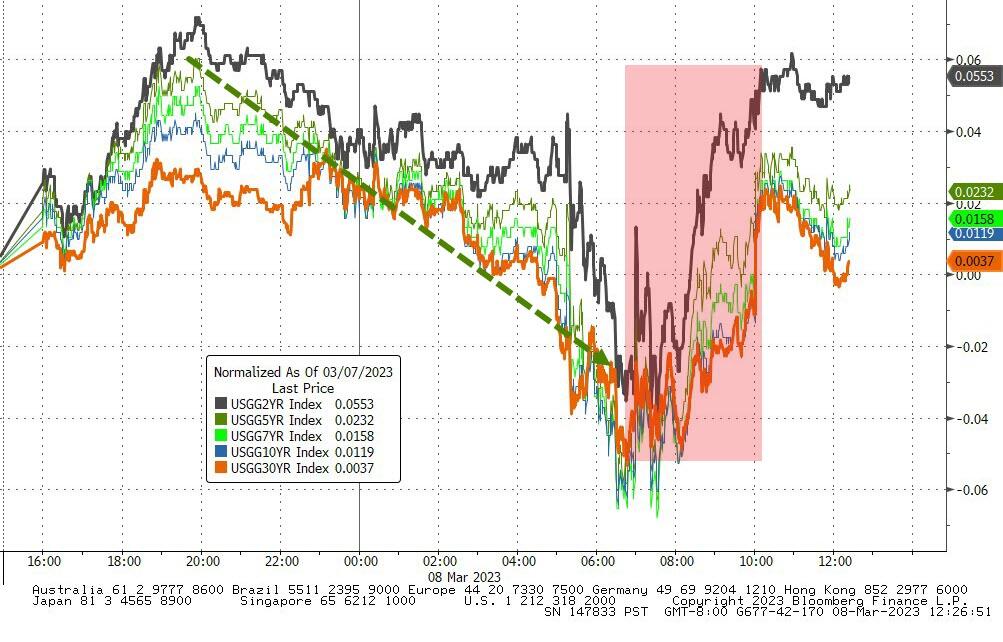
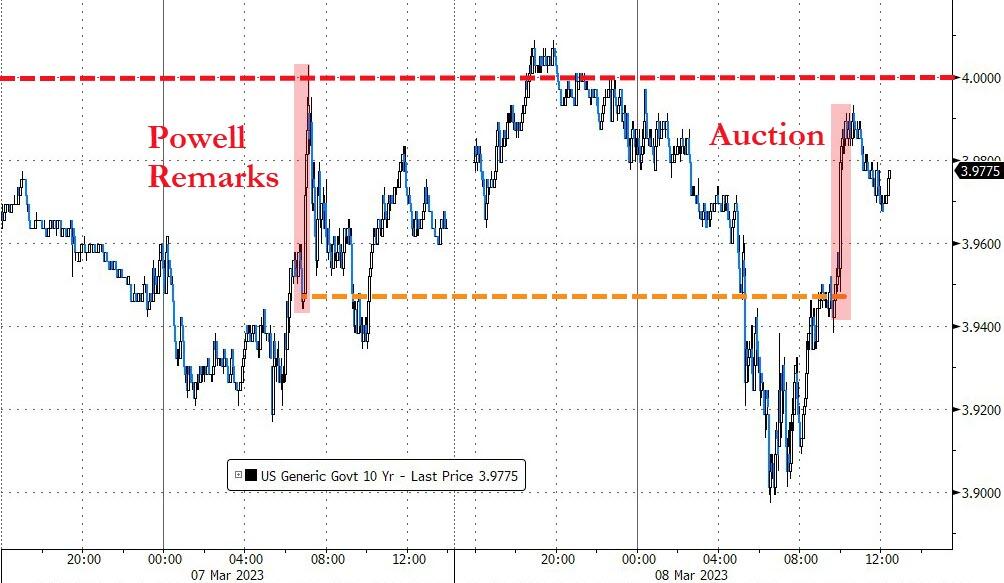
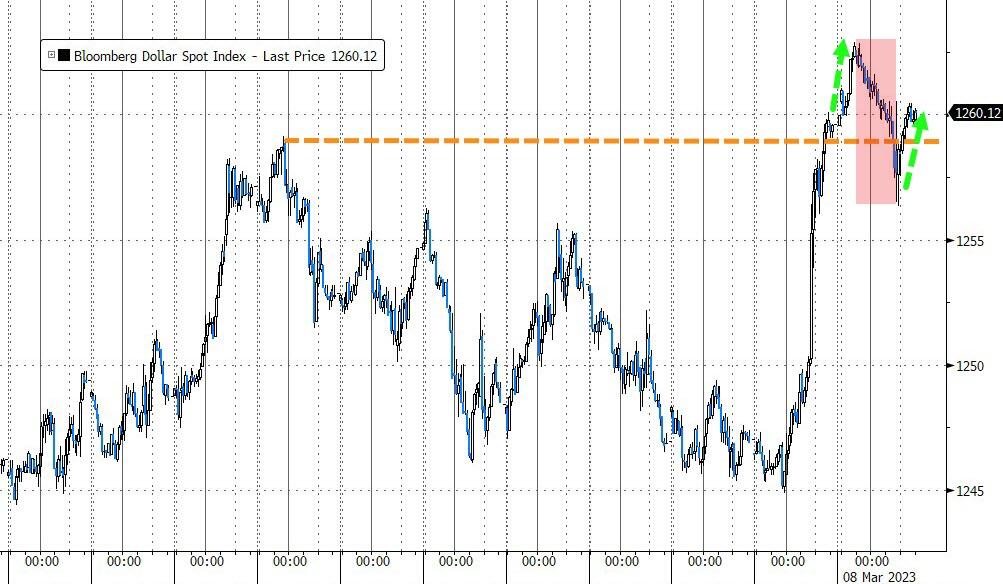
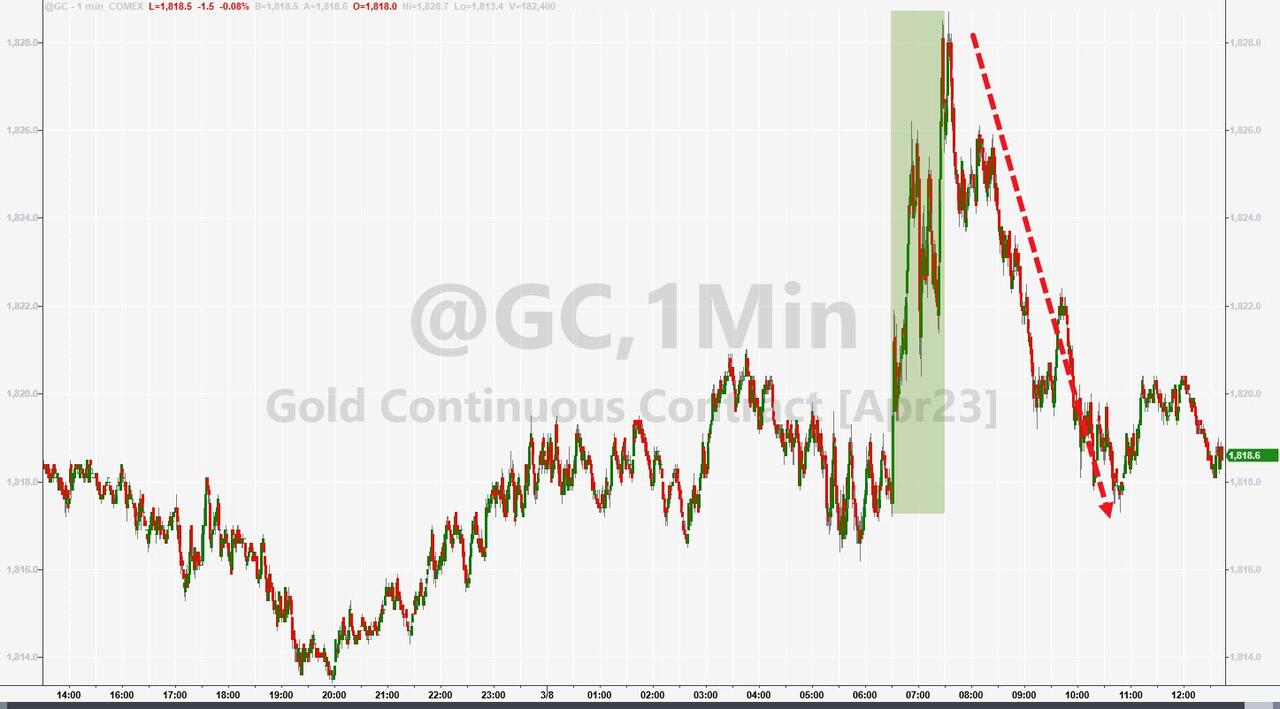
Bond yields were mixed with the 2-year pumping and the 30-year dumping. The US dollar edged higher, while gold slipped but held on to its $1,750 level.
From a directional point of view, our Trend Tracking Indexes (TTIs) performed the trend line dance with not much won or lost, and no clear direction is discernable at this time (section 3).
ETF Data updated through Thursday, November 17, 2022
Methodology/Use of this StatSheet:
1. From the universe of over 1,800 ETFs, I have selected only those with a trading volume of over $5 million per day (HV ETFs), so that liquidity and a small bid/ask spread are assured.
2. Trend Tracking Indexes (TTIs)
Buy or Sell decisions for Domestic and International ETFs (section 1 and 2), are made based on the respective TTI and its position either above or below its long-term M/A (Moving Average). A crossing of the trend line from below accompanied by some staying power above constitutes a “Buy” signal. Conversely, a clear break below the line constitutes a “Sell” signal. Additionally, I use a 12% trailing stop loss on all positions in these categories to control downside risk.
3. All other investment arenas do not have a TTI and should be traded based on the position of the individual ETF relative to its own respective trend line (%M/A). That’s why those signals are referred to as a “Selective Buy.” In other words, if an ETF crosses its own trendline to the upside, a “Buy” signal is generated. Here too, I recommend trailing sell stop of 12%, or less, depending on your risk tolerance.
If you are unfamiliar with some of the terminology, please see Glossary of Termsand new subscriber information in section 9.
1. DOMESTIC EQUITY ETFs: SELL — since 02/24/2022
Click on chart to enlarge
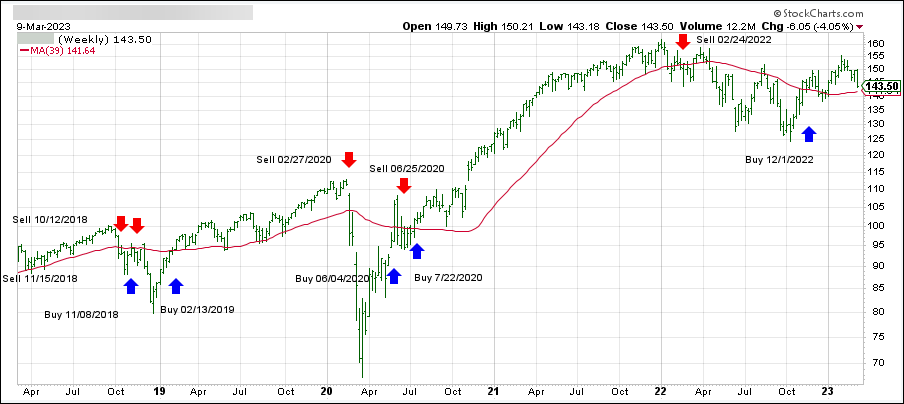
Our main directional indicator, the Domestic Trend Tracking Index (TTI-green line in the above chart) has broken back above its long-term trend line (red) by a scant +0.20% but remains in “SELL” mode—for the time being.
Weakness prevailed right from the get-go, when retail stocks were dragged lower due to Target reporting a decline in sales causing their stock price to dive some 13%. Shoppers are struggling with high inflation ahead of the biggest shopping season of the year.
On the other hand, US Retail Sales soared 1.3% MoM in October, which seems to indicate that consumers are willing to spend, yet Target’s report points towards slower consumption. Go figure…
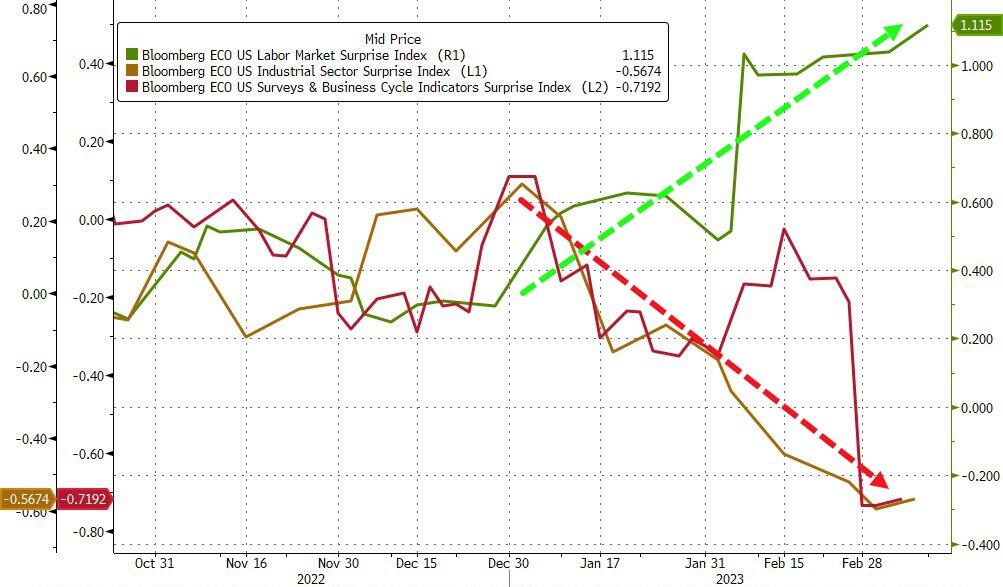
Other economic data painted an ugly picture with US Homebuilder Confidence collapsing in October and Homebuyer Confidence simply biting the dust, as ZeroHedge explained. To add more pain to a shrinking economy, we learned that US Industrial Production unexpectedly contracted last month, while Capacity Utilization slowed.
None of the above will potentially support bullish market sentiment, once this quarter ends, but for the time being more upside momentum is a possibility during this seasonally strong period of the year.
Today, it was the Fed’s Mary Daly singing these hawkish tunes:
Somewhere between 4.75 and 5.25 seems a reasonable place to think about as we go into the next meeting. And so that does put it in the line of sight that we would get to a point where we would raise and hold.
Pausing is off the table right now, it’s not even part of the discussion. Right now, the discussion is, rightly, in slowing the pace.
Daly also warned the ‘peak inflationistas’:
One month of data does not a victory make.
With the exception of the 2-year, bond yields fell and pulled the 10-year down by 8bps to end the day at 3.695%. The US Dollar was flat and so was gold, which is strongly correlated to it, i.e., if the dollar drops, gold rallies and vice versa.
To review where we are in historical context, here is the latest update of the 2008/2009 analog.
Today’s Producer Price Index (PPI) came in better than expected with CNBC highlighting the data as follows:
The producer price index rose 0.2% in October, below the 0.4% estimate.
A significant contributor to the slowdown in wholesale inflation was a 0.1% decline in services, the first outright decline in that measure since November 2020.
On a year-over-year basis, PPI rose 8% compared to an 8.4% increase in September.
Still, an “only” 8% YoY increase is hardly anything to get excited about, but algos and traders are living in their own world, in which it’s a foregone conclusion that we have seen peak interest rates and peak inflation, both of which are now believed to be on a downward trajectory.
As a result, the data were seen as a positive with the markets scoring a green close despite a sharp mid-day sell off, which pulled the major indexes off their morning highs with the rollercoaster ride continuing.
Bond yields meandered throughout the session with the 10-year losing 9bps to close at 3.77%, well below its much-fought over 4% level. The US Dollar continued its slide thereby supporting gold, which advanced again and is now within striking distance of regaining its $1,800 level.
Our main directional indicator, the Domestic Trend Tracking Index (TTI) has now remained above its long-term trend line for the 4th straight day. However, there has not been much follow through to the upside, so the TTI is only a modest sell-off away from breaking back below its dividing line between bullish and bearish territory.
I like to see more staying power and upside momentum before issuing a new “Buy” signal for that arena.
After last week’s Ramp-A-Thon, equities needed a breather. Even though the major indexes held up well throughout the session by bouncing around their respective unchanged lines, momentum waned during the last hour and south we went.
Given the advances of the past five trading days, a pause was in order, and that’s exactly what developed this afternoon. The question now remains if traders’ sentiment is bullish enough to build on recent gains to sustain upward momentum—even at a slower pace— during this seasonally strongest period of the year before the reality of fragile earnings sets in come 2023.
Two dovish and hawkish messages by a couple of Fed mouth pieces cancelled each other out but caused some whipsaws during the session with the S&P being unable to hang on to its $4k level.
Bond yields went sideways, the US Dollar was flat, but gold managed to score a +0.33% gain and kept inching closer to its $1,800 level.
The S&P is now 3.03% away from breaching its widely watched 200-day M/A, a key resistance level which, if broken to the upside, could give technical traders encouragement that the rally will continue, as third quarter earnings season moves into its 9th inning.