ETF Tracker Newsletter For October 27, 2023

Ulli ETF Tracker Contact

ETF Tracker StatSheet          

You can view the latest version here.

THE GOOD, THE BAD, AND THE UGLY: AMAZON OUTPERFORMS, BUT MARKET UNDERWHELMS
[Chart courtesy of MarketWatch.com]

  1. Moving the markets

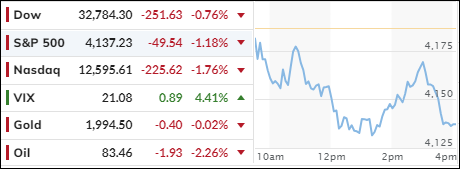
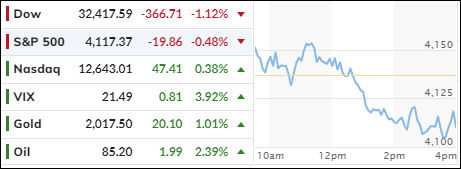
The Nasdaq tried to bounce back on Friday after a brutal week, but the S&P 500 was not in the mood and slipped into correction mode. Amazon was the star of the show, delivering a stellar quarter that beat Wall Street’s forecasts. The stock jumped more than 6% and lifted other tech giants like Alphabet and Microsoft.

Other earnings were not so rosy. Ford plunged more than 10% after missing its targets and blaming the UAW strike. Chevron also disappointed investors and shed more than 4%.

Inflation was on everyone’s mind as the Fed’s favorite measure, the core PCE, came out. It rose 0.3% in September and 3.7% year over year, in line with expectations. Consumer spending also beat estimates, rising 0.7%.

But none of that could save the market from a dismal week. The Dow, the S&P 500, and the Nasdaq all lost more than 2%, dragged down by Meta Platforms and Alphabet’s woes.

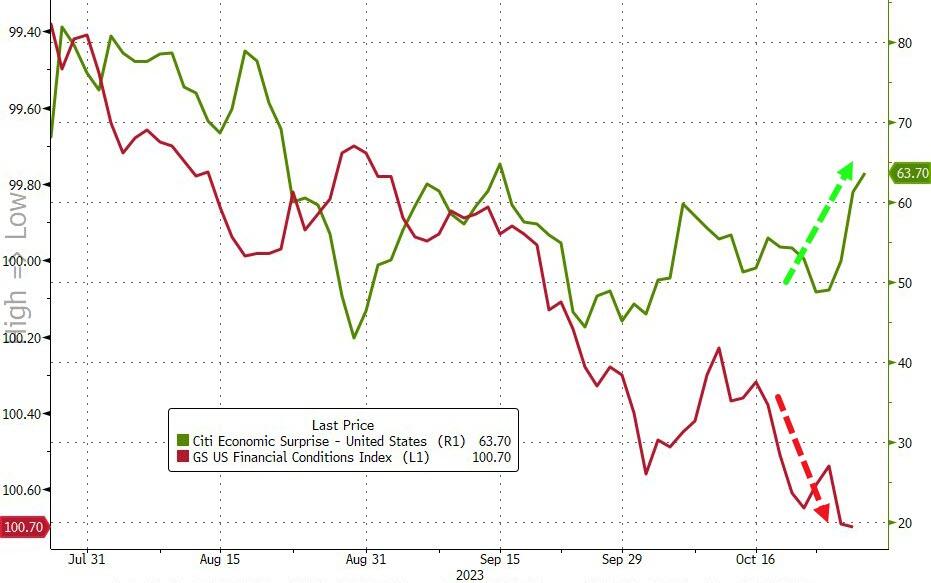
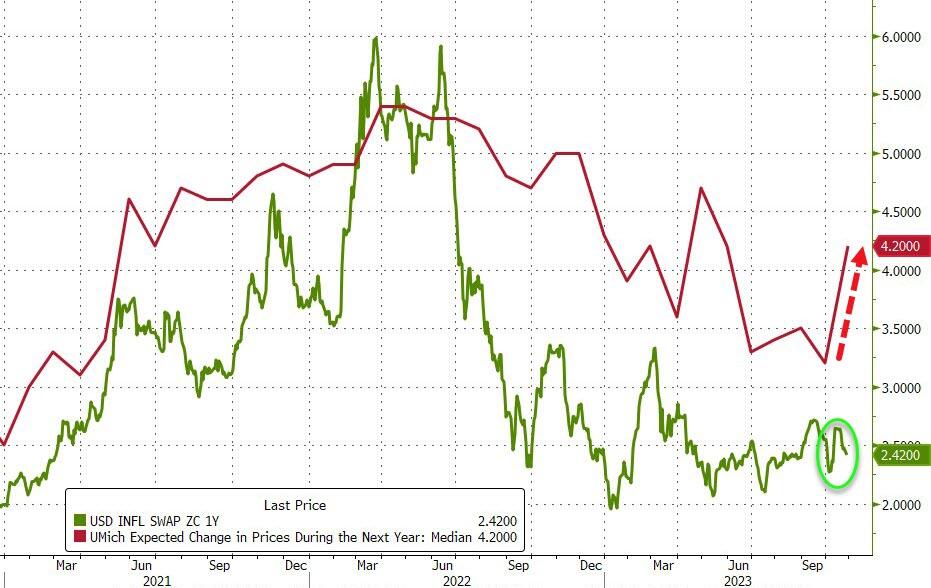
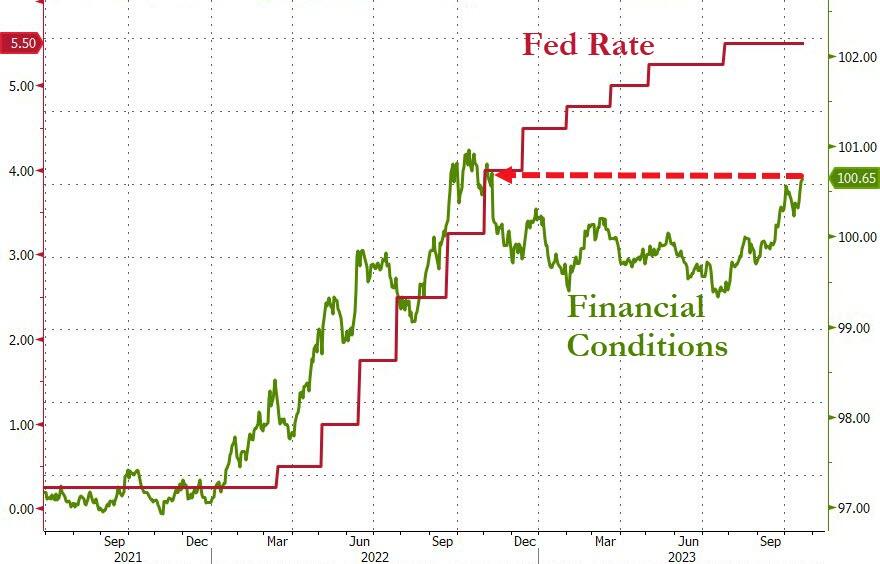
The big picture was not much better. US macro data was surprisingly strong, but financial conditions were tight, as this chart shows. Inflation expectations diverged sharply between the market and consumers. Who has it right?

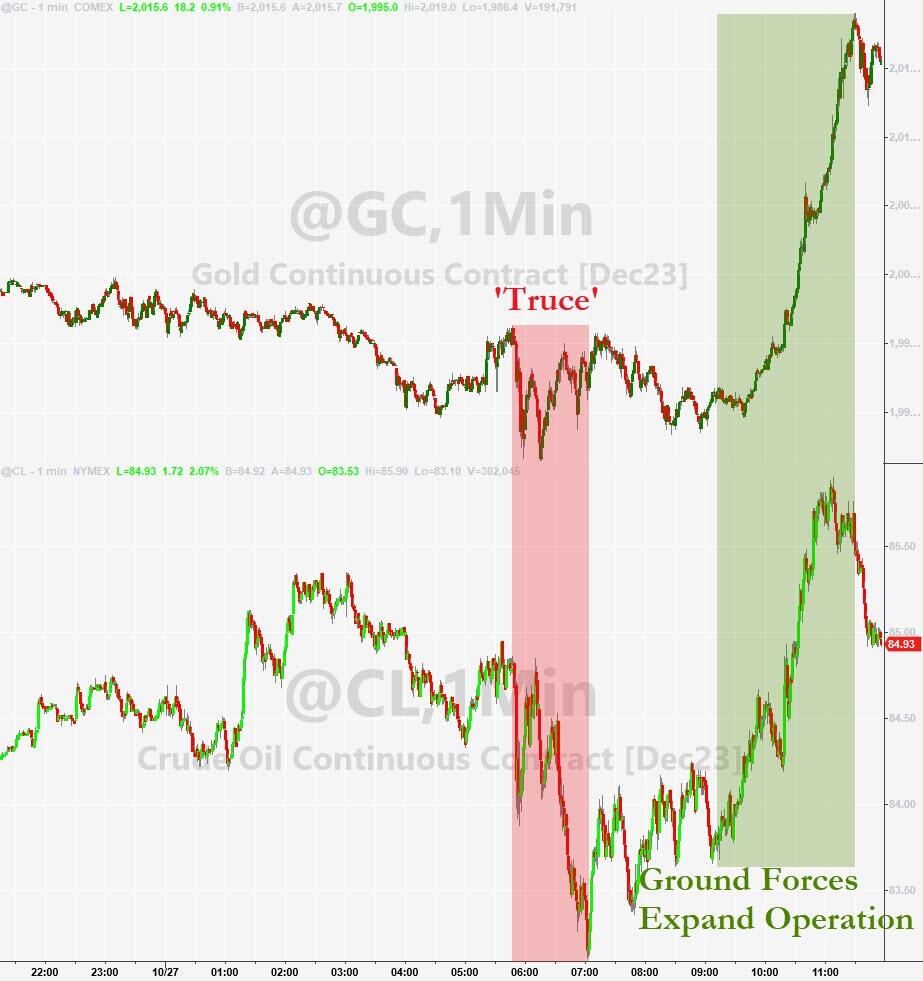
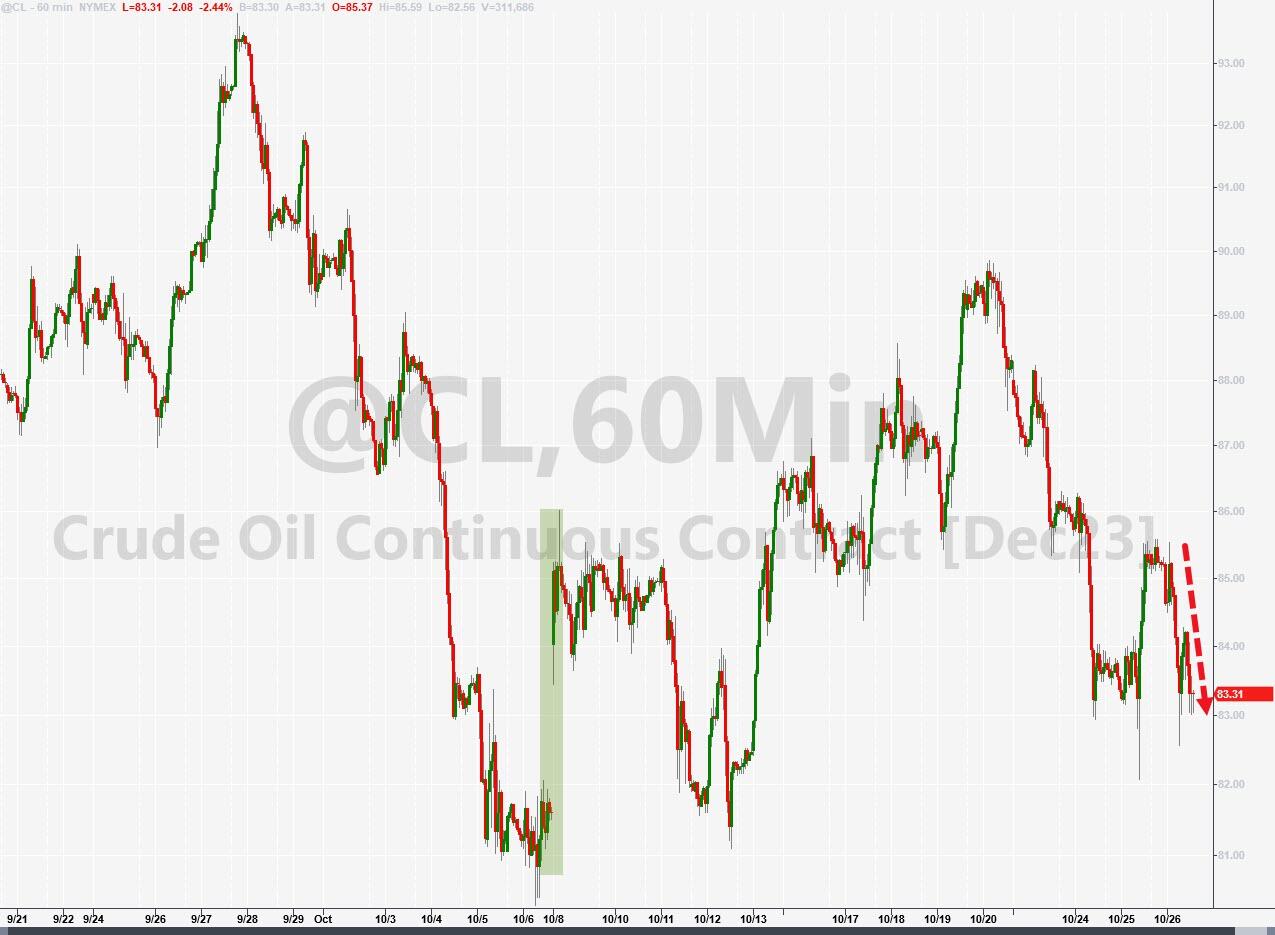
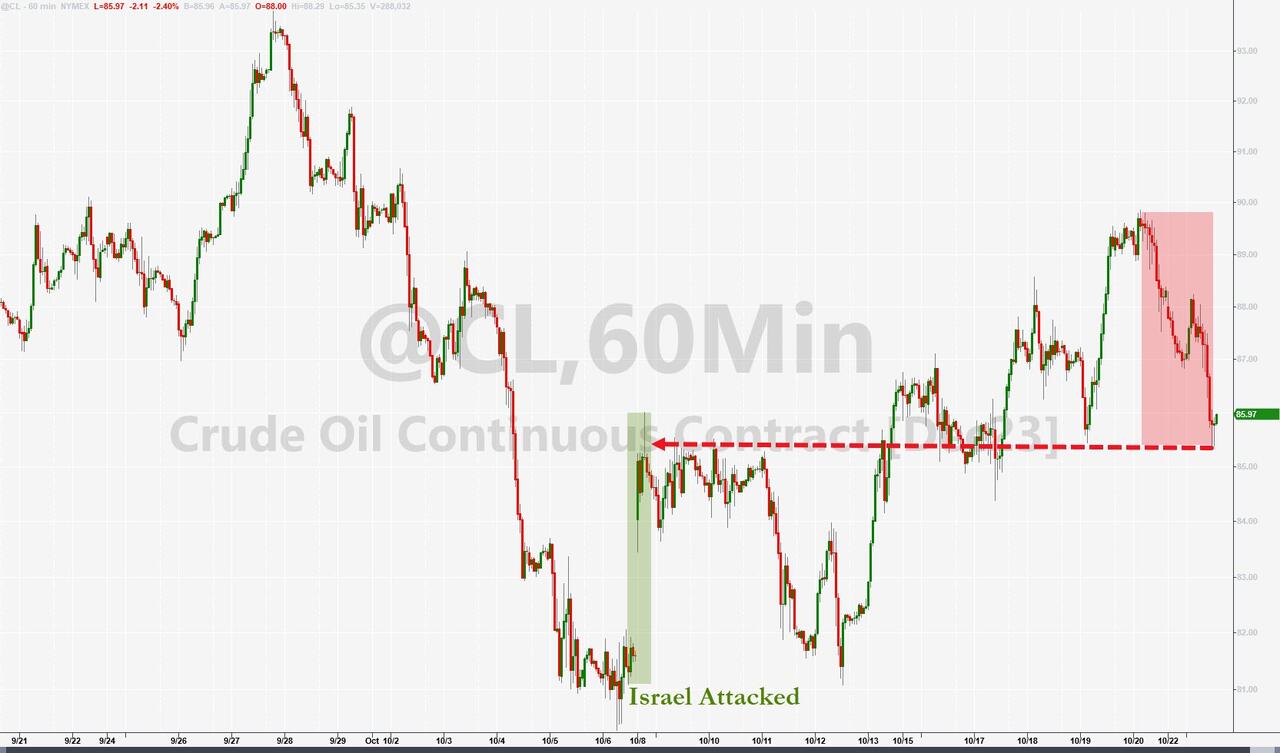
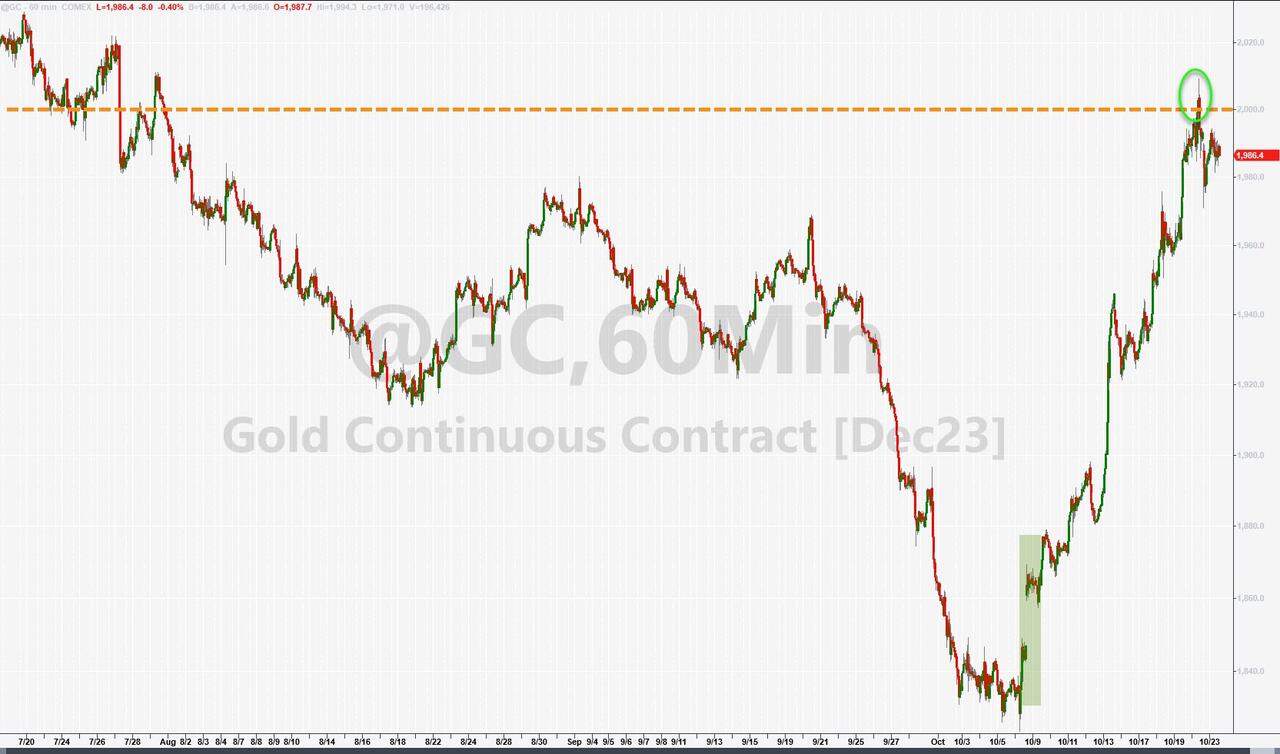
Gold and oil went on a roller coaster ride, as the Middle East conflict escalated and de-escalated.

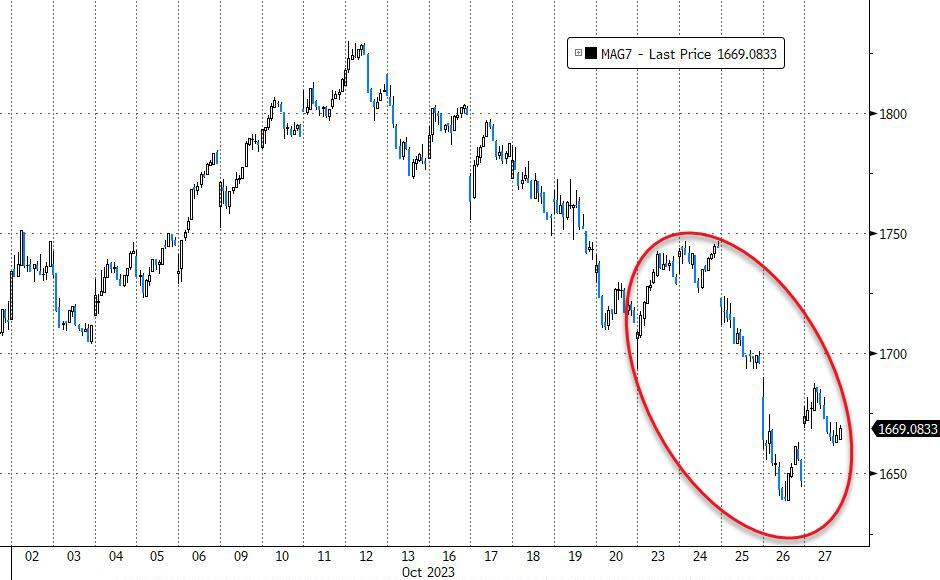
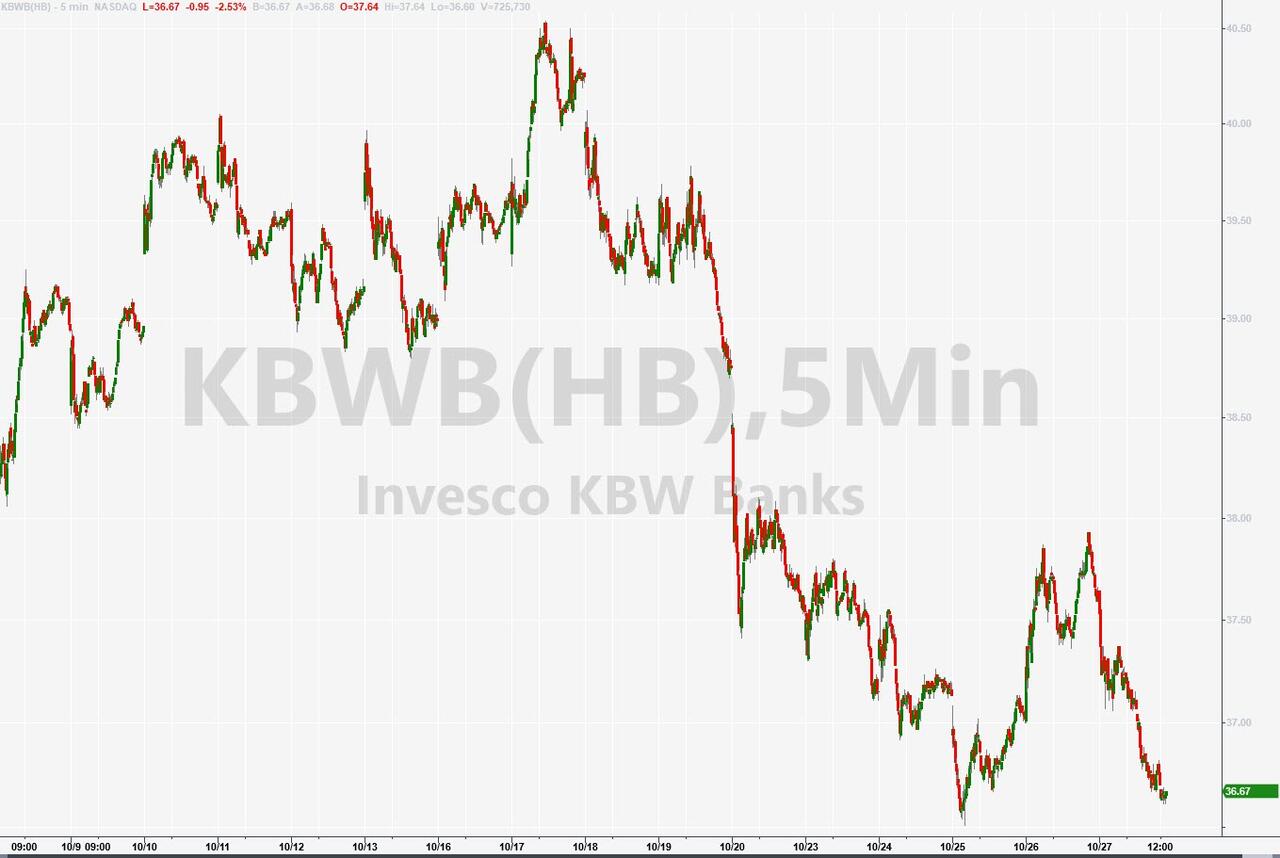
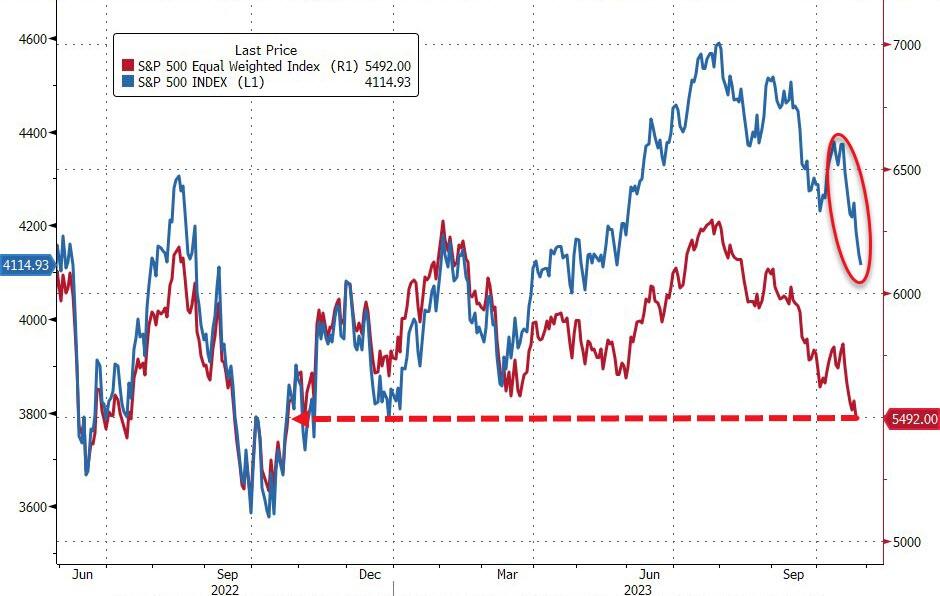
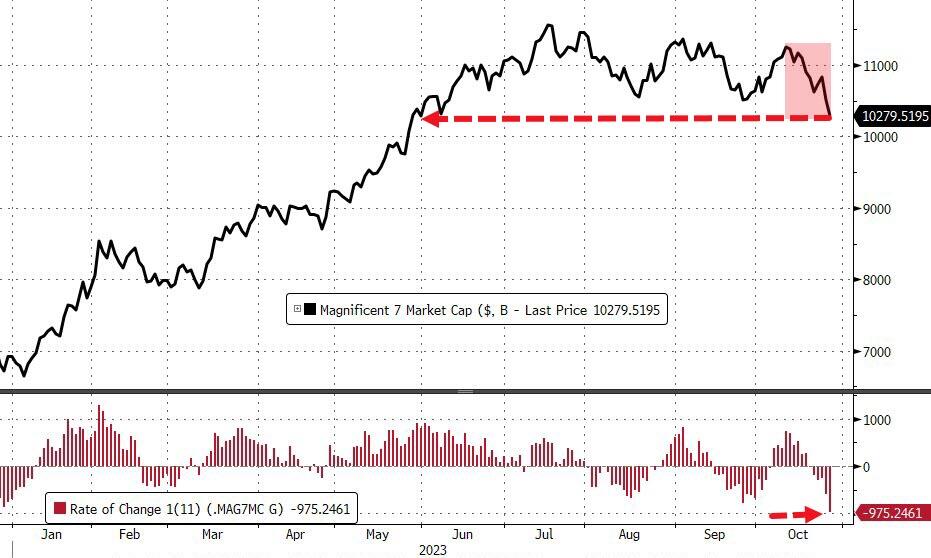
The major indexes gave up their early gains and closed lower. The Nasdaq suffered another losing week, and so did the Magnificent 7, hitting their lowest level since May 2023. Banks also took a beating. The equal-weight S&P hit a one-year low, and the cap-weighted S&P was catching up fast.

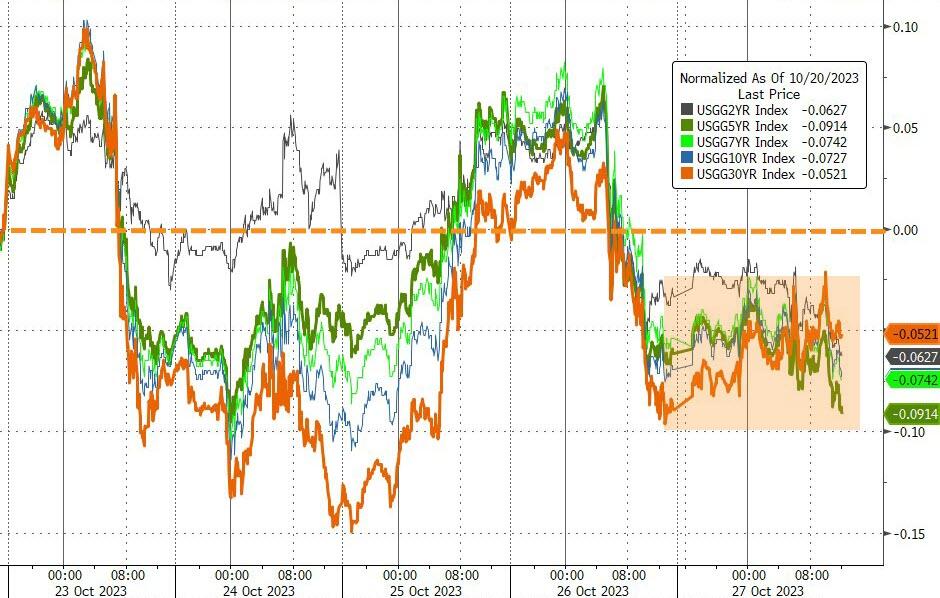
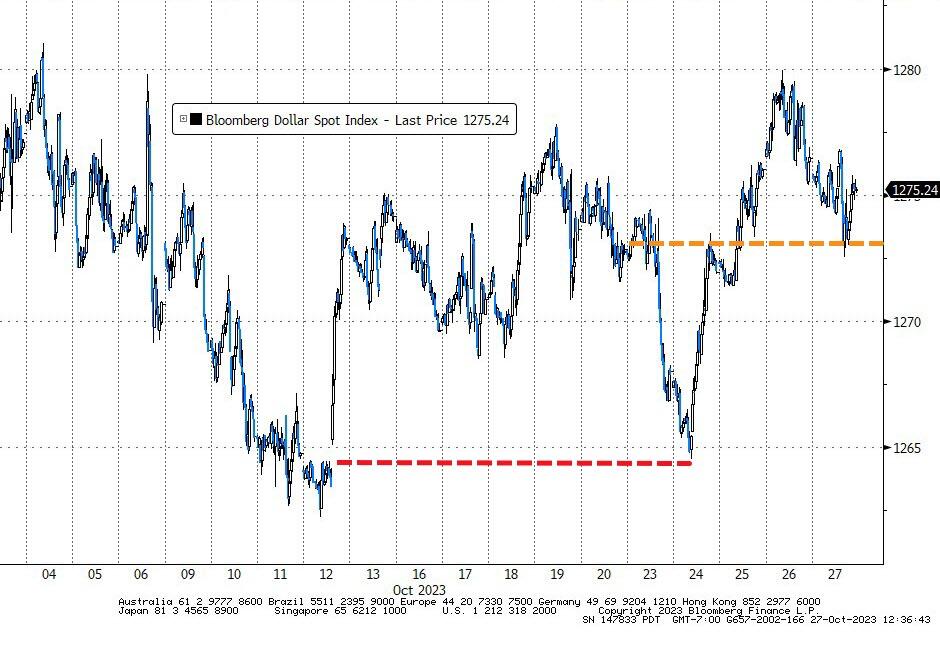
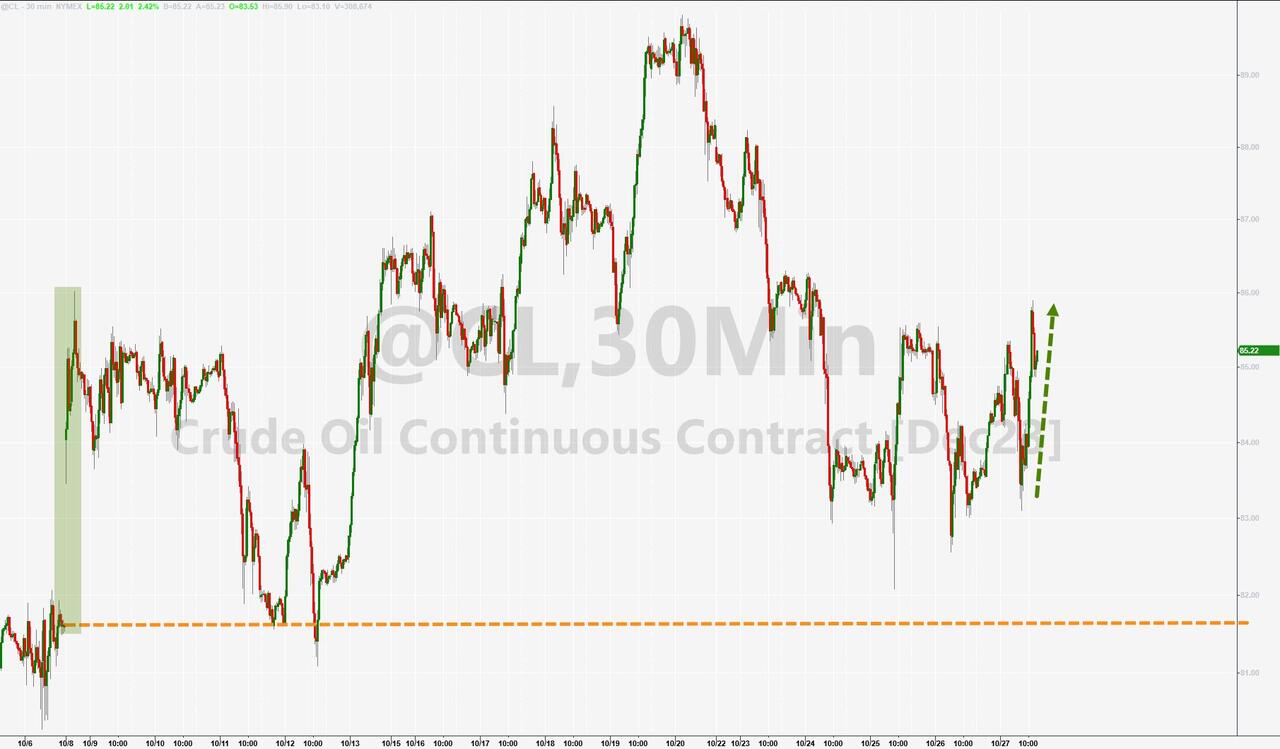
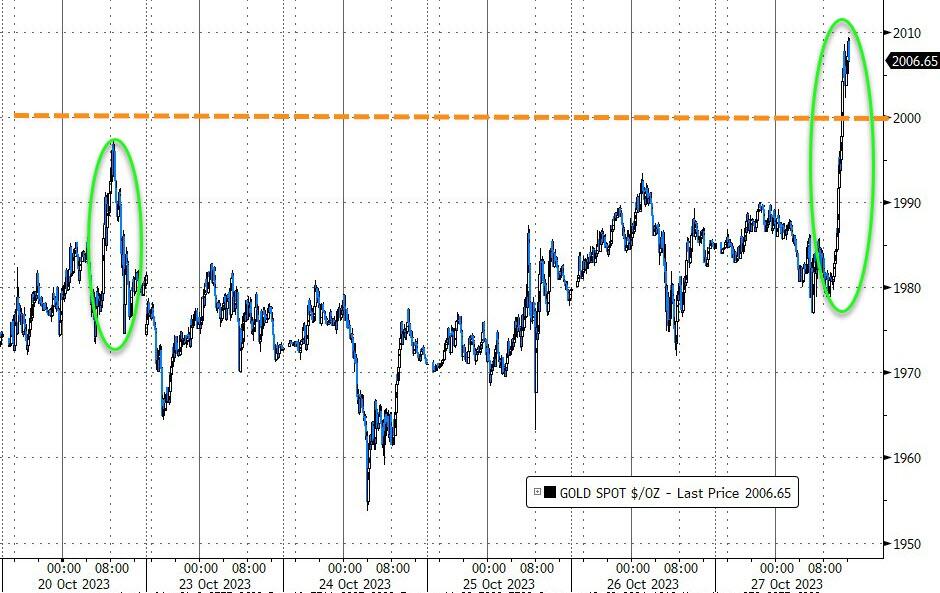
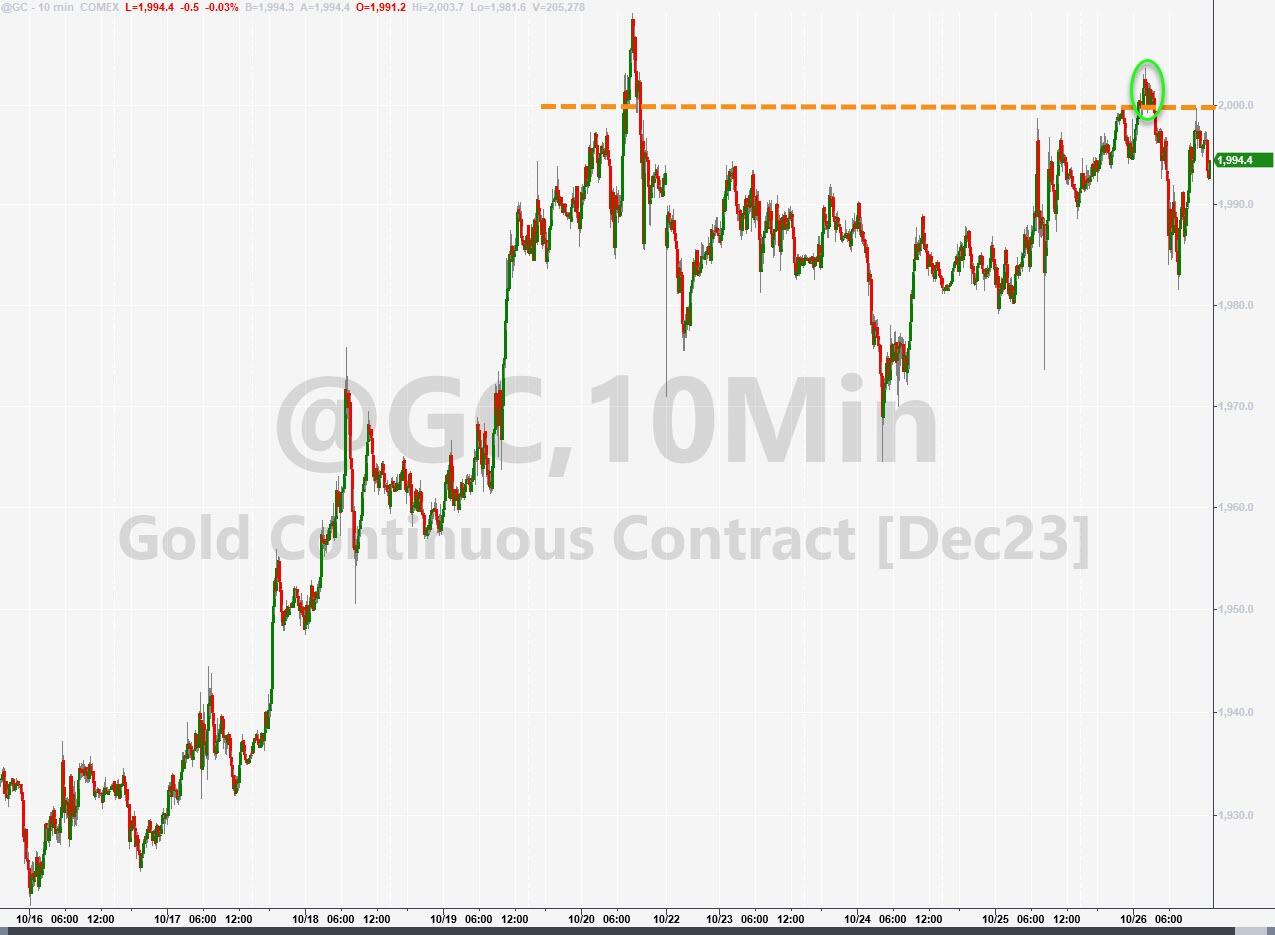
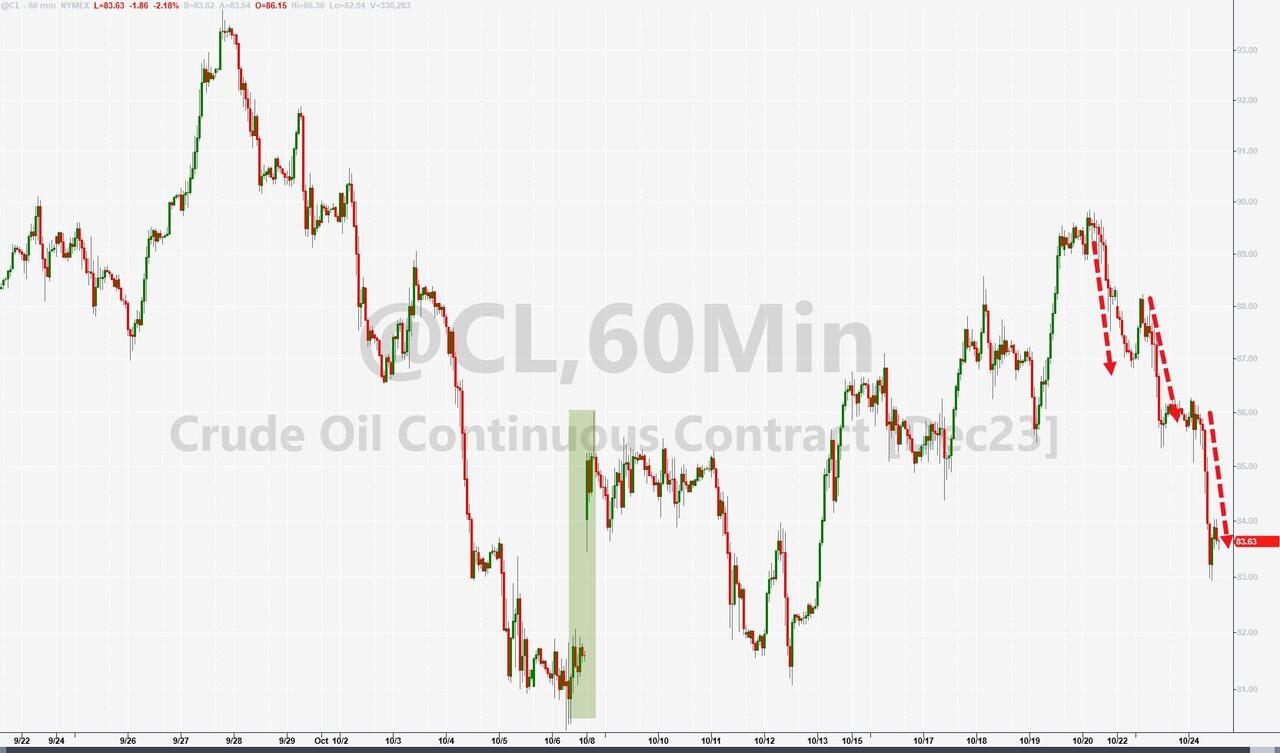
Bond yields retreated after spiking earlier in the week, the dollar edged higher, oil dropped 4%, but gold soared on Gaza fears and broke above $2k, its highest since May.

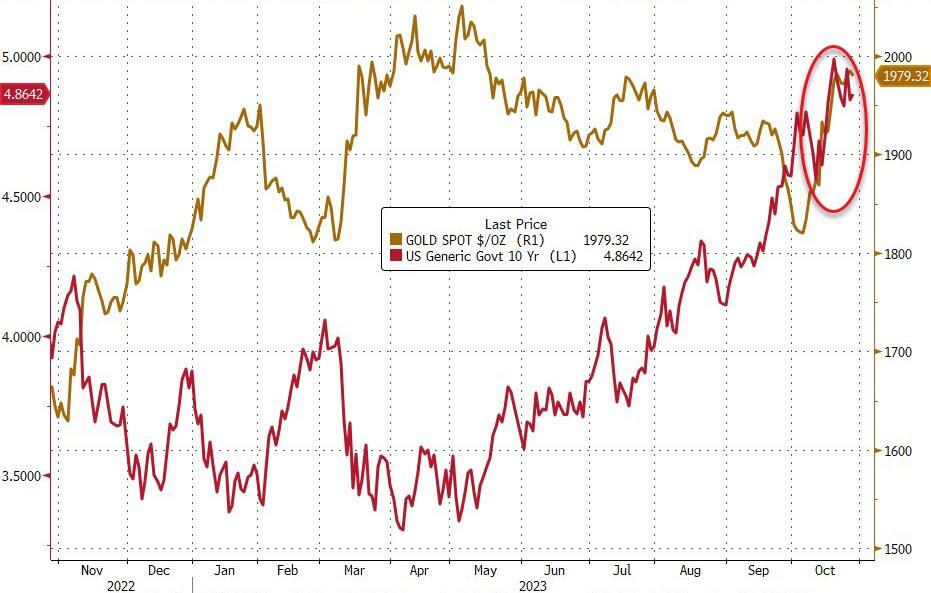
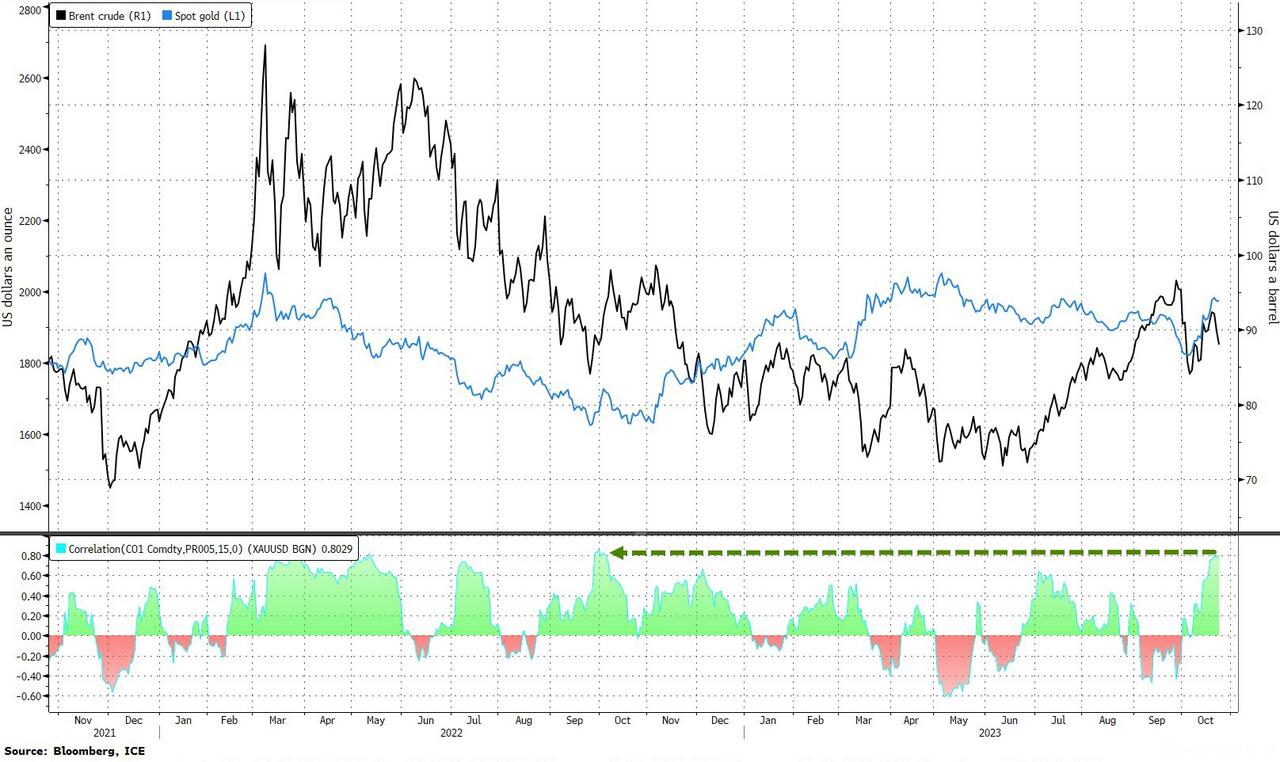
Interestingly, gold is now rising with bond yields, a rare occurrence indeed. Is this a sign of trouble for the dollar?

Read More
Weekly StatSheet For The ETF Tracker Newsletter – Updated Through 10/26/2023

Ulli ETF StatSheet Contact

ETF Data updated through Thursday, October 26, 2023

How to use this StatSheet:

  1. Out of the 1,800+ ETFs out there, I only pick the ones that trade over $5 million per day (HV ETFs), so you don’t get stuck with a lemon that nobody wants to buy or sell.
  1. Trend Tracking Indexes (TTIs)

These are the main indicators that tell you when to buy or sell Domestic and International ETFs (section 1 and 2). They do that by comparing their position to their long-term M/A (Moving Average). If they cross above, and stay there, it’s a green light to buy. If they fall below, and keep going, it’s a red light to sell. And to make sure you don’t lose your shirt if things go south, I also use a 12% trailing stop loss on all positions in these categories.

  1. All other investment areas don’t have a TTI and should be traded based on the position of each ETF relative to its own trend line (%M/A). That’s why I call them “Selective Buy.” In other words, if an ETF goes above its own trend line, you can buy it. But don’t forget to use a trailing sell stop of 12%, or less if you’re feeling nervous.

If some of these words sound like Greek to you, please check out the Glossary of Terms and new subscriber information in section 9.

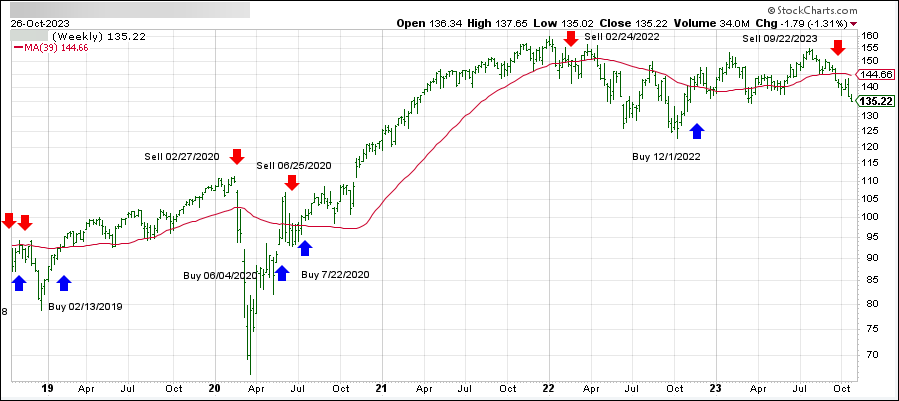
  1. DOMESTIC EQUITY ETFs: SELL— since 09/22/2023

Click on chart to enlarge

This is our main compass, the Domestic Trend Tracking Index (TTI-green line in the above chart). It has now broken below its long-term trend line (red) by -6.75% and has moved into “Sell” mode effectively 9/22/2023.

Read More

Bond Yields Bite Big Tech: Nasdaq And S&P 500 Join Correction Club

Ulli Market Commentary Contact

[Chart courtesy of MarketWatch.com]

  1. Moving the markets

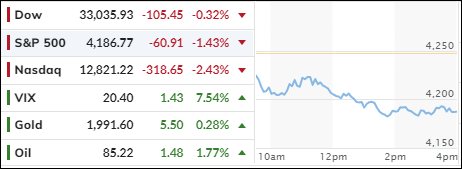
It was another brutal day for stocks, as the Nasdaq Composite plunged deeper into the red zone, thanks to Meta’s disappointing earnings. The tech giant formerly known as Facebook failed to wow investors with its metaverse vision, and its stock dropped more than 10%.

The Nasdaq Composite is now down more than 10% from its July high, joining the correction club with the S&P 500, which also slipped below that mark today.

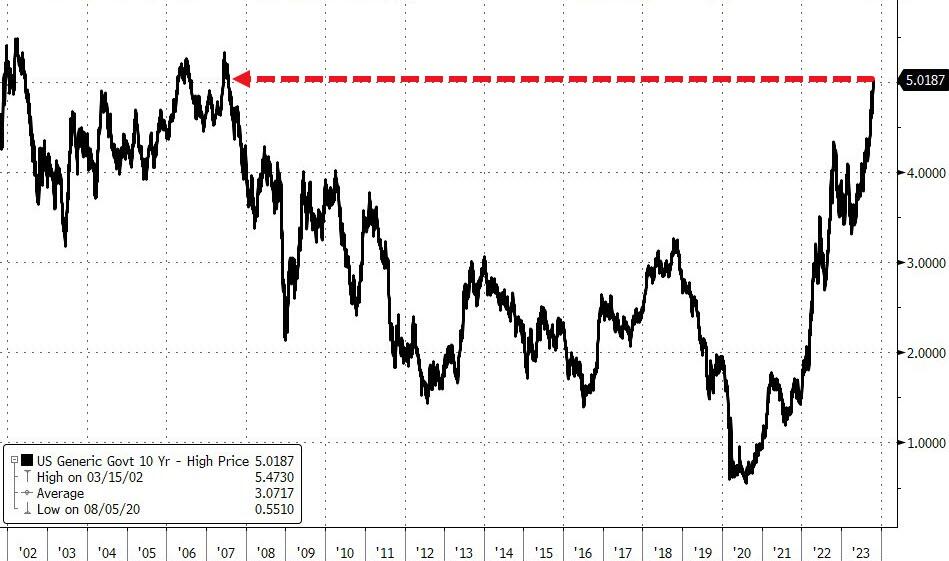
The main culprit behind this sell-off is the rising bond yields, which make stocks look less attractive. The 10-year Treasury yield flirted with 5% this month, a level not seen since 2007, before settling at 4.848% today.

Big tech earnings have been a mixed bag so far, and the market is not impressed. Amazon and Apple are the last ones to report this week, but they face a tough challenge amid the slowing US economy and the supply chain woes.

The third-quarter GDP report did not help either, as it showed that the US economy grew faster than expected, at 4.9% annualized. This might sound like good news, but it also means that the Fed has less reason to cut rates or ease its monetary policy.

The Magnificent 7 stocks, which include Meta, Amazon, Apple, Microsoft, Google, Netflix, and Tesla, have lost about $1 trillion in market value in the last two weeks, as bond yields and big tech moved in opposite directions.

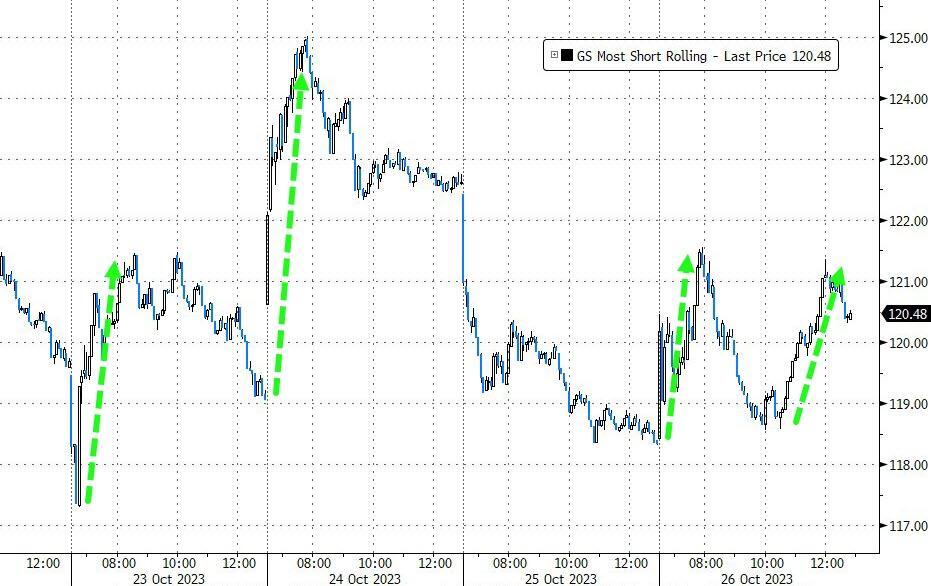
The market also shrugged off some attempts to spark a rally, such as short squeezes, gold prices, or oil prices.

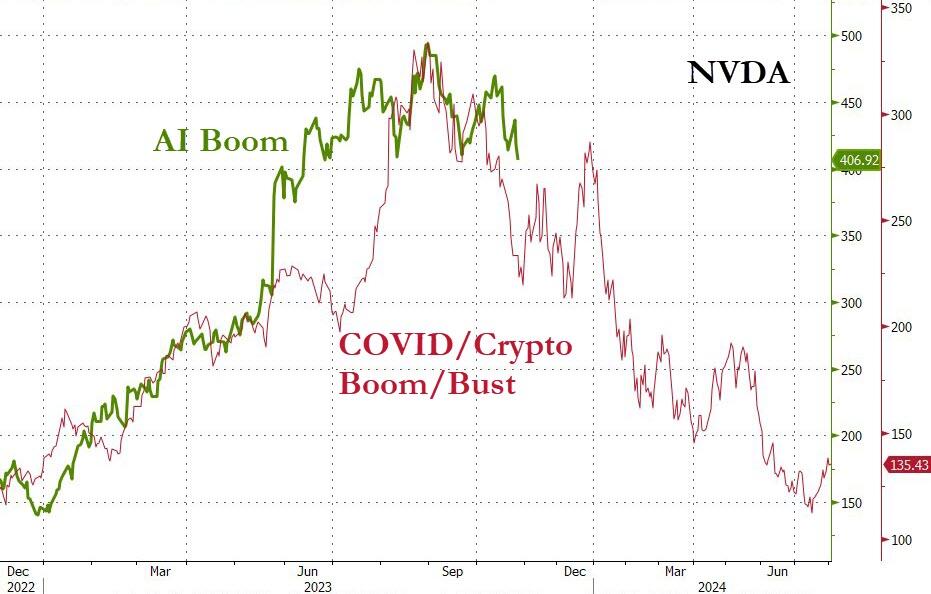
The AI boom/covid/crypto boom/bust cycle is still in play, and it does not look pretty. Can Amazon save the day with its earnings report later today? Or will it be another nail in the coffin for the tech sector?

Read More
Market Suffers As Alphabet Disappoints, Bond Yields Spook Growth Investors

Ulli Market Commentary Contact

[Chart courtesy of MarketWatch.com]

  1. Moving the markets

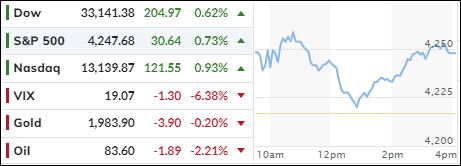
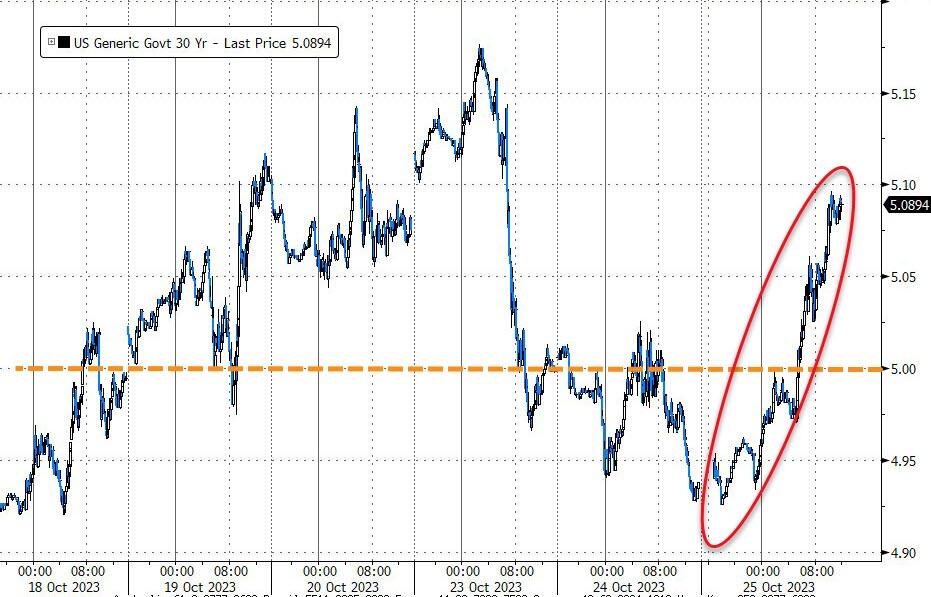
The market went down the drain on Wednesday, thanks to Alphabet’s disappointing cloud numbers that dragged down the whole tech sector. The 10-year Treasury yield also bounced back above 4.95%, spooking growth investors and sending the 30-year above 5% again.

Alphabet stock plunged over 9%, its worst drop since last October, as its cloud revenue fell short of expectations, despite its overall strong performance. Apple and Amazon also slipped 1% and 2.5%, respectively, pushing the S&P 500 to its lowest level since June and breaking the key 4,200 support.

Amazon will report its third-quarter results after the market closes on Thursday. Will it be able to lift the spirits of the tech investors, or will it add more fuel to the fire?

Meanwhile, the bond market remains the center of attention, as the yields are soaring at a rate not seen since 1982. That’s bad news for stocks, especially the high-flying ones.

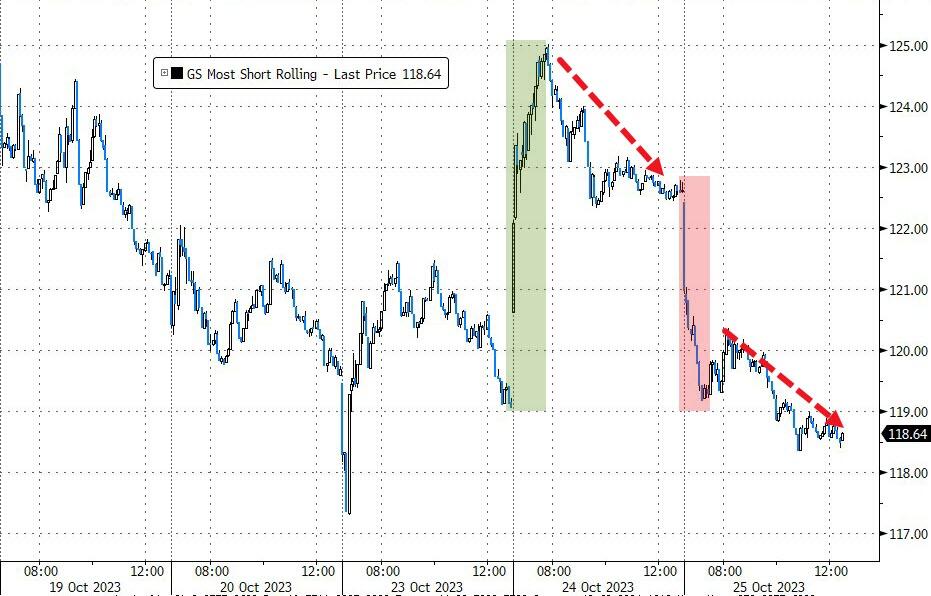
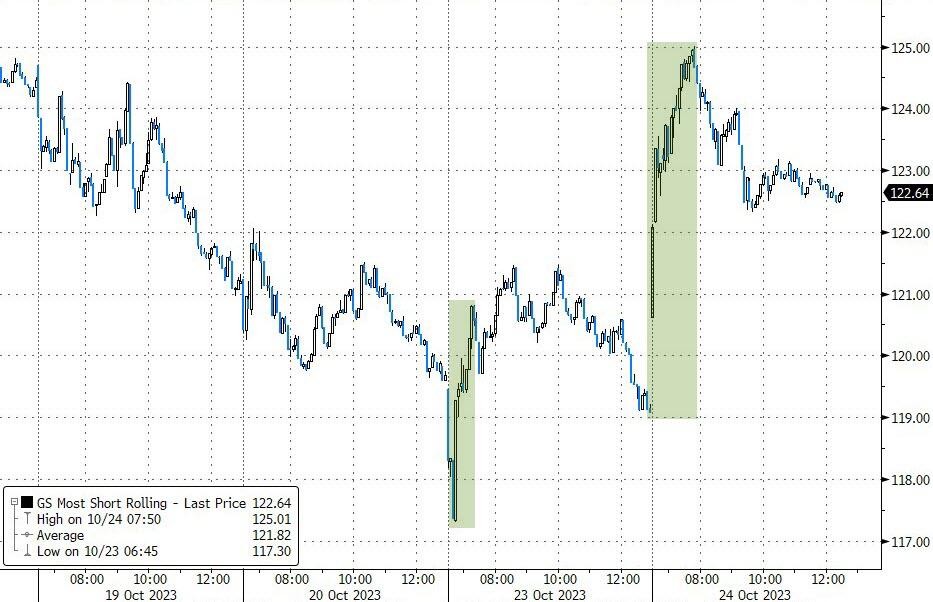
The short squeeze craze fizzled out today, as the most shorted stocks got hammered. The tech and consumer discretionary sectors were the worst performers today, while energy, staples, and utilities were the best.

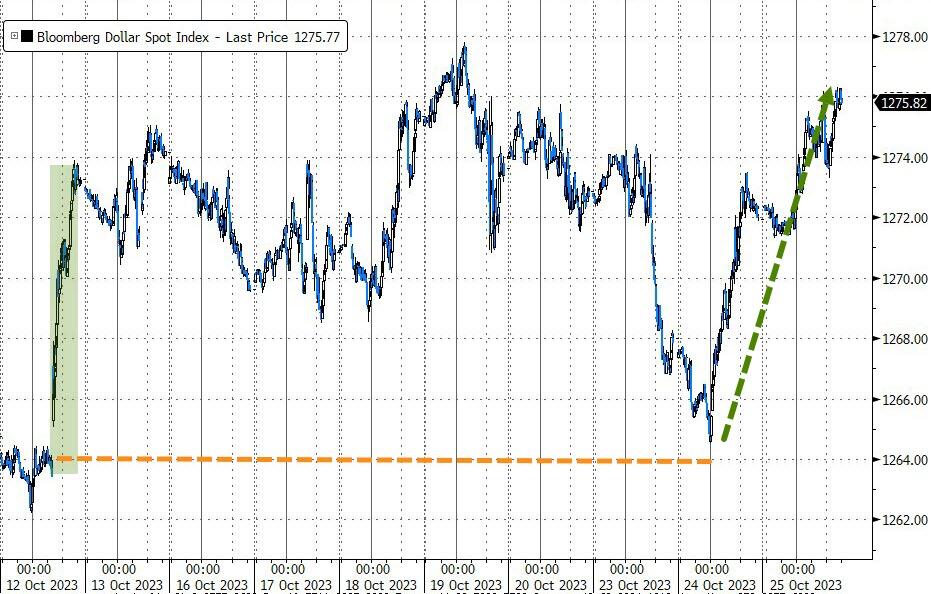
Banks had a wild ride, crude oil recovered from its lows, gold flirted with $2k, and the dollar continued its rally.

Can IBM and Meta save the day with their earnings reports this afternoon, or will they join the tech wreck?

Read More
Stocks Rise After Flip-Flopping, But Tech Giants Face Valuation Challenge

Ulli Market Commentary Contact

[Chart courtesy of MarketWatch.com]

  1. Moving the markets

Stocks finally decided to go up on Tuesday, after changing their minds a few times, as investors paid attention to the latest earnings reports and bond yields.

The 10-year yield stayed away from the scary 5% mark, which was a relief for everyone. Coca-Cola made more money than expected, and its stock jumped more than 3%. Spotify also did well, and its stock soared 9% after the music streaming giant impressed everyone with its third-quarter results.

Some big tech names like Alphabet and Microsoft will announce their earnings after the market closes. Others like Amazon and Meta will do so later this week.

But one analyst thinks that even if these tech giants beat expectations, they are still overvalued and overhyped. He said that their prices are too high for what they offer, and that this situation will not end well for anyone. He sounded like a party pooper. We don’t know if he is right or wrong. We’ll have to wait and see what happens.

For now, the bulls managed to push the market higher, thanks to a clever move that squeezed the shorts out of the game. The major indexes ended the day in green, which was a nice change.

About 23% of S&P 500 companies have reported their earnings so far, and 77% of them have done better than the low expectations.

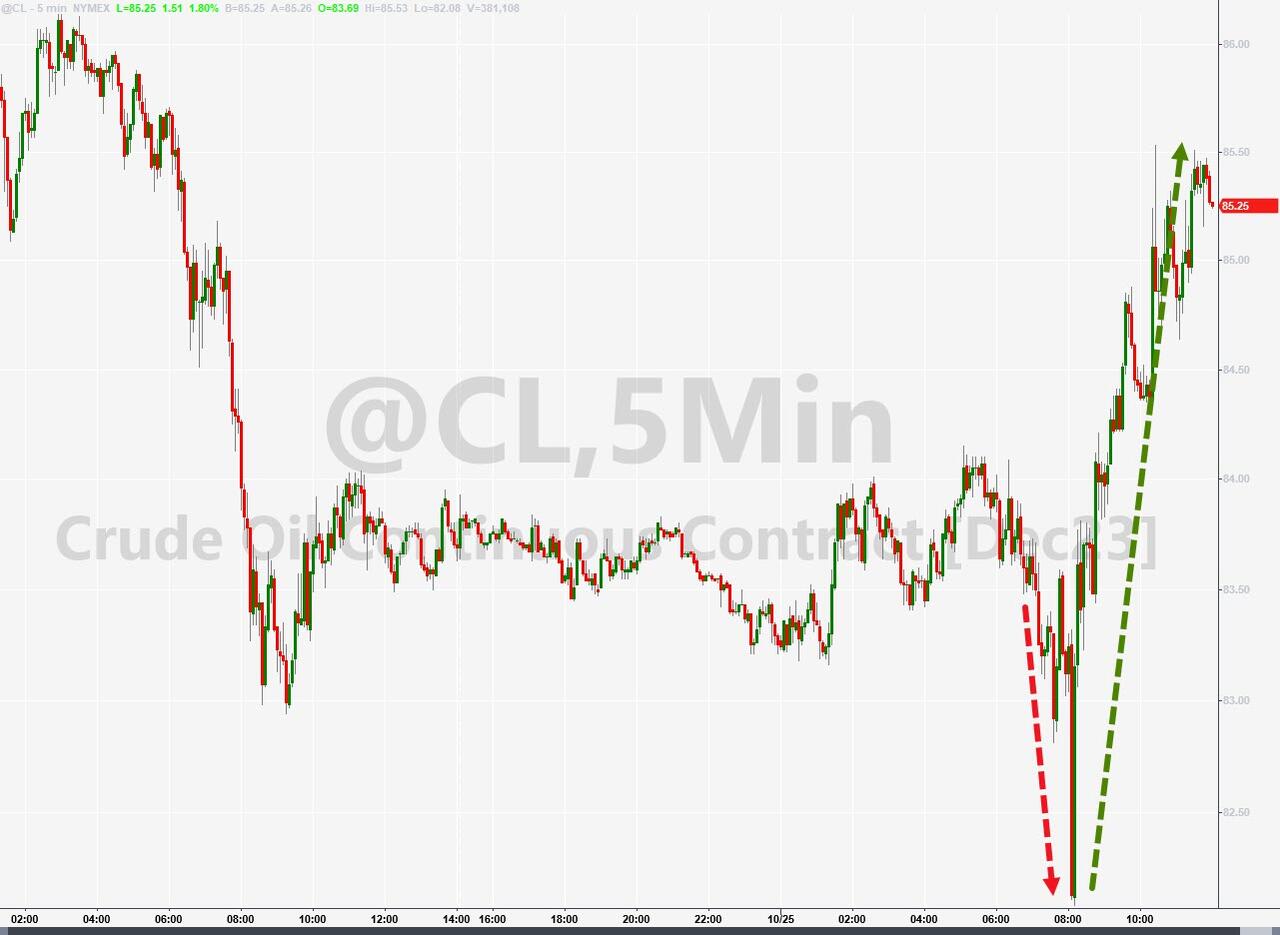
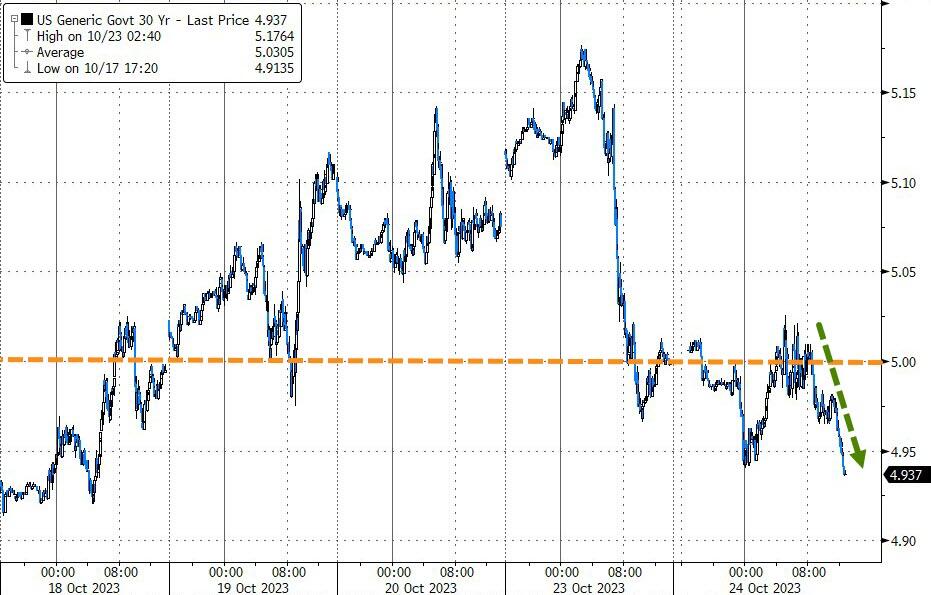
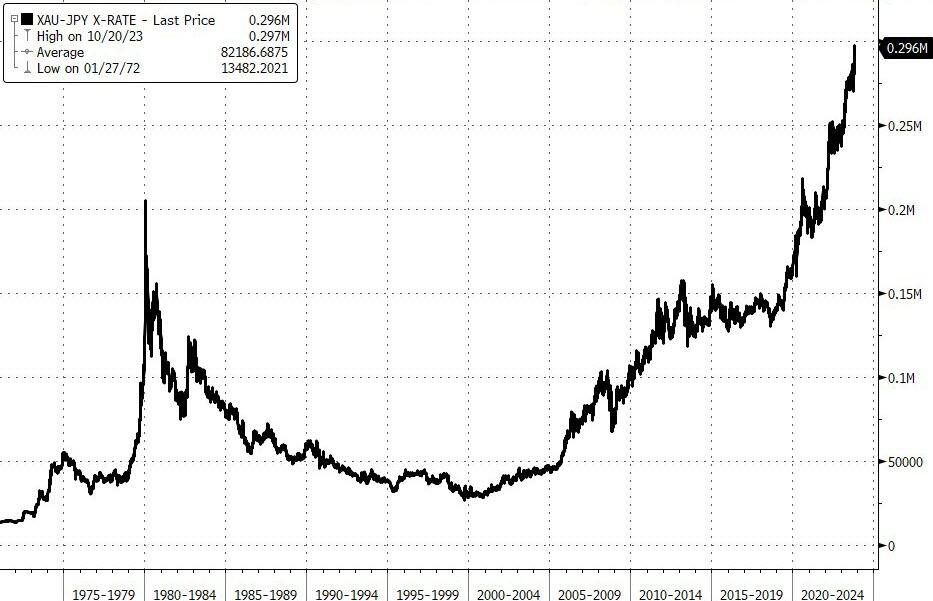
Bond yields were mixed, as the 30-year went back below 5%. The dollar bounced back from yesterday’s fall, while gold was unchanged in the U.S. but hit a new high in Japan. Crude oil got a spanking before tonight’s data, which dragged down the energy sector as well.

Bloomberg said that gold’s big rally since Hamas attacked Israel was linked to oil prices, which means some traders are worried about stagflation.

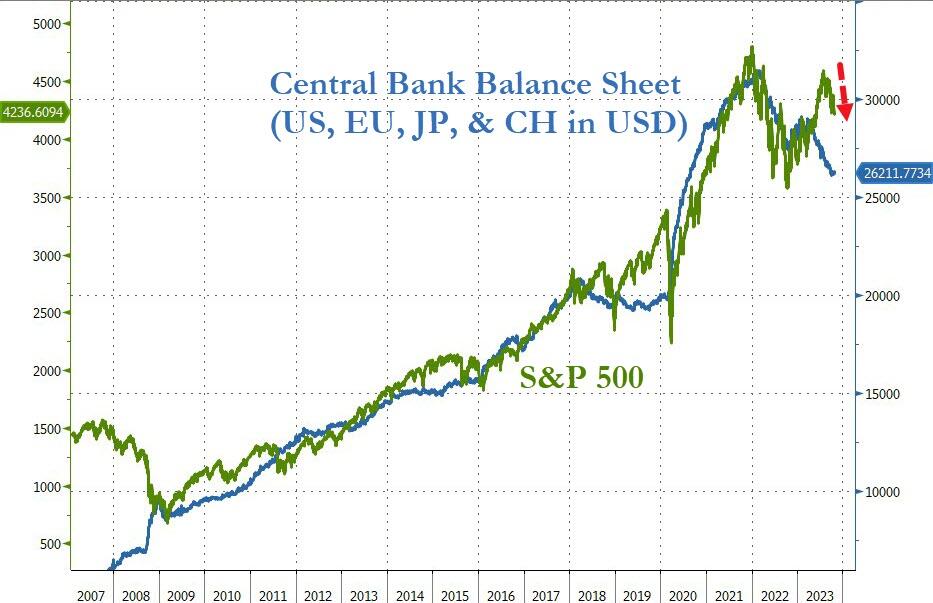
Central Banks’ balance sheets are supposed to predict the direction of stock markets. If they grow, it’s good for stocks. If they shrink, it’s bad for stocks. According to this chart, they are shrinking right now.

Does that mean the bear market is about to worsen?

Read More
Treasury Yields Play Hide And Seek With 5%, Stocks End Lower

Ulli Market Commentary Contact

[Chart courtesy of MarketWatch.com]

  1. Moving the markets

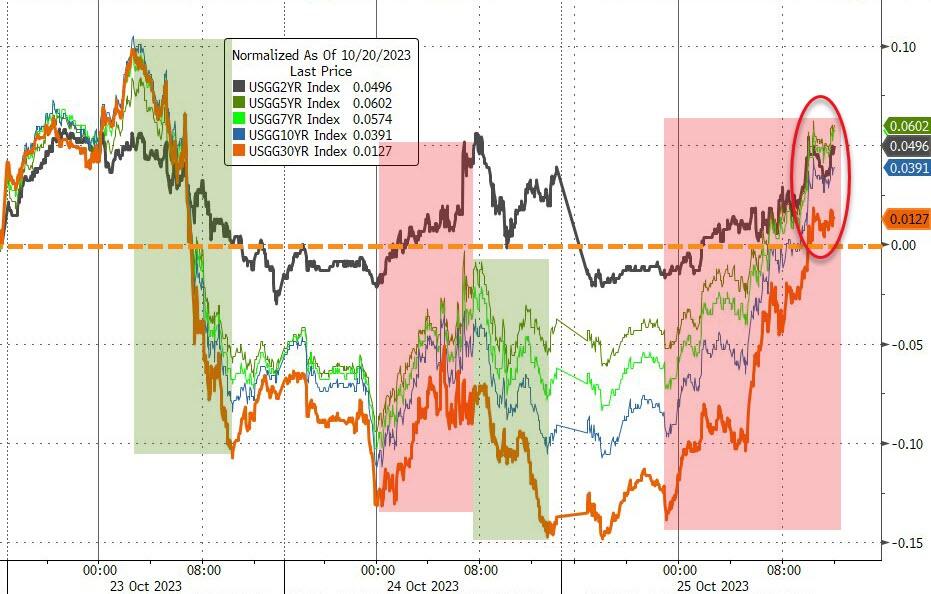
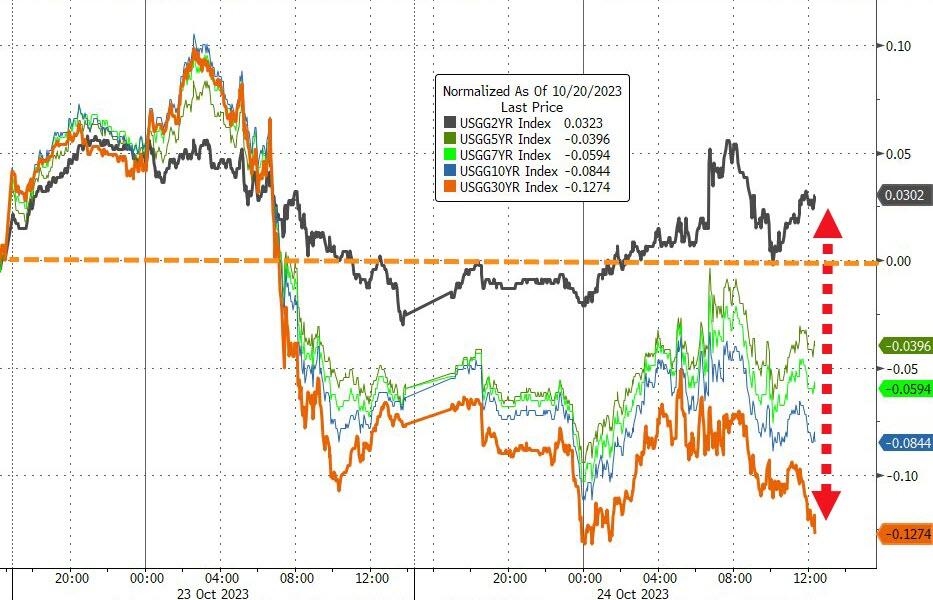
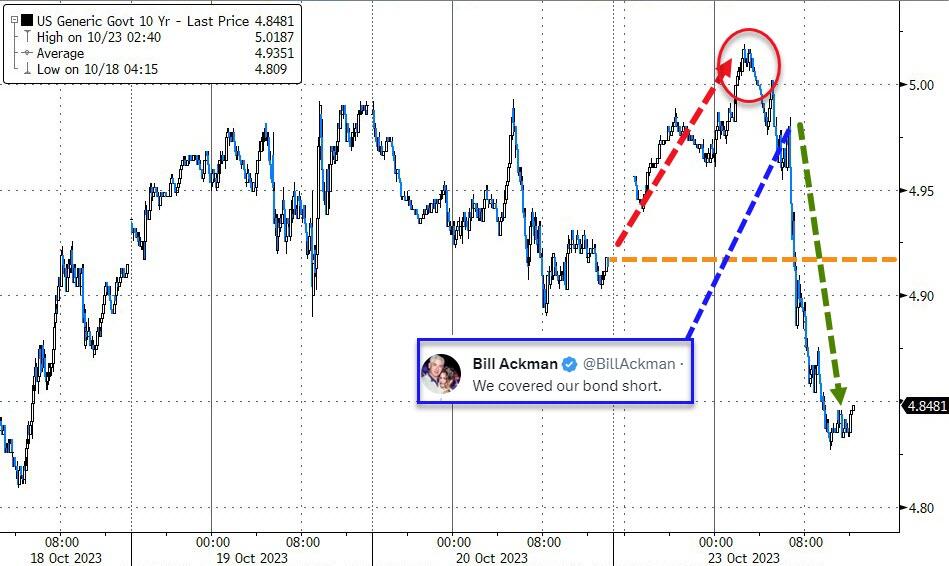
Monday was another wild ride for the stock market, as Treasury yields played peek-a-boo with the 5% mark. The 10-year note briefly crossed that threshold, only to retreat when hedge fund honcho Bill Ackman revealed that he had cashed out his bond shorts (with a nice profit) and warned that the economy was cooling off faster than expected.

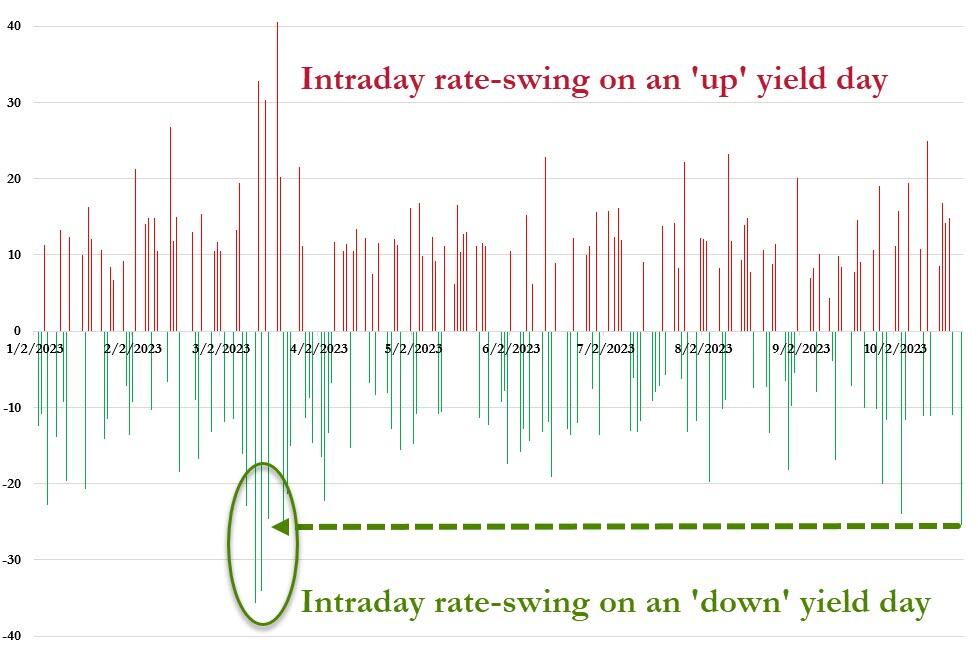
That sent the bond yield plunging to 4.846%, the biggest intraday swing since the March meltdown. Stocks tried to cheer up, but only the Nasdaq managed to end in the green, while the rest of the market stayed in the red.

Interest rates have been on a tear lately, with the 10-year breaking above 5% for the first time since July 2007. Fed chair Powell’s hawkish remarks added fuel to the fire, as investors worried that monetary policy could tighten further and hurt equities. 5% is a big deal for Wall Street, as it signals that investors are losing faith in the Fed’s ability to cut rates soon. I wouldn’t be surprised if the 10-year yield keeps climbing higher.
In other news:

  • Tech giants are gearing up to report their earnings this week, hoping to impress traders and lift the market mood.
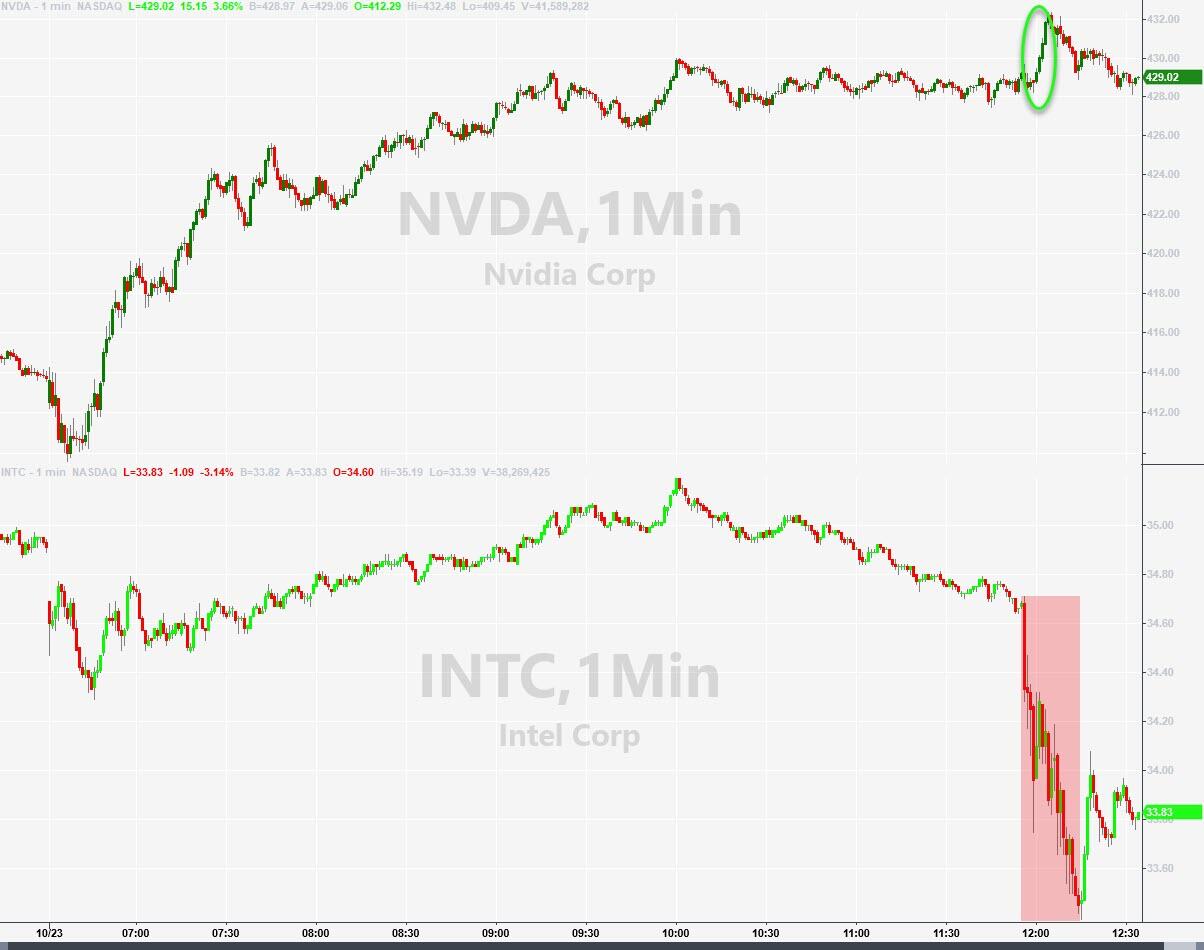
  • NVDA threw some shade at Intel by announcing its own PC chips.
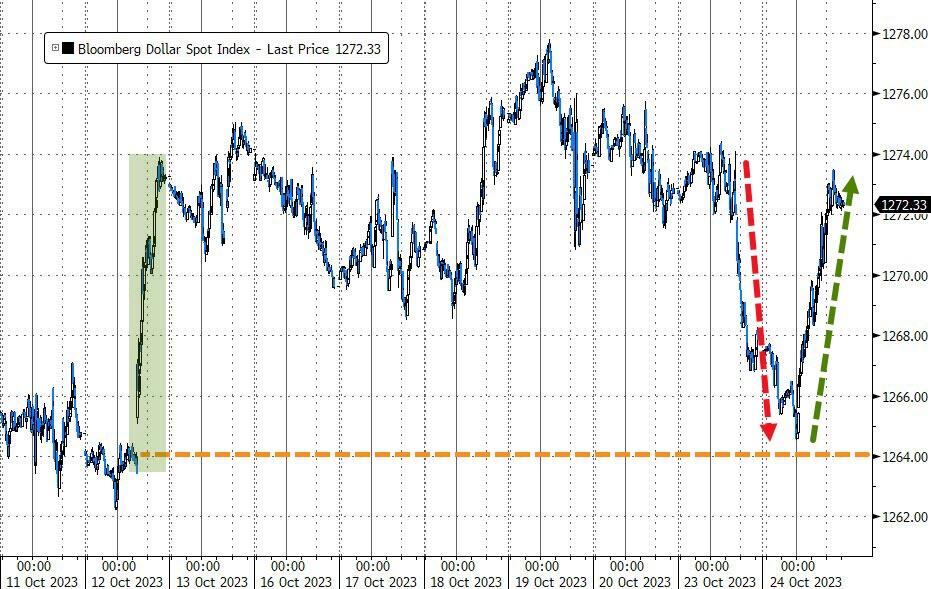
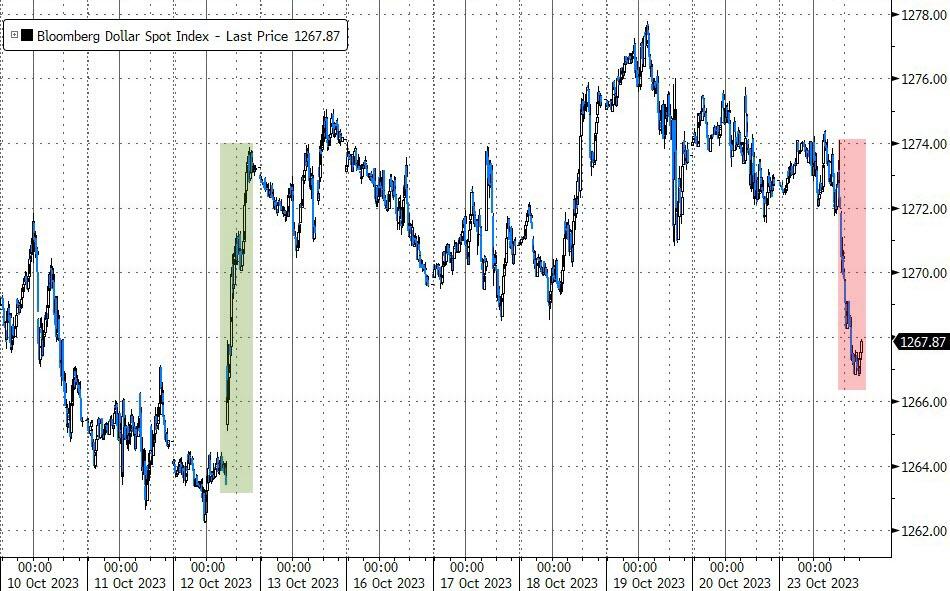
  • The dollar took a dive and gave back half of its recent gains.
  • Crude oil gave up some ground, while gold flirted with $2,000 but closed lower.

Financial conditions are getting tighter, but we don’t know how bad it will get. Will earnings season save the day for stocks, or is it just a pipe dream?

Read More