ETFs On The Cutline – Updated Through 08/09/2024

Ulli ETFs on the Cutline Contact

Do you want to know which ETFs are hot and which ones are not? Then you need my High-Volume ETF Cutline report. It tells you how close or far each of the 311 ETFs I follow is from its long-term trend line (39-week SMA). These are the ETFs that trade more than $5 million a day, so they are not some obscure funds that nobody cares about.

The report is split into two parts: The winners that are above their trend line (%M/A), and the losers that are below it. The yellow line is the line of shame that separates them. You can see how many ETFs are in each group and how they have changed since the last report (239 vs. 245 current).

Take a peek:

The HV ETF Master Cutline Report

If you are confused by some of the terms we use, don’t panic. I have a helpful Glossary of Terms for you.

If you want to learn more about the Cutline method and how it can make you rich (or at least less poor), read my original post here.

ETF Tracker Newsletter For August 9, 2024

Ulli ETF Tracker Contact

ETF Tracker StatSheet          

You can view the latest version here.

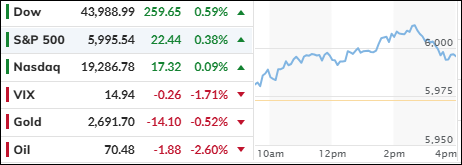
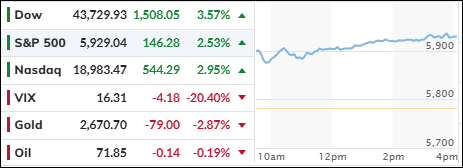
INVESTOR VOLATILITY: EQUITIES UNLOADED AS MONEY MARKET ASSETS HIT RECORD HIGH

[Chart courtesy of MarketWatch.com]

  1. Moving the market

After yesterday’s strong comeback session, upward momentum slowed, but traders and algorithms continued to push the indexes higher, erasing most losses from earlier in the week.

This recovery followed Monday’s steep global sell-off, triggered by three key events: last Friday’s disappointing jobs data, uncertainty about the Fed’s anticipated rate-cutting timeline, and the unwinding of the Japanese yen carry trade.

Despite these efforts, the major indexes remain below last Friday’s close, though by a much smaller margin than a few days ago. Consequently, the S&P 500 and the Nasdaq have now recorded their fourth consecutive losing week.

Historically, equities have benefited from the “bad news is good news” scenario, where negative economic news increased the likelihood of the Fed loosening its grip on rates. However, this dynamic seems to have shifted, as the economy has weakened, and bad news now negatively impacts the markets. It appears that positive news is now necessary for equities to move higher.

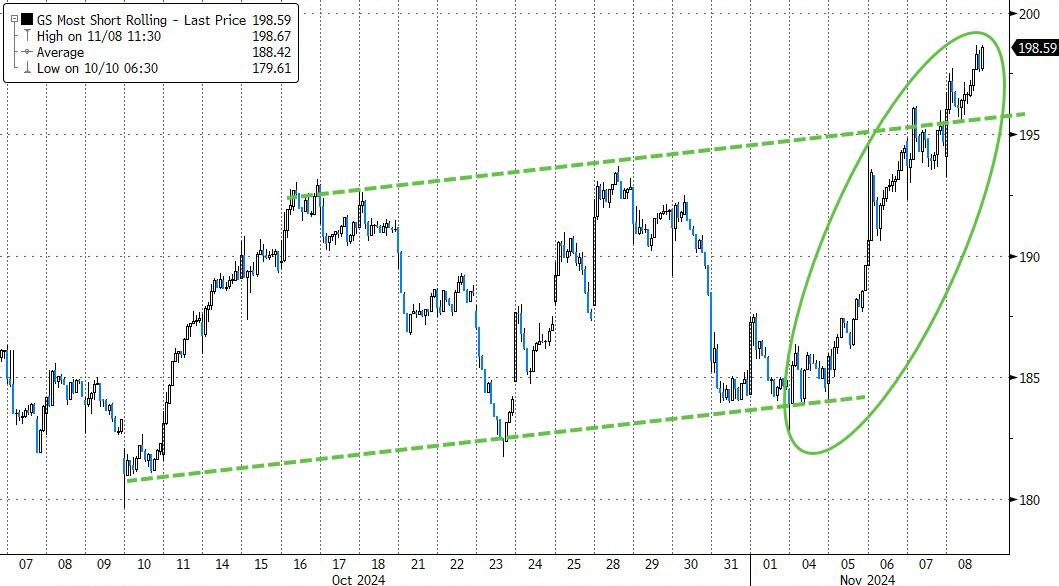
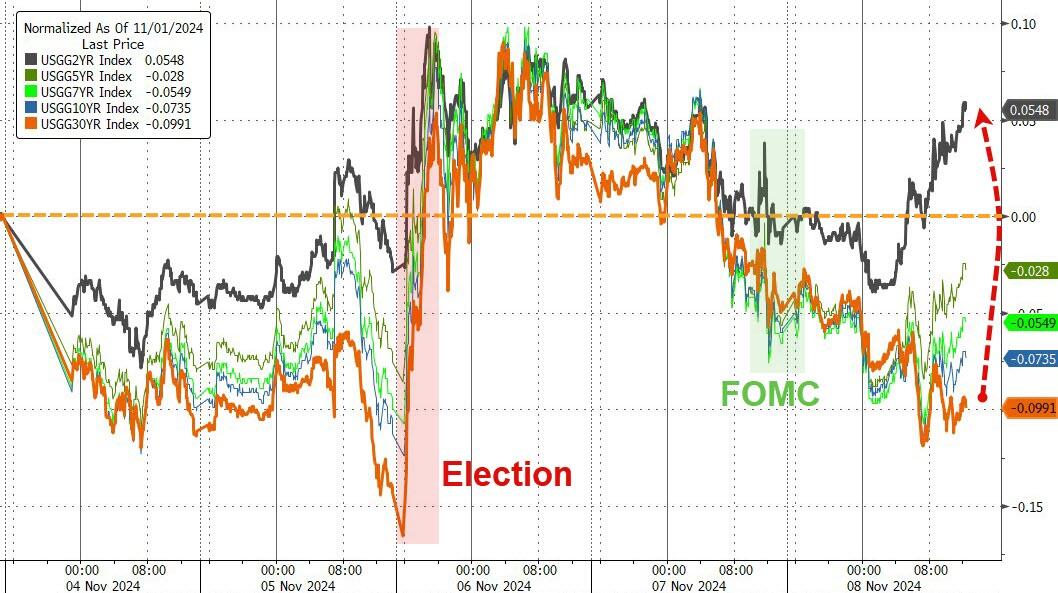
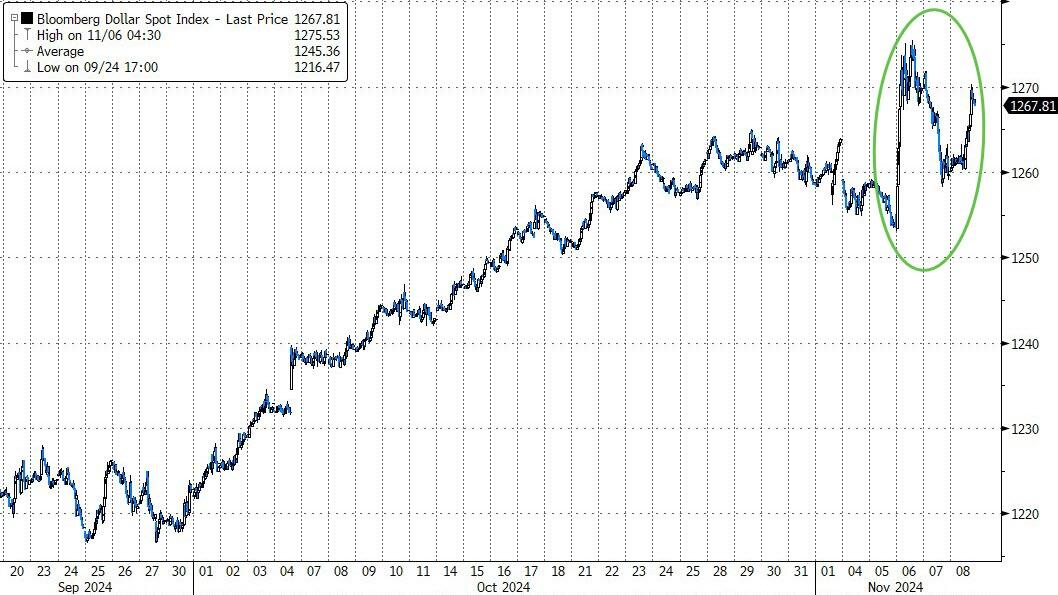
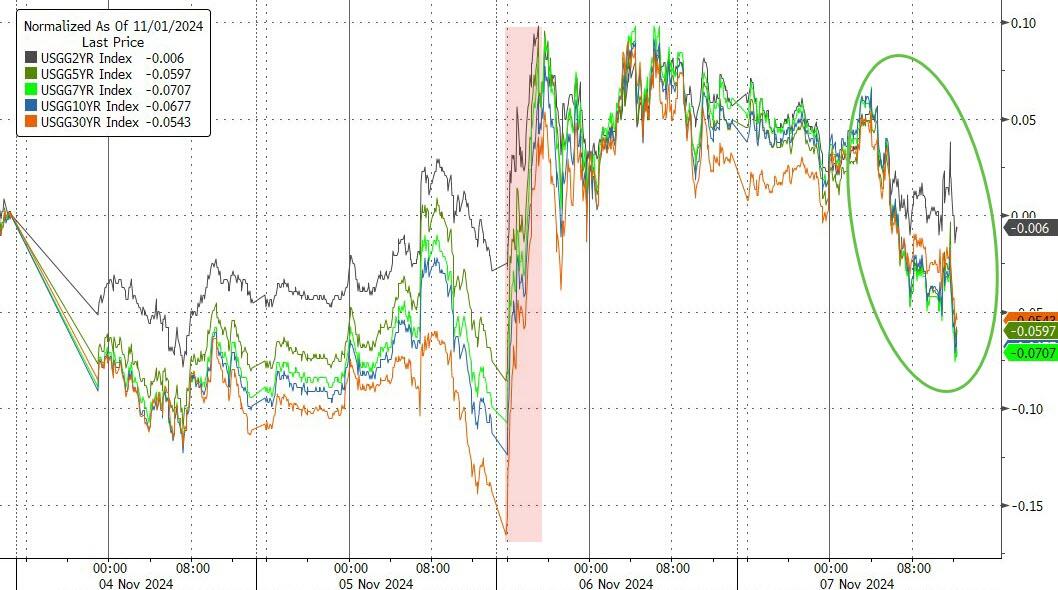
The most shorted stocks were squeezed higher after Monday’s collapse, while the MAG7 basket, after dropping 8%, entered recovery mode but did not reach the breakeven point. Bond yields fluctuated but ended higher, rate-cut expectations fell after Monday’s surge, and the dollar slipped.

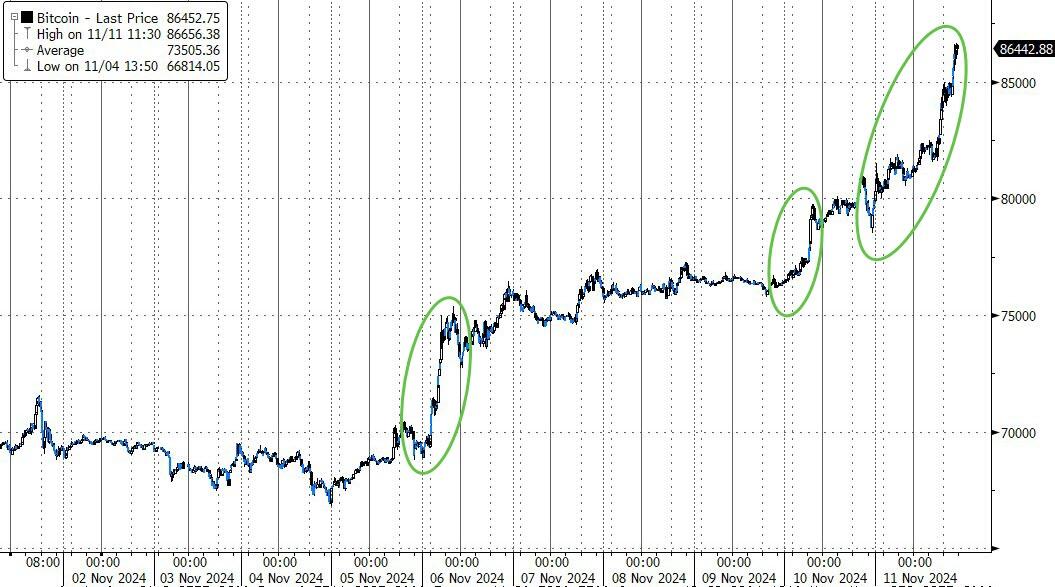
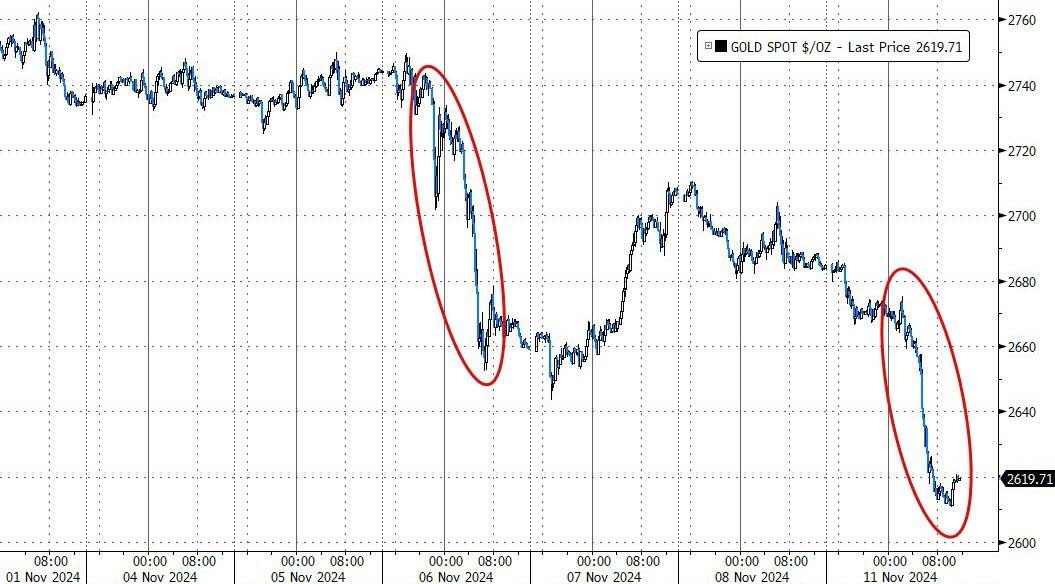
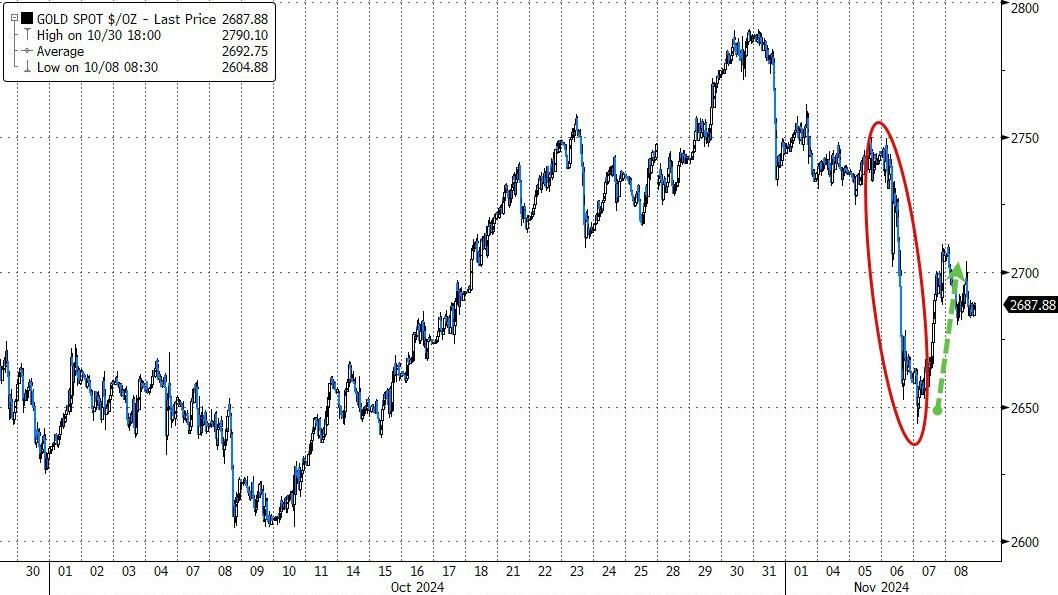
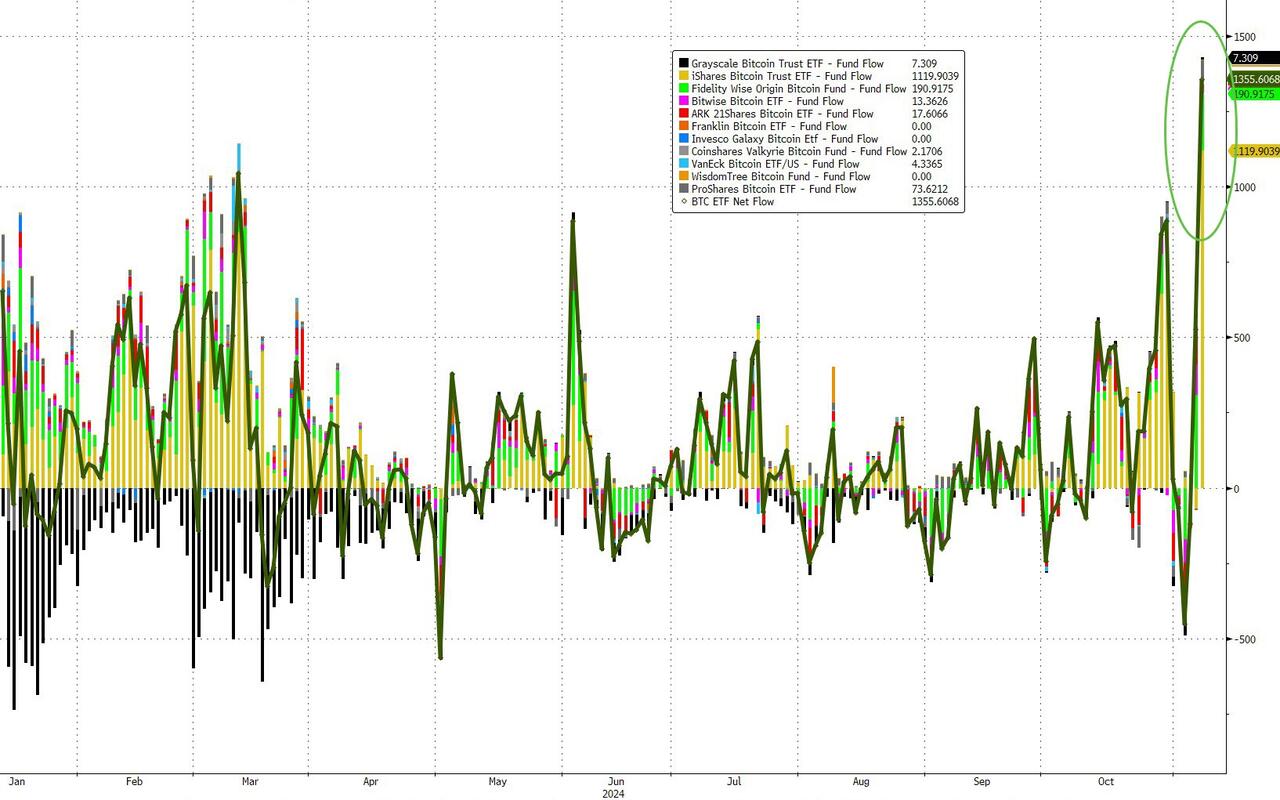
Gold rebounded over the last two days, recapturing its $2,400 level but closed slightly lower for the week. Oil prices dipped and then rebounded to their $77 level from a low of $72, while Bitcoin experienced a volatile week, initially plunging but then recovering towards the $62k level.

This volatility clearly took a toll on investors, who unloaded equities and sent total money market assets to a new record high. In the current economic environment, taking some chips off the table seems wise.

However, we’ll have to wait and see if the adage “he who panics first, panics best” will hold true once again.

Read More
Weekly StatSheet For The ETF Tracker Newsletter – Updated Through 08/08/2024

Ulli ETF StatSheet Contact

ETF Data updated through Thursday, August 8, 2024

How to use this StatSheet:

  1. Out of the 1,800+ ETFs out there, I only pick the ones that trade over $5 million per day (HV ETFs), so you don’t get stuck with a lemon that nobody wants to buy or sell.
  1. Trend Tracking Indexes (TTIs)

These are the main indicators that tell you when to buy or sell Domestic and International ETFs (section 1 and 2). They do that by comparing their position to their long-term M/A (Moving Average). If they cross above, and stay there, it’s a green light to buy. If they fall below, and keep going, it’s a red light to sell. And to make sure you don’t lose your shirt if things go south, I also use a 12% trailing stop loss on all positions in these categories.

  1. All other investment areas don’t have a TTI and should be traded based on the position of each ETF relative to its own trend line (%M/A). That’s why I call them “Selective Buy.” In other words, if an ETF goes above its own trend line, you can buy it. But don’t forget to use a trailing sell stop of 12%, or less if you’re feeling nervous.

If some of these words sound like Greek to you, please check out the Glossary of Terms and new subscriber information in section 9.

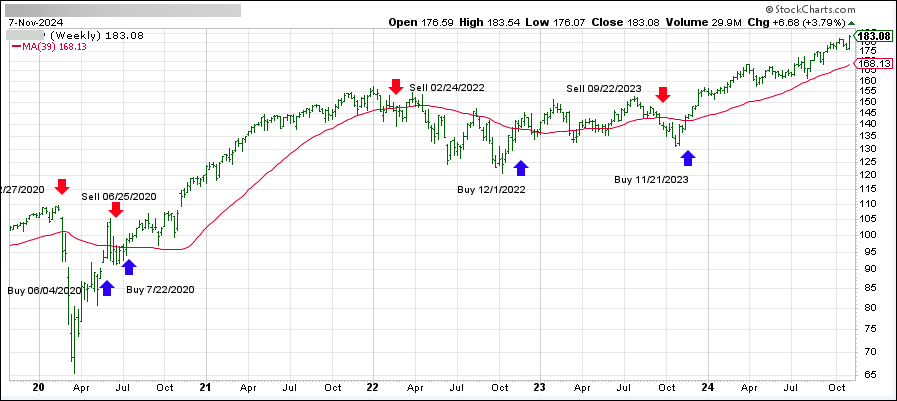
  1. DOMESTIC EQUITY ETFs: BUY— since 11/21/2023

Click on chart to enlarge

This is our main compass, the Domestic Trend Tracking Index (TTI-green line in the above chart). It has broken above its long-term trend line (red) by +3.56% and is in “Buy” mode as posted.

Read More
Bears Take Control: Dow Suffers Worst 5-Day Start In Six Years

Ulli Market Commentary Contact

[Chart courtesy of MarketWatch.com]

  1. Moving the market

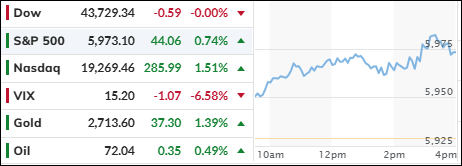
After yesterday’s comeback session, bullish sentiment persisted in the markets as traders attempted to recover some of the recent losses. However, the bears ultimately took control, causing major indexes to reverse and close in the red. The Dow experienced its worst five-day start to a month in six years.

The tech sector failed to maintain its early rally, with mega-cap stocks all posting losses exceeding 2%. Notably, Super Micro Computer plummeted by approximately 20% due to earnings misses, followed by Airbnb, which saw a 15% decline.

Although yesterday’s rebound provided some relief and lifted all 11 sectors of the S&P 500, its sustainability remains uncertain. We are navigating tumultuous times, with unresolved issues such as Black Monday’s selloff, banking, debt, and deficits looming in the background.

Key support levels were breached, with the S&P 500 testing its 100-day moving average but falling below it as bearish sentiment prevailed. The index remains 3.65% away from its 200-day moving average, and if this level is breached, it could signal the end of the bull market.

Bond yields rose following a disappointing 10-year auction, with the 10-year yield hovering around 4%. Rate-cut expectations for 2024 remained flat, crude oil prices rallied, and the dollar saw moderate gains.

Gold dipped slightly, while Bitcoin surged towards the $58,000 level but failed to reach it and subsequently reversed. Commodity prices have been declining, which, according to this chart, has dragged down equities.

Is this a warning sign of what’s to come?

Continue reading…

2. Current “Buy” Cycles (effective 11/21/2023)

Our Trend Tracking Indexes (TTIs) have both crossed their trend lines with enough strength to trigger new “Buy” signals. That means, Tuesday, 11/21/2023, was the official date for these signals.

If you want to follow our strategy, you should first decide how much you want to invest based on your risk tolerance (percentage of allocation). Then, you should check my Thursday StatSheet and Saturday’s “ETFs on the Cutline” report for suitable ETFs to buy.

3. Trend Tracking Indexes (TTIs)

Wall Street underwent a dramatic shift in fortunes as an early rally abruptly reversed course, leading to a disappointing close with major indexes ending in the red.

Traders were caught off guard by this sudden downturn.

Our TTIs presented a mixed scenario: while the International TTI showed a slight gain, the Domestic TTI edged closer to a critical threshold that could soon trigger a “Sell” signal. If you are tracking these developments, it’s essential to stay tuned for the latest updates.

This is how we closed 08/07/2024:

Domestic TTI: +1.72% above its M/A (prior close +2.44%)—Buy signal effective 11/21/2023.

International TTI: +0.81% below its M/A (prior close +0.26%)—Buy signal effective 11/21/2023.

All linked charts above are courtesy of Bloomberg via ZeroHedge.

———————————————————-

WOULD YOU LIKE TO HAVE YOUR INVESTMENTS PROFESSIONALLY MANAGED?

Do you have the time to follow our investment plans yourself? If you are a busy professional who would like to have his portfolio managed using our methodology, please contact me directly to get more details.

Equities Rebound After Intense Selling Pressure: Is The Downturn Over?

Ulli Market Commentary Contact

[Chart courtesy of MarketWatch.com]

  1. Moving the market

After the intense selling pressure during the first three trading days of August, which drove the S&P 500 down by over 6%, equities rebounded today, recovering some of their losses. Whether this marks the end of the downturn or is merely a relief bounce remains uncertain.

The tech sector also saw a recovery, with major players like Nvidia and Meta advancing, although Apple continued to show weakness, losing 1%. Contributing to the renewed bullish sentiment was a rebound in Japanese stocks, following the Nikkei index’s worst day since the 1987 crash.

Volatility is likely to remain high, and this correction may be far from over. Concerns about the state of the economy persist, and the Japanese carry trade is still unwinding. This could lead to further market pressure in the coming weeks, with ongoing worries about inflation, debt, and deficits adding to the uncertainty.

Given these circumstances, reducing exposure to more volatile sectors in favor of less volatile ones seems prudent. The Japanese Yen continued its rebound from yesterday’s lows, prompting speculation that the Bank of Japan may have quietly intervened to provide support.

This turnaround Tuesday also benefited the major indexes, with the S&P 500 receiving a boost from algorithms that lifted the index to its 100-day moving average, only to reverse direction at that level.

The most shorted stocks experienced a squeeze but encountered overhead resistance. The MAG7 basket made a comeback but fell short of reaching yesterday’s starting point. Bond yields rallied, with the 2-year yield testing the 4% level again.

Meanwhile, rate-cut expectations dropped, the dollar staged a comeback, and gold temporarily surrendered its $2,400 level. Crude oil slipped, but Bitcoin bounced higher, testing its $57k level and advancing by 6%.

Bloomberg summed up an old cliché about turnaround Tuesdays:

“The bad news is such recoveries don’t guarantee a bottom has been reached.”

Read More
Nikkei’s Worst Day Since 1987 Sparks Worldwide Market Turmoil

Ulli Market Commentary Contact

[Chart courtesy of MarketWatch.com]

  1. Moving the market

Last week’s selloff spread globally and accelerated this morning as traders grappled with fears of a U.S. recession. The downturn began in Japan, where the Nikkei plummeted over 12%, marking its worst day since the 1987 Black Monday crash. Contributing to the turmoil was Japan’s recent decision to hike interest rates, which disrupted the highly leveraged yen carry trade and triggered a cascade of selling and forced liquidations worldwide.

In the U.S., the Dow Jones Industrial Average dropped over 1,000 points, or 2.6%, while the Nasdaq fared even worse, losing 3.4%. The release of July’s jobs report on Friday exacerbated the situation, convincing traders that the Federal Reserve is behind the curve in cutting rates to address the current economic slowdown.

Mega-cap tech stocks were hit hardest, with Nvidia falling 6%, Apple 5%, and Tesla 4%. Broadcom and Super Micro also declined by 1% and 2.5%, respectively. Notably, only nine stocks in the S&P 500 ended the session higher.

At their lowest points, Small Caps and the Nasdaq were down 6% before dip buyers stepped in to limit the damage. The most shorted stocks were heavily impacted but managed to recover some ground late in the session.

The MAG7 stocks suffered significant losses, now down an astonishing $3 trillion from their record highs. The AI sector also faced a rapid decline, falling below its 200-day moving average. Bond yields were volatile, initially collapsing before rebounding to nearly unchanged levels.

The dollar weakened, crude oil retreated but later recovered, and gold experienced wild swings before bouncing off support. Bitcoin also took a dive as traders liquidate assets to meet margin calls, but it found support at the $50,000 level.

In my advisory practice, we sold a major tech ETF and closed our position in the international market after the International TTI dropped below its long-term trend line.

The future direction of the market now hinges on the Federal Reserve’s response.

Will they panic and implement an emergency rate cut to prevent equities from plunging further?

Read More