Major Indexes Close Week Down; Bitcoin Poised For Potential Surge

Ulli Market Commentary Contact

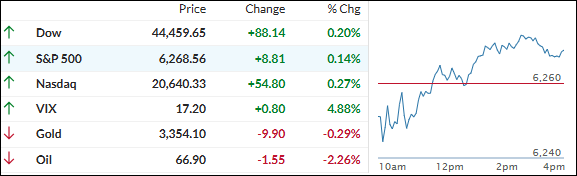
[Chart courtesy of MarketWatch.com]

  1. Moving the market

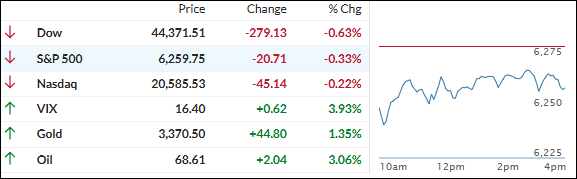
An early bounce quickly faded, leading equities to slip into the red on the last trading day of the week. The S&P 500 was the exception, managing to eke out a fractional gain.

The Dow suffered the most, primarily due to United Health (UNH) plummeting by 22% at one point after missing earnings expectations. Chipmaker Nvidia also retreated, dropping another 3.7% following yesterday’s quarterly charge of $5.5 billion related to its graphics processing units.

Adding to the bearish sentiment was Fed Chair Powell’s stance on Trump’s tariff policies, which he believes could drive up inflation in the near term and “is likely to move us further away from our goals.”

This contrasts sharply with his decision to cut rates last year when financial conditions were looser, as opposed to the tightened conditions now. Perhaps Powell is focusing on the strength in hard data rather than the soft data that tumbled this week.

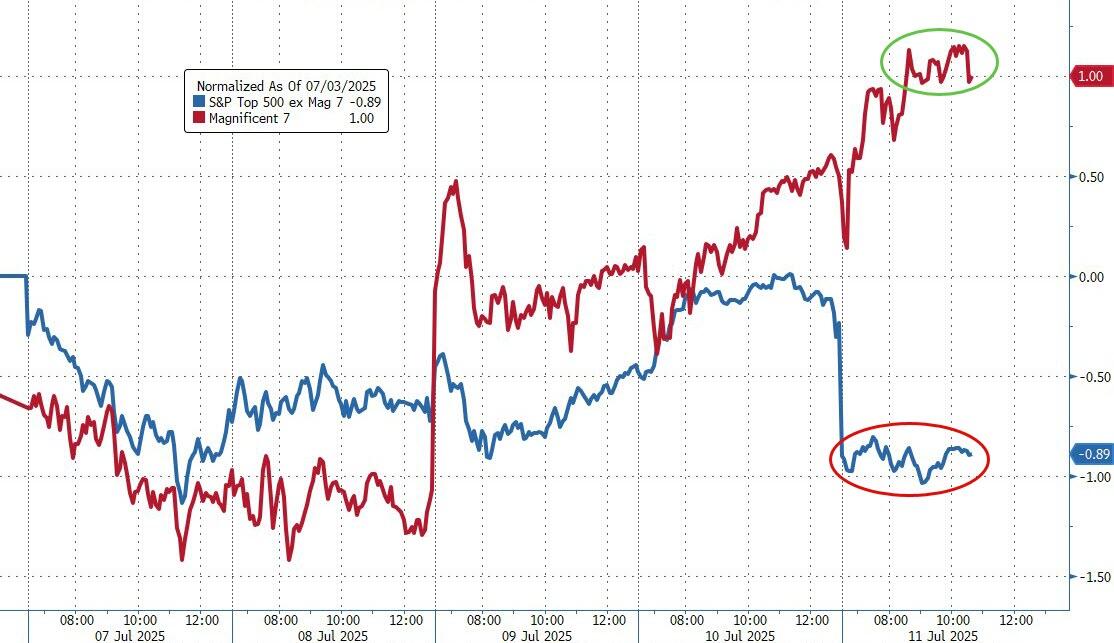
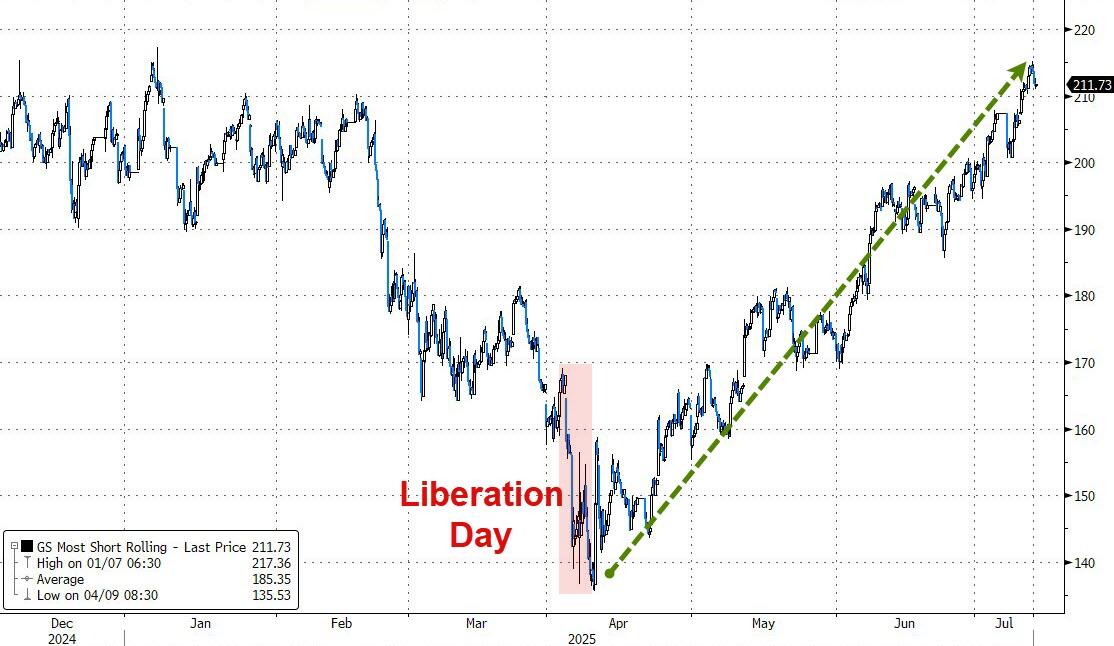
The major indexes closed out another week to the downside, with markets closed tomorrow for Good Friday. Since Liberation Day, the major indexes are still down 7-8%, while the Mega-cap sector has been down 8 of the last 9 weeks.

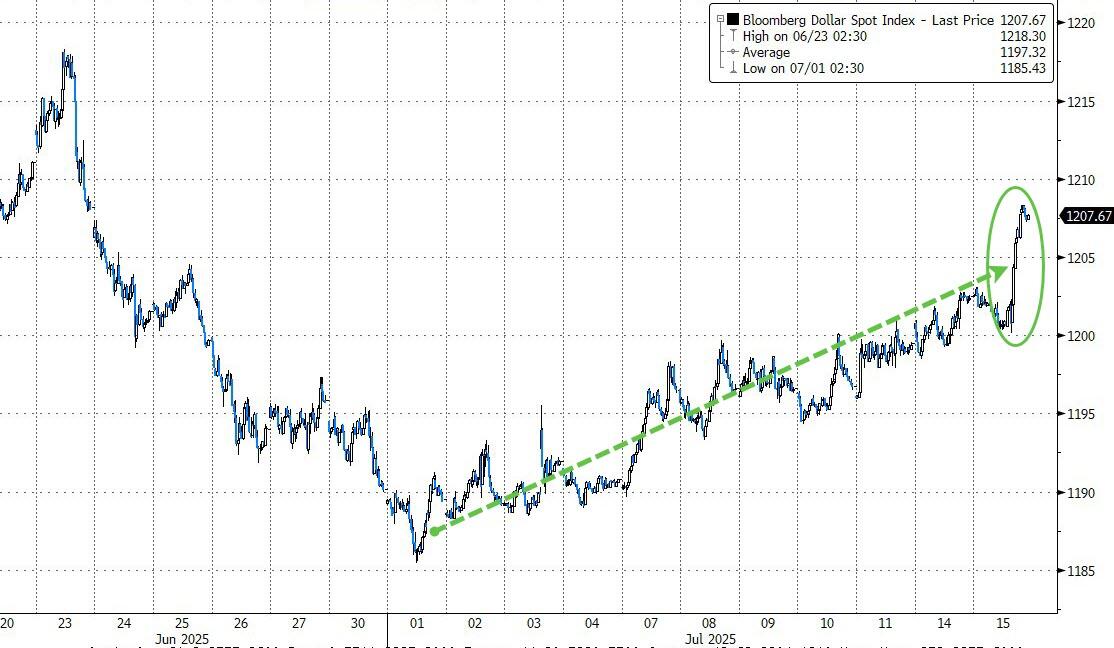
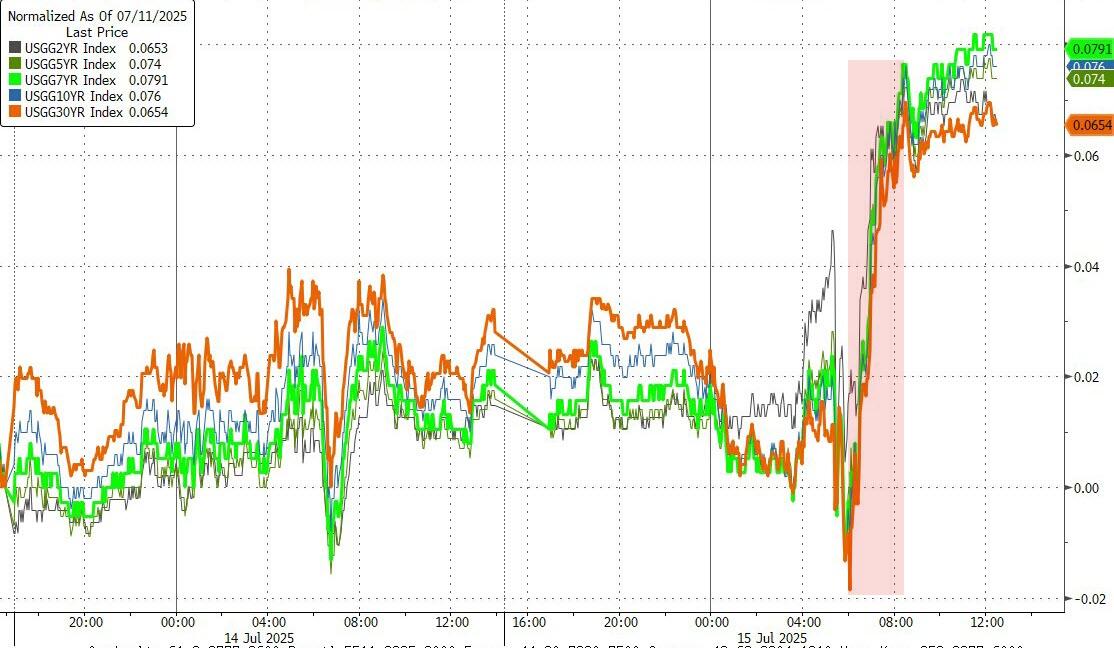
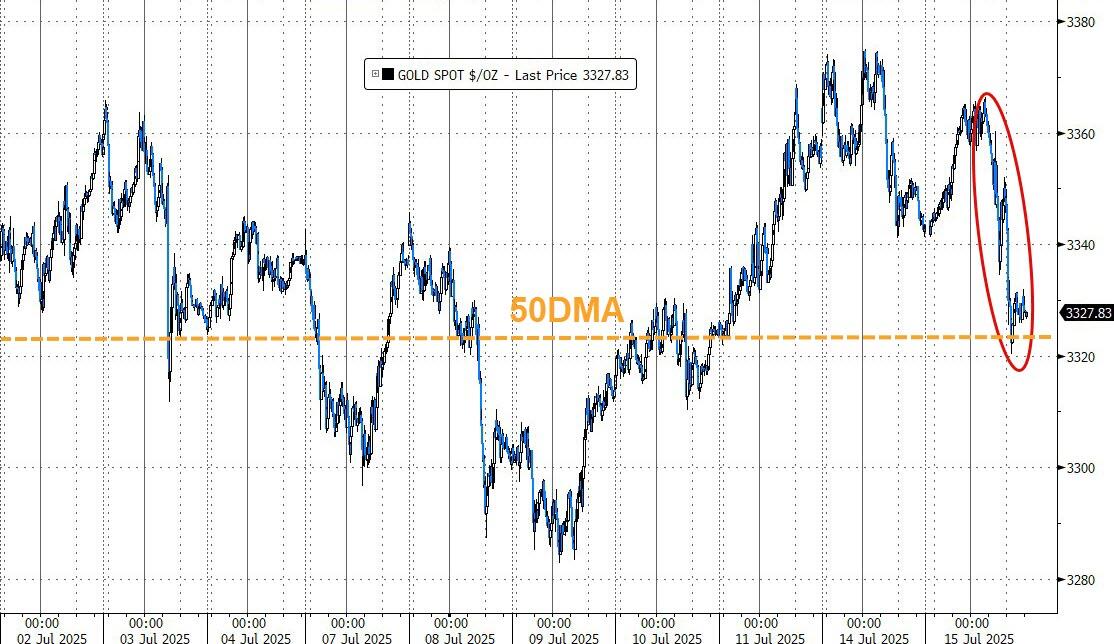
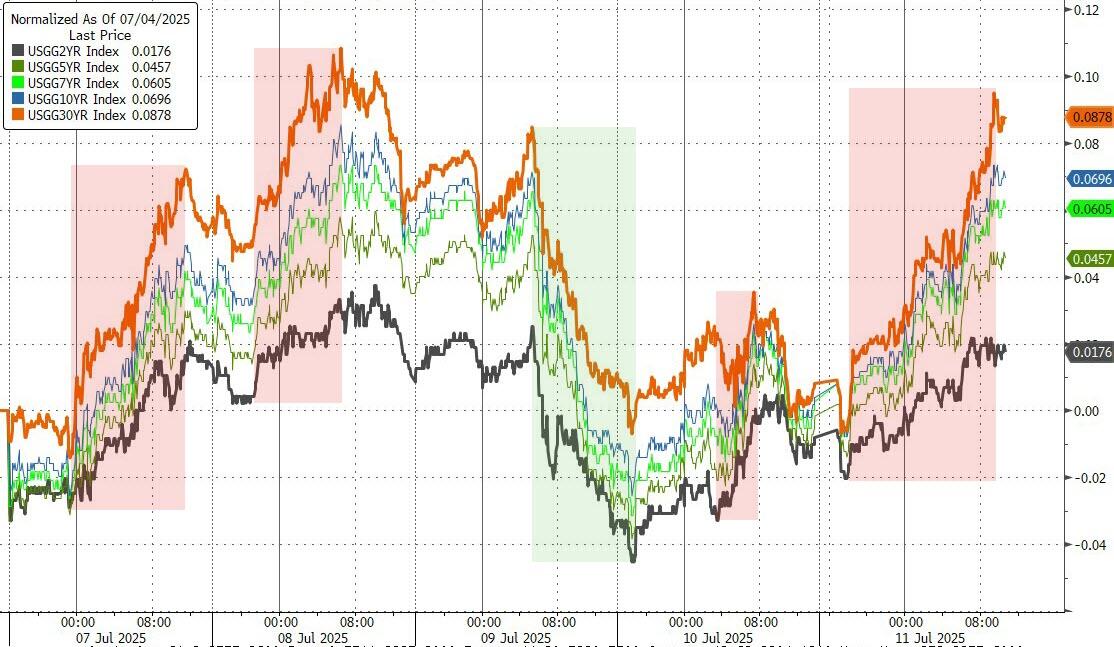
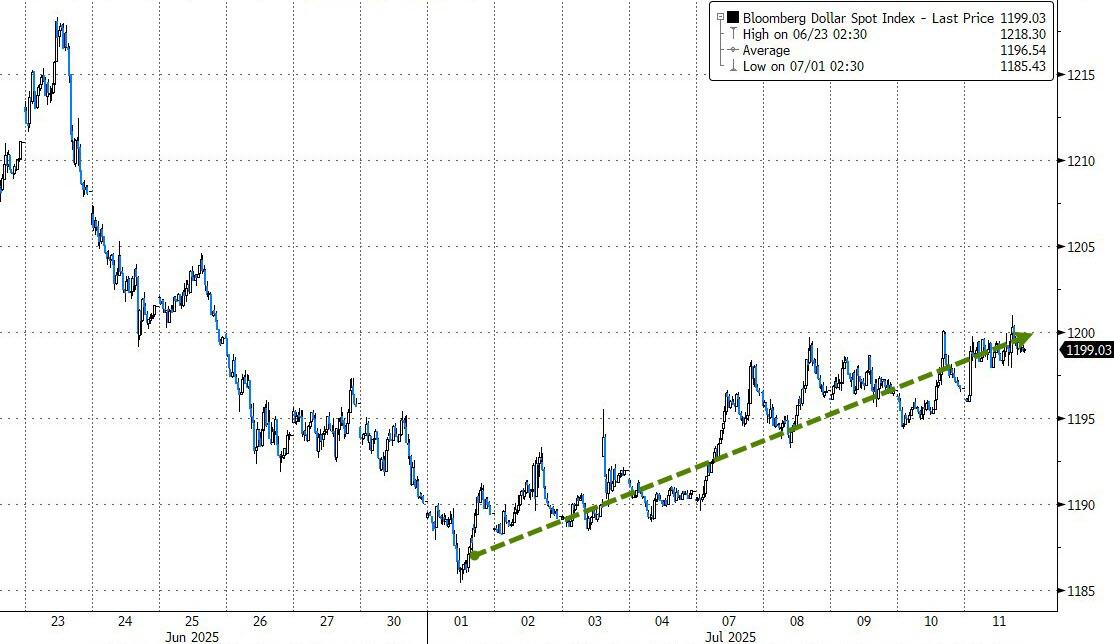
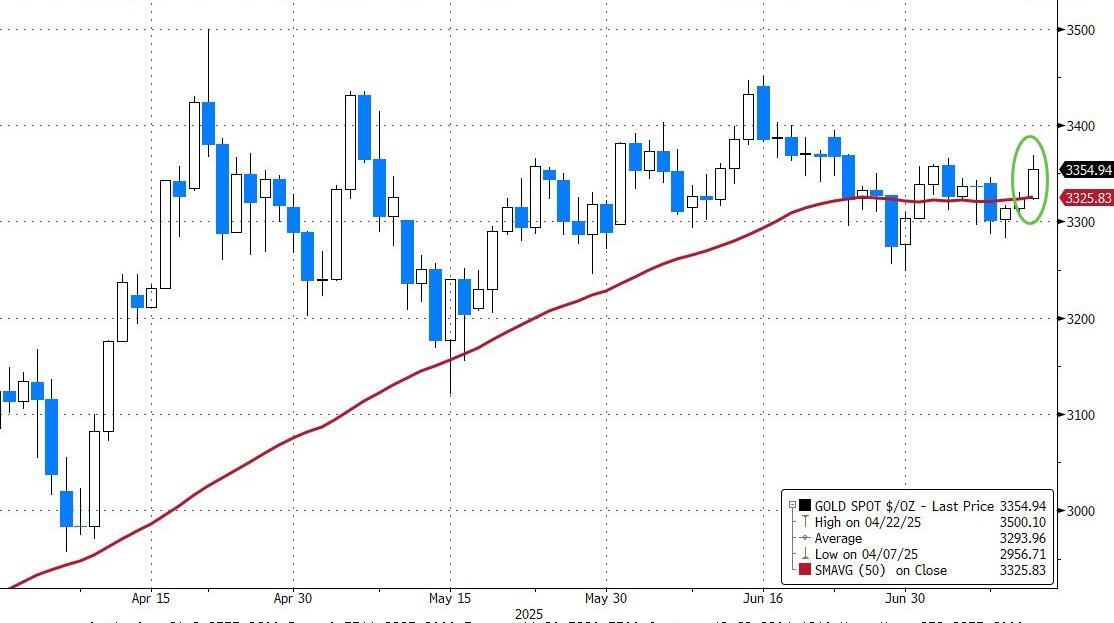
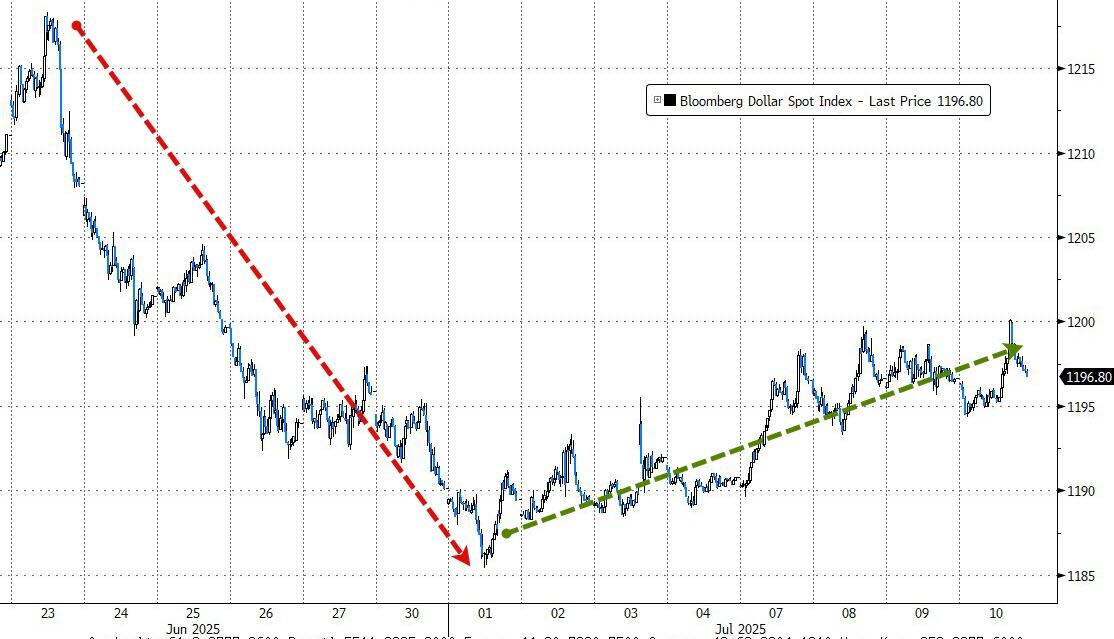
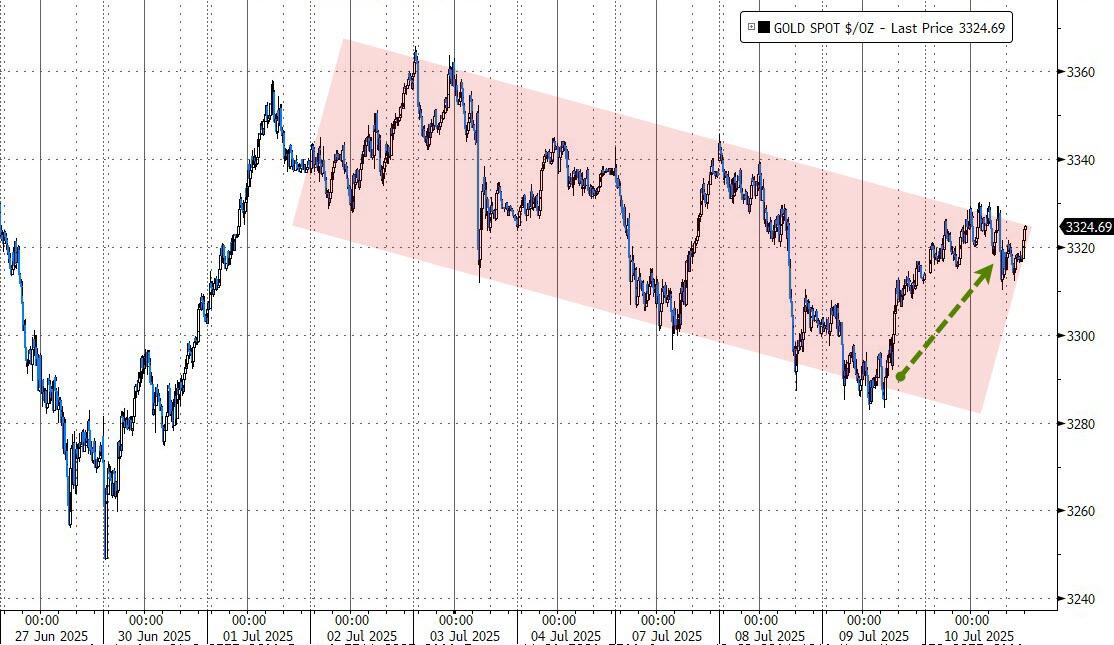
Bond yields ended the week lower, and the dollar tumbled for the third straight week to its lowest level since the first week of October, as noted by ZH. This decline benefited gold, which surged to record highs.

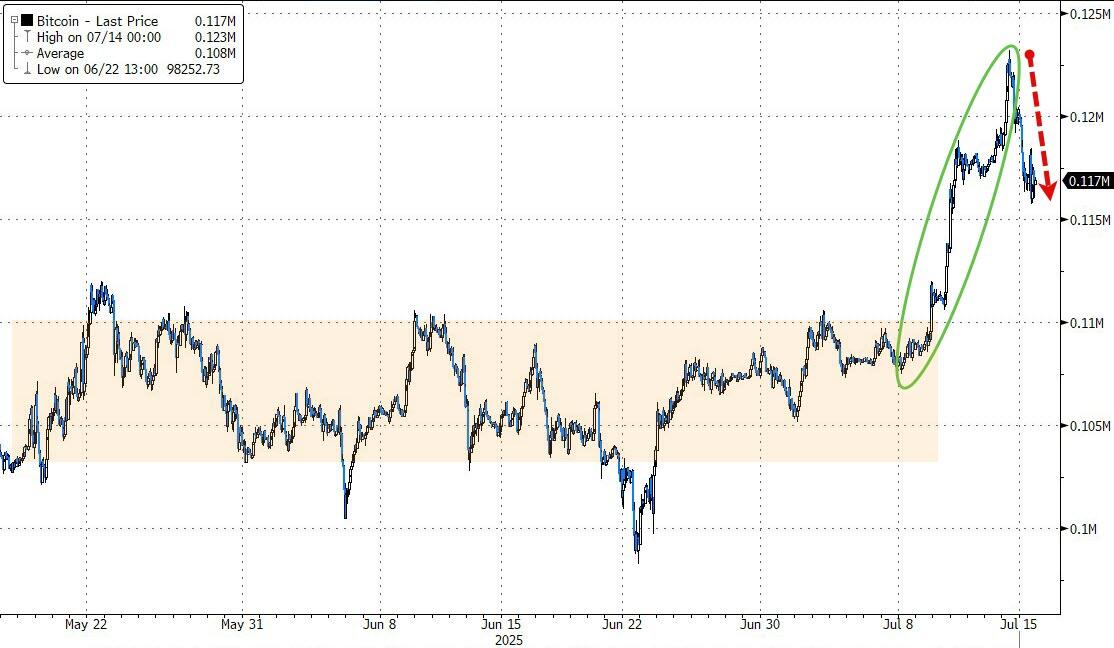
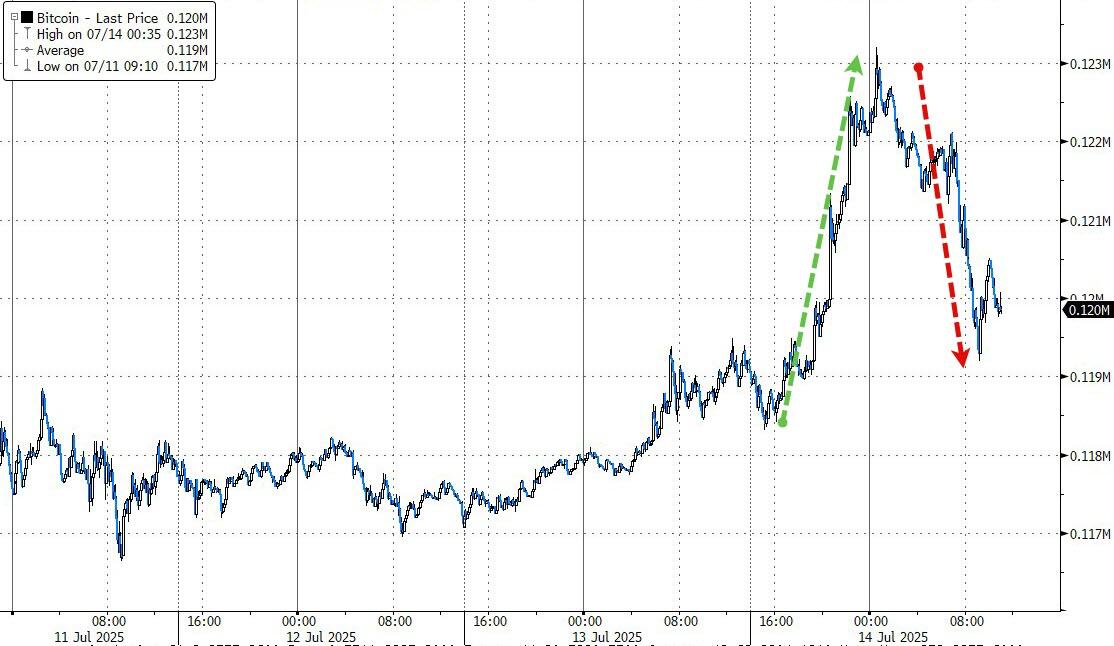
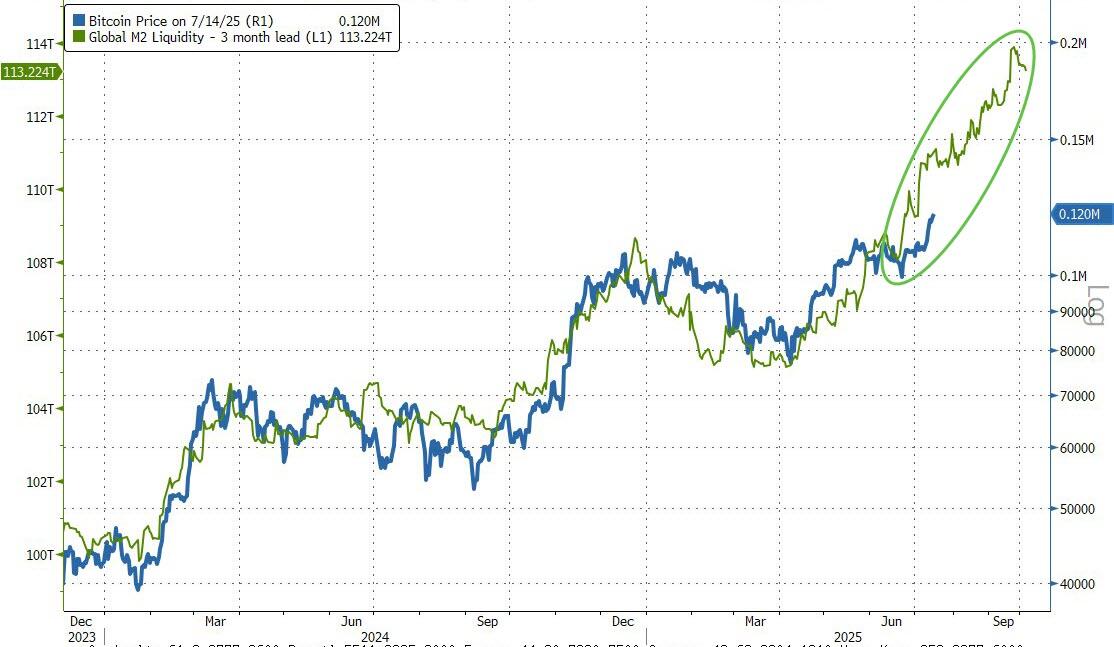
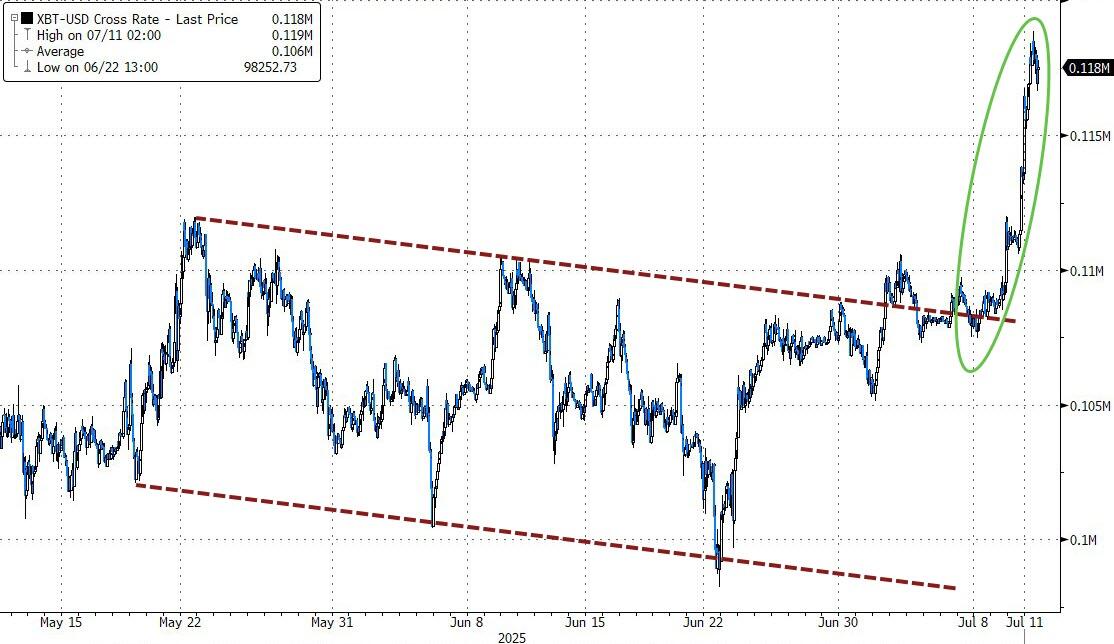
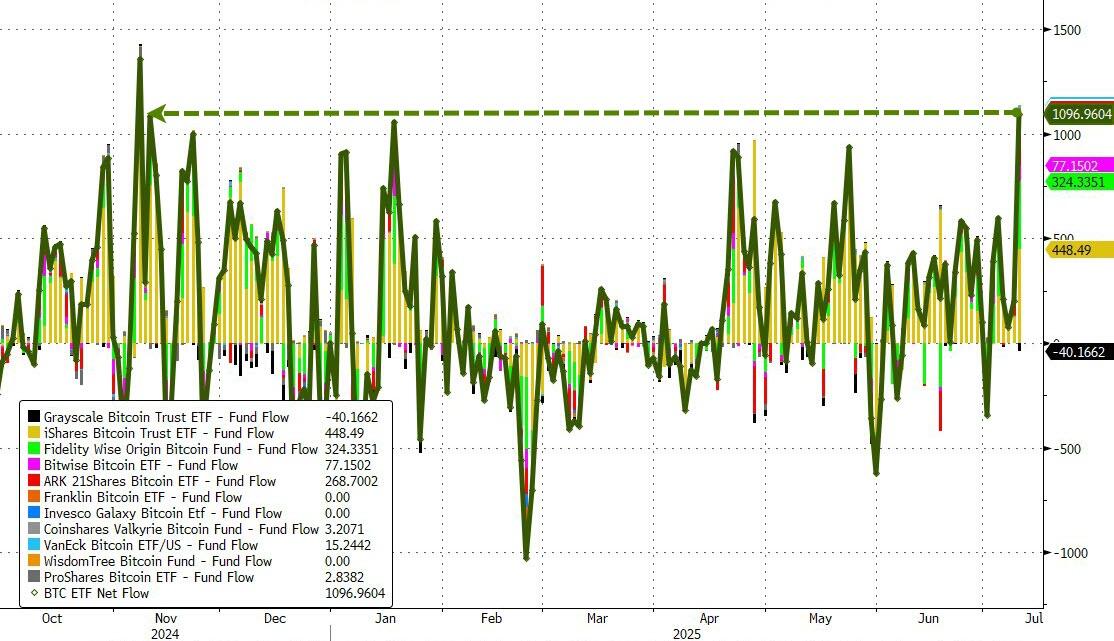
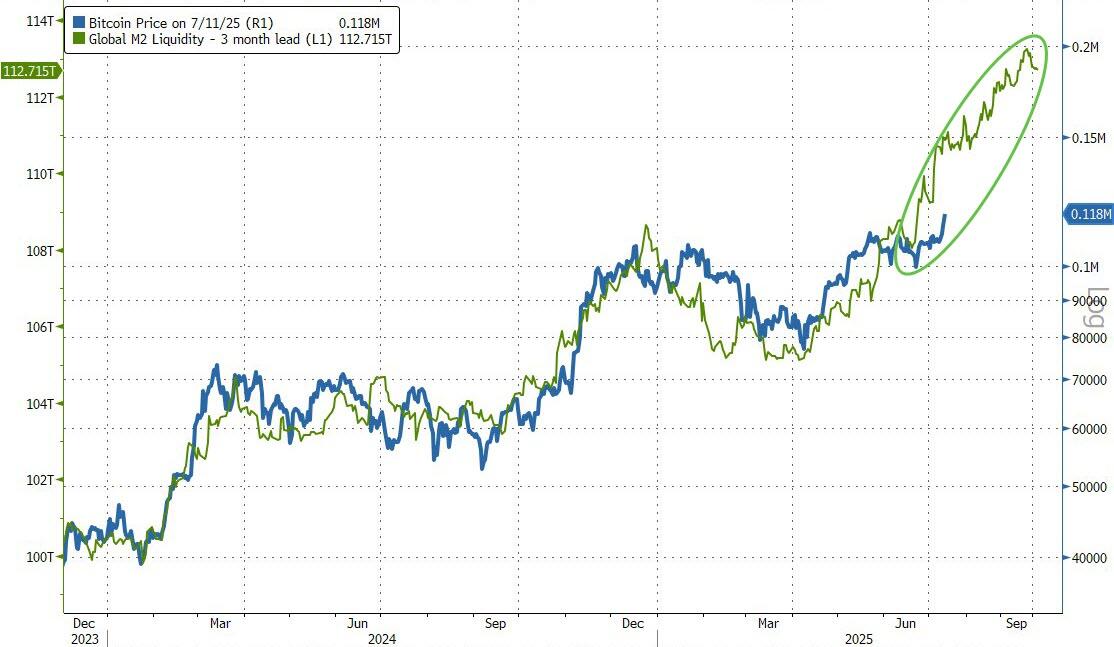
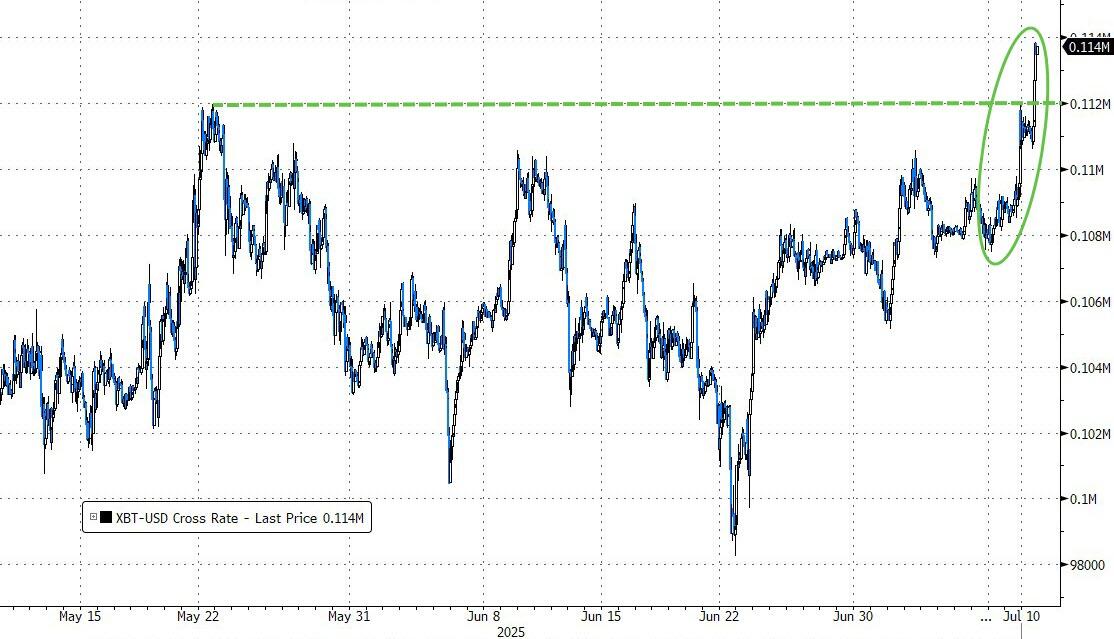
Bitcoin gained for the second straight week but remains stuck at its 50-day moving average for now. However, historical liquidity suggests it might be poised for another significant rise.

Enjoy the Easter weekend.

Read More

Gold Shines Amid Market Turmoil, Hits Record High

Ulli Market Commentary Contact

[Chart courtesy of MarketWatch.com]

  1. Moving the market

Nvidia impacted the global tech market this morning by announcing a $5.5 billion quarterly charge related to its graphics processing units sold to China and other nations. The stock dropped approximately 7% on the news, losing $270 billion in market cap.

Other chipmakers followed suit, moving lower. Big tech also felt the pressure, with the Mag7 index dropping around 2%, and stocks of Meta, Alphabet, and Tesla pulling back as well.

The major indexes were in retreat mode as traders continued to navigate rising global tensions, despite some levies being put on hold for 90 days. However, Chinese goods were not included in this pause, leading to increased market volatility.

Midday, it wasn’t tariff uncertainty but Fed Chair Powell who unsettled the markets with his responses to questions about intervention if the stock market plummets.

Powell stated, “No, markets are doing what they’re supposed to do, orderly…” and “Clearly there is some deleveraging by hedge funds going on; you will see continued volatility.” He also mentioned, “The economy will likely be ‘moving away’ from both of its goals probably for the balance of this year.”

These comments dampened any potential bullish sentiment and discouraged dip buyers. Even a last 30-minute buying spree did not change the outcome.

Bond yields dipped, and the dollar slipped to its lowest level since early October. Bitcoin suffered volatility, racing first to $85.5k and then back down to $83.5k, eking out a small gain.

Gold ended up being the star of the show, with the precious metal adding almost 3.5% for the session, its best day since October 2023, while setting a record.

In my advisor practice, gold has been a core holding since February 2022, allowing us to build a solid foundation to protect against uncertainty and inflation with a fairly high allocation percentage.

Read More

SmallCaps Hit Record Lows Relative To Nasdaq; S&P 500 Holds Steady

Ulli Market Commentary Contact

[Chart courtesy of MarketWatch.com]

  1. Moving the market

The major indexes cautiously advanced early on as traders analyzed the latest earnings reports and enjoyed a decline in market volatility, indicated by a drop in the VIX.

Yesterday, tech stocks received a boost following revelations of exemptions from reciprocal tariffs for electronic products such as smartphones, computers, and semiconductors. Even though later clarifications suggested these exemptions might be temporary, the bulls continued to push the indexes higher.

While equities are still recovering from losses incurred after Trump’s original tariff announcement, concerns persist that more headline-driven volatility could disrupt the current rebound at any time.

Ultimately, the initial short squeeze faded as anxiety grew, leading the major indexes to close moderately in the red, while the S&P 500 “death cross” remained in play.

The mega-cap sector continued its slide despite lower bond yields, but the dollar managed to eke out a modest gain. Bitcoin rallied to $86k before retreating to the $84k level, while gold ignored the dollar’s strength and climbed to around $3,250.

Interestingly, as ZH pointed out, SmallCaps have never been this low relative to the Nasdaq, yet the S&P 500 remains far from the prior valuation levels that marked a low.

Does this mean new lows are still on the horizon?

Read More
S&P 500 Triggers ‘Death Cross’ Despite Positive Close

Ulli Market Commentary Contact

[Chart courtesy of MarketWatch.com]

  1. Moving the market

Positive news on tariffs boosted the markets early on, as Trump’s unexpected tariff exemption for tech devices lifted equities alongside lower bond yields.

Smartphones, computers, and components like semiconductors were excluded from the new reciprocal levies, according to guidance issued last Friday. Tech giants such as Apple, Nvidia, Intel, and Dell saw significant gains, with the entire tech sector (XLK) rising by approximately 2%.

However, these exemptions are not permanent and may still be subject to the existing 20% Fentanyl tariffs, merely shifting to a different “tariff bucket.” Nonetheless, traders welcomed the news for the day.

Despite last week’s rally, the three major indexes remain sharply down since the reciprocal tariffs were announced, as uncertainty continues to influence the long-term trend.

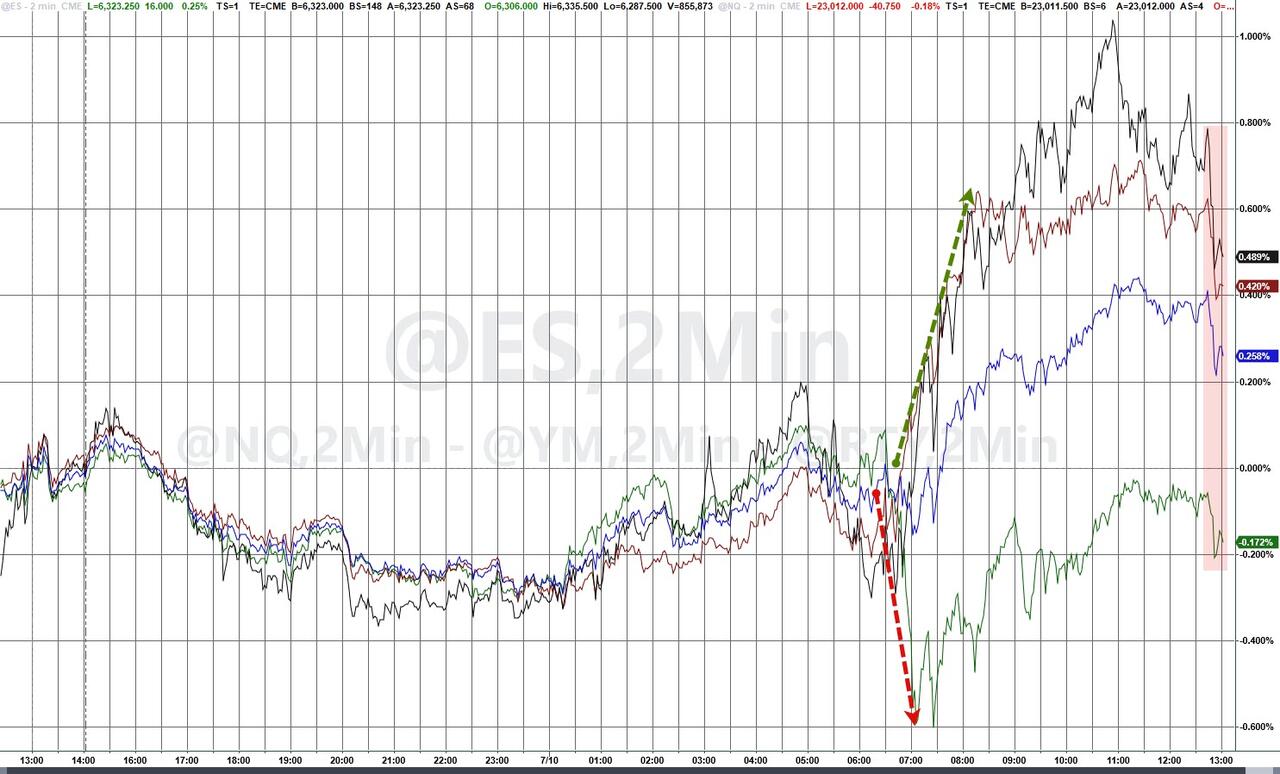
Today saw another volatile session with an early bounce fading, but upward momentum returned, leading to a positive close. The last 10 minutes, however, experienced heavy selling pressure, as noted by ZH.

Additionally, the S&P 500 triggered a “death cross,” a bearish signal where the 50-day moving average crosses below the 200-day moving average.

The Mega-cap sector posted moderate gains, bond yields retreated, and rate-cut expectations increased. The dollar and gold slipped moderately, while Bitcoin rallied above $85k despite some intraday volatility.

Will the upcoming earnings season help stabilize market volatility?

Read More
ETFs On The Cutline – Updated Through 04/11/2025

Ulli ETFs on the Cutline Contact

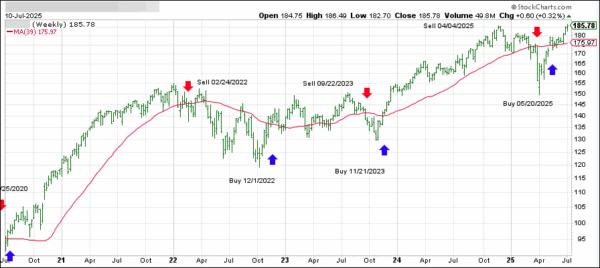
Do you want to know which ETFs are hot and which ones are not? Then you need my High-Volume ETF Cutline report. It tells you how close or far each of the 311 ETFs I follow is from its long-term trend line (39-week SMA). These are the ETFs that trade more than $5 million a day, so they are not some obscure funds that nobody cares about.
The report is split into two parts: The winners that are above their trend line (%M/A), and the losers that are below it. The yellow line is the line of shame that separates them. You can see how many ETFs are in each group and how they have changed since the last report (49 vs. 48 current).

Take a peek:

The HV ETF Master Cutline Report

If you are confused by some of the terms we use, don’t panic. I have a helpful Glossary of Terms for you.

If you want to learn more about the Cutline method and how it can make you rich (or at least less poor), read my original post here.

ETF Tracker Newsletter For April 11, 2025

Ulli ETF Tracker Contact

ETF Tracker StatSheet          

You can view the latest version here.

GOLD SHINES AS EQUITIES SWING AND INFLATION HITS RECORD HIGHS

[Chart courtesy of MarketWatch.com]

  1. Moving the market

The stock market experienced another volatile opening, with equities swinging sharply due to worse-than-expected consumer sentiment for April. The index dropped from March’s 57.0 to 50.8, significantly below the expected 54.6.

Inflation concerns surged, rising from 5% in March to 6.7% in April, marking the highest level since November 1981. Other survey measures also indicated deterioration.

However, Producer Prices saw the largest drop since the COVID-19 pandemic, with a 0.4% month-over-month decrease, bringing the year-over-year index down to 2.7%.

This week has been one of the most volatile in Wall Street history. Trade policy uncertainties have caused major indexes to remain solidly in the red for 2025, despite a rebound this week.

The US Macro Surprise Index, which had bounced off its lows in March, reversed and reached its weakest point since September. Financial conditions tightened dramatically, yet the Federal Reserve remained stoic and non-committal.

Gold emerged as the performance leader, achieving its best week since March 2020 amid rising bond yields. Rate-cut expectations plummeted as bond volatility surged, indicating underlying stress in the market.

The dollar experienced its worst two-week drop since November 2022, while Bitcoin had its best week since early January, potentially entering a strong period if historical liquidity trends hold true.

Read More