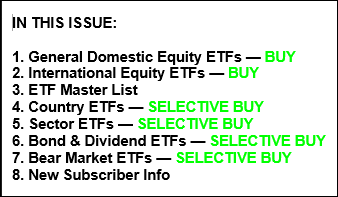
Out of the 1,800+ ETFs out there, I only pick the ones that trade over $5 million per day (HV ETFs), so you don’t get stuck with a lemon that nobody wants to buy or sell.
Trend Tracking Indexes (TTIs)
These are the main indicators that tell you when to buy or sell Domestic and International ETFs (section 1 and 2). They do that by comparing their position to their long-term M/A (Moving Average). If they cross above, and stay there, it’s a green light to buy. If they fall below, and keep going, it’s a red light to sell. And to make sure you don’t lose your shirt if things go south, I also use a 12% trailing stop loss on all positions in these categories.
All other investment areas don’t have a TTI and should be traded based on the position of each ETF relative to its own trend line (%M/A). That’s why I call them “Selective Buy.” In other words, if an ETF goes above its own trend line, you can buy it. But don’t forget to use a trailing sell stop of 12%, or less if you’re feeling nervous.
If some of these words sound like Greek to you, please check out the Glossary of Terms and new subscriber information in section 9.
DOMESTIC EQUITY ETFs: BUY— effective 5/20/2025
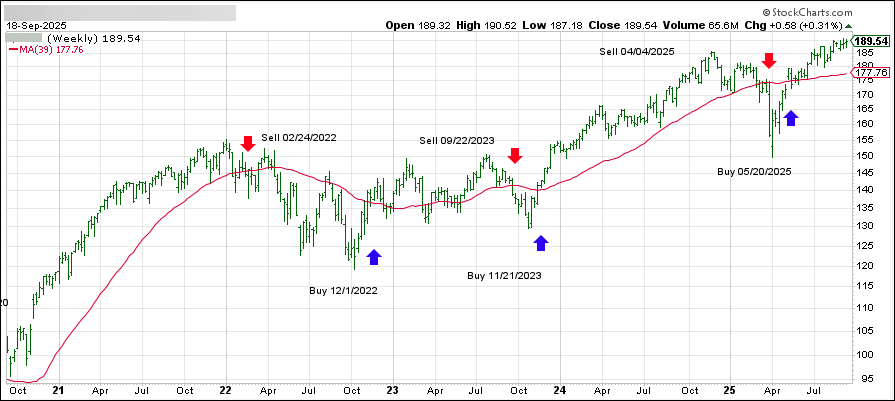
Click on chart to enlarge
This is our main compass, the Domestic Trend Tracking Index (TTI-green line in the above chart). It has broken above its long-term trend line (red) by +2.02% and remains in “Buy” mode, with our new holdings being subject to our trailing sell stops.
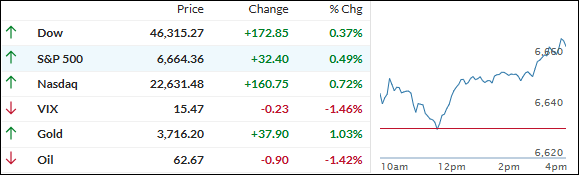
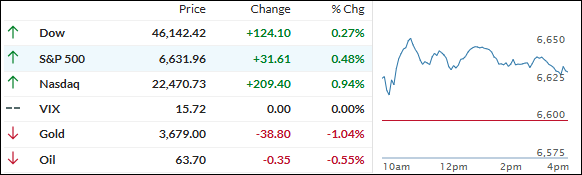
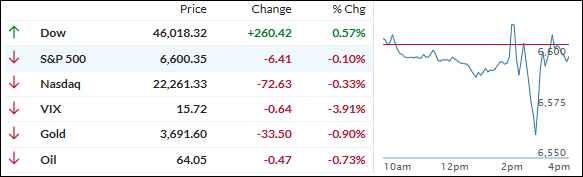
Stocks started the day in the red but quickly turned things around, climbing out of the early dip and finishing solidly in the green. The major indexes all pushed above their breakeven lines, riding a wave of renewed optimism.
Fueling that positive vibe was the May Producer Price Index (PPI), which came in cooler than expected—up just 0.1% after a 0.2% drop in April. Economists were bracing for a 0.2% rise, so this softer number gave investors a bit of relief on the inflation front.
Still, Wall Street isn’t breathing easy just yet. Trade tensions between the U.S. and China remain front and center. President Trump hinted at flexibility on the July 8 deadline for new tariffs, not just with China but with other trading partners too. That’s keeping markets on edge.
Looking ahead, the big question is whether we’ll see a breakthrough on tariffs. A resolution could be the spark that sends markets to new highs—especially if it aligns with budget talks and the Fed’s next move. Without it, we might just drift sideways in a fog of uncertainty.
Adding to the mixed signals, Trump said the U.S. is “fairly close” to a deal with Iran—then followed it up with a cryptic comment about “something possibly happening soon in the Middle East.” Not exactly reassuring.
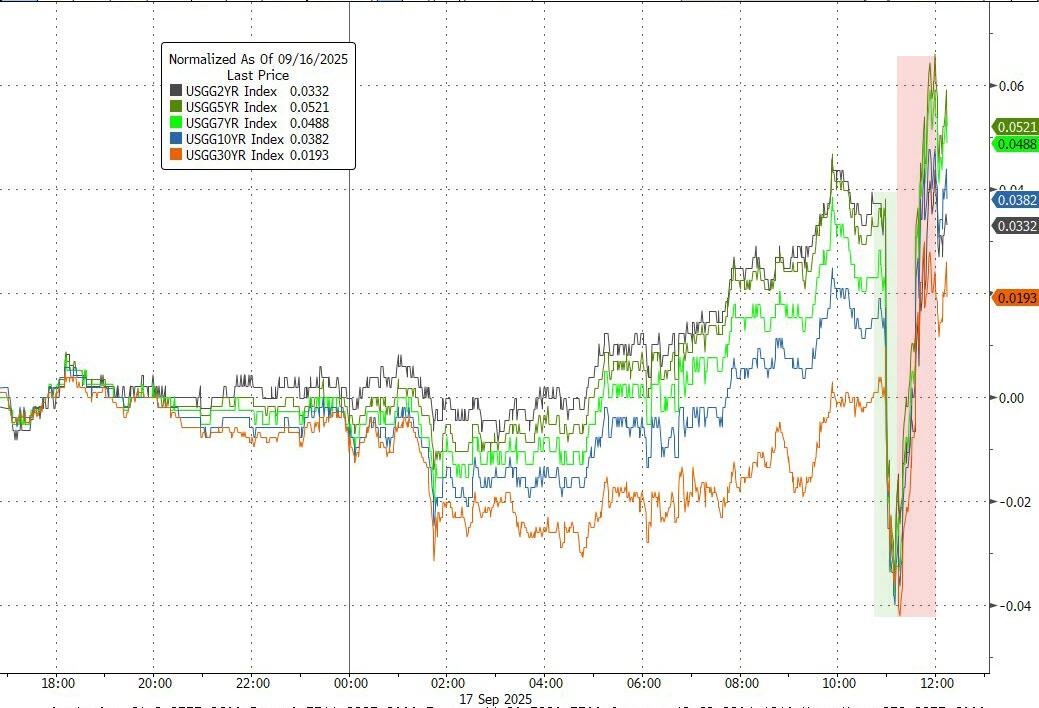
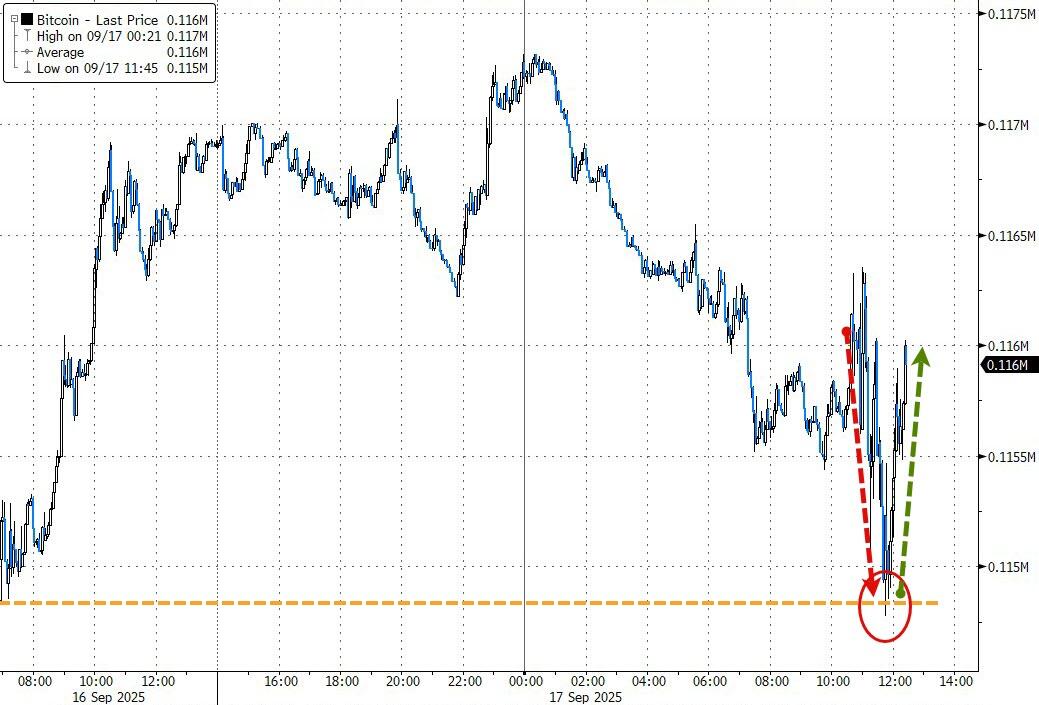
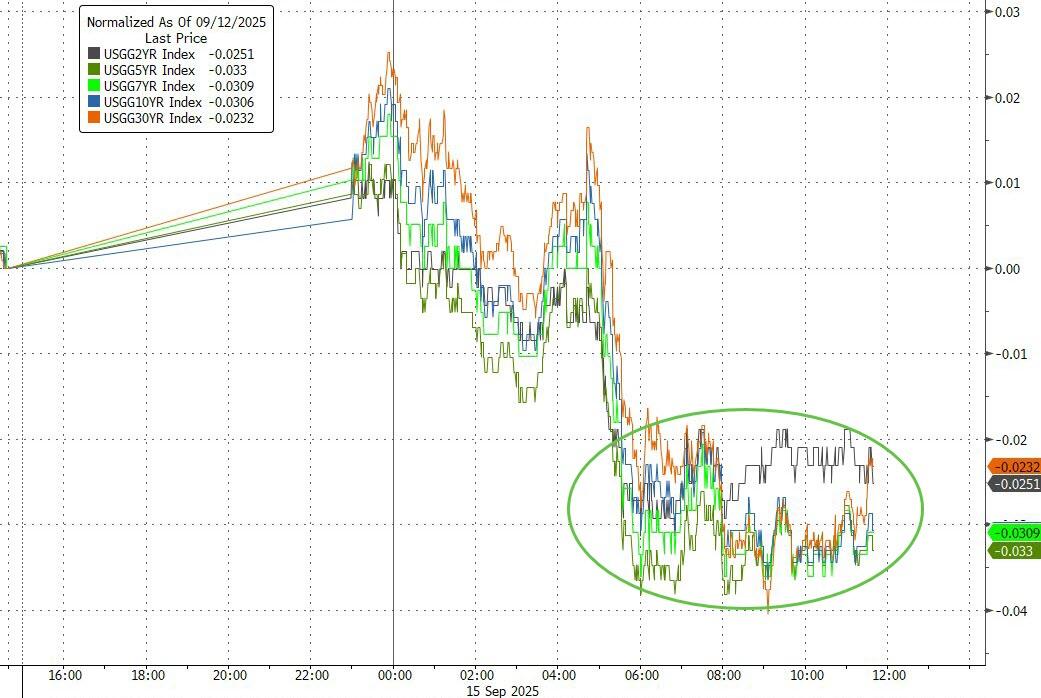
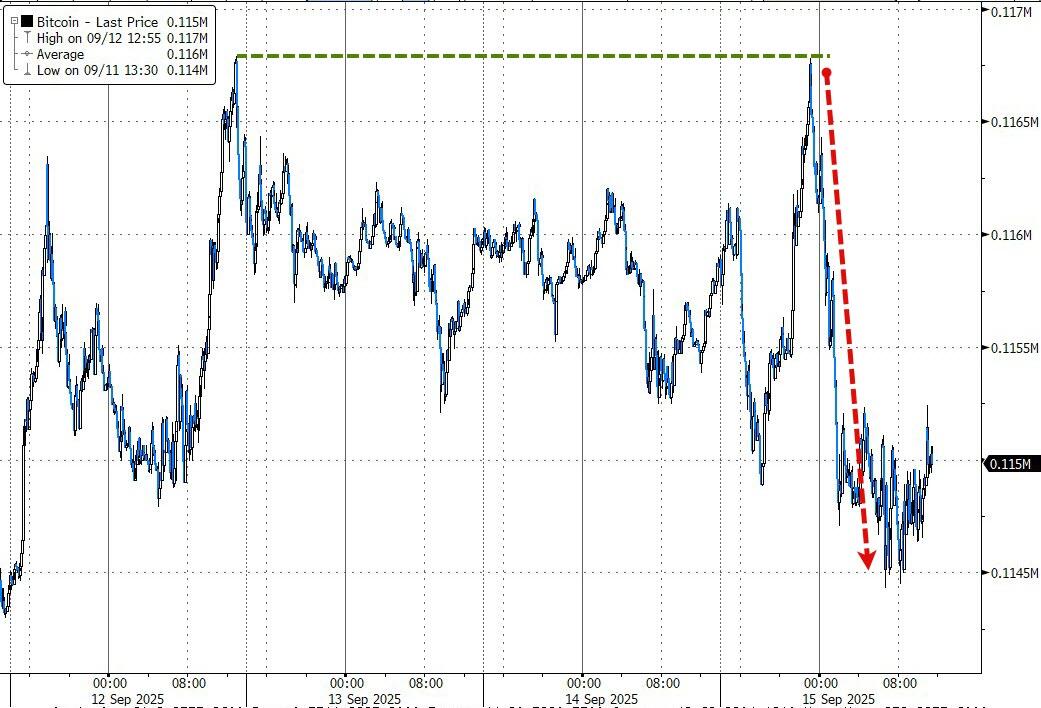
Despite all that, the Dow and S&P 500 managed to close at their intraday highs. The 10-year Treasury yield hit session lows, and Bitcoin also dipped—though without any clear reason.
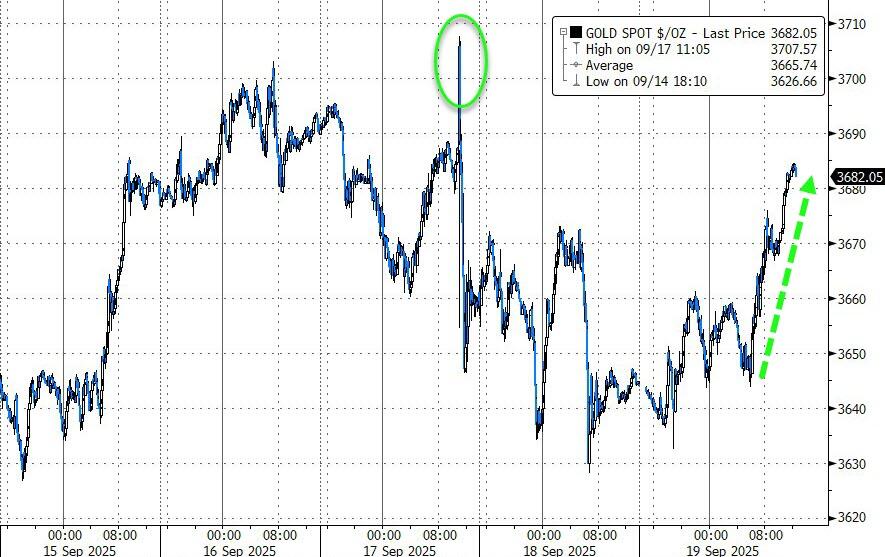
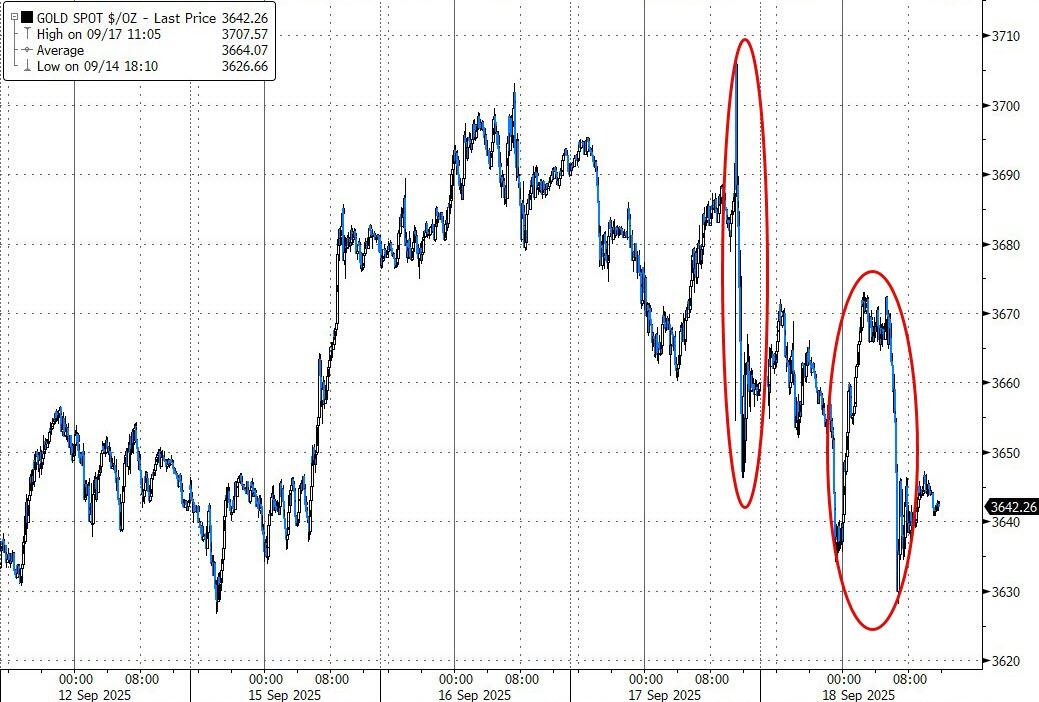
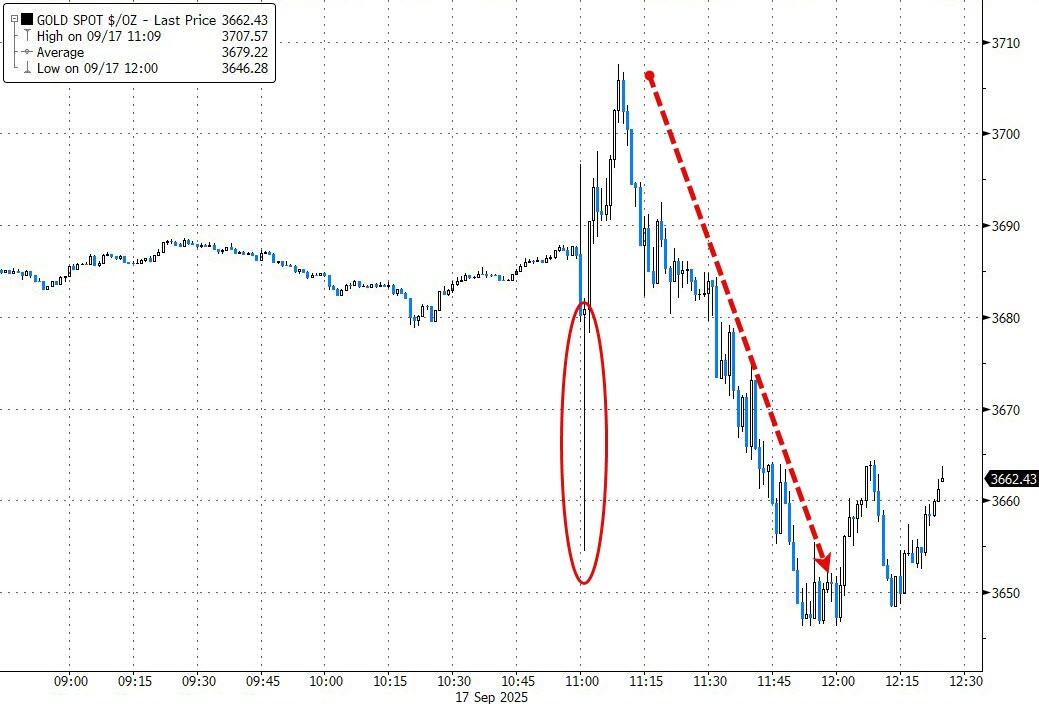
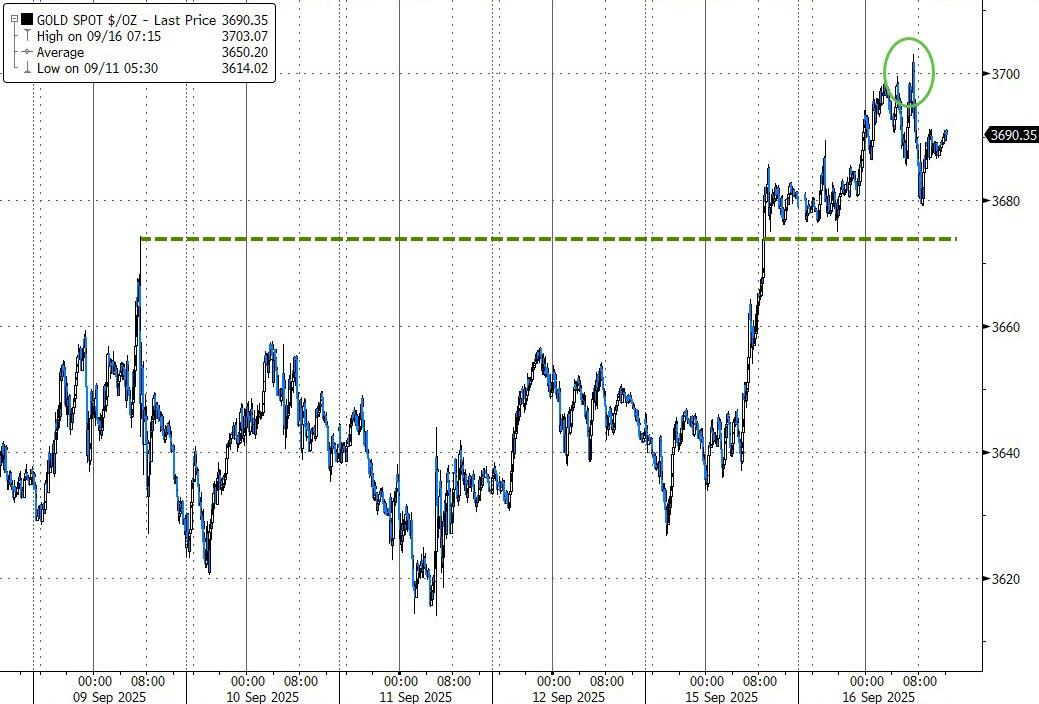
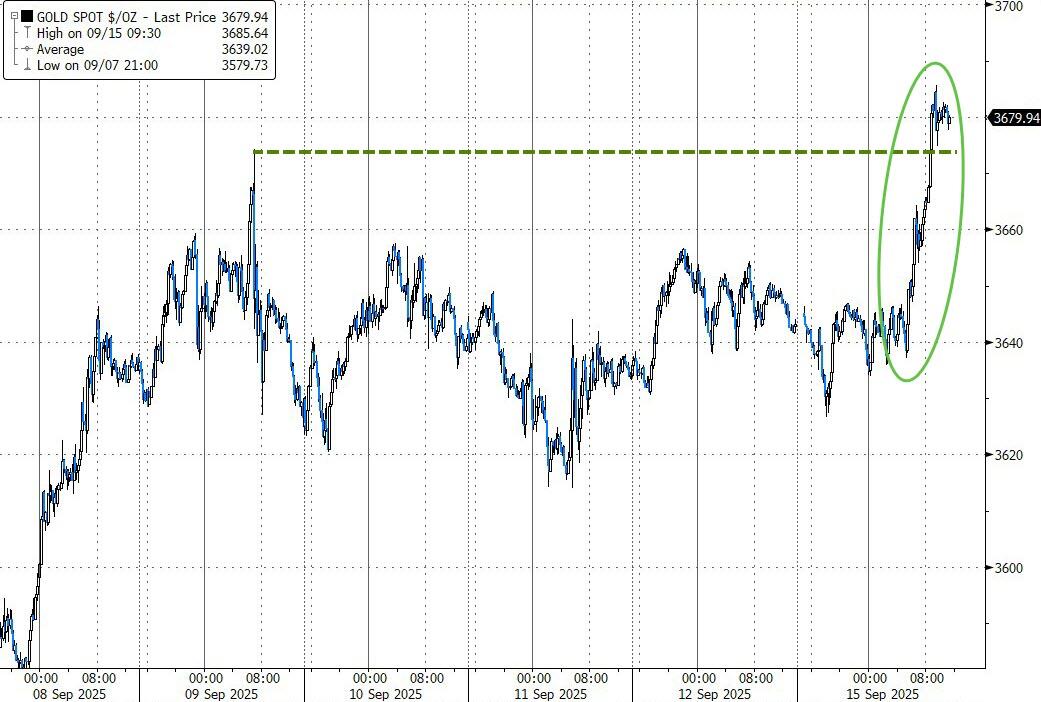
Meanwhile, precious metals had a strong day, with gold bouncing back from recent losses and silver rebounding after slipping below $36.
With geopolitical tensions simmering, especially in the Middle East, could gold and silver be the safe havens investors turn to next?
Early gains came after cooler-than-expected inflation data and news of a preliminary trade deal between the U.S. and China. The Consumer Price Index (CPI) rose just 0.1% in May—below the 0.2% forecast—and core CPI (excluding food and energy) matched that soft reading.
This suggests tariffs haven’t had a major immediate impact yet. Companies may still be working through existing inventory or hesitating to raise prices amid shaky demand.
With a 90-day pause on new tariffs, traders are shifting their focus to inflation and jobs data. If inflation stays tame—or if the job market starts to weaken—hopes for a rate cut could gain traction.
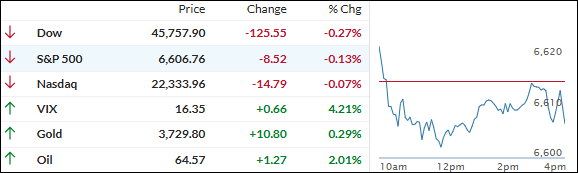
But the optimism didn’t last. Midday, markets reversed course after Treasury Secretary Bessent hinted at extending the tariff deadline, and tensions in Iraq flared up again. By the close, only the Dow managed to break even.
The markets opened slightly higher again today, echoing yesterday’s start, but didn’t show much follow-through as traders stayed cautious, waiting for more clarity on U.S.-China trade talks.
The discussions in London rolled into a second day, with Commerce Secretary Lutnik sounding optimistic, saying things are “going very well” and that both sides are spending a lot of time together.
Still, traders are hoping for more than just friendly chatter—they want to see real progress, especially around reducing tariffs, not just pausing them like last month.
For now, it seems like some dialogue is better than none, but whether it’s moving the needle is still up in the air.
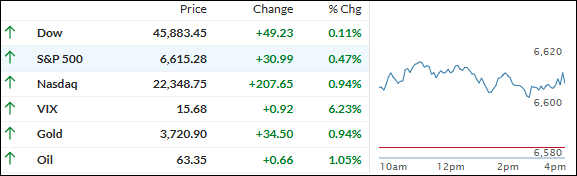
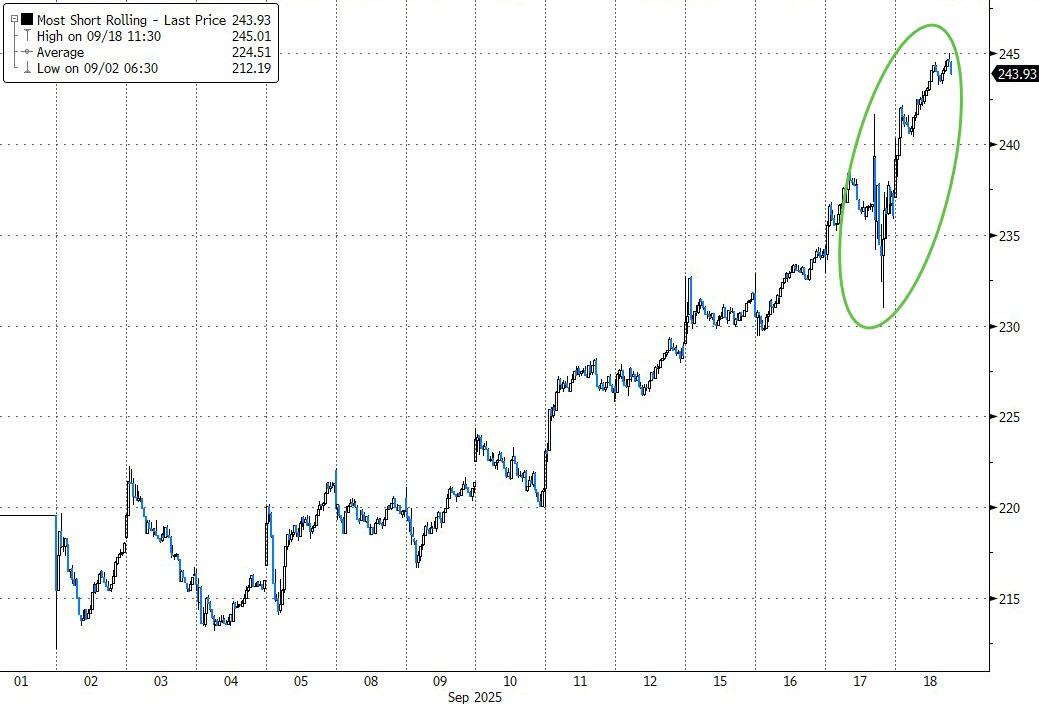
Trading stayed mostly rangebound, with the S&P 500 and Nasdaq bouncing around but leaning higher into the close, helped by another short squeeze.
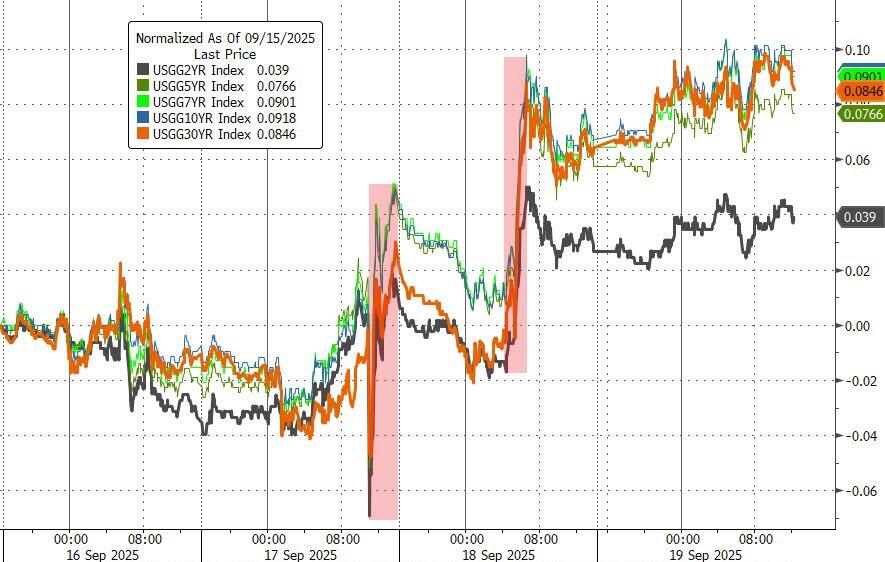
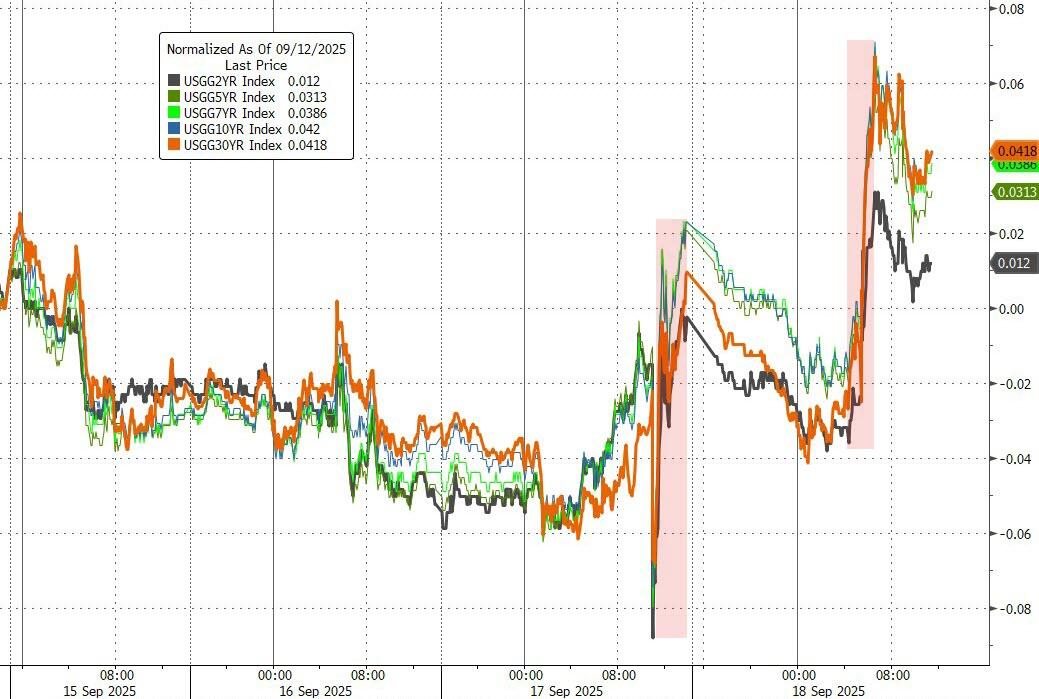
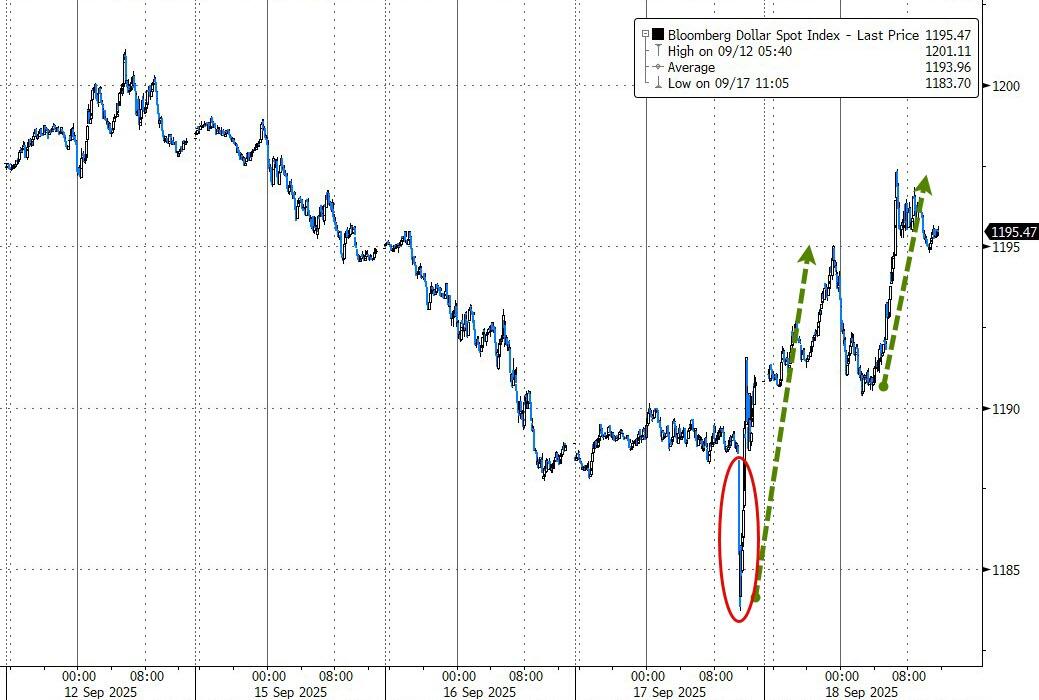
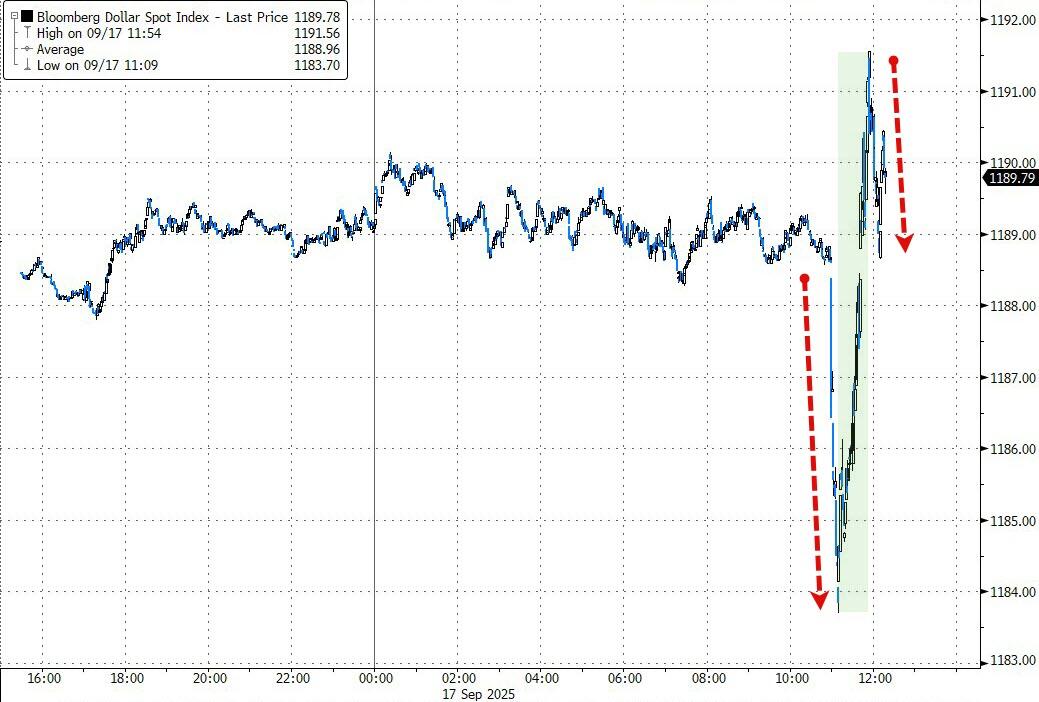
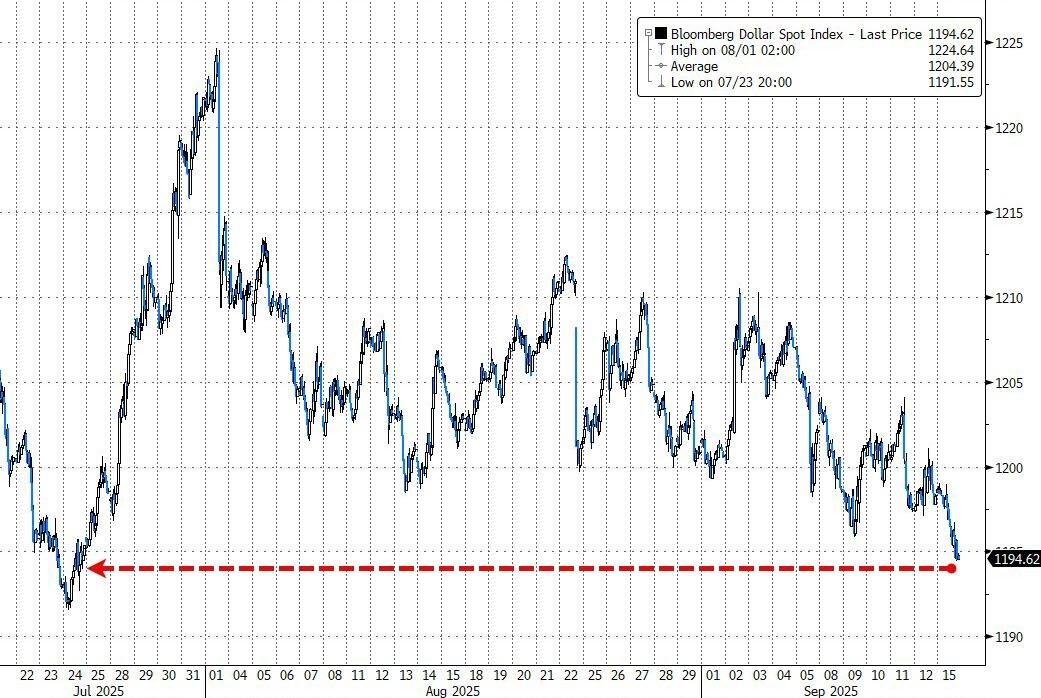
Midday, the 10-year yield spiked briefly after Trump warned that Iran is becoming “much more aggressive” in nuclear talks, but yields, the dollar, and gold all ended the day pretty much flat.
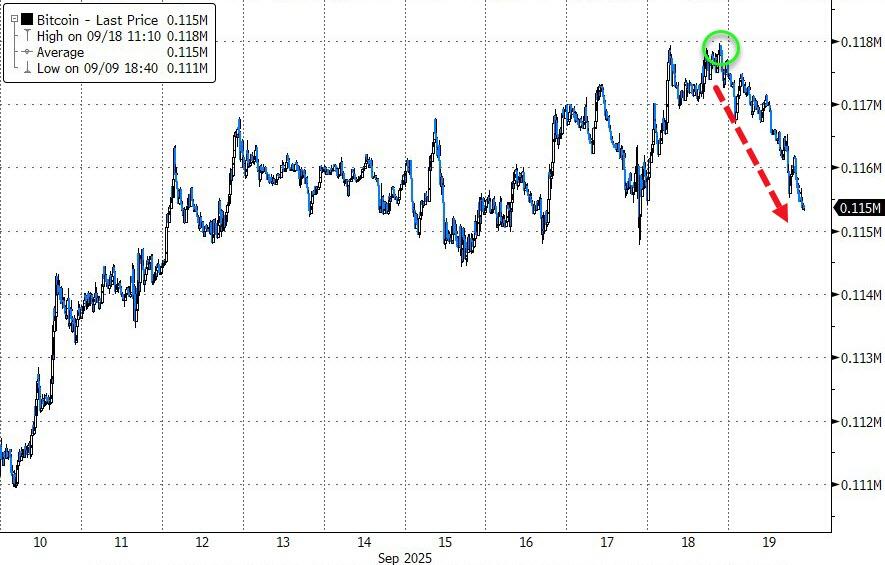
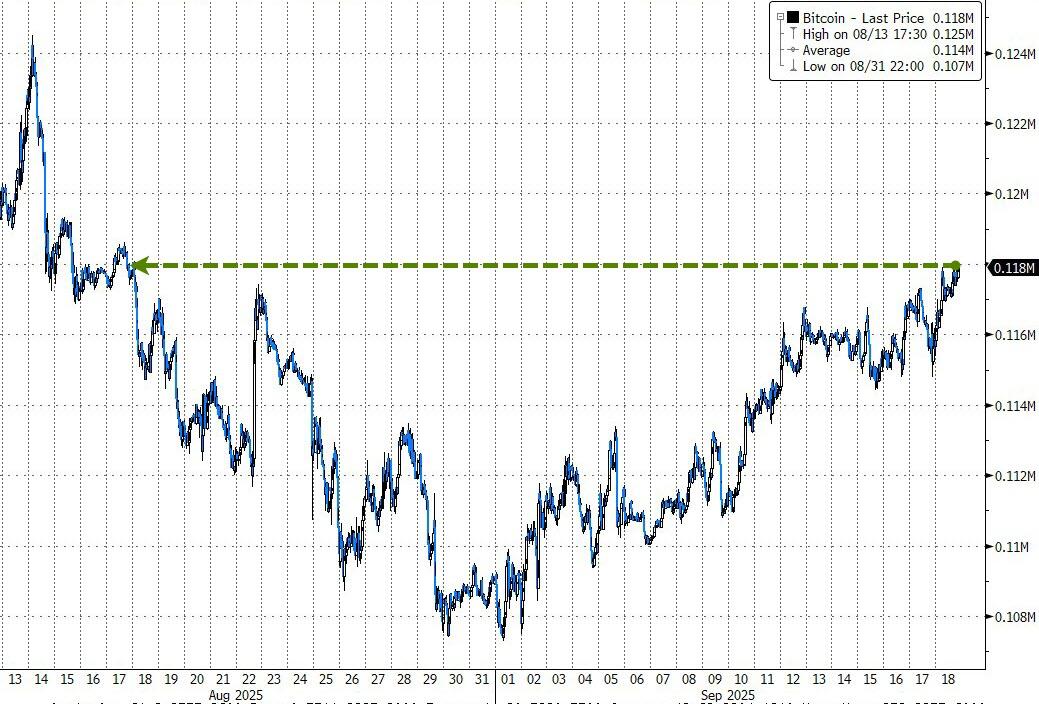
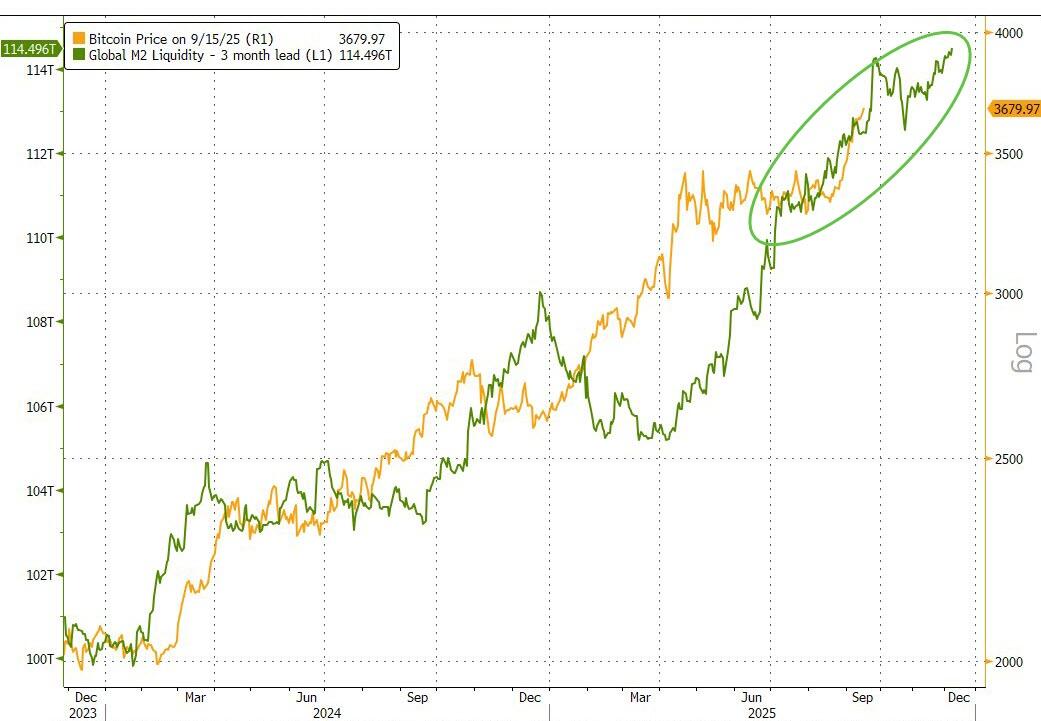
Gold managed a tiny gain, while Bitcoin made a late-day surge toward the $110K mark, and Ethereum climbed to its highest level since mid-February.
Now, all eyes are on tomorrow’s CPI report.
Will inflation come in cooler than expected—and give the market something real to rally on?
The markets kicked off the day on a mixed note as U.S. and Chinese officials met in London, hoping to make headway on their ongoing trade disputes.
The talks stemmed from a lengthy phone call between Trump and Xi last week, with both sides aiming to avoid a full-blown trade war. As a goodwill gesture, both countries agreed to temporary tariff cuts last month while negotiations continue.
Investors are also keeping a close eye on inflation this week. The Consumer Price Index (CPI) drops Wednesday, followed by the Producer Price Index (PPI) on Friday, and a fresh read on Consumer Sentiment.
Midday optimism didn’t last long—stocks lost steam by the close, with only the Nasdaq managing a modest gain. Apple shares slipped after its much-anticipated developer conference failed to impress.
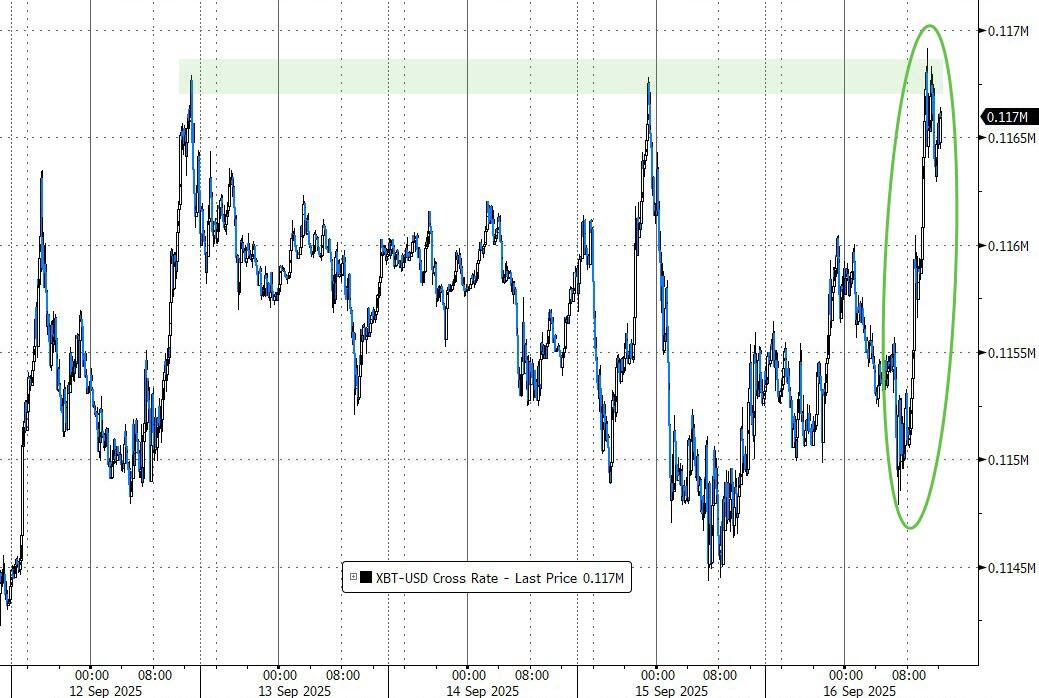
The dollar didn’t budge, but crypto made a move. Bitcoin surged over 4%, climbing toward $109K and pulling Ether up with it.
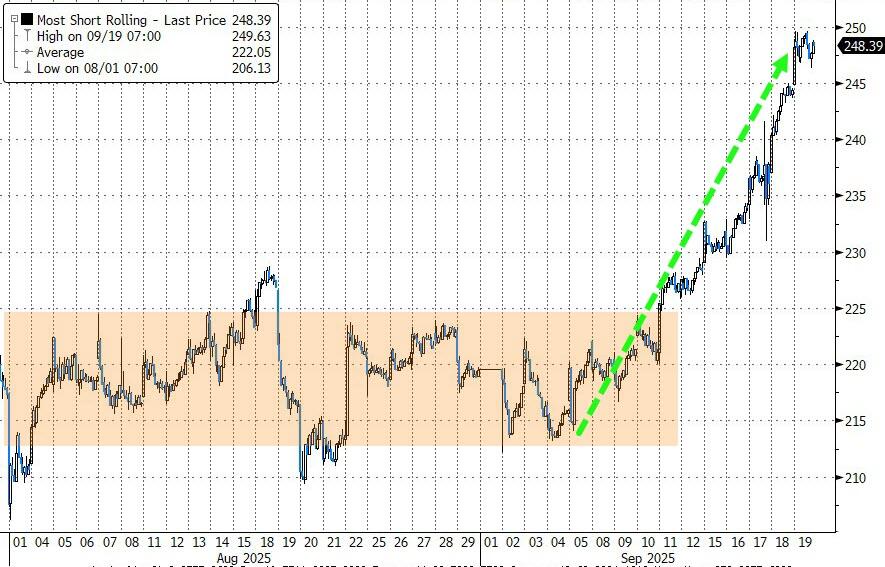
In the bond market, 10-year yields stayed flat after last week’s surge. Gold inched up slightly, but silver stole the spotlight, jumping to nearly $37—its highest level since 2011.
As ZeroHedge noted, if silver clears that level, the path to its all-time high of $50 might be wide open.
So, here’s the big question:
Is silver finally ready to shine after all these years?
Continue reading…
2. Current domestic “Buy” Cycle (effective 5/20/2025); International “Buy”Cycle (effective 5/8/25)
Our domestic bullish cycle that began on November 21, 2023, concluded on April 3, 2025, following a market downturn triggered by President Trump’s tariff policy announcement.
This development caused significant declines across major indexes and broader market indices. However, markets subsequently rebounded, culminating in a new domestic “Buy” signal taking effect May 20, 2025.
Concurrently, our International Trend Tracking Index (TTI) experienced parallel volatility. On April 4, 2025, it breached critical thresholds, prompting a “Sell” recommendation. This position reversed as global markets recovered, with the International TTI regaining sufficient momentum to issue a new “Buy” signal effective May 8, 2025.
3. Trend Tracking Indexes (TTIs)
With no real progress on a U.S.-China trade deal, the markets drifted through the day without much direction. By the close, there wasn’t a whole lot to show—no big gains, no major losses.
Our TTIs bounced around a bit too, but in the end, the changes were pretty minor and didn’t really move the needle.
This is how we closed 06/09/2025:
Domestic TTI: +1.56% above its M/A (prior close +1.55%)—Buy signal effective 5/20/25.
International TTI: +6.66% above its M/A (prior close +6.87%)—Buy signal effective 5/8/25.
All linked charts above are courtesy of Bloomberg via ZeroHedge.
———————————————————-
WOULD YOU LIKE TO HAVE YOUR INVESTMENTS PROFESSIONALLY MANAGED?
Do you have the time to follow our investment plans yourself? If you are a busy professional who would like to have his portfolio managed using our methodology, please contact me directly to get more details.
Do you want to know which ETFs are hot and which ones are not? Then you need my High-Volume ETF Cutline report. It tells you how close or far each of the 311 ETFs I follow is from its long-term trend line (39-week SMA). These are the ETFs that trade more than $5 million a day, so they are not some obscure funds that nobody cares about.
The report is split into two parts: The winners that are above their trend line (%M/A), and the losers that are below it. The yellow line is the line of shame that separates them. You can see how many ETFs are in each group and how they have changed since the last report (181 vs. 186 current).