Bulls Are Winning The Tug-Of-War—So Far

Ulli Market Commentary Contact

[Chart courtesy of MarketWatch.com]

  1. Moving the markets

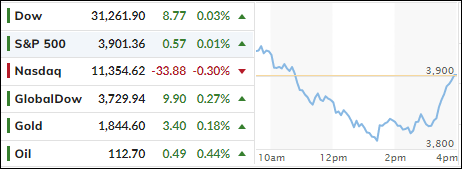
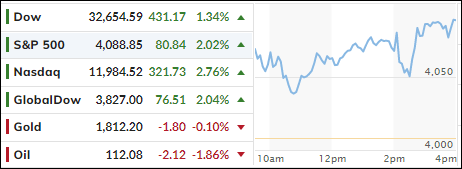
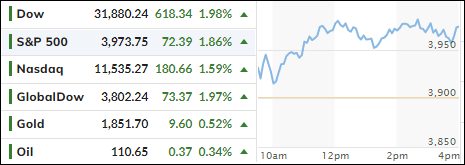
Another hard-fought battle for superiority at the unchanged line was won by the bulls today. After spending the first half of the session aimlessly meandering, the major indexes found some footing, and up we went. The gains were modest, but broad, nonetheless.

As I posted yesterday, “bad news is good news,” which was confirmed today when ADP signaled the biggest monthly job loss, since the 2020 Covid lockdowns, as ZH described like this:

So, after December’s big surprise surge in employment (+807k) led by a jump in Services jobs (which was very much absent in the payrolls data for that month), expectations were for ADP to print a considerably lower +180k for January… but as we suspected it was a huge miss with ADP printing a terrible 301k drop in jobs…

For sure, this bodes poorly for Friday’s jobs report, but that may just be what bullish traders are counting on, namely bad news that would keep the Fed from executing their tightening policy, therefore keeping the easy money flowing and supporting the markets.

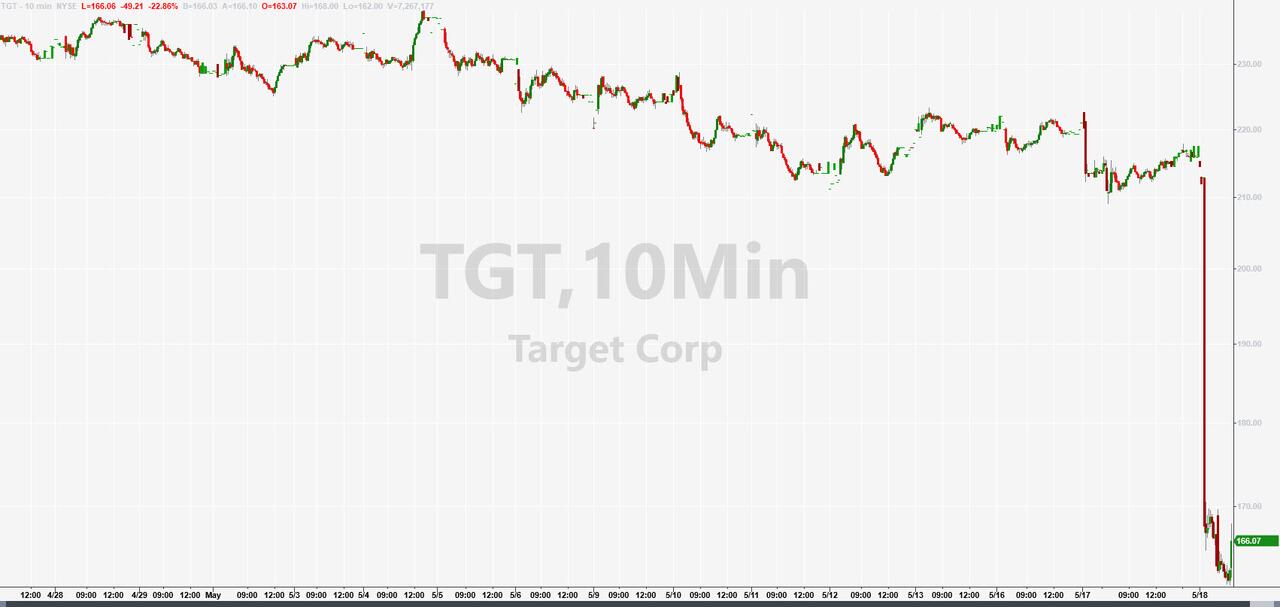
Two stocks with opposing results dominated the news. First, we saw Google’s Alphabet surge higher by +10% on blowout earnings, while PayPal gagged and lost an astonishing -25%, which was its worst day on record.  

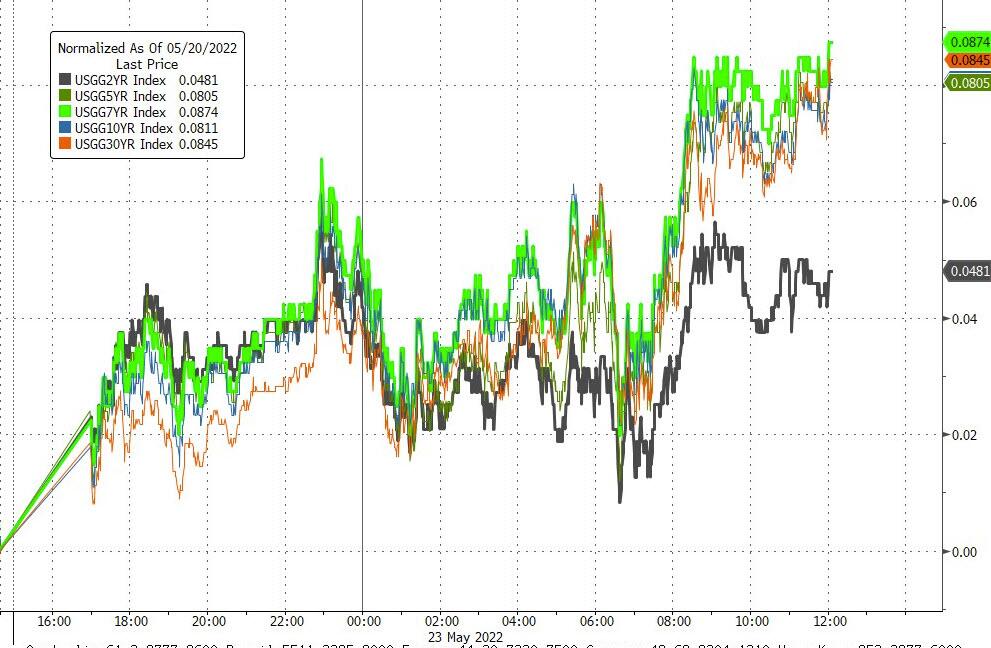
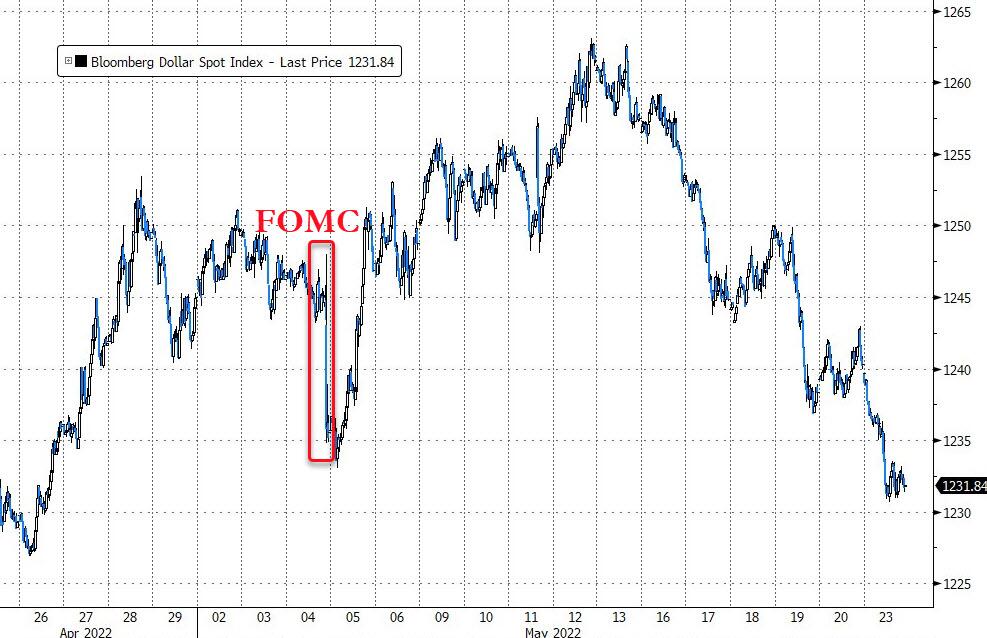
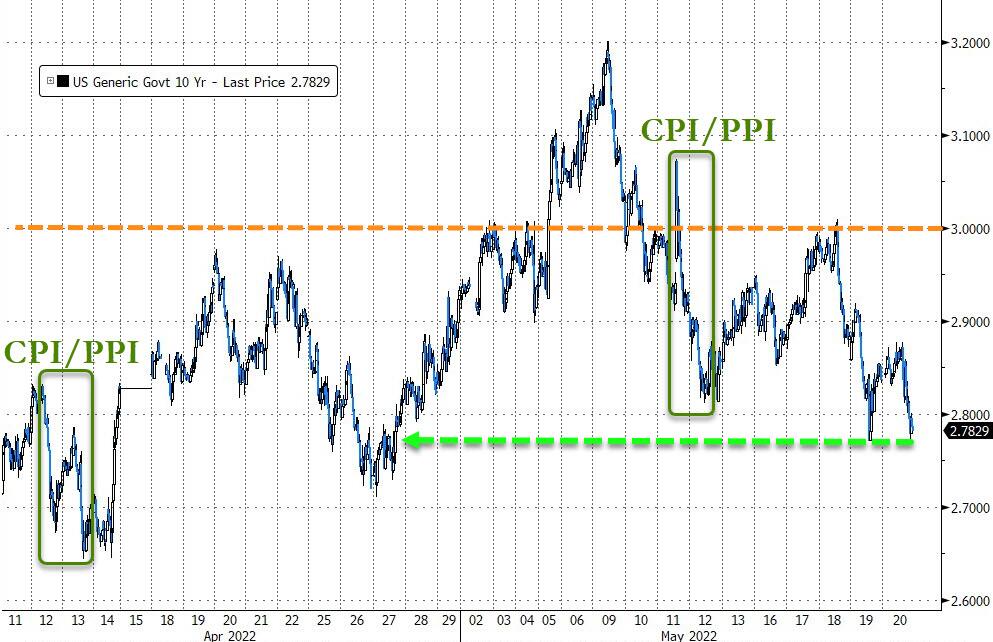
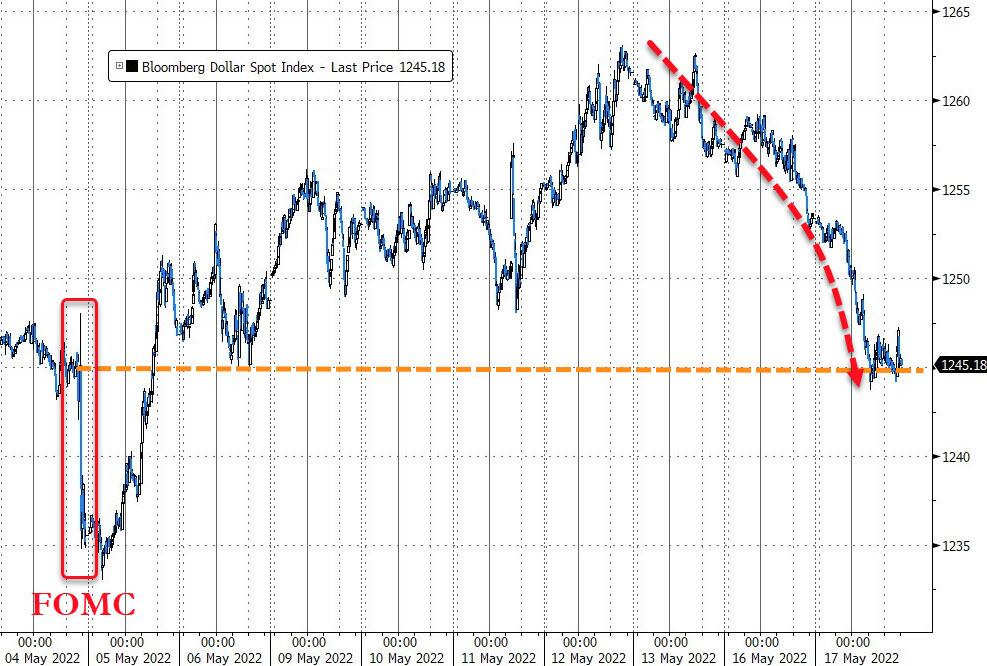
Bond yields chopped around, with the 30-year closing just about unchanged. The US Dollar continued its losing streak for the third day and hovers at the unchanged level for the year.

Given current economic uncertainties, odds of a 0.5% interest rate hike in March are fading fast, as ZH pointed out. However, this has been the main driver to provide the bulls with the necessary ammunition for this most recent comeback.  

Read More
Battling For Direction

Ulli Market Commentary Contact

[Chart courtesy of MarketWatch.com]

  1. Moving the markets

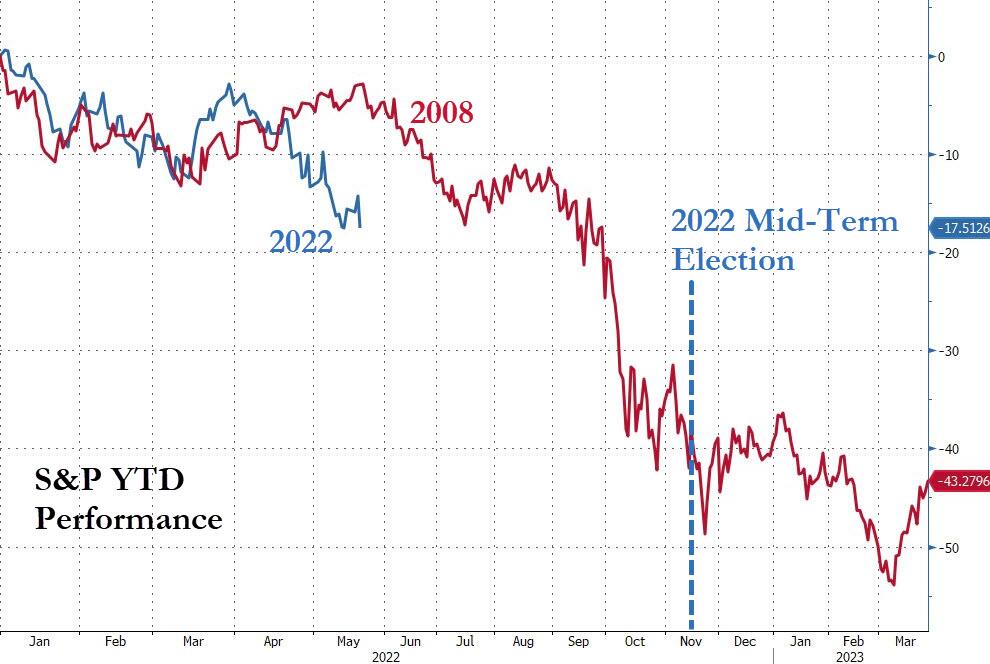
The major indexes meandered for most of the day looking for direction and found it during the last hour, as the attempt to climb back from January’s sell-off continued. Traders’ focus seemed to have suddenly changed from the Fed towards the earnings season and those companies’ beating expectations while issuing improved forward guidance.

At least that was the meme for the day, which may last only until that moment in time when the Fed steps up to the plate and reconfirms its readiness to tighten monetary policy.

For sure, it was a session that lacked positives, as we learned that US Manufacturing weakened even more in January, which was followed by “Labor Insanity,” as ZH called it, which means that there are now a record 4.6 million more job openings than unemployed workers. Then investment powerhouse Goldman Sachs slashed its 2022 GDP forecast again, while warning of a “sharp deceleration in growth.”

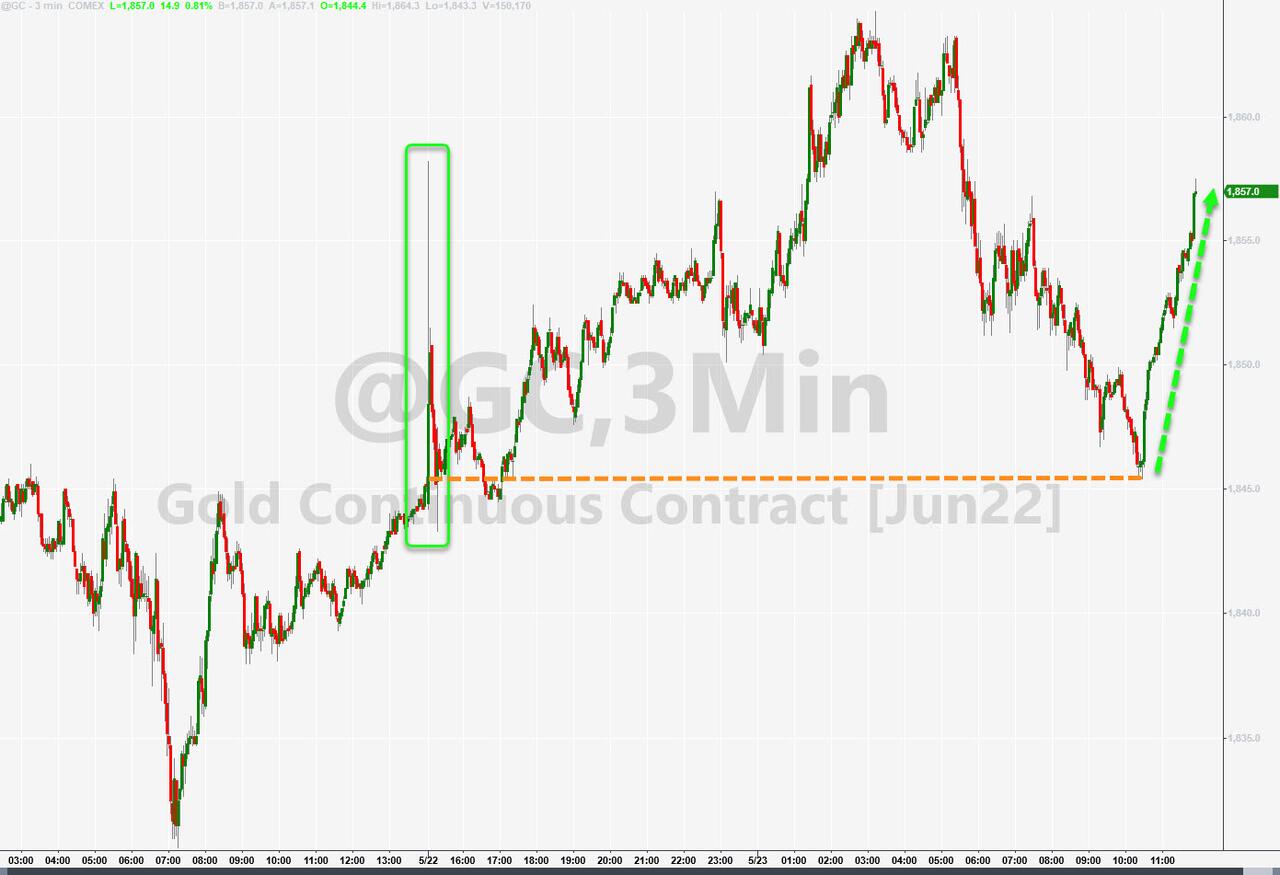
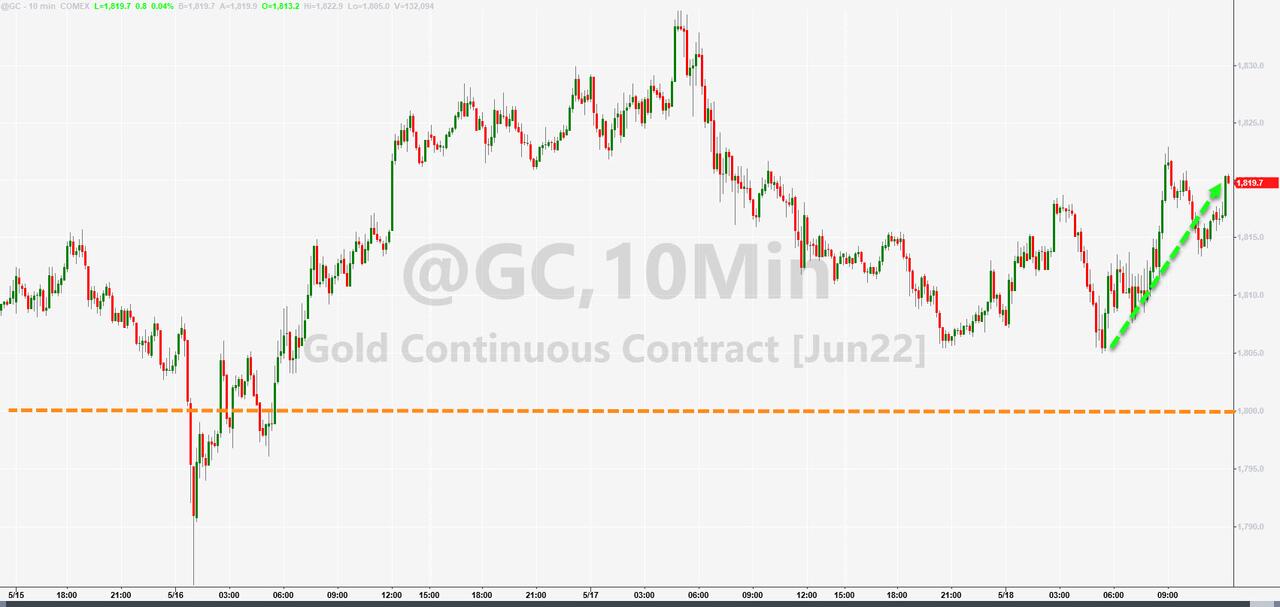
The most shorted stocks were squeezed again for the third day in a row and contributed to the rebound. The US Dollar continued its puke-a-thon and slipped off its January 28th highs, while Gold pumped and dumped but not only closed up but also reached its $1,800 level again.

And just maybe, we are seeing a repeat of the same old theme that says, ‘bad news is good news.’ In context to the above, it simply means that worsening economic data may sway the Fed from following through with their interest rate hiking agenda, thereby keeping their loose monetary policy intact.  

That’s the hope on Wall Street.

Read More
Pumping On The Last Day Of A Gloomy Month

Ulli Market Commentary Contact

[Chart courtesy of MarketWatch.com]

  1. Moving the markets

It seemed like traders and computer algos alike tried to mitigate the poor results of a dismal month by pumping the major indexes during the last two sessions with support from month-end rebalancing.

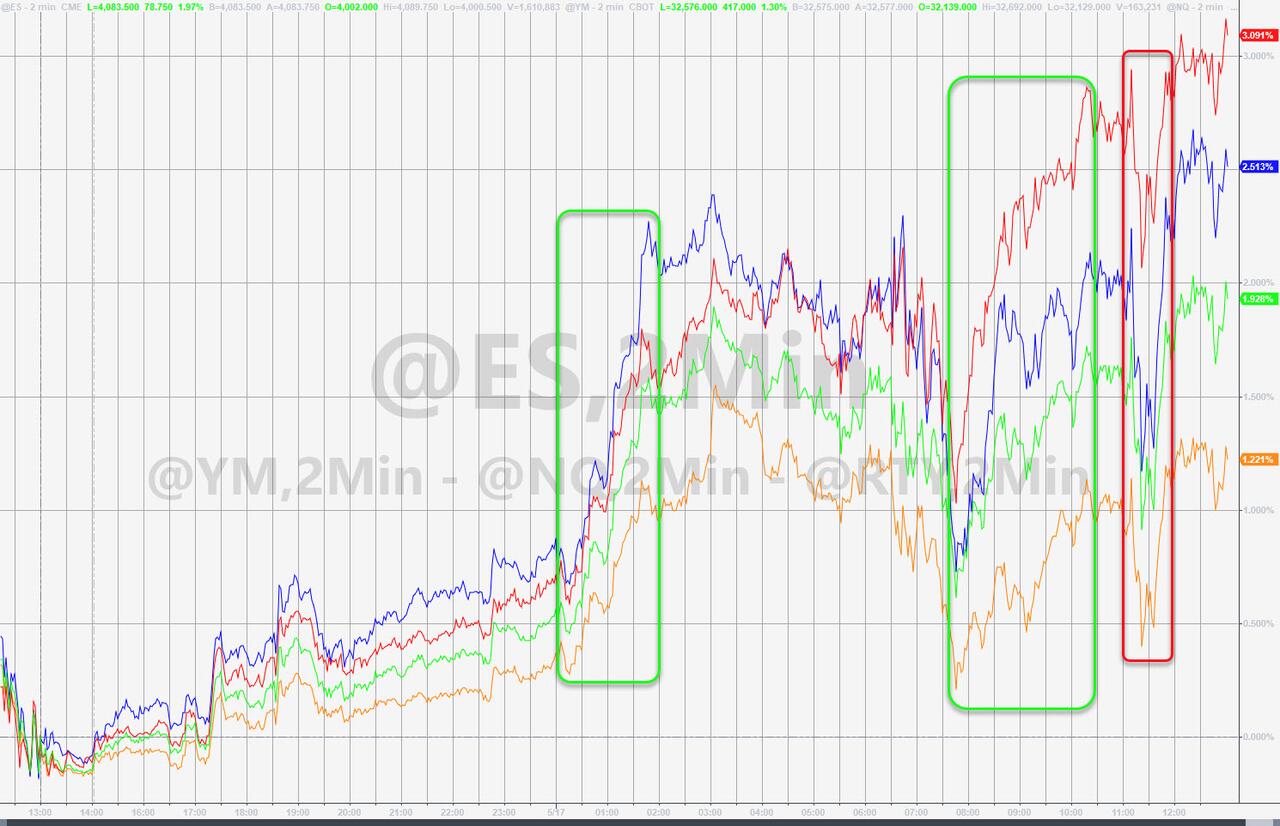
For sure, some losses were cut, but the major indexes still suffered a beating with the Dow faring the best by only surrendering -3.3% as opposed to the S&P 500’s -5.3% and the Nasdaq’s -8.9%, its worst month since March 2020.

The Nasdaq is still in correction territory, 13% off its high, while the S&P 500 has dipped below this 10% threshold but recovered to currently being off its high by only 7%.

High volatility and huge volumes combined with panic selling and panic buying has now created an environment, whose direction is still in doubt. That is further emphasized by the big boys on Wall Street, some of which hold diametrically opposed opinions. For example, JP Morgan opined that “We Go Higher,” while Morgan Stanley counters “Sell Rallies.”

This total uncertainty has been reflected by the behavior of our Domestic Trend Tracking Index (TTI), which has chopped above and below its dividing line between bullish and bearish territory. After hanging around in negative territory for a few days, the index managed today to crawl back above it (section 3 below), as the bulls found some month-end support.

Now that January is over, I would not be surprised to see a resumption of the recent sell off, as none of its causes have been rectified, and this 2-day ramp merely represented a bounce from an oversold position and the effects of rebalancing.

Nevertheless, should this rebound continue, we will cautiously add the appropriate equity positions back into our portfolios.  

Read More
ETFs On The Cutline – Updated Through 01/28/2022

Ulli ETFs on the Cutline Contact

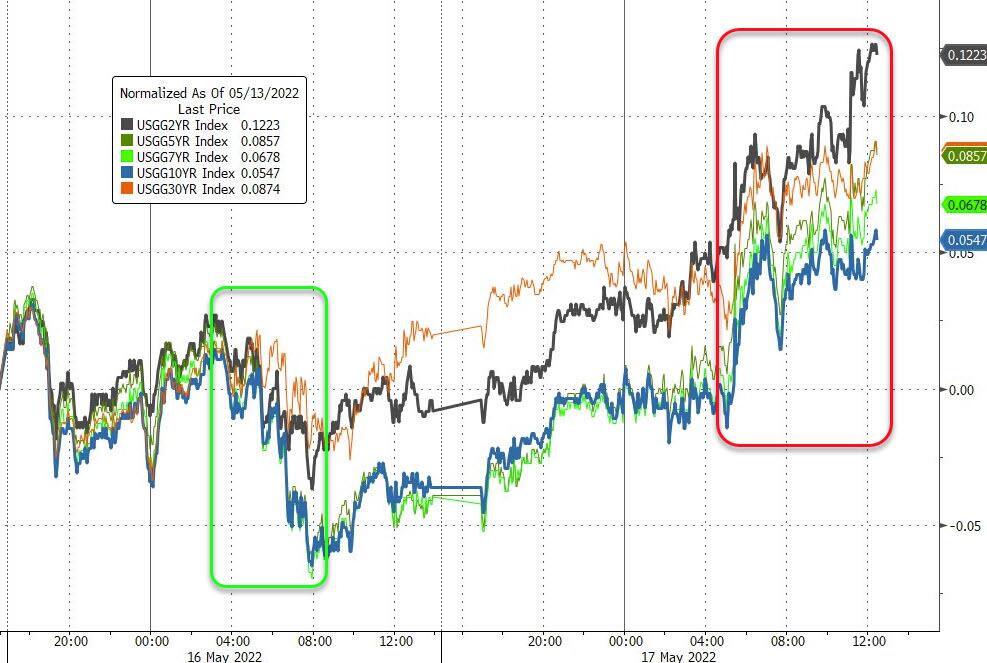
Below, please find the latest High-Volume ETF Cutline report, which shows how far above or below their respective long-term trend lines (39-week SMA) my currently tracked ETFs are positioned.

This report covers the HV ETF Master List from Thursday’s StatSheet and includes 312 High Volume ETFs, defined as those with an average daily volume of more than $5 million, of which currently 65 (last week 72) are hovering in bullish territory. The yellow line separates those ETFs that are positioned above their trend line (%M/A) from those that have dropped below it.

Take a look:                                                                   

The HV ETF Master Cutline Report

In case you are not familiar with some of the terminology used in the reports, please read the Glossary of Terms. If you missed the original post about the Cutline approach, you can read it here.      

ETF Tracker Newsletter For January 28, 2022

Ulli Market Commentary Contact

ETF Tracker StatSheet          

You can view the latest version here.

A WILD WEEK CLOSES WITH A BOUNCE BACK

[Chart courtesy of MarketWatch.com]

  1. Moving the markets

After 3 consecutive weeks of losses, the S&P finally managed to eke out a 0.8% gain, but it was a hard-fought battle with the move to the plus side happening during the last hour of trading today.

Boosting the major indexes was Apple with a 7% advance, while some of the heavy hitters like Microsoft, Amazon and Google finally gave an assist after having been beaten down earlier in the week.

Also helping the bullish cause was month-end pension and mutual fund rebalancing, which ZH estimates to be about $65 billion. This meme may very well come into play again on Monday, the last trading day of the month.

Commented MW about this week’s volatility:

The major indexes have experienced outsized swings each day this week — including the Dow making up a more than 1,000-point intraday deficit to close higher on Monday for the first time ever. The S&P 500 has posted an intraday range of at least 2.25% every day this week, according to Bespoke Investment Group.

Despite today’s rebound, the S&P 500 is on pace for its weakest month since March 2020, while the Nasdaq looks to be hit the hardest by heading for its not only worst month since 2008 but also towards “the worst month of the year of all time.”

ZH expounded further on the reality of what we are witnessing:

Despite today’s panic-buying, this is the worst start to a year for the S&P 500 since 1939 (and on course for its worst January ever)…

Ouch!

Even though we rebounded into the weekend, the economic environment looks anything but rosy. We saw Pending Home Sales tumbling, likely due to higher mortgage rates, and December US Durable Goods collapsing the most since the beginning of Covid.

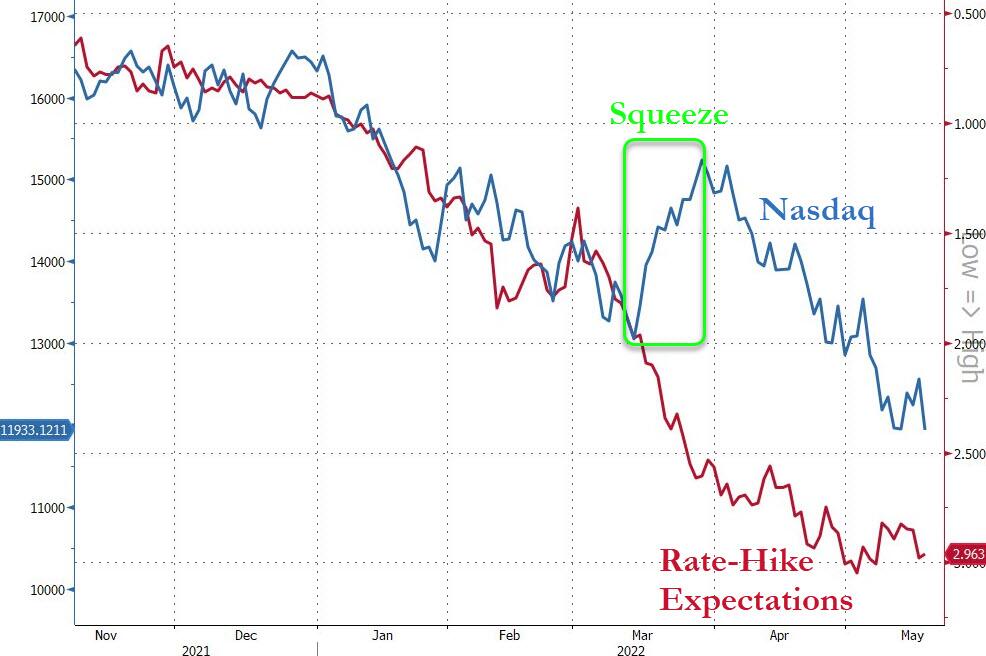
Today, we watched Q1 GDP forecasts puking big time with the Atlanta Fed’s expectations crashing to just about zero, as this chart shows. As a result, the much tracked December 2022 Rate-Hike expectations shifted toward a more dovish mode (fewer hikes), which helped the major indexes to ramp sharply into the close.

Looking at inflation, it seems that the Fed is at a fork in the road between popping the stock market bubble via higher rates or allowing persistent inflation to brutalize the middle and lower class. Depending on their choices, the markets are still at a level where a breakout in either direction is a distinct possibility.

You can see the effect of this month’s madness on our Trend Tracking Indexes (TTIs) in section 3 below.

Read More
Weekly StatSheet For The ETF Tracker Newsletter – Updated Through 01/27/2022

Ulli ETF StatSheet Contact

ETF Data updated through Thursday, January 27, 2022

Methodology/Use of this StatSheet:

1. From the universe of over 1,800 ETFs, I have selected only those with a trading volume of over $5 million per day (HV ETFs), so that liquidity and a small bid/ask spread are assured.

2. Trend Tracking Indexes (TTIs)

Buy or Sell decisions for Domestic and International ETFs (section 1 and 2), are made based on the respective TTI and its position either above or below its long-term M/A (Moving Average). A crossing of the trend line from below accompanied by some staying power above constitutes a “Buy” signal. Conversely, a clear break below the line constitutes a “Sell” signal. Additionally, I use an 12% trailing stop loss on all positions in these categories to control downside risk.

3. All other investment arenas do not have a TTI and should be traded based on the position of the individual ETF relative to its own respective trend line (%M/A). That’s why those signals are referred to as a “Selective Buy.” In other words, if an ETF crosses its own trendline to the upside, a “Buy” signal is generated. Here too, I recommend trailing sell stop of 12%, or less, depending on your risk tolerance.

If you are unfamiliar with some of the terminology, please see Glossary of Terms and new subscriber information in section 9.     

1. DOMESTIC EQUITY ETFs: BUY — since 07/22/2020

Click on chart to enlarge

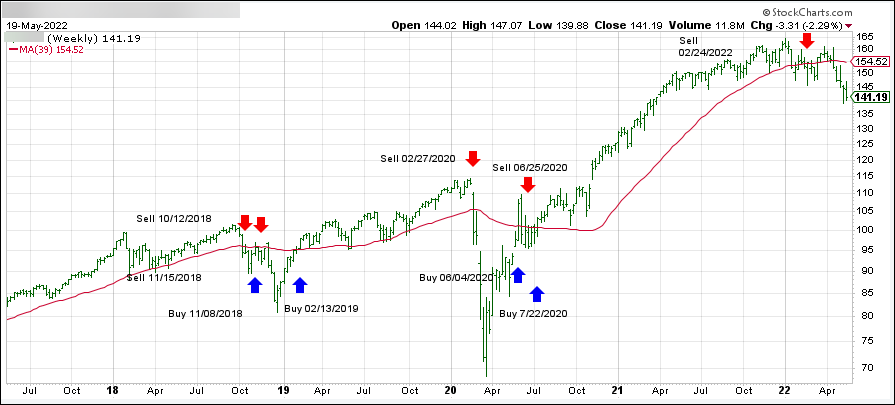
Our main directional indicator, the Domestic Trend Tracking Index (TTI-green line in the above chart) has now dropped below its long-term trend line (red) by -2.12% and teeters on the edge of losing its “BUY” mode.

Read More