Weekly StatSheet For The ETF Tracker Newsletter – Updated Through 06/29/2023

Ulli ETF StatSheet Contact

ETF Data updated through Thursday, June 29, 2023
How to use this StatSheet:

  1. Out of the 1,800+ ETFs out there, I only pick the ones that trade over $5 million per day (HV ETFs), so you don’t get stuck with a lemon that nobody wants to buy or sell.
  1. Trend Tracking Indexes (TTIs)

These are the main indicators that tell you when to buy or sell Domestic and International ETFs (section 1 and 2). They do that by comparing their position to their long-term M/A (Moving Average). If they cross above, and stay there, it’s a green light to buy. If they fall below, and keep going, it’s a red light to sell. And to make sure you don’t lose your shirt if things go south, I also use a 12% trailing stop loss on all positions in these categories.

  1. All other investment areas don’t have a TTI and should be traded based on the position of each ETF relative to its own trend line (%M/A). That’s why I call them “Selective Buy.” In other words, if an ETF goes above its own trend line, you can buy it. But don’t forget to use a trailing sell stop of 12%, or less if you’re feeling nervous.

If some of these words sound like Greek to you, please check out the Glossary of Terms and new subscriber information in section 9.

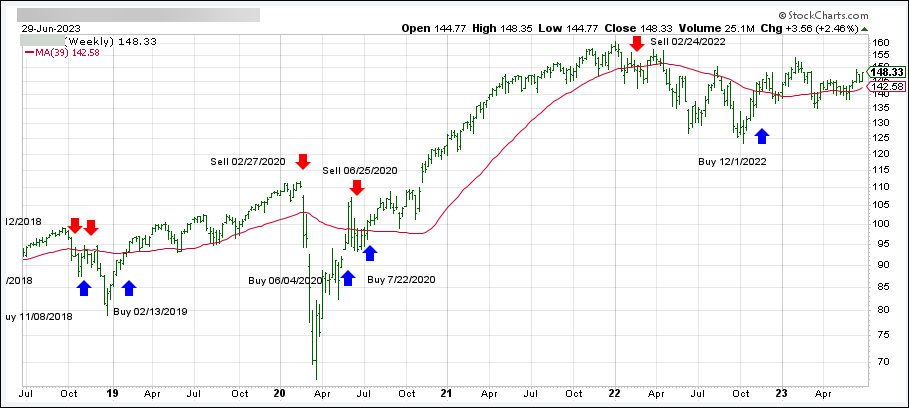
  1. DOMESTIC EQUITY ETFs: BUY— since 12/01/2022
Click on chart to enlarge

This is our main compass, the Domestic Trend Tracking Index (TTI-green line in the above chart). It has now broken above its long-term trend line (red) by +4.46% and remains in “Buy” mode.

Read More
Markets Defy Rate Hike Warnings, GDP Surprises, Gold Slips

Ulli Market Commentary Contact

[Chart courtesy of MarketWatch.com]

  1. Moving the markets

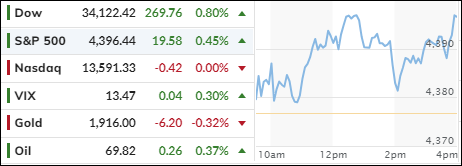
The markets went on a roller coaster ride today, ignoring the warnings of Fed Chair Powell and other central bankers who said they would raise interest rates to fight inflation, even if it hurts economic growth.

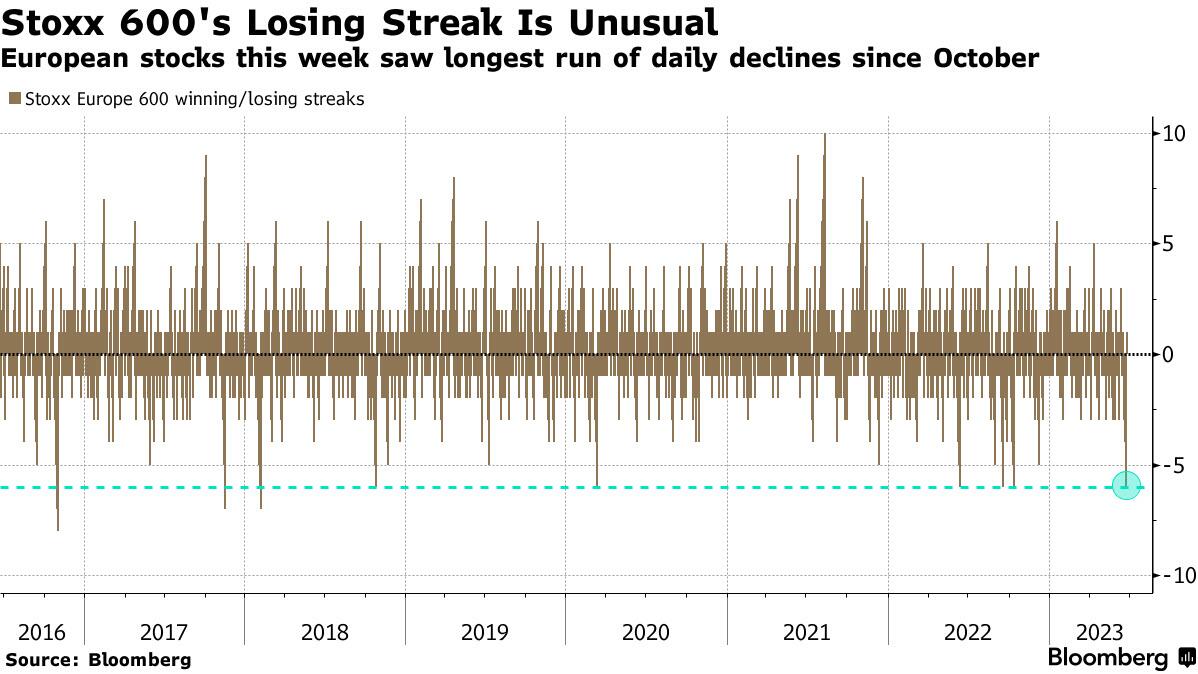
The European markets took the hint and fell sharply, but the US traders shrugged it off and pushed the major indexes higher. The Dow led the way, while the Nasdaq lagged. Some of the optimism came from the news that all US banks passed the Fed’s annual stress test. But I wonder how they would fare in a real crisis.

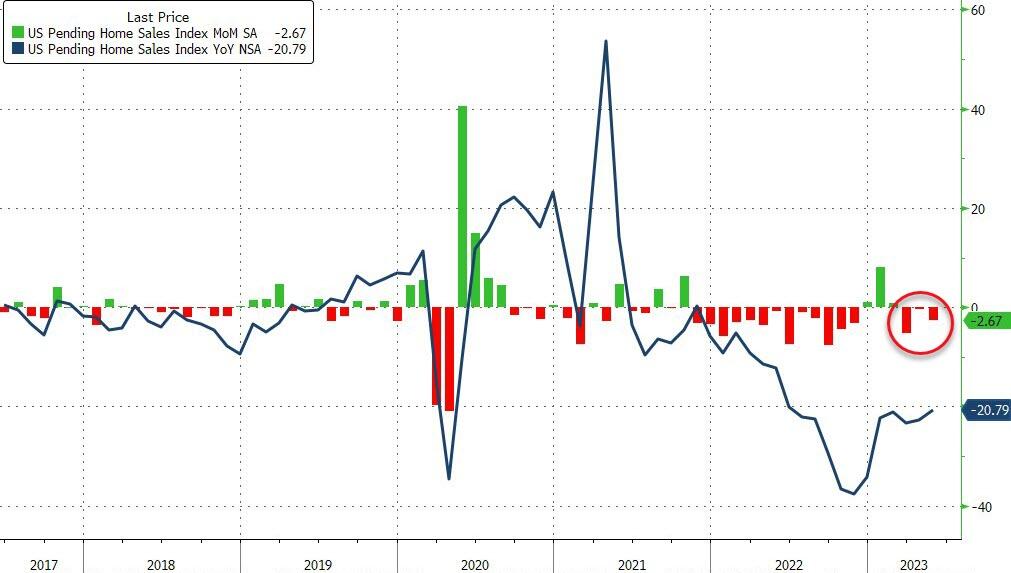
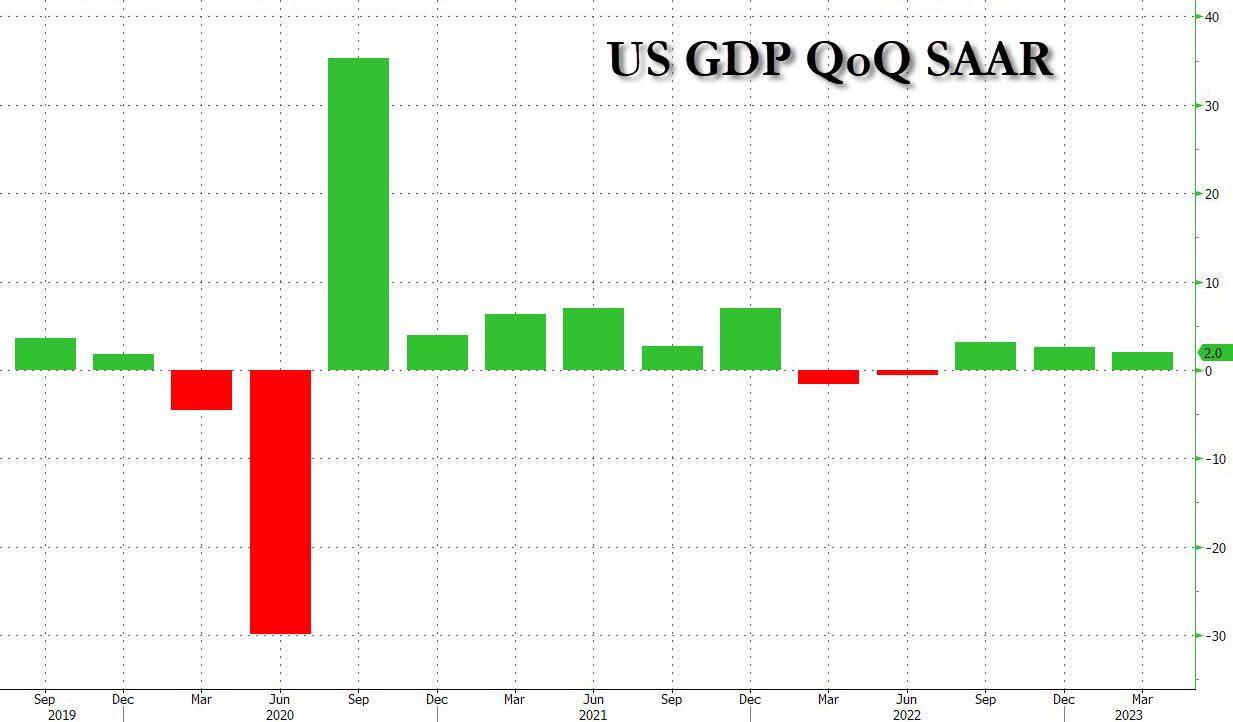
The housing market showed more signs of weakness, as pending home sales dropped more than expected in May. But the economy surprised everyone with a strong Q1 GDP growth of 2%, almost double the initial estimate. The catch is that most of it came from a sudden surge in exports, which sounds fishy to me.

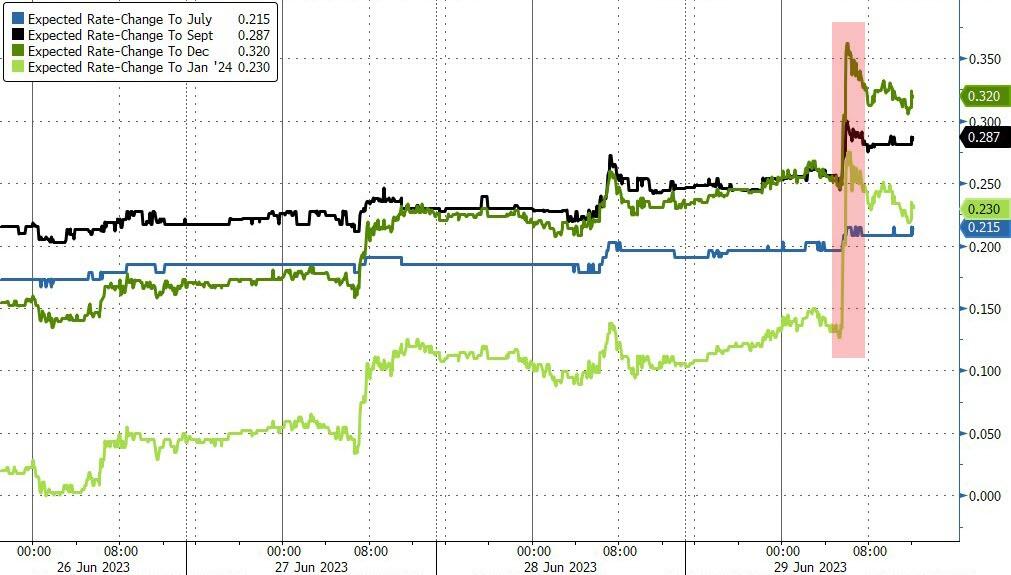
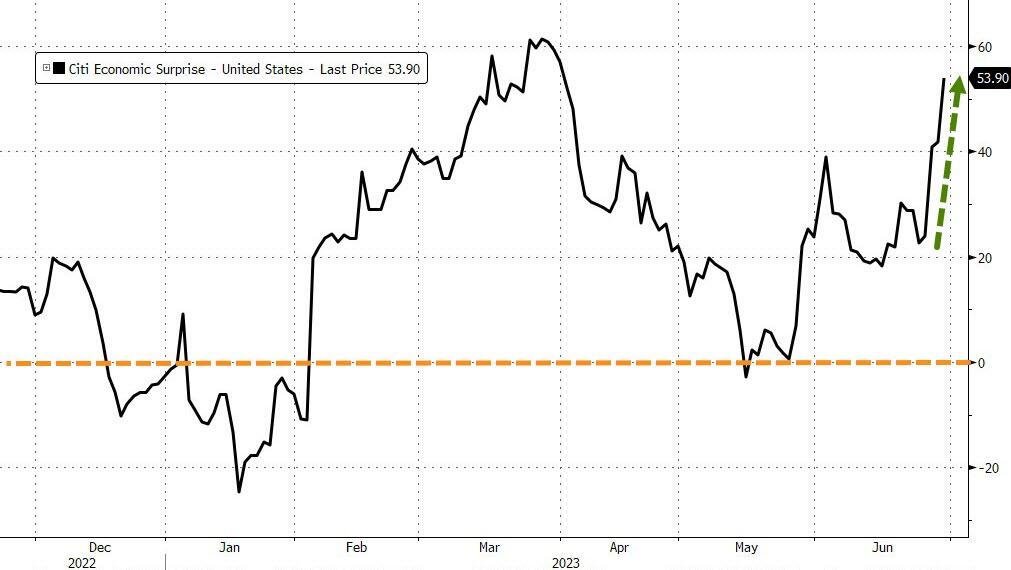
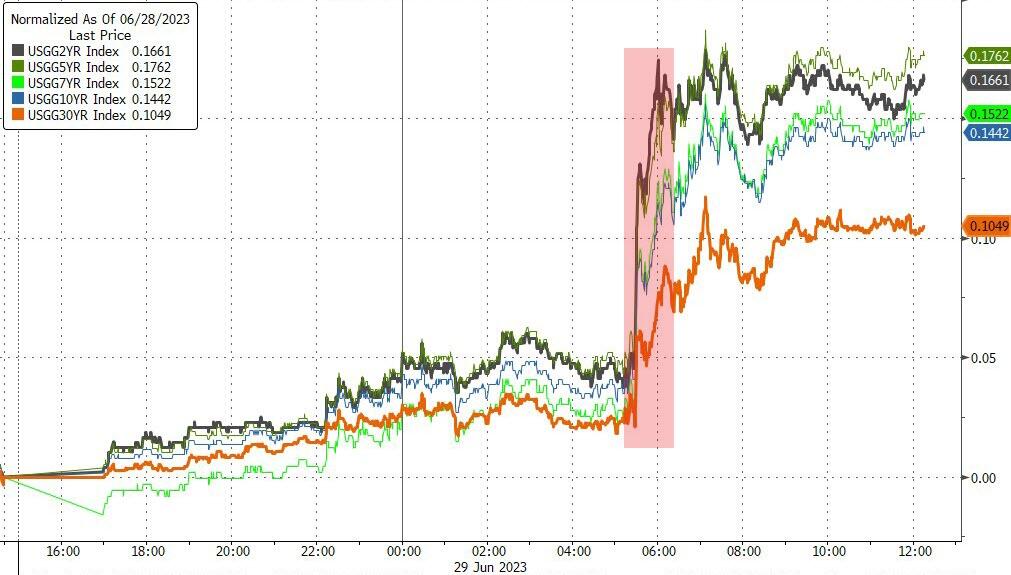
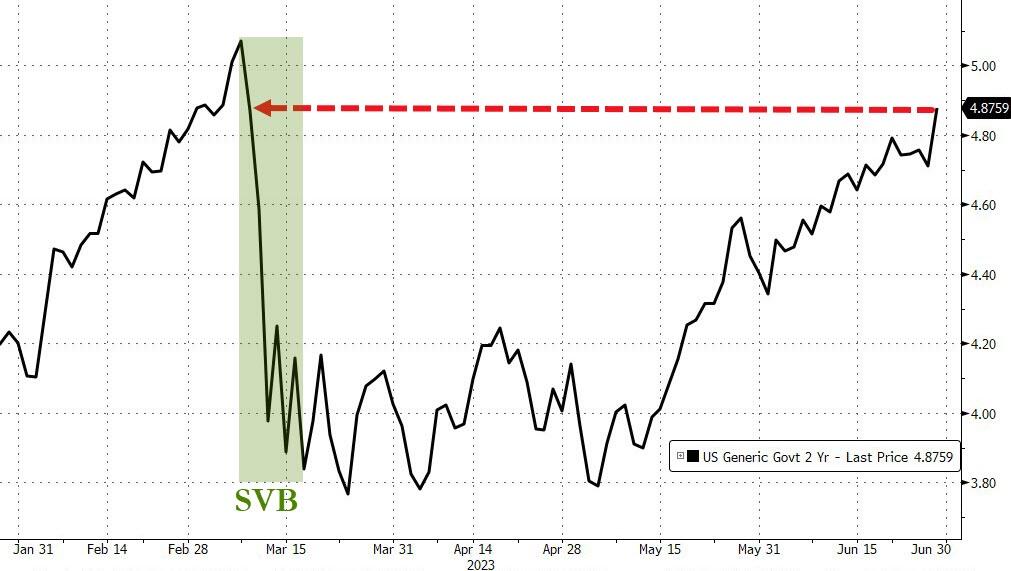
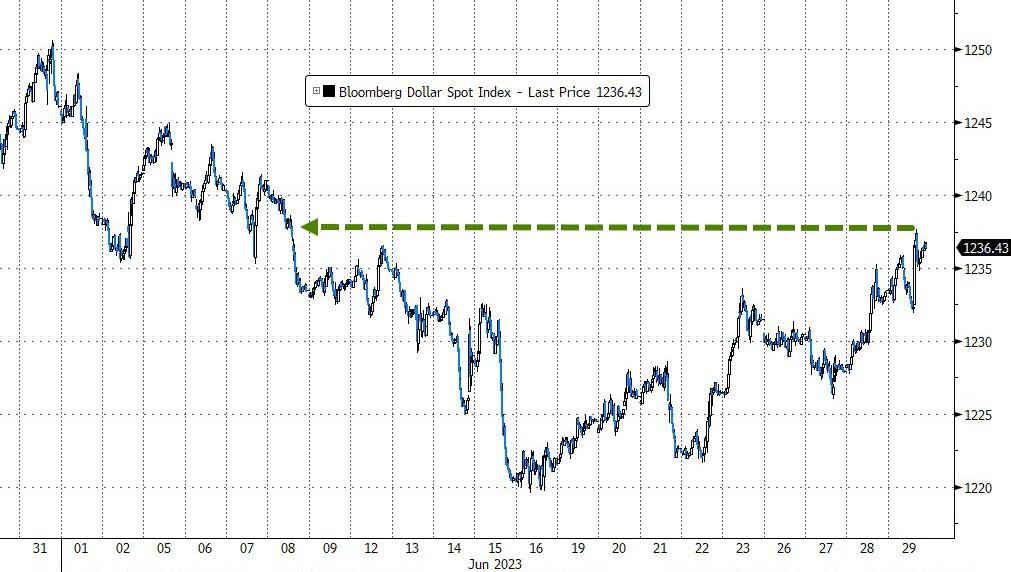
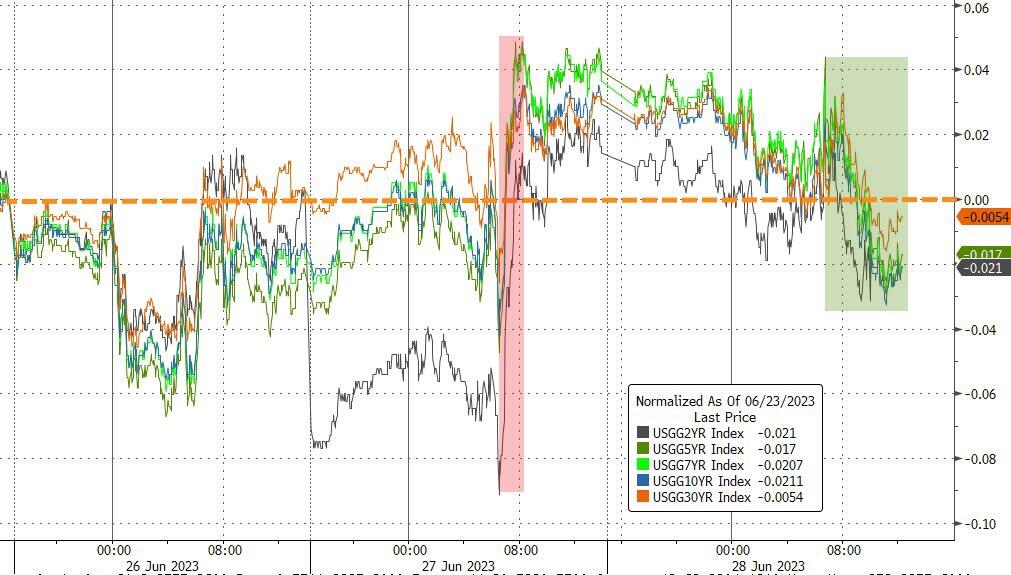
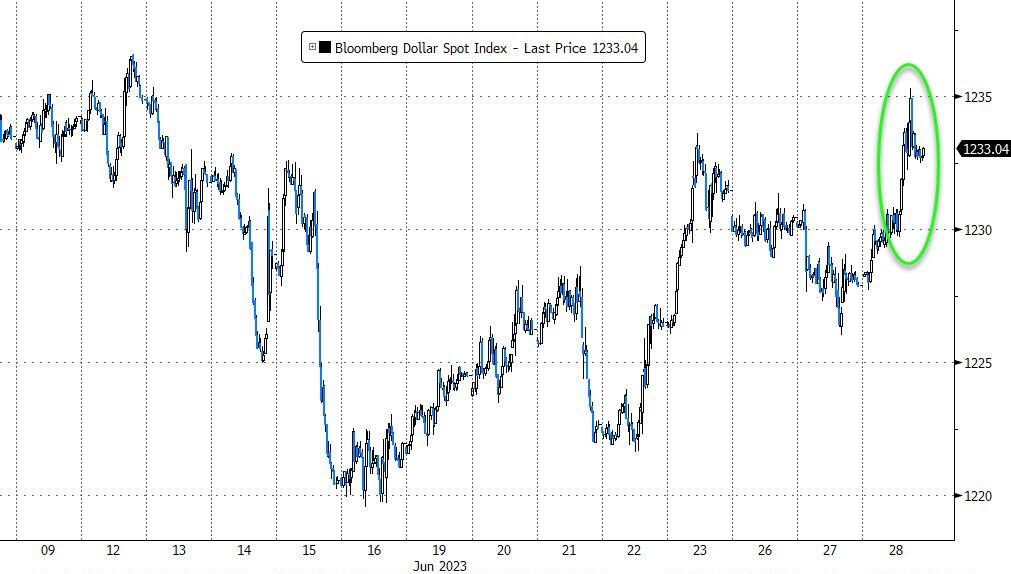
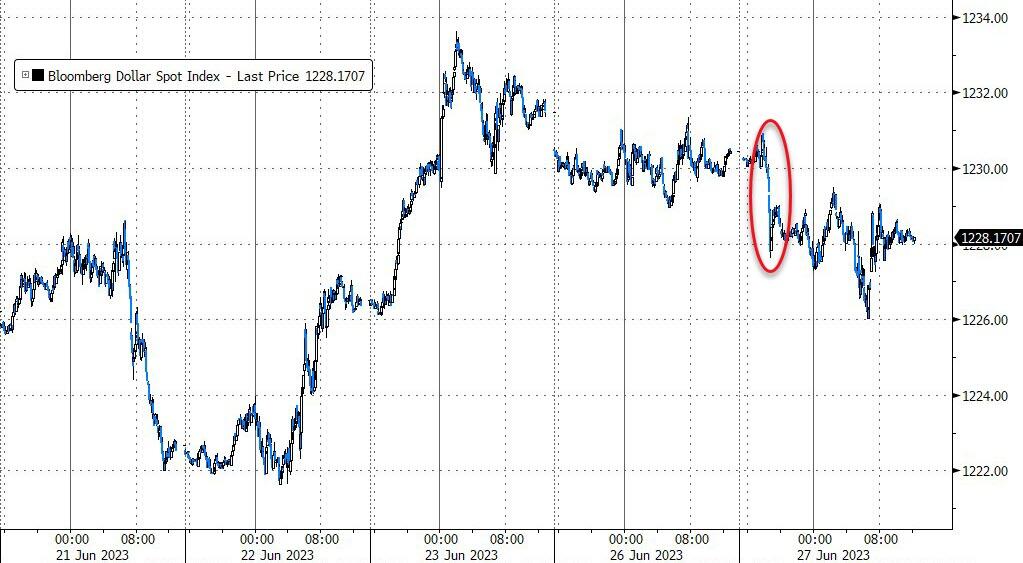
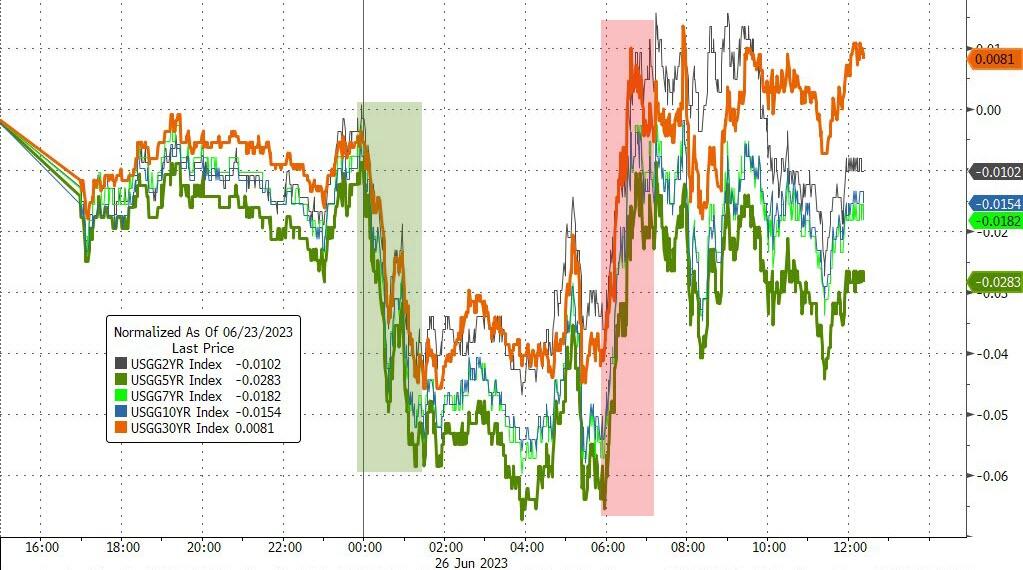
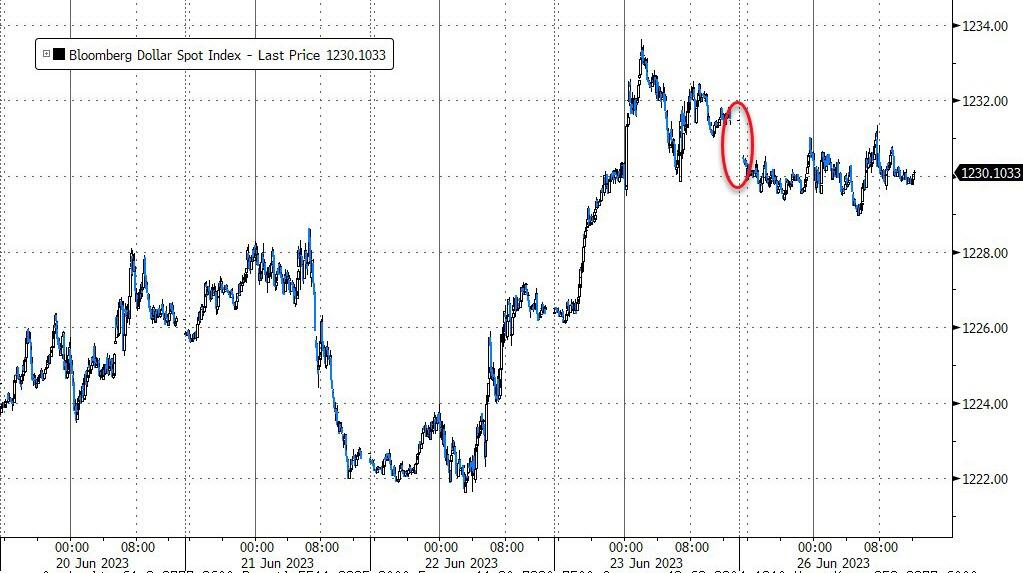
The markets cheered this number, but they forgot that it makes rate hikes more likely. In fact, the odds of higher rates jumped today, along with the Economic Surprise Index and bond yields. The 10-year yield soared to 3.85%, while the 2-year reached near cycle highs. The dollar also gained strength, hitting near 4-week highs.

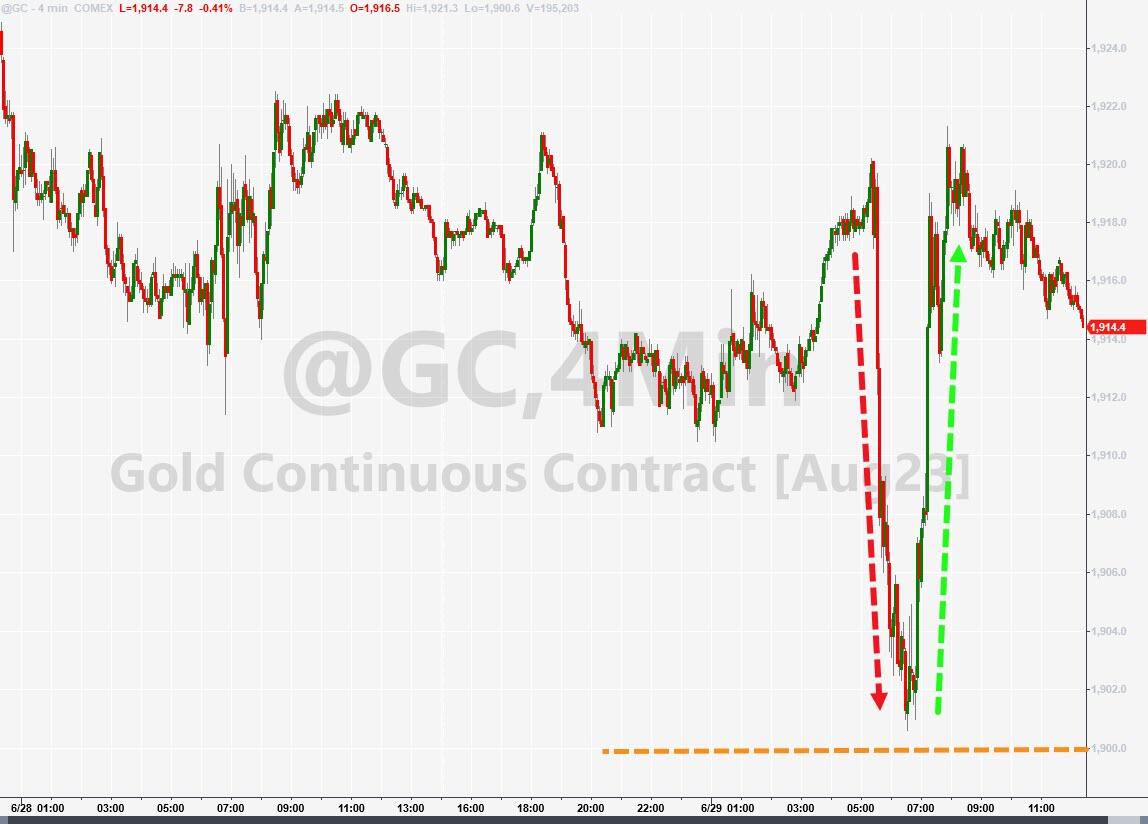
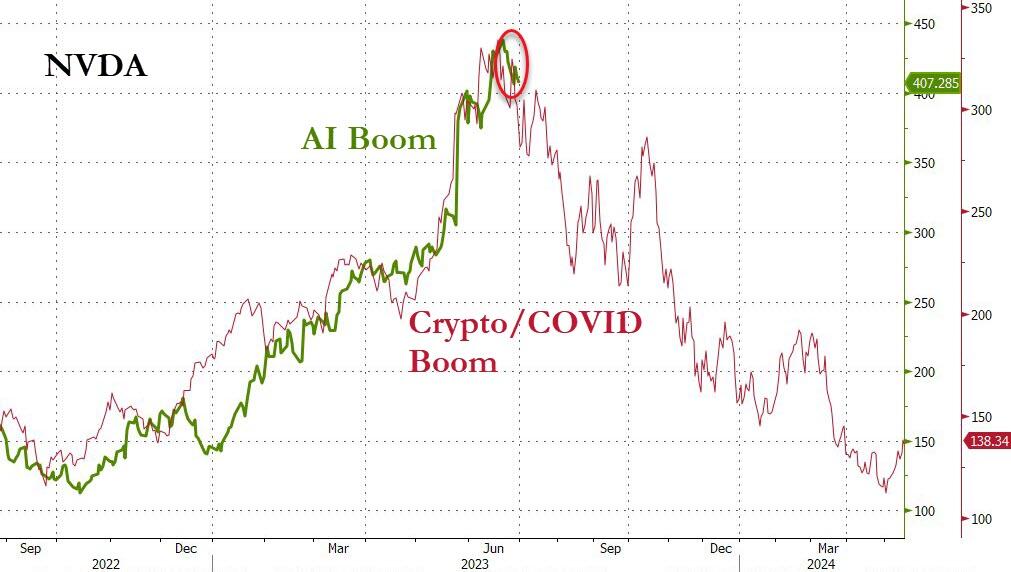
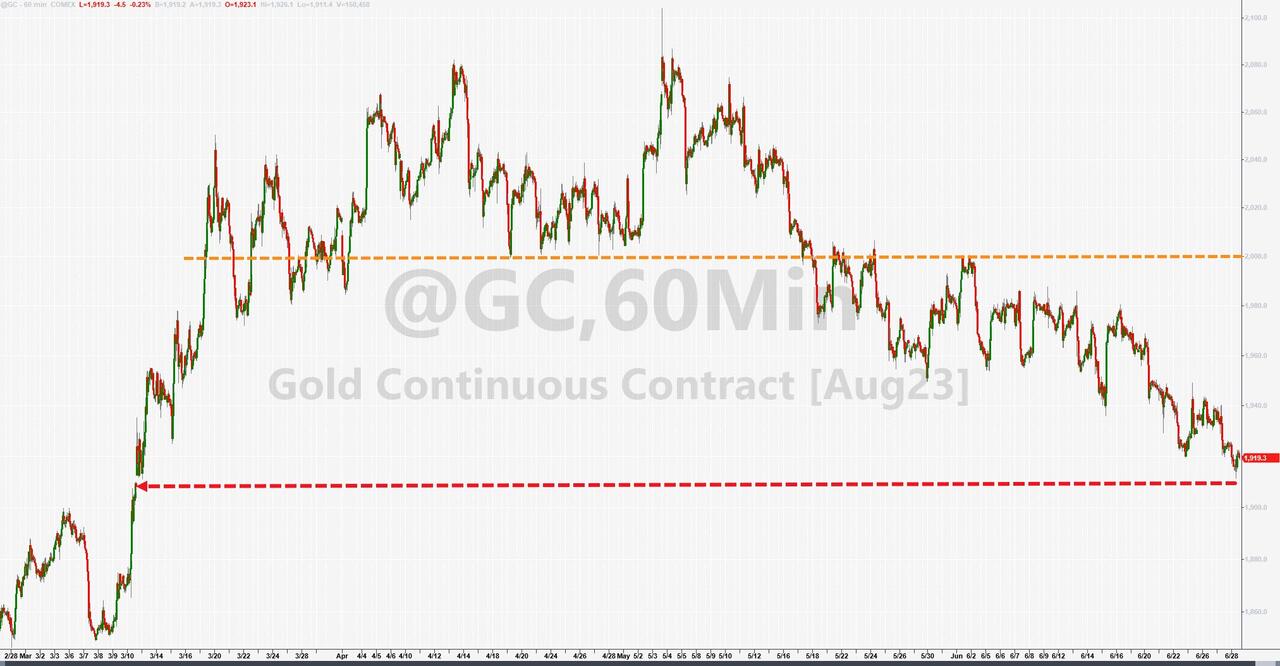
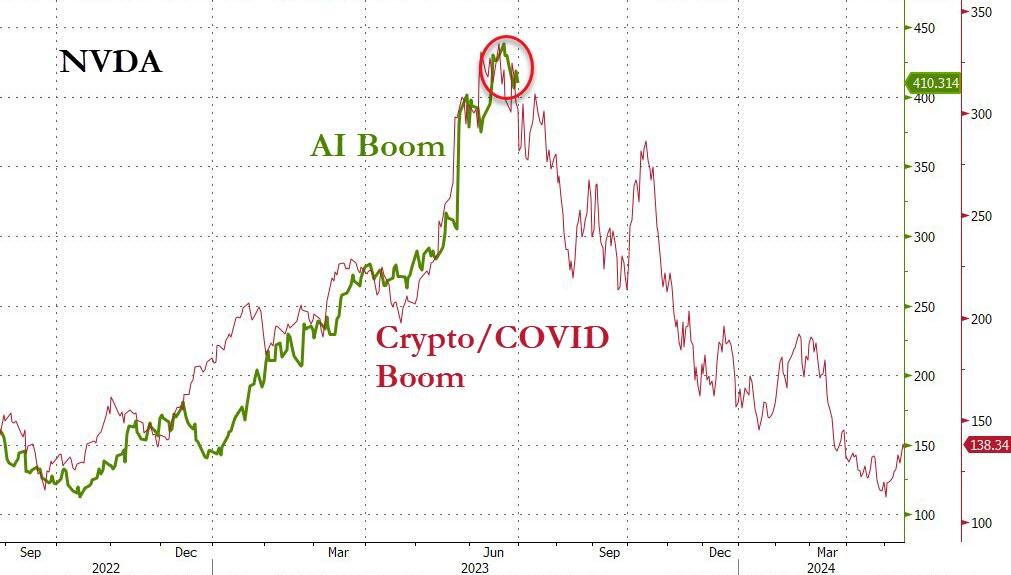
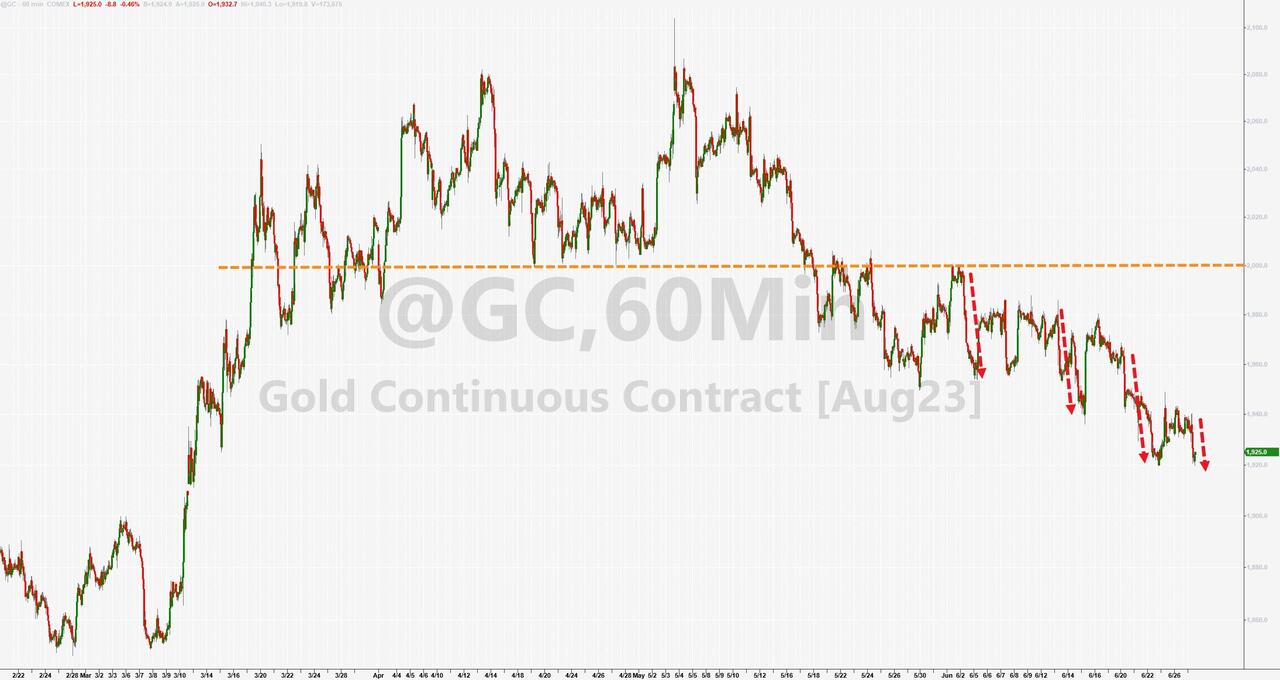
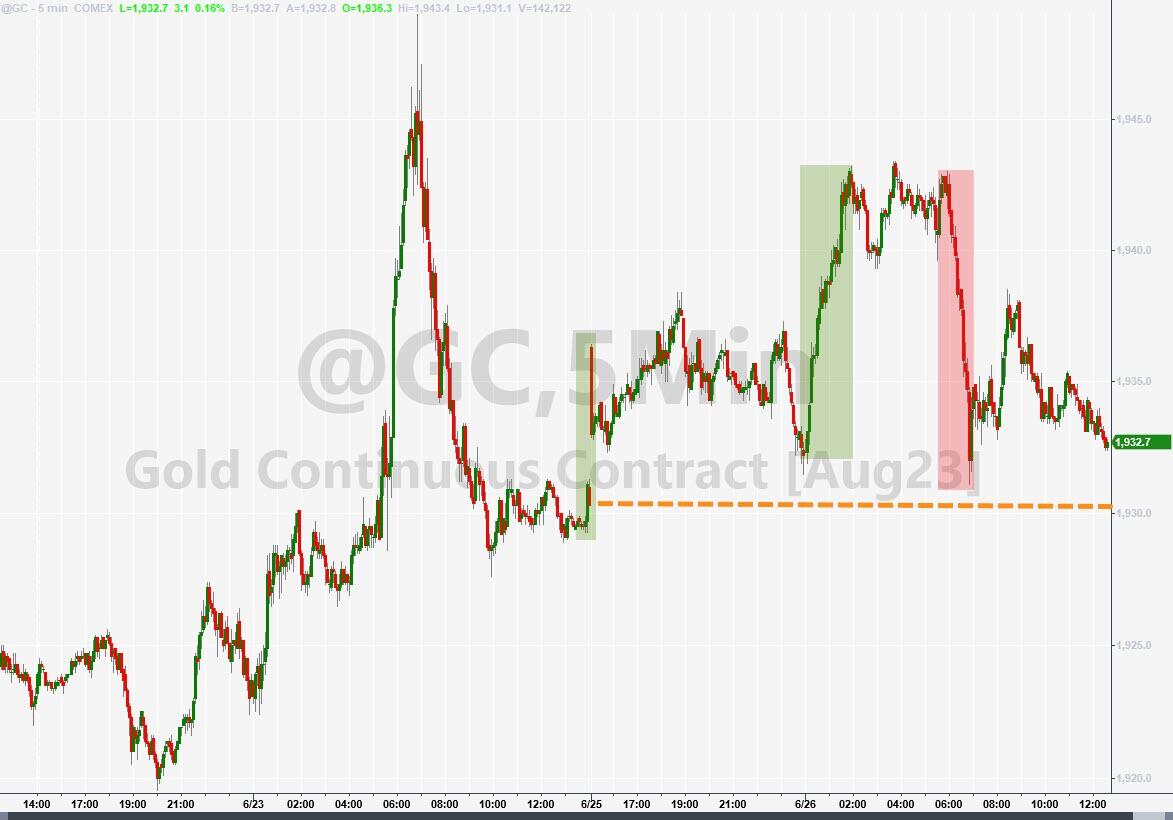
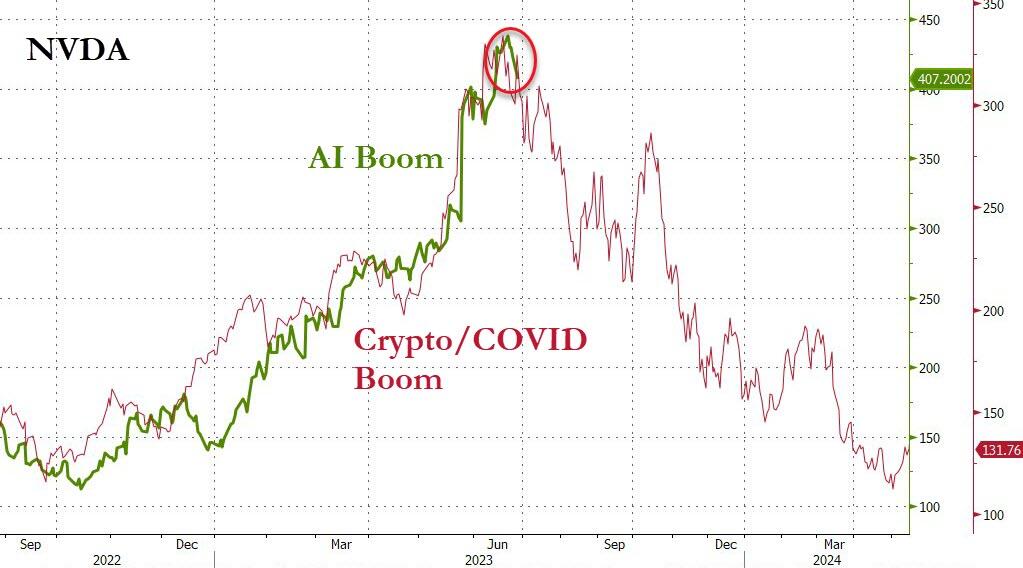
All this hawkishness hurt gold, which gave up its earlier gains but managed to stay above $1,900. The AI boom chart is still on track.

Read More

Powell Sticks To His Guns On Interest Rates, Wall Street Shrugs

Ulli Market Commentary Contact

[Chart courtesy of MarketWatch.com]

  1. Moving the markets

Fed chair Powell sounds like a broken record. He keeps saying he won’t cut interest rates anytime soon, no matter how much Wall Street begs and pleads. He has many allies who back him up on this stance. But Wall Street is in denial. They think Powell will cave in and turn soft.

Today, Powell dashed their hopes again when he said, “more restrictive policy is still to come,” and hinted at more rate hikes in the future. He also said he didn’t expect inflation to reach 2% this year or next. Ouch.

Powell was not speaking to some random audience, but to a group of influential central bankers from around the world at a European forum in Portugal. His words sent a clear signal: “higher rates for longer”.

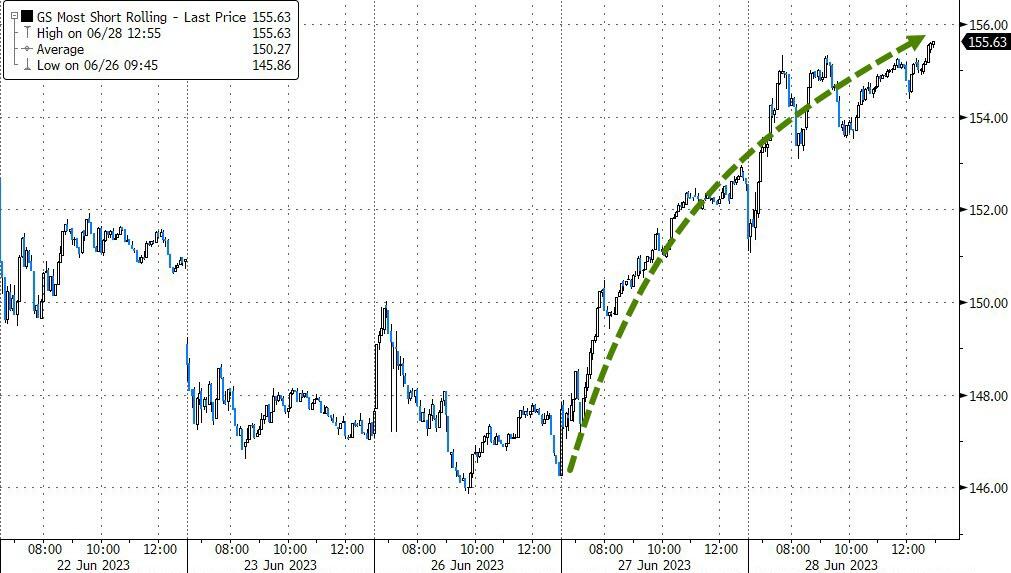
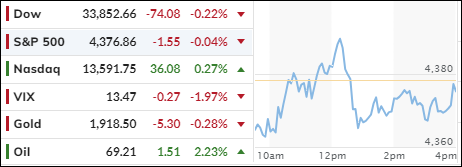
But the markets didn’t buy it, and the major indexes barely budged. Yesterday’s short squeeze fizzled out today and had no impact on the overall market. Bond yields fell, the dollar bounced back, and gold lost some shine.

The AI craze seems to have peaked, as this chart shows, and I wouldn’t be surprised to see the markets tumble down, as this bubble pops. What could cause this? Maybe a tougher crackdown on chip exports to China, which could hurt the tech sector big time.

Read More
Positive Data Lifts Stocks Higher, But Reality Looms

Ulli Market Commentary Contact

[Chart courtesy of MarketWatch.com]

  1. Moving the markets

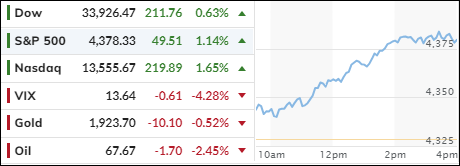
The bulls were in charge today, lifting the major indexes higher with little resistance from the bears. The Dow finally snapped its losing streak of six days, thanks to a tech rally.

A flurry of positive economic data also boosted the market mood, showing signs of strength in the economy, despite the looming threat of a recession. Or maybe we are already in one, but we just don’t know it yet, because we use different metrics now.

Anyway, here are some of the highlights from today’s reports:

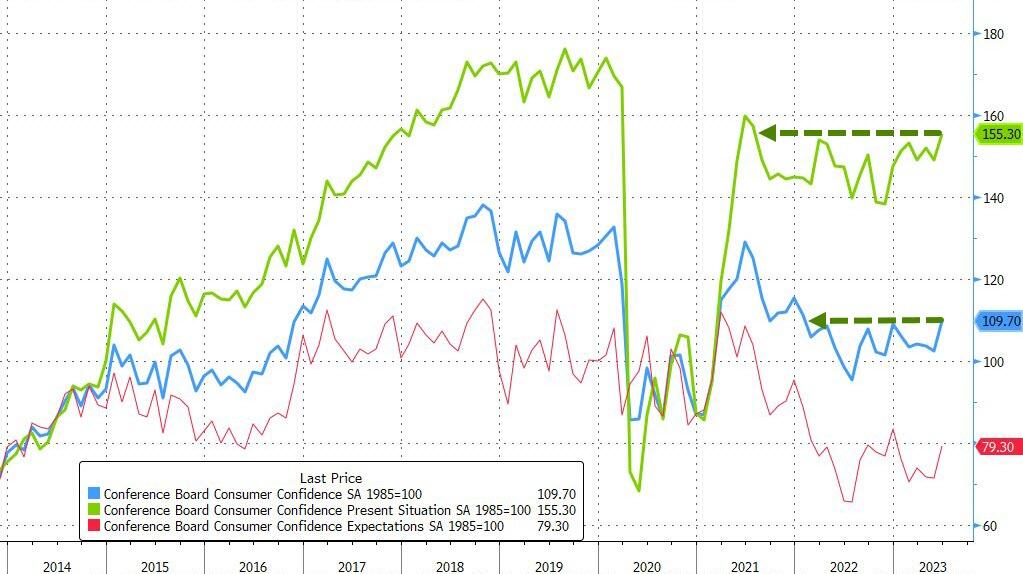
  • Consumer Confidence jumped to its highest level in a year, as people felt more optimistic about the next six months.
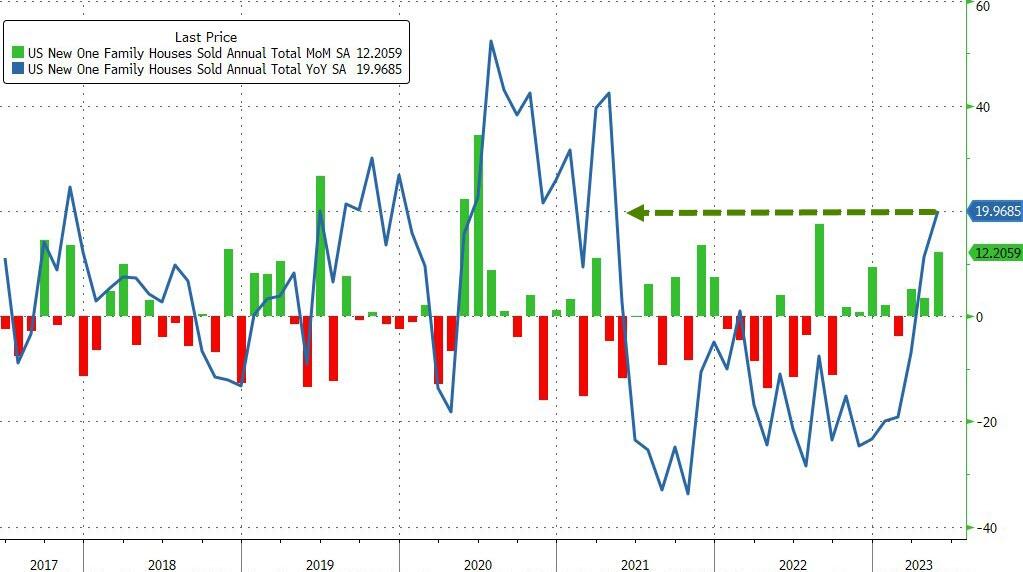
  • New Home Sales surged by 12.2% in May, the biggest increase since May 2022.
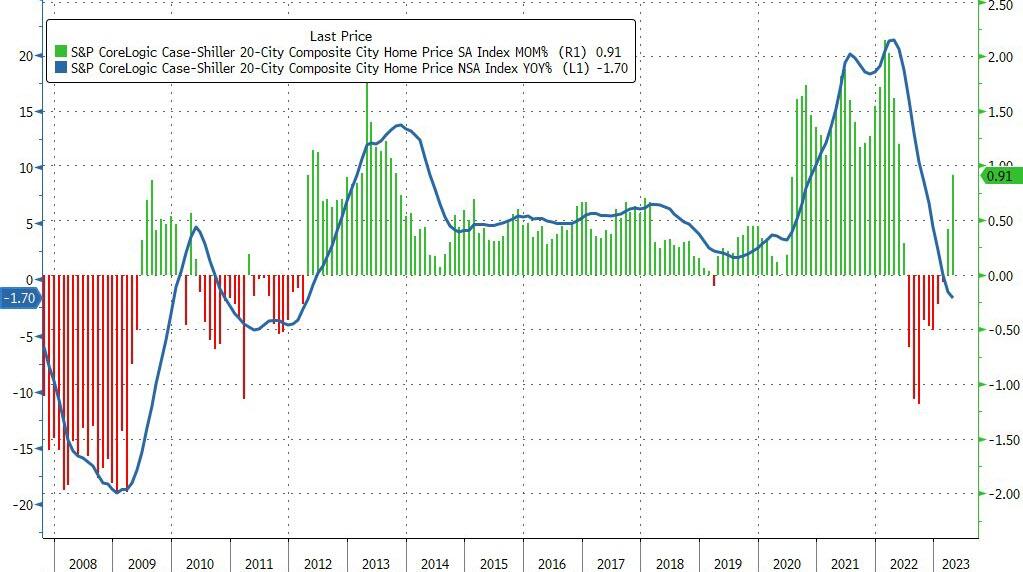
  • Home Prices soared in April, as lower mortgage rates made buying more affordable.
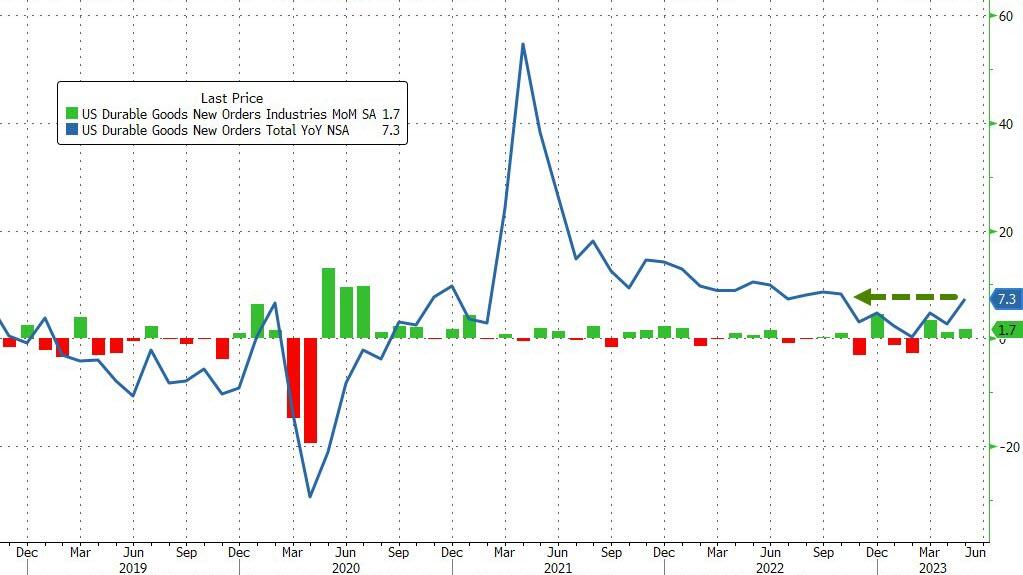
  • Durable Goods Orders rose by 1.7% in May, beating expectations and indicating strong demand for long-lasting goods.

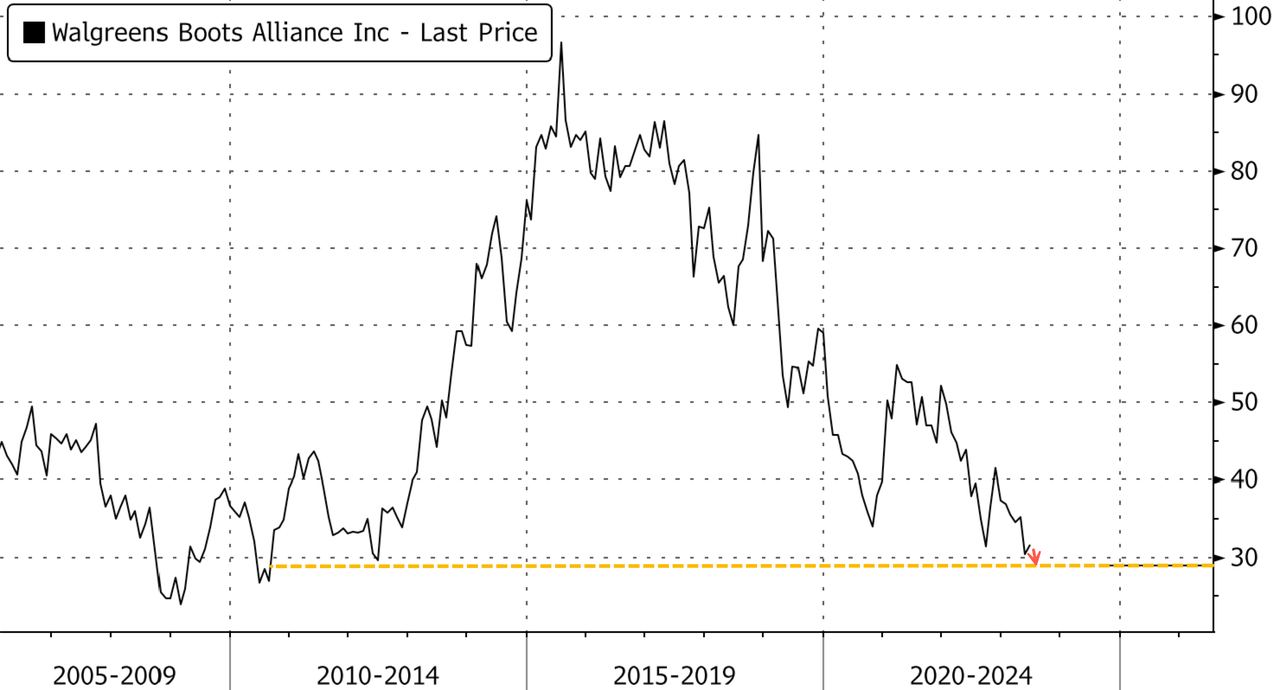
But not everything was rosy today. Walgreen’s cut its earnings guidance and blamed “cautious” customers for its poor performance. Its shares plunged to a 10-year low. Ouch indeed.

Some analysts still think that the economy is doing fine, and that the chances of a recession are fading. If they are right, the Fed might have to raise interest rates a few more times this year, which would put an end to the hopes of a rate cut from Fed chair Powell. I doubt that he will change his hawkish stance anytime soon.

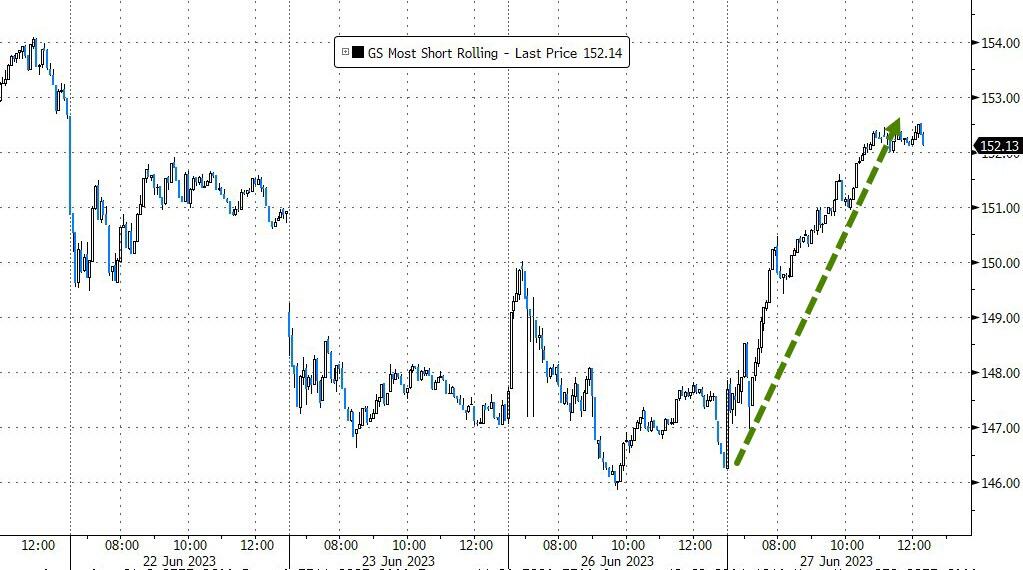
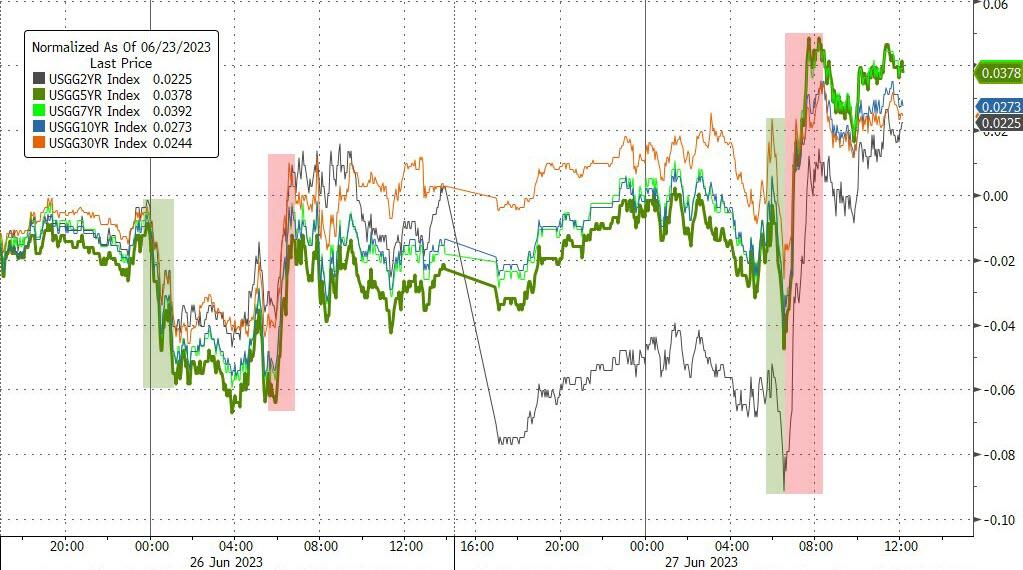
The upbeat data also triggered a short squeeze, as bond yields jumped higher. The dollar, however, weakened, while gold fell to its lowest level in three months.

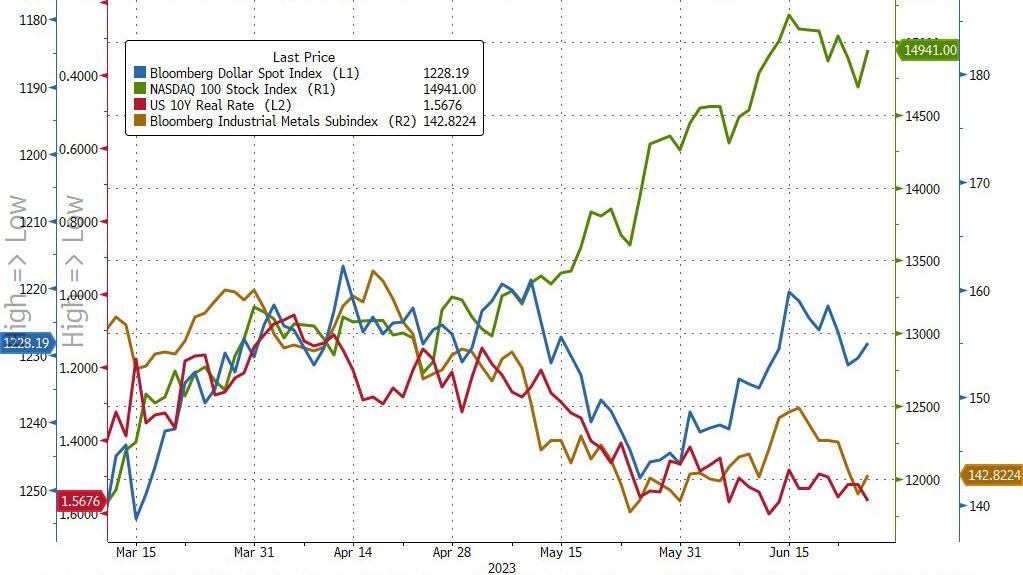
The big question is: how long can stocks keep defying economic reality? This chart shows how out of sync they are with the rest of the data. I expect them to come back down to earth in the next quarter.

Read More
Tech Sector Loses Steam As Market Drifts Lower

Ulli Market Commentary Contact

[Chart courtesy of MarketWatch.com]

  1. Moving the markets

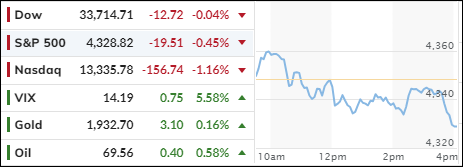
The bulls are still on vacation as the market continues to drift lower. The major indexes barely moved today but ended up in the red zone again. The Nasdaq suffered the most, as tech stocks lost their mojo.

Interestingly, the S&P 500, which had been driven by a handful of big tech names, showed a different pattern today. While the SPY dropped 0.33%, its equally weighted counterpart rose 0.65%. This means that the broader market is holding up better than the tech sector, which is losing steam. This trend started last week and could signal a shift in market leadership.

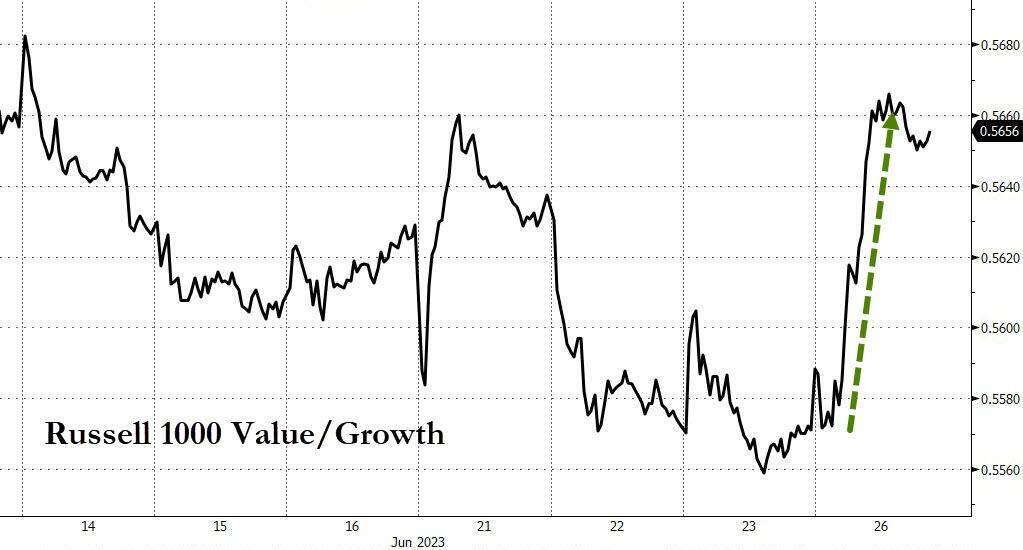
Another sign of change is the reversal in the growth vs. value battle. After being trounced by growth for a few days, value funds bounced back today and erased their losses. Check out this chart to see the dramatic turnaround.

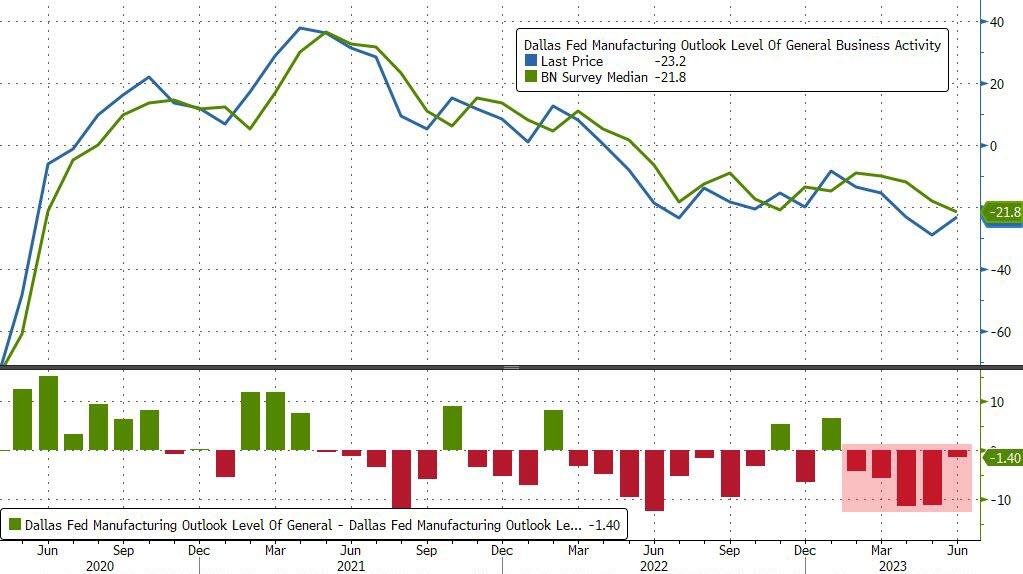
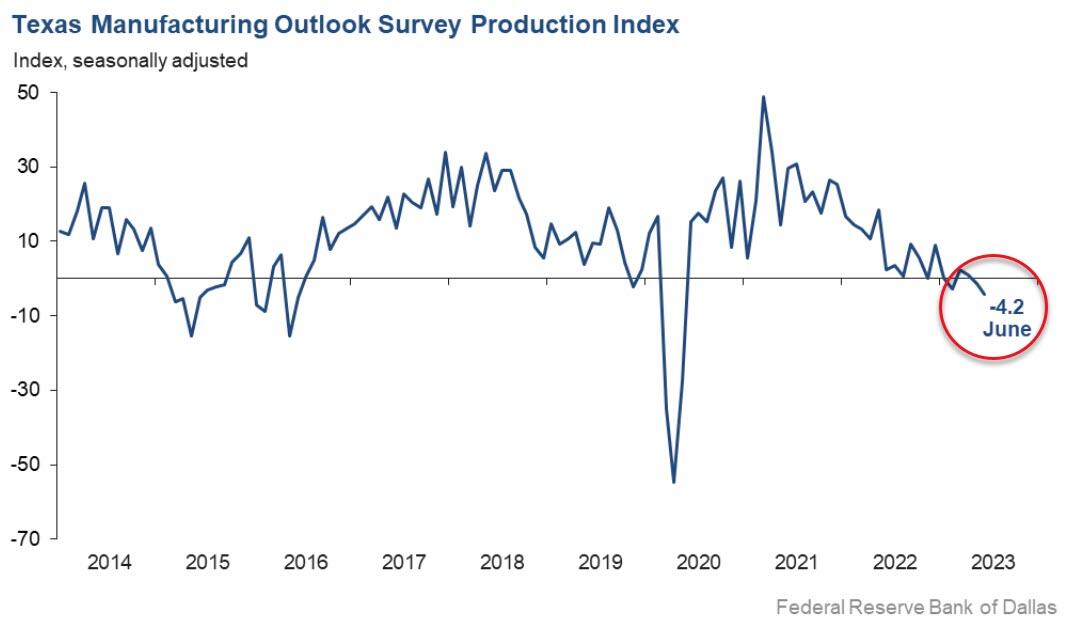
On the economic front, we got some bad news from Texas. The Texas Manufacturing Survey plunged for the fifth month in a row, coming in at -23.2 vs. -21.8 expected. Even worse, the outlook turned negative for the first time since 2016, dropping to -4.2.

Bond yields were mixed, the dollar was flat, and gold edged higher. As we wrap up June, we have some important data points to watch this week. The most crucial one is the PCE (Personal Consumption Index), which is the Fed’s favorite inflation gauge. This could affect their decision on how many rate hikes they will deliver this year.

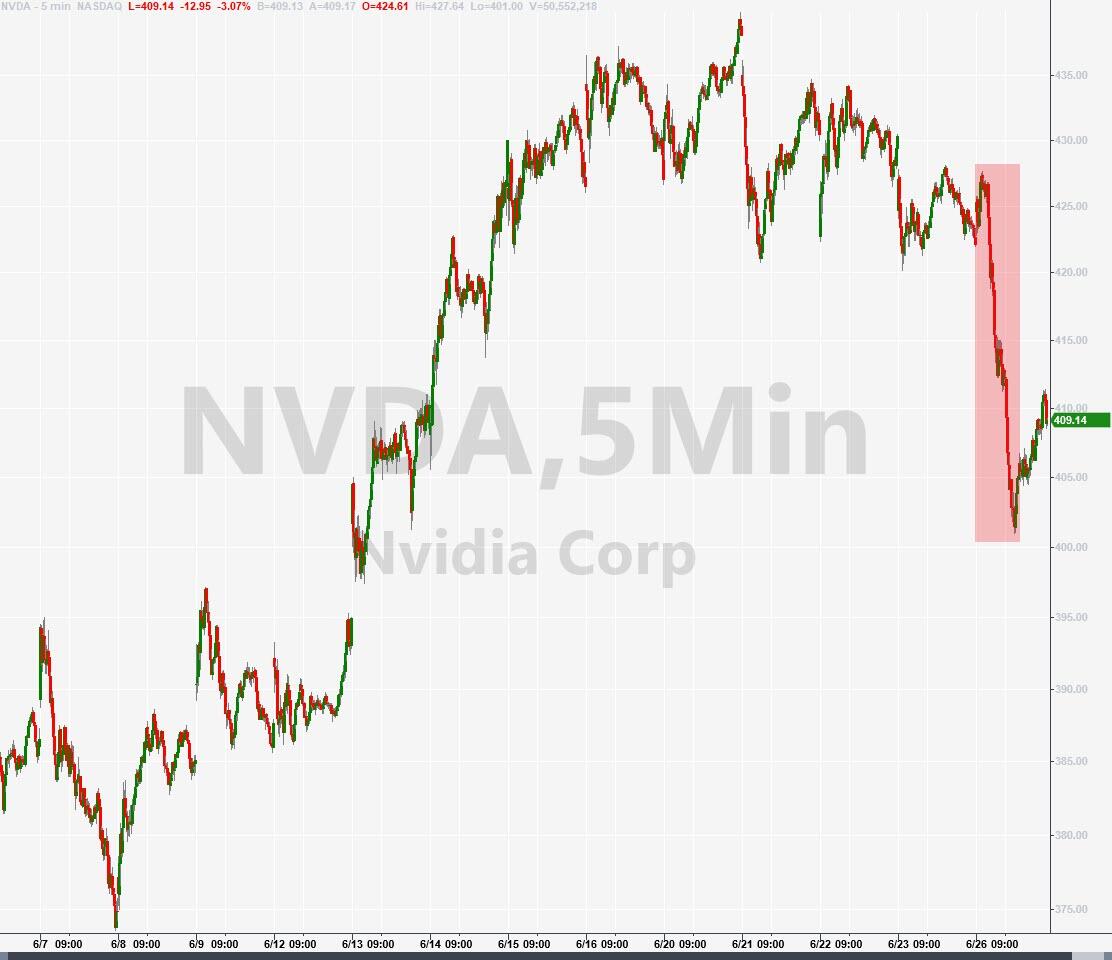
But the market seems to have a different view. It’s betting that the Fed will cave and start cutting rates soon. I’m not convinced, and I think the market is too complacent. Especially when you consider the possibility of an AI bust, as this chart from ZeroHedge shows. History suggests that every boom ends with a bust, and AI could be no exception.

Read More
ETFs On The Cutline – Updated Through 06/16/2023

Ulli ETFs on the Cutline Contact

Do you want to know which ETFs are hot and which ones are not? Then you need my High-Volume ETF Cutline report. It tells you how close or far each of the 311 ETFs I follow is from its long-term trend line (39-week SMA). These are the ETFs that trade more than $5 million a day, so they are not some obscure funds that nobody cares about.

The report is split into two parts: The winners that are above their trend line (%M/A), and the losers that are below it. The yellow line is the line of shame that separates them. You can see how many ETFs are in each group and how they have changed since the last report (221 vs. 177 current).

Take a peek:

The HV ETF Master Cutline Report

If you are confused by some of the terms we use, don’t panic. I have a helpful Glossary of Terms for you.

If you want to learn more about the Cutline method and how it can make you rich (or at least less poor), read my original post here.