Weekly StatSheet For The ETF Tracker Newsletter – Updated Through 06/22/2023

Ulli ETF Tracker Contact

ETF Data updated through Thursday, June 22, 2023

How to use this StatSheet:

  1. Out of the 1,800+ ETFs out there, I only pick the ones that trade over $5 million per day (HV ETFs), so you don’t get stuck with a lemon that nobody wants to buy or sell.
  1. Trend Tracking Indexes (TTIs)

These are the main indicators that tell you when to buy or sell Domestic and International ETFs (section 1 and 2). They do that by comparing their position to their long-term M/A (Moving Average). If they cross above, and stay there, it’s a green light to buy. If they fall below, and keep going, it’s a red light to sell. And to make sure you don’t lose your shirt if things go south, I also use a 12% trailing stop loss on all positions in these categories.

  1. All other investment areas don’t have a TTI and should be traded based on the position of each ETF relative to its own trend line (%M/A). That’s why I call them “Selective Buy.” In other words, if an ETF goes above its own trend line, you can buy it. But don’t forget to use a trailing sell stop of 12%, or less if you’re feeling nervous.

If some of these words sound like Greek to you, please check out the Glossary of Terms and new subscriber information in section 9.

  1. DOMESTIC EQUITY ETFs: BUY— since 12/01/2022

Click on chart to enlarge

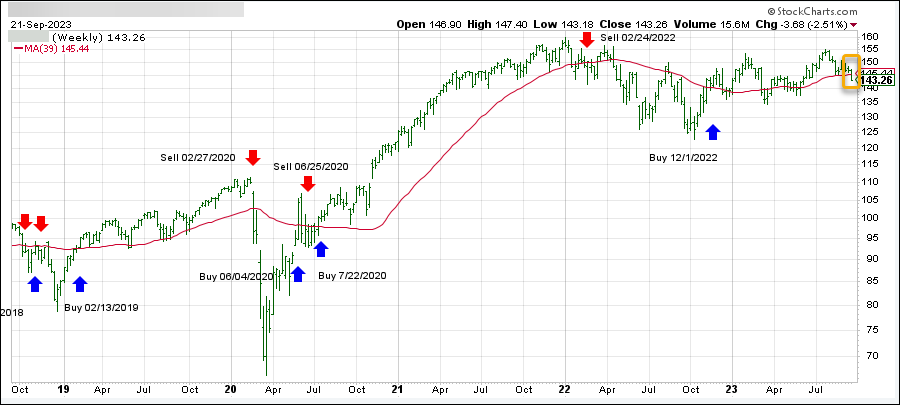
This is our main compass, the Domestic Trend Tracking Index (TTI-green line in the above chart). It has now broken above its long-term trend line (red) by +2.69% and remains in “Buy” mode.

Read More

How A Cartoon Explains The Crazy Stock Market

Ulli Market Commentary Contact

[Chart courtesy of MarketWatch.com]

  1. Moving the markets

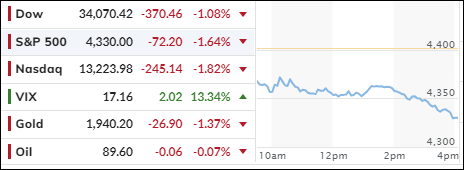
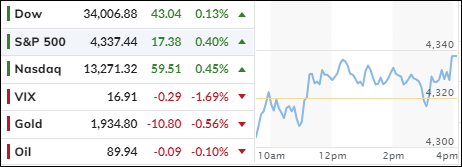
The stock market was a rollercoaster ride yesterday, with the S&P 500 and Nasdaq barely ending in the green after a three-day losing streak. The culprit? Fed chair Powell’s hawkish comments on more rate hikes to tame inflation.

The economic outlook was also gloomy, with the US Leading Economic Indicator (LEI) dropping for the 14th consecutive month, signaling weaker activity ahead. The LEI plunged 7.9% year over year, close to its worst decline since 2008.

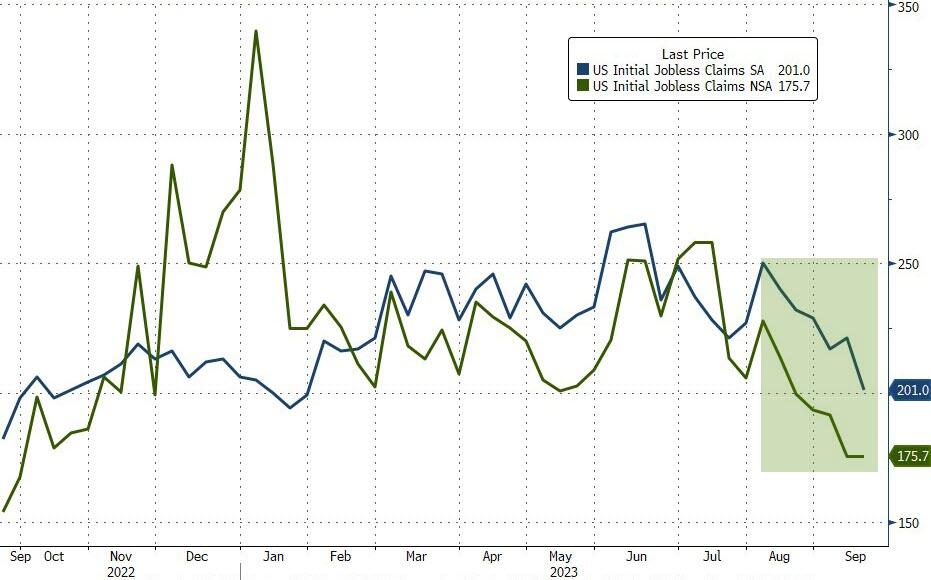
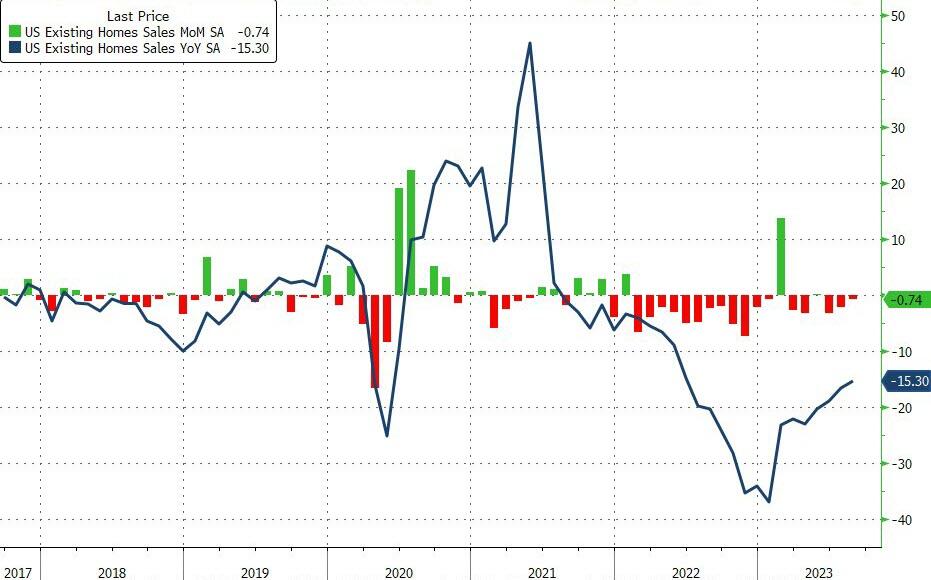
Existing Home Sales edged up 0.2% in May, but prices fell the most since 2011. Meanwhile, initial jobless claims soared to 264k, the highest since October 2021.

Across the pond, the Bank of England (BoE) shocked the markets with a 50-bps rate hike to fight their soaring inflation. Exchequer Jeremy Hunt said that “bringing inflation down is our absolute priority.”

That sounds familiar, doesn’t it? But US traders and algos seem to ignore Powell and keep buying stocks in the hope of lower rates.

The only thing that saved the day was a short squeeze, which lacked conviction but managed to lift two of the three major indexes into positive territory.

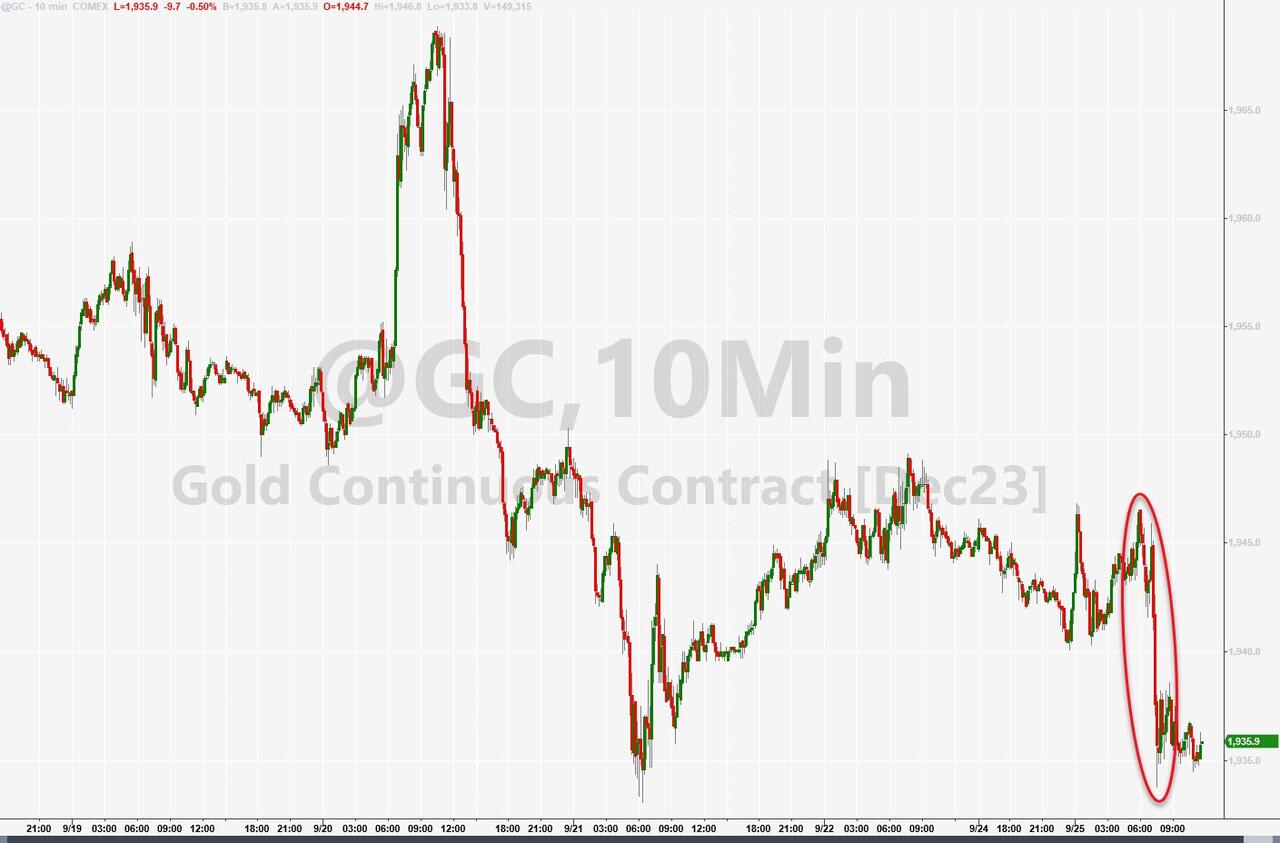
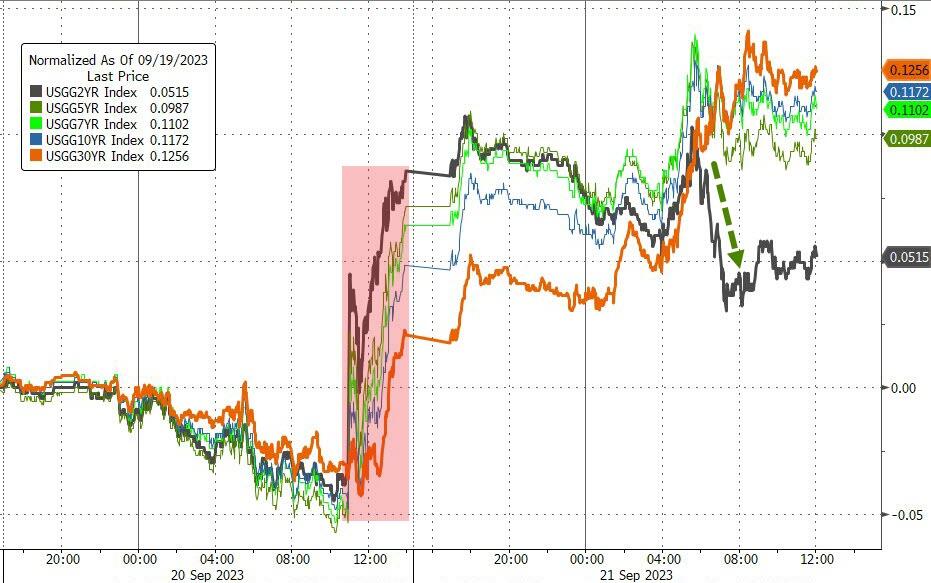
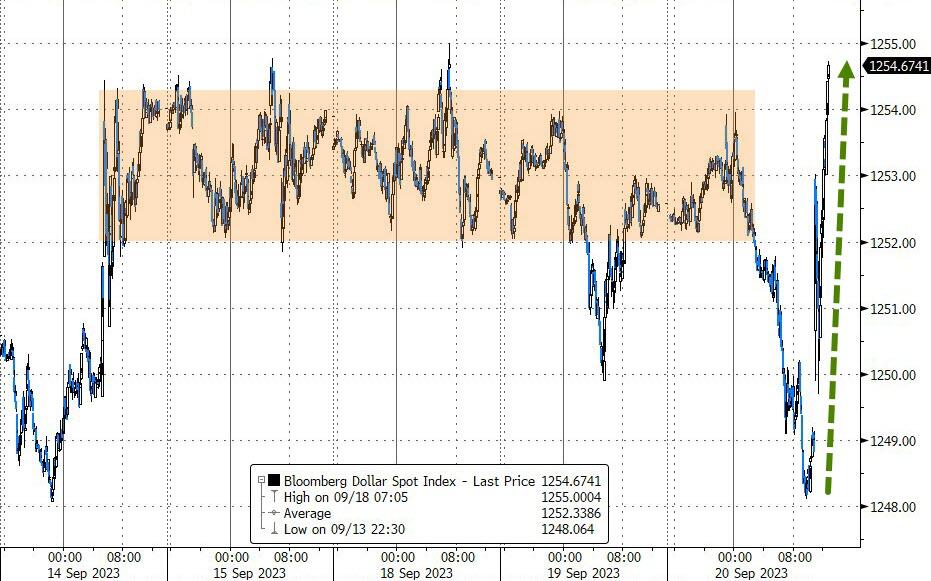
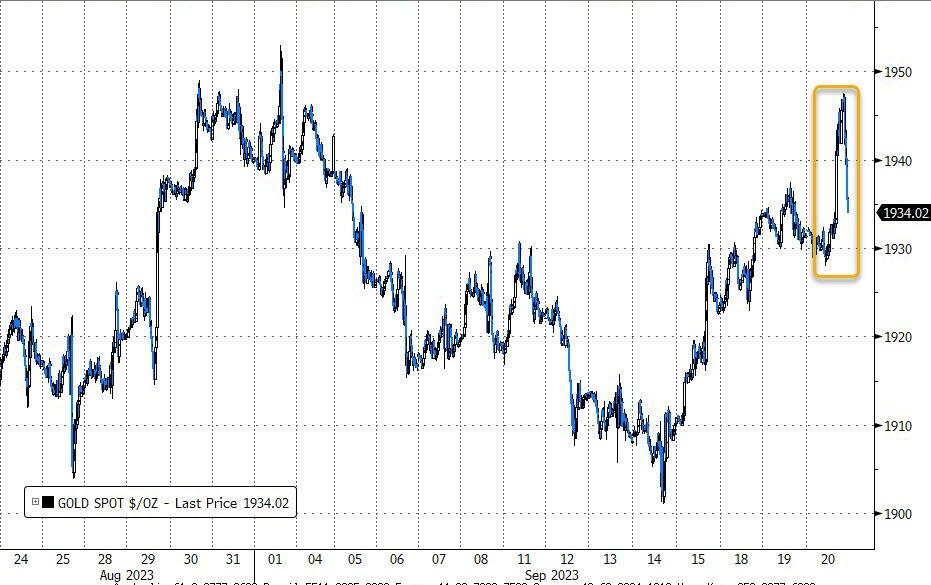
Banks continued to slide, bond yields rose, boosting the dollar and hurting gold, which sank to 3-month lows.

If you’re confused by all this market madness, you’re not alone. Cartoonist Bob Mankoff summed it up for you in this hilarious illustration:

Read More

Inflation Eats Away At Real Wages As Powell Sticks To His Script

Ulli Market Commentary Contact

[Chart courtesy of MarketWatch.com]

  1. Moving the markets

Fed chair Powell testified before congress today, reiterating his stance that inflation is still high and that interest rates will likely rise by the end of the year. He also expressed confidence in the resilience of the U.S. banking system, despite the headwinds from the pandemic and supply chain disruptions.

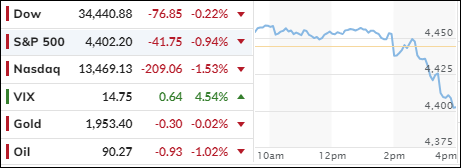
However, his words did not seem to sway the market sentiment, as Wall Street traders and algos continued to bet on a dovish Fed that will support the ongoing rally. The S&P 500 closed slightly lower for the fourth consecutive session, after an early sell-off and a midday rebound.

Inflation remains the top concern for many consumers and businesses, as real wages have been negative for 26 months in a row. The latest data shows that inflation is outpacing any wage gains, eroding the purchasing power of Americans.

Moreover, the market rally has been driven by a narrow group of tech giants, known as the Big A.I. (AAPL, MSFT, GOOG, AMZN, TSLA, META, NVDA). Without them, the S&P 500 would have been almost flat year-to-date. This shows how uneven and fragile the market recovery has been.

The US Dollar weakened, despite Powell’s hawkish tone, while bond yields fluctuated and ended up unchanged. Gold also recovered from a dip and closed flat. AI stocks fell again and gave up their recent gains.

Looking at the global picture, the U.S. economy seems to be holding up better than the Eurozone and China, which are facing more challenges from Covid-19 variants and slowing growth.

In summary, Powell’s testimony did not change much for the market outlook, as investors remain skeptical about the Fed’s ability and willingness to rein in inflation and normalize monetary policy.

The market rally is losing steam and becoming more concentrated on a few tech stocks, while inflation is hurting consumers and businesses alike.

Read More

Stocks Need A Breather After AI Frenzy And Housing Data Surprise

Ulli Market Commentary Contact

[Chart courtesy of MarketWatch.com]

  1. Moving the markets

Stocks took a dive early in the session, continuing from Friday’s slump, as they needed a break after the recent unstoppable climb to the highest levels in a year driven by the AI craze.

Suddenly, investors started to worry about paying too much for their shares, while analysts struggled to find convincing reasons for the markets to keep going up. But they managed to recover some of their losses later in the session.

After all, the Fed’s hawkish stance, despite last week’s pause, and plenty of gloomy data points, will have an impact on where the markets go next. Recession or not, if any data shows signs of inflation, more rate hikes will be inevitable.

The Fed might not be happy with today’s shocking Housing Starts data, which showed the biggest monthly jump on record, as ZeroHedge pointed out. The 291k increase was the biggest percentage rise since October 2016. I’ll wait for the downward revisions before I believe it.

I guess the Fed’s pause was based on the idea of a weakening economy, so this positive “surprise” might change their mind. The unexpected strength in housing data hurt the precious metals, which fell to one-week lows. Bond yields dropped giving bond holders something to smile about.

In the end what matters is this question:

Are the markets so overpriced that a correction is now unavoidable, or is there enough juice left in the AI machine to push stocks to even more unrealistic valuations?

Read More

ETFs On The Cutline – Updated Through 06/16/2023

Ulli Uncategorized Contact

Do you want to know which ETFs are hot and which ones are not? Then you need my High-Volume ETF Cutline report. It tells you how close or far each of the 311 ETFs I follow is from its long-term trend line (39-week SMA). These are the ETFs that trade more than $5 million a day, so they are not some obscure funds that nobody cares about.

The report is split into two parts: The winners that are above their trend line (%M/A), and the losers that are below it. The yellow line is the line of shame that separates them. You can see how many ETFs are in each group and how they have changed since the last report (183 vs. 221 current).

Take a peek:

The HV ETF Master Cutline Report

If you are confused by some of the terms we use, don’t panic. I have a helpful Glossary of Terms for you.

If you want to learn more about the Cutline method and how it can make you rich (or at least less poor), read my original post here.

ETF Tracker Newsletter For June 16, 2023

Ulli ETF Tracker Contact

ETF Tracker StatSheet          

You can view the latest version here.

MARKETS SHRUG OFF $4.2 TRILLION OPTIONS EXPIRY AND INFLATION DATA, BUT BEWARE OF AI BUBBLE

[Chart courtesy of MarketWatch.com]

  1. Moving the markets

Today was a huge day for options traders, with $4.2 trillion worth of contracts expiring. But the markets didn’t seem too fazed by the massive turnover. They shrugged off some minor losses and held on to most of the gains they made this week. The S&P 500 rose by a respectable 2.7%. Gold and silver also bounced back from a rough start and rallied strongly in the last two days.

The markets got a boost from the CPI data, which matched expectations and eased some inflation fears. They also cheered the Fed’s decision to keep the rates unchanged, ignoring the warnings that the stimulus might taper sooner than later. The markets assumed that Powell was just bluffing and kept pushing higher.

But not everyone is convinced that this rally is sustainable or healthy. Some analysts warn that a recession is looming and that a bull market can’t last in such conditions. They also point out that the rally is driven by a narrow group of stocks in the artificial intelligence sector (AI), which reminds them of last year’s bubble that burst spectacularly.

One of them is BofA’s Michael Hartnett, who thinks that the S&P has more downside than upside potential between now and Labor Day. He thinks that the current situation is like a mix of 2000 and 2008, when a big rally was followed by a big crash. Only time will tell if he’s right.

On the bright side, consumer inflation expectations dropped sharply in June, which suggests that people are less worried about rising prices. But that doesn’t mean that everything is fine with the economy. It could also mean that people are pessimistic about their income and spending prospects.

Personally, I don’t put much stock in that indicator because I prefer to look at the actual prices I must pay for things. And those tell me a different story. They tell me that inflation is still alive and kicking.

Read More