Do you want to know which ETFs are hot and which ones are not? Then you need my High-Volume ETF Cutline report. It tells you how close or far each of the 311 ETFs I follow is from its long-term trend line (39-week SMA). These are the ETFs that trade more than $5 million a day, so they are not some obscure funds that nobody cares about.
The report is split into two parts: The winners that are above their trend line (%M/A), and the losers that are below it. The yellow line is the line of shame that separates them. You can see how many ETFs are in each group and how they have changed since the last report (254 vs. 252 current).
S&P 500 RISES DESPITE BOND YIELD SPIKE AND PART-TIME JOBS
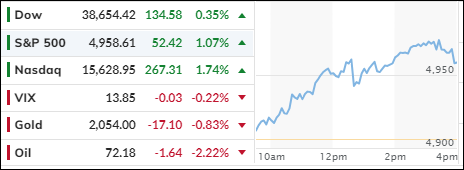
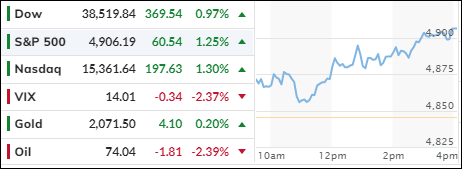
[Chart courtesy of MarketWatch.com]
Moving the markets
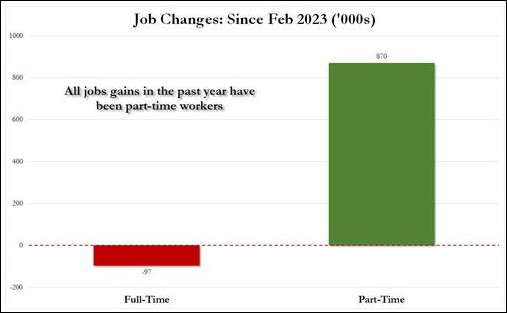
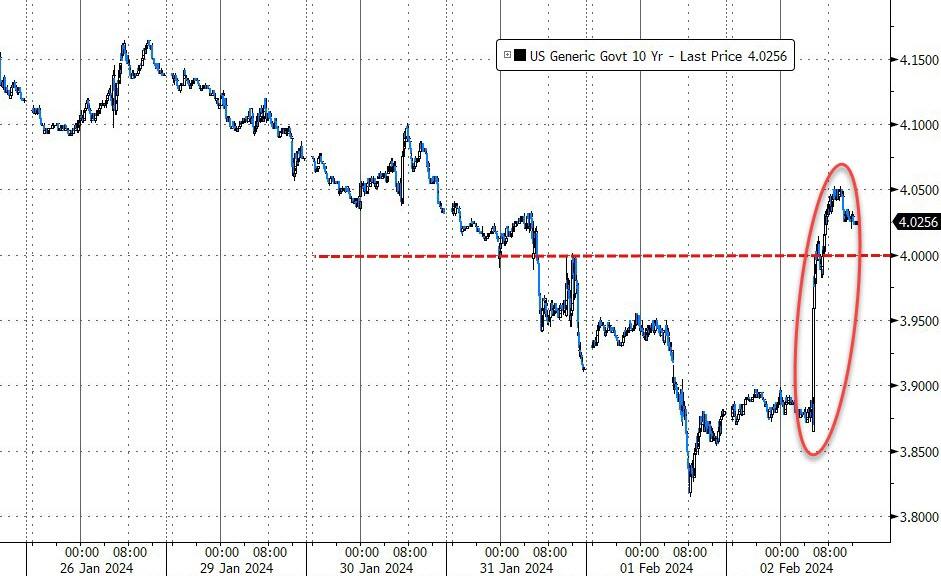
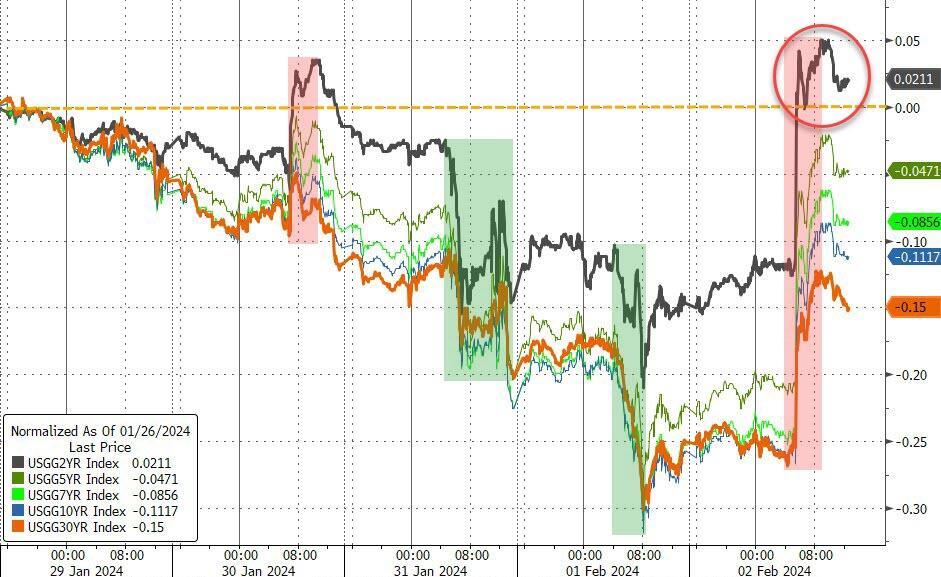
The S&P 500 soared again, ignoring the rising bond yields that threatened to spoil the party. The 10-year Treasury yield shot up to over 4% after the government claimed the U.S. economy created 353,000 jobs in January, almost double the expected number. But don’t get too excited, most of those jobs were part-time. Ouch indeed!
The jobs report also showed that wages grew by 4.5% year-over-year, more than the 4.1% predicted. This came after the Fed Chair Powell hinted that he was not in a hurry to cut rates in March. The lower unemployment rate and the higher average earnings suggested that the labor market was still strong. The question is whether this will dampen the market’s hopes for early rate cuts. The Fed could still keep us waiting until November.
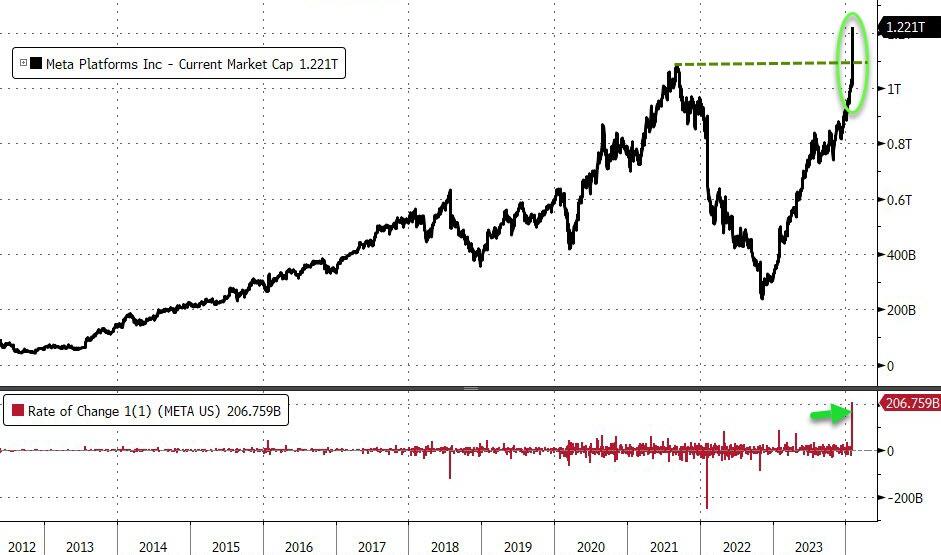
On the bright side, the solid jobs report could also mean that inflation will stay under control as productivity keeps up, which will boost stocks. And speaking of stocks, Meta and Amazon stole the show with their stellar earnings. Meta’s shares jumped more than 21% after the social-media behemoth smashed analysts’ forecasts. Amazon’s shares rose 7% on its fourth-quarter beats.
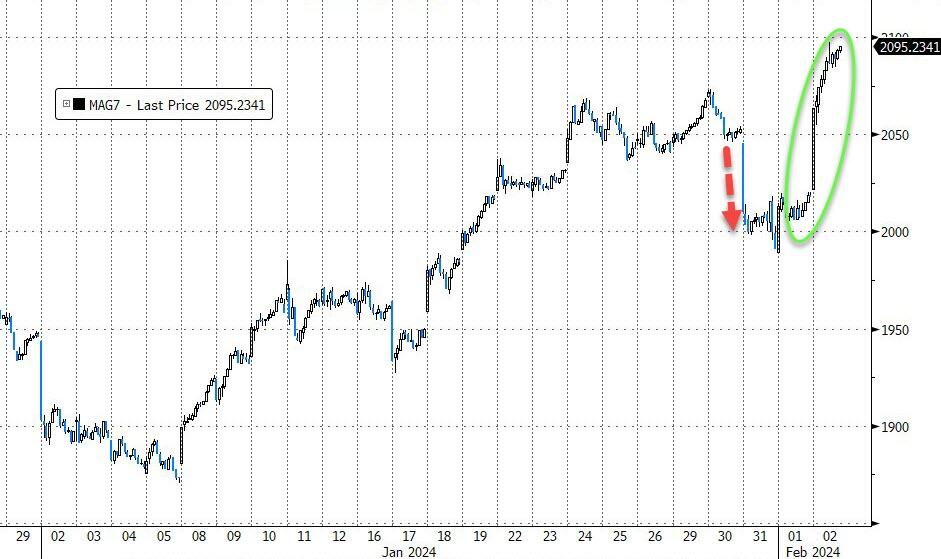
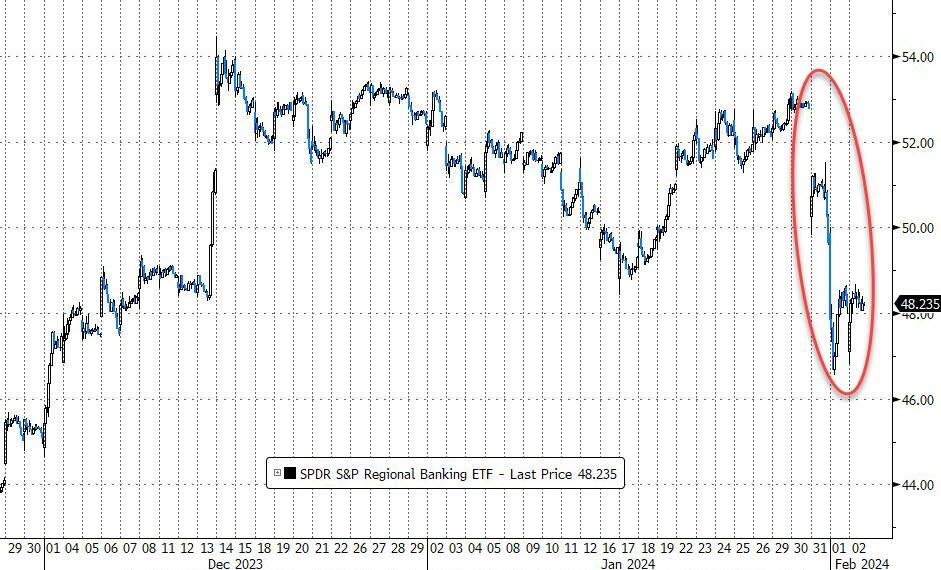
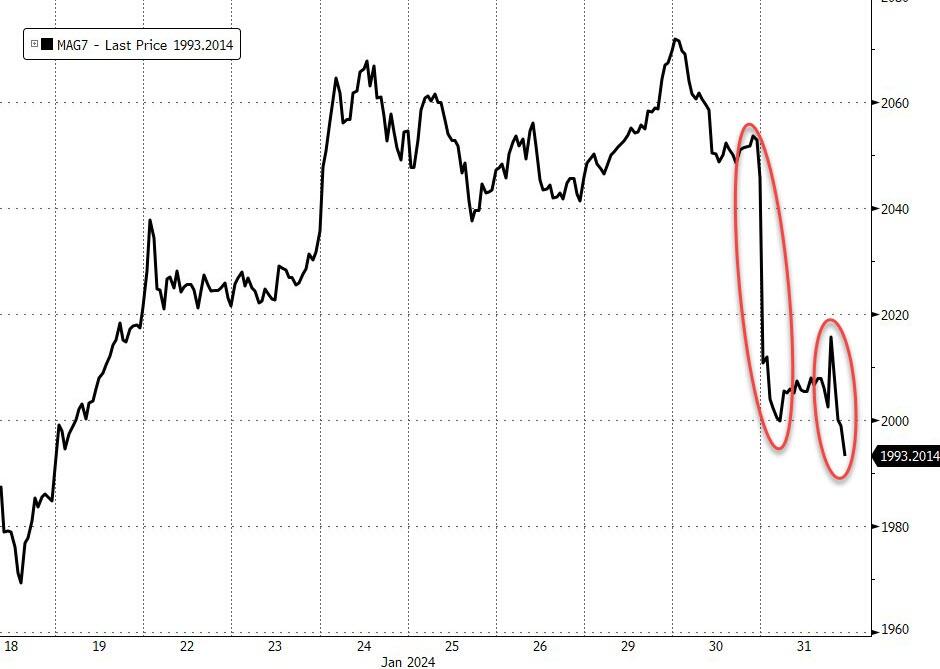
The market also shrugged off Apple’s lackluster results. The shares barely moved after the iPhone maker reported a 13% drop in sales in China. The MAG7 stocks bounced back from Wednesday’s slump and reached new highs. But the banking sector was not so lucky, as regional banks had their worst week since May 2023.
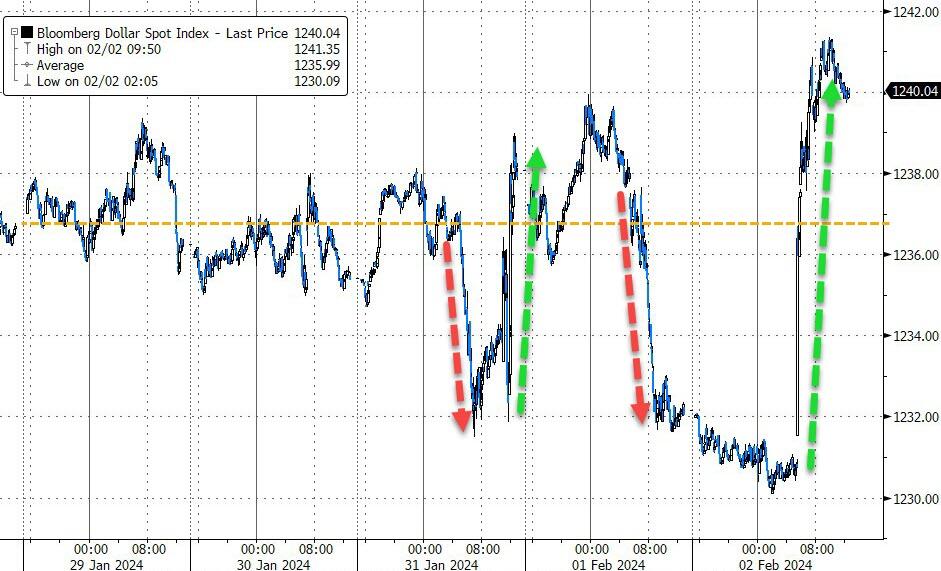
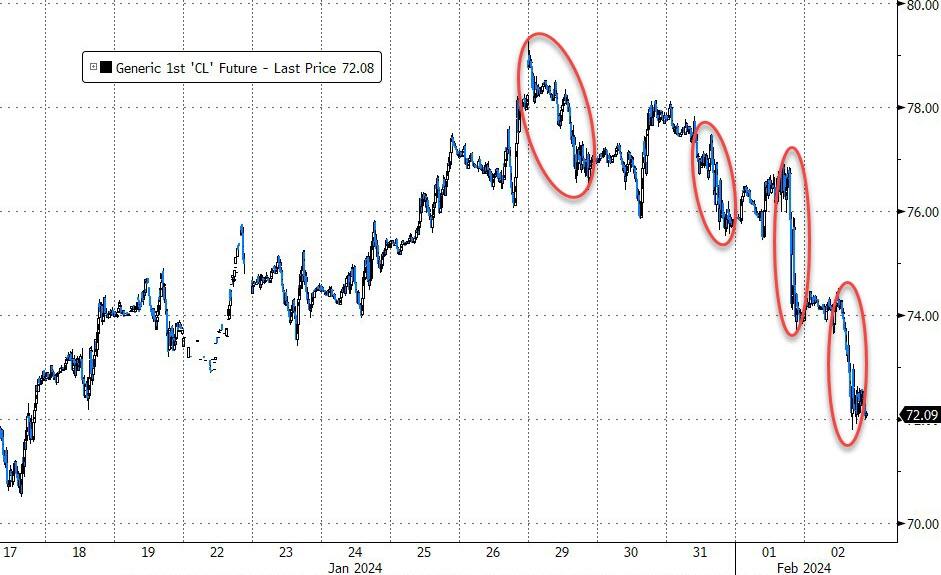
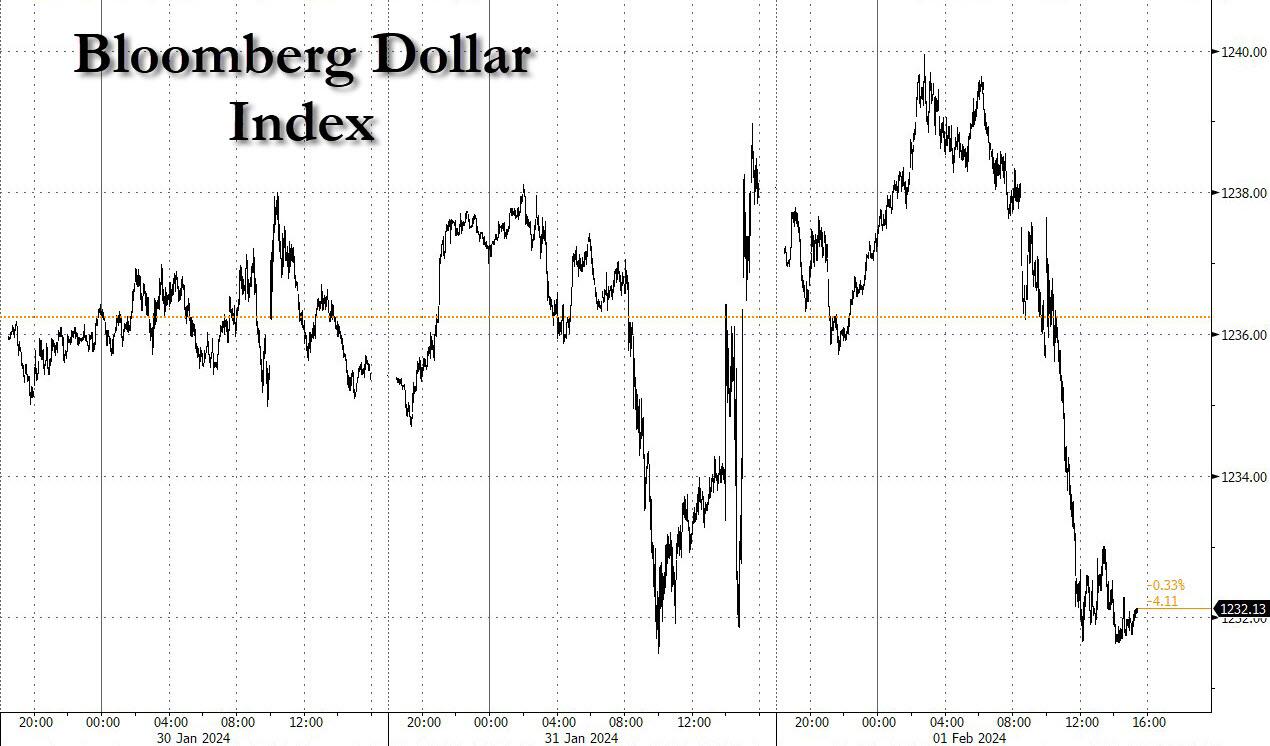
Bond yields spiked, pushing the dollar higher and ending the week in positive territory. Gold went the opposite direction but still managed to gain for the week, while oil prices slid and closed lower.
One market commentator summed up the jobs report and the market reaction like this:
The market is soaring because AI hasn’t taken our jobs yet.
The market is soaring because every tech company is betting AI will take our jobs soon.
ETF Data updated through Thursday, February 1, 2024
How to use this StatSheet:
Out of the 1,800+ ETFs out there, I only pick the ones that trade over $5 million per day (HV ETFs), so you don’t get stuck with a lemon that nobody wants to buy or sell.
Trend Tracking Indexes (TTIs)
These are the main indicators that tell you when to buy or sell Domestic and International ETFs (section 1 and 2). They do that by comparing their position to their long-term M/A (Moving Average). If they cross above, and stay there, it’s a green light to buy. If they fall below, and keep going, it’s a red light to sell. And to make sure you don’t lose your shirt if things go south, I also use a 12% trailing stop loss on all positions in these categories.
All other investment areas don’t have a TTI and should be traded based on the position of each ETF relative to its own trend line (%M/A). That’s why I call them “Selective Buy.” In other words, if an ETF goes above its own trend line, you can buy it. But don’t forget to use a trailing sell stop of 12%, or less if you’re feeling nervous.
If some of these words sound like Greek to you, please check out the Glossary of Terms and new subscriber information in section 9.
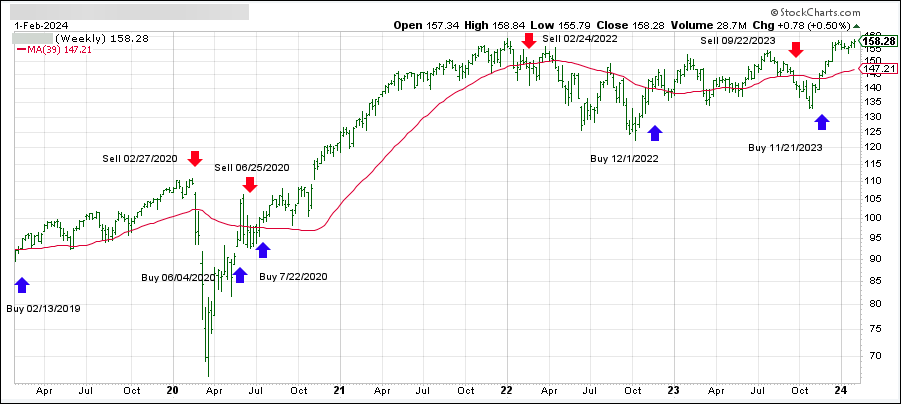
DOMESTIC EQUITY ETFs: BUY— since 11/21/2023
Click on chart to enlarge
This is our main compass, the Domestic Trend Tracking Index (TTI-green line in the above chart). It has broken above its long-term trend line (red) by +7.83% and is in “Buy” mode as posted.
The stock market rose today after a terrible day yesterday, when the Federal Reserve kept interest rates the same but hinted that it won’t lower them in March.
That made stocks fall, but they bounced back today as investors decided that the Fed might have made a mistake. The Fed has always said that it would rather keep rates too high for too long, than lower them too soon. It hasn’t changed its mind. The market tried to pressure it to do otherwise.
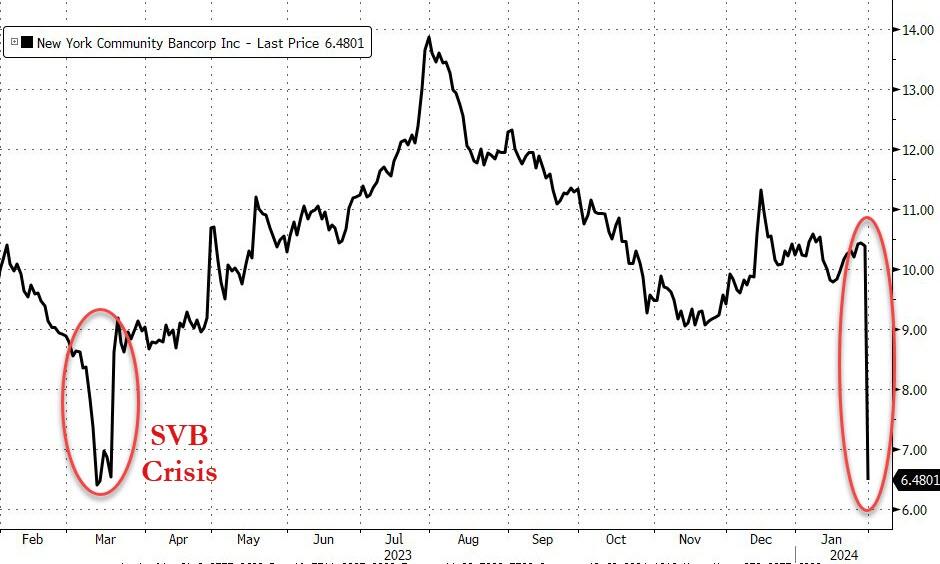
But yesterday, Powell hinted “I won’t be pushed around. We’re in charge here.” New York Community Bank dropped by more than 11% in early trading today, after losing 37% yesterday because of a big loss, a huge amount of bad loans, and a lower dividend. Is this a sign of trouble for the banking sector?
Then we found out that Japan’s Aozora bank collapsed because of too much lending to businesses that own properties like offices, malls, or hotels. This means that the property crisis has spread around the world and could cause more problems. Ouch!
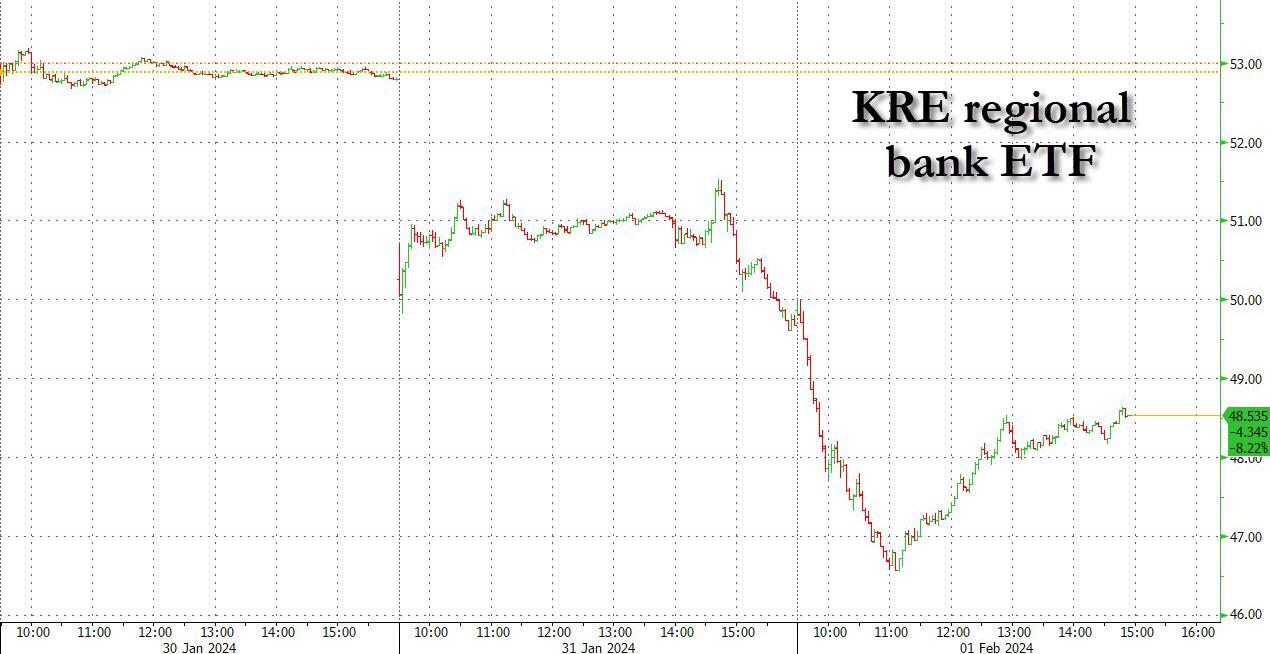
The index that tracks regional banks KRE fell at first but then recovered later in the day and reduced its losses.
You would think that bad news about the banking sector would hurt the market, but no, investors saw it as a reason to hope that the Fed will lower rates sooner. And that’s good for stocks. Makes sense, right?
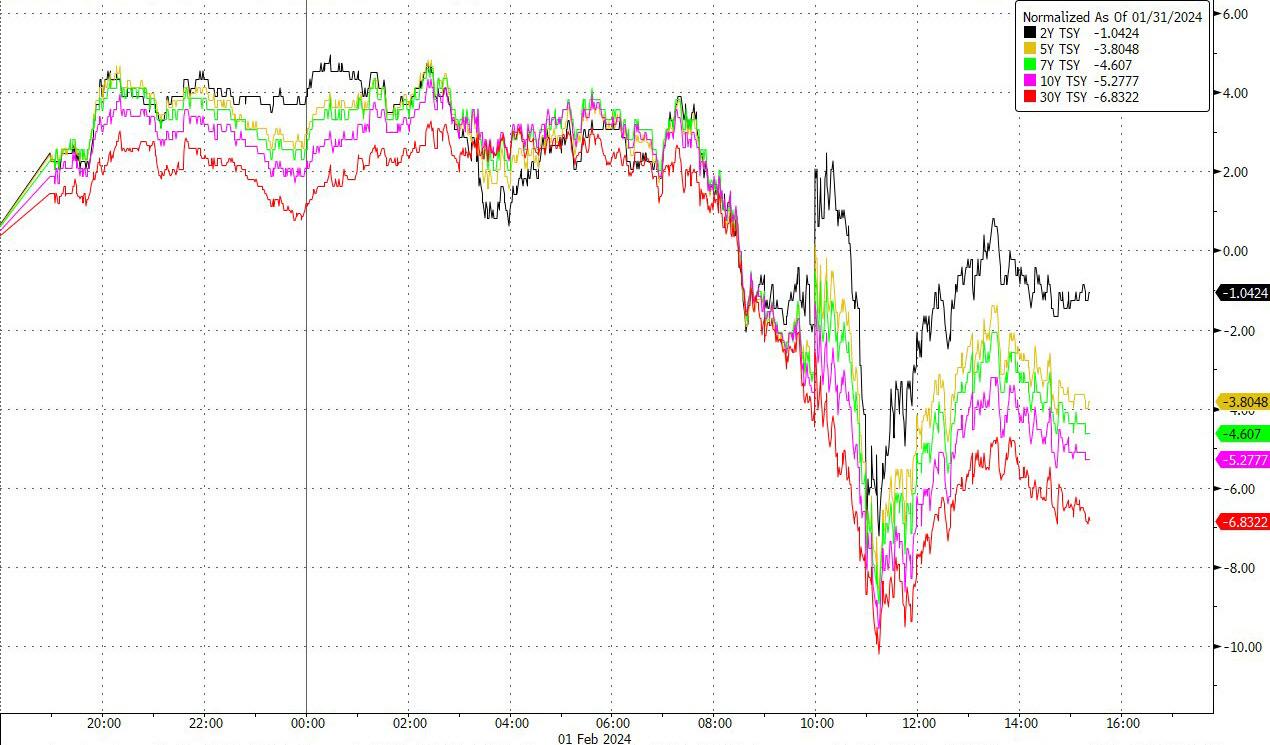
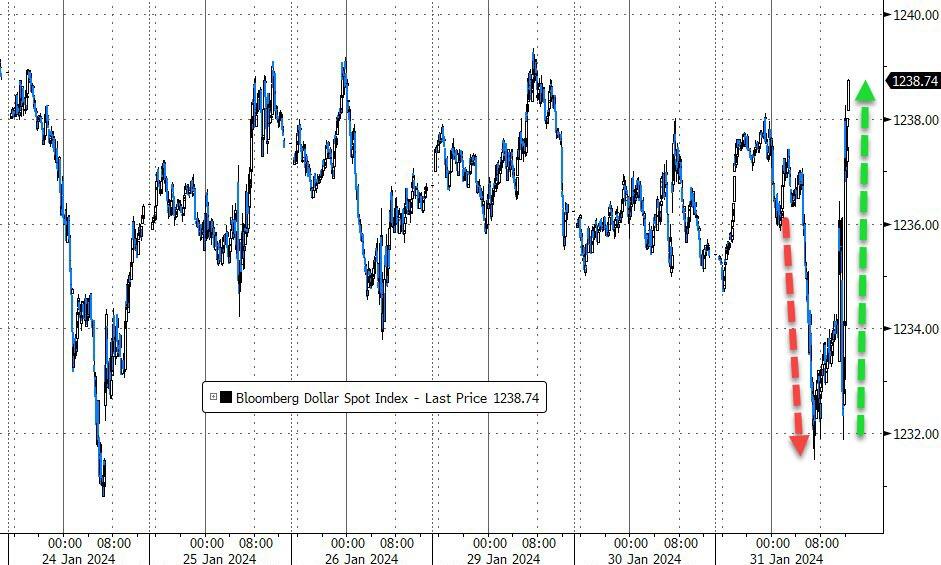
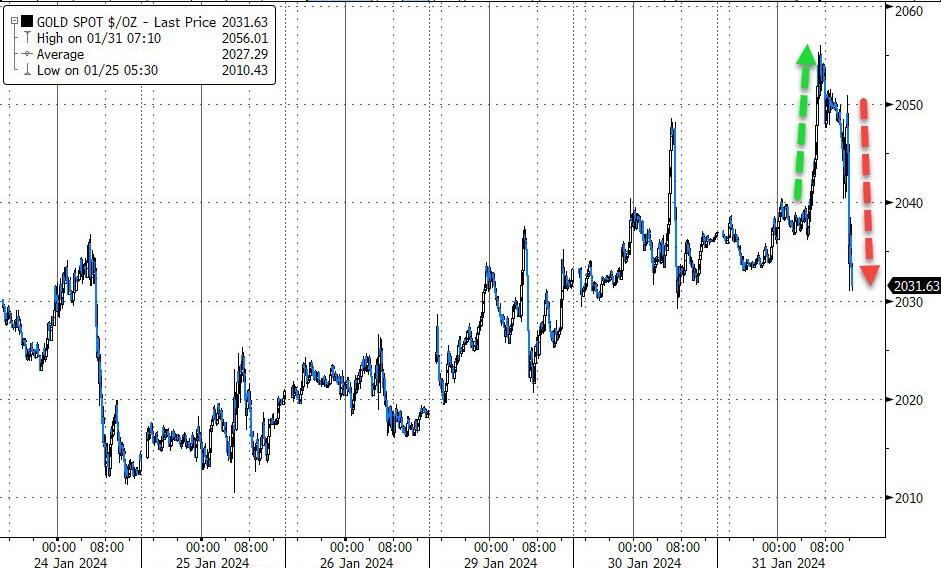
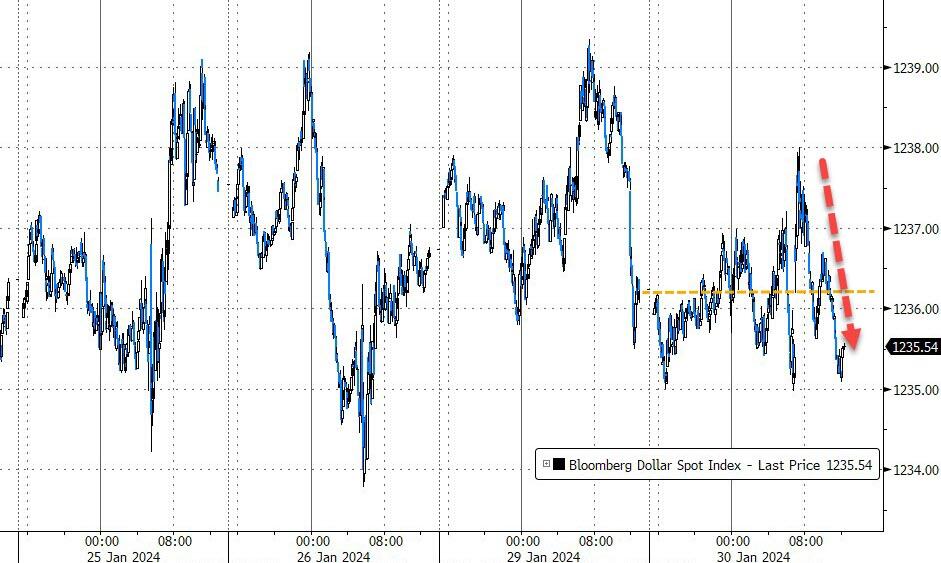
At the end of the day, stocks went up a lot, bond yields went down, the dollar, which was higher, ended lower, while the gold ETF GLD zoomed ahead and gained more than 1%.
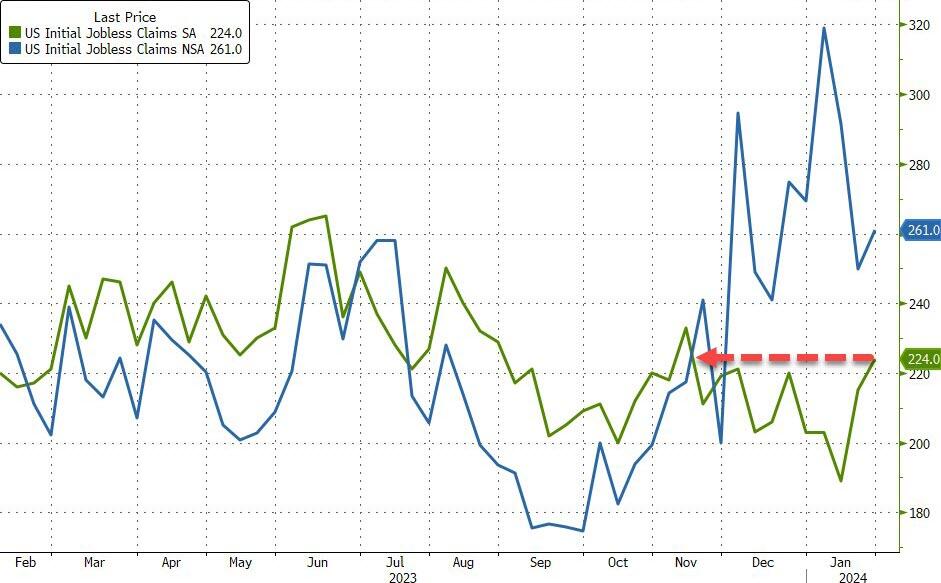
In other news, we saw that the Manufacturing Survey showed an improvement in January, but the problem was that prices went up too. With more people losing their jobs, it was not surprising that Initial and Continuing Jobless Claims increased and had their biggest two-week rise in initial claims since early 2022, as ZeroHedge reported.
Back to the banks. Which one will be the next domino to fall?
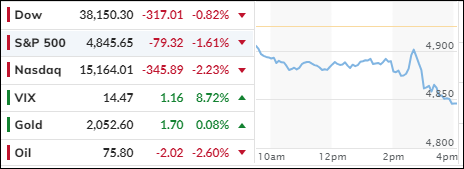
Today was a bad day for tech stocks, as Microsoft and Alphabet dragged down the whole sector with their disappointing performance. Alphabet’s shares fell over 5%, their worst drop since last October, as their ad revenue failed to impress investors despite beating earnings and sales expectations.
Microsoft and AMD also lost 1.3% and 4% of their value, respectively, after giving weak guidance for the future. The tech sector, which has been the main driver of the market rally since 2023, is now valued at almost 29 times its 2024 earnings.
That’s pretty high, even for tech. To justify these prices, the tech companies need to show some serious growth in their profits. Otherwise, they might be in for a rude awakening.
Adding to the market woes were the comments from Fed chairman Powell, who dashed the hopes of many traders who wanted a rate cut in March. Powell said the Fed was not ready to lower the rates until inflation reached 2%.
He did leave some room for a possible cut later, but he also removed a sentence from the statement that said the U.S. banking system was sound and resilient. That’s not very reassuring, especially after the trouble at NY Community Bank today.
ZeroHedge wondered if the Fed was lying before or just telling the truth now. Either way, it’s not a good look for the Fed.
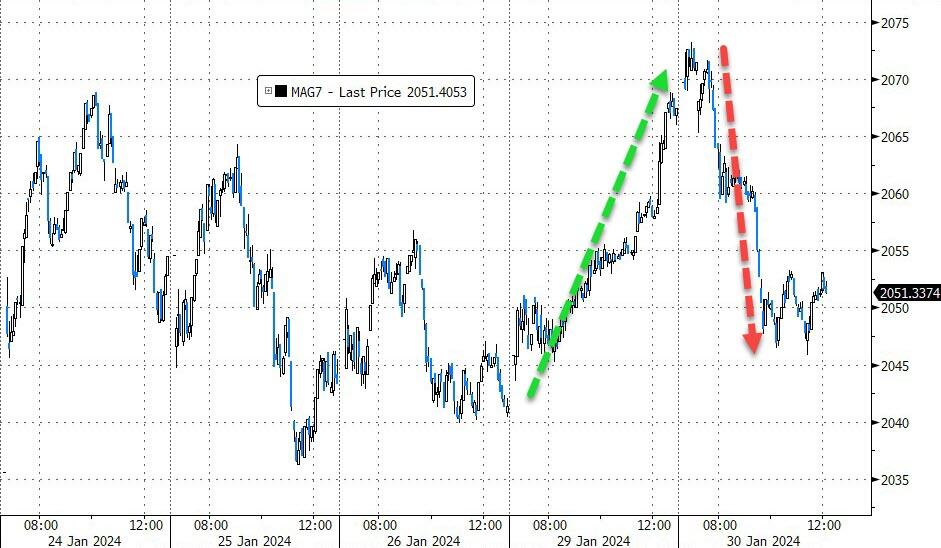
The result was a bloodbath on Wall Street. The Mag7 stocks, which include Apple, Amazon, Facebook, Google, Microsoft, Netflix, and Tesla, had their worst day since December 2022.
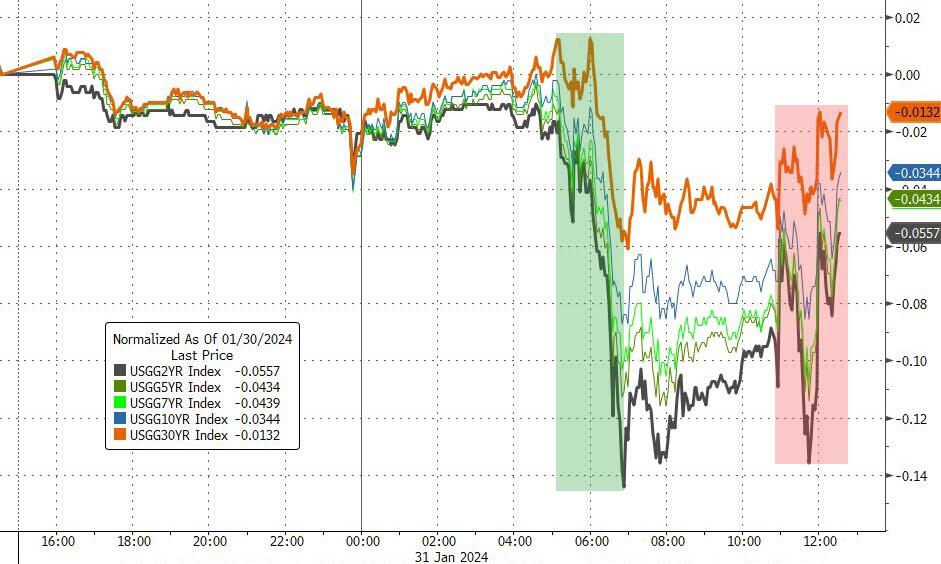
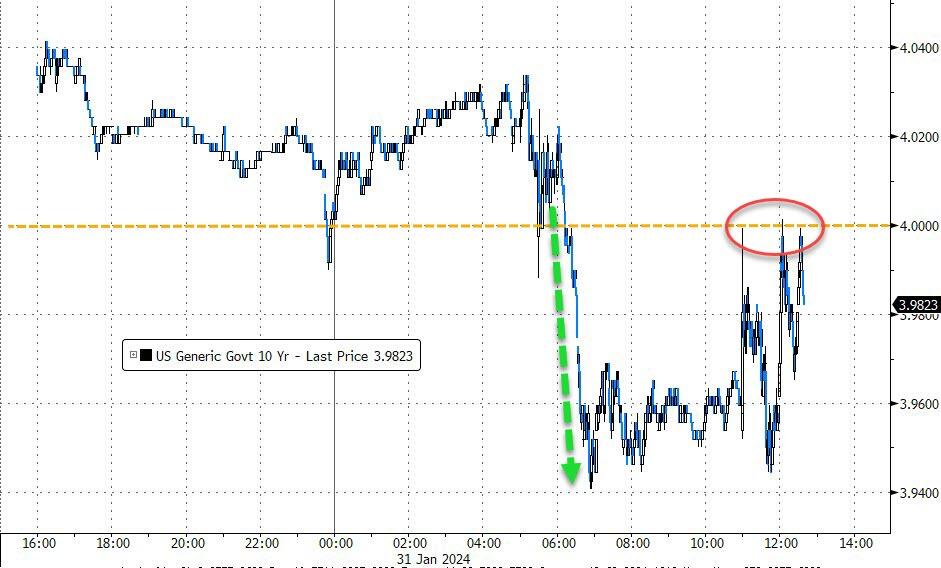
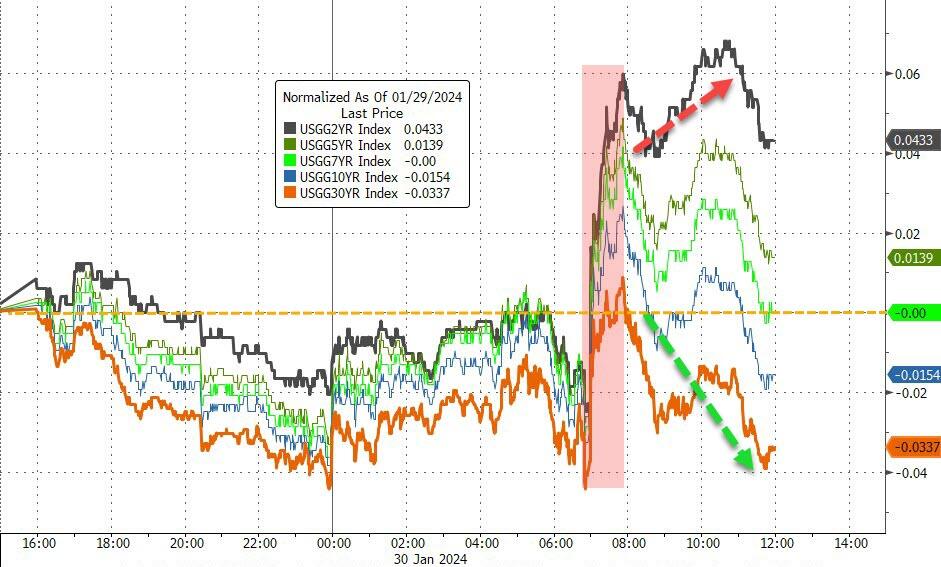
Bond yields fell, but the 10-year Treasury bounced back to 4% by the end of the day. The dollar and gold reversed their course and ended at the opposite ends of the spectrum. Oil prices also slid on weak data.
It was a crazy day on Wall Street, and with Powell’s hawkish tone on interest rates, I wonder if the bulls can keep their spirits up without a rate cut in March.
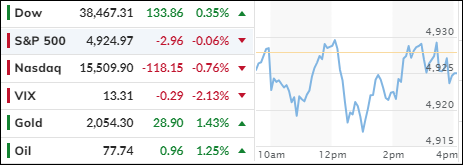
The market was in a holding pattern, as investors weighed the latest earnings reports and waited for the Fed’s policy decision.
Some stocks shone, while others fizzled. General Motors revved up 7% after beating earnings expectations. F5 and Sanmina also impressed investors with their strong financial results, gaining 2% and 27%, respectively. Whirlpool, on the other hand, plunged more than 5% after giving a disappointing outlook for the year. JetBlue also fell 5% despite reporting better-than-expected earnings.
The spotlight was on the tech giants, which are set to report their quarterly numbers this week. Microsoft and Alphabet were up first, followed by Amazon, Meta, and Apple. These companies, dubbed the “Magnificent 7,” have been driving the market higher with their massive growth.
The Fed kicked off its two-day meeting today, with most traders expecting no change in interest rates. The odds of a rate hike are only 3%, according to the futures market.
The bond market was mixed, as higher job openings boosted yields, but the 10-year Treasury slipped below its break-even point. The MAG7 stocks also gave up some of their gains ahead of Apple’s earnings announcement this afternoon.
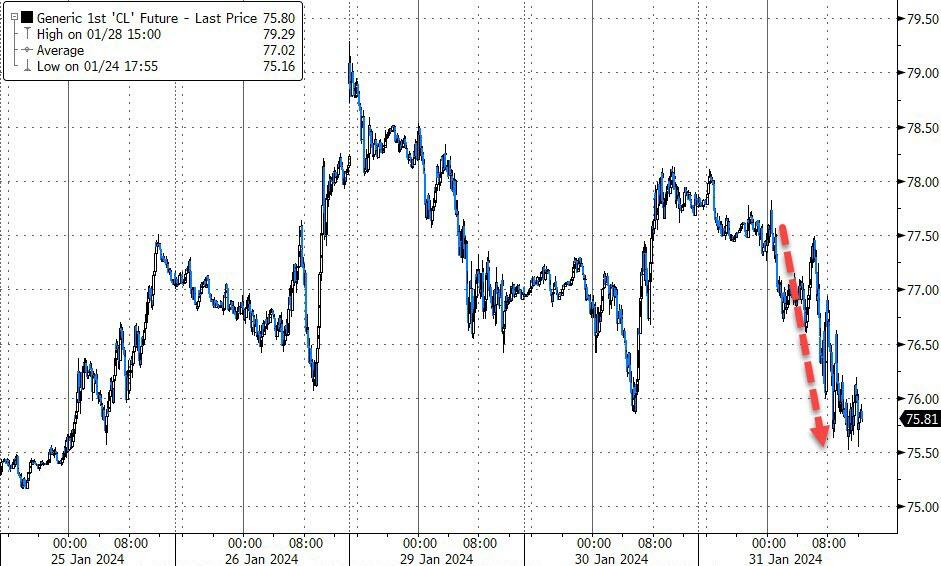
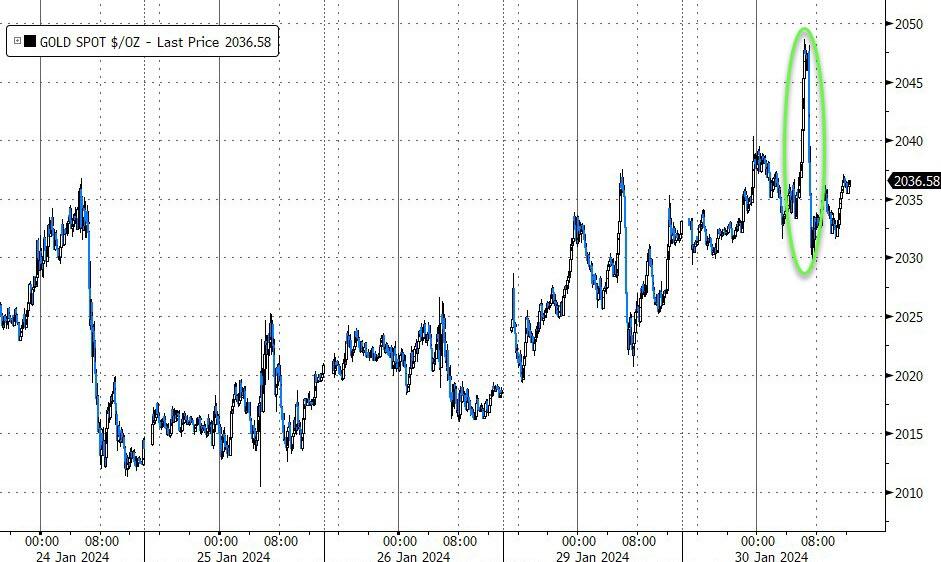
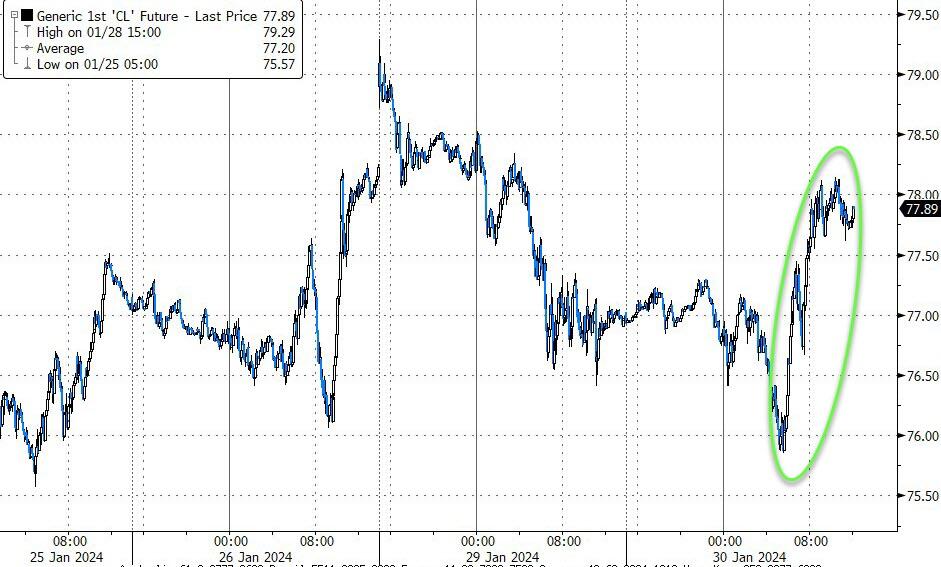
The dollar edged lower, gold spiked and then retreated, and oil bounced back towards $78 a barrel.
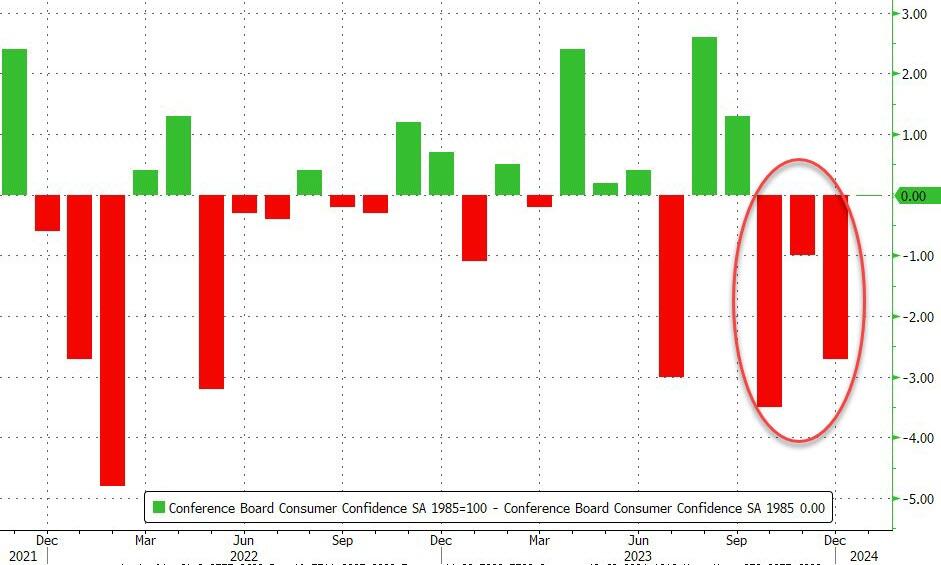
In a hilarious twist, ZeroHedge reported that the Consumer Confidence data was revised down for the third month in a row.
This raised the same question as last month:
How do you lower consumer confidence after the fact? Do you call them back and say, “Are you sure you were feeling that good?”