
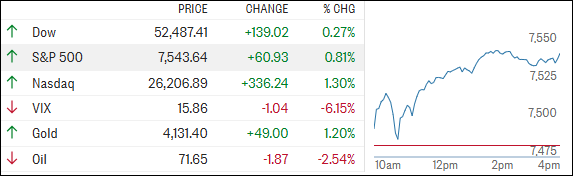
[Chart courtesy of MarketWatch.com]
- Moving the market
Stocks moved higher right out of the gate, led by strength in semiconductor shares and aided by a pullback in oil prices, as traders looked past renewed tensions between the U.S. and Iran and focused on the broader market outlook.
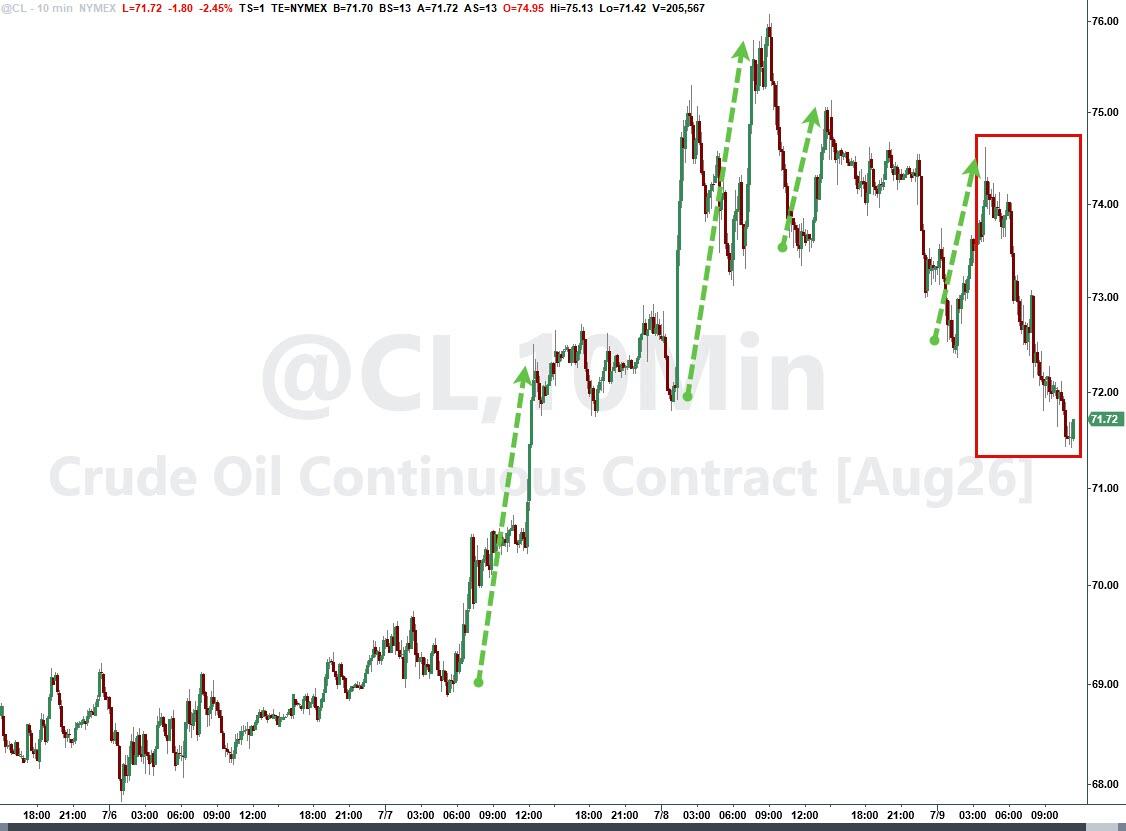
According to U.S. Central Command, the U.S. conducted a second consecutive day of strikes against Iranian targets. The latest military action followed Tehran’s attacks on commercial shipping in and around the Strait of Hormuz, a key global trade route where traffic has already been disrupted.
Despite the escalating conflict, crude oil prices moved lower after President Trump indicated that Iran had reached out to negotiate a deal.
That marked a sharp shift in tone from recent comments, which included suggestions that negotiations may no longer be worthwhile and that the previous ceasefire arrangement between Washington and Tehran was effectively over following another round of attacks in the region.
For now, hopes for a quick return to normal export flows through the Persian Gulf appear increasingly uncertain. As a result, geopolitical risks remain elevated and could spark bouts of risk-off trading if tensions continue to escalate.
That said, the market’s attention remains firmly on earnings season and the ongoing AI-driven growth story.
Many traders believe those two factors could continue providing enough fuel to push equities higher, even in the face of geopolitical uncertainty.
Meanwhile, falling bond yields helped support stocks, while a weaker dollar boosted precious metals. Gold rebounded above $4,100, and bitcoin also caught a bid, climbing back toward the $63,000 level.
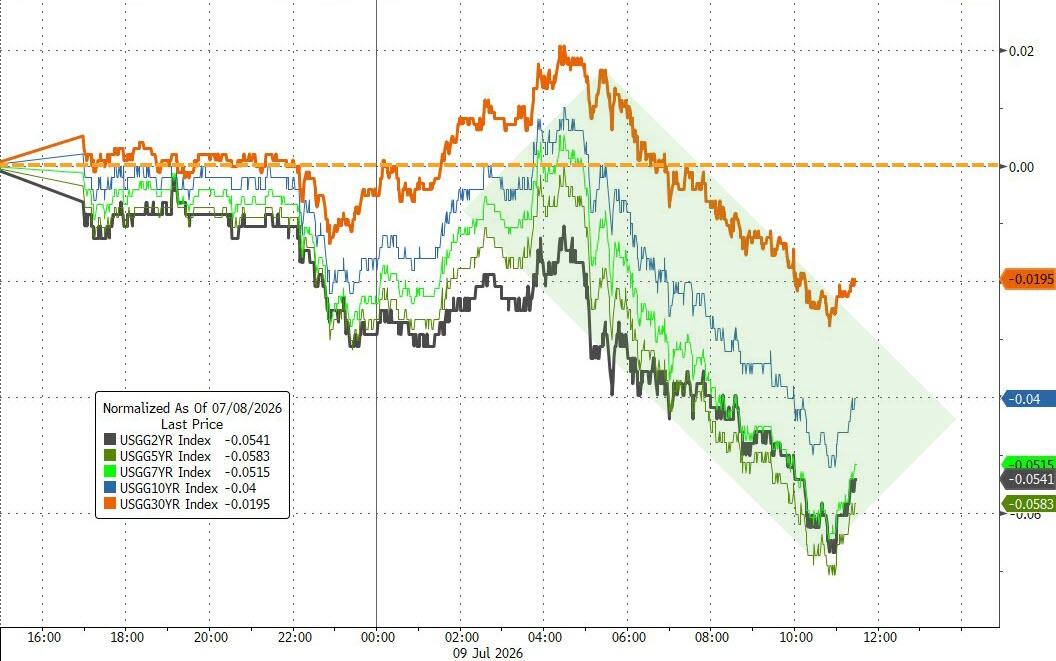
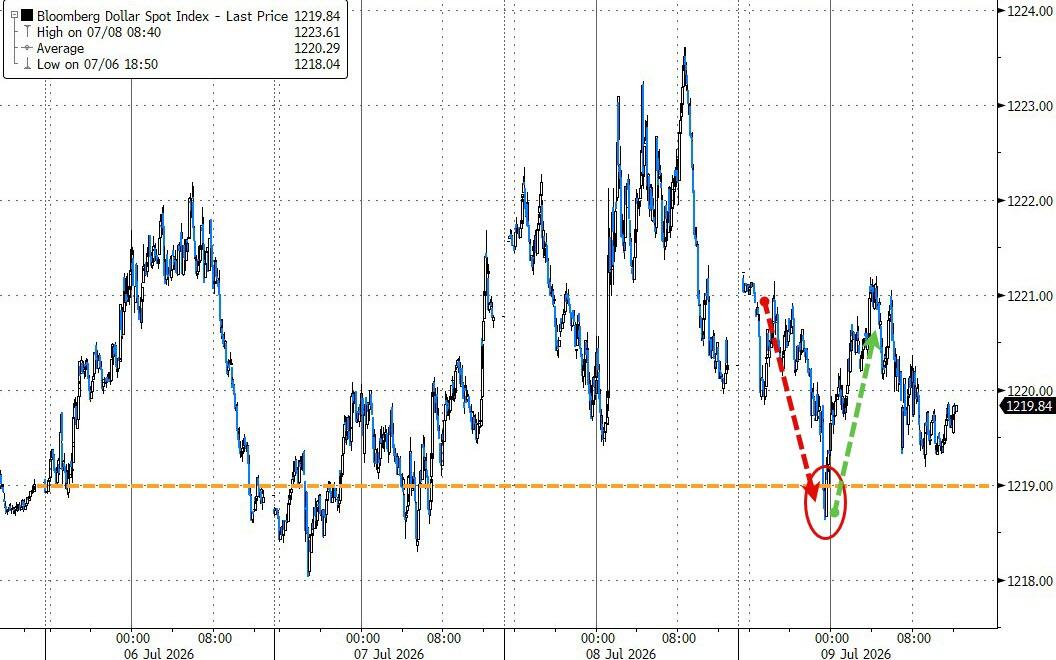
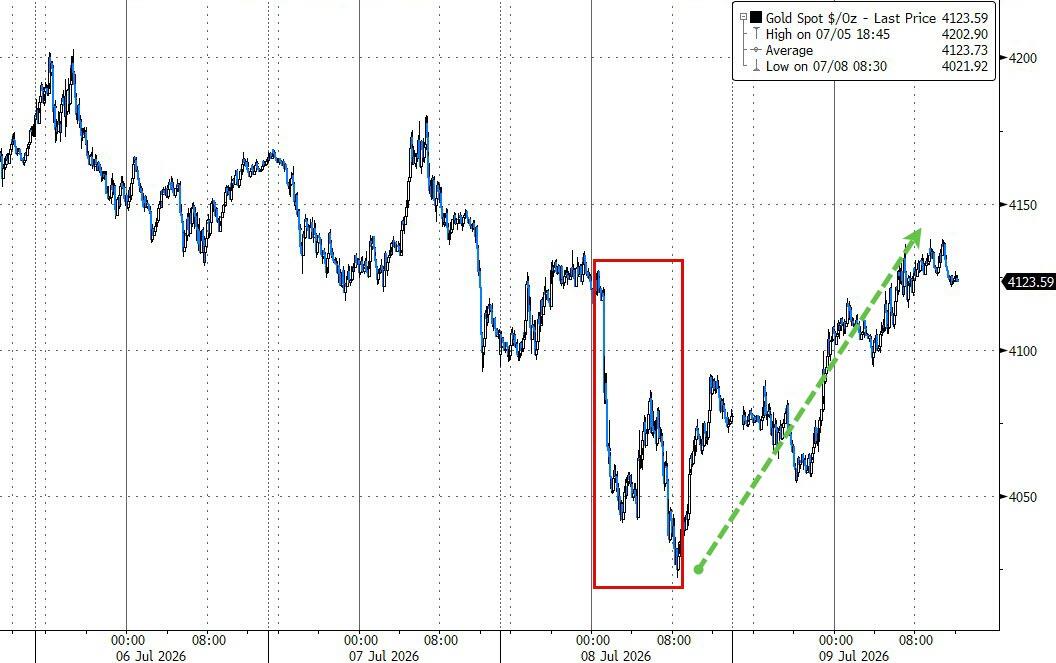
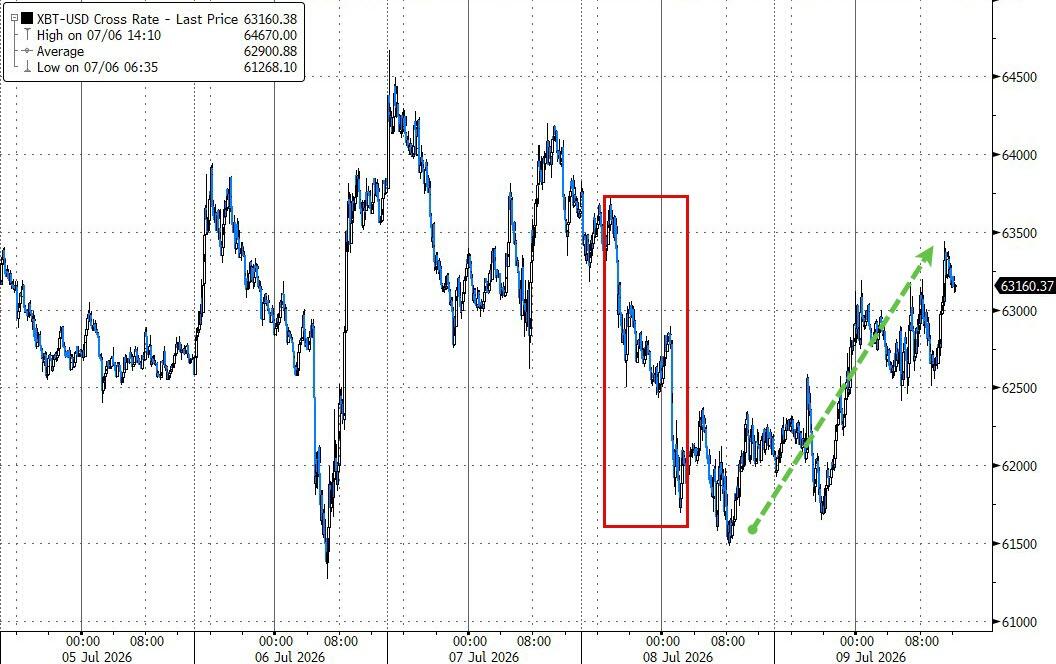
With investors seemingly shrugging off the latest military strikes and oil prices moving lower instead of higher, are the bulls showing remarkable resilience—or is the market becoming a little too comfortable with rising geopolitical risks?
2. Current domestic “Buy” Cycle (effective 5/20/2025); International “Buy” Cycle (effective 5/8/25)
Our domestic bullish cycle that began on November 21, 2023, concluded on April 3, 2025, following a market downturn triggered by President Trump’s tariff policy announcement.
This development caused significant declines across major indexes and broader market indices. However, markets subsequently rebounded, culminating in a new domestic “Buy” signal taking effect May 20, 2025.
Concurrently, our International Trend Tracking Index (TTI) experienced parallel volatility. On April 4, 2025, it breached critical thresholds, prompting a “Sell” recommendation. This position reversed as global markets recovered, with the International TTI regaining sufficient momentum to issue a new “Buy” signal effective May 8, 2025.
3. Trend Tracking Indexes (TTIs)
Bullish sentiment was in control throughout the session as the major indexes worked to shake off the weakness seen over the past few days.
Precious metals joined the rally, helped in part by declining bond yields, while bitcoin also gained ground.
Our TTIs moved higher as well, with the domestic indicator showing the stronger upside momentum of the two.
This is how we closed 07/09/2026:
Domestic TTI: +8.63% above its M/A (prior close +7.97%)—Buy signal effective 5/20/25.
International TTI: +6.71% above its M/A (prior close +6.41%)—Buy signal effective 5/8/25.
All linked charts above are courtesy of Bloomberg via ZeroHedge.
———————————————————-
WOULD YOU LIKE TO HAVE YOUR INVESTMENTS PROFESSIONALLY MANAGED?
Do you have the time to follow our investment plans yourself? If you are a busy professional who would like to have his portfolio managed using our methodology, please contact me directly to get more details.
Contact Ulli