Weekly StatSheet For The ETF Tracker Newsletter – Updated Through 06/26/2025

Ulli ETF StatSheet Contact

ETF Data updated through Thursday, June 26, 2025

How to use this StatSheet:

  1. Out of the 1,800+ ETFs out there, I only pick the ones that trade over $5 million per day (HV ETFs), so you don’t get stuck with a lemon that nobody wants to buy or sell.
  1. Trend Tracking Indexes (TTIs)

These are the main indicators that tell you when to buy or sell Domestic and International ETFs (section 1 and 2). They do that by comparing their position to their long-term M/A (Moving Average). If they cross above, and stay there, it’s a green light to buy. If they fall below, and keep going, it’s a red light to sell. And to make sure you don’t lose your shirt if things go south, I also use a 12% trailing stop loss on all positions in these categories.

  1. All other investment areas don’t have a TTI and should be traded based on the position of each ETF relative to its own trend line (%M/A). That’s why I call them “Selective Buy.” In other words, if an ETF goes above its own trend line, you can buy it. But don’t forget to use a trailing sell stop of 12%, or less if you’re feeling nervous.

If some of these words sound like Greek to you, please check out the Glossary of Terms and new subscriber information in section 9.

  1. DOMESTIC EQUITY ETFs: BUY— effective 5/20/2025

Click on chart to enlarge

This is our main compass, the Domestic Trend Tracking Index (TTI-green line in the above chart). It has broken above its long-term trend line (red) by +2.32% and remains in “Buy” mode, with our new holdings being subject to our trailing sell stops.

Read More

S&P 500 Eyes Record High—But Will The Rally Stick?

Ulli Market Commentary Contact

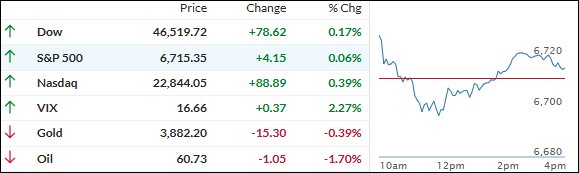
[Chart courtesy of MarketWatch.com]

  1. Moving the market

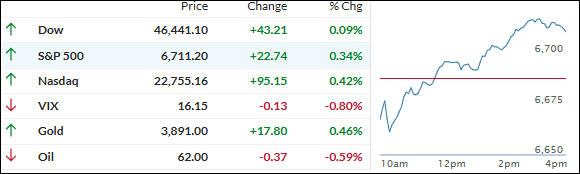
After a sluggish session yesterday, the markets finally found some upward momentum.

The S&P 500 is now eyeing its all-time high from earlier this year, having surged more than 20% since its April low. That rally has officially erased the losses for investors who held on through the bear market turbulence.

What’s fueling the optimism? Easing trade tensions are certainly helping, though not everyone’s convinced this rally has staying power.

Uncertainty still lingers around the impact of tariffs, the evolving situation in the Middle East, and the political wrangling over Trump’s “One Big Beautiful Bill Act,” which is facing mounting pressure.

On the bright side, today’s Initial Jobless Claims came in at 236,000—better than the 244,000 expected—suggesting the economy is still holding up, at least for now.

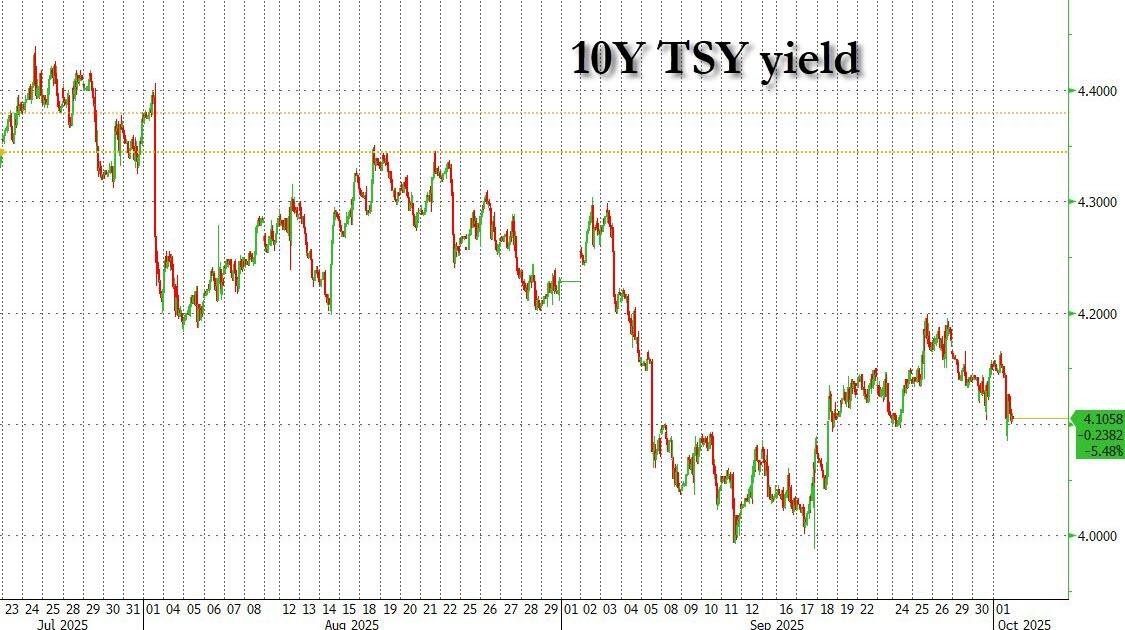
A short squeeze gave the indexes an extra boost, with mega-cap stocks hitting fresh highs. Falling bond yields added more fuel to the fire.

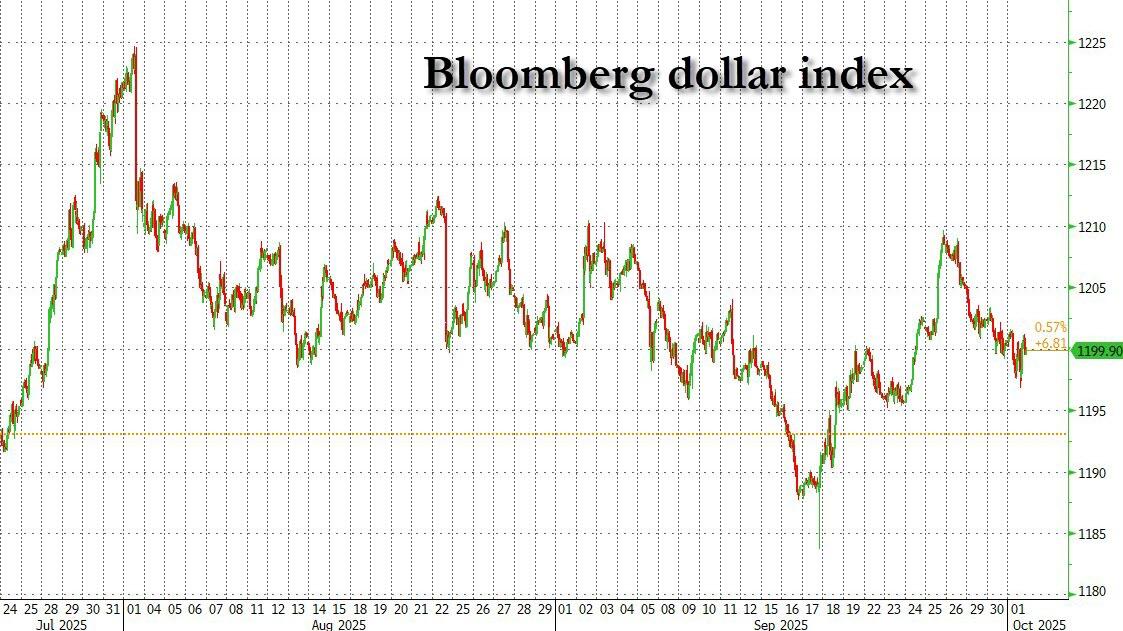
Meanwhile, the dollar slipped for the fourth straight day, hitting its lowest level since March 2022. That helped push commodity prices higher—Palladium led the charge, and our Copper position popped +2.8%.

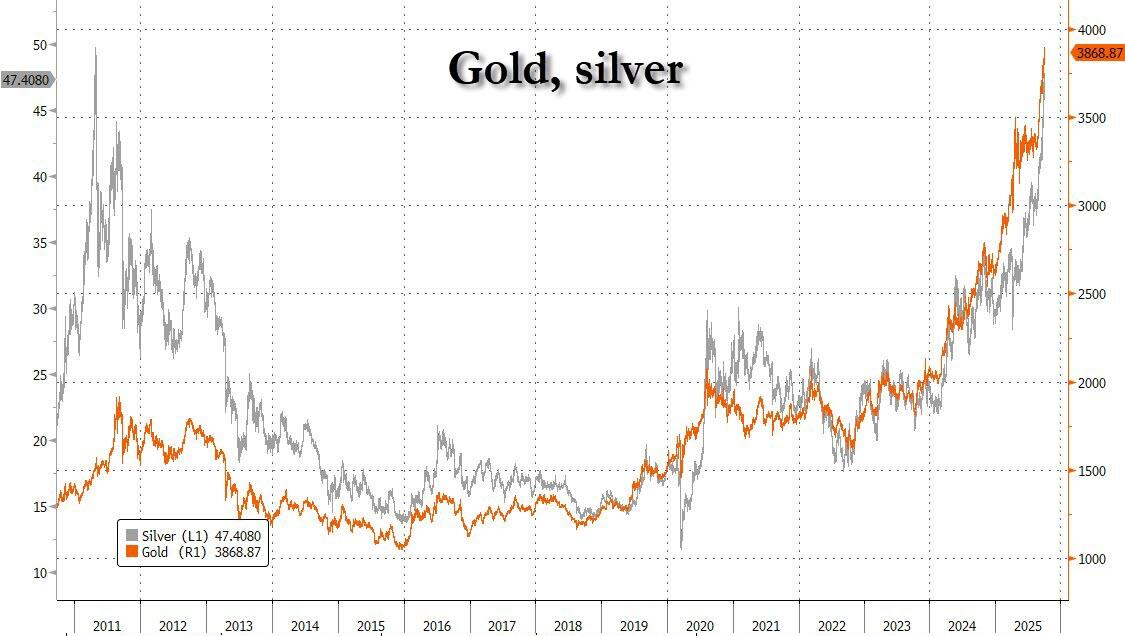
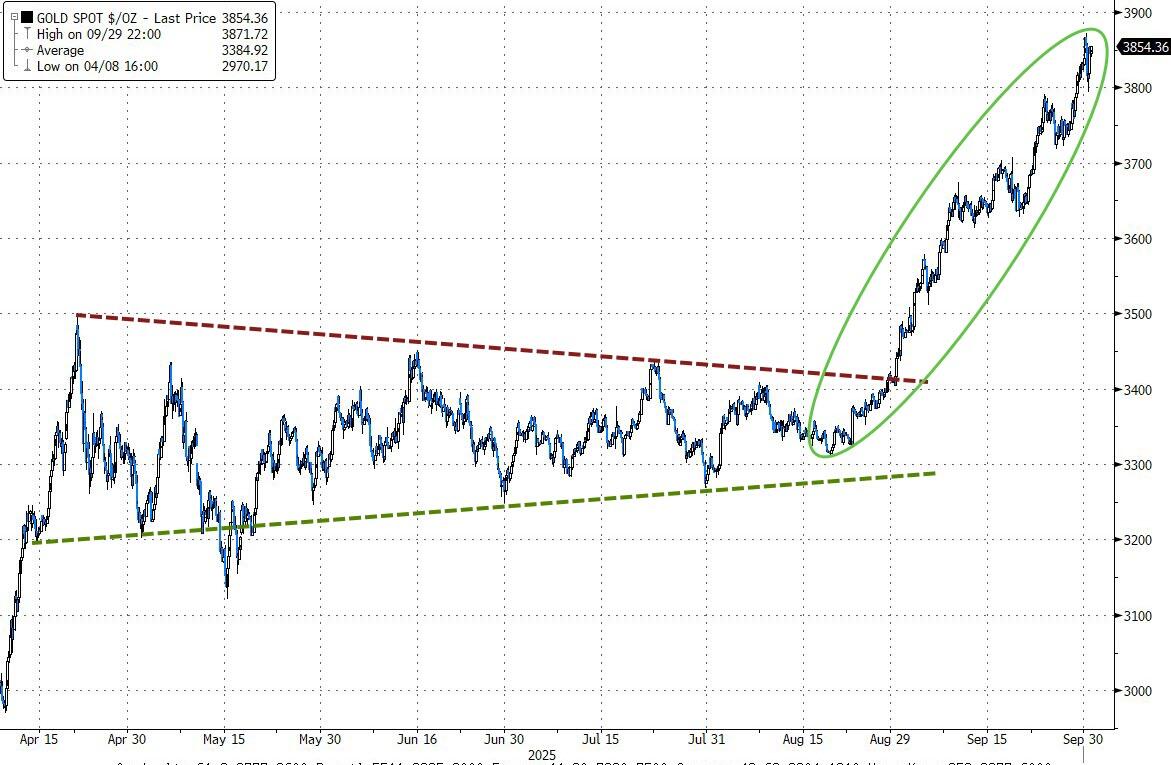
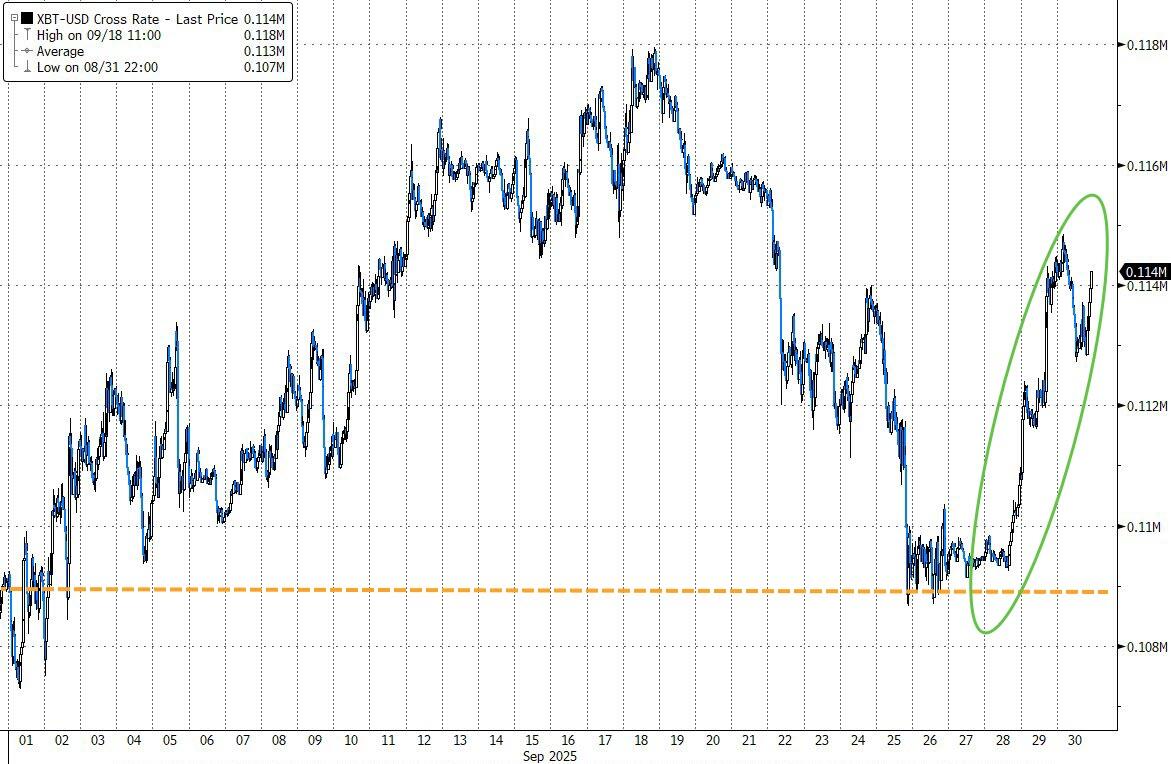
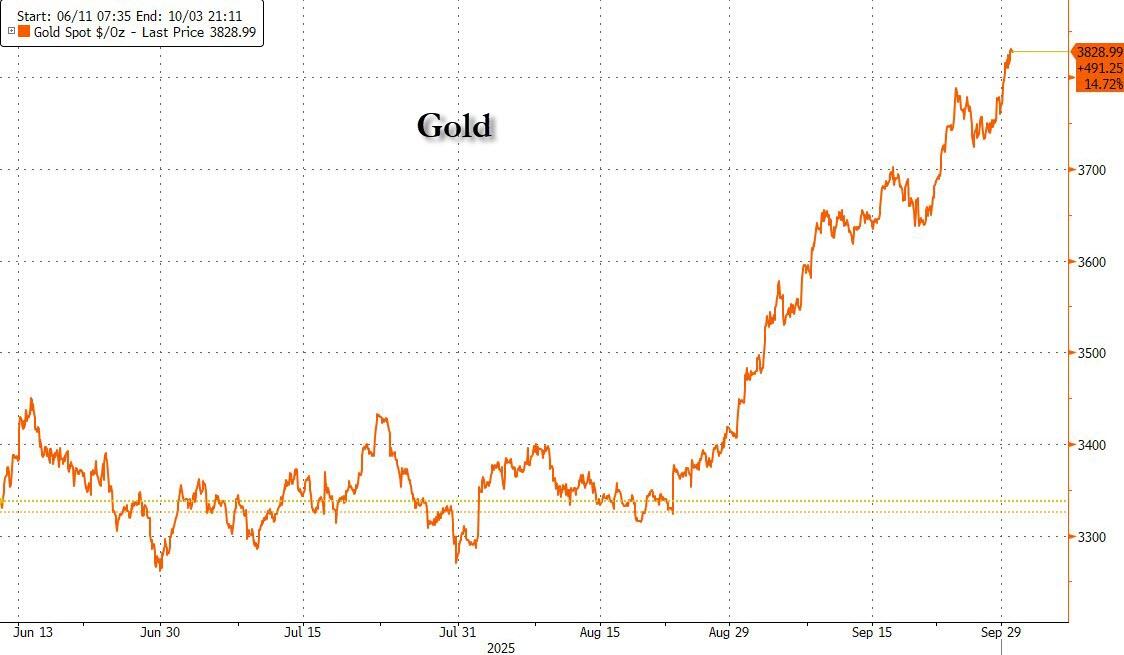
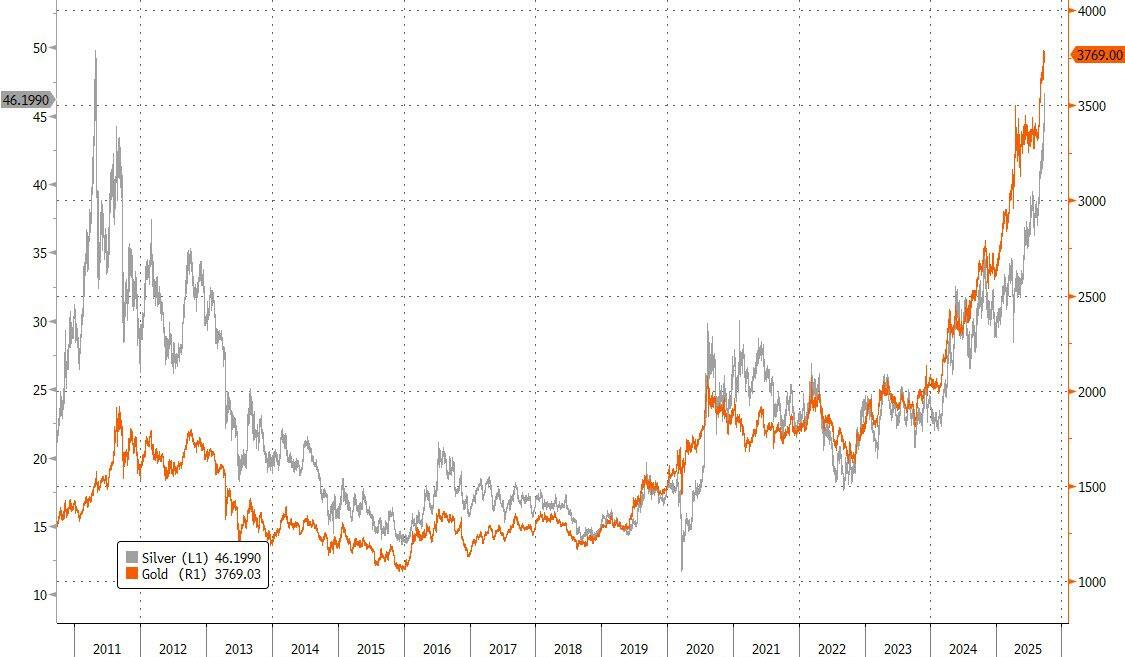
Gold held steady, Silver gained 1%, and Bitcoin hovered around $108K after briefly testing that level.

All in all, it was a strong day across the board. But with so many moving parts, the big question is: Can this rally keep going, or are we due for a reality check?

Read More

Bitcoin Bounces, Gold Shines, But Market Breadth Tells A Different Story

Ulli Market Commentary Contact

[Chart courtesy of MarketWatch.com]

  1. Moving the market

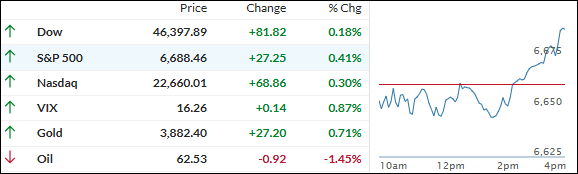
The S&P 500 and Nasdaq started the day on a positive note, with the S&P inching closer to its all-time high. The Dow, however, lagged.

Tech stocks helped lift the mood early on—Nvidia jumped over 3%, with Alphabet and AMD also posting solid gains.

So far this week, the S&P is up more than 2%, thanks in part to a surprisingly mild response from Iran following U.S. strikes, and a ceasefire announcement from President Trump. For now, tensions seem to be cooling, and the truce appears to be holding.

On the economic side, New Home Sales came in at their slowest pace since June 2022. All eyes are now on Fed Chair Powell’s upcoming testimony before the Senate Banking Committee, as traders look for any hints about a potential rate cut.

Despite the early optimism, markets reversed course midday. The Dow slipped into the red, the S&P flattened out, and only the Nasdaq managed to hold onto a small gain. Market breadth was weak—only 130 S&P stocks rose, while 370 fell.

Bond yields dropped, the dollar took a hit and ended the day at its weakest level against major currencies since April 2022, according to ZeroHedge.

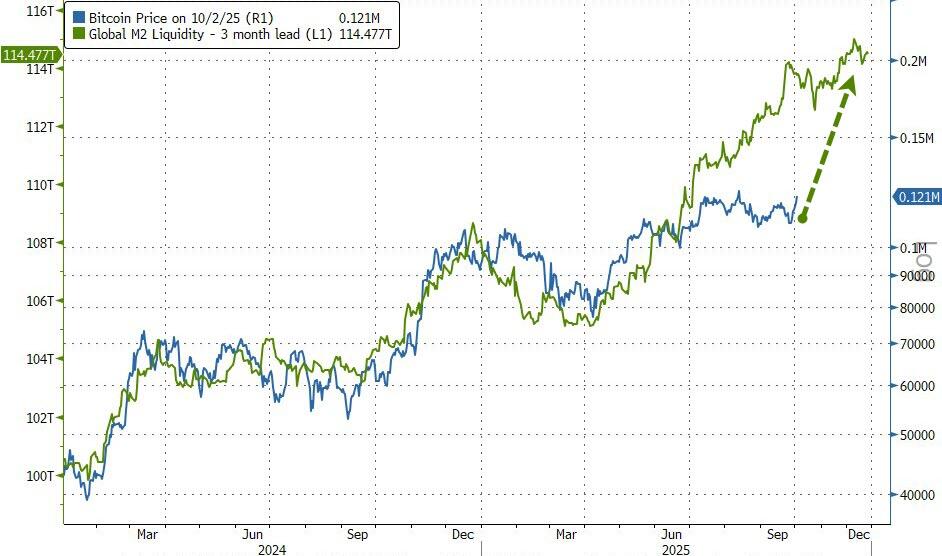
On the bright side, gold continued its rebound off the $3,300-mark, silver added 1.2%, and Bitcoin climbed from below $100K to $108K, riding the wave of global liquidity.

Crypto seems to be moving in sync with broader liquidity trends—but the big question is: Will it stay on this path, or is another twist coming?

Read More

Ceasefire Cheers Wall Street, But Powell Plays It Cool

Ulli Market Commentary Contact

[Chart courtesy of MarketWatch.com]

  1. Moving the market

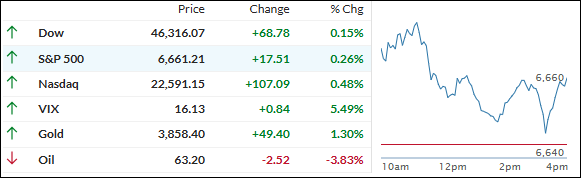
Wall Street kicked off the day on a high note, thanks to tumbling oil prices and cautious optimism that the fragile ceasefire between Israel and Iran might actually stick.

Crude dropped another 5% after yesterday’s 7% plunge, giving airline stocks a much-needed lift and setting a positive tone across the board.

It was a classic “risk-on” day, with tech and Bitcoin leading the charge—Bitcoin even spiked past $106K intraday. The Nasdaq 100 hit a new closing high, and volatility took a dive as geopolitical fears eased.

But not everything was sunshine and rainbows. Fed Chair Jerome Powell, testifying before Congress, made it clear the Fed isn’t rushing to cut rates.

He’s waiting to see how Trump’s tariffs shake out. That didn’t sit well with some lawmakers, who grilled him on why he’s holding back—especially since economic data is looking softer than a marshmallow right now.

Bond yields dipped, the dollar slid, and gold bounced off the $3,300 mark. Meanwhile, Wall Street is starting to hope that the recent geopolitical shocks won’t derail the broader market narrative.

So, here’s the big question: 

If the data is this weak and inflation was higher last time Powell cut rates—what’s he waiting for now?

Read More

Oil Drops, Stocks Pop: Traders Brush Off Geopolitical Risks

Ulli Market Commentary Contact

[Chart courtesy of MarketWatch.com]

  1. Moving the market

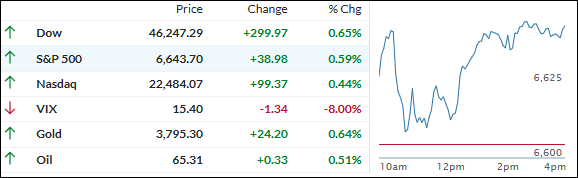
Despite the U.S. stepping into the Israel-Iran conflict over the weekend and bombing three nuclear sites, Wall Street opened higher and kept its cool.

Traders were caught off guard by the strikes, especially after Trump’s Friday comments suggested a diplomatic route was still on the table. But with oil prices dropping instead of spiking, the feared “oil shock” never showed up—giving stocks room to climb.

That said, the situation is far from settled. The potential for retaliation is real, and even talk of closing the Strait of Hormuz hasn’t rattled markets—yet.

Midday, the early optimism faded, and the indexes briefly dipped into the red. But the pullback didn’t last. Stocks rebounded sharply, even after Iran launched strikes on U.S. bases in Iraq and Qatar. Traders largely brushed it off as political theater, and the market surged into the close.

Crude oil plunged more than 13% from its morning highs, echoing Wall Street’s “let it go” attitude. Tesla gave the Mag7 a boost with a strong move following the buzz around its Robotaxi launch.

Elsewhere, bond yields dropped early but recovered a bit by the close. The dollar started strong but reversed course, while gold held its gains. Bitcoin, after dipping below $100K over the weekend, bounced back to $103K.

With mixed signals from the Fed and global trade uncertainty still in the air, the market seems to be looking for a new catalyst. 

So, the big question is: What’s going to be the next spark to drive stocks toward new highs?

Read More

ETFs On The Cutline – Updated Through 06/20/2025

Ulli ETFs on the Cutline Contact

Do you want to know which ETFs are hot and which ones are not? Then you need my High-Volume ETF Cutline report. It tells you how close or far each of the 311 ETFs I follow is from its long-term trend line (39-week SMA). These are the ETFs that trade more than $5 million a day, so they are not some obscure funds that nobody cares about.

The report is split into two parts: The winners that are above their trend line (%M/A), and the losers that are below it. The yellow line is the line of shame that separates them. You can see how many ETFs are in each group and how they have changed since the last report (198 vs. 206 current).

Take a peek:

The HV ETF Master Cutline Report

If you are confused by some of the terms we use, don’t panic. I have a helpful Glossary of Terms for you.

If you want to learn more about the Cutline method and how it can make you rich (or at least less poor), read my original post here.