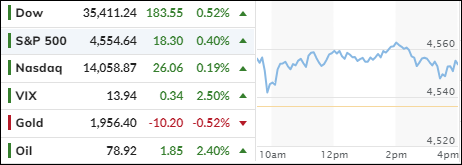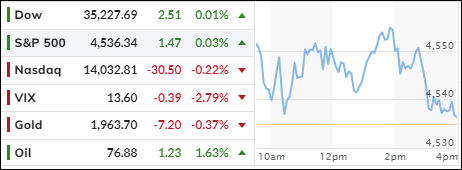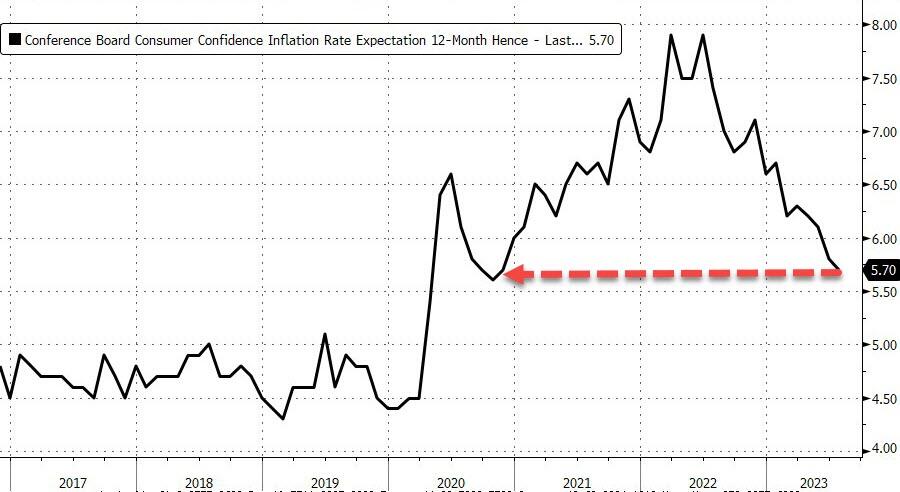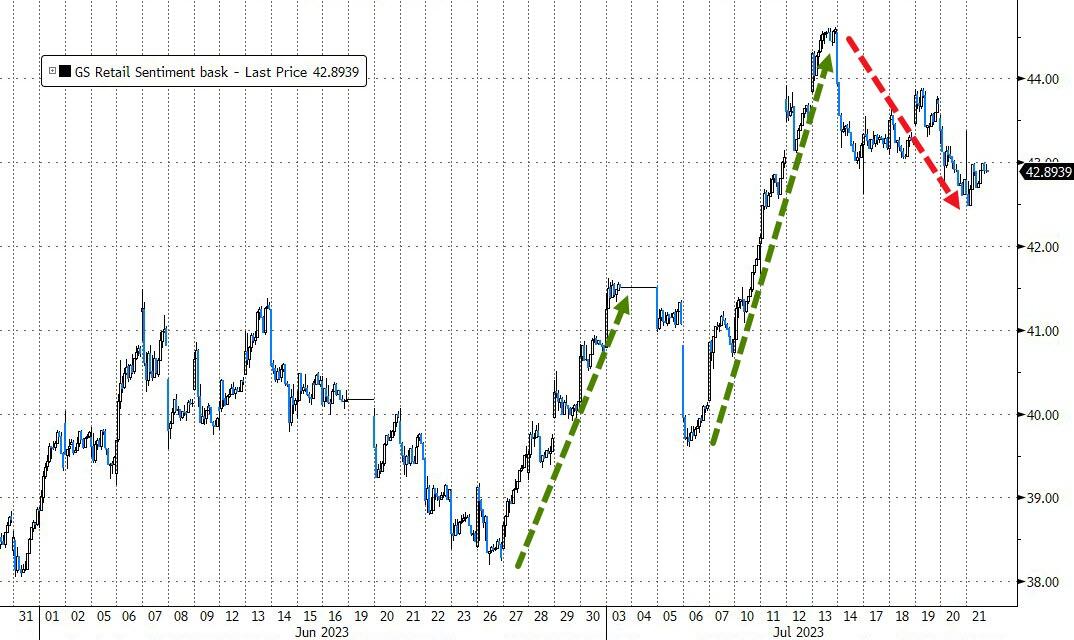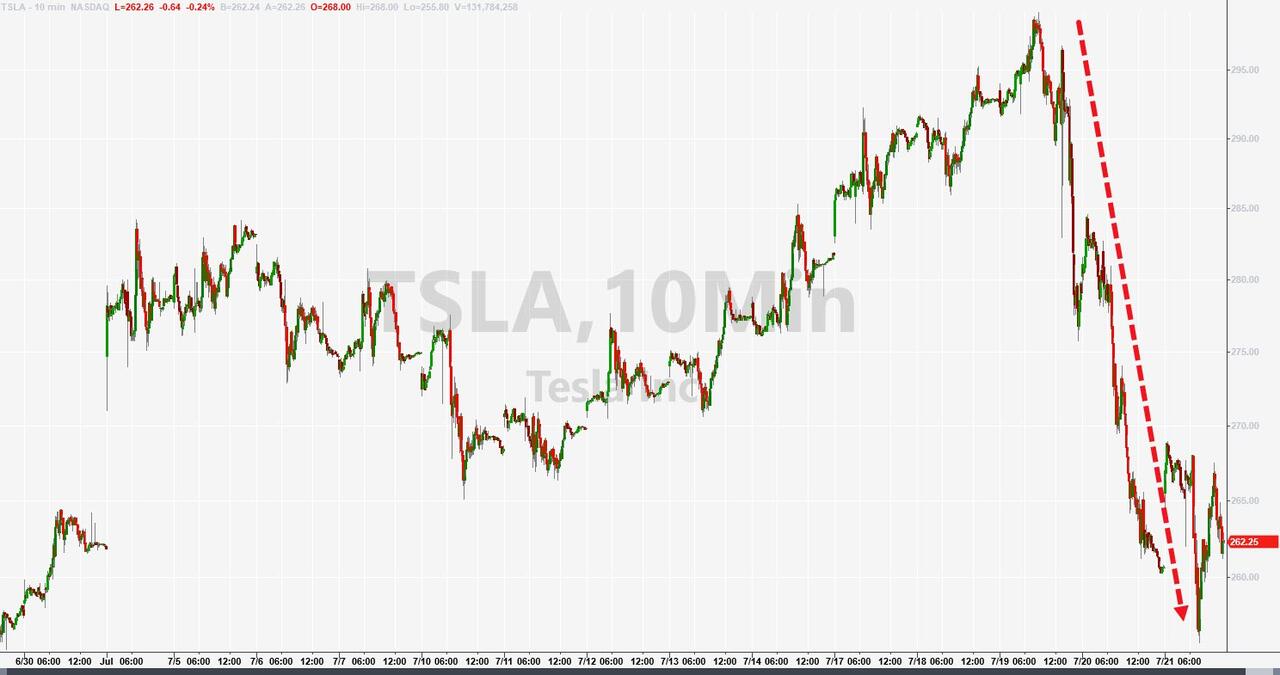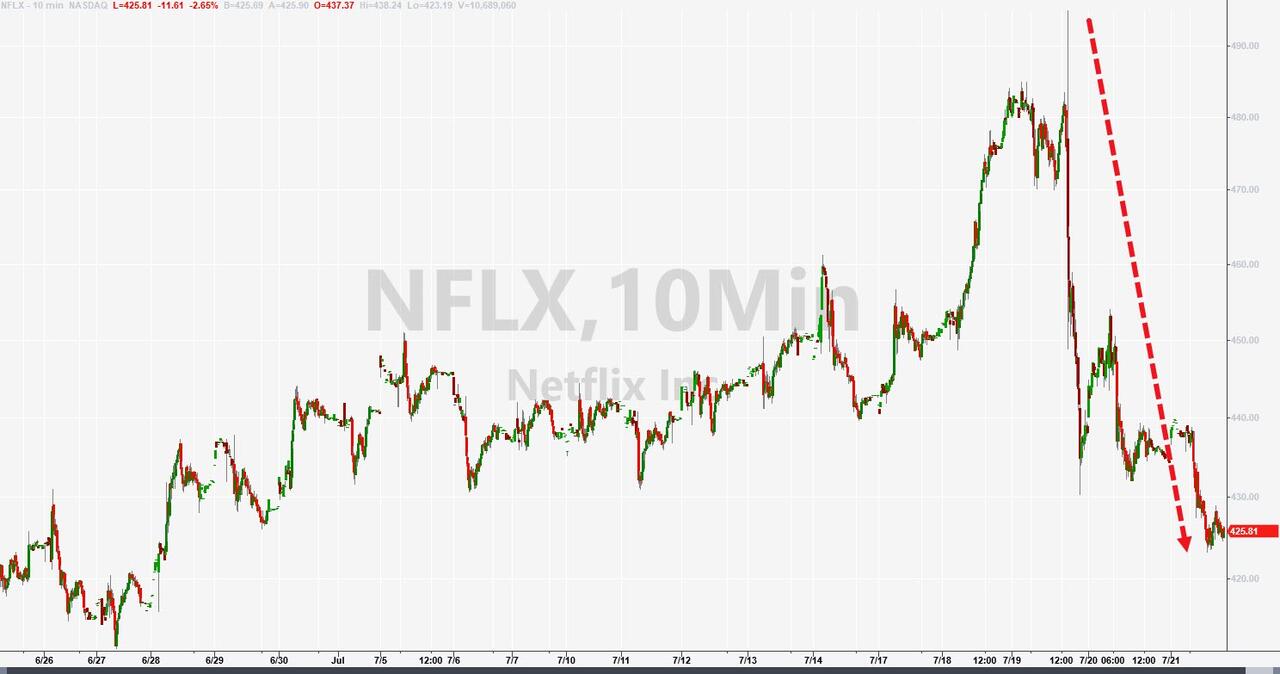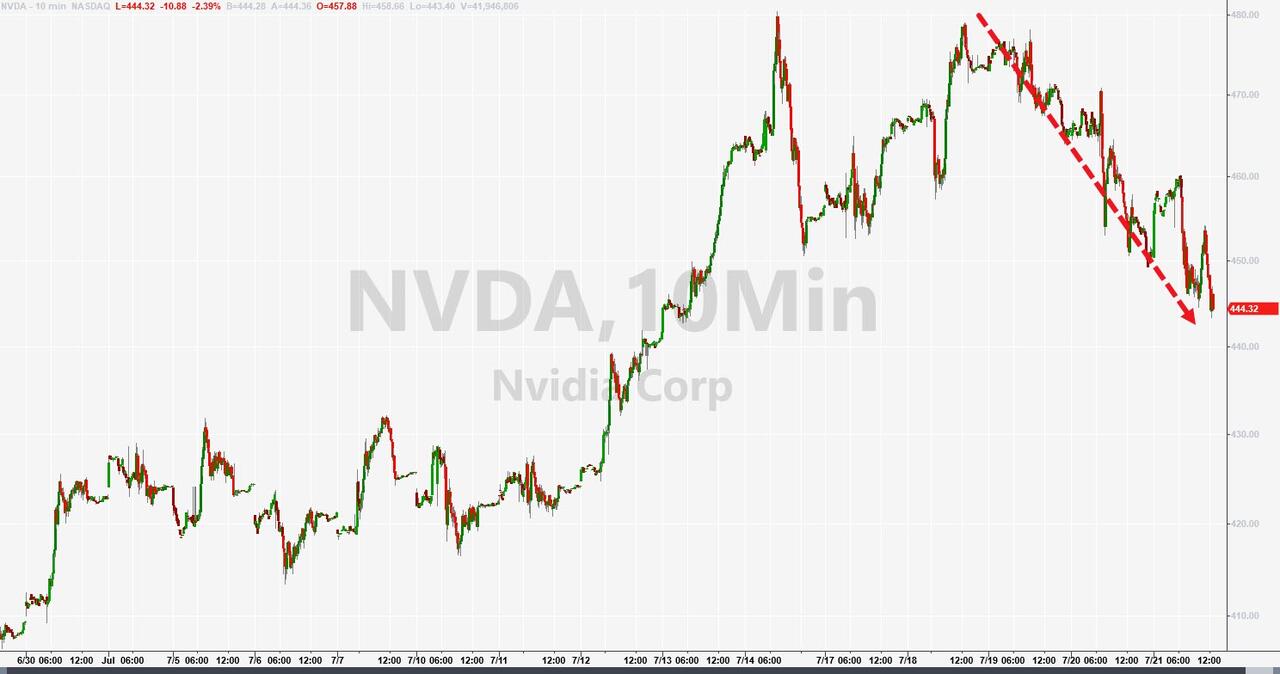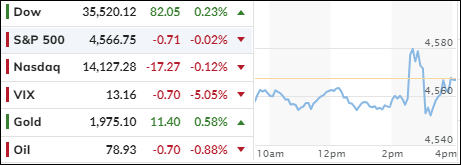
It was another session during which traders adopted a “wait and see” attitude, as they digested the latest earnings reports along with their potential economic consequences. The major indexes chopped around within a narrow range and ended essentially unchanged.
Even though the view that earnings have been resilient, given reduced expectations, some profit warnings apparently kept traders and algos subdued and not in the mood to press the “buy” buttons.
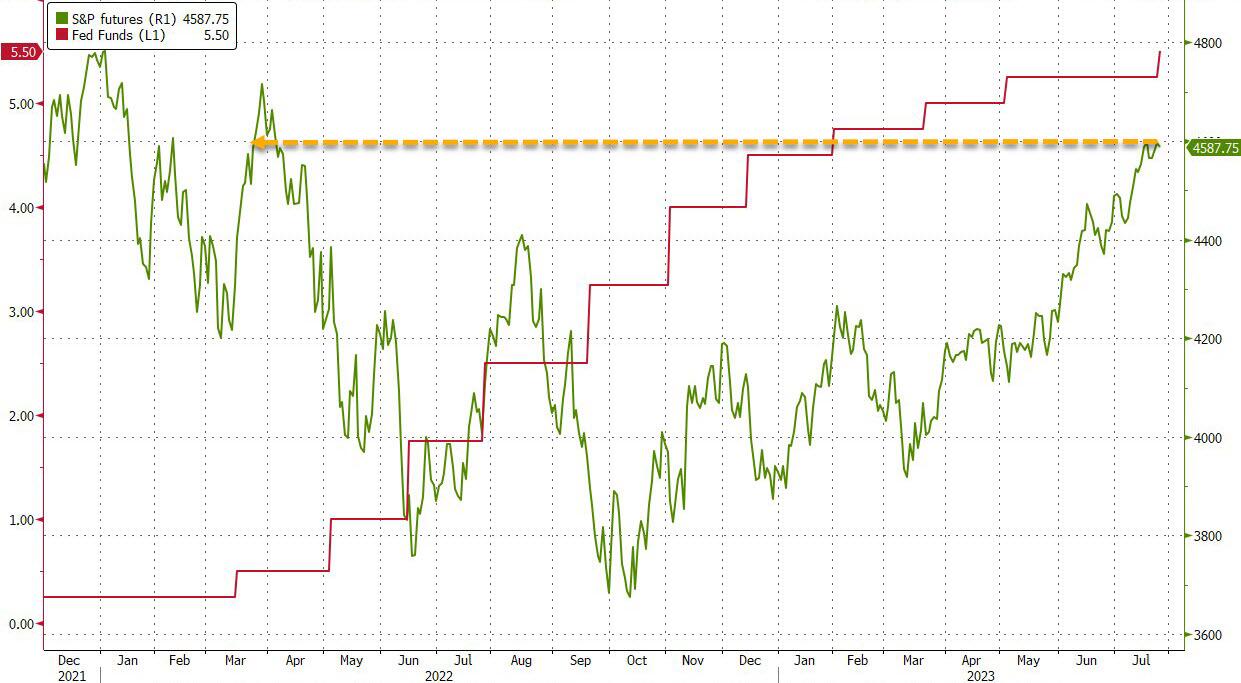
The theme remained that the battle continues, with more potential rate hikes on deck, while profits may top only a sharply reduced bar, which has created this current dilemma of uncertainty as to whether equities have hit a glass ceiling or have more room to run.
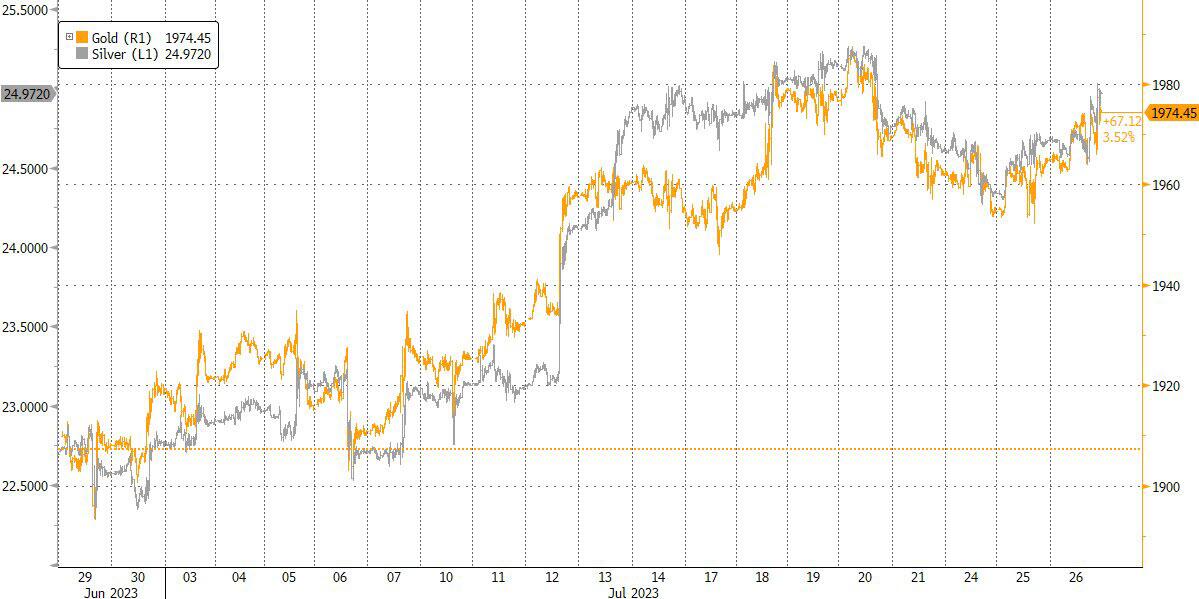
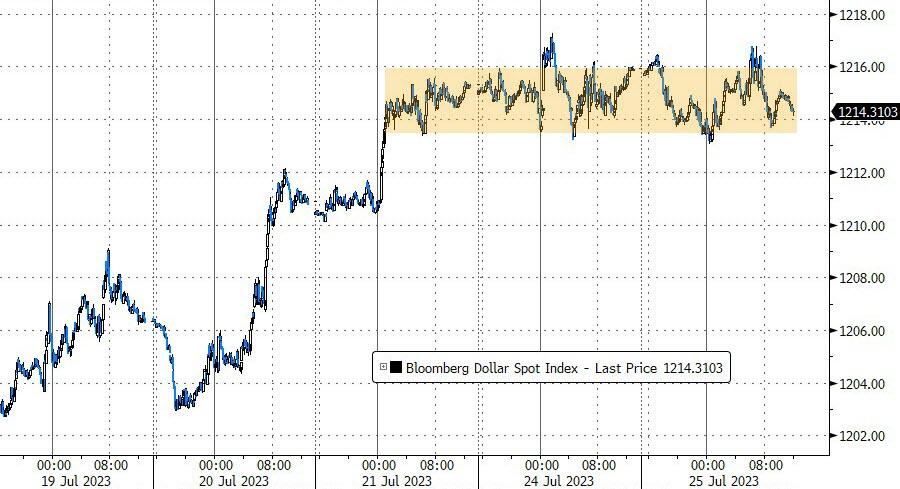
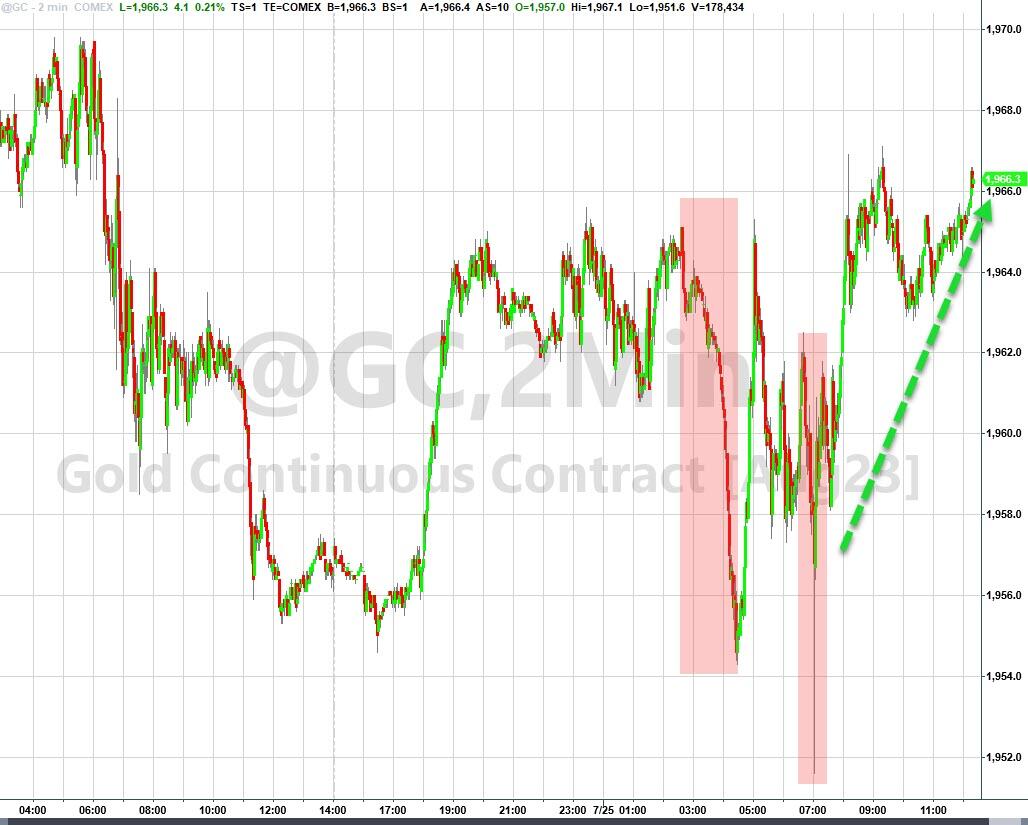
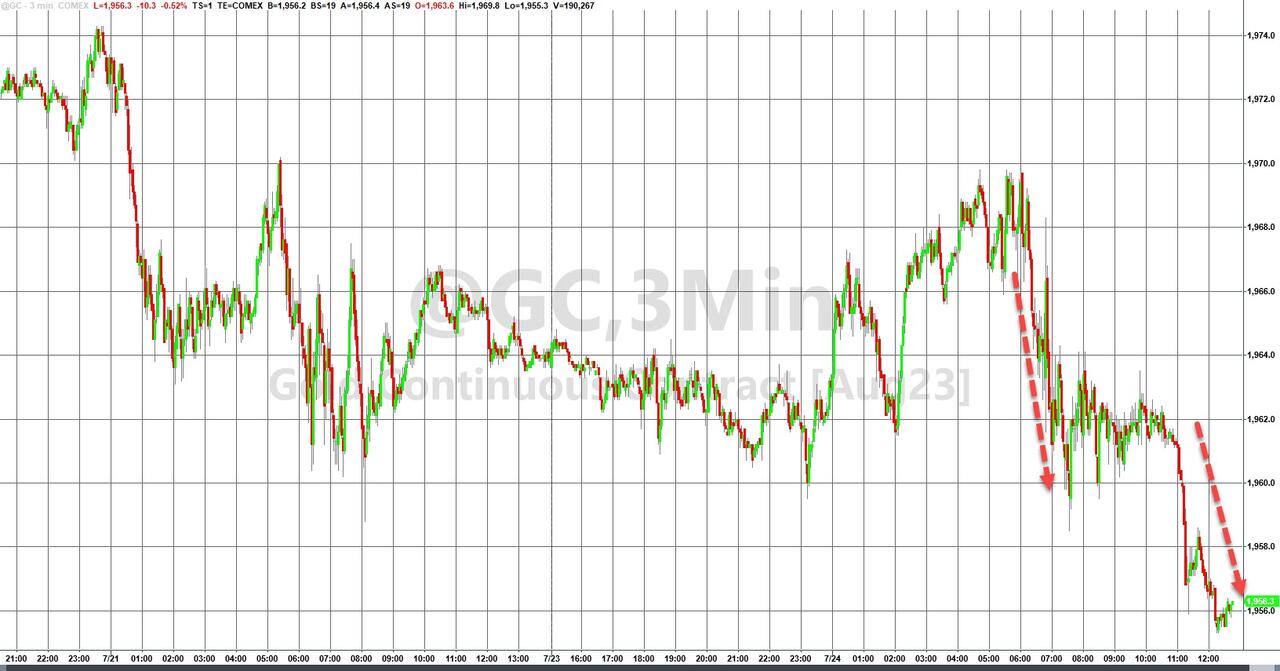
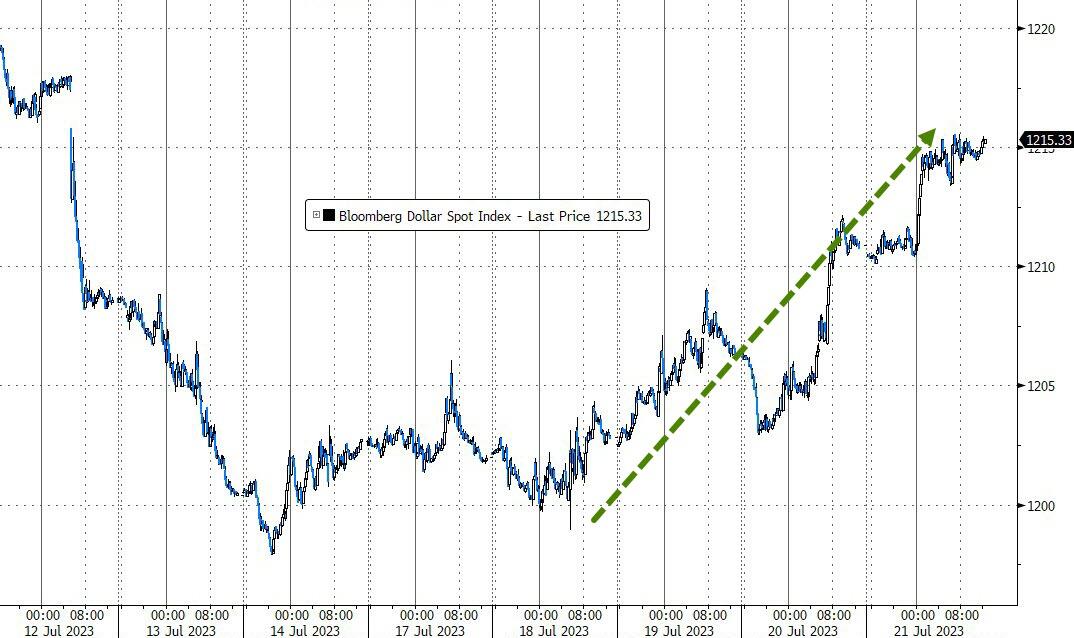
Bond yields were mixed, the US Dollar slipped off yesterday’s highs, but gold picked up momentum and added +0.53%.
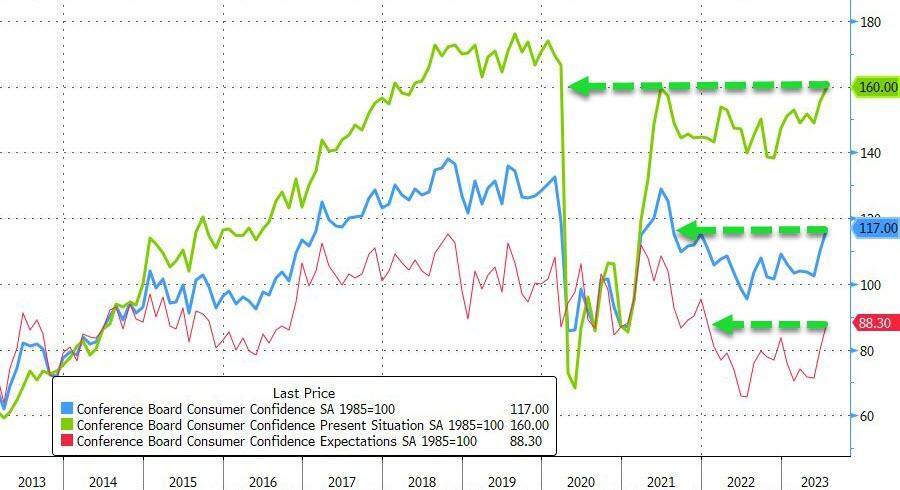
Recessionary signs are widely spread, and the NY Fed’s model appears to concur.
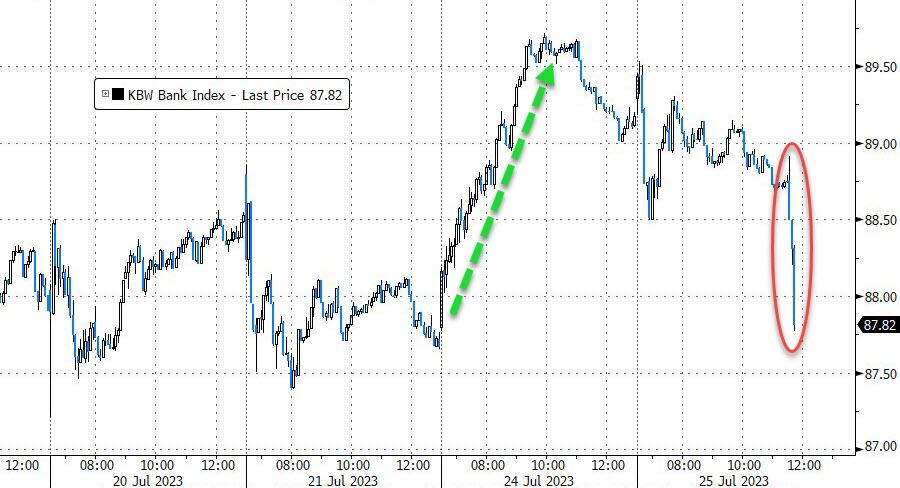
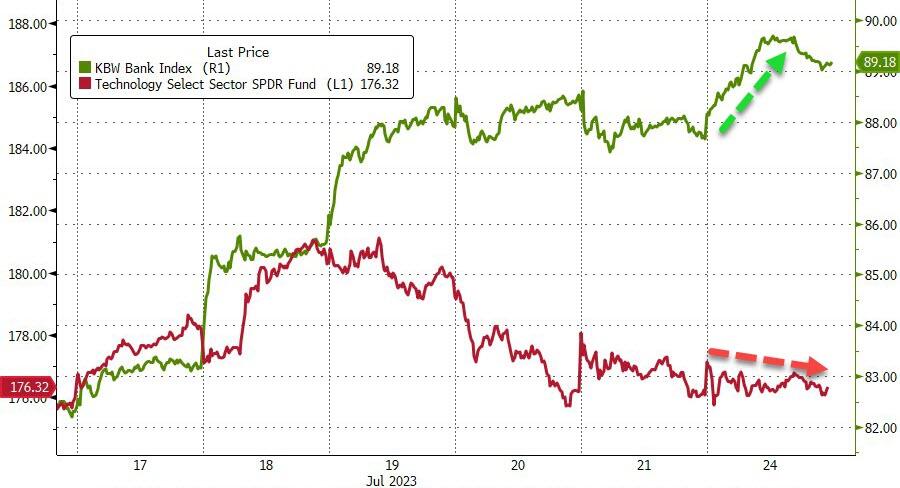
Traders spent most of the day examining the latest earnings results for clues to determine whether optimism via higher stock prices was warranted. The major indexes meandered aimlessly around their respective unchanged lines, predominantly below it, until a last hour squeeze play assured a moderately green close, but it pulled the KBW banking index out of a deep hole.
The endless tug-of war, between those who believe that the Fed will soon end its tightening campaign and others, who are convinced that the rate hike campaign will continue, remained in full force.
It came as no surprise that, in view of the recent and still ongoing banking crisis, traders so far mainly focused on the health of financial companies to have a front row seat when it comes to spotting unwelcome shockers. None of the latter surfaced today, which may have led to the last hour jump of optimism.
As I pointed out last week, if you set the bar low enough, you will get desirable results. That was the case today in that 90% of the names that reported during the first week topped EPS estimates. Go figure…
Bond yields rose, which helped the US Dollar gain 0.53%, but it hurt the precious metals with gold retreating 0.38% but holding on to its $2k level.
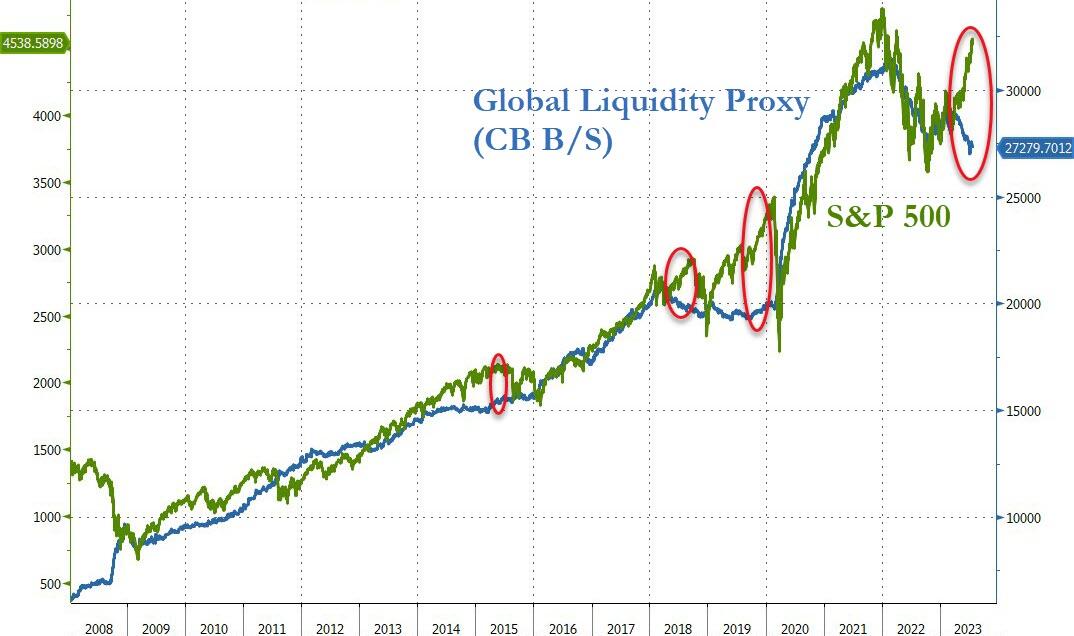
With more money printing on deck, it’s just a matter of time until precious metals will resume their ascent to higher prices.
Below, you can evaluate the latest High-Volume ETF Cutline report, which shows how far above or below their respective long-term trend lines (39-week SMA) my currently tracked ETFs are positioned.
This report covers the HV ETF Master List from Thursday’s StatSheet and includes 312 High Volume ETFs, defined as those with an average daily volume of more than $5 million, of which currently 222 (last report: 209) are hovering in bullish territory. The yellow line separates those ETFs that are positioned above their trend line (%M/A) from those that have dropped below it.
In case you are not familiar with some of the terminology used in the reports, please read the Glossary of Terms. If you missed the original post about the Cutline approach, you can read it here.
Yesterday’s better than expected PPI number pushed all markets solidly in the green, but today’s weak retail sales, in the face strong bank earnings, pulled all indexes lower with stocks, bonds, and precious metals participating in the slide.
On the positive, yesterday’s gains far outweighed today’s losses, so not much damage was done, and, for the week, the S&P 500 added some 2%.
Consumer spending, which contributes almost 70% to economic activity, fell twice as much as expected, as retail sales declined by 1% last month, which hugely exceeded forecasts of a 0.5% fall. Lower gas prices contributed, because consumers paid less for fuel, but that could reverse in a hurry.
Offsetting this reduction was a solid start with bank earnings, as powerhouse JP Morgan reported record revenue, which pushed its stock up some 7%. Even much beleaguered Wells Fargo reported growing profits, but its stock gave back the early advance. However, thanks to JPM, all major banks participated in today’s Lift-A-Thon.
Expectations for this earnings season are downbeat, with estimates forecasting a reduction of 5%. So, the bar will be set extremely low, and those companies which beat these much lower expectations will likely see their stock prices rise—at least that’s how the game is played.
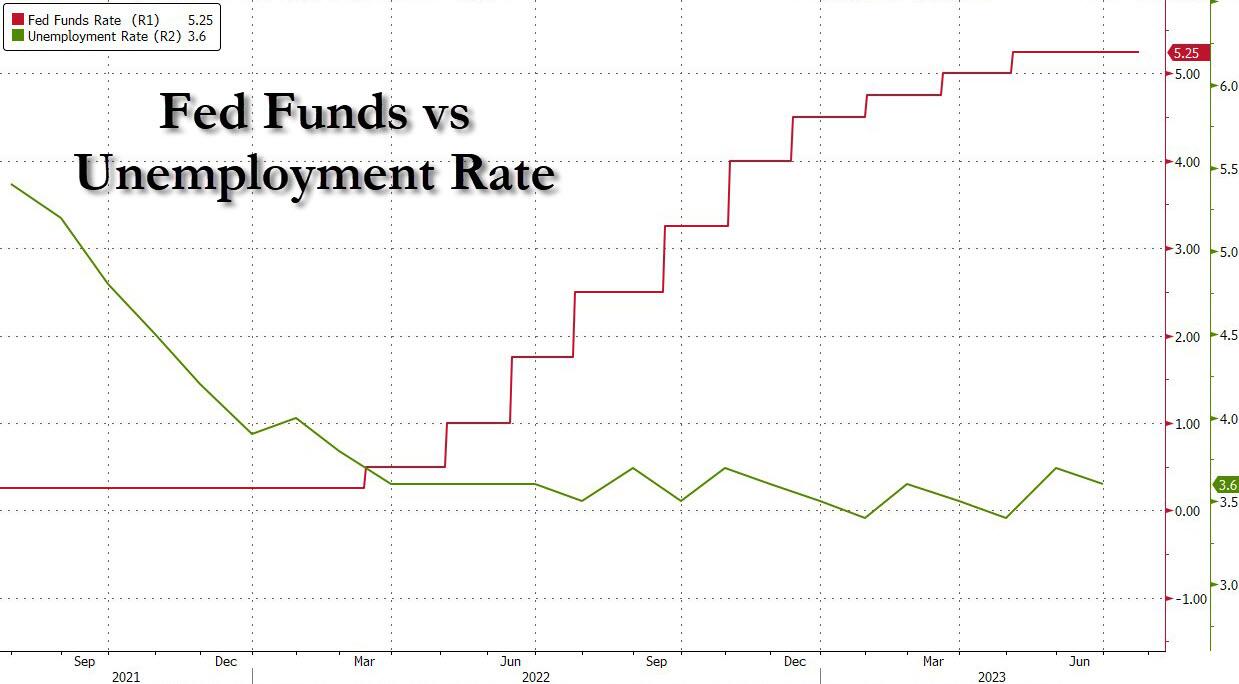
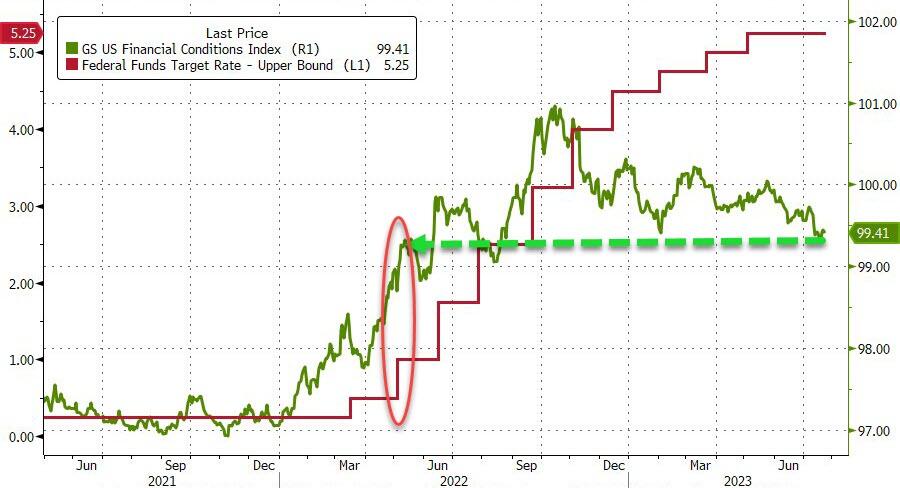
Fed governor Waller again hawkishly chimed in, as have many other Fed gov’s before, that he favored “more monetary policy tightening to reduce persistently high inflation,” although he said he was prepared to adjust his stance if needed if credit tightens more than expected.
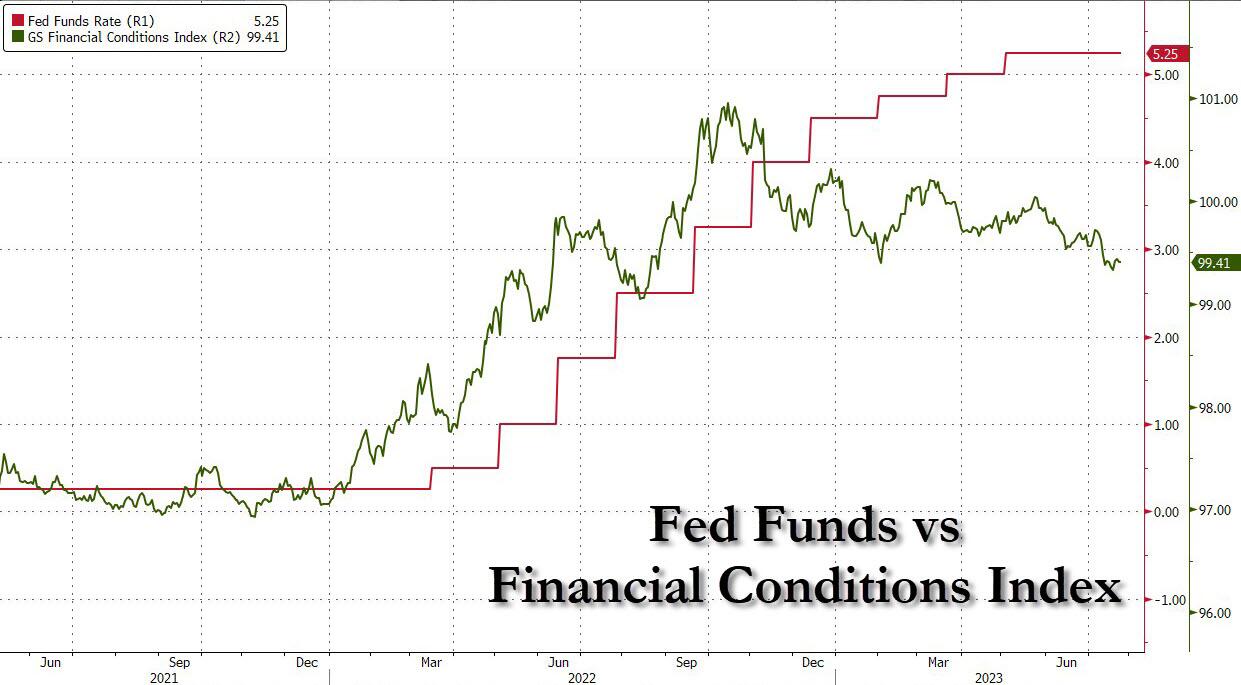
However, so far financial conditions are looser, so his view is correct, at least for the time being. Loose financial conditions are not what the Fed is looking for, which is why the odds of a 0.25% rate hike in May have now spiked from 70% to 85%, as this chart shows.
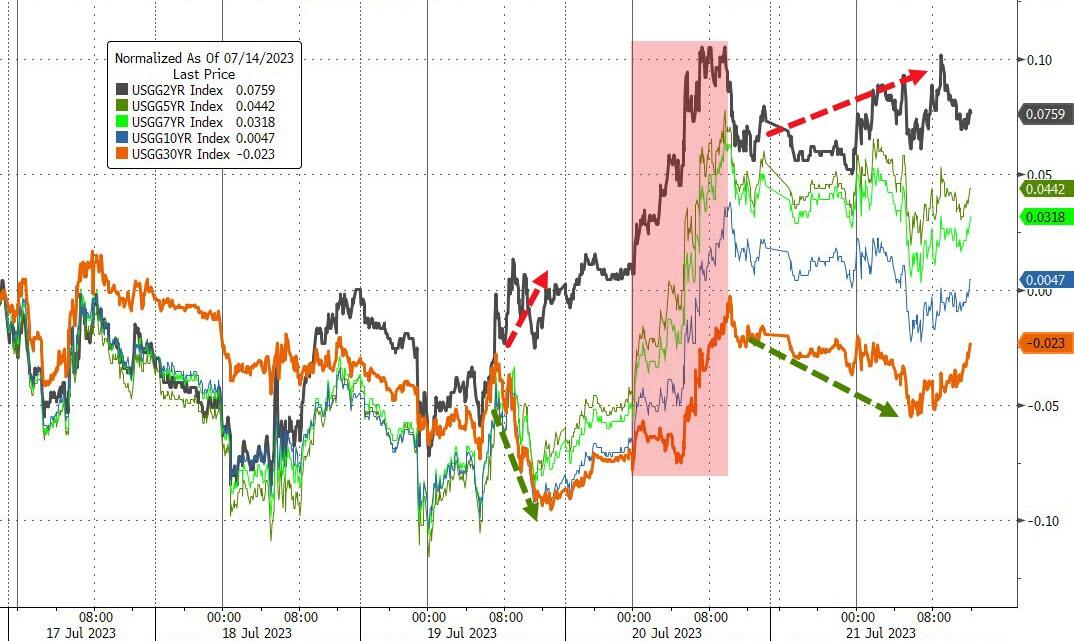
Bond yields rose today with the 2-year surging back above its 4% level, giving the US Dollar a reason to bounce back, but the greenback is still down for the 5th week in a row, as ZH pointed out.
Gold had a chest pounding week but pulled back as yields surged, yet the precious metal reversed during the last hour of trading to “save” its $2k level.
1. From the universe of over 1,800 ETFs, I have selected only those with a trading volume of over $5 million per day (HV ETFs), so that liquidity and a small bid/ask spread are assured.
2. Trend Tracking Indexes (TTIs)
Buy or Sell decisions for Domestic and International ETFs (section 1 and 2), are made based on the respective TTI and its position either above or below its long-term M/A (Moving Average). A crossing of the trend line from below accompanied by some staying power above constitutes a “Buy” signal. Conversely, a clear break below the line constitutes a “Sell” signal. Additionally, I use a 12% trailing stop loss on all positions in these categories to control downside risk.
3. All other investment arenas do not have a TTI and should be traded based on the position of the individual ETF relative to its own respective trend line (%M/A). That’s why those signals are referred to as a “Selective Buy.” In other words, if an ETF crosses its own trendline to the upside, a “Buy” signal is generated. Here too, I recommend trailing sell stop of 12%, or less, depending on your risk tolerance.
If you are unfamiliar with some of the terminology, please see Glossary of Termsand new subscriber information in section 9.
1. DOMESTIC EQUITY ETFs: BUY — since 12/01/2022
Click on chart to enlarge
Our main directional indicator, the Domestic Trend Tracking Index (TTI-green line in the above chart) has reclaimed its long-term trend line (red) by +2.75% and remains in “Buy” mode for the time being.
Despite the CPI turning out a bit “cooler” than expected, with the headline number printing +0.1% MoM and +5.0% YoY vs. 5.1% anticipated—and down from 6% YoY prior—the reaction was lukewarm at best.
The Fed’s favorite core CPI rose 0.4% MoM, in line with expectations, but it pushed the index up 5.6% YoY, up from a prior 5.5%, as ZH reported.
The market’s initial reaction was positive, yet after an early rally, the major indexes retreated, only to rebound at midday, after which a sudden decline across the board pushed all three of them into the red.
This kind of directional indecision appears to have been caused by the Fed’s release of the March minutes, which showed that officials were alarmed that the economy could slip into a mild recession later this year, with a potential recovery slated over the subsequent two years.
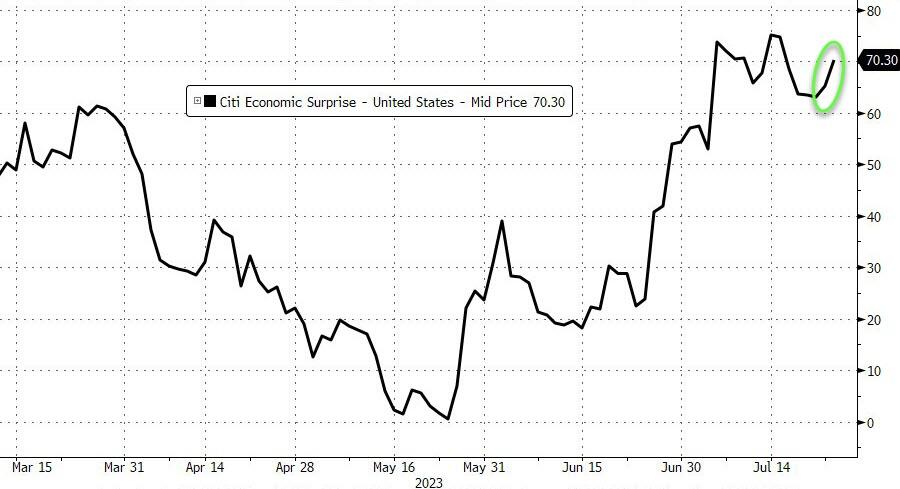
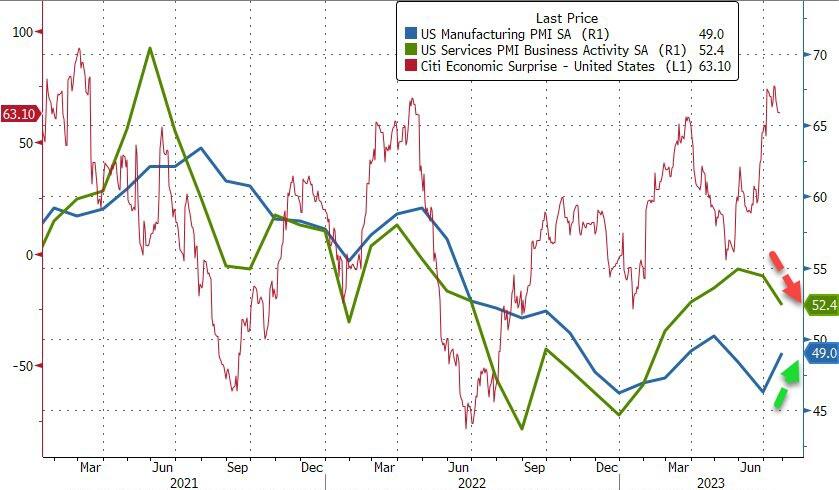
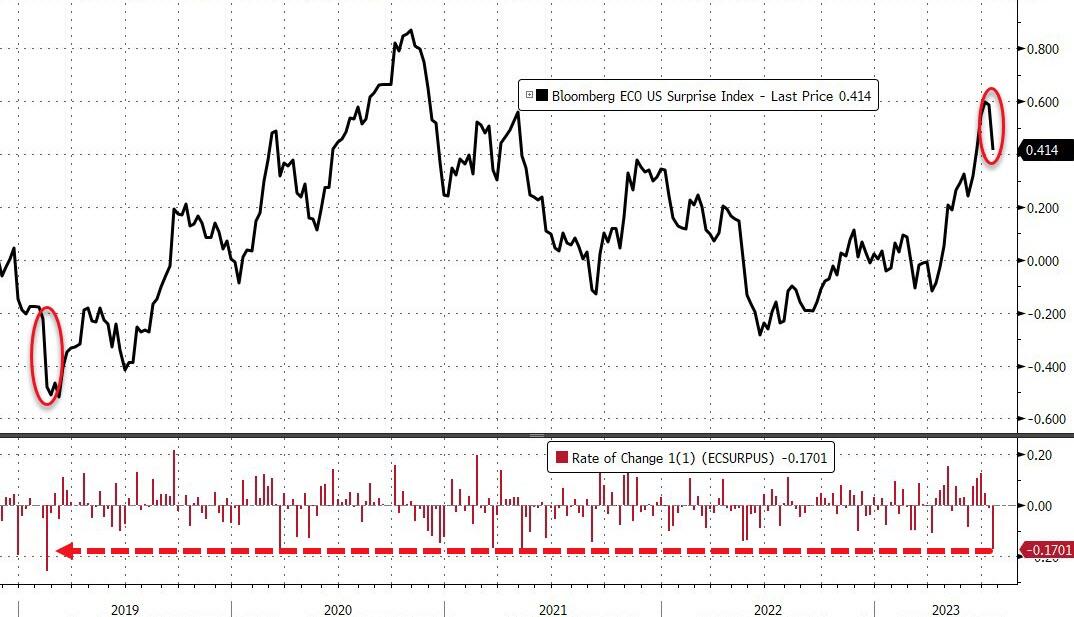
The Citi Economic Surprise index seems to confirm the fact that not all is well with the domestic economy, as the banking crisis, which is far from being over, has done its part to make the current environment appear to be not up to par.
Not helping the bulls to gain momentum were a couple of Fed mouthpieces singing from the same hymn sheet from a month ago that “policy makers have more work to do,” and “there are good reasons to think that policy may have to tighten more to bring inflation down,” along similar bon mots.
None of this is new, as the Fed had made it clear last year that rate hikes for “higher and longer” would be on the agenda, but that theme has been lost on traders and algos, who refuse to believe that a pause is not on the current horizon.
Bond yields went on a wild ride, ended the session just about unchanged, but the 10-year was yanked off its high and back below the 4% level. The US Dollar dove after the dovish CPI print, while Gold rode its own rollercoaster but managed to add another 0.45% to its impressive YTD gains.
Tomorrow, it’s up to the Producer Price Index (PPI) to determine short-term market direction.