Riding The Range

Ulli Market Commentary Contact

[Chart courtesy of MarketWatch.com]

  1. Moving the markets

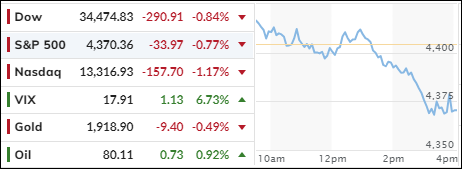
Last week’s moderate loss in the major indexes represented the S&P 500’s first two-week losing streak since February, with the overwhelming uncertainty being created by the ongoing debt ceiling negotiations.

We’re stuck in no man’s land waiting for decisions to be made, so markets can gain some traction and stop treading water. In the absence of any progress, it will be more difficult for the indexes to advance, in which case the path of least resistance will likely be to the downside.

The constant threat that looms over the markets, namely failure to reach a debt ceiling agreement, which could produce financial chaos, is promoted almost daily by Treasury Secretary Yellen with the deadline being June 1. Although she softened her rhetoric over the weekend by hinting that the US would avoid a default.  

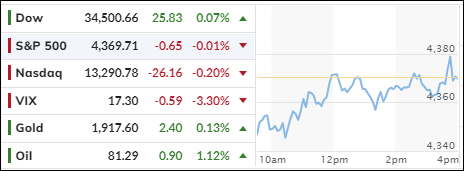
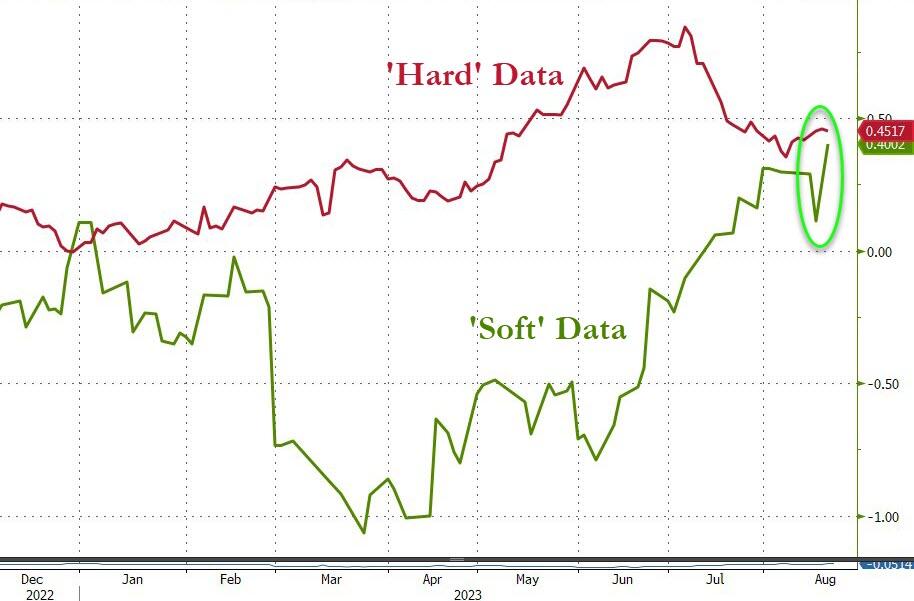
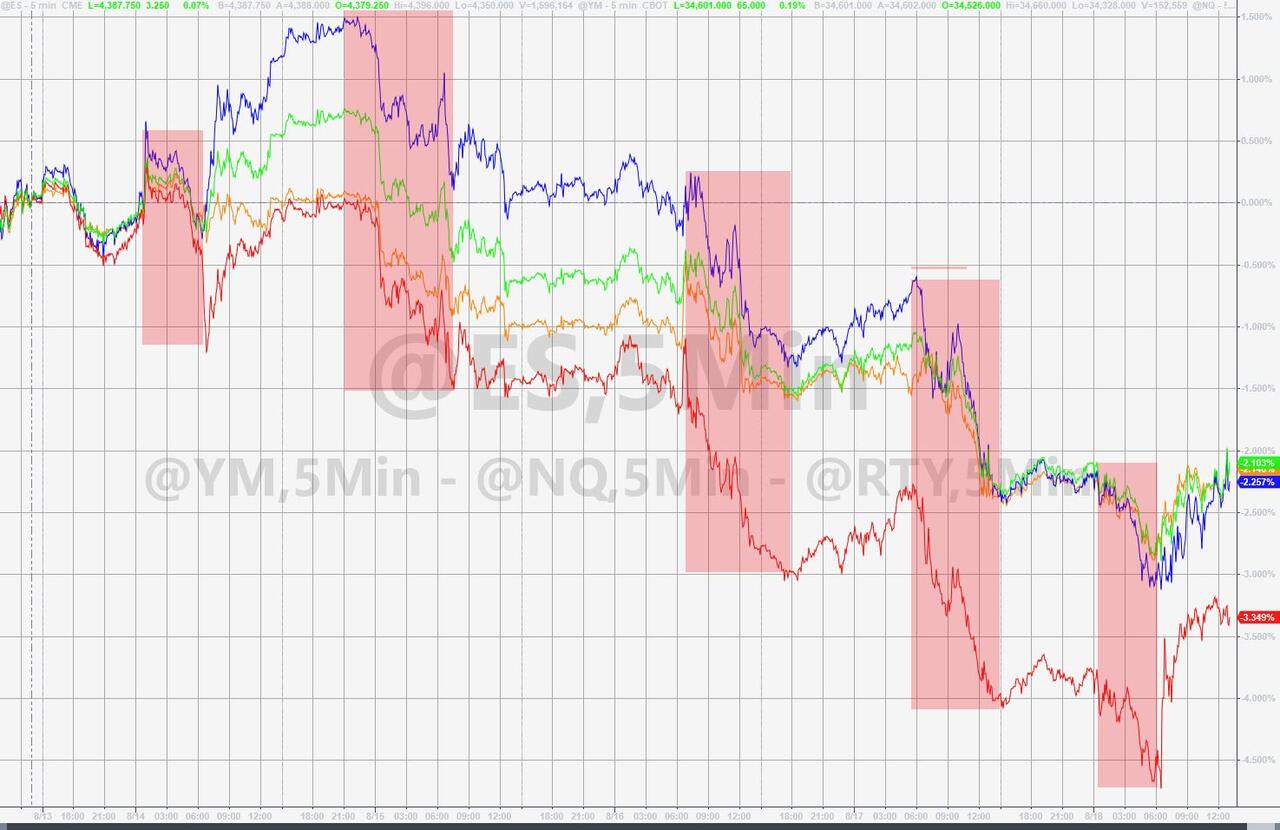
After an early drop, the major indexes rebounded to recapture their respective unchanged lines, thanks to a timely short squeeze, with all three of them eking out modest gains, while continuing to be stuck in a broad range. In the meantime, the economy, as represented by the Macro Surprise index, extended its 7-week slide.

In terms of what well-known mouthpieces uttered, ZeroHedge summed it up like this:

Biden said he will meet Congressional leaders tomorrow (Tuesday) to discuss the debt ceiling and that seemed to send stocks higher around 1300ET (even though there was nothing new in that comment at all).1325ET SEC’s Gensler said that there was no short-selling ban currently being weighed for US stocks (and rightly so because the last time they did that it triggered a massive wave of long liquidations).

1400ET Fed’s Bostic reconfirmed his ‘high for longer’ hawkish attitude by noting that he would probably vote to hold rates for now (but does not see cuts any time soon).

1410ET McCarthy warned that debt talks “nowhere near reaching a conclusion.”

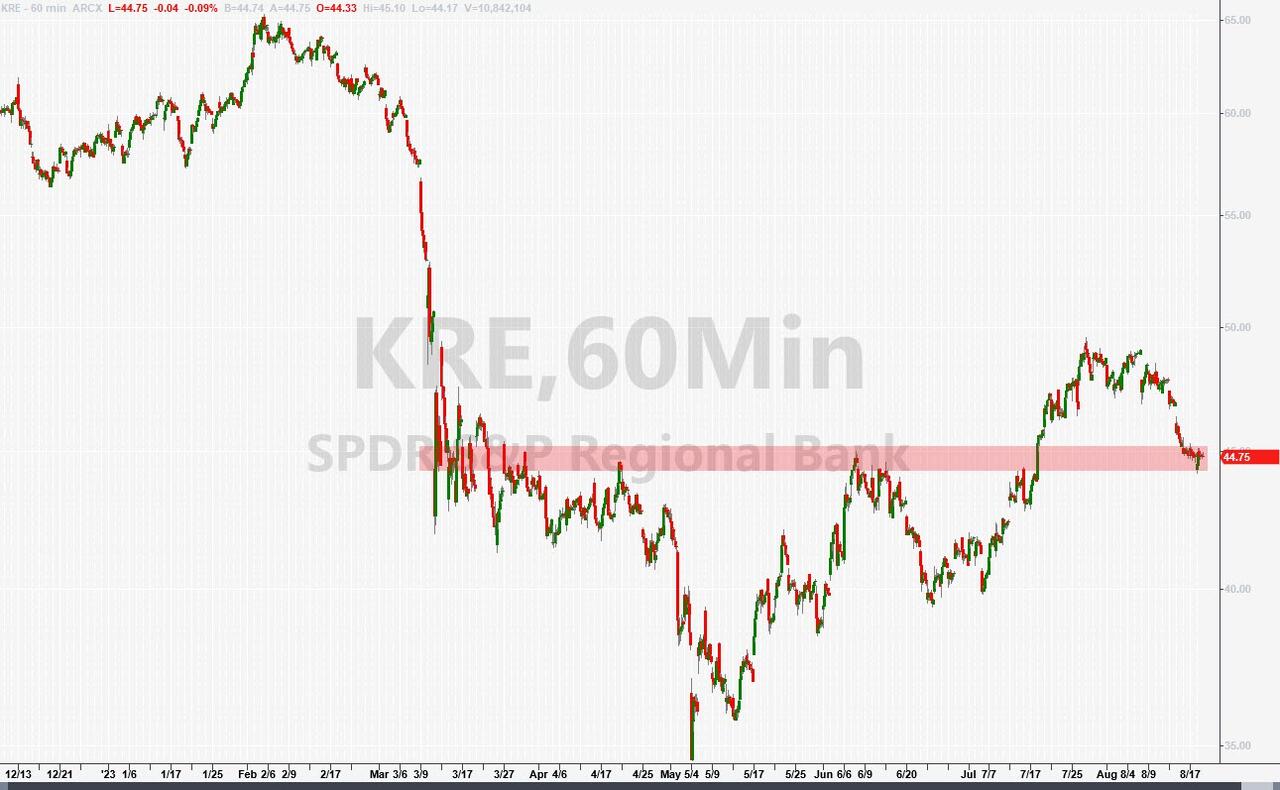
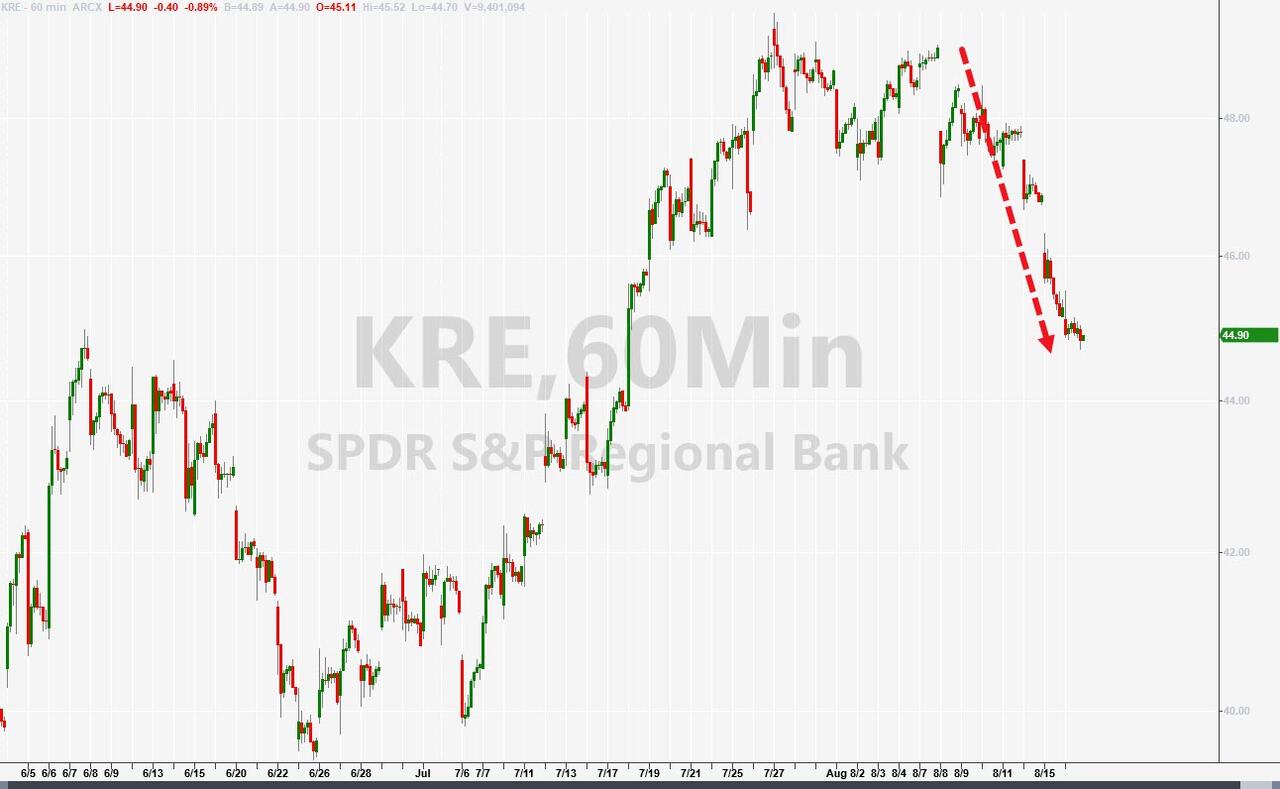
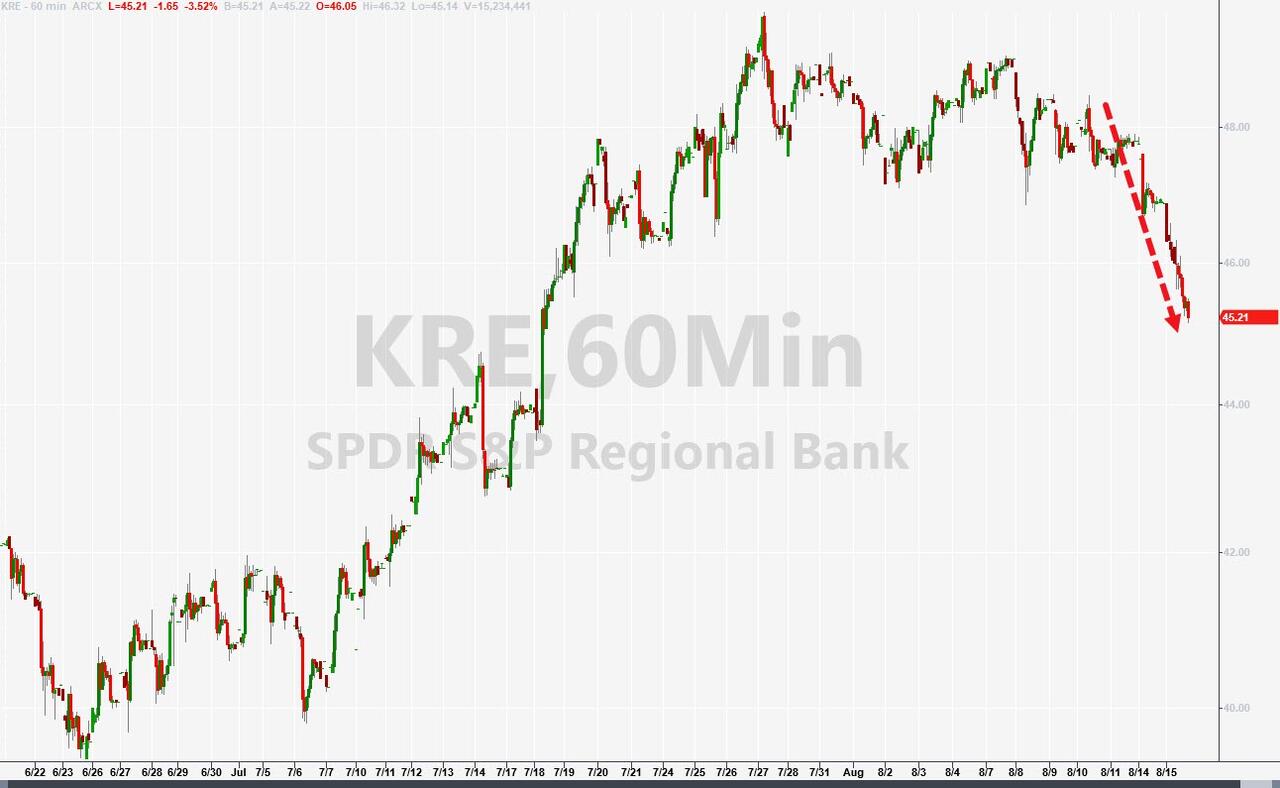
Regional banks, as represented by their KRE index, rallied for no reason other than that we had a quiet weekend with none of them blowing up. The fact that Friday’s deposit data showed even more outflows, should have caused a bearish reaction. Go figure…

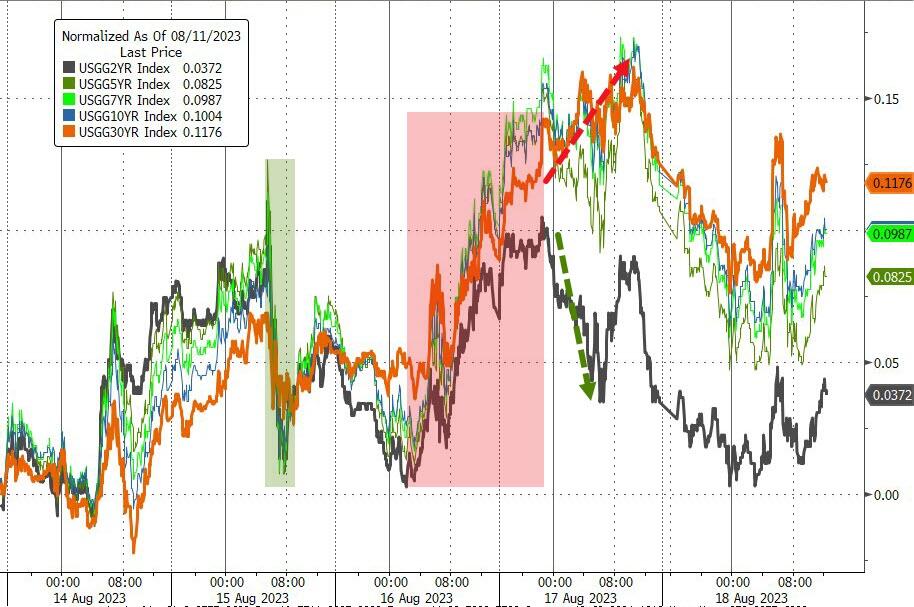
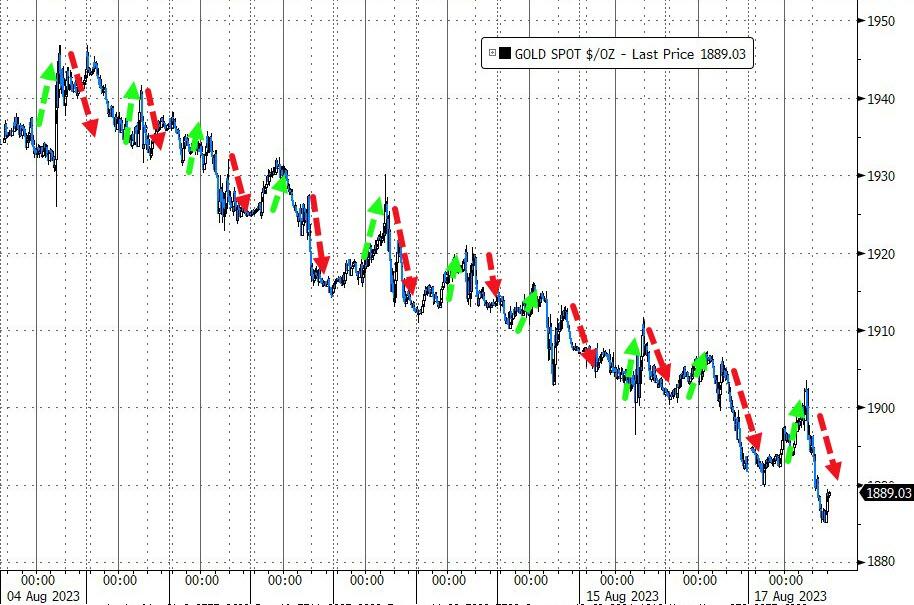
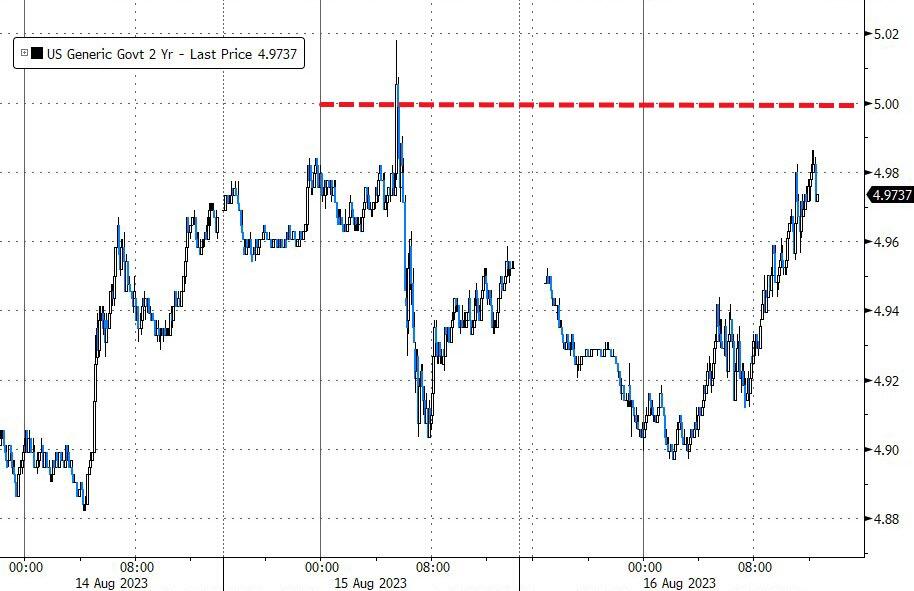
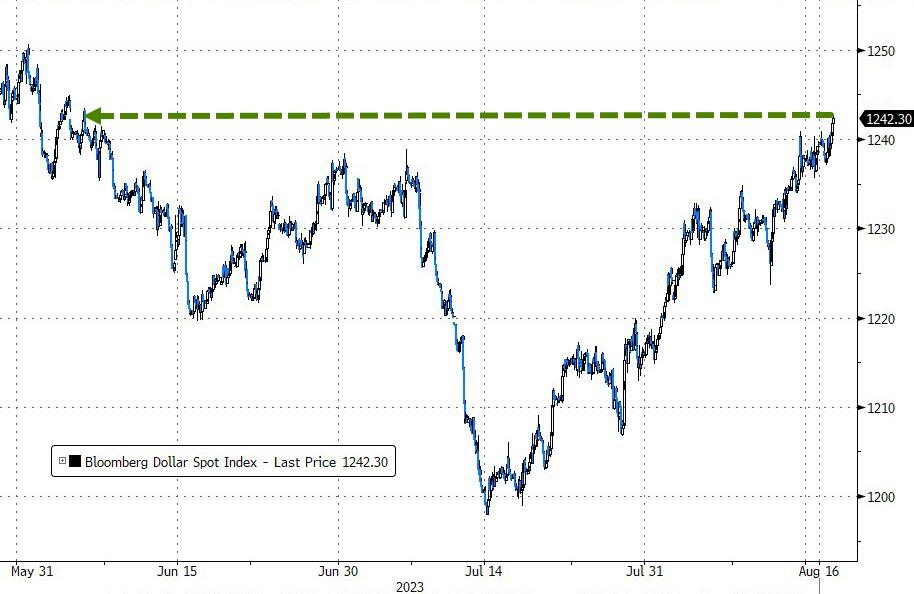
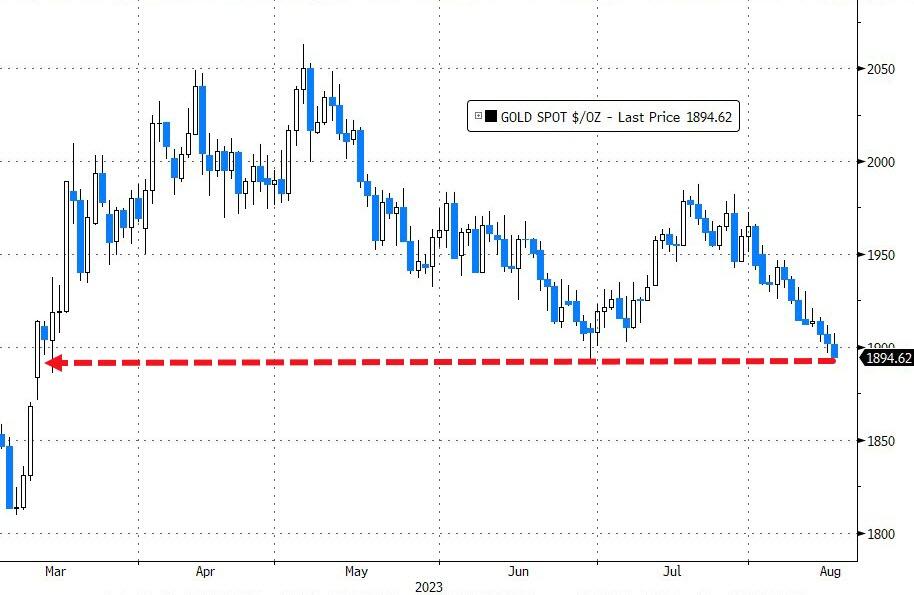
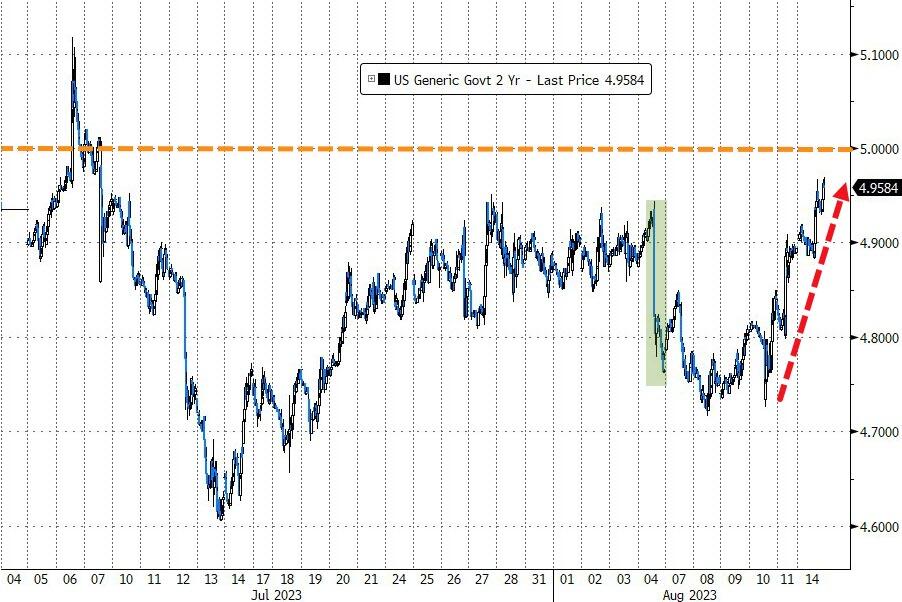
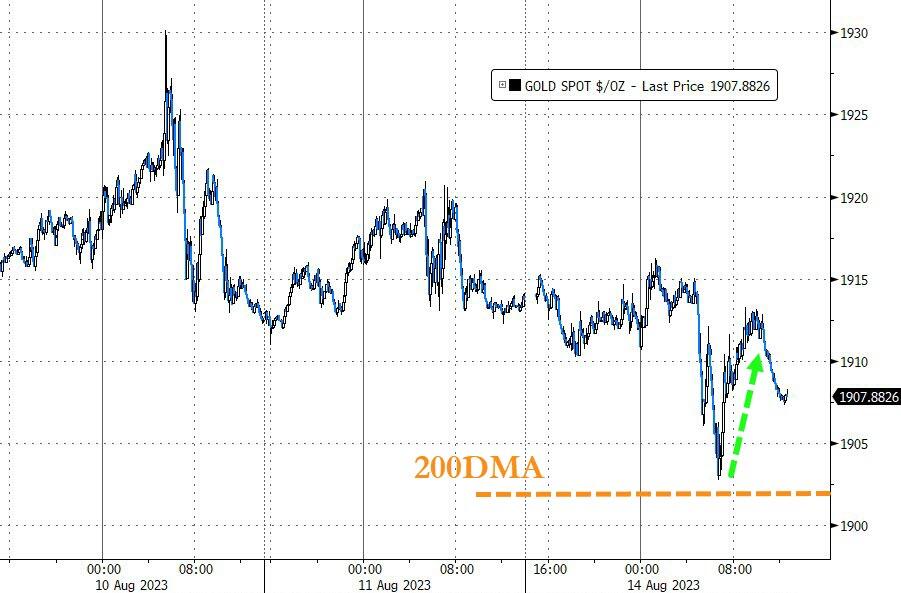
Bond yields rose moderately, as the 2-year successfully defended its 4% level. The US Dollar drifted lower, while Gold found some modest upward momentum.

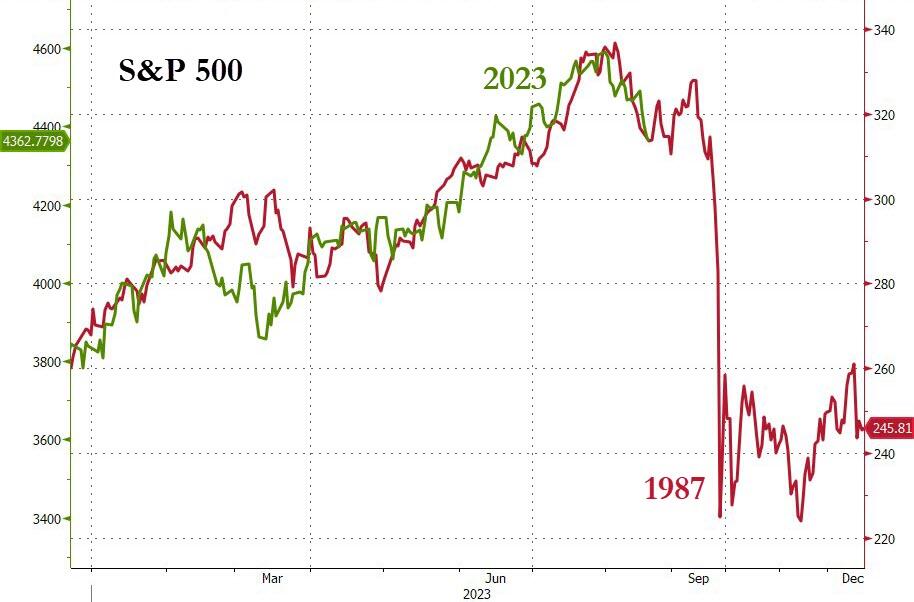
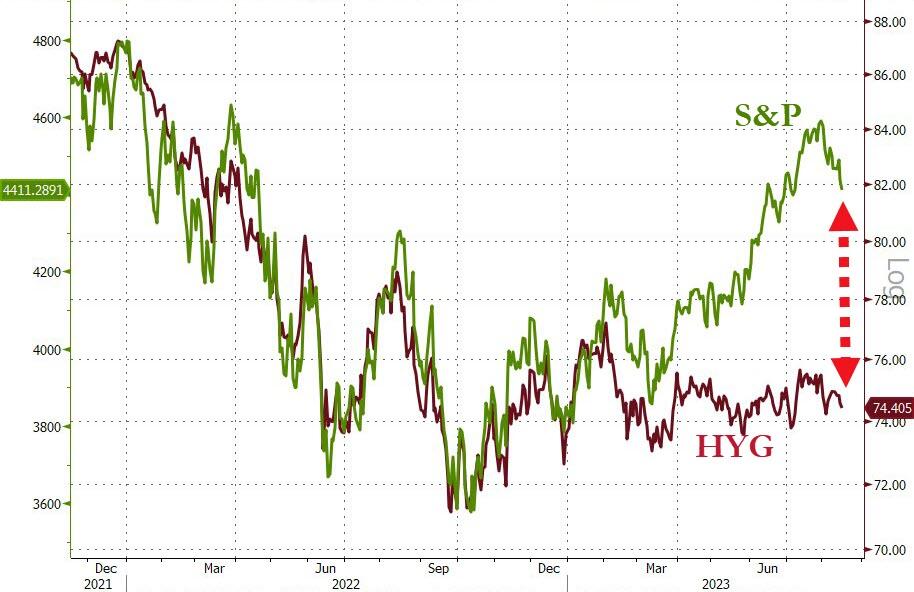
The comparison to the S&P’s developments of 2010 are still on, but for how long is the question?     

Read More
ETFs On The Cutline – Updated Through 05/12/2023

Ulli ETFs on the Cutline Contact

Below, you can evaluate the latest High-Volume ETF Cutline report, which shows how far above or below their respective long-term trend lines (39-week SMA) my currently tracked ETFs are positioned.

This report covers the HV ETF Master List from Thursday’s StatSheet and includes 312 High Volume ETFs, defined as those with an average daily volume of more than $5 million, of which currently 180 (last report: 202) are hovering in bullish territory. The yellow line separates those ETFs that are positioned above their trend line (%M/A) from those that have dropped below it.

Take a look:                                                                   

The HV ETF Master Cutline Report

In case you are not familiar with some of the terminology used in the reports, please read the Glossary of Terms. If you missed the original post about the Cutline approach, you can read it here.      

ETF Tracker Newsletter For May 12, 2023

Ulli ETF Tracker Contact

ETF Tracker StatSheet          

You can view the latest version here.

STRUGGLING FOR GUIDANCE

[Chart courtesy of MarketWatch.com]

  1. Moving the markets

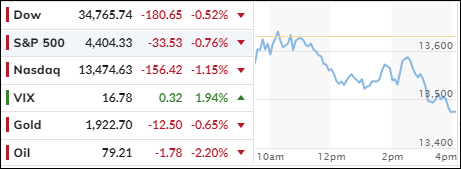
Traders were still trying to digest the double punch in the form of the struggling economy and the ongoing uncertainties in the banking sector. Neither provided any motivation to hold on to equities, so south we went.

However, as we have seen repeatedly, a slow afternoon climb pulled the major indexes out of the doldrums and back towards their unchanged lines. Initial losses were reduced, but we still closed in the red, not only for the day but also for the week.

Treading water and looking for direction best describes the past 5 trading days, during which the S&P 500 lost a moderate 1%. Traders were also concerned about the ongoing debt ceiling debacle, the latest meeting of which has been postponed till next week.

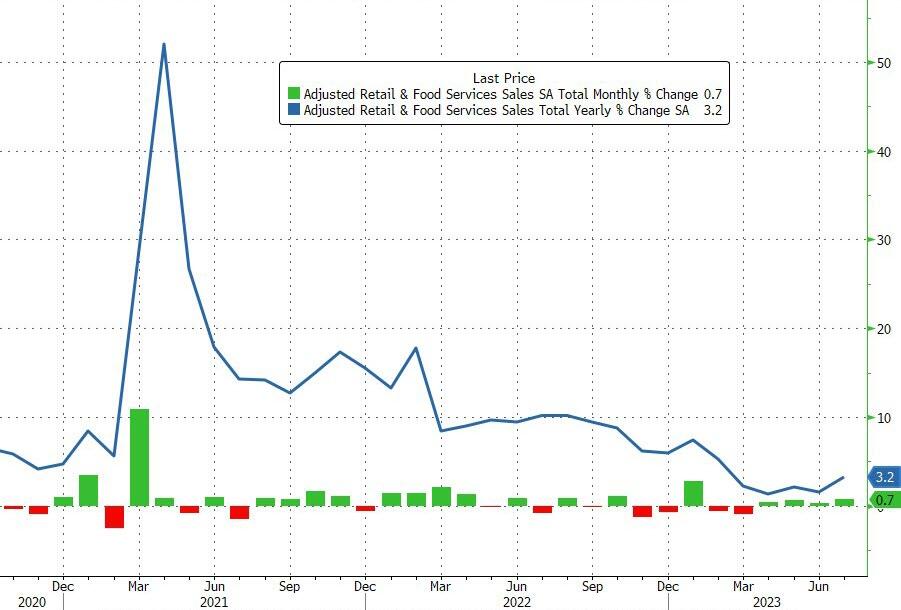
Consumer sentiment fell to a 6-month low to 57.7 from last month’s 63.5 reading, while inflation expectations dipped a tad but jumped to 3.2 when viewed over the next 5-10 years.

Meanwhile, in the banking world, we learned that PacWest fell another 2.9%, which is far more moderate than its recent drops. The regional banking index KRE held up well today but is stuck in a long-term downtrend, with regional bank stocks historically never having reached a lower point.

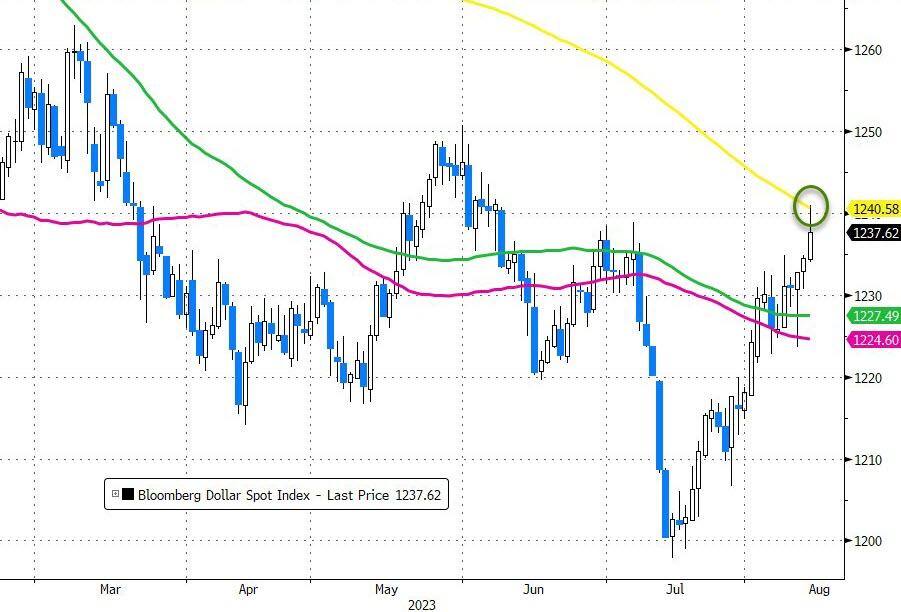
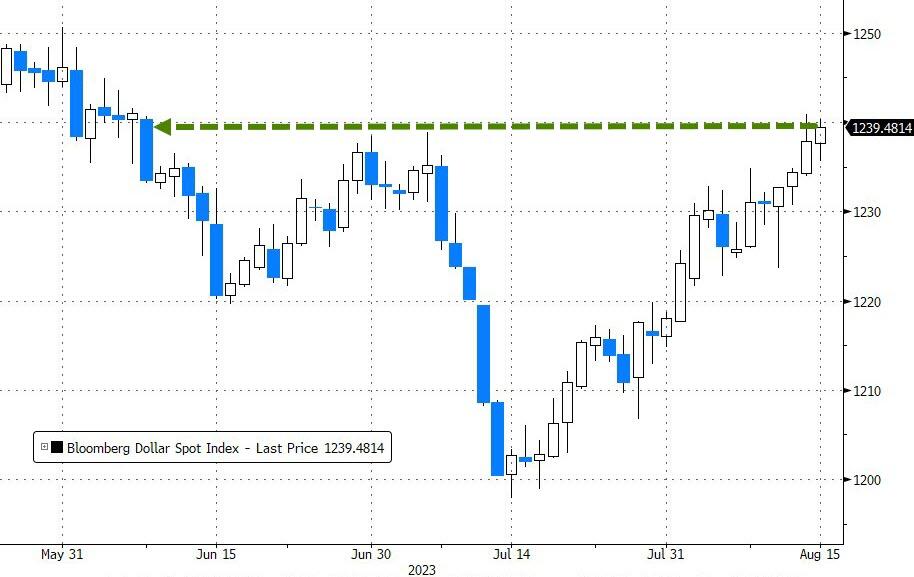
After two days of sinking bond yields, the pendulum swung the other way with the 2-year reaching its 4% level again. The US Dollar ripped higher and had its best weekly showing in 3 months. That took its toll on Gold, as the precious metal cranked and tanked and ratcheted lower for the week.  

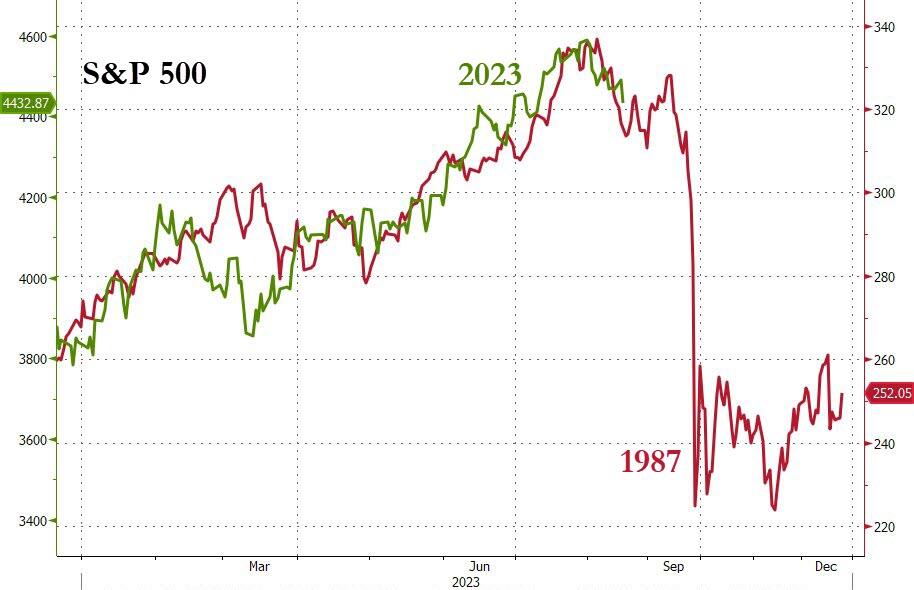
With the debt ceiling debacle on deck, ZeroHedge noticed some correlation to the events in 2011. This chart shows the current relationship between 2023 and 2011. We will have to wait and see if this comparison holds, or if it’s truly different this time.

Read More
Weekly StatSheet For The ETF Tracker Newsletter – Updated Through 05/11/2023

Ulli ETF StatSheet Contact

ETF Data updated through Thursday, May 11, 2023

Methodology/Use of this StatSheet:

1. From the universe of over 1,800 ETFs, I have selected only those with a trading volume of over $5 million per day (HV ETFs), so that liquidity and a small bid/ask spread are assured.

2. Trend Tracking Indexes (TTIs)

Buy or Sell decisions for Domestic and International ETFs (section 1 and 2), are made based on the respective TTI and its position either above or below its long-term M/A (Moving Average). A crossing of the trend line from below accompanied by some staying power above constitutes a “Buy” signal. Conversely, a clear break below the line constitutes a “Sell” signal. Additionally, I use a 12% trailing stop loss on all positions in these categories to control downside risk.

3. All other investment arenas do not have a TTI and should be traded based on the position of the individual ETF relative to its own respective trend line (%M/A). That’s why those signals are referred to as a “Selective Buy.” In other words, if an ETF crosses its own trendline to the upside, a “Buy” signal is generated. Here too, I recommend trailing sell stop of 12%, or less, depending on your risk tolerance.

If you are unfamiliar with some of the terminology, please see Glossary of Terms and new subscriber information in section 9.     

1. DOMESTIC EQUITY ETFs: BUY — since 12/01/2022

Click on chart to enlarge

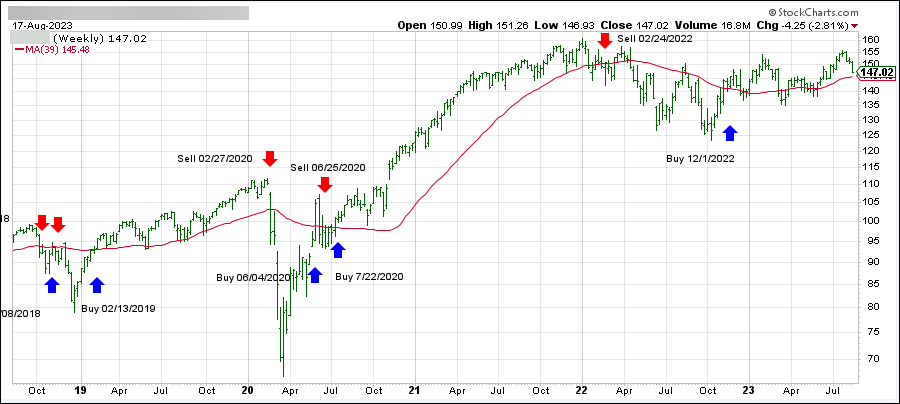
Our main directional indicator, the Domestic Trend Tracking Index (TTI-green line in the above chart) has just slipped below its long-term trend line (red) by -0.39% but remains in “Buy” mode for the time being, until I get more downside confirmation.

Read More
Disney And PacWest Trouble Markets

Ulli Market Commentary Contact

[Chart courtesy of MarketWatch.com]

  1. Moving the markets

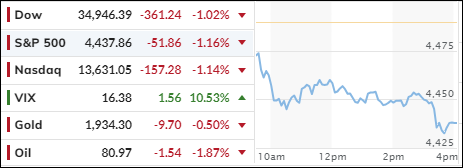
The race to getting nowhere fast continued, as Disney’s earnings showed that subscriber growth was anything but acceptable causing the stock to puke by losing over 8%.

Then it was PacWest which confirmed that the banking troubles are far from being over by acknowledging in a regulatory filing that its deposits fell 9.5% last week. The punishment was quick and harsh, as its stock plummeted another 22%, despite the bank’s assurances that it had $15 million in immediate liquidity available.

Ah yes, and the much-awaited Producer Price Index (PPI) was almost shoved into the background due to its number not revealing any earthshattering changes. The index increased just 0.2% in April vs. estimates of 0.3%.

Jobless claims soared unexpectedly, when whopping initial claims of 264k were reported, which was a spike from last week’s 242k and a big miss to expectations of 245k. ZeroHedge added that this was the highest point since October 2021.

Bond yields continued their journey to lower levels, but the US Dollar decoupled, despite dovish headlines, and rebounded to one-week highs. Gold could not handle that diversion, and, after an initial surge, the precious metal was dumped, despite growing uncertainties with the debt ceiling crisis as well as continued banking problems. Go figure…     

Back to the banking crisis. The most relevant question I am being asked in the environment of unsafe banks is this one:

How safe is my money in a brokerage firm, should the situation worsen?

This article explains the differences between the various insurances banks and brokerage firms use to make sure clients’ assets are protected.

Read More
CPI Tamer Than Expected, But…

Ulli Market Commentary Contact

[Chart courtesy of MarketWatch.com]

  1. Moving the markets

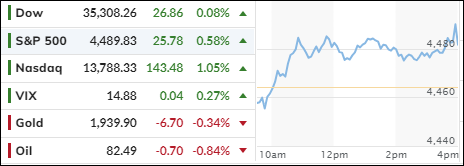
Year-over-year, consumer prices increased by 4.9%, down a tad from the expected 5%, while the month-over-month inflation rate of 0.4% was also in line with projections. While traders interpreted that as good news, market reaction was mixed, with the major indexes advancing only moderately.

When looking under the hood, however, we saw that there is more to this story than just a headline number, namely the fact that inflation continues to outpace Americans’ rising wages—for the 25th straight month, according to ZeroHedge. Ouch!
Still, the softening of the CPI pulled June rate-hike odds down from 20% to less than zero. The markets spiked initially, then dumped into the red but managed to recover into the close. It was a chaotic session with no clear direction and a marginal outcome.

Helping the bulls was a double short squeeze attempt, which in the end did not do much to ignite bullish spirits. The same uncertainty emerged in the Regional Banking circus, where the index (KRE) was pumped and then dumped, which was duplicated in all bank stocks.
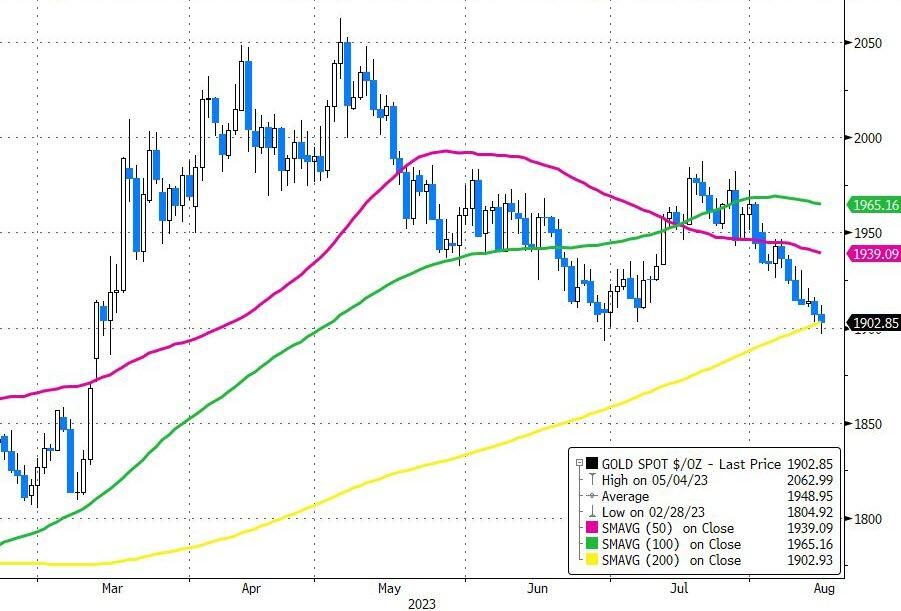
Bond yields took a hit, with the 2-year losing its recent gains along with its 4% level. The US Dollar rode its own roller coaster, while Gold followed the overall theme, namely cranking, then tanking but bouncing to a green close. Let’s see what the release of the PPI can do for the markets tomorrow…

Read More