Dow Ignores Goldman Sachs Flop, Rises For Eighth Day With Short Squeeze Help

Ulli Market Commentary Contact

[Chart courtesy of MarketWatch.com]
  1. Moving the markets

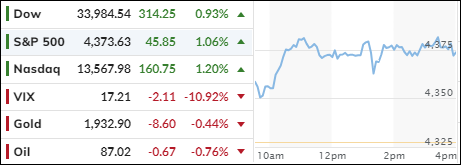
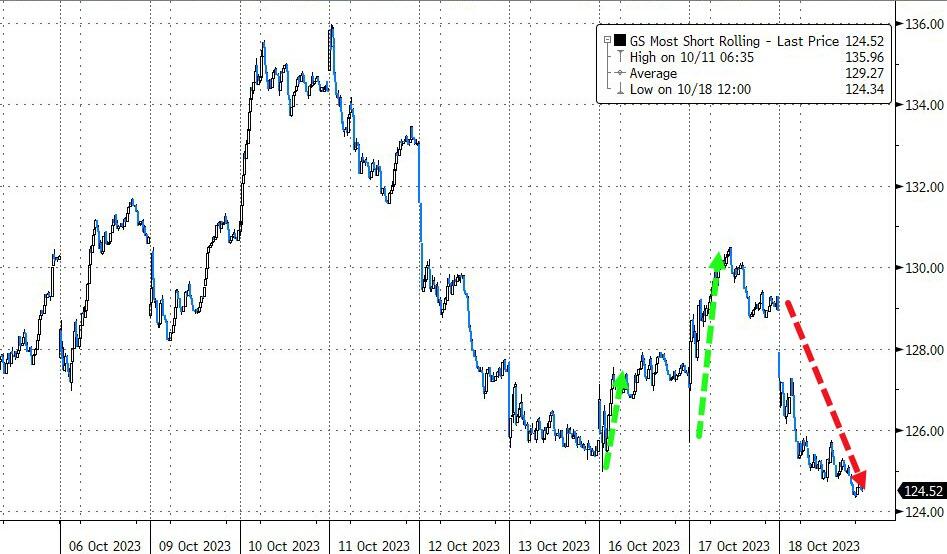
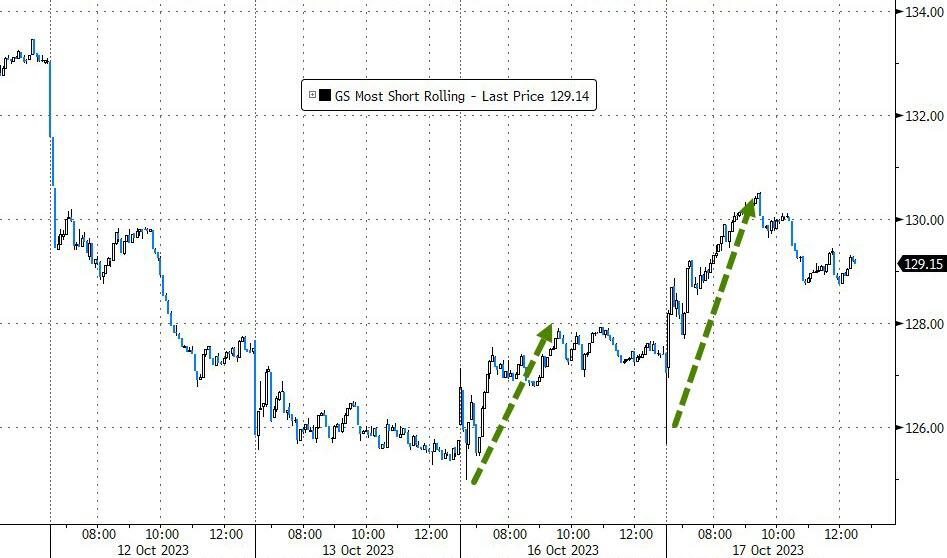
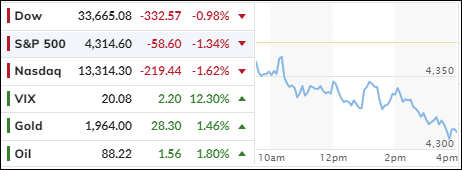
The Dow Jones Industrial Average had another good day on Wednesday, rising for the eighth day in a row with some help from the short squeeze crowd. That’s the longest streak of gains since September 2019, as investors celebrate the strong earnings season, ignoring the fact that the expectations were low to begin with.

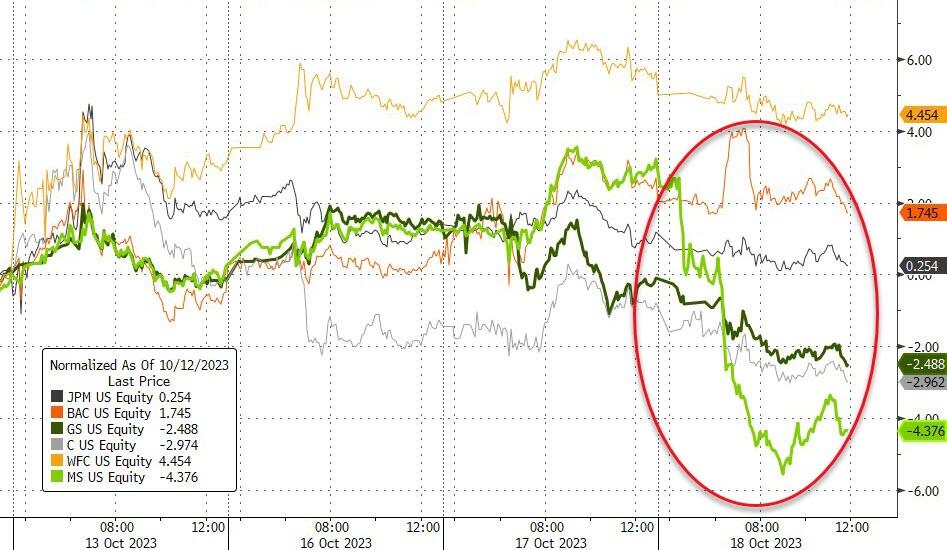
The Dow didn’t care about Goldman Sachs’ disappointing earnings report, which showed losses in real estate. The bank had already warned that the quarter would suck, so no one was shocked.

Meanwhile, most of the companies in the S&P 500 that have reported results have beaten the low bar, according to FactSet data. This makes some people think that the economy is slowing down gently, rather than crashing hard.

The inflation data last week also calmed some nerves about rising prices, even though that might have been a fluke. Bank earnings have been less bad than expected and have helped us to forget the spring meltdown. The market is hoping that the banking sector is out of the woods, and that history won’t repeat itself. Yeah, right.

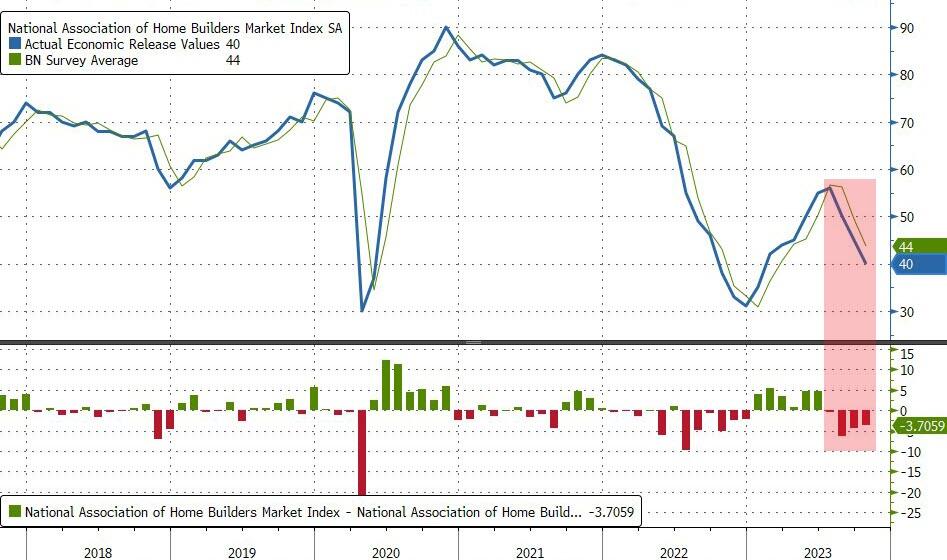
On the flip side, the housing market cooled off a bit in June, as both housing starts and building permits fell from May. Housing starts also got a downward revision for May. The only silver lining was single-family building permits, which rose for the sixth month in a row. Multi-family permits and starts, however, dropped in June.

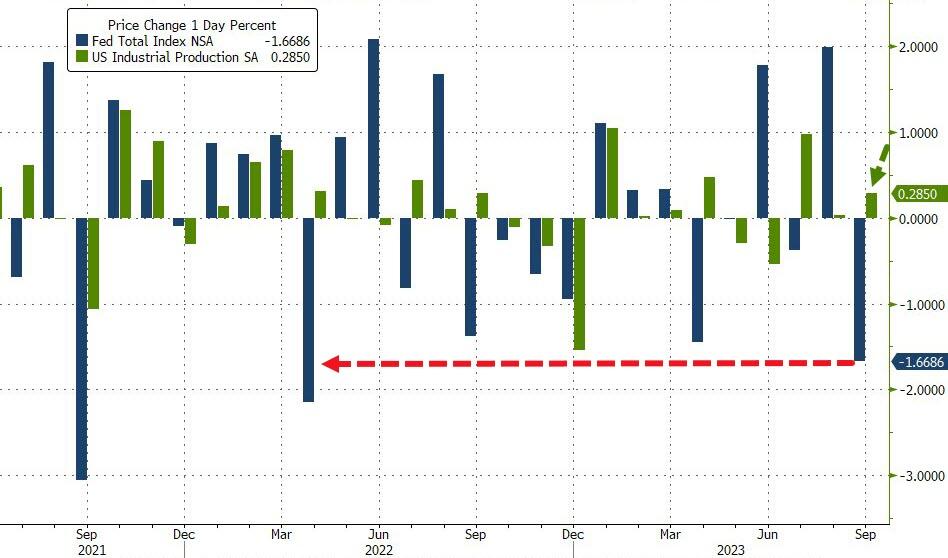
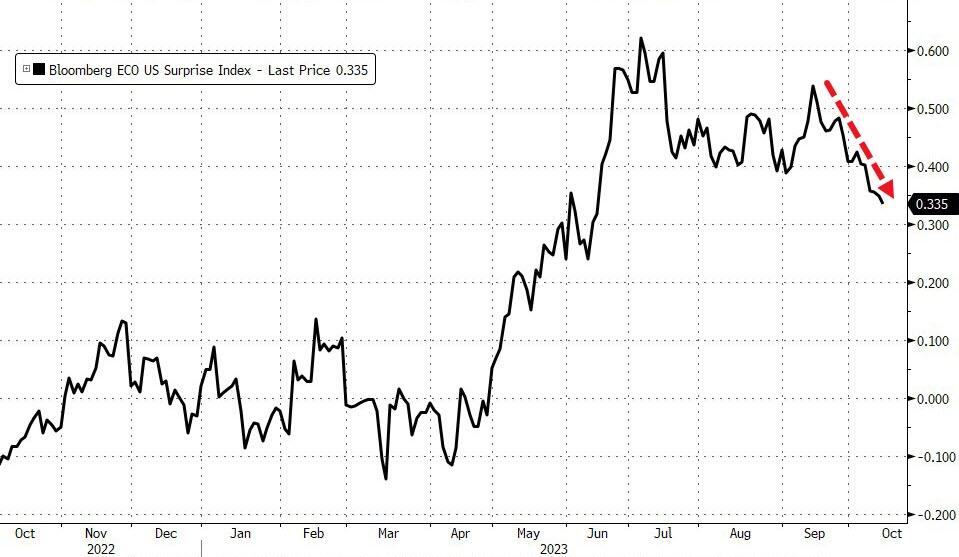
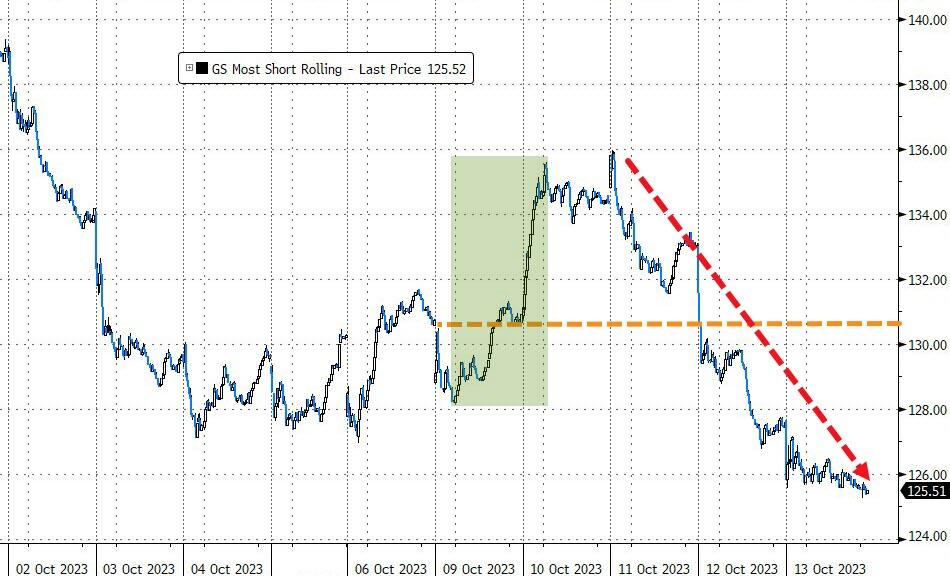
That dragged the US macro data index down another notch, which was the biggest 2-day drop since January 2022. But the KBW banking index kept climbing out of its hole and scored another win.

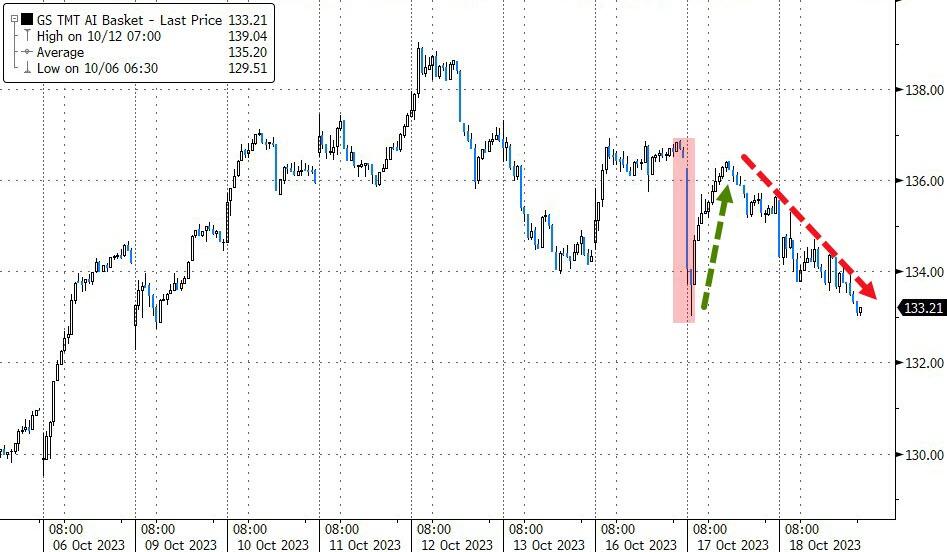
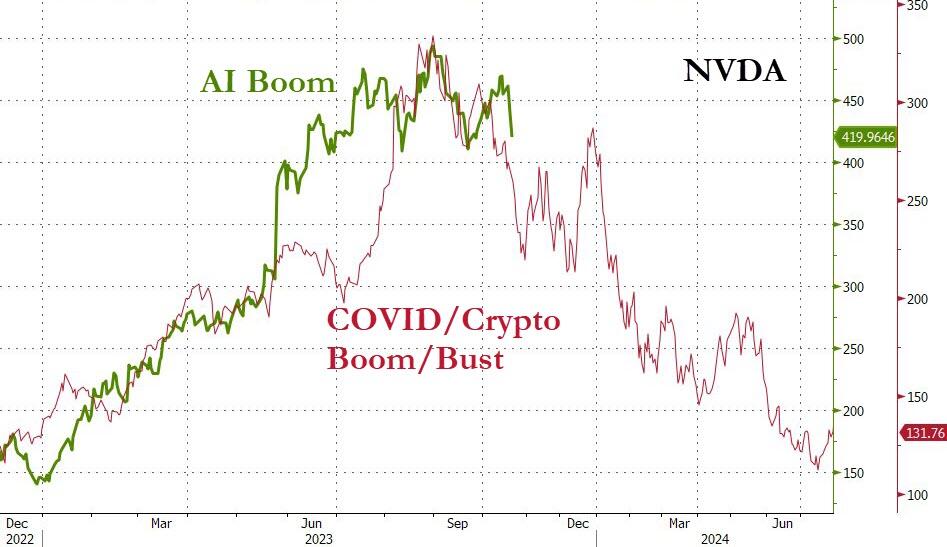
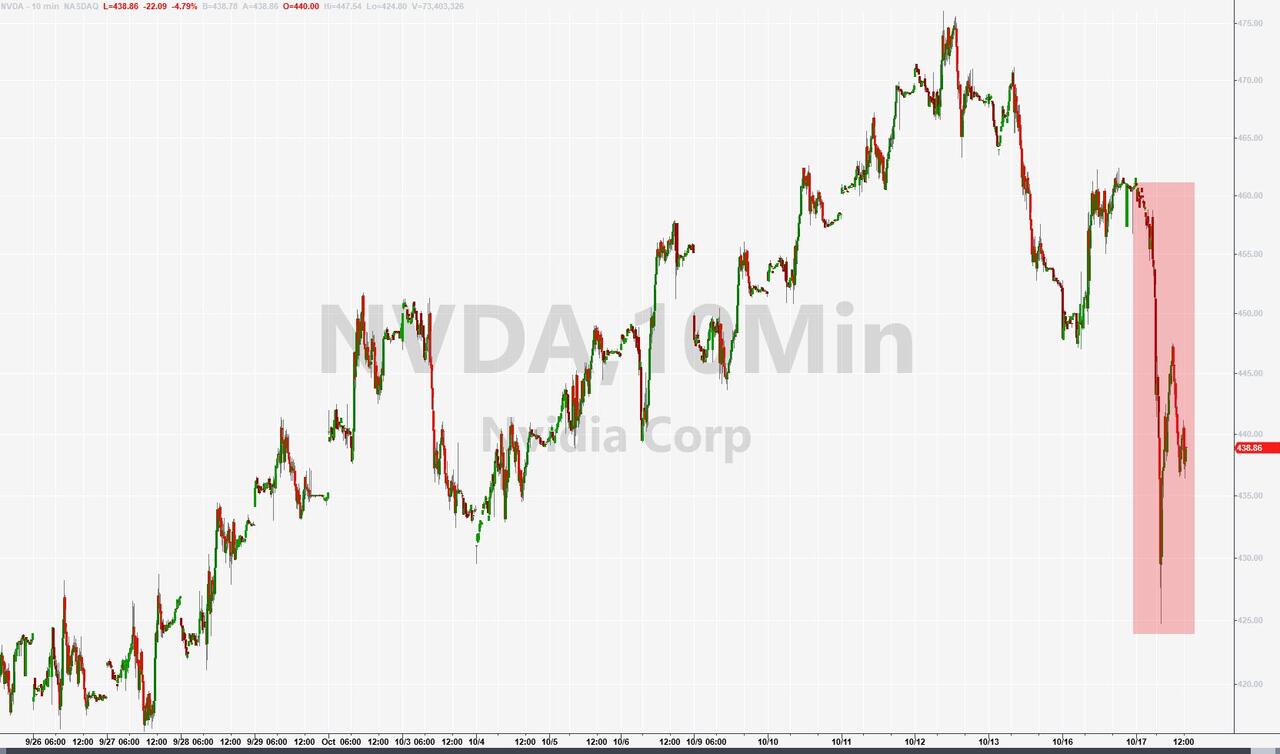
Both Apple and NVDA had a brief scare when news of Apple building an AI platform turned out to be a lame imitation. The stock ripped and dipped but recovered for the day. Sometimes you just have to laugh…

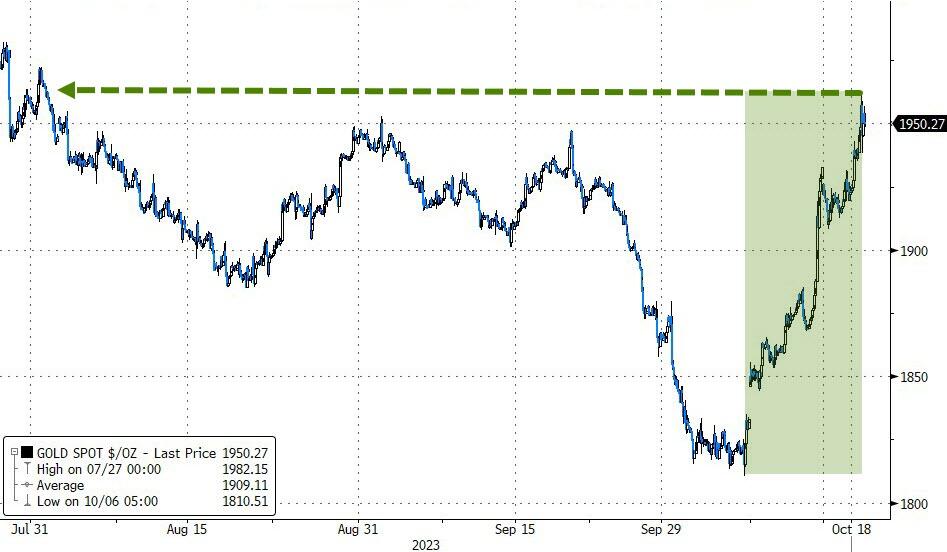
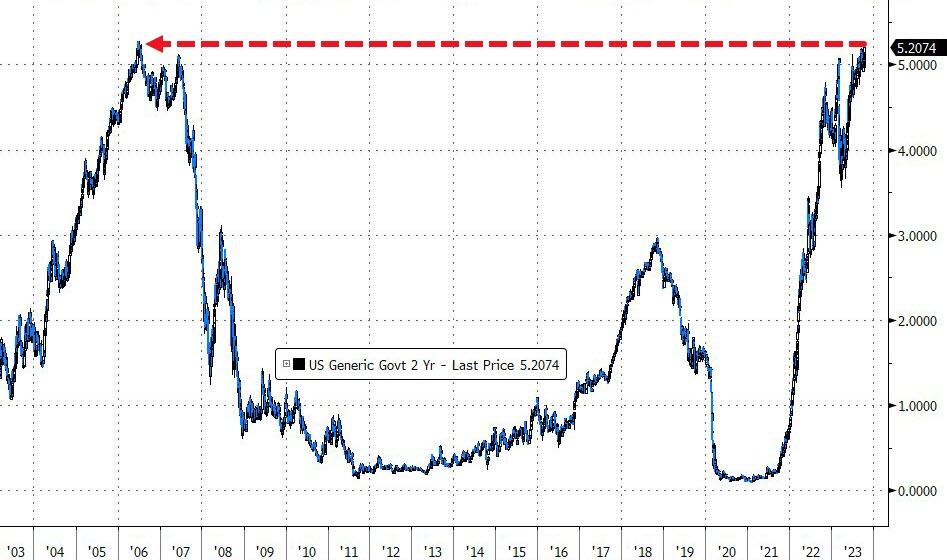
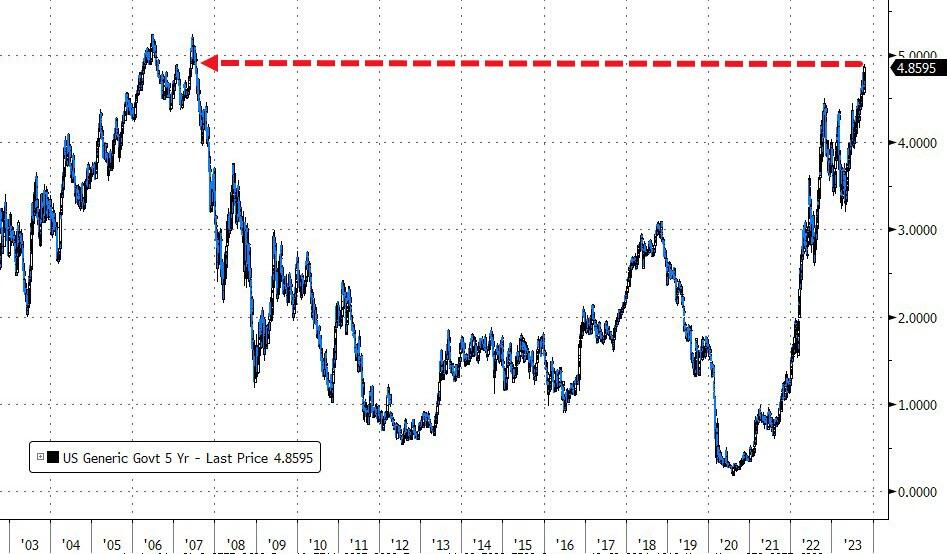
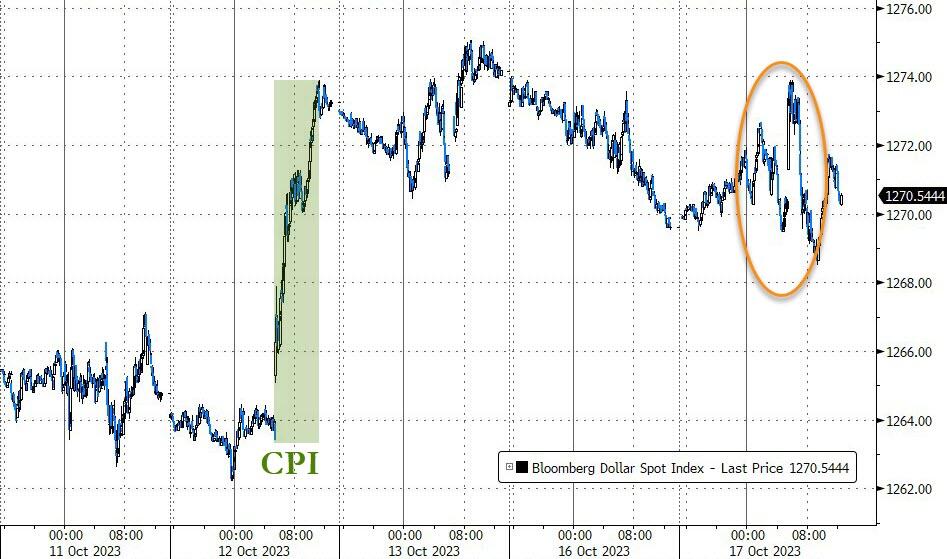
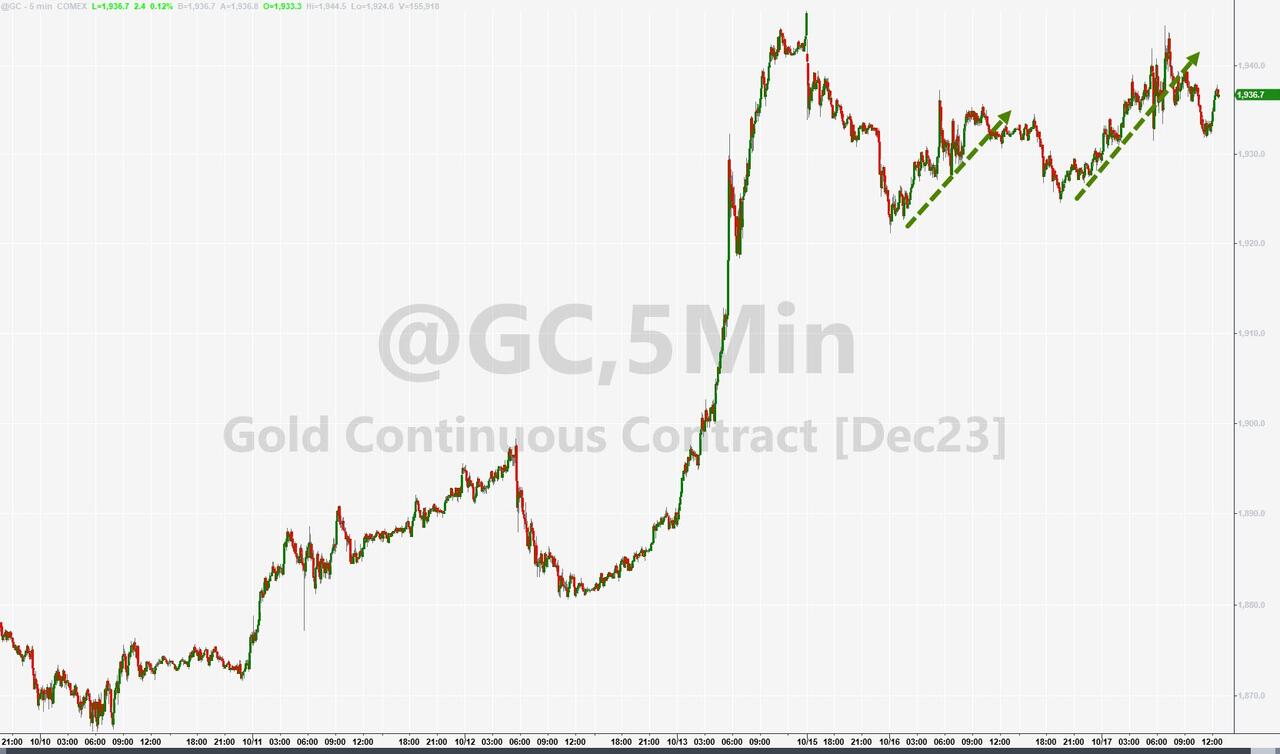
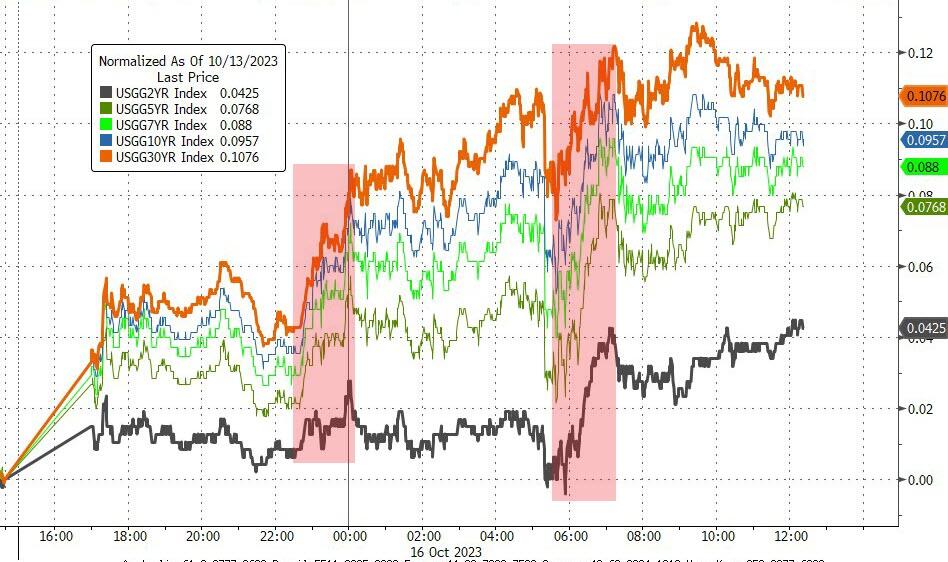
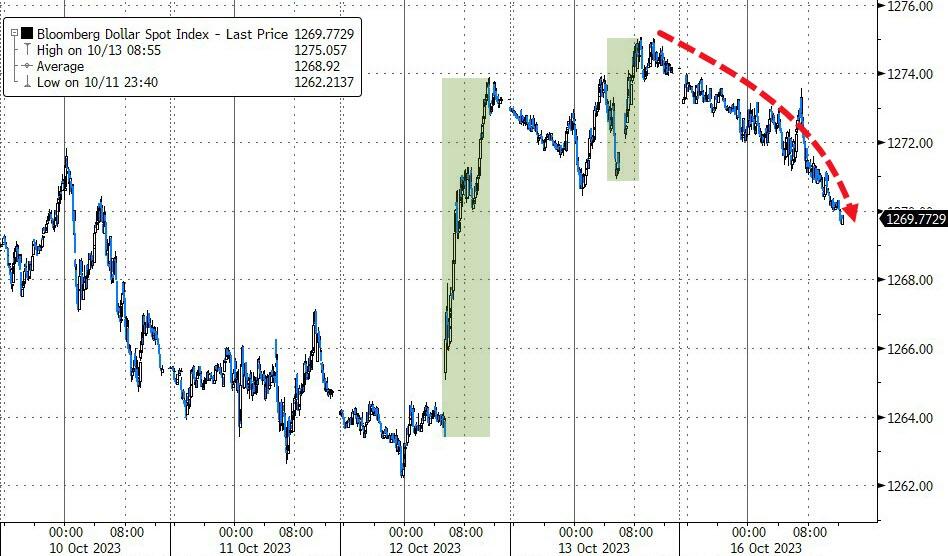
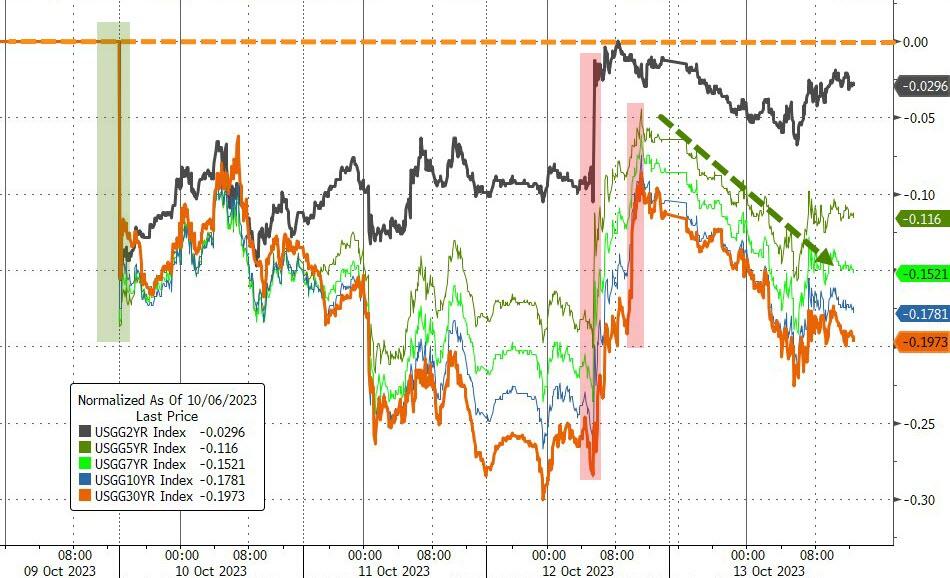
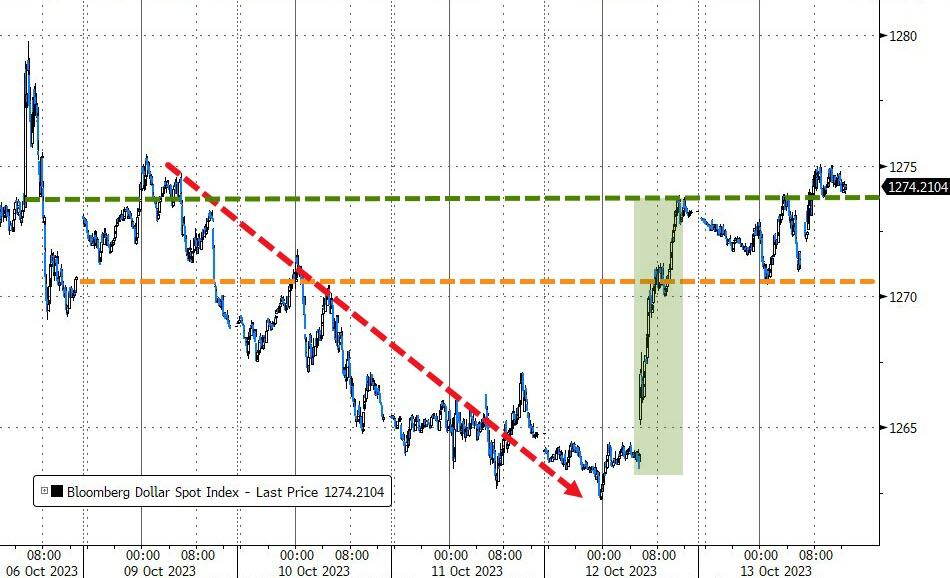
Bond yields were mostly lower, the dollar was stronger, and gold wandered around but ended up slightly higher.

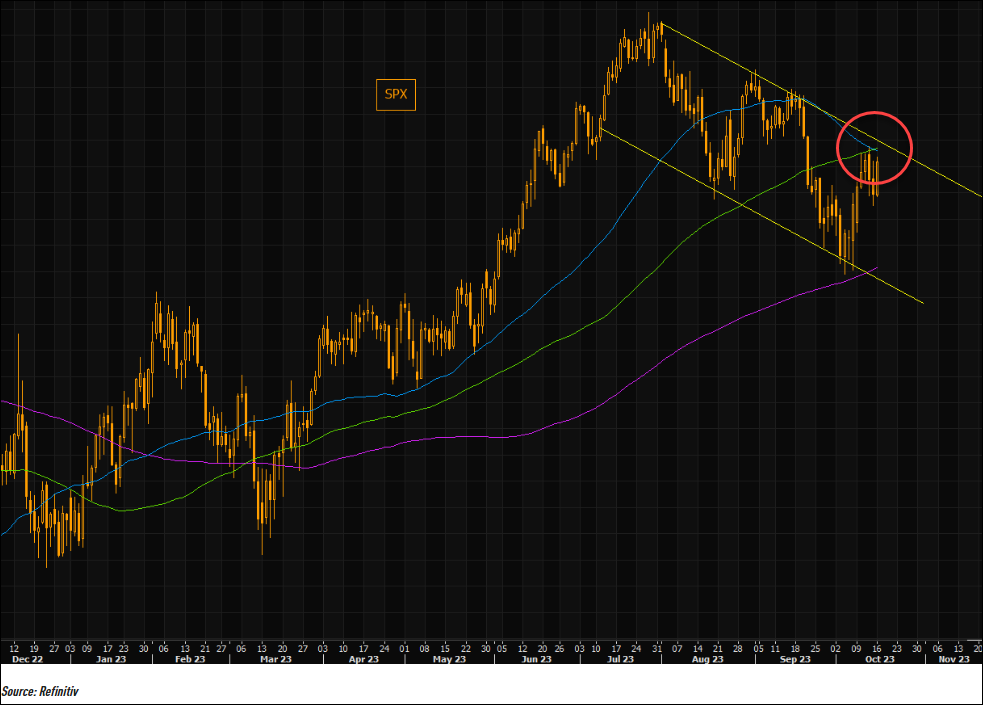
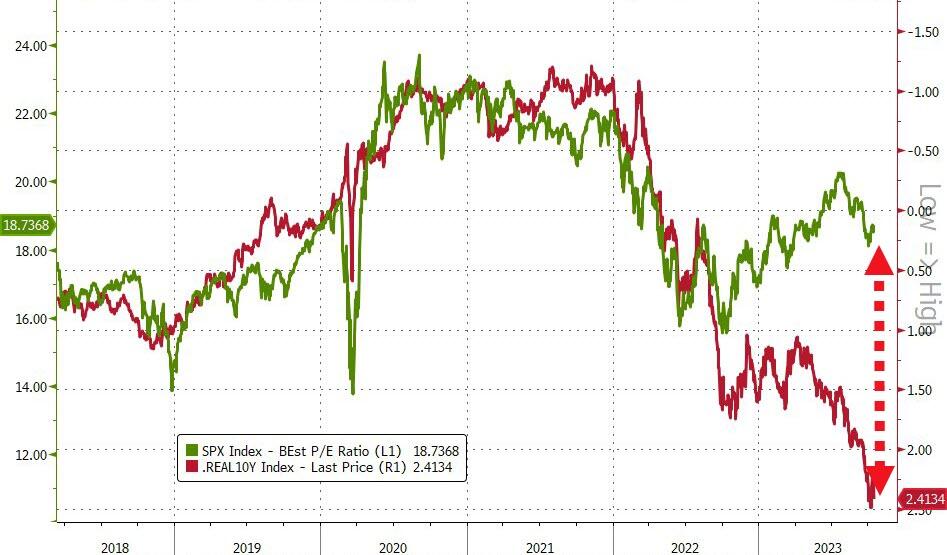
The gap between the S&P 500 and High Yield Credit (HYG) has widened even more, as this chart shows.

What could possibly go wrong?

Read More
Gold Shines as Stocks Rally on Strong Earnings and “Goldilocks” Economy

Ulli Market Commentary Contact

[Chart courtesy of MarketWatch.com]

  1. Moving the markets

Bank stocks BoA and NY Mellon beat earnings expectations and lifted the market mood, while the short squeeze craze fizzled out. Morgan Stanley and PNC Financial also impressed investors with strong results, especially in wealth management for Morgan Stanley.

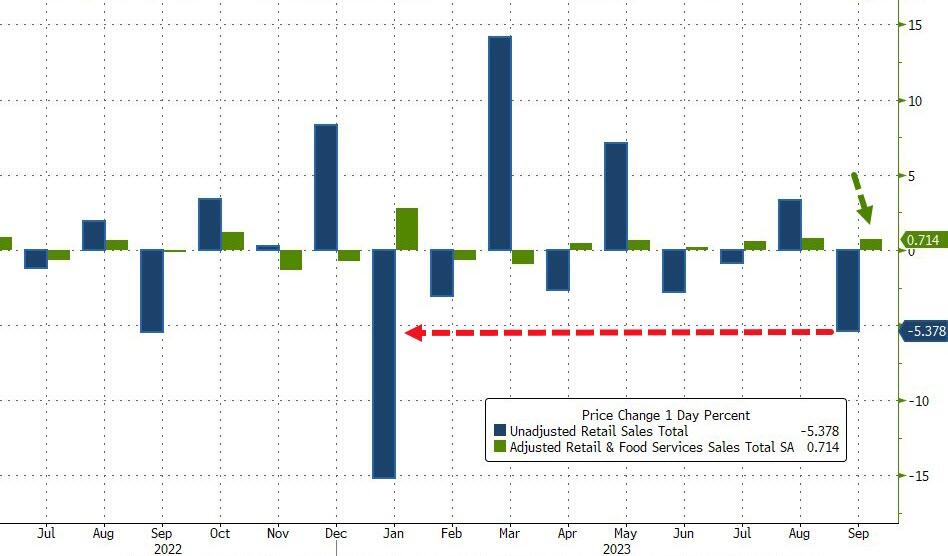
According to FactSet, the earnings season is off to a flying start with 84% of the S&P 500 companies that have reported so far surpassing profit estimates. Even a disappointing retail sales report for June, which showed a paltry 0.2% MoM increase vs a forecast of 0.5%, could not dampen the optimism.

The Dow led the way, but all major indexes posted solid gains, as traders believe that the economy is in a “Goldilocks” zone—not too hot and not too cold. Weak industrial production data was also shrugged off, even though the US Economic Surprise Index took a hit.

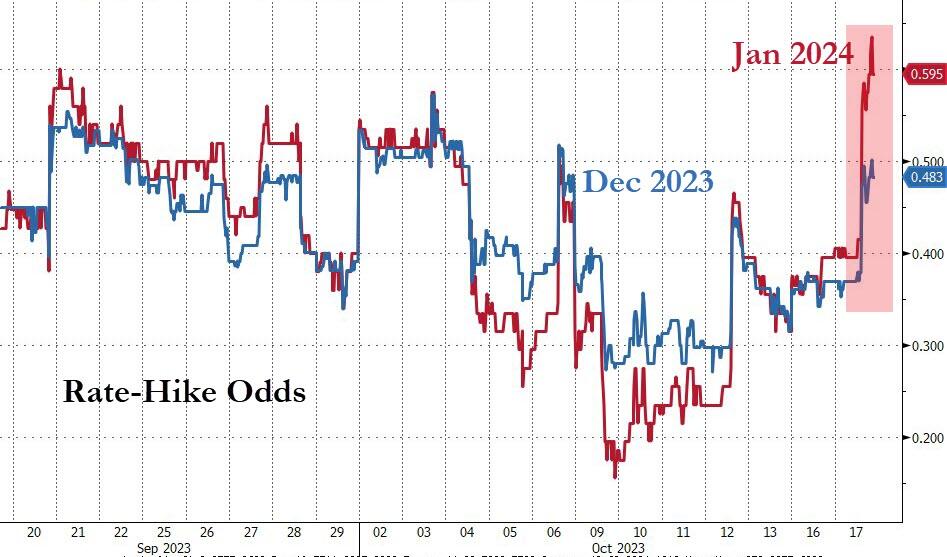
As a result, traders are confident that the Fed will hike rates by 0.25% in July, as expected, but will not need to tighten further after that. Sure, whatever.

The most dramatic action of the day was between value and growth stocks. Value had the upper hand early on, but then growth staged a comeback, after Microsoft announced new pricing for its AI products. NVDA followed suit and soared higher as well.

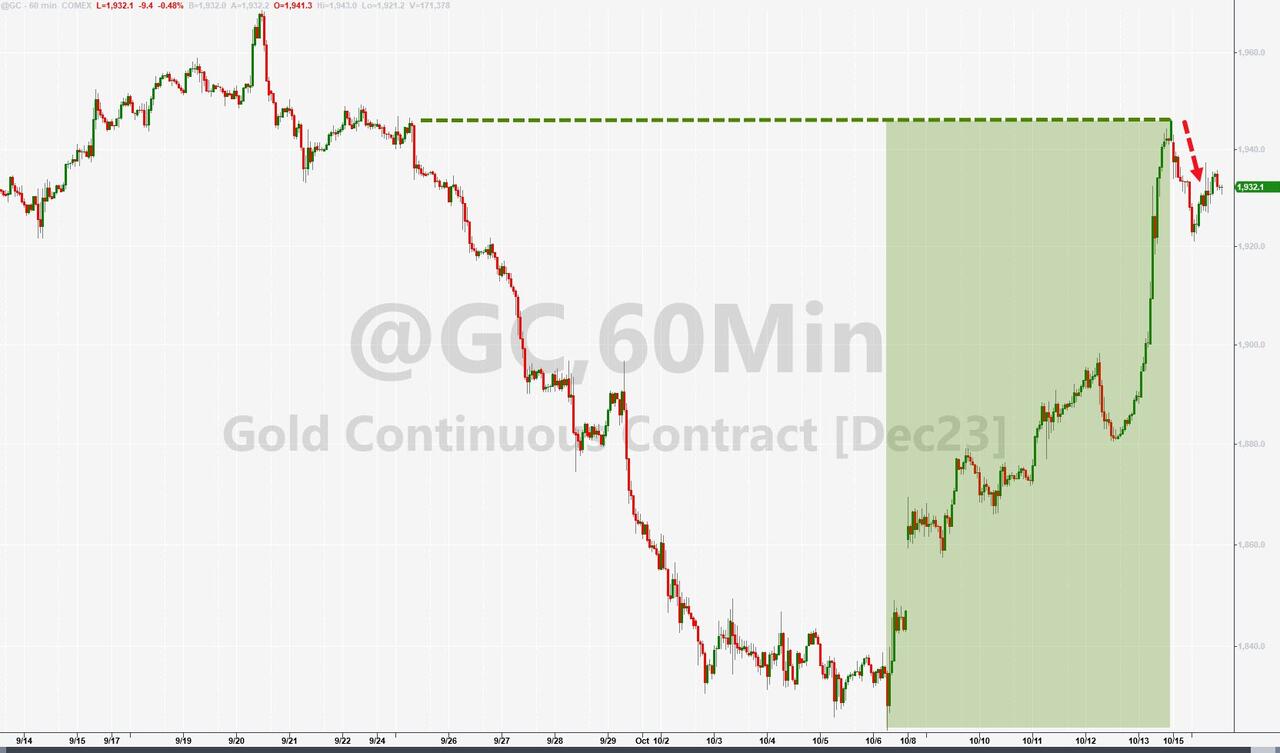
Bond yields were mixed with the 10-year Treasury yield slipping slightly. The dollar bounced back from an early dip and closed slightly higher, while gold was the star performer of the day with a 1.28% gain and a 6-week high.

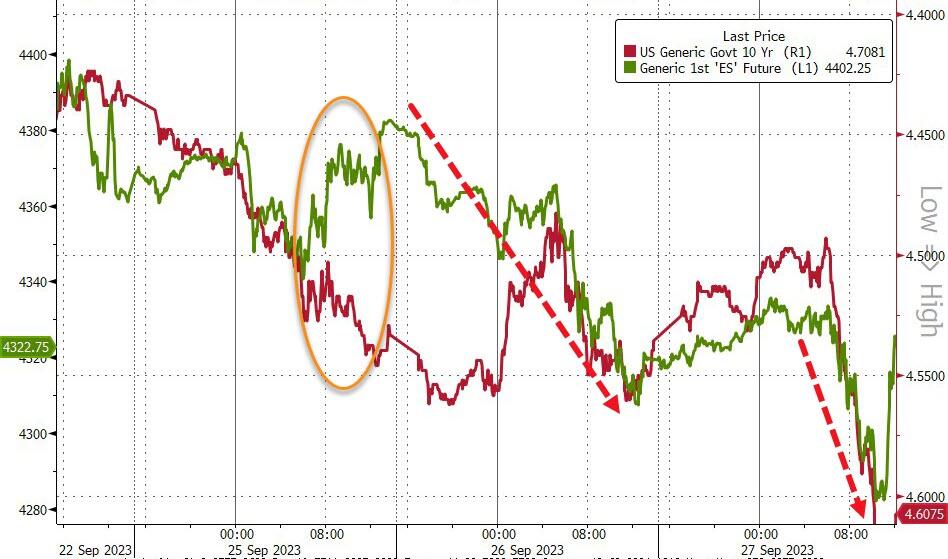
Looking at the global picture, it’s no secret that liquidity is the main driver of all equity markets. Major stock indexes, like the S&P 500, tend to move in sync with liquidity, but that correlation has broken down for the first time in 10 years, as this chart shows.

Hmm, will this alligator jaw snap shut soon? Or is this time different?

Read More
Stocks Rally Despite Earnings Gloom and Fed Silence

Ulli Market Commentary Contact

[Chart courtesy of MarketWatch.com]

  1. Moving the markets

The bulls were in charge as the market awaited earnings reports from big banks like BofA, Morgan Stanley and Goldman Sachs.

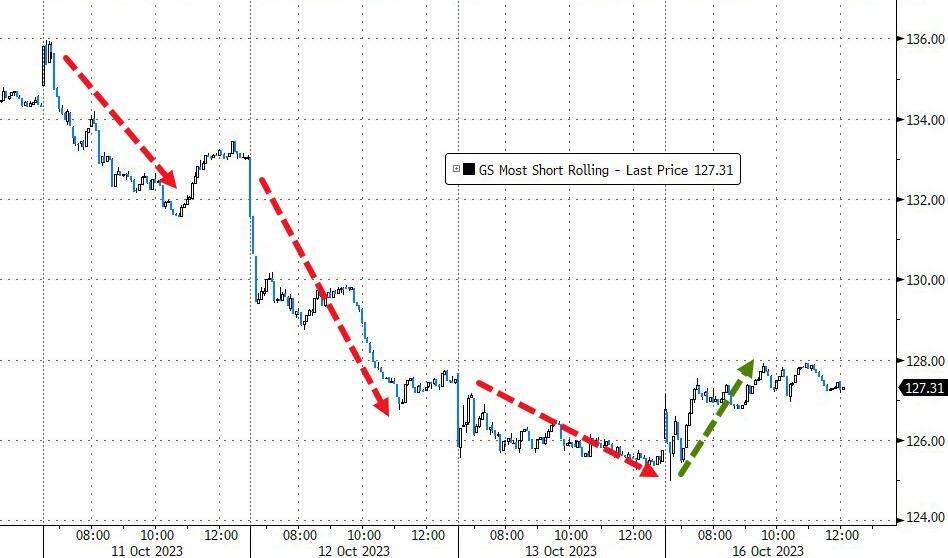
The major indexes ended the day in positive territory, thanks to another round of short squeezing. Even tech giants like Apple, Tesla and JPMorgan saw their shares rise, despite the gloomy outlook for the earnings season.

Analysts expect a 7% drop in S&P 500 earnings compared to last year, according to FactSet. So how can stocks keep soaring at these lofty levels?

Maybe it’s because of the wishful thinking expressed by Yardeni Research:

“I think the market is kind of overjoyed with the disinflationary, soft-landing scenario. I’ve been thinking for quite some time that we’re in a recession, but I argued that it’s a rolling recession, not an economy-wide recession. Now I think we’re in a rolling recovery.”

Sure, buddy. This week also marks the start of the Fed’s blackout period when Fed officials and staff zip their lips about the economy and monetary policy. The idea is to avoid messing with the market’s expectations or confusing anyone about the Fed’s plans before and after the FOMC meetings, where the Fed decides on interest rates and other monetary tools.

Bond yields were mixed, the US Dollar spiked and then dropped, Gold slid lower but recovered in the end.

Billionaire investor Seth Klarman is not buying into the current hype:

“You had a bubble, it was really a credit bubble, which became an everything bubble, and super-low interest rates, at times zero rates, made capital easily available and incredibly cheap.

That fueled frenzy over startups, SPACs, meme stocks and crypto, and all kinds of risky bets. I’m just not sure why you couldn’t have more trouble.

We haven’t seen a lot of casualties yet, I don’t know what that means, but I’d be worried.”

In other words, don’t get too greedy and be ready to bail if this bubble pops.

Read More
ETFs On The Cutline – Updated Through 07/14/2023

Ulli ETFs on the Cutline Contact

Do you want to know which ETFs are hot and which ones are not? Then you need my High-Volume ETF Cutline report. It tells you how close or far each of the 311 ETFs I follow is from its long-term trend line (39-week SMA). These are the ETFs that trade more than $5 million a day, so they are not some obscure funds that nobody cares about.

The report is split into two parts: The winners that are above their trend line (%M/A), and the losers that are below it. The yellow line is the line of shame that separates them. You can see how many ETFs are in each group and how they have changed since the last report (153 vs. 217 current).

Take a peek:

The HV ETF Master Cutline Report

If you are confused by some of the terms we use, don’t panic. I have a helpful Glossary of Terms for you.

If you want to learn more about the Cutline method and how it can make you rich (or at least less poor), read my original post here.

ETF Tracker Newsletter For July 14, 2023

Ulli ETF Tracker Contact

ETF Tracker StatSheet          

You can view the latest version here.

DOW CLINGS TO GAINS AS EARNINGS SEASON BEGINS

[Chart courtesy of MarketWatch.com]

  1. Moving the markets

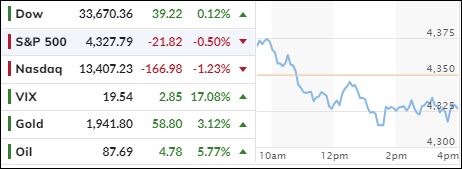
The Dow managed to squeeze out another positive close, thanks to strong bank earnings that beat the low bar set by analysts. The S&P 500 and Nasdaq started off strong, but lost steam and ended in the red. Still, both hit their highest levels since April 2022.

Analysts are bracing for a dismal earnings season, with S&P 500 profits expected to fall by about 7% year-over-year, according to FactSet. That would be the worst performance since the second quarter of 2020, when earnings plunged by 31.6%.

You might wonder how the stock market can stay so high amid such gloomy prospects. One reason is the hope that inflation is easing, based on recent economic data. Traders are betting that the economy can keep growing without overheating, despite the Fed’s hawkish signals. So far, their optimism has paid off.

The “Goldilocks” scenario is still alive: “not too hot, not too cold, but just right.” The Citi Surprise index shows that economic data has been mostly positive and above expectations. But the Fed is the ultimate judge of whether this fairy tale can last.

The short squeeze frenzy fizzled out today, while tech giant Nvidia gave up its early gains and turned negative. Bond yields bounced back today, with the 10-year approaching 4%, but falling short. The dollar has been on a losing streak, posting its second biggest weekly drop since March 2020.

The precious metals market was busy this week, with silver outshining gold and other commodities.

Next week, earnings season will ramp up, and we will see if low expectations can justify high valuations.

Read More
Weekly StatSheet For The ETF Tracker Newsletter – Updated Through 07/13/2023

Ulli ETF StatSheet Contact

ETF Data updated through Thursday, July 13, 2023

How to use this StatSheet:

  1. Out of the 1,800+ ETFs out there, I only pick the ones that trade over $5 million per day (HV ETFs), so you don’t get stuck with a lemon that nobody wants to buy or sell.
  1. Trend Tracking Indexes (TTIs)

These are the main indicators that tell you when to buy or sell Domestic and International ETFs (section 1 and 2). They do that by comparing their position to their long-term M/A (Moving Average). If they cross above, and stay there, it’s a green light to buy. If they fall below, and keep going, it’s a red light to sell. And to make sure you don’t lose your shirt if things go south, I also use a 12% trailing stop loss on all positions in these categories.
  1. All other investment areas don’t have a TTI and should be traded based on the position of each ETF relative to its own trend line (%M/A). That’s why I call them “Selective Buy.” In other words, if an ETF goes above its own trend line, you can buy it. But don’t forget to use a trailing sell stop of 12%, or less if you’re feeling nervous.

If some of these words sound like Greek to you, please check out the Glossary of Terms and new subscriber information in section 9.

  1. DOMESTIC EQUITY ETFs: BUY— since 12/01/2022

Click on chart to enlarge

This is our main compass, the Domestic Trend Tracking Index (TTI-green line in the above chart). It has now broken above its long-term trend line (red) by +6.87% and remains in “Buy” mode.

Read More