Dow Defies Earnings And Fed Jitters, Extends Record Run

Ulli Market Commentary Contact

[Chart courtesy of MarketWatch.com]

  1. Moving the markets

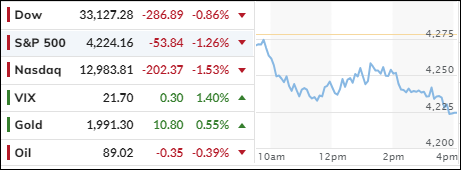
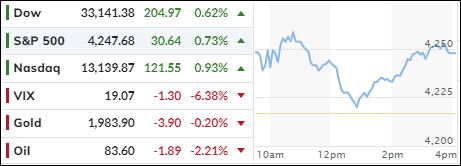
The Dow kept its winning streak alive for the 12th day in a row, shrugging off mixed earnings and the looming Fed decision on rates. Traders and algos were in a bullish mood, pushing the index to its highest level in six years.

Some earnings highlights: GM skidded 4% even after raising its outlook, GE soared 6% on a strong report card, and UPS slipped despite averting a strike with the Teamsters.

Google and Microsoft are up next after the bell. So far, 79% of S&P 500 companies have beaten the low bar of analyst expectations for Q2.

The Fed is widely expected to raise rates by 0.25% tomorrow, but the big question is what they will do in September? Many hope that inflation is under control and on track to hit the Fed’s 2% target, so no more hikes are needed.

But what if inflation comes back with a vengeance, as I suspect it will? Hmm…

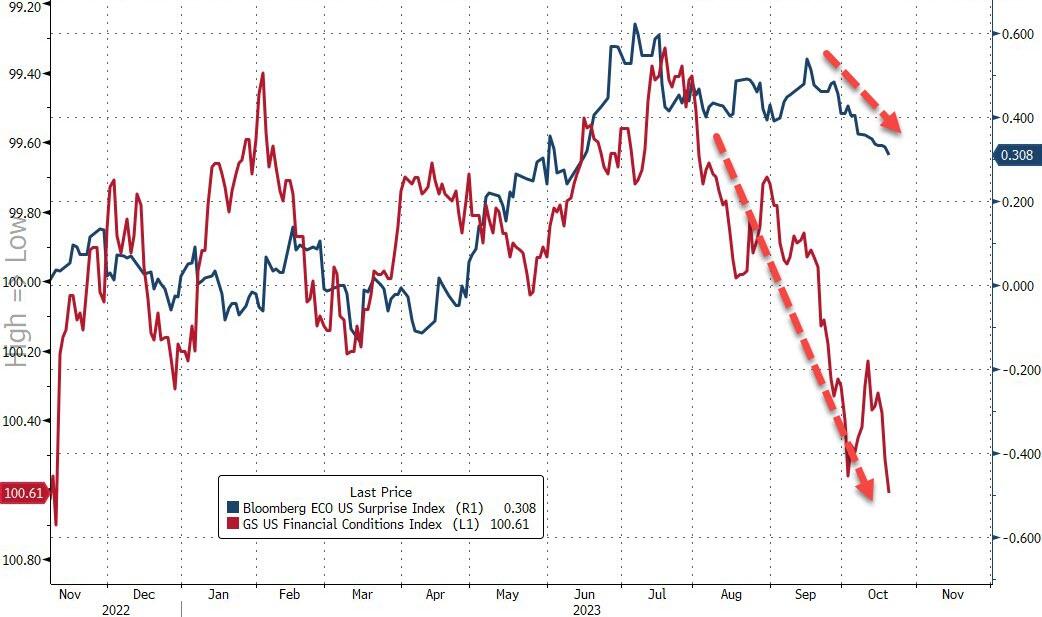
Consumer confidence surged to a two-year high, while inflation expectations dropped to a 10-month low. These numbers boosted the Economic Surprise Index, which had been lagging lately.

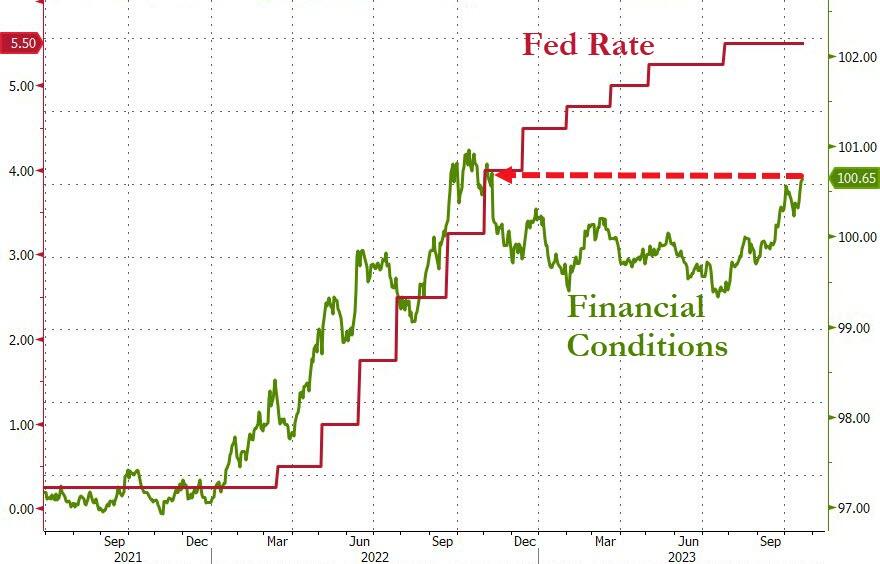
But financial conditions are still as easy as they were when the Fed started hiking rates by 0.5% in May 2022. That’s probably not what they had in mind after five hikes totaling 5%. If that didn’t do much, more hikes are likely, and the odds of another one before year-end are now at 50%.

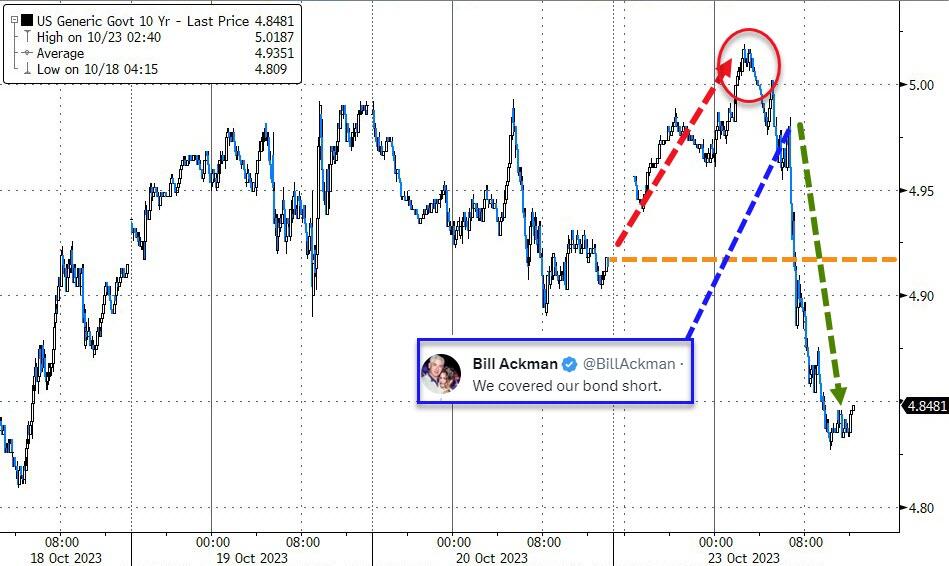
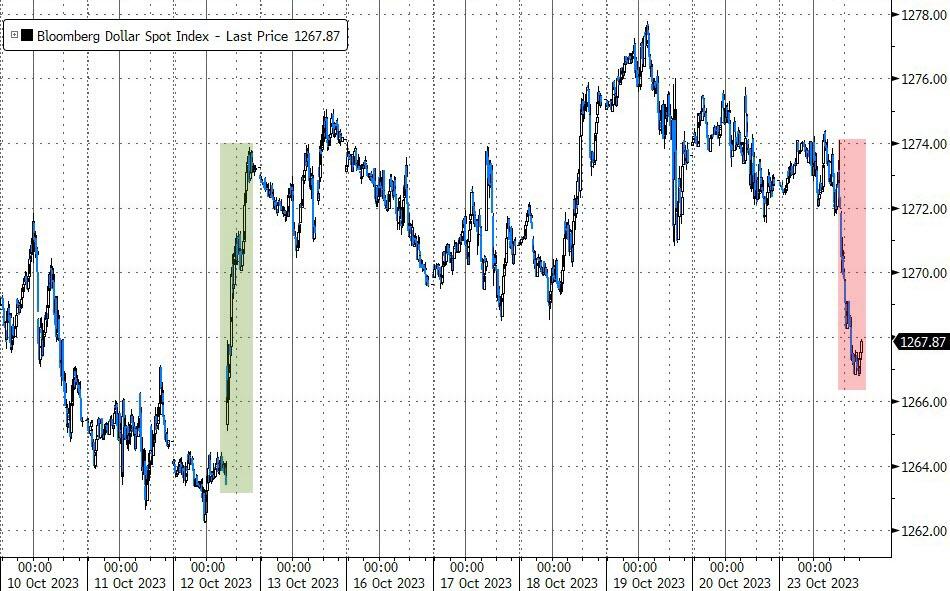
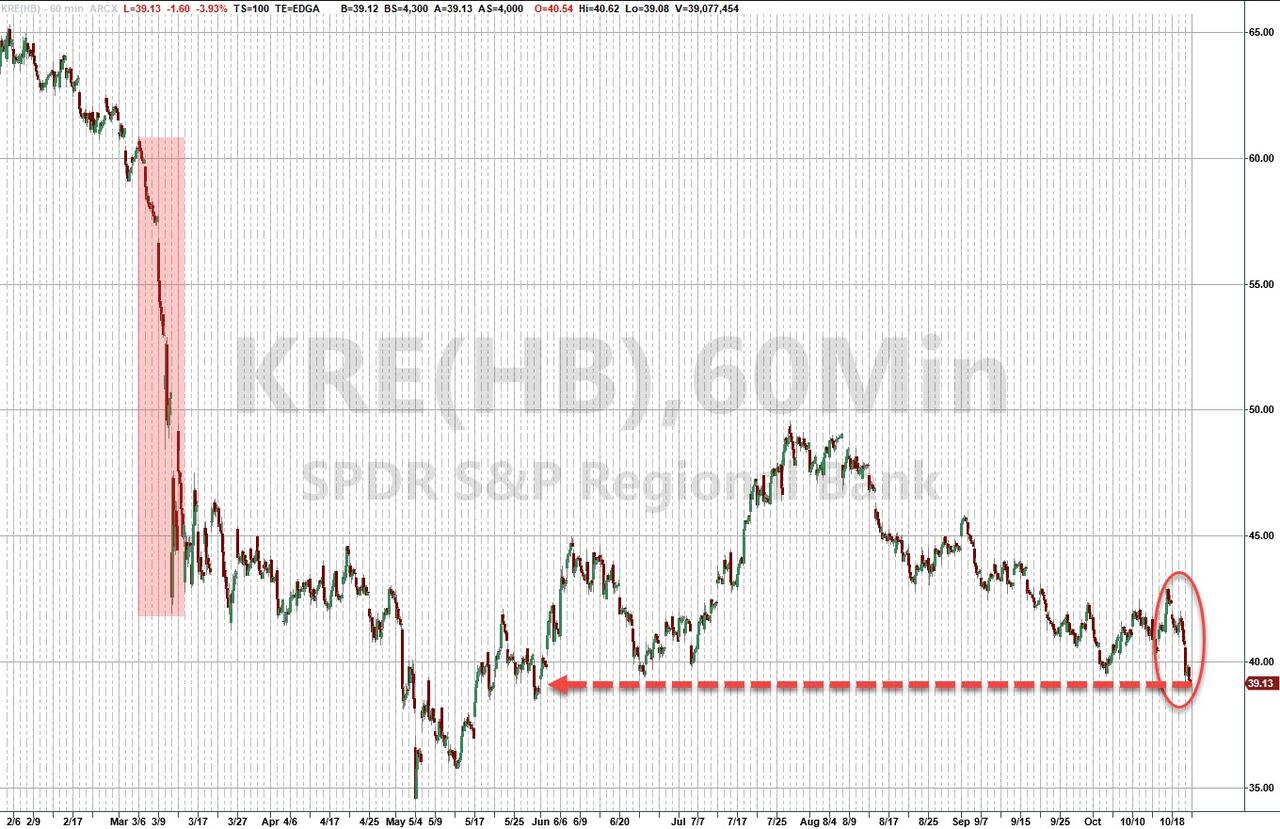
Banks reversed course after yesterday’s bounce, bond yields edged up, the dollar stayed in a tight range, and gold was choppy with its ETF adding +0.53%.

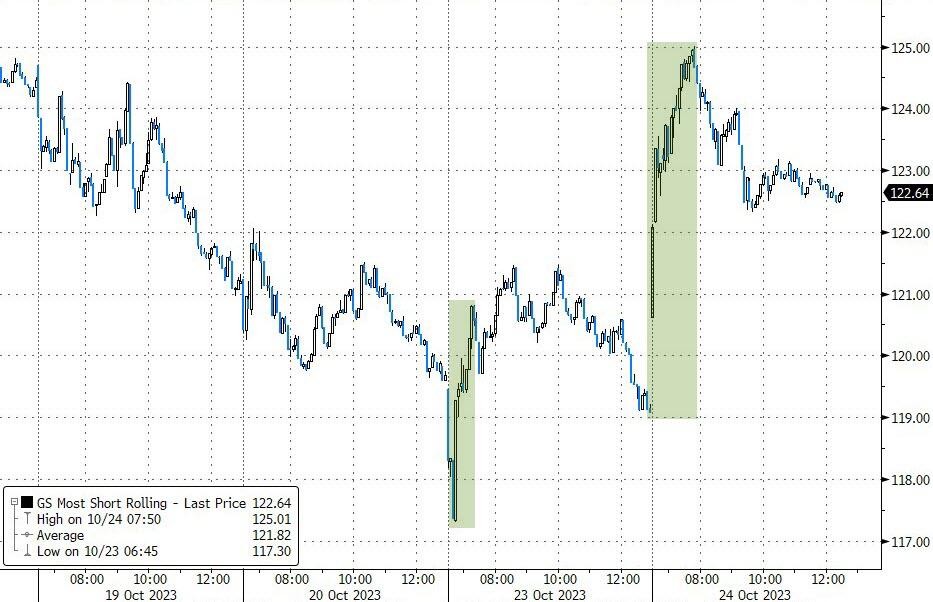
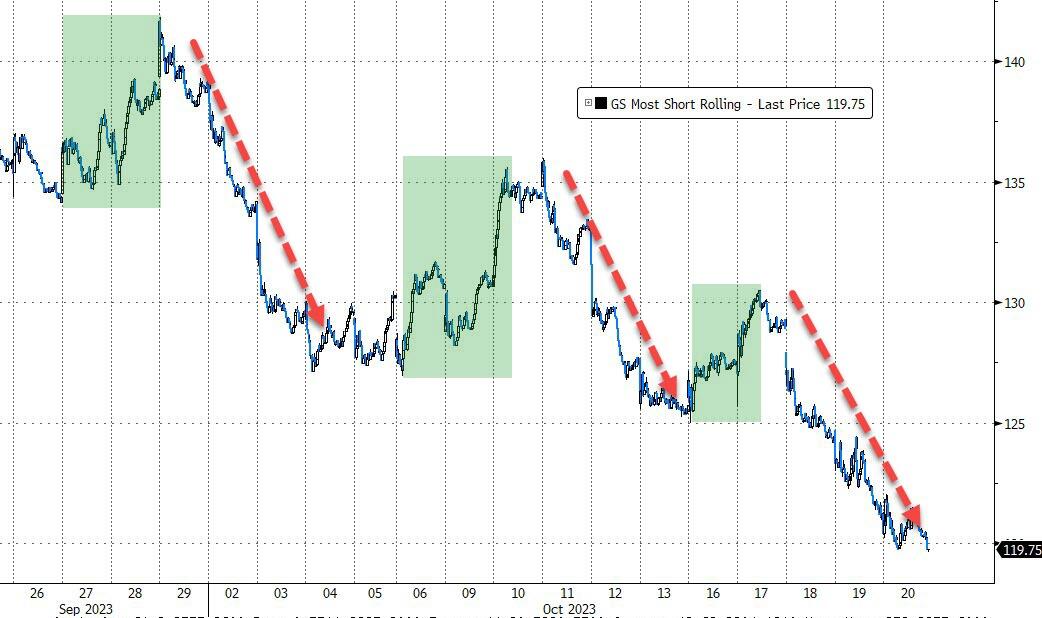
It’s no secret that insiders know best, and they have been bearish while retail investors drove this market melt up, as this chart shows.

Will they be proven right?

Read More
Fed Hike Looms as Economy Weakens

Ulli Market Commentary Contact

[Chart courtesy of MarketWatch.com]

  1. Moving the markets

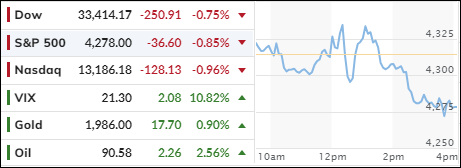
The stock market had a decent day, except for the Nasdaq, which barely moved. It managed to squeeze out a tiny gain of +0.19% in the final minutes, but that’s hardly impressive.

This week will be packed with events that could shake up the markets, such as the Fed and ECB meetings on interest rates, the US second-quarter GDP report, the US core inflation measure, and some European inflation data. We’ll also hear from big tech companies, oil giants, and major chipmakers, as well as 165 other companies in the S&P 500.

The Fed is expected to raise interest rates by 0.25%, and many investors hope that will be the last hike for a while. The chances of another hike in September are low, but they have increased slightly from last week. So, don’t hold your breath for a rate cut anytime soon.

The economy is not looking great either. Manufacturing is slowing down, both in the US and Europe. Services are doing better in the US, but worse in Europe. This could lead to the dreaded scenario of high inflation and low growth, or “stagflation”.

But some traders are optimistic and don’t see any signs of a recession. They think the market will keep going up, even though the Economic Surprise Index shows that things are worse than expected. Hmm…

The bond market saw higher yields, the dollar was stable, and gold continued its downward slide. There was also a strange divergence between banks and tech stocks. Banks did much better than tech stocks, which is unusual.

Are traders ignoring the risks facing banks, or are they losing faith in tech stocks?

Hmm…

Read More
ETFs On The Cutline – Updated Through 07/21/2023

Ulli ETFs on the Cutline Contact

Do you want to know which ETFs are hot and which ones are not? Then you need my High-Volume ETF Cutline report. It tells you how close or far each of the 311 ETFs I follow is from its long-term trend line (39-week SMA). These are the ETFs that trade more than $5 million a day, so they are not some obscure funds that nobody cares about.

The report is split into two parts: The winners that are above their trend line (%M/A), and the losers that are below it. The yellow line is the line of shame that separates them. You can see how many ETFs are in each group and how they have changed since the last report (217 vs. 240 current).

Take a peek:

The HV ETF Master Cutline Report

If you are confused by some of the terms we use, don’t panic. I have a helpful Glossary of Terms for you.

If you want to learn more about the Cutline method and how it can make you rich (or at least less poor), read my original post here.

ETF Tracker Newsletter For July 21, 2023

Ulli ETF Tracker Contact

ETF Tracker StatSheet          

You can view the latest version here.

LIQUIDITY VS STOCKS: WHO WILL WIN?

[Chart courtesy of MarketWatch.com]

  1. Moving the markets

The stock market had a wild ride this week, as investors scrambled to adjust their portfolios before a major reshuffle of the Nasdaq-100 index on Monday. A flurry of options trading added to the volatility.

Corporate earnings were in the spotlight, but they failed to impress. Most of the companies in the S&P 500 beat the analysts’ low expectations, but not by much. The average beat rate was below the norm for the past three years.

Still, some analysts remained optimistic and predicted that the earnings were good enough to keep the market going up. They ignored the rising interest rates and the Fed’s tight monetary policy.

They also overlooked the weakening US economic data, which had its biggest weekly drop in more than two years. That could signal a recession, which usually means lower interest rates. But the Fed may not cut rates anytime soon, because it must protect the dollar from falling further and stoking inflation.

The market ended the week flat, after a short squeeze fizzled out. The squeeze had boosted some stocks earlier in the week, especially unprofitable tech stocks. But those stocks lost their shine by Friday, as did some of the tech giants like Tesla, Netflix and Nvidia.

Bond yields were mixed, the dollar had its best week since February, gold edged up and silver slid down.

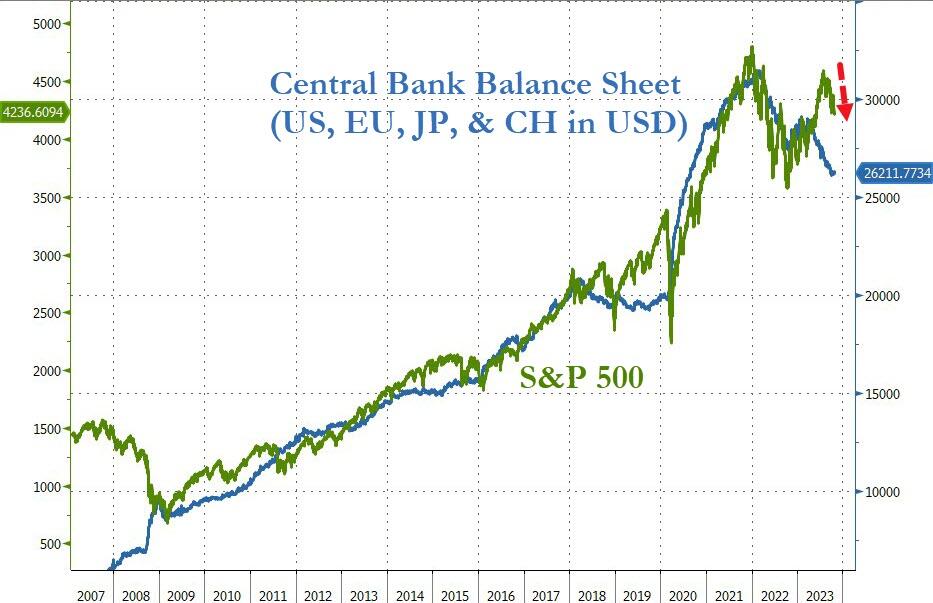
Remember, liquidity is king in the market. Any divergence between liquidity and a stock index will eventually correct itself, as this chart shows.

Which way will it go? History says liquidity always wins.

Read More
Weekly StatSheet For The ETF Tracker Newsletter – Updated Through 07/20/2023

Ulli ETF StatSheet Contact

ETF Data updated through Thursday, July 20, 2023

How to use this StatSheet:

  1. Out of the 1,800+ ETFs out there, I only pick the ones that trade over $5 million per day (HV ETFs), so you don’t get stuck with a lemon that nobody wants to buy or sell.
  1. Trend Tracking Indexes (TTIs)

These are the main indicators that tell you when to buy or sell Domestic and International ETFs (section 1 and 2). They do that by comparing their position to their long-term M/A (Moving Average). If they cross above, and stay there, it’s a green light to buy. If they fall below, and keep going, it’s a red light to sell. And to make sure you don’t lose your shirt if things go south, I also use a 12% trailing stop loss on all positions in these categories.

  1. All other investment areas don’t have a TTI and should be traded based on the position of each ETF relative to its own trend line (%M/A). That’s why I call them “Selective Buy.” In other words, if an ETF goes above its own trend line, you can buy it. But don’t forget to use a trailing sell stop of 12%, or less if you’re feeling nervous.

If some of these words sound like Greek to you, please check out the Glossary of Terms and new subscriber information in section 9.

  1. DOMESTIC EQUITY ETFs: BUY— since 12/01/2022

Click on chart to enlarge

This is our main compass, the Domestic Trend Tracking Index (TTI-green line in the above chart). It has now broken above its long-term trend line (red) by +7.02% and remains in “Buy” mode.

Read More

Nasdaq Nosedives As Chipmaker Slashes Outlook

Ulli Market Commentary Contact

[Chart courtesy of MarketWatch.com]

  1. Moving the markets

The Dow managed to squeeze out a tiny gain for the 9th day in a row, but the rest of the market was not so lucky. The S&P 500 fell, and the Nasdaq took a big hit.

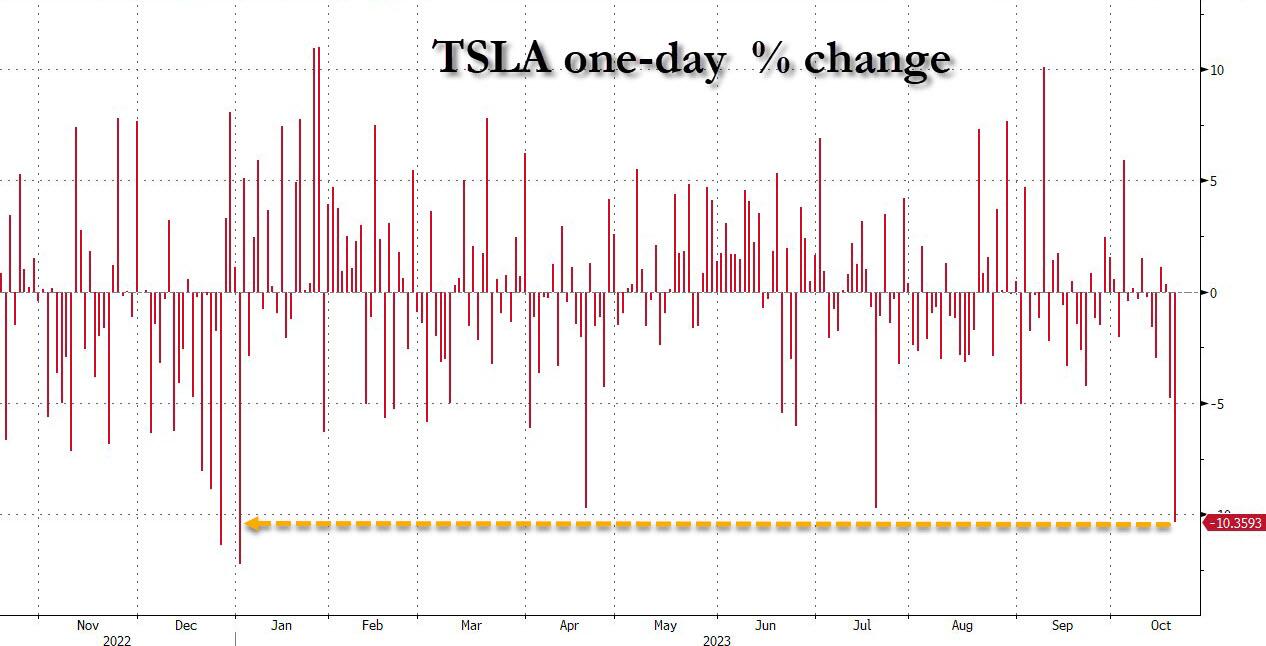
Johnson & Johnson’s strong earnings helped the Dow, but there was no sign of a short squeeze to boost the stock further. The market was weighed down by mixed earnings results, as Netflix lost 8% and Tesla dropped 9% due to production woes.

The Nasdaq also suffered from the news that Taiwan Semiconductor, the world’s biggest chipmaker, cut its revenue forecast for 2023 by half.

The economic news was not much better, as US home sales plunged in June, the Philly Fed index showed another month of shrinking manufacturing activity, and jobless claims rose to their highest level since January.

Commercial real estate continued to struggle, as another office tower in Baltimore was sold at a huge discount. This was not surprising, as many downtown buildings are losing tenants who prefer to work from home or elsewhere.

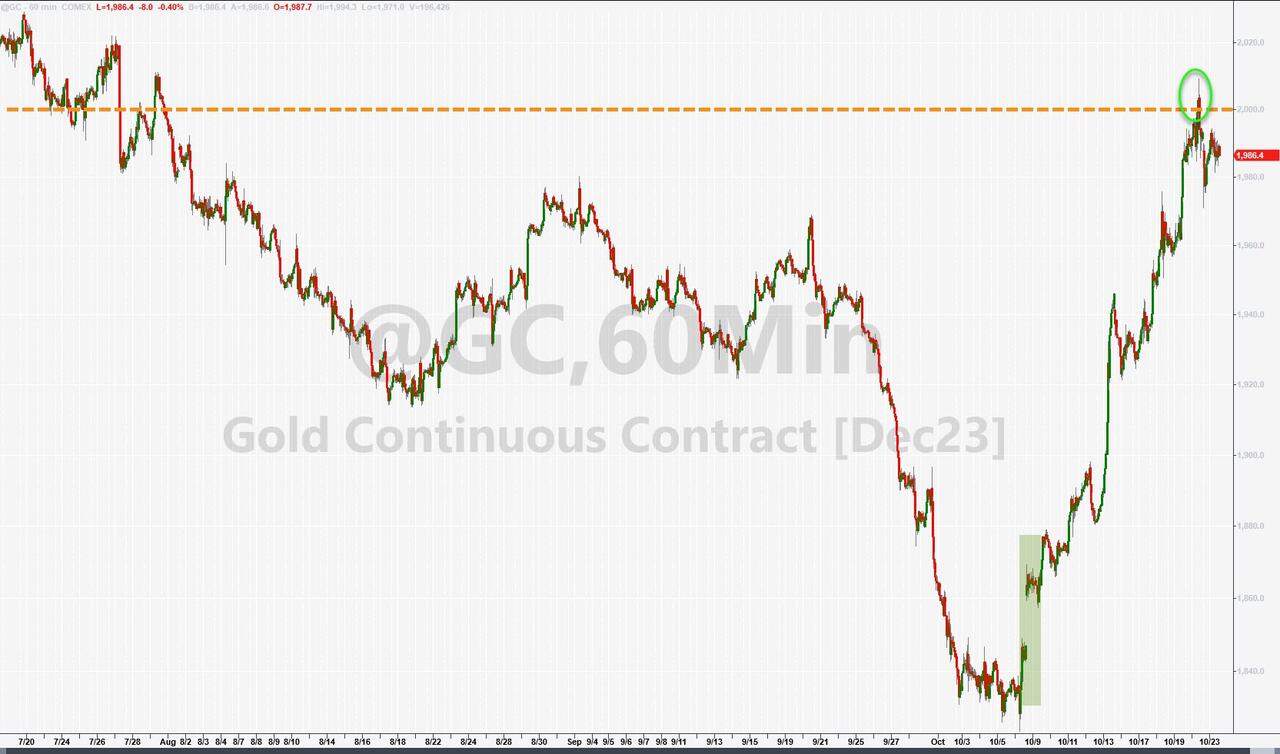
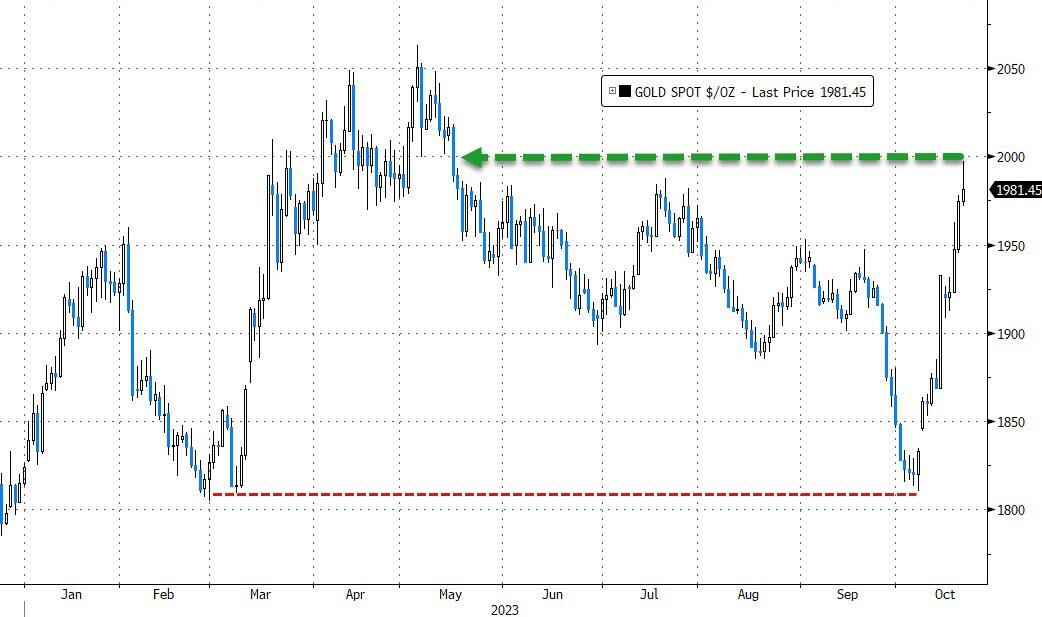
The Economic Surprise index fell again, while bond yields rose and lifted the dollar to a one-week high. Gold slipped but stayed above $1,970.

It seems like the market is ignoring the bad news and hoping for the best, but how long can this last?

Read More