Bulls Bet On Nvidia To Save The Market From August Slump

Ulli Market Commentary Contact

[Chart courtesy of MarketWatch.com]

  1. Moving the markets

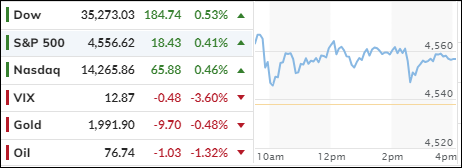
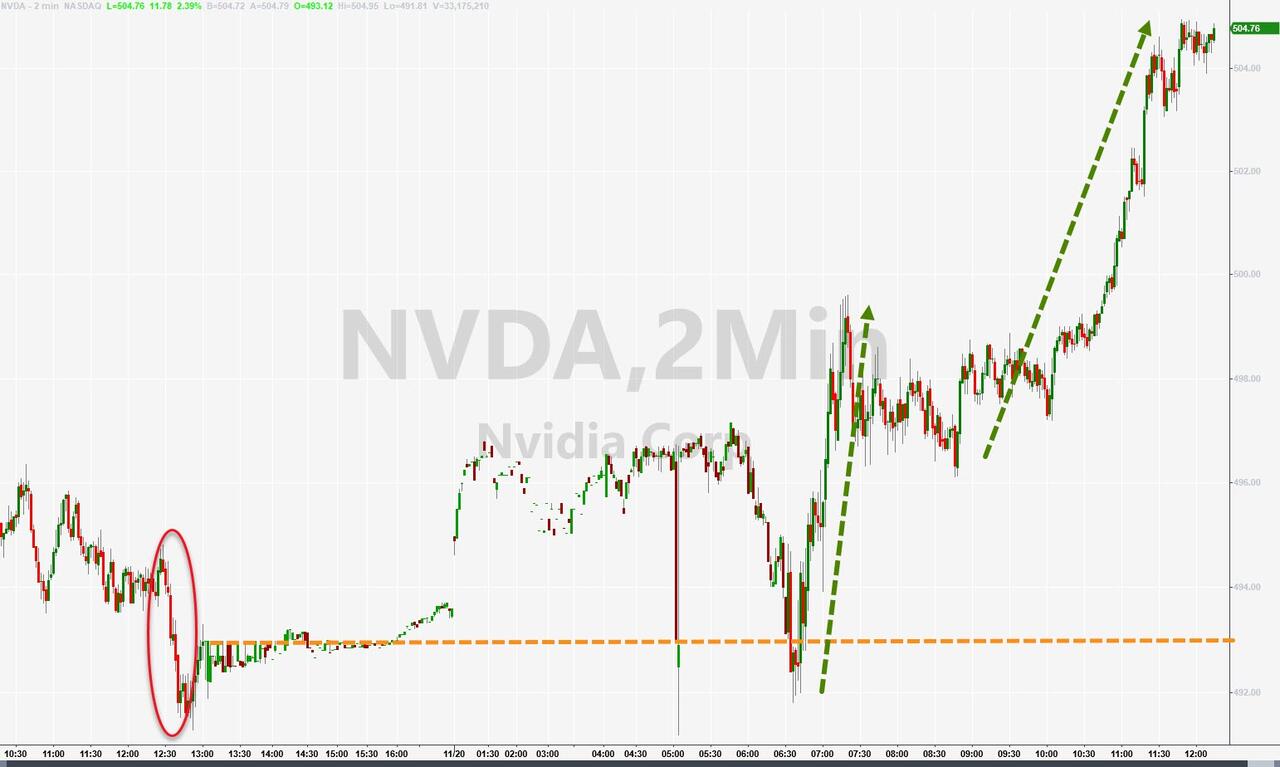
The market was eagerly waiting for Nvidia’s earnings report, which is due out later today. The chipmaker was expected to post impressive growth in both profit and revenue, thanks to its dominance in the artificial intelligence (AI) sector.

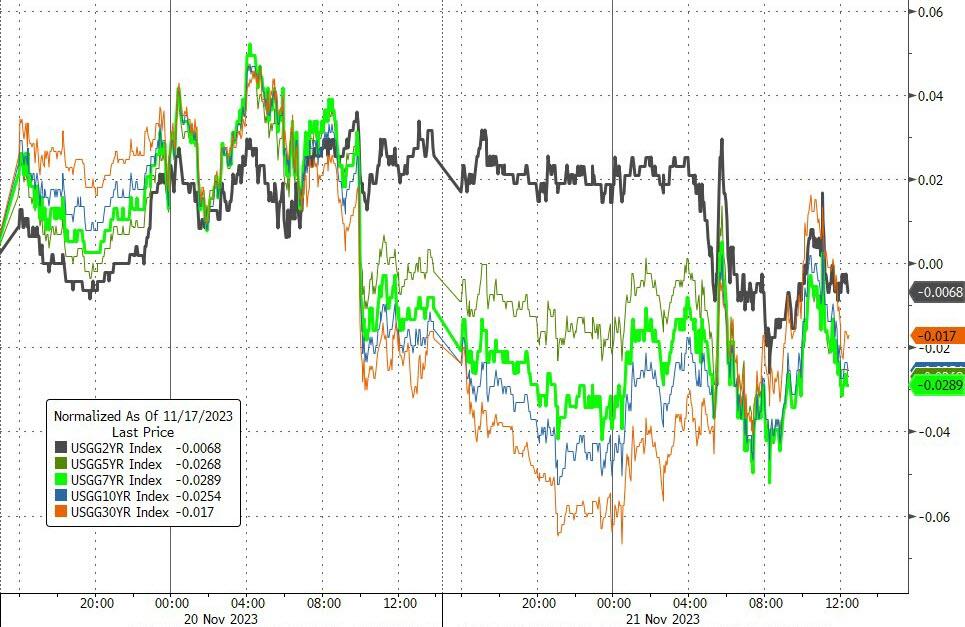
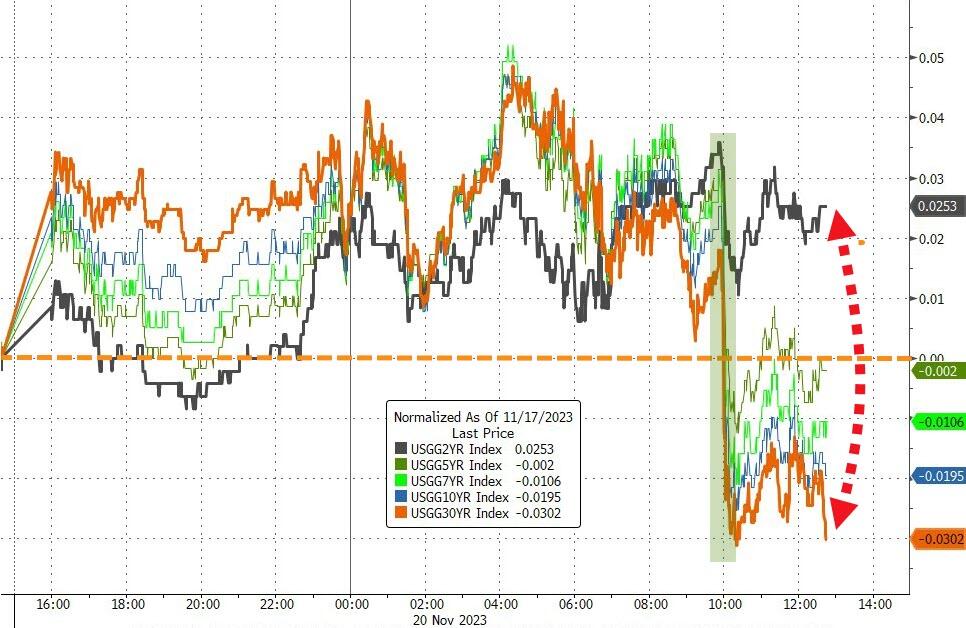
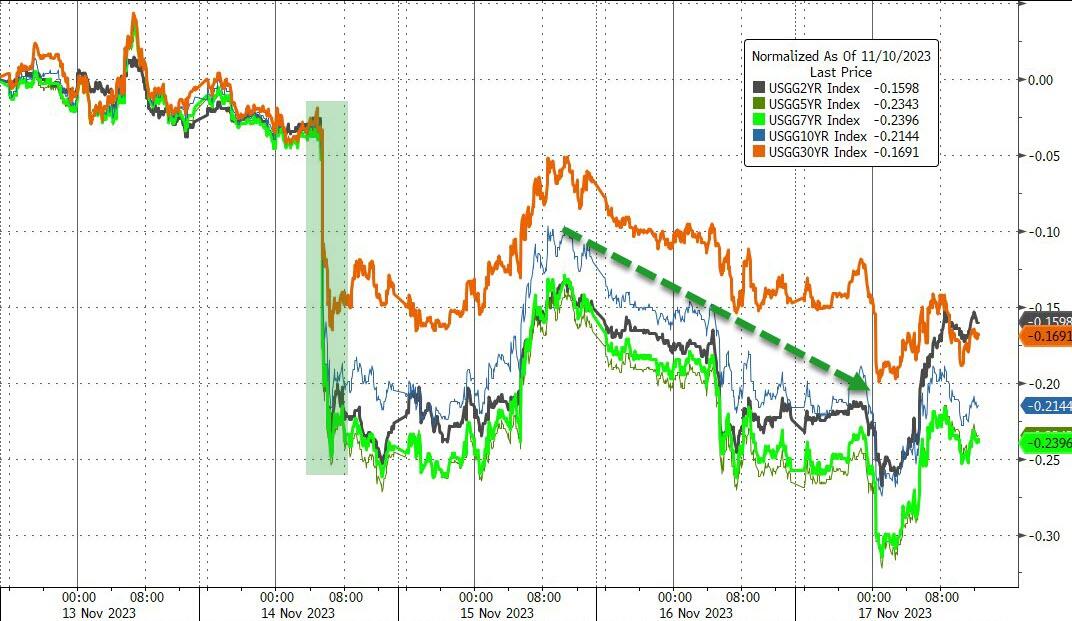
The bulls were optimistic and pushed the major indexes higher, while the bears took a back seat. The lower bond yields also helped boost the market mood, as the 10-year Treasury yield fell to 4.18%, down from 4.33% yesterday.

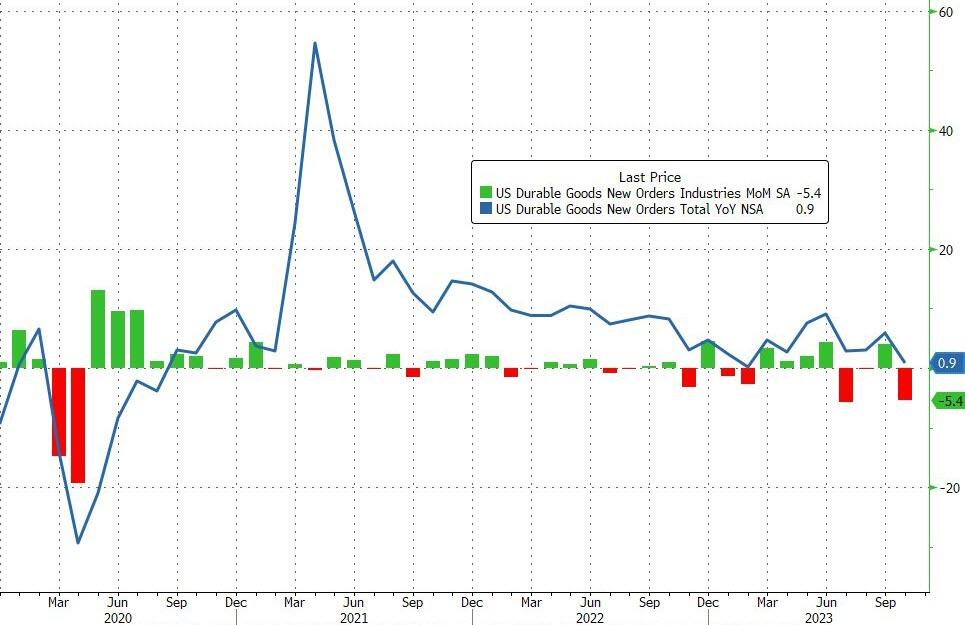
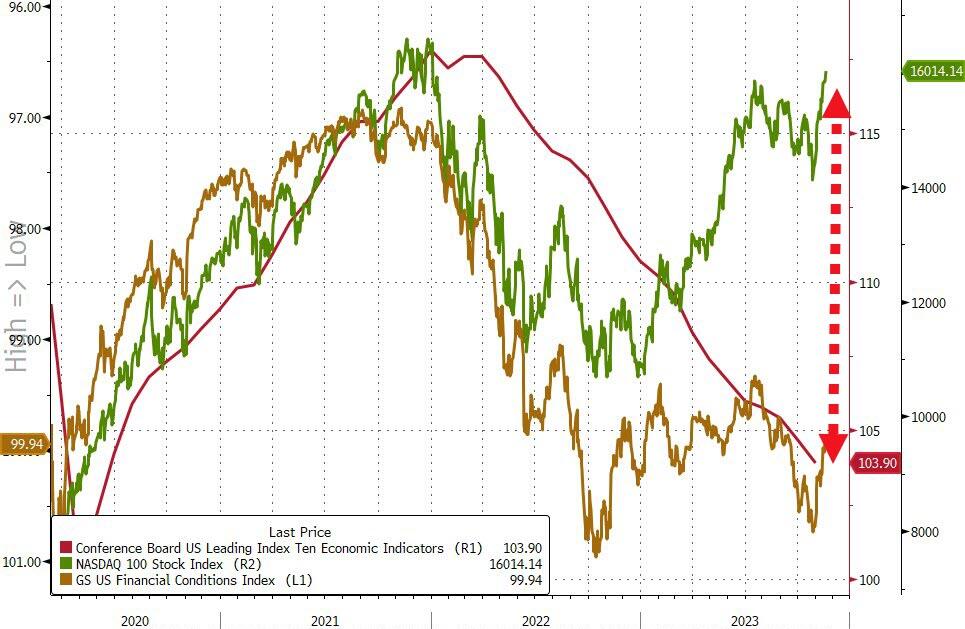
However, not everything was rosy in the market. The rally this year has been driven by a handful of AI stocks, leaving many others behind. The manufacturing sector has been weakening, while the consumer spending has been surprisingly strong. These conflicting signals have created confusion and uncertainty among investors.

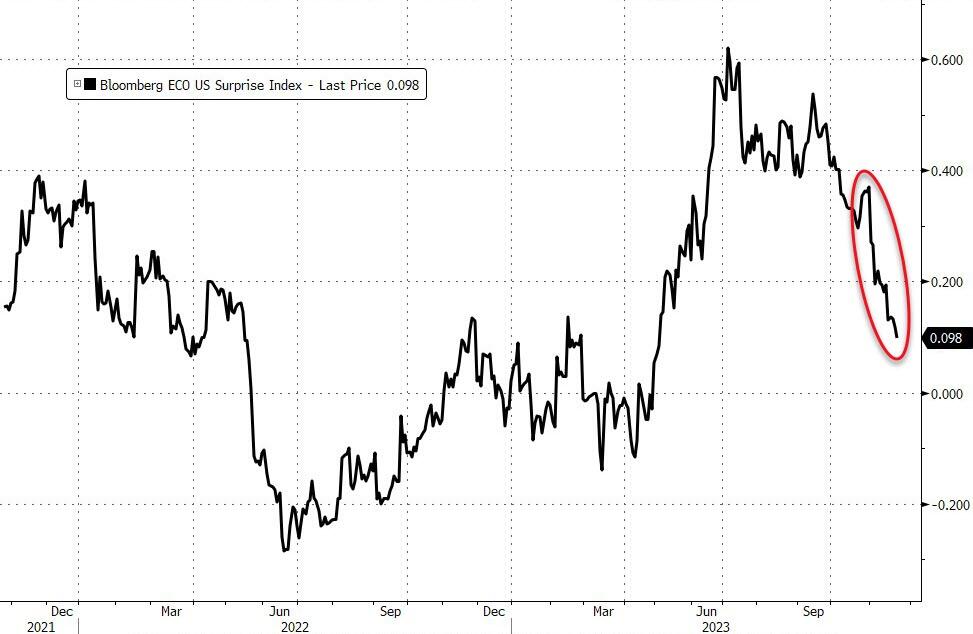
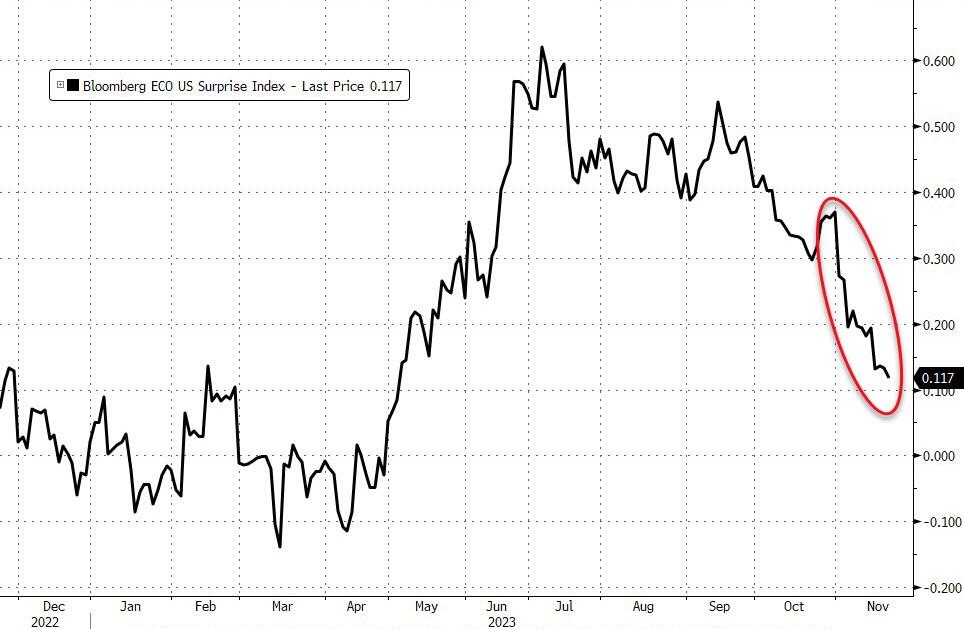
The bad news continued to pile up today, especially for the retailers. They reported disappointing results that showed a more-stressed American consumer than the market had anticipated. This was the worst week for retail earnings since April, according to the Citi Economic Surprise Index.

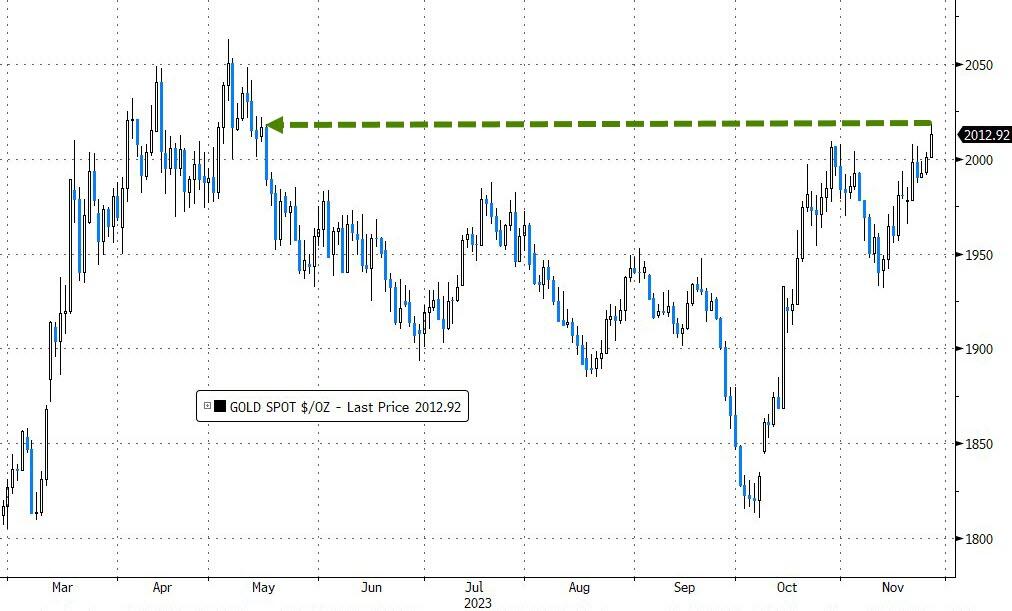
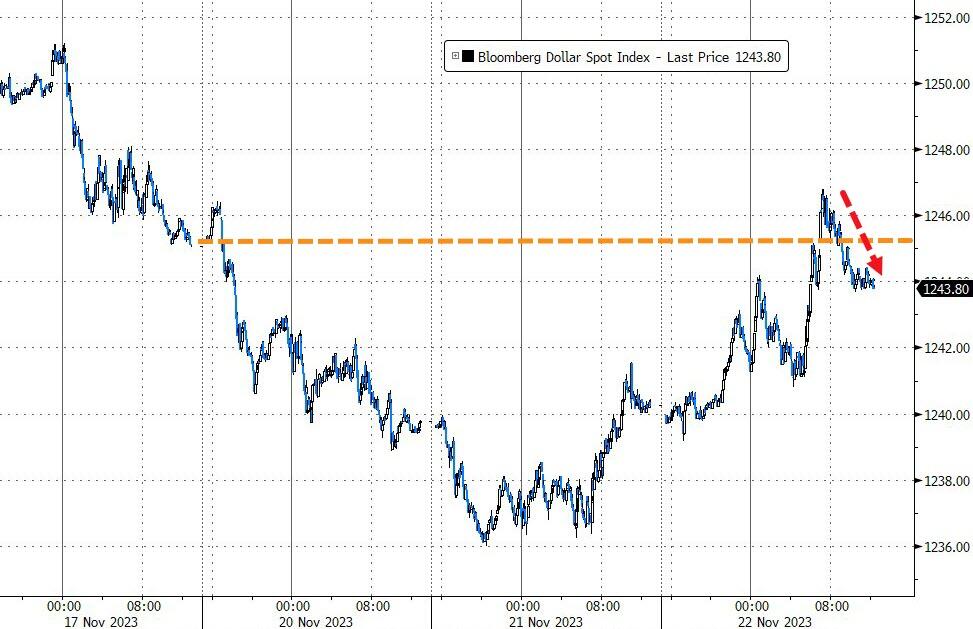
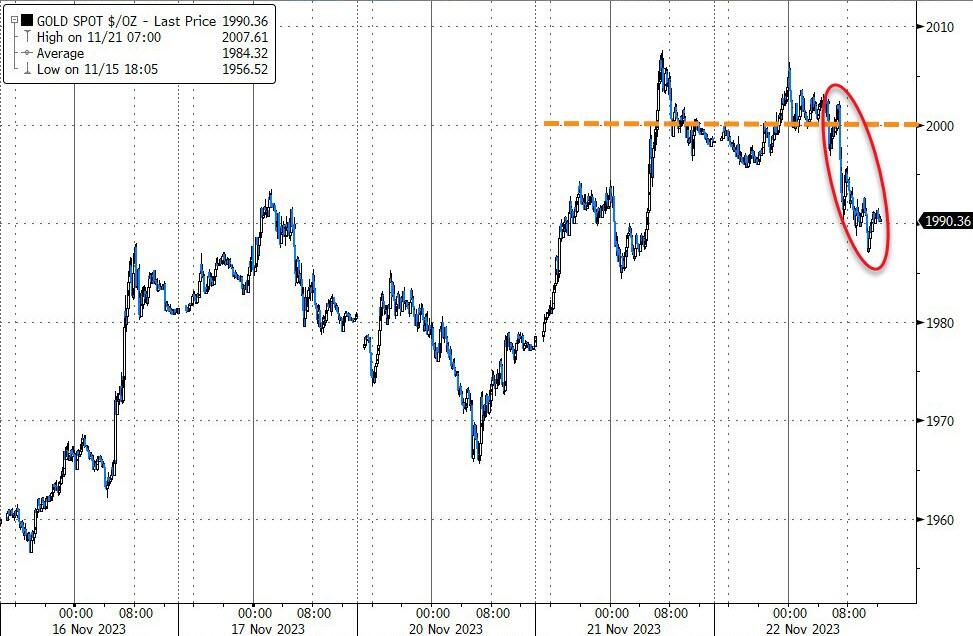
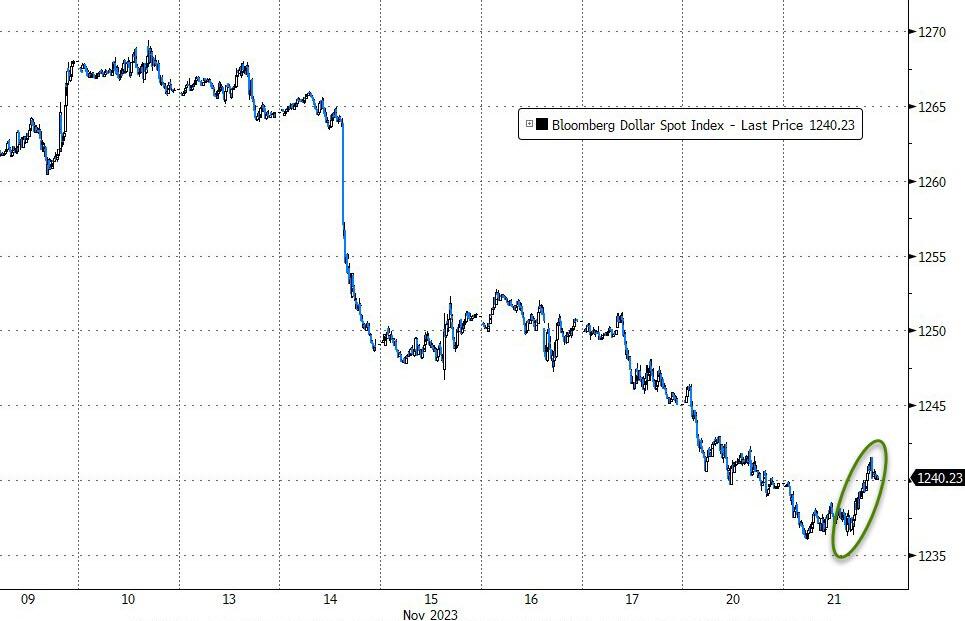
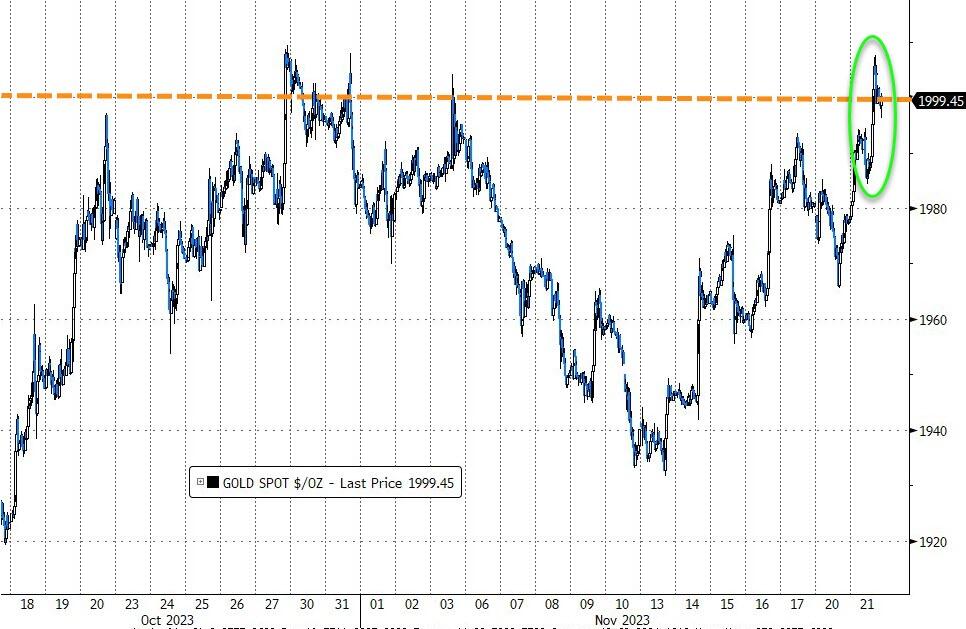
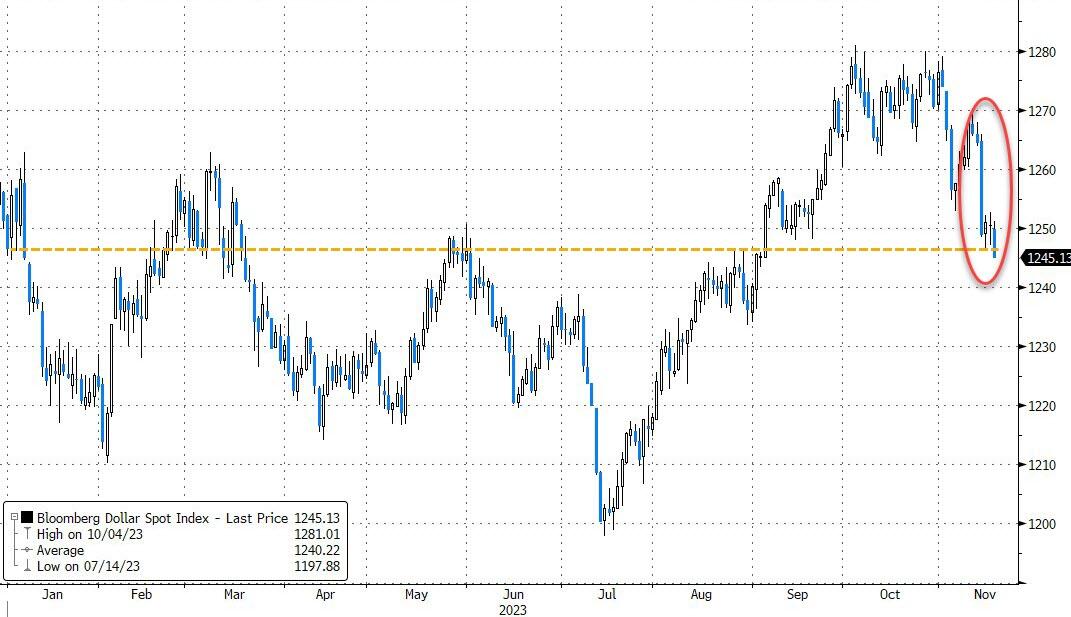
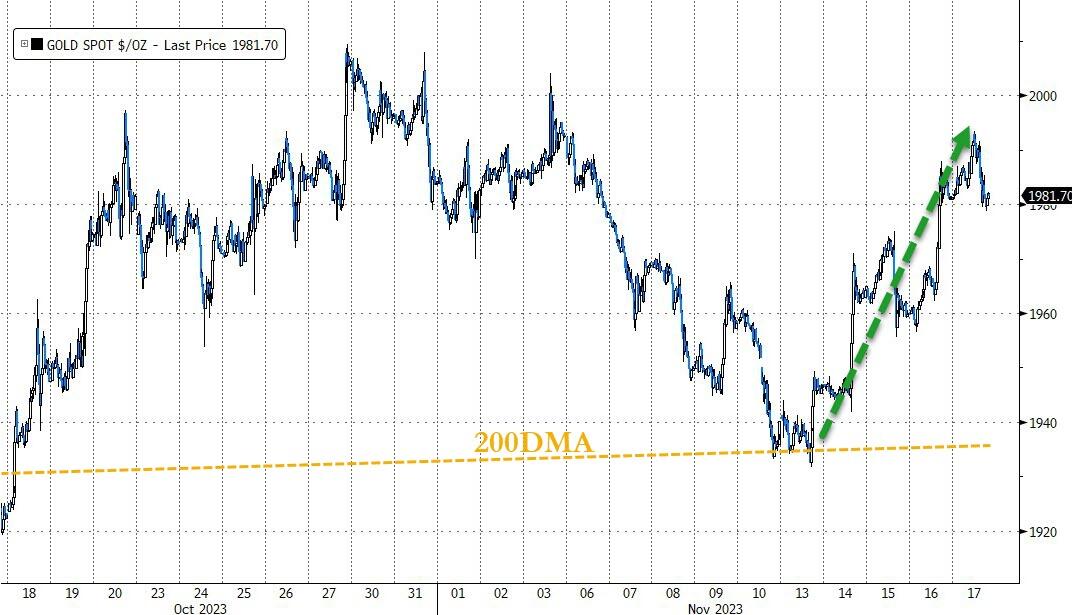
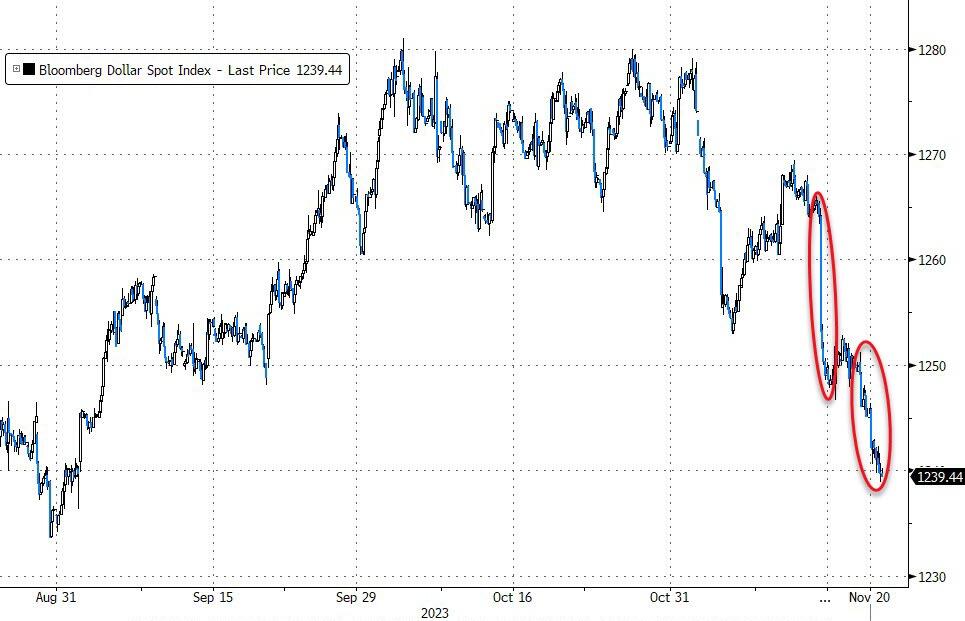
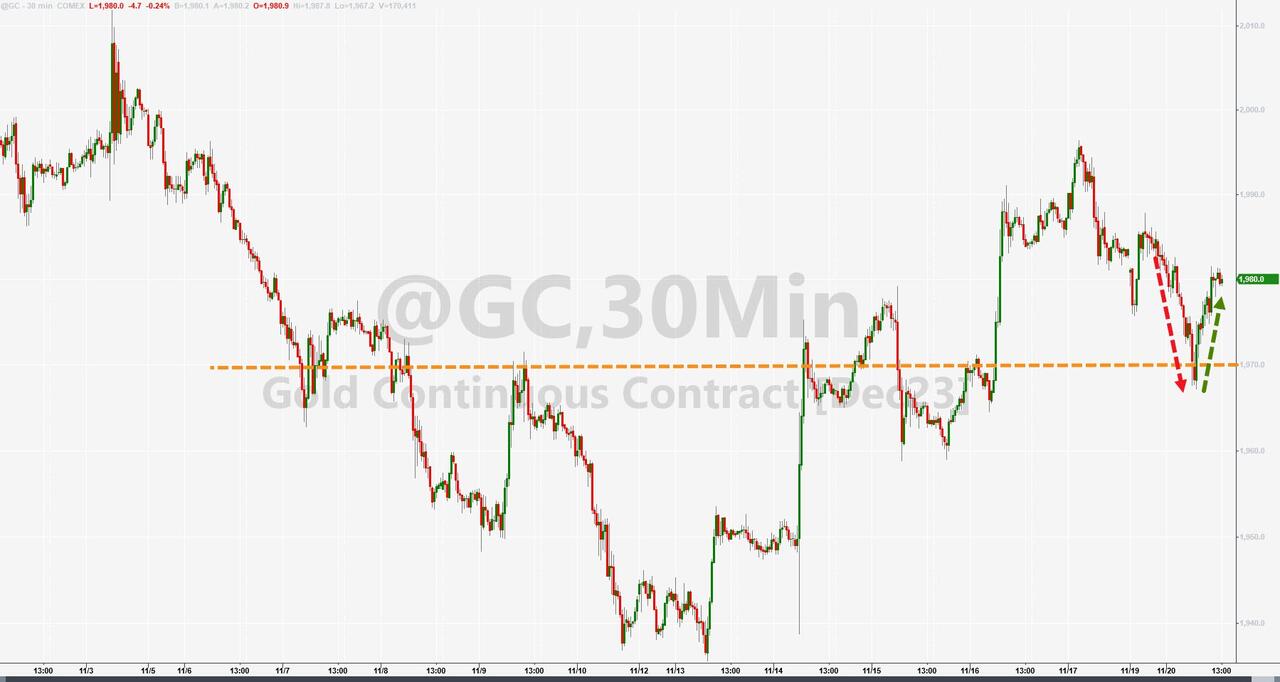
The dollar dropped on the gloomy outlook, while gold rose over 1%. Crude oil also slipped, as demand worries weighed on prices.

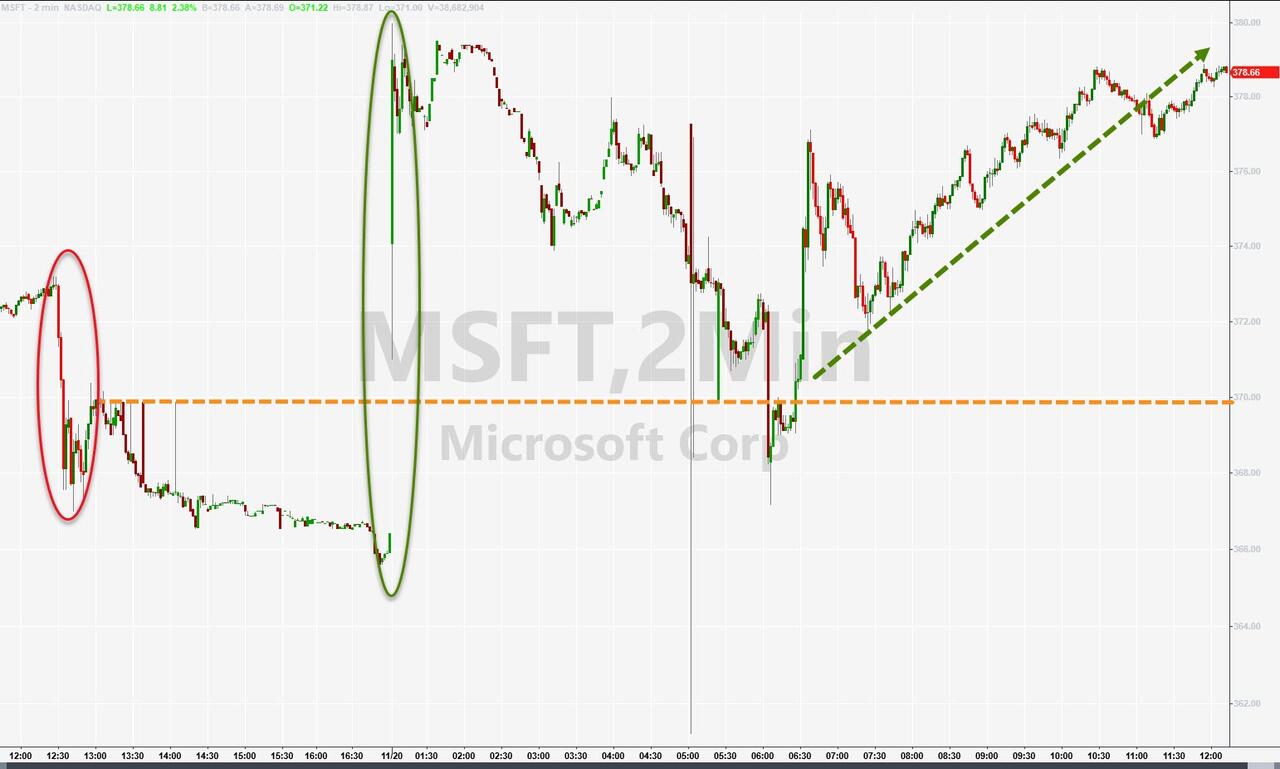
In the individual stock universe, the bears had a field day. Peloton plunged 23%, as it faced lawsuits and recalls over its treadmills. Footlocker had its worst day ever, as it missed earnings and revenue estimates. Nike extended its losing streak to 10 days, as it faced supply chain issues and boycotts in China. Nvidia was one of the few bright spots, as it bounced back ahead of its earnings tonight.

The earnings report from Nvidia is critical for many reasons. It would determine the fate of the AI boom or bust scenario, as well as the direction of the broader market. Nvidia is seen as a bellwether for the tech sector, and its performance could have ripple effects on other stocks. Investors are hoping for a positive surprise from Nvidia, but they also know that expectations are high, and anything less than stellar could trigger a sell-off.

Read More
Bank Downgrade Dampens Market Mood

Ulli Market Commentary Contact

[Chart courtesy of MarketWatch.com]

  1. Moving the markets

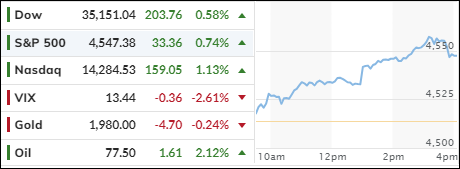
The stock market lost steam on Tuesday as a downgrade of several U.S. banks weighed on the financial sector and overshadowed the gains in tech stocks. S&P Global lowered its credit ratings and outlook for some regional and large banks, citing “tough” operating conditions.

The financial sector was the worst performer of the S&P 500, dropping 0.8%. Meanwhile, some retailers also dragged down the market, as Dick’s Sporting Goods and Macy’s plunged by 24% and 13%, respectively, after issuing cautious full-year guidance. The S&P Retail ETF followed suit, falling 1.2%.

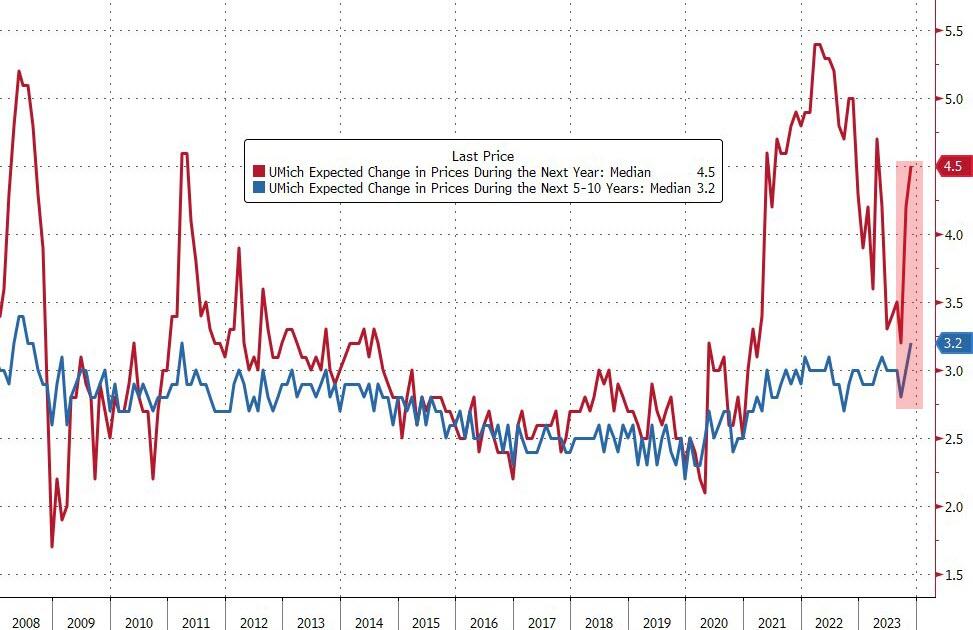
On the bright side, tech giants Netflix and Alphabet rose, boosting the Nasdaq Composite. The bond market also remained in focus, as the 10-year Treasury yield eased slightly to 4.33% after hitting a 16-year high of 4.37% on Monday. The rising yield has been a source of concern for equity investors, as it signals higher borrowing costs and inflation expectations.

Some analysts warn that a breakout above the October highs in the 10-year yield could trigger a deeper pullback or even a breakdown in the stock market. Our Trend Tracking Indexes (section 3) are already pointing to a potentially bearish scenario.

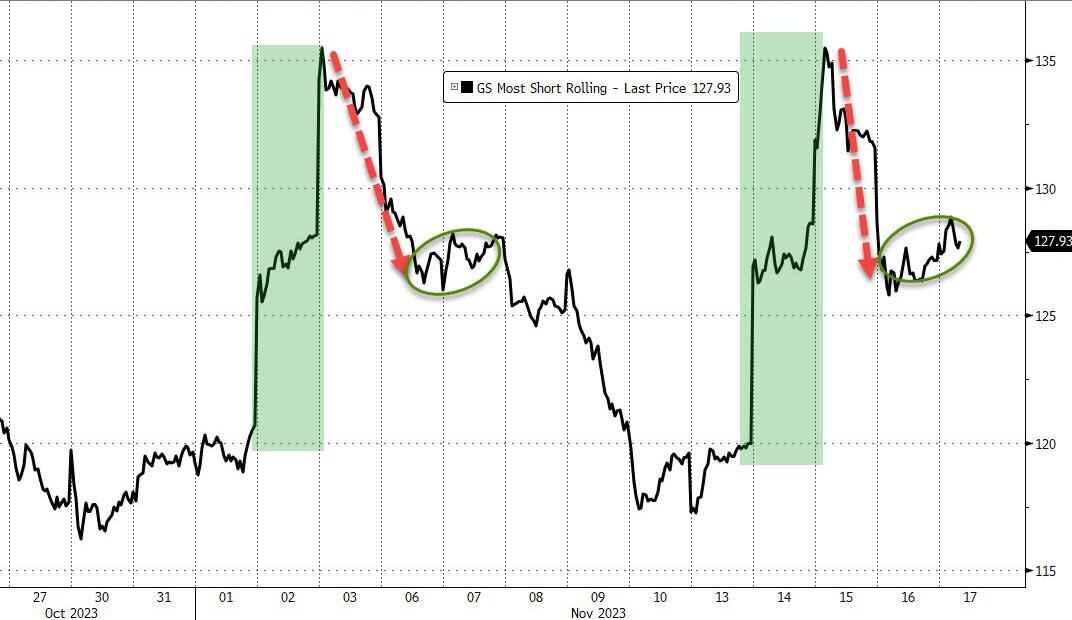
Another sign of weakness in the market is the lack of short squeeze attempts, as the basket of the most shorted stocks has plummeted 21% from its July 31st peak. This is bad news for the bulls, but good news for the bears.

One stock that defied gravity was Nvidia, which soared to a record high in the pre-market before reversing course and ending lower. The chipmaker will report its earnings after the close on Wednesday, and investors will be eager to see if its results can justify its lofty valuation.

The currency and commodity markets were relatively quiet, with the dollar flat, gold slightly higher, and bond yields mixed. Rate hike expectations continued to rise, as the Fed is expected to tighten its policy in response to the inflationary pressures.

Read More
Tech Stocks Bounce Back As Nvidia Shines, But Bond Yields Threaten To Spoil The Party

Ulli Market Commentary Contact

[Chart courtesy of MarketWatch.com]

  1. Moving the markets

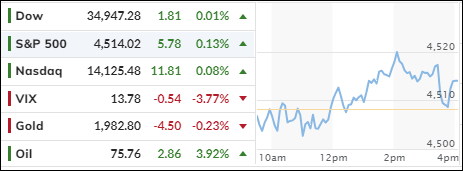
The tech sector finally got some relief, as the Nasdaq snapped a five-day losing streak and outperformed the other major indices. The S&P 500 also ended in the green, but the Dow barely budged.

The star of the show was Nvidia, which soared 8% ahead of its earnings report on Wednesday. The chipmaker received three more bullish upgrades, making its Boom/Bust chart look like this.

The tech rally was surprising, given that bond yields continued to climb to multi-year highs. The 10-year Treasury yield hit 4.34%, its highest level since November 2007, and closed there.

If the 10-year yield keeps rising, it could spell trouble for the stock market, as higher borrowing costs and lower valuations could dampen investor sentiment. The market already showed signs of weakness last week, when the S&P 500 and Nasdaq fell for a third consecutive week, and the Dow had its worst week since March.

Despite Monday’s bounce, I think the market is due for more correction. The bond market is offering attractive yields to investors who are skeptical about the earnings growth prospects of the S&P 500, which has been stagnant for about two years.

The dollar was flat, oil prices slipped but held above $80, and gold edged up +0.37%.

This week, all eyes will be on Federal Reserve Chair Jerome Powell, who will deliver a speech on Friday morning at the central bank’s annual symposium at Jackson Hole, Wyoming. Investors will be looking for clues about the Fed’s tapering plans and inflation outlook.

Read More
ETFs On The Cutline – Updated Through 08/18/2023

Ulli ETFs on the Cutline Contact

Do you want to know which ETFs are hot and which ones are not? Then you need my High-Volume ETF Cutline report. It tells you how close or far each of the 311 ETFs I follow is from its long-term trend line (39-week SMA). These are the ETFs that trade more than $5 million a day, so they are not some obscure funds that nobody cares about.

The report is split into two parts: The winners that are above their trend line (%M/A), and the losers that are below it. The yellow line is the line of shame that separates them. You can see how many ETFs are in each group and how they have changed since the last report (199 vs. 128 current).

Take a peek:

The HV ETF Master Cutline Report

If you are confused by some of the terms we use, don’t panic. I have a helpful Glossary of Terms for you.

If you want to learn more about the Cutline method and how it can make you rich (or at least less poor), read my original post here.

ETF Tracker Newsletter For August 18, 2023

Ulli ETF Tracker Contact

ETF Tracker StatSheet          

You can view the latest version here.

THE FED VS NVIDIA: WHO WILL WIN THE MARKET BATTLE?

[Chart courtesy of MarketWatch.com]

  1. Moving the markets

It was a boring day on Wall Street, as the major indexes barely moved from their opening levels. They started the day in the red, but slowly crawled out of their holes like zombies. Options expirations did not make things more exciting, but they may have helped the indexes to break even, as August continues to be a tough month for stocks.

The week was not much better, as the Dow had its worst performance since March, the S&P lost ground for the third week in a row, which has not happened since February, and the Nasdaq joined the losing streak for the first time since December.

July’s bullish optimism seems to have faded away, as traders are no longer hoping for a soft landing in the economy. Instead, they are wondering how high the Fed will raise interest rates, as inflation worries persist. Yesterday, the 10-year bond yield reached its highest level since last October, but it eased up a bit today by a measly 3.5 basis points to end the week at 4.25%.

Interestingly, this week’s US macro data was better than expected, both in terms of hard numbers and soft surveys. But this did not help stocks, as the Fed’s hawkish minutes raised the odds of a rate hike sooner rather than later, while also lowering the chances of a rate cut next year.

This was a double whammy for traders, who shifted into risk-off mode with Small Caps being the biggest losers of the week. Regional bank stocks also suffered for the third week in a row, and bond yields rose across the board. The 2-year yield briefly touched 5% but could not hold on to it.

Given the rise in yields, it was no surprise that the dollar rallied and broke above its 200-day moving average. Gold bounced back today and managed to stay above $1,900.

Next week, all eyes will be on Nvidia’s earnings guidance on Wednesday and Fed Chair Powell’s speech at Jackson Hole on Friday.

If this chart is anything to go by, Nvidia may disappoint investors with its outlook. And then there is this…  

Read More
Weekly StatSheet For The ETF Tracker Newsletter – Updated Through 08/17/2023

Ulli ETF StatSheet Contact

ETF Data updated through Thursday, August 17, 2023

How to use this StatSheet:

  1. Out of the 1,800+ ETFs out there, I only pick the ones that trade over $5 million per day (HV ETFs), so you don’t get stuck with a lemon that nobody wants to buy or sell.
  1. Trend Tracking Indexes (TTIs)

These are the main indicators that tell you when to buy or sell Domestic and International ETFs (section 1 and 2). They do that by comparing their position to their long-term M/A (Moving Average). If they cross above, and stay there, it’s a green light to buy. If they fall below, and keep going, it’s a red light to sell. And to make sure you don’t lose your shirt if things go south, I also use a 12% trailing stop loss on all positions in these categories.

  1. All other investment areas don’t have a TTI and should be traded based on the position of each ETF relative to its own trend line (%M/A). That’s why I call them “Selective Buy.” In other words, if an ETF goes above its own trend line, you can buy it. But don’t forget to use a trailing sell stop of 12%, or less if you’re feeling nervous.

If some of these words sound like Greek to you, please check out the Glossary of Terms and new subscriber information in section 9.

  1. DOMESTIC EQUITY ETFs: BUY— since 12/01/2022

Click on chart to enlarge

This is our main compass, the Domestic Trend Tracking Index (TTI-green line in the above chart). It has now broken above its long-term trend line (red) by +1.14% and remains in “Buy” mode.

The link below shows all High Volume (HV) Domestic Equity ETFs. They are ranked by M-Index, which is my secret sauce for measuring momentum. Prices in all linked tables below are updated through 08/17/2023, unless otherwise noted. Price data not yet available at publication is indicated with 00.00% or -100.00%. Please note that distributions are not included in the current momentum numbers.

If the TTI is above the trend line, you can use the tables in the link below to pick your winners:

http://www.successful-investment.com/SSTables/HVDomETFs081723.pdf

  1. INTERNATIONAL ETFs: BUY — since 12/01/2022

Click on chart to enlarge

This is our global guide, the International Trend Tracking Index (green). It has moved +2.81% above its long-term trend line (red) and is now in “Buy” mode as posted.

Read More