PPI Falls, Retail Sales Stall, And The Market Hits A Wall

Ulli Market Commentary Contact

[Chart courtesy of MarketWatch.com]

  1. Moving the markets 

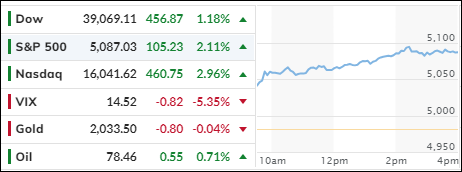
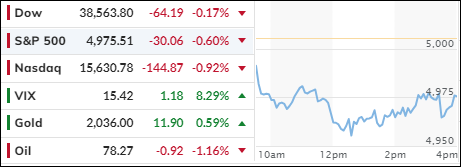
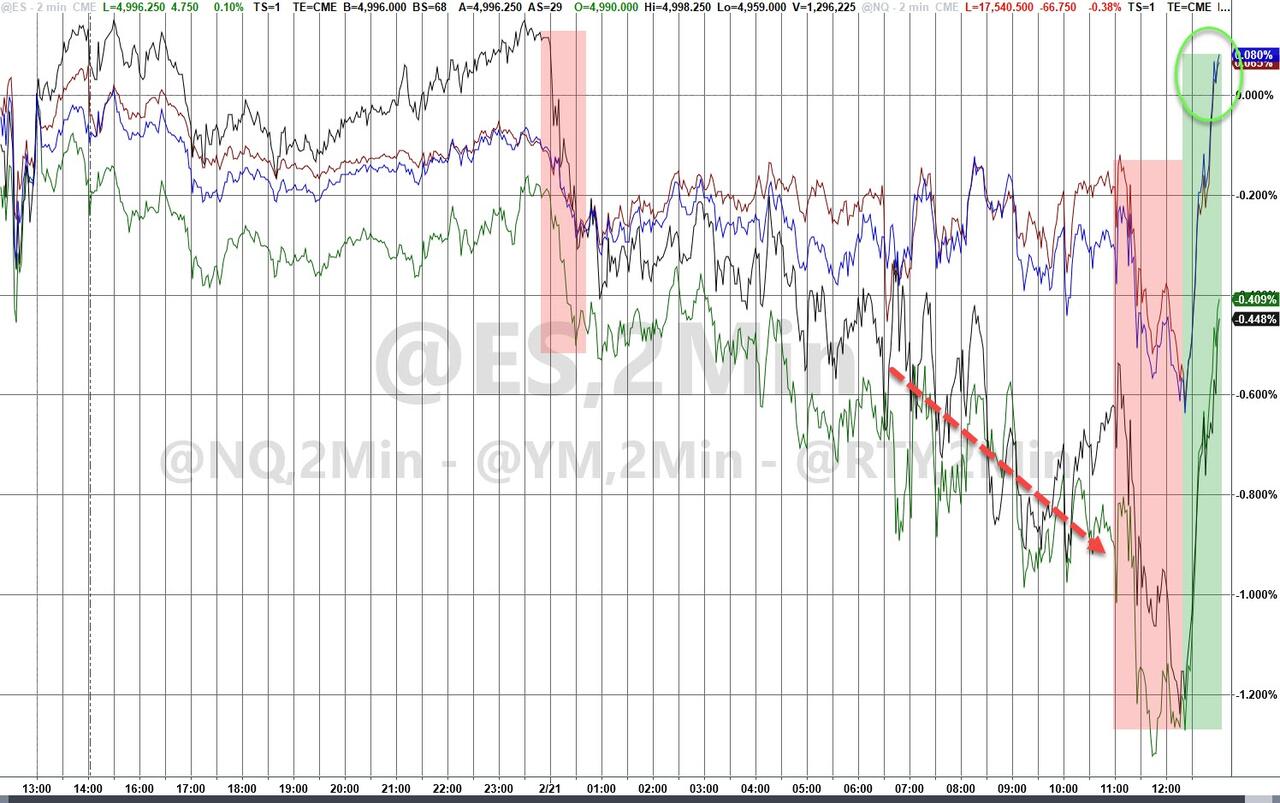
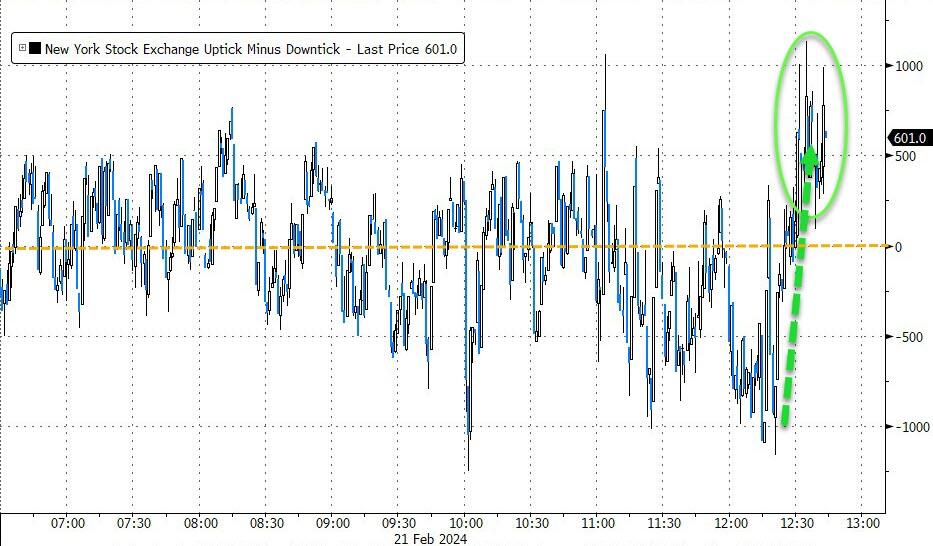
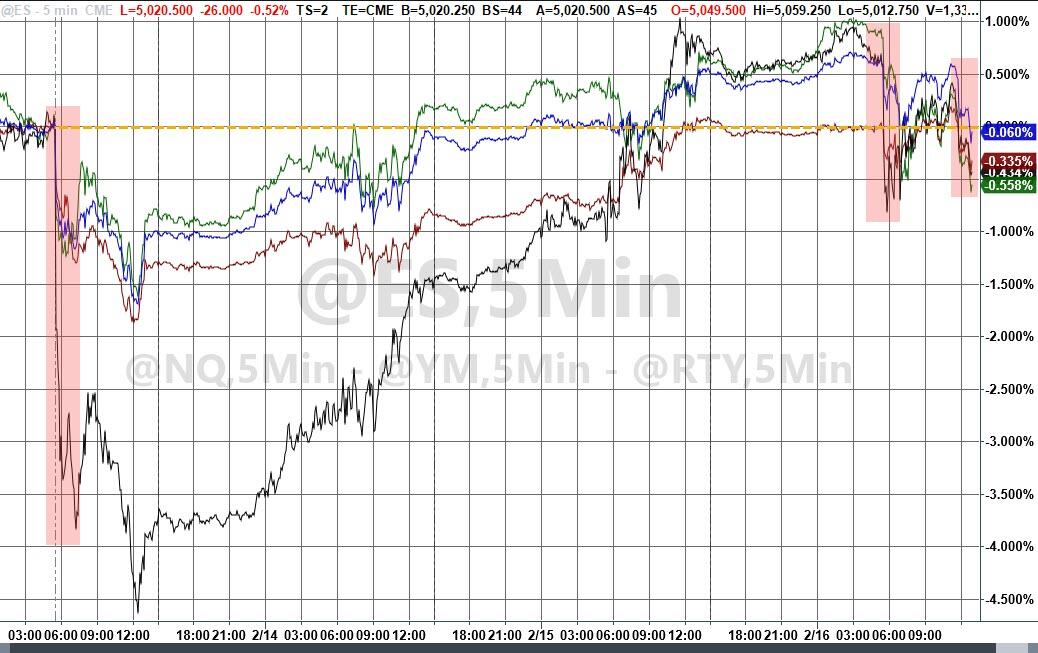
The market had a good start today, thanks to some chill inflation numbers. But then it ran out of gas. Literally. Gas prices dropped like a rock, dragging down the producer price index (PPI) by half a percent. That’s the biggest fall since the pandemic started. But if you take out food and energy, the PPI didn’t budge. And it’s still higher than it was last year.

Not everything was rosy, though. Retail sales also dipped a bit. But hey, at least they didn’t dip as much as the experts predicted. That’s something, right?

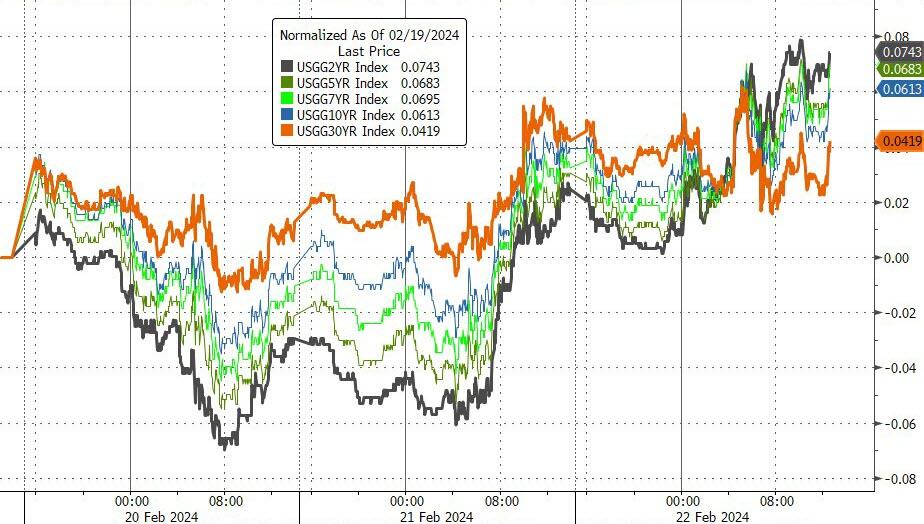
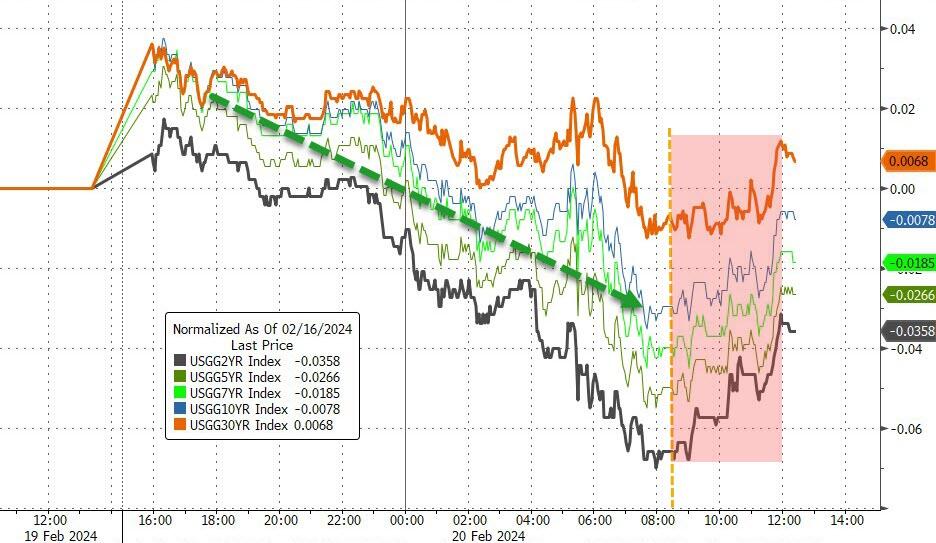
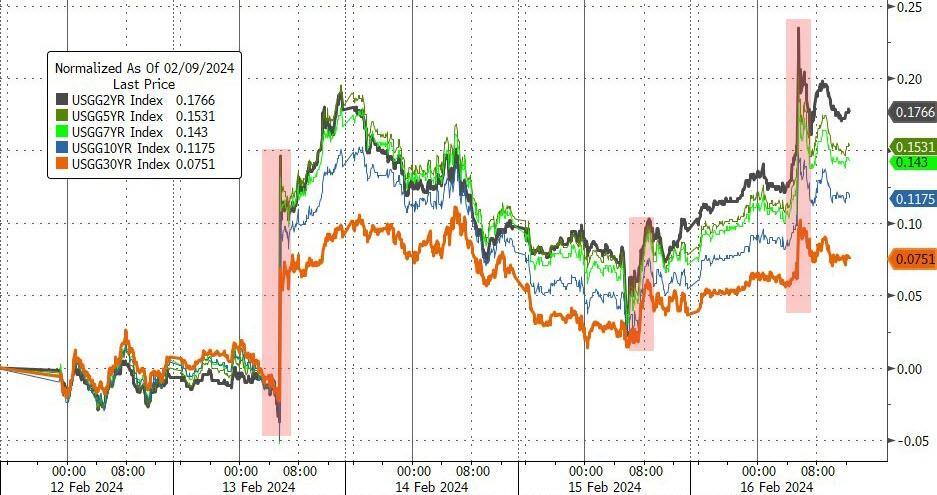
Meanwhile, the interest rate on the 10-year Treasury bond bounced back after a big drop yesterday. That’s because the market cares more about retail sales than PPI. And apparently, retail sales were hot enough to push up the rates.

But don’t get too excited. Inflation is still a problem. And the Fed is still asleep at the wheel. Just listen to what analyst Peter Schiff had to say:

Prices are going to keep on rising because the budget deficits are skyrocketing. The money printing is going to continue. The inflation burden is going to be heavier, and heavier, and heavier. And this consumer, who has already been shot up, is going to get shot some more.

The reality is the Fed hasn’t done enough to stop price inflation. They haven’t tightened enough to stop the borrowing. But they have tightened enough to break an economy that is rooted in artificially low interest rates.

Will this reality eventually break through?

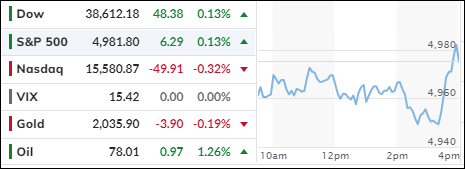
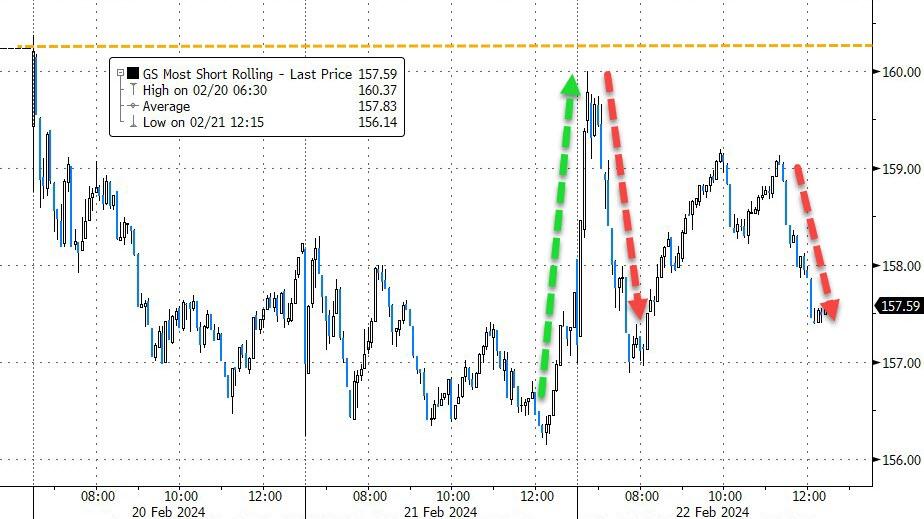
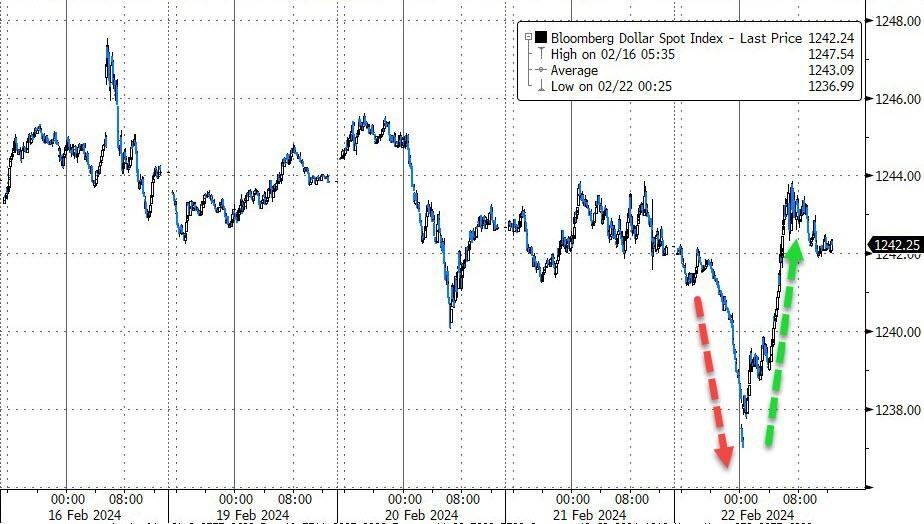
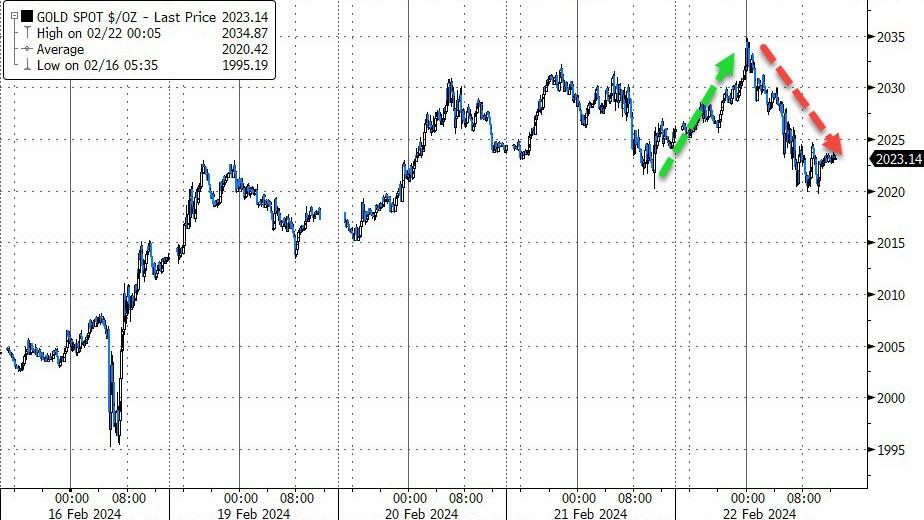
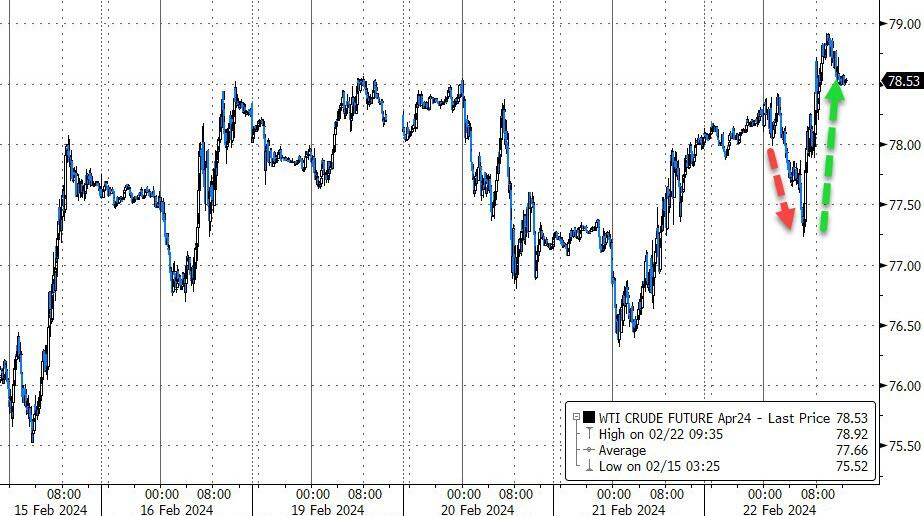
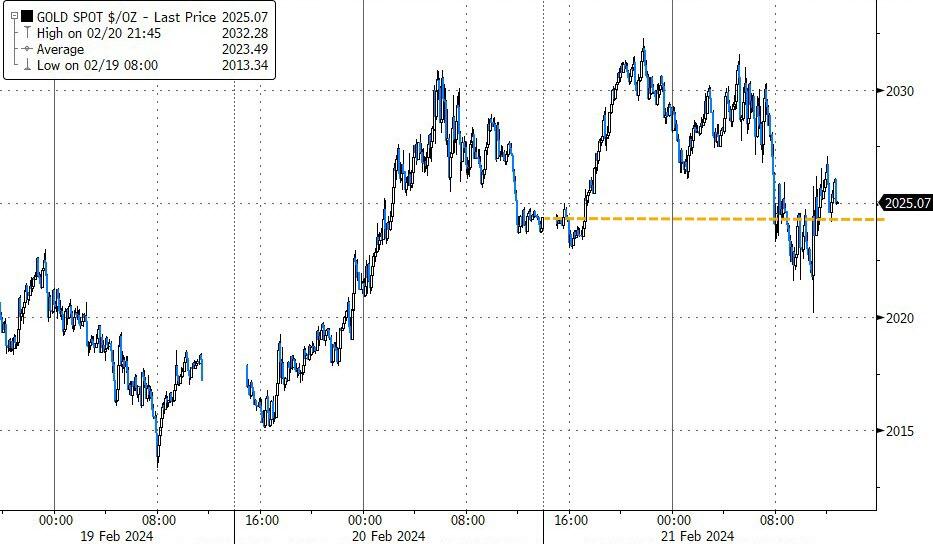
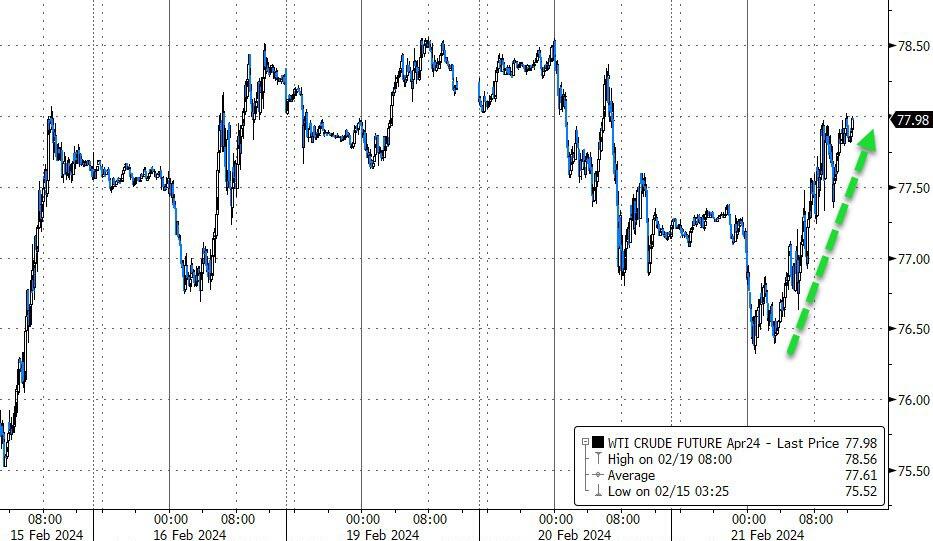
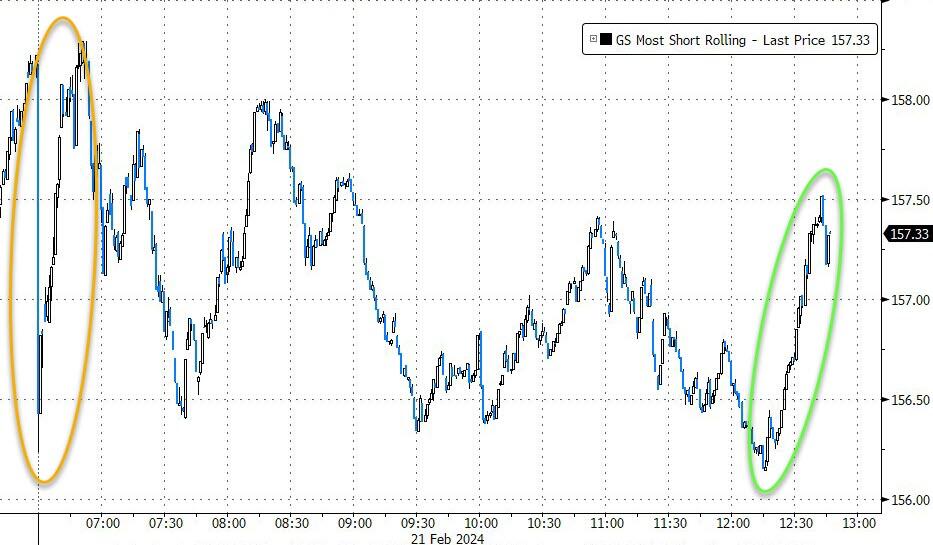
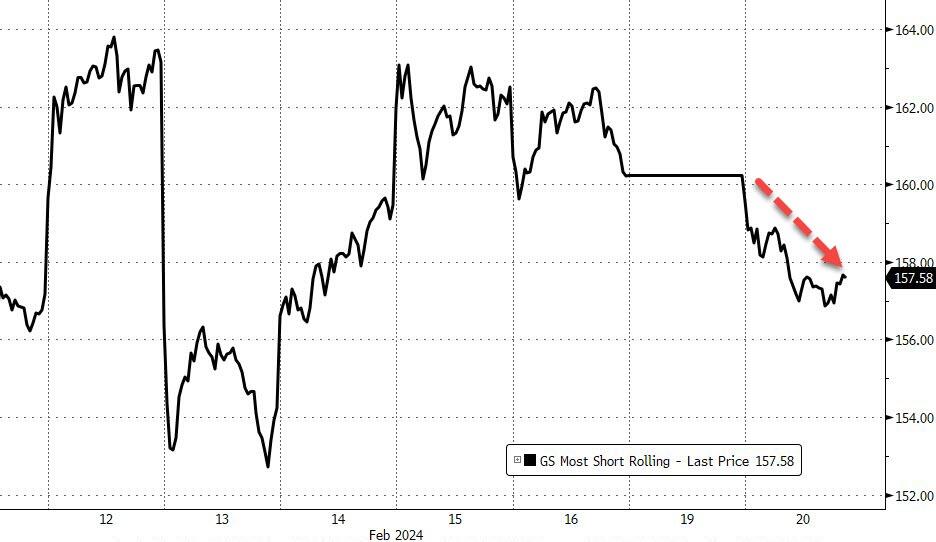
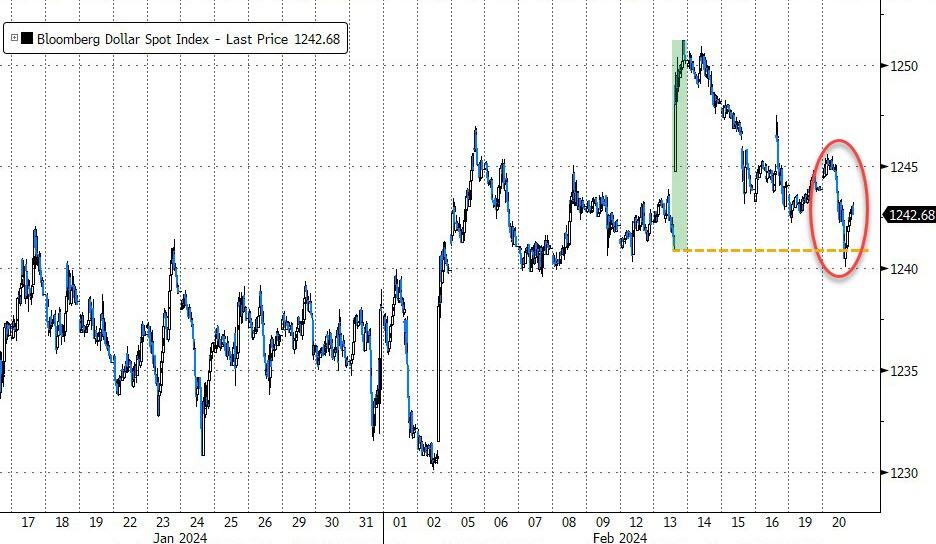
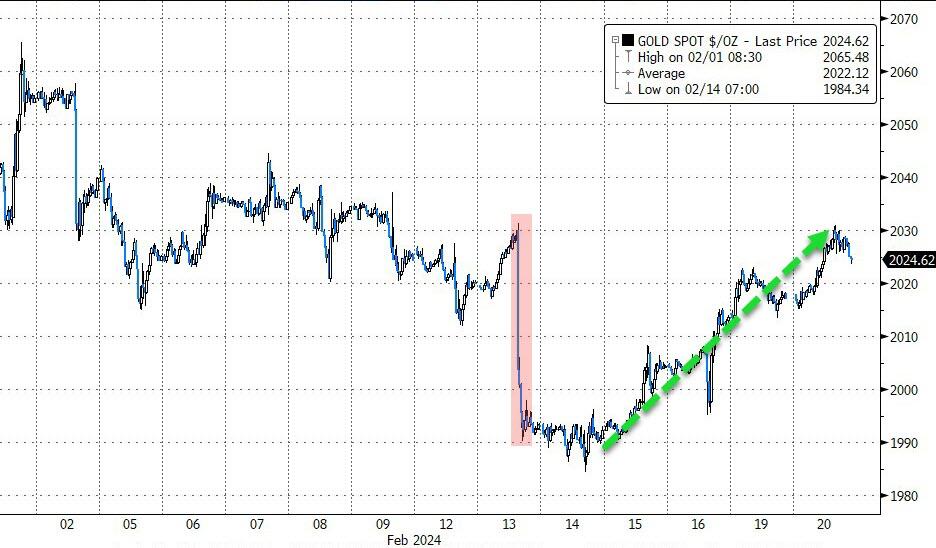
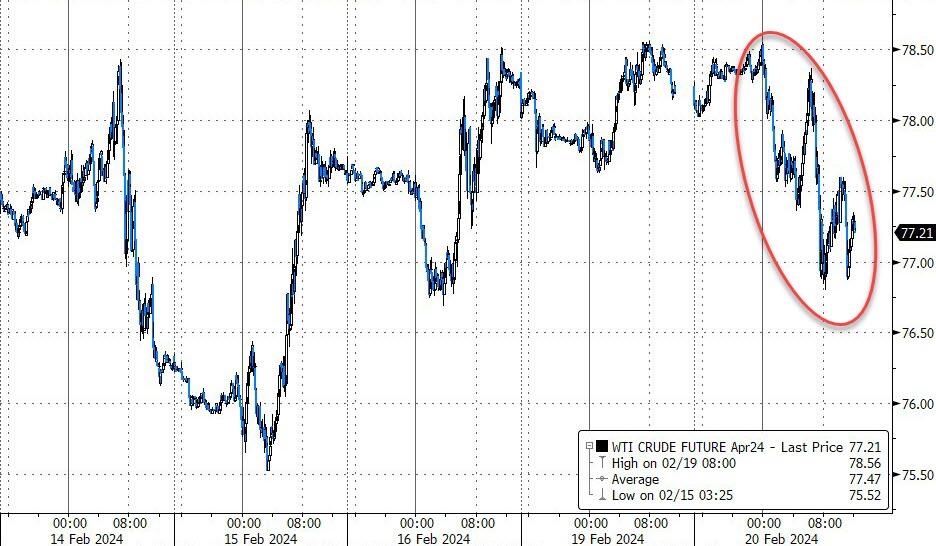
In other news, the financial situation is still loosey-goosey, the short squeeze is over, bond yields are up, the dollar is flat, and gold is down. Oil prices also took a dive, ending up where they started on Monday.

And in case you were wondering, the government might shut down soon. The House passed a bill to keep it open, but the Senate still must vote on it. And you know how they are.

Would that be a bad thing?

Read More
Stocks Surge On Tame Inflation Report, But Is It Too Good To Be True?

Ulli Market Commentary Contact

[Chart courtesy of MarketWatch.com]

  1. Moving the markets 

Stocks soared on Tuesday, continuing their impressive November rally, as investors celebrated a mild inflation report that suggested the Fed might be done raising interest rates.

Tuesday’s gains added to the remarkable recovery this month for stocks. The S&P 500 is up 7.3%, erasing the losses since our “Sell” signal on 9/22/2023. See section 3 below for the latest update.

The catalyst for today’s surge was the CPI, which came in at 3.2%, lower than the 3.3% expected, while the monthly CPI was flat (0.0%), below the consensus of a 0.1% increase, and much lower than last month’s 0.4% rise.

The core CPI, which excludes food and energy prices, was also weaker than expected and the slowest in two years.

This sparked optimism in the market that the Fed could finally put an end to its rate-hiking cycle for good. After the report, fed-funds futures showed that traders eliminated any chance of a hike in December, from 14% odds before, which sent the market soaring.

A tweet by Fed insider Nick Timiraos, aka Nikileaks, confirmed that the Fed is now done with its hiking spree.

The 10-year Treasury yield, which spooked stock investors by jumping over 5% in October, plunged to 4.44% after the soft inflation report. Traders are convinced that the Fed’s last rate hike was indeed in July.

While this news ignited bullish sentiment, some analysts warn that inflation is far from being tamed and will likely pick up again soon. Bloomberg’s macro strategist Simon White points to the following factors:

  1. Large fiscal deficits are boosting corporate profits, which are now the main driver of corporate prices.
  2. A rebound in goods inflation reinforcing high services inflation.
  3. Rising price growth in China that will spill over to global inflation pressures.

I agree with him, but for now, caution is out the window, and this bear market bounce could turn into a new bull market. Even bank stocks jumped on the hope that the economy could avoid a recession.

Bond yields dropped, as the dollar had its biggest daily decline since November 11, 2022, and the most shorted stocks were squeezed. As the dollar tanked, gold soared and is again heading towards its $2k level.

ZeroHedge reported that on average it takes about 8 months from the last rate hike to the first rate cut. Does that mean March 2024 is when the Fed will finally give the market what it wants?

Or will it be too late by then?

Read More
U.S. Stocks In Limbo As Moody’s Cuts Outlook

Ulli Market Commentary Contact

[Chart courtesy of MarketWatch.com]

  1. Moving the markets 

U.S. stocks wandered around like lost sheep today, apparently unfazed by Moody’s Investors Service cutting its U.S. credit rating outlook to negative from stable on Friday. The downgrade reflects the U.S.′ “very large” fiscal deficits and the political deadlock in Washington that prevents any meaningful action. The ratings agency still gave America an AAA rating, the highest level, but for how long?

This follows Fitch’s downgrade of the U.S. long-term foreign currency issuer default rating to AA+ from AAA three months ago, for similar reasons.

Treasury yields rose briefly and then fell back after the outlook change. The 10-year yield dropped 1.6 basis points to 4.627%. It seems that investors are either ignoring the Moody’s downgrade or are more worried about other things happening this week.

The main event is the consumer price index data for October, a key measure of inflation that the Federal Reserve watches closely. The data, due on Tuesday, will give us a clue about the state of the U.S. economy before the Fed’s December meeting. Right now, the odds of a rate hike at that meeting are slim to none.

The dollar weakened, gold rebounded, and crude oil climbed higher for the second day in a row. Bond yields have been rising lately, defying historical patterns. But that may change as U.S. foreign credit risk has increased with the downgrade.

Will foreign investors ask for higher yields to lend us money for our growing debt?

Read More
ETFs On The Cutline – Updated Through 11/10/2023

Ulli ETFs on the Cutline Contact

Do you want to know which ETFs are hot and which ones are not? Then you need my High-Volume ETF Cutline report. It tells you how close or far each of the 311 ETFs I follow is from its long-term trend line (39-week SMA). These are the ETFs that trade more than $5 million a day, so they are not some obscure funds that nobody cares about.

The report is split into two parts: The winners that are above their trend line (%M/A), and the losers that are below it. The yellow line is the line of shame that separates them. You can see how many ETFs are in each group and how they have changed since the last report (98 vs. 83 current).

Take a peek:

The HV ETF Master Cutline Report

If you are confused by some of the terms we use, don’t panic. I have a helpful Glossary of Terms for you.

If you want to learn more about the Cutline method and how it can make you rich (or at least less poor), read my original post here.

ETF Tracker Newsletter For November 10, 2023

Ulli ETF Tracker Contact

ETF Tracker StatSheet          

You can view the latest version here.

S&P 500 RIDES THE BUYBACK WAVE, IGNORES THE LIQUIDITY DROUGHT

[Chart courtesy of MarketWatch.com]

  1. Moving the markets 

The stock market had another good day today, as investors ignored rising bond yields that threaten to ruin their party. The S&P 500 ended the week with a 1% gain, despite losing its winning streak yesterday.

The bond market, on the other hand, was not so happy. The 10-year and 30-year Treasury yields jumped up and down like a yo-yo, ending the day flat. They were spooked by the Fed chair Jerome Powell, who said he was not sure if the central bank had done enough to fight inflation. He also hinted that more stimulus might be needed, which made bond traders wonder if he was printing money in his basement.

The bond market was also rattled by a lousy auction of Treasury bonds yesterday, which showed that the demand for US debt was not as strong as expected. Maybe the buyers were too busy shopping online with their stimulus checks.

Speaking of which, the economy seems to be doing better than expected, at least on the surface. The headlines tell us that the consumer is resilient and spending like there is no tomorrow. But if you look closer, you will see that the consumer is actually living on borrowed money and time. Americans have burned through $1.9 trillion in savings in just two years and are relying on their credit cards to keep them afloat. How long can this last before they sink?

This consumer spending spree has helped the stock market, even though the Fed’s interest rate policy is still unclear. The market thinks that the Fed is done with raising rates and might even cut them again. But the market has been wrong before and might be wrong again. The Fed has a tricky balancing act to do, as inflation is still above its target, but not high enough to scare it.

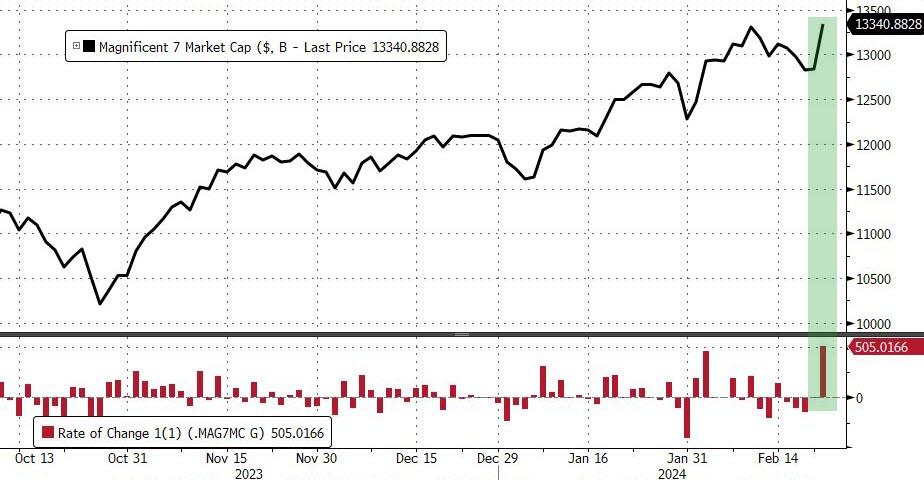
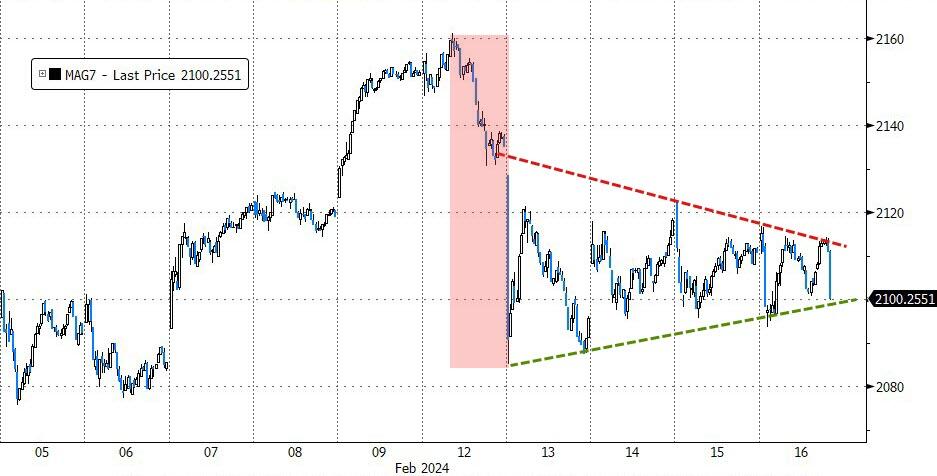
But the market doesn’t care about the Fed, or the bond market, or the economy. It only cares about the Magnificent 7, the big tech stocks that have been driving the rally. Investors flock to these stocks as if they were a ‘safe haven,’ even though they are anything but. They ignore gold, which is supposed to be the real ‘safe haven.’ Go figure…

The market also doesn’t care about what Powell says, if he doesn’t spoil the fun. Yesterday, he tried to sound cautious and prudent, but the market shrugged it off. The Nasdaq soared to new highs, even though most of its stocks were lagging. This is not a healthy sign, as it shows that the market is narrow and fragile.

But the market has a secret weapon: stock buybacks. The big companies have been buying back their own shares like crazy, boosting their prices and earnings. Goldman Sachs says that the global buybacks this week were $78 billion, and $142 billion over a month. That’s a lot of money that could have been used for something else, like investing, hiring, or paying dividends. But who cares about that when you can make your stock look good?

The S&P 500 closed above 4,400 today, filling the gap that was left by the big drop in September. This is a technical achievement that could signal a trend reversal. Or it could be a false breakout, followed by another plunge. Who knows?

The S&P 500 has also defied the global liquidity trend, which has been declining. This means that the money supply and credit growth are slowing down, which could hurt the economy and the market. The S&P 500 has been able to ignore this so far, but for how long?

Is the S&P 500 an outlier, or is it living in a fantasy world?

Read More
Weekly StatSheet For The ETF Tracker Newsletter – Updated Through 11/09/2023

Ulli ETF StatSheet Contact

ETF Data updated through Thursday, November 9, 2023

How to use this StatSheet:

  1. Out of the 1,800+ ETFs out there, I only pick the ones that trade over $5 million per day (HV ETFs), so you don’t get stuck with a lemon that nobody wants to buy or sell.
  1. Trend Tracking Indexes (TTIs)

These are the main indicators that tell you when to buy or sell Domestic and International ETFs (section 1 and 2). They do that by comparing their position to their long-term M/A (Moving Average). If they cross above, and stay there, it’s a green light to buy. If they fall below, and keep going, it’s a red light to sell. And to make sure you don’t lose your shirt if things go south, I also use a 12% trailing stop loss on all positions in these categories.
  1. All other investment areas don’t have a TTI and should be traded based on the position of each ETF relative to its own trend line (%M/A). That’s why I call them “Selective Buy.” In other words, if an ETF goes above its own trend line, you can buy it. But don’t forget to use a trailing sell stop of 12%, or less if you’re feeling nervous.

If some of these words sound like Greek to you, please check out the Glossary of Terms and new subscriber information in section 9.

  1. DOMESTIC EQUITY ETFs: SELL— since 09/22/2023

Click on chart to enlarge

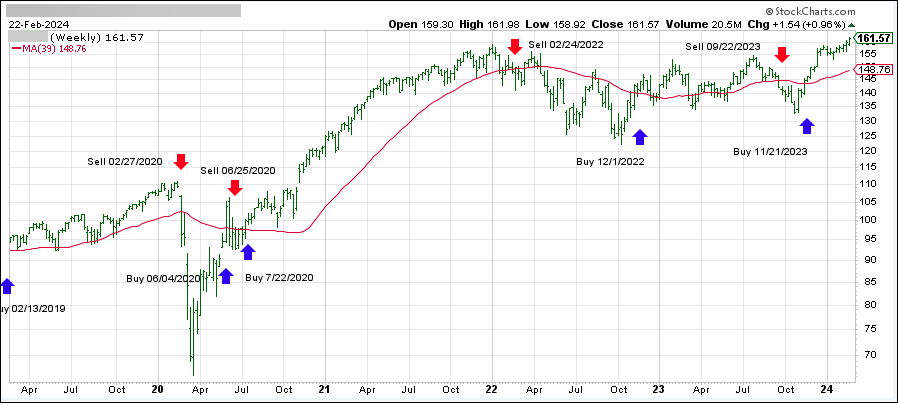
This is our main compass, the Domestic Trend Tracking Index (TTI-green line in the above chart). It has now broken below its long-term trend line (red) by -3.64% and has moved into “Sell” mode effectively 9/22/2023.

Read More