Fed’s Dovish Turn Fuels Rally, But Beware Of Rate Cut Risks

Ulli Market Commentary Contact

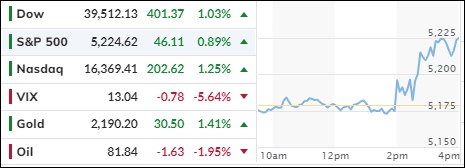
[Chart courtesy of MarketWatch.com]

  1. Moving the markets 

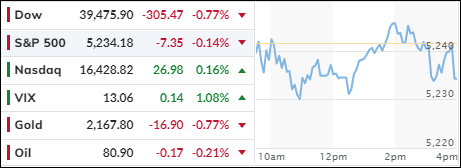
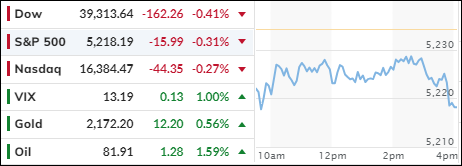
The Fed’s dovish statement last week sparked a rally that pushed the S&P 500 close to a record high.

Three rate cuts in 2024, cooling inflation, and lower Treasury yields boosted the market mood in this seasonally strong period for stocks. The Fed thinks it has tamed inflation, but it may be in for a rude awakening.

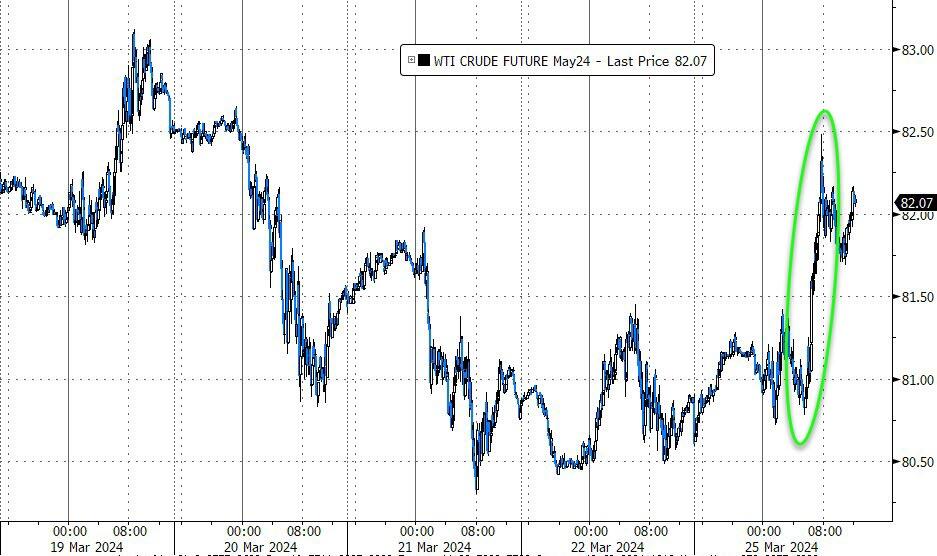
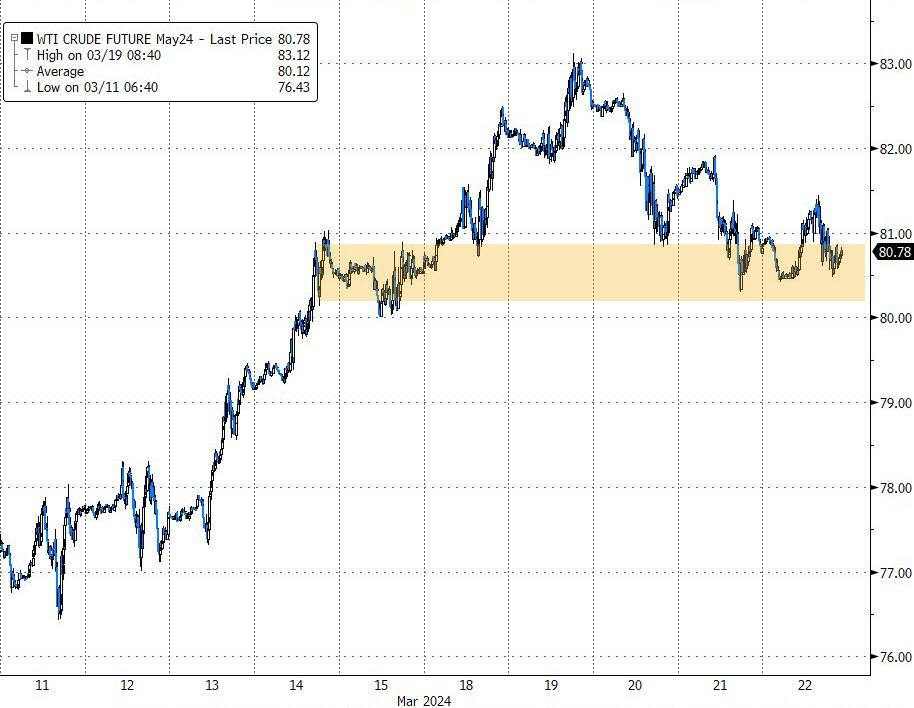
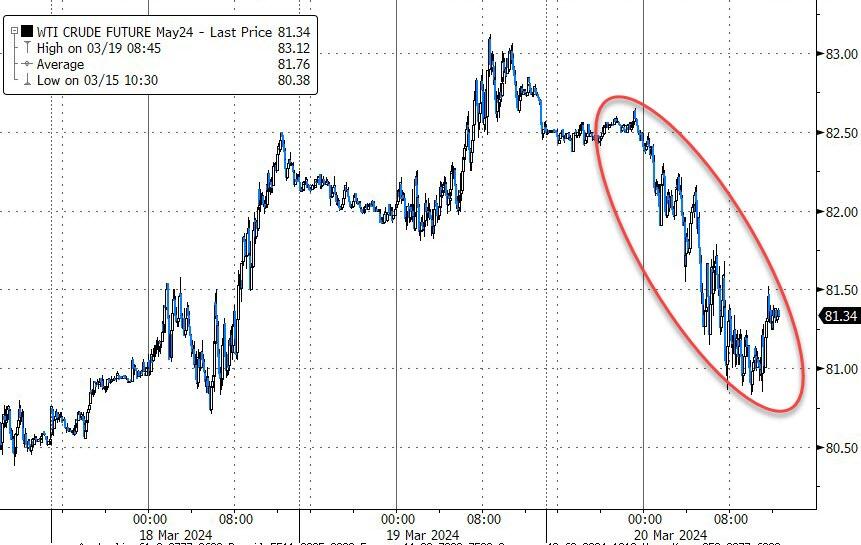
Oil prices jumped as Yemeni militants attacked ships in the Red Sea, prompting BP to halt its Suez Canal shipments. The U.S. sent more naval forces to protect the vessels.

Housing starts soared unexpectedly, lifting homebuilder stocks. Is this a sign of a housing recovery or a fluke?

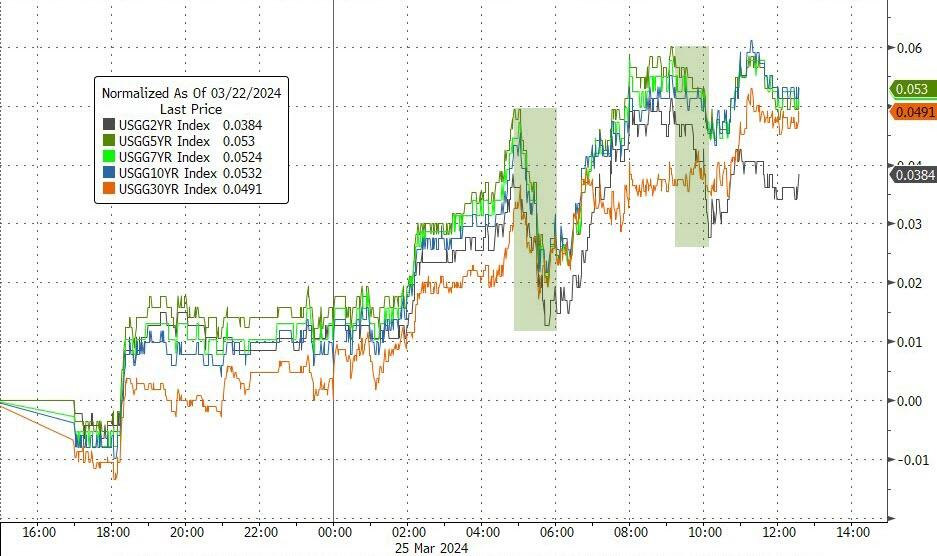
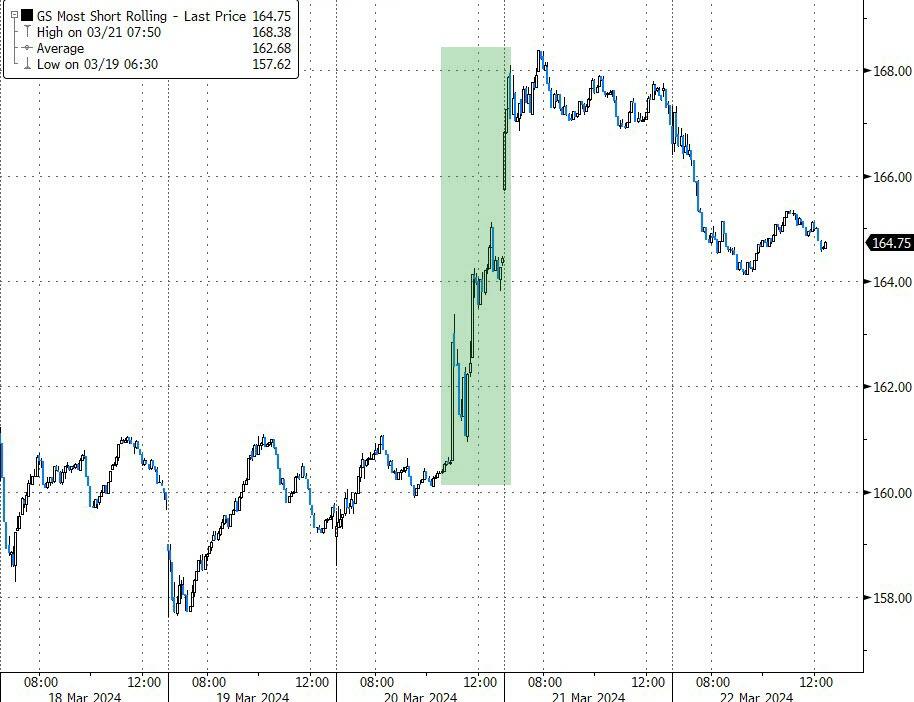
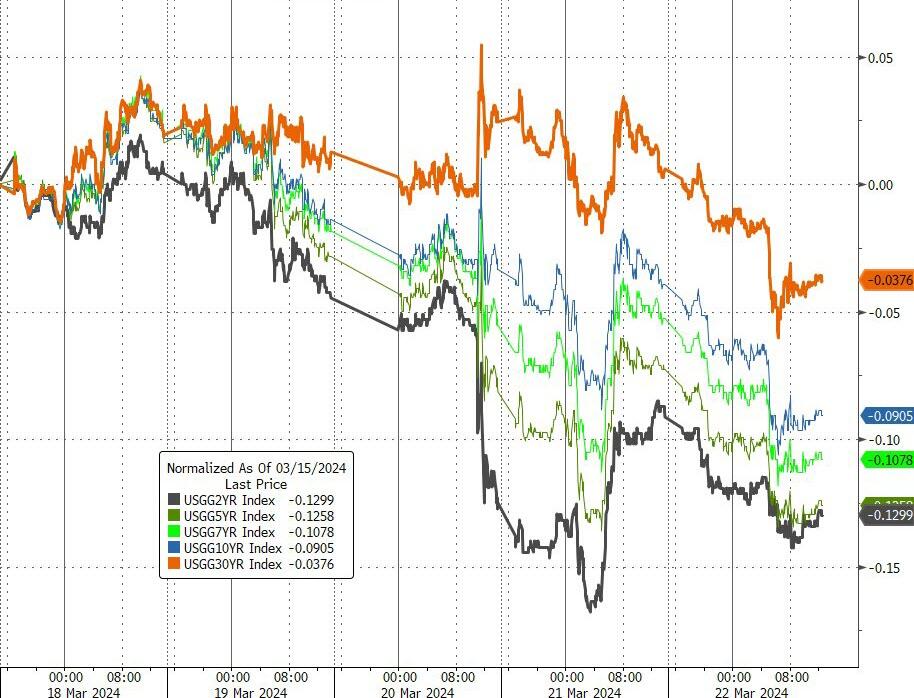
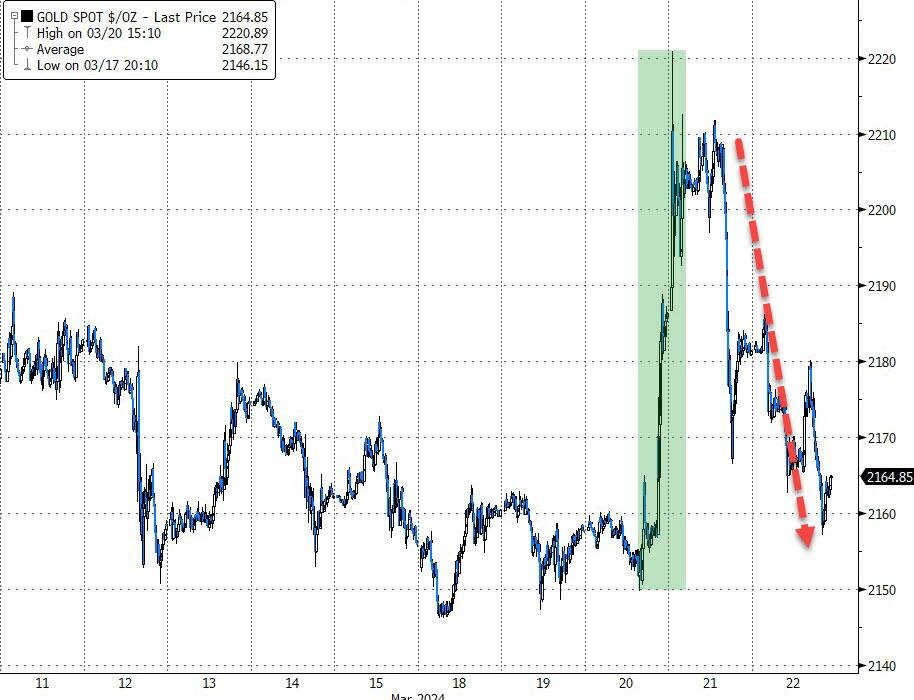
SPY, the biggest S&P 500 ETF, saw record inflows of over $40BN in four days, thanks to Powell’s pivot. The most shorted stocks also surged 16% as the bears got squeezed. Bond yields were stable, while gold rose amid uncertainty.

But lower rates are not always good for the market. Lance Roberts, a market guru, points out that the average market drop after a rate cut was 27.25% since 1970. The last three times were even worse.

So, is this rally a gift from the Fed or a trap for the unwary?

Read More
S&P And Nasdaq Win, Dow Snoozes, Fed Confuses

Ulli Market Commentary Contact

[Chart courtesy of MarketWatch.com]

  1. Moving the markets 

The market kept up its winning streak today, with the S&P and Nasdaq scoring big while the Dow barely budged.

The S&P 500 has been on a roll for seven weeks, its longest run since 2017. The index is up more than 3% this month. The Dow and the Nasdaq are also up by more than 3% and 4%, respectively.

The mood improved last week when the Fed hinted at three rate cuts in 2024, saying inflation was cooling off. Treasury yields fell, with the 10-year yield dropping below 4%. Or maybe the Fed just gave in to inflation and got a reminder that 2024 is an election year.

But the market may not have it so easy in the coming weeks. Stocks are pricey and earnings may suffer. The bulls and the bears may fight for control, and it’s not clear who will win.

Traders also got a reality check from the Fed’s Goolsbee, who said the market was too optimistic about the rate cuts. He said the market jumped to the conclusion that the Fed would normalize quickly, but he didn’t see that happening.

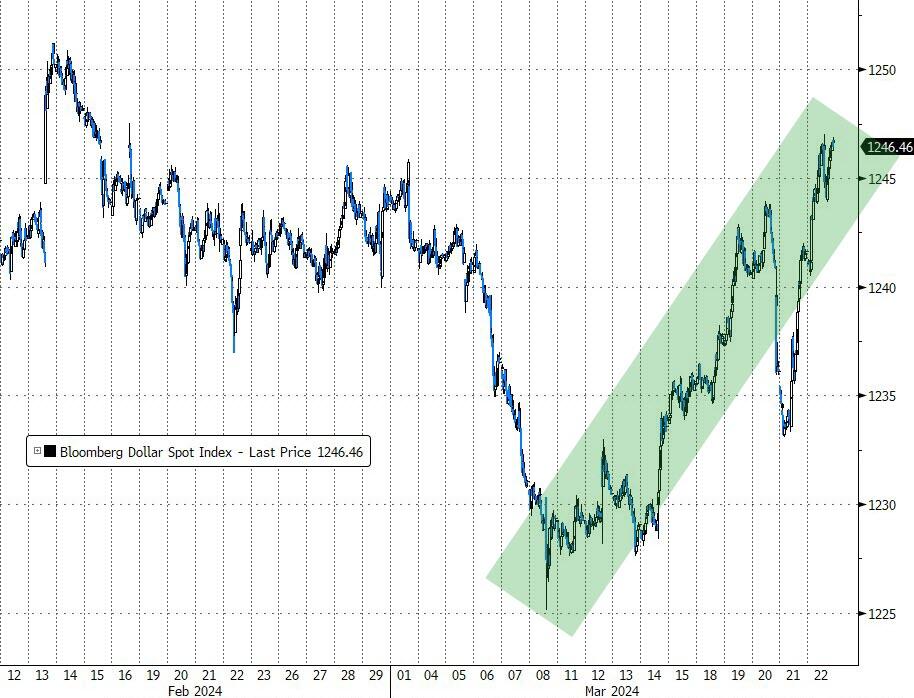
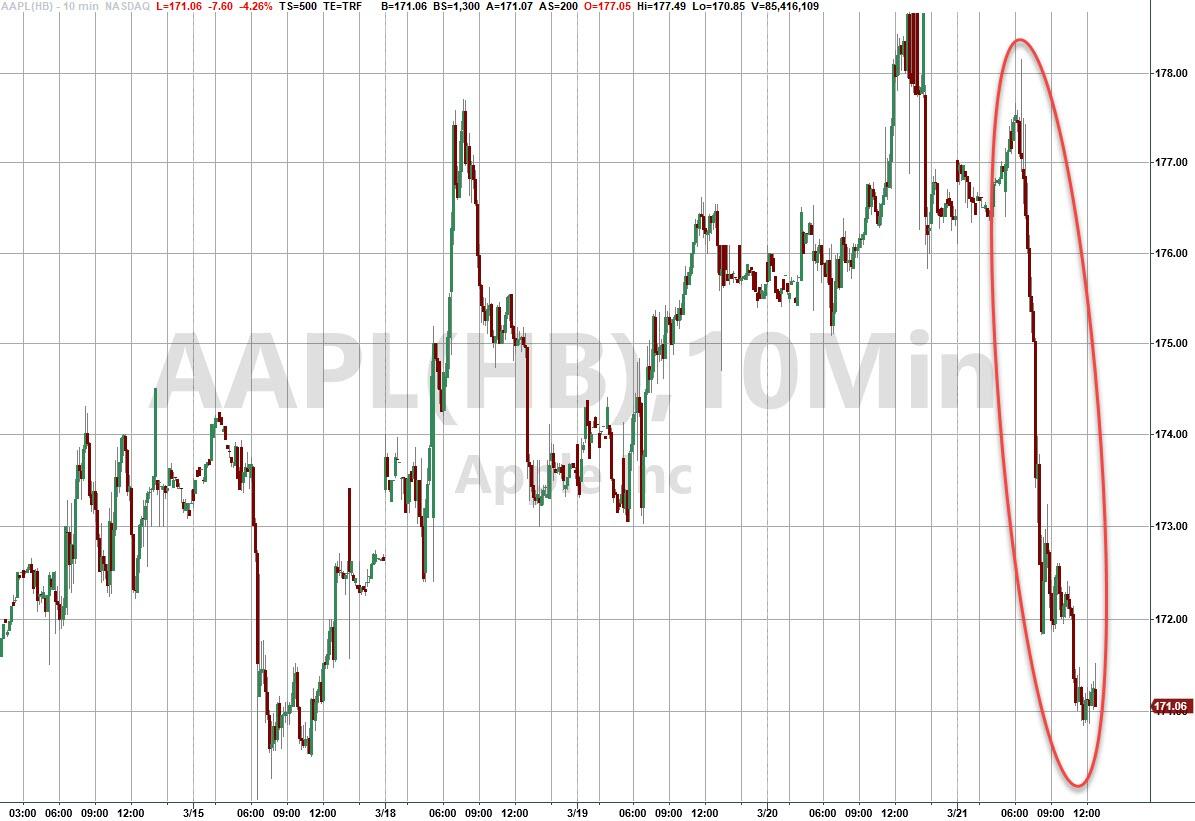
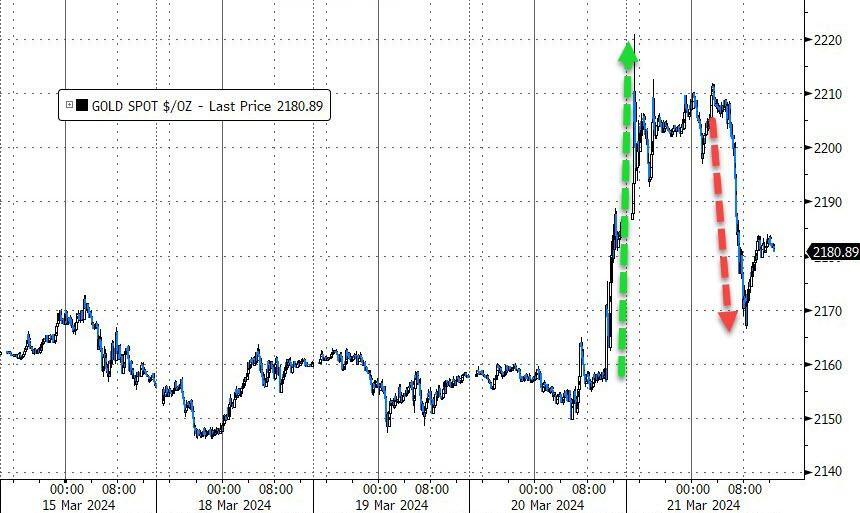
That scared the bond market, as yields rose but didn’t reach 4%. A short squeeze fizzled, but the “Magnificent 7 stocks” hit a new high. Apple went down, facing trouble with China and the US over its products. The dollar was steady, gold gained a bit, and oil spiked but retreated.

The S&P’s seasonality chart still looks bullish, but will that last beyond mid-January?

Read More
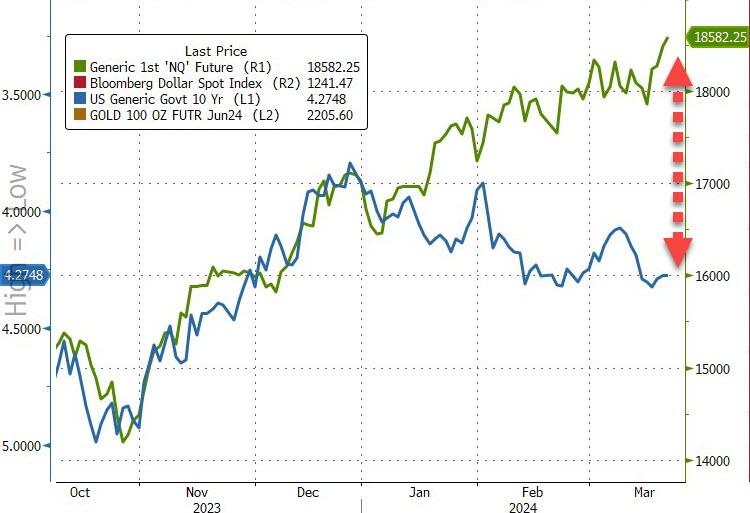
ETFs On The Cutline – Updated Through 12/15/2023

Ulli ETFs on the Cutline Contact

Do you want to know which ETFs are hot and which ones are not? Then you need my High-Volume ETF Cutline report. It tells you how close or far each of the 311 ETFs I follow is from its long-term trend line (39-week SMA). These are the ETFs that trade more than $5 million a day, so they are not some obscure funds that nobody cares about.

The report is split into two parts: The winners that are above their trend line (%M/A), and the losers that are below it. The yellow line is the line of shame that separates them. You can see how many ETFs are in each group and how they have changed since the last report (226 vs. 271 current).

Take a peek:

The HV ETF Master Cutline Report

If you are confused by some of the terms we use, don’t panic. I have a helpful Glossary of Terms for you.

If you want to learn more about the Cutline method and how it can make you rich (or at least less poor), read my original post here.

ETF Tracker Newsletter For December 15, 2023

Ulli ETF Tracker Contact

ETF Tracker StatSheet          

You can view the latest version here.

HOW LONG CAN THE MARKET DEFY GRAVITY? S&P AND RUSSELL HIT EXTREME LEVELS

[Chart courtesy of MarketWatch.com]

  1. Moving the markets 

It was a wild ride for the market, but the bulls managed to win the day and keep the Santa Claus rally going.

However, it was not smooth sailing. The market had to deal with a massive options expiration, which added a lot of volatility and noise. It also had to digest some mixed signals from the Fed, which seemed to backtrack on its dovish stance.

NY Fed’s Williams contradicted Powell’s hint of rate cuts, saying that they were not on the table right now. He also said that the Fed might need to tighten policy further if inflation stalled or reversed.

This spooked traders and sent stocks lower, bond yields higher, the dollar stronger, and gold weaker. The market also lowered its expectations of a March rate cut.

But despite these headwinds, the market recovered and closed higher, extending its impressive streak. The S&P has risen for seven weeks in a row, the longest run since 2017. Almost half of its components are overbought, the highest level since 1991.

The Russell 2000, the small-cap index, has flipped from a 52-week low to a 52-week high in less than two months, the fastest turnaround ever. These are signs of a very strong and resilient market, but also a very stretched and euphoric one.

How long can this party last before the hangover kicks in?

Read More

Weekly StatSheet For The ETF Tracker Newsletter – Updated Through 12/14/2023

Ulli ETF StatSheet Contact

ETF Data updated through Thursday, December 14, 2023

How to use this StatSheet:

  1. Out of the 1,800+ ETFs out there, I only pick the ones that trade over $5 million per day (HV ETFs), so you don’t get stuck with a lemon that nobody wants to buy or sell.
  1. Trend Tracking Indexes (TTIs)

These are the main indicators that tell you when to buy or sell Domestic and International ETFs (section 1 and 2). They do that by comparing their position to their long-term M/A (Moving Average). If they cross above, and stay there, it’s a green light to buy. If they fall below, and keep going, it’s a red light to sell. And to make sure you don’t lose your shirt if things go south, I also use a 12% trailing stop loss on all positions in these categories.

  1. All other investment areas don’t have a TTI and should be traded based on the position of each ETF relative to its own trend line (%M/A). That’s why I call them “Selective Buy.” In other words, if an ETF goes above its own trend line, you can buy it. But don’t forget to use a trailing sell stop of 12%, or less if you’re feeling nervous.

If some of these words sound like Greek to you, please check out the Glossary of Terms and new subscriber information in section 9.

  1. DOMESTIC EQUITY ETFs: BUY— since 11/21/2023

Click on chart to enlarge

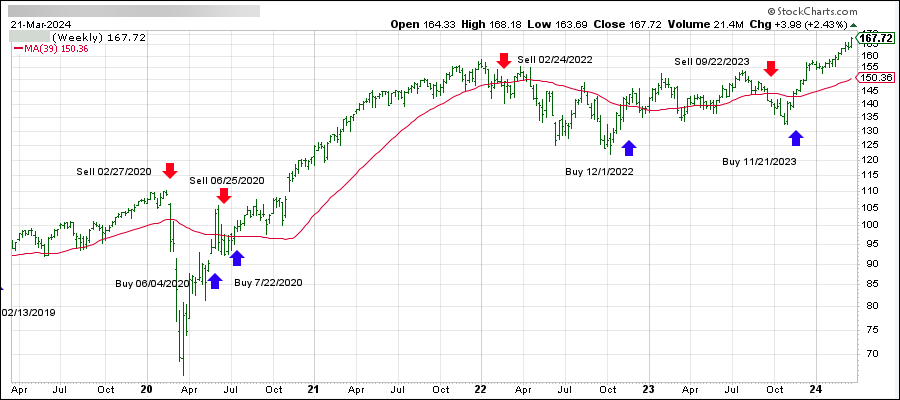
This is our main compass, the Domestic Trend Tracking Index (TTI-green line in the above chart). It has broken above its long-term trend line (red) by +9.00% and is in “Buy” mode as posted.

Read More
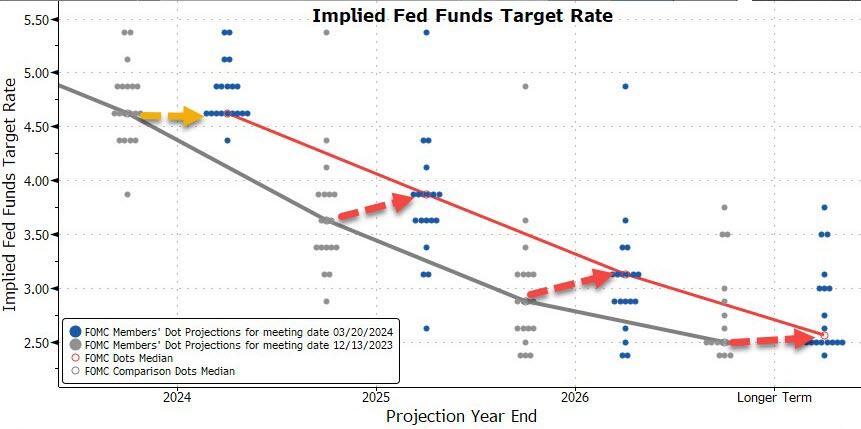
How The Fed Surrendered To Inflation And Boosted The Stock Market

Ulli Market Commentary Contact

[Chart courtesy of MarketWatch.com]

  1. Moving the markets 

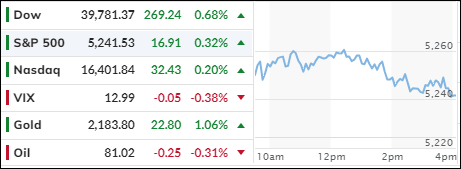
The stock market ended higher today, with the 10-year Treasury yield plunging to 3.92%, its lowest level since August. Investors were cheered by a surprise increase in retail sales, which suggested that the economy would avoid a hard landing in 2024.

The bond market seemed to give an assist, as traders priced in more rate cuts for 2034. The Fed signaled that it may lower rates three times next year, after saying just two weeks ago that it was “premature” to talk about easing. What changed in such a short time?
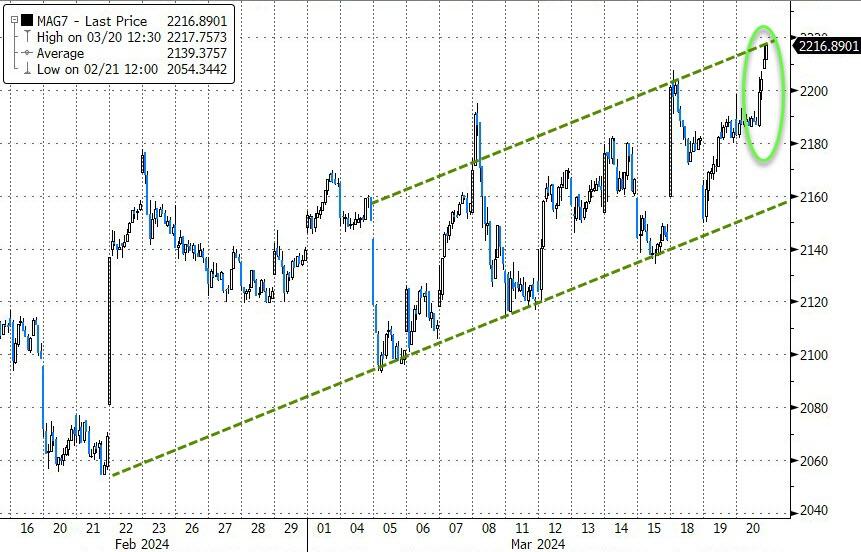
Meanwhile, bank stocks rallied, even as the Fed’s emergency lending facility hit a record high of $124 billion. The Regional Banking ETF soared to levels not seen since the March banking crisis. How does that make sense?

To me, the Fed has given up on fighting inflation, which is likely to get worse as the government keeps borrowing and spending like there’s no tomorrow. The latest data showed that the November budget deficit was a staggering $380 billion, the largest ever for that month, despite a 9% rise in tax revenues.

This fiscal recklessness is happening at a time when interest rates are rising sharply. This is bad news for a government that relies on debt to fund its operations and is probably one of the reasons why the Fed has capitulated to inflation. The government can’t afford high interest rates.
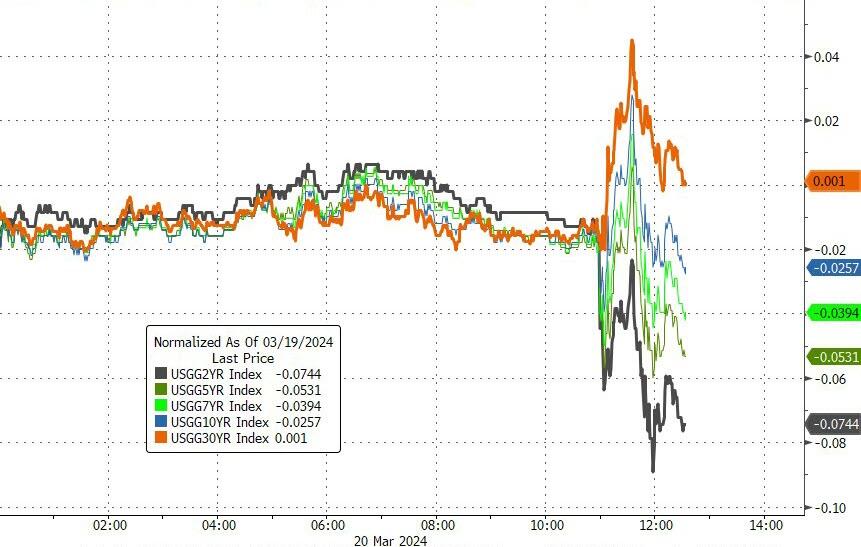
Financial analyst Jim Grant believes that we are in the early stages of a long-term bear market in bonds (higher yields) that will last for decades, regardless of what the Fed does. This means that the only way to escape this vicious cycle is to slash spending.

But will that ever happen?

Read More