Gold Outshines S&P’s Gains Despite Positive CPI Outlook

Ulli Market Commentary Contact

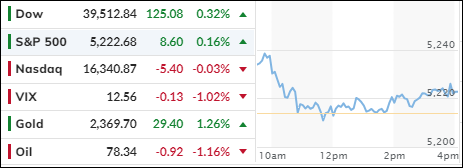
[Chart courtesy of MarketWatch.com]

  1. Moving the markets

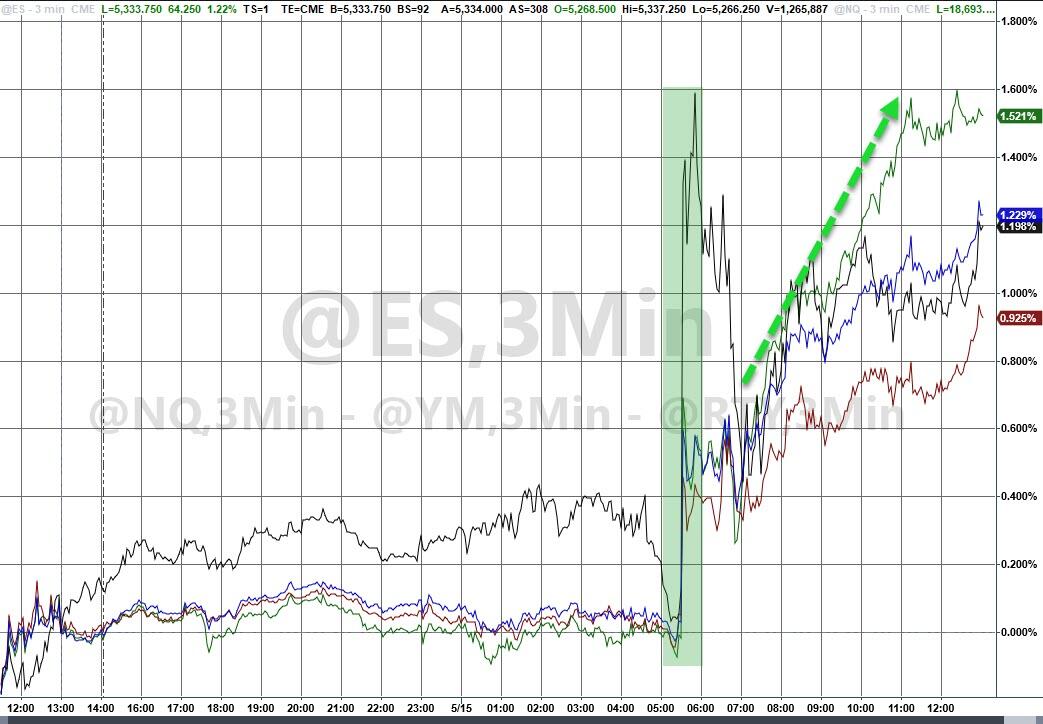
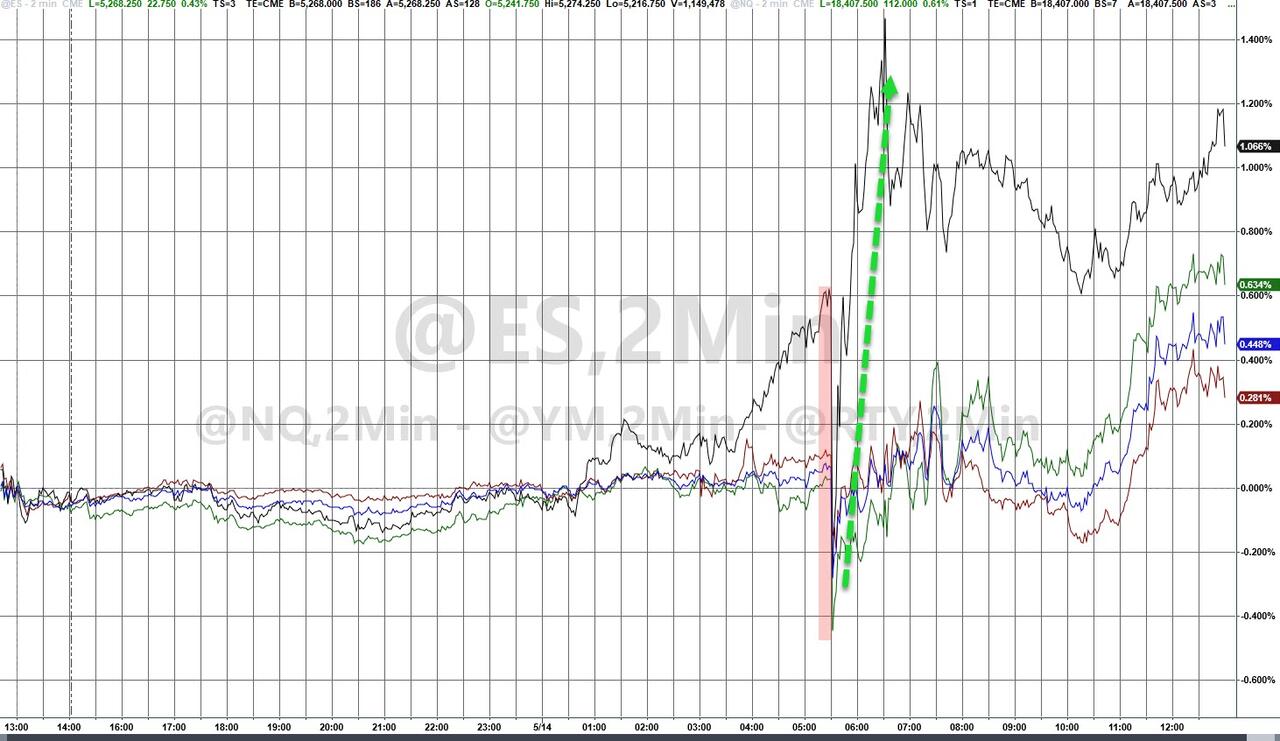
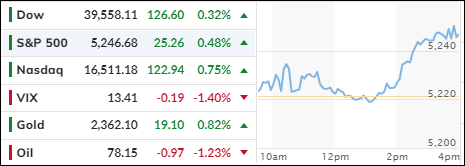
The much-awaited CPI report pushed the S&P 500 and Nasdaq to record highs, as this crucial number turned out to be better than expected.

The index rose 0.3% for the month of April, which was less than the estimate for a 0.4% monthly increase. The indicator changed by +3.4% year over year, in line with expectations. Monthly and yearly numbers for the core CPI, which excludes volatile food and energy prices, were both in line as well.

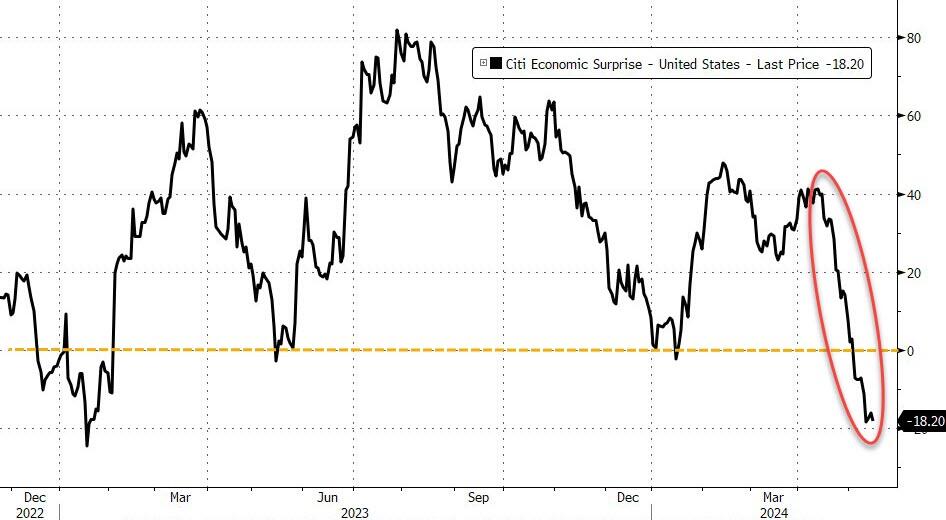
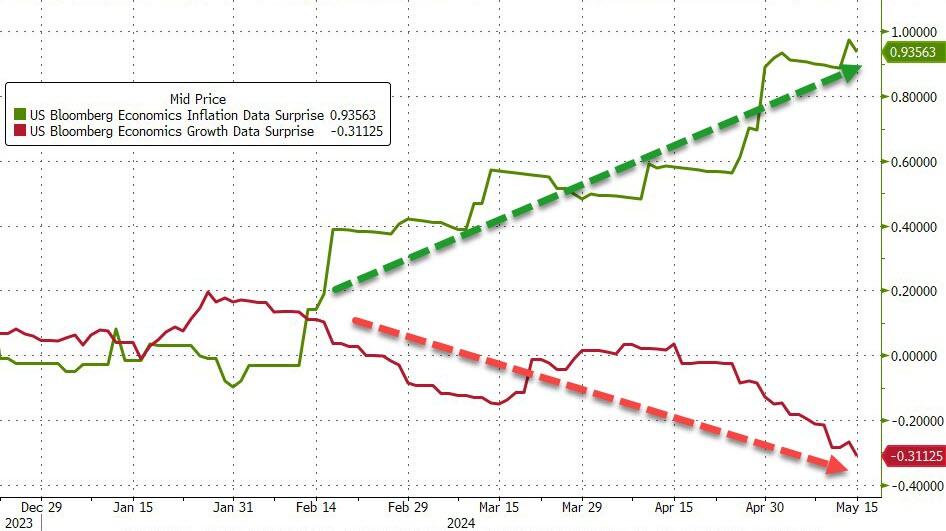
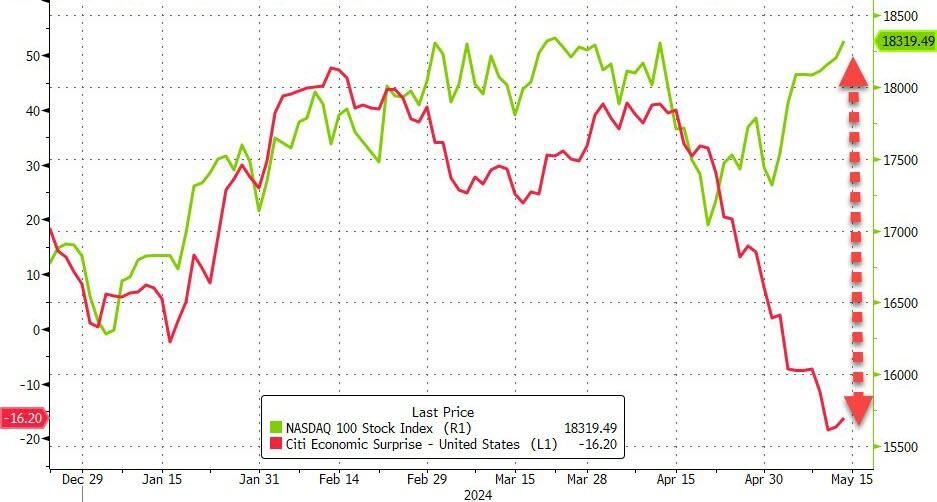
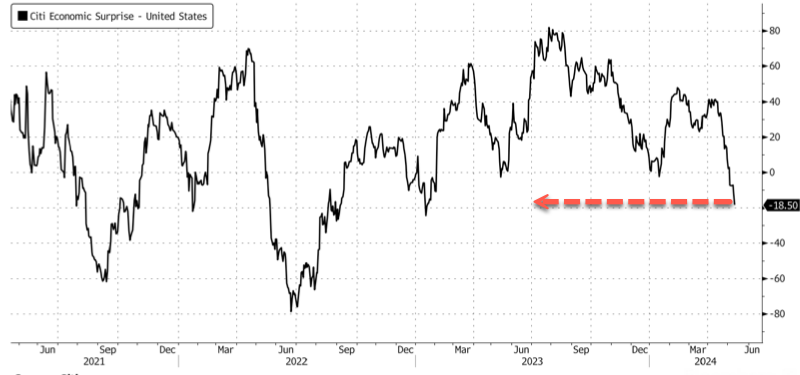
The only fly in the ointment was Retail sales, which remained flat in April. Economists had expected a 0.4% leap, but then again “bad news” is “good news” when it comes to potential rate cuts. The Citi Economic Surprise Index reflects the weaking economy, as the stagflationary threat continues to worsen.  

Traders’ expectations for a softening of the Fed’s stance on rate cuts were boosted, as its likelihood of an easing at the September meeting increased to almost 58%. While that is a substantial jump from yesterday’s 45%, we’ve seen this type of relentless hope turn into disappointment before.  

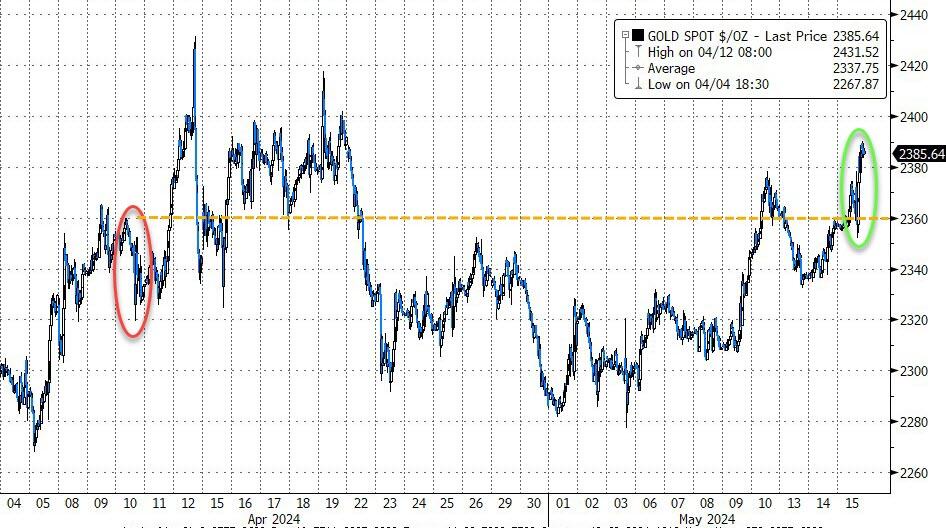
Still, the continuing outlook for lower rates coupled with enthusiasm around AI has lifted traders’ sentiment all year. The S&P is currently up some 11% YTD, but gold still rules the race by being ahead with a gain of over 15%.

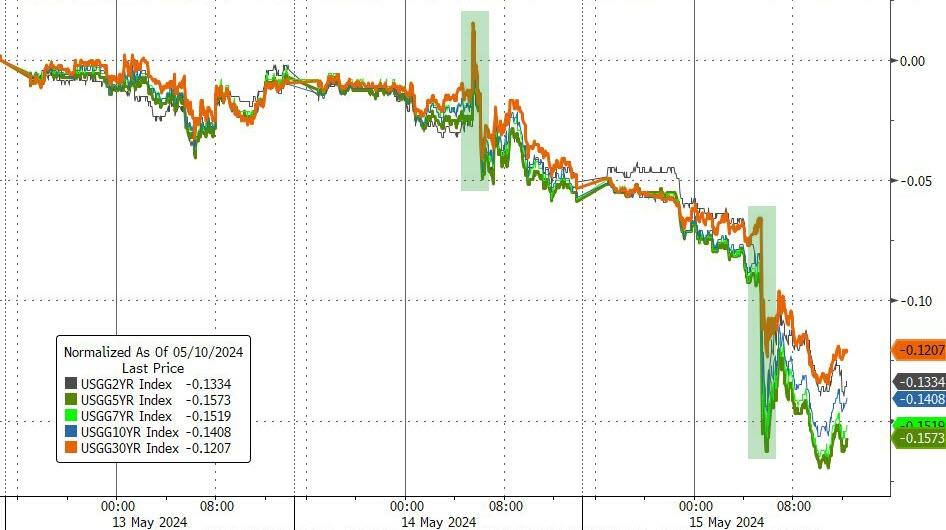
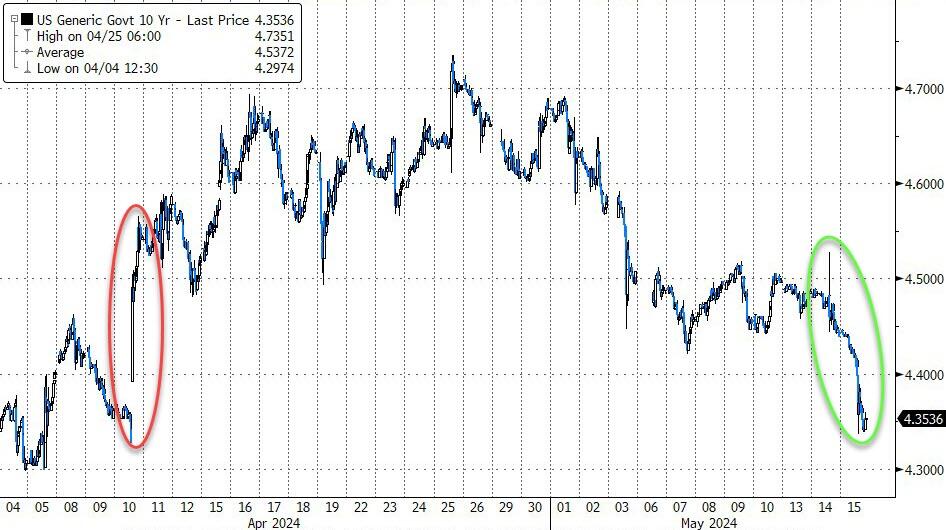
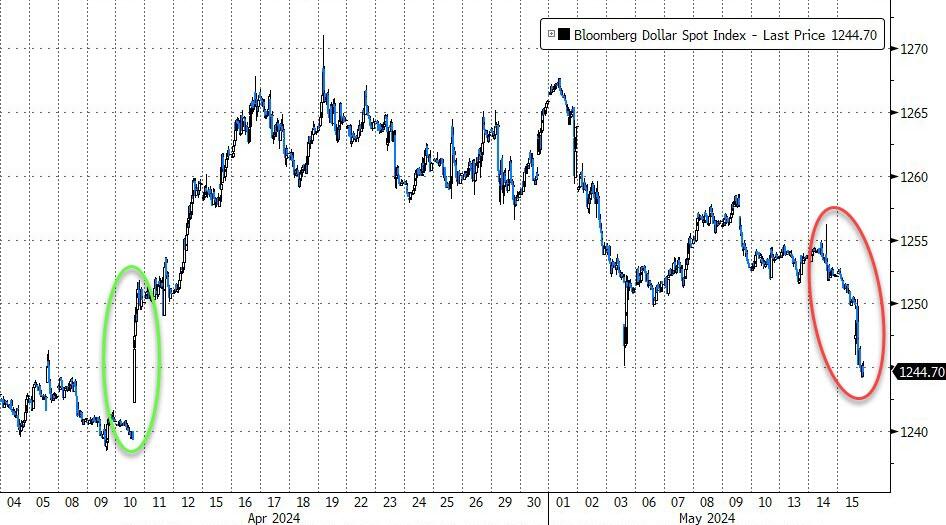
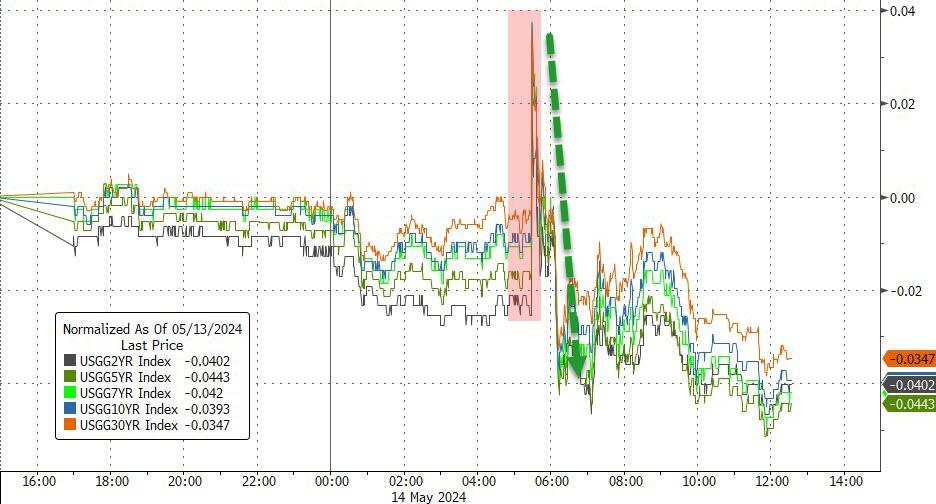
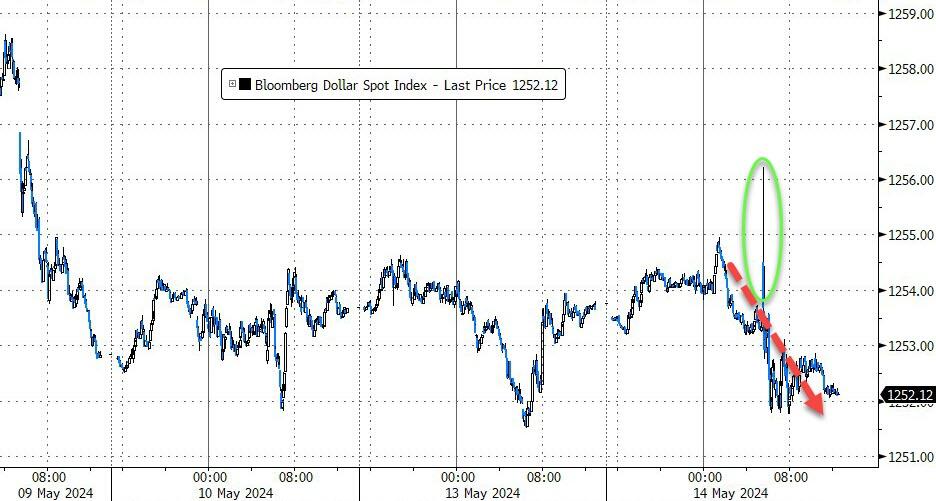
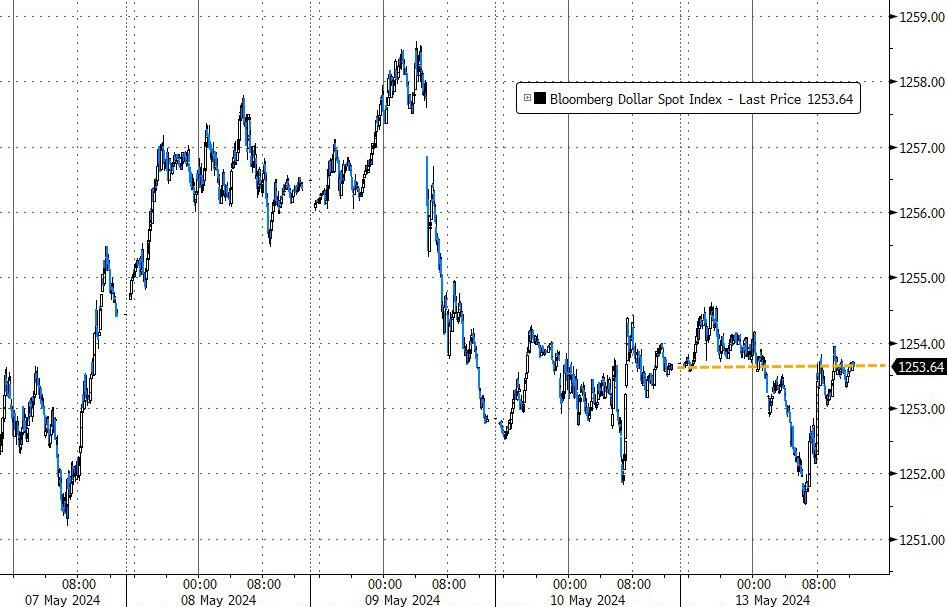
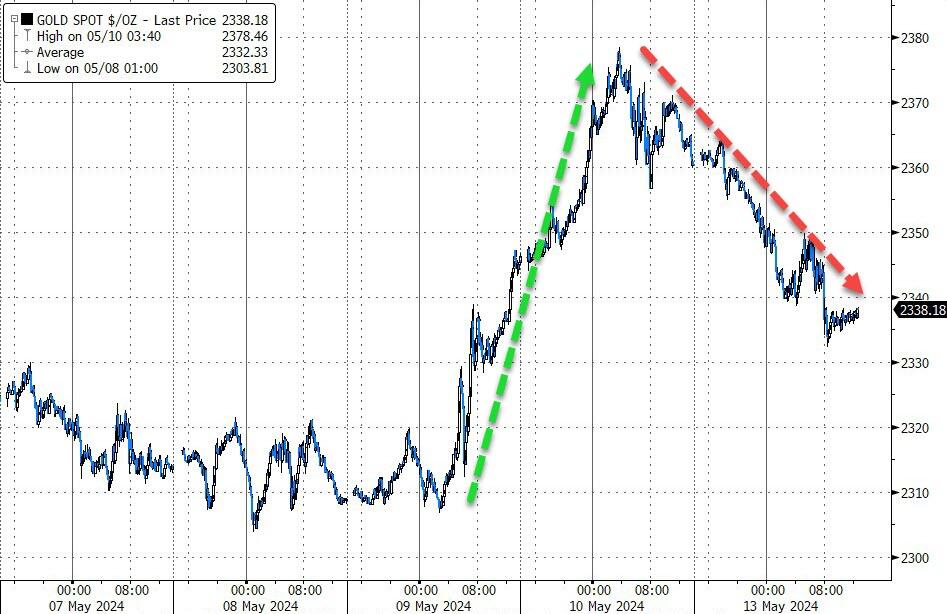
Bond yields slipped, with the 10-year dropping down to towards April lows. The dollar dipped, while oil rode the roller coaster but managed to close in the green. Gold surged towards its record closing high of $2,392 and reached the same level it had before April’s CPI report.

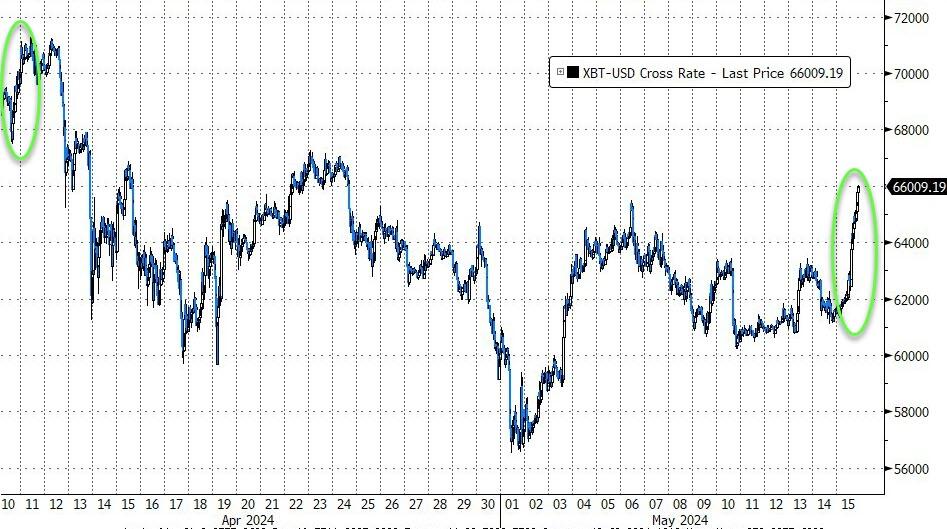
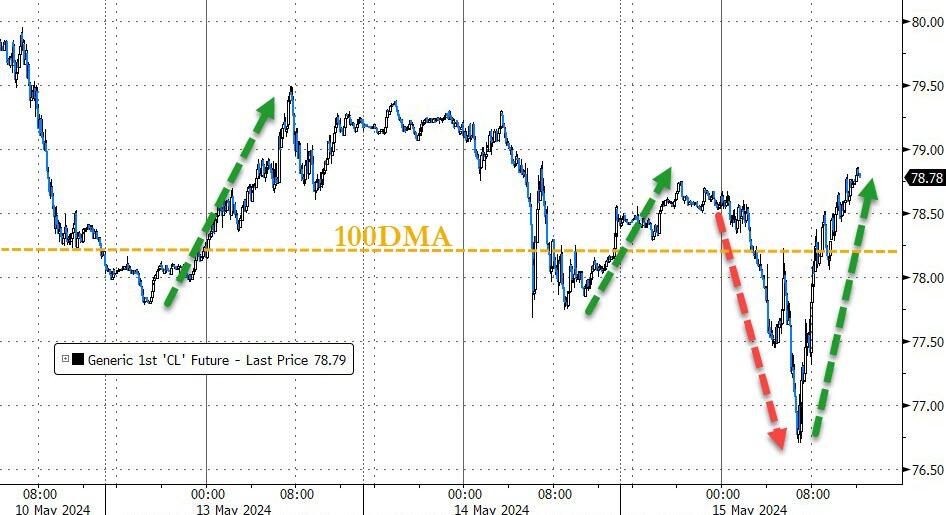
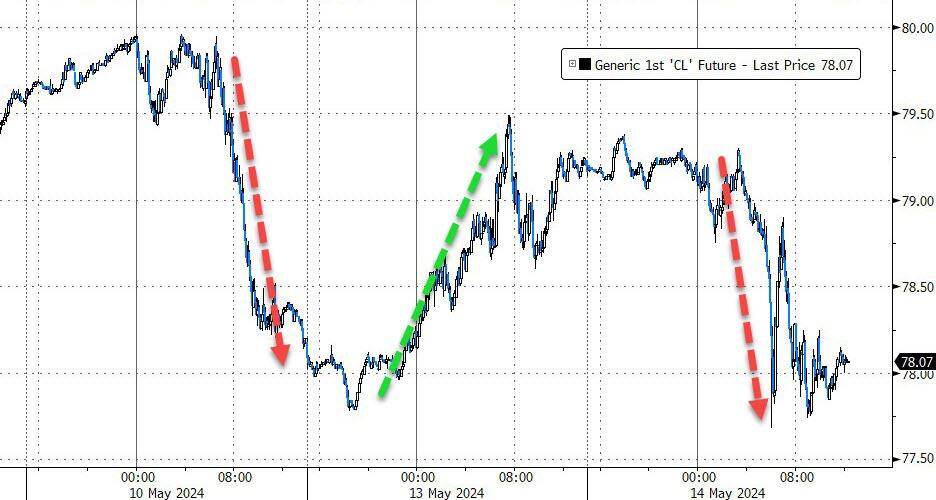
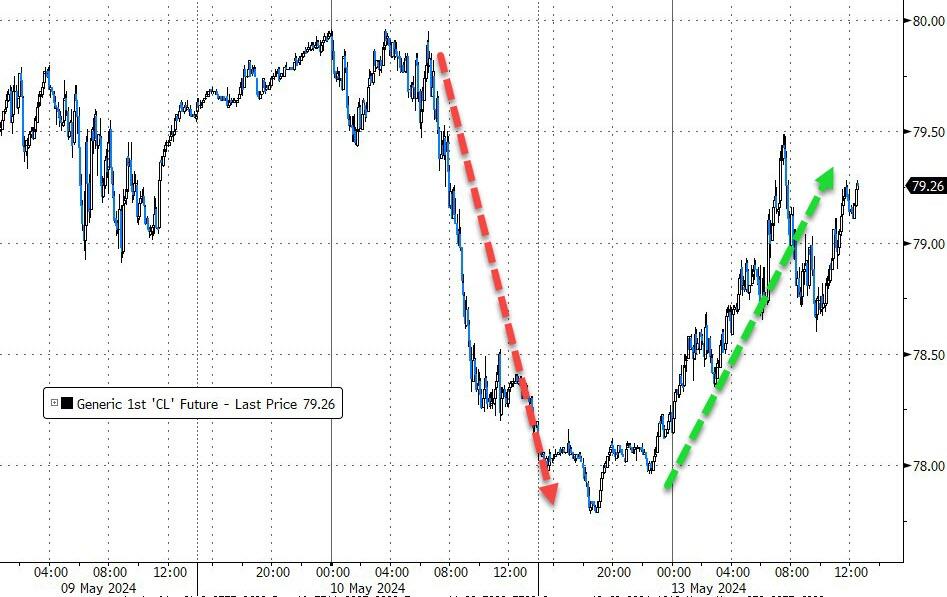
Bitcoin soared some 7% by conquering its $66k level, with the coin having its best day since March 2023. Crude oil recovered from an early drop and eked out a 1% gain.

I don’t think today’s party is justified due to today’s CPI report only playing a small part in the battle to conquer inflation. After all, as long as this country has to borrow $1 trillion every 100 days, the real inflation monster has not been unleashed yet.

Read More
Fed’s Tightrope Walk Amid Inflation: Market Optimism Holds Strong

Ulli Market Commentary Contact

[Chart courtesy of MarketWatch.com]

  1. Moving the markets

Today’s stock market narrative unfolded with a twist, as traders grappled with the implications of April’s Producer Price Index (PPI) report. The PPI, a barometer of inflation at the wholesale level, rose unexpectedly, signaling that inflationary pressures might not be subsiding as hoped.

This revelation initially sent a shiver through the markets, but the initial shock was mitigated by downward revisions to March’s wholesale prices, which suggested that inflation might still be on a downward trajectory.

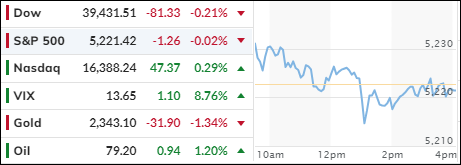
Despite the mixed signals, the markets rallied, buoyed by the belief that the Federal Reserve might maintain its current policy stance. The Fed, led by Chair Jerome Powell, has indicated a need for patience, suggesting that the path to stabilizing inflation will be a marathon, not a sprint. Powell’s remarks hint at a cautious approach, with the central bank poised to let its restrictive policies gradually temper the inflationary heat.

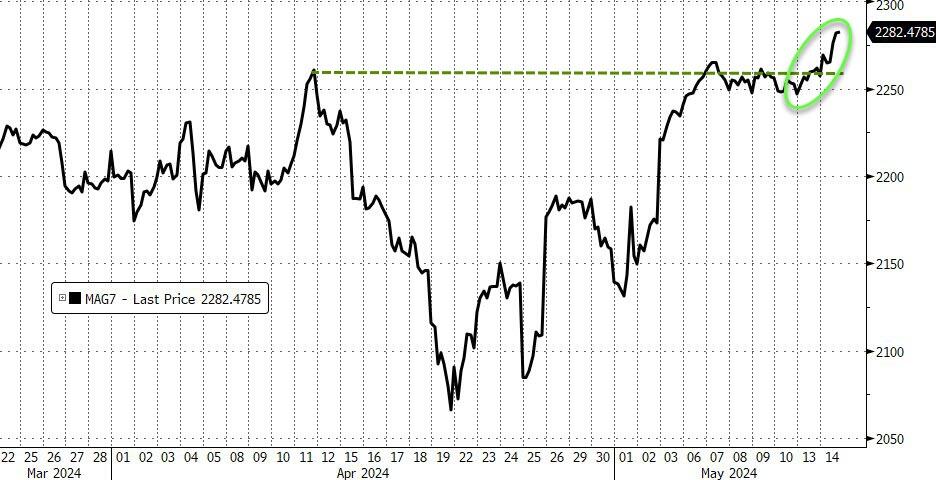
Amidst this backdrop, meme stocks and Small Caps seized the spotlight, while the Nasdaq and the MAG 7 stocks soared to new records. The bond market, however, experienced volatility, with yields reflecting the day’s inflationary concerns and subsequent reassurances. The dollar’s fluctuations and gold’s luster provided a contrasting picture of stability and uncertainty.

Cryptocurrency and crude oil, on the other hand, relinquished their previous gains, painting a picture of the market’s fickleness. The stark contrast between the Nasdaq’s performance and the broader US Macro data raises questions about the sustainability of this divergence.

Considering these developments, one can’t help but ponder the resilience of the current financial conditions. With the Fed Fund rate at its highest in over two decades, and the market seemingly unfazed by potential risks, what could be the catalyst that aligns these divergent paths?

Could there be an unforeseen event on the horizon that will reconcile the optimistic market sentiment with the cautionary economic indicators?

Read More
Market’s Mixed Moves: Eyes On CPI And PPI For Economic Clues

Ulli Market Commentary Contact

[Chart courtesy of MarketWatch.com]

  1. Moving the markets

The stock market began with a surge of activity, with indices initially climbing before the momentum waned, leading to a plateau where the major indexes closed nearly flat. The Nasdaq stood out, managing to secure a modest gain amidst the general standstill.

This pattern of fluctuation reflects the market’s current state of uncertainty, particularly considering the Dow’s recent triumph, marking its most impressive weekly gain of the year with an ascent of over 2%. The S&P 500 and Nasdaq weren’t far behind, each notching up gains exceeding 1% in the same timeframe.

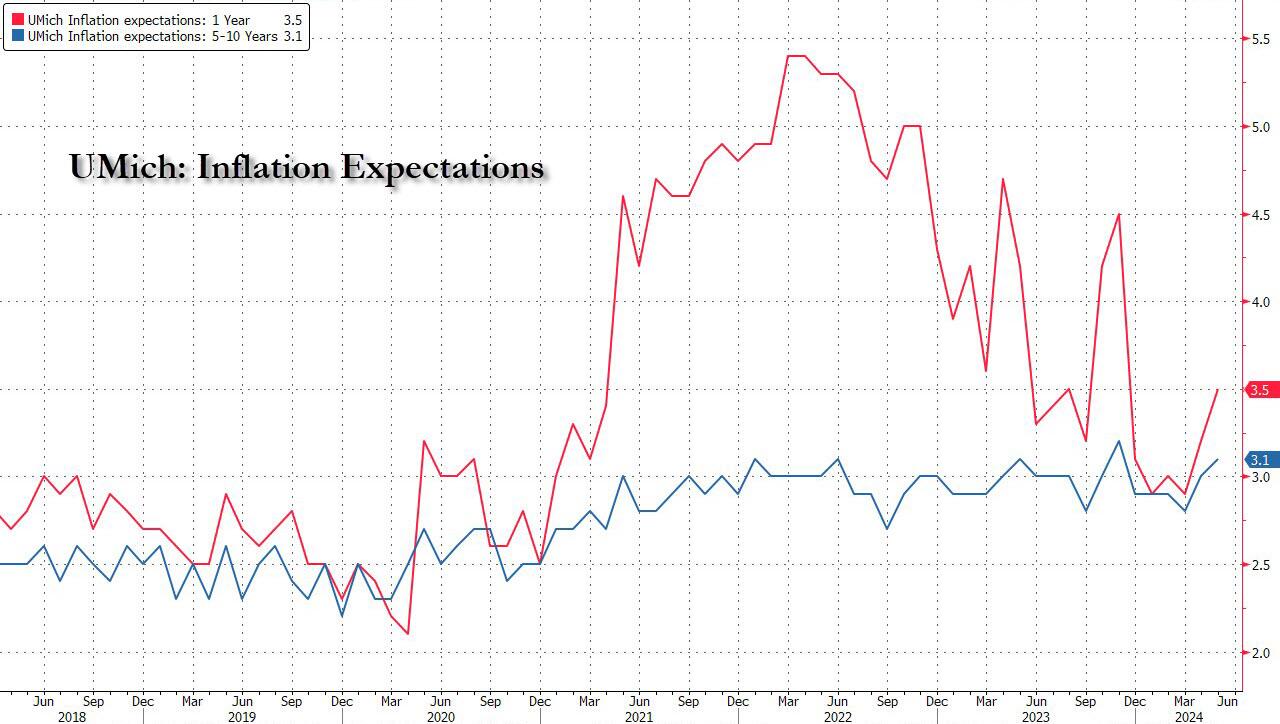
The financial community is also digesting the implications of a New York Federal Reserve survey, which revealed a noticeable uptick in consumer inflation expectations. The forecast for the coming year has risen to 3.3%, while the five-year projection has increased slightly to 2.8%.

These figures are critical as they precede the release of the consumer price index report this Wednesday, where economists are bracing for a 0.4% rise month-over-month and a 3.4% surge year-over-year. Similarly, the producer price index, set to be published Tuesday, is anticipated to show a 0.3% increase from the previous month.

Amidst these projections, traders are cautiously optimistic that the Federal Reserve may steer clear of rate hikes, despite a series of unexpectedly high inflation readings in recent months.

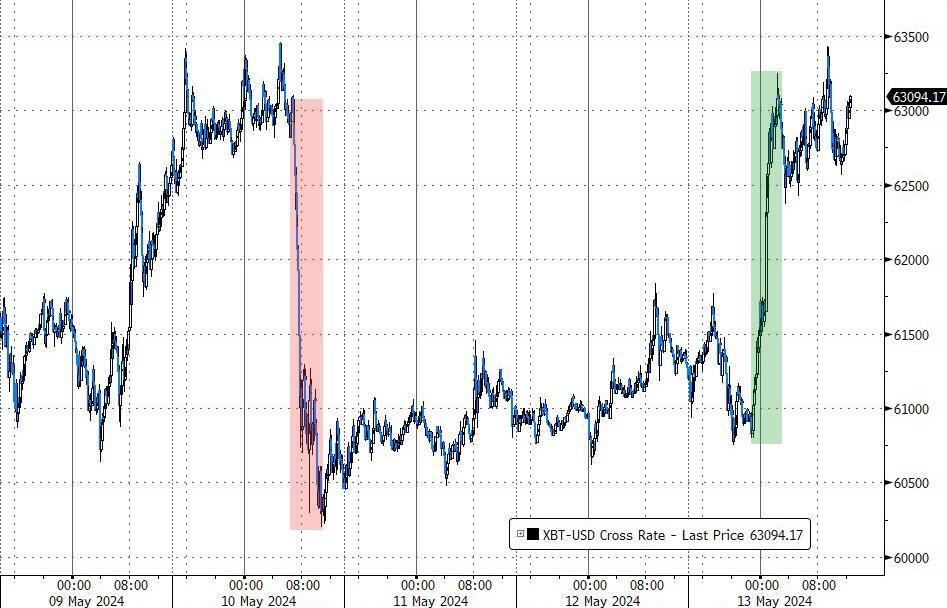
In the broader financial landscape, bond yields dipped, the dollar held steady, and Bitcoin made a remarkable recovery to $63,000, offsetting the losses from the previous Friday. Conversely, gold relinquished some of its recent gains, while crude oil prices rebounded, recouping most of the losses experienced at the week’s end.

As investors and analysts alike scrutinize these developments, one question looms large:

Will the forthcoming PPI and CPI reports alter the current stagflationary course, or will they reinforce the prevailing economic narrative?

Read More

ETFs On The Cutline – Updated Through 05/10/2024

Ulli ETFs on the Cutline Contact

Do you want to know which ETFs are hot and which ones are not? Then you need my High-Volume ETF Cutline report. It tells you how close or far each of the 311 ETFs I follow is from its long-term trend line (39-week SMA). These are the ETFs that trade more than $5 million a day, so they are not some obscure funds that nobody cares about.

The report is split into two parts: The winners that are above their trend line (%M/A), and the losers that are below it. The yellow line is the line of shame that separates them. You can see how many ETFs are in each group and how they have changed since the last report (259 vs. 265 current).

Take a peek:

The HV ETF Master Cutline Report

If you are confused by some of the terms we use, don’t panic. I have a helpful Glossary of Terms for you.

If you want to learn more about the Cutline method and how it can make you rich (or at least less poor), read my original post here.

ETF Tracker Newsletter For May 10, 2024

Ulli ETF Tracker Contact

ETF Tracker StatSheet          

You can view the latest version here.

DOW AND S&P 500 RISE AMIDST ECONOMIC UNCERTAINTY AND INFLATION WOES

[Chart courtesy of MarketWatch.com]

  1. Moving the markets

In the intricate dance of the stock market, this week presented a mixed tableau. The Dow and the S&P 500, like seasoned performers, managed to spin around to another session of gains amidst a backdrop of economic uncertainty. This performance, however, was not without its counterpoints.

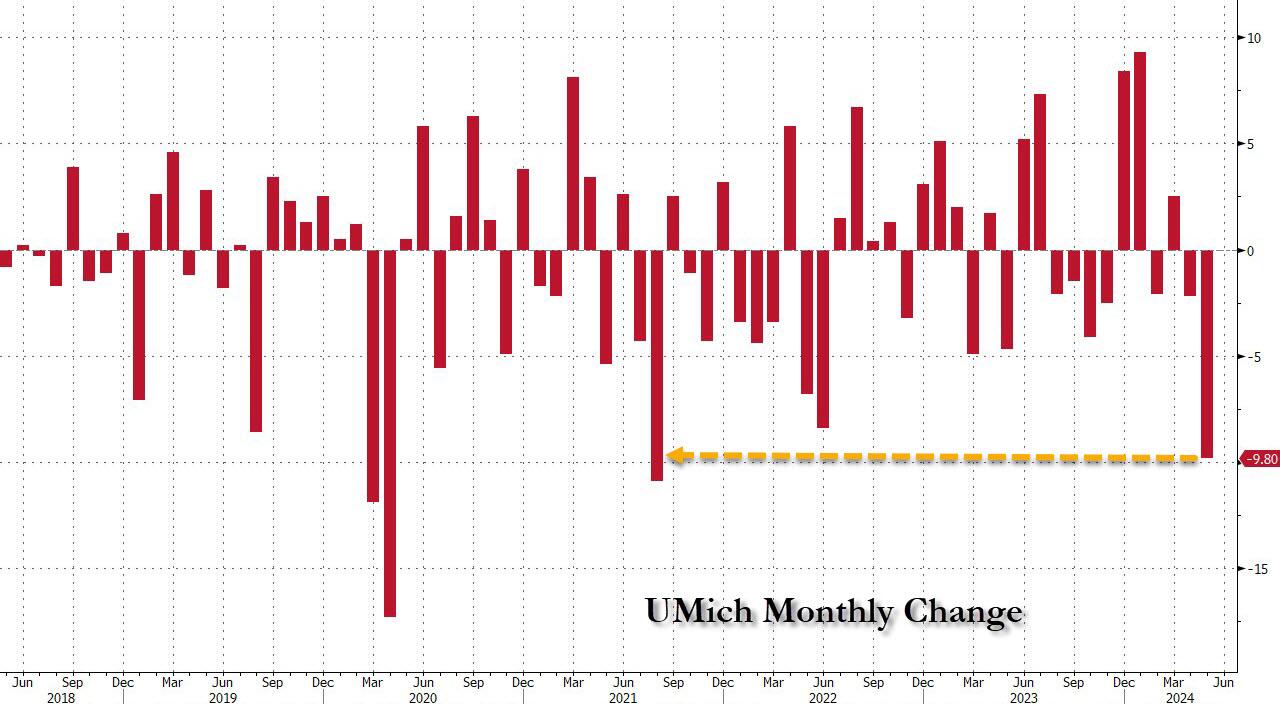
The market’s rhythm was disrupted by the latest consumer sentiment data, which plummeted unexpectedly, signaling a surge in inflation expectations. The University of Michigan’s preliminary consumer sentiment index for May dropped to 67.4, a stark contrast to the Dow Jones estimates of 76 and the lowest in half a year. This data painted a grim picture, suggesting that public perception of the economy is deteriorating, with inflation worries at the forefront of collective concern.

This sentiment has implications for the Federal Reserve’s monetary policy. The central bank’s decisions on interest rates will likely be swayed by the degree of slowdown observed in consumer spending and employment. Yet, if these indicators do not plummet precipitously, it may provide just enough positive sentiment to buoy the markets, which are keenly anticipating rate cuts.

In a recent twist, traders have adopted a more optimistic outlook after signals from the Federal Reserve suggested that an interest rate hike is off the table for the next move. This has led to speculation that interest rates may have reached their peak, a scenario that could prove advantageous for equities.

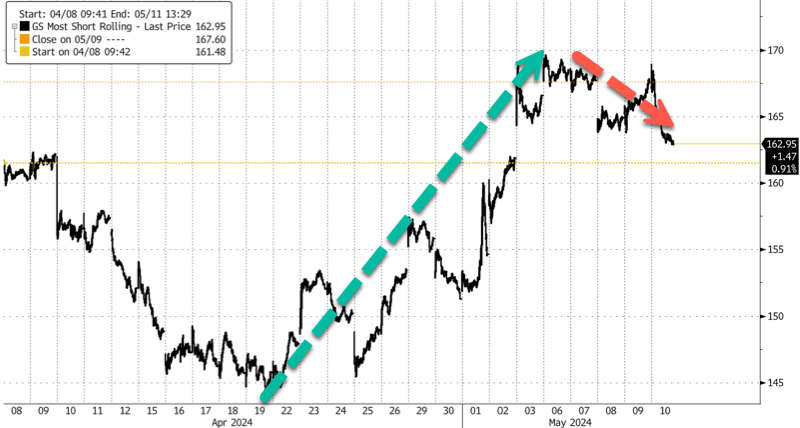
However, the week concluded with a loss of momentum for the most heavily shorted stocks, while bond yields, particularly the closely monitored 10-year yield, climbed past the 4.5% mark due to persistent inflationary pressures. This renewed the focus on the possibility of a “higher for longer” interest rate environment.

Amidst these developments, the Citi Economic Surprise Index fell to its lowest level since January 2023, hinting at economic fragility. This combination of weak or nonexistent economic growth coupled with inflation resurrects the specter of “Stagflation.”

The repercussions were felt across various assets, with Bitcoin and crude oil prices declining, while the dollar experienced an upswing. With a critical week ahead, featuring key economic data releases such as the Consumer Price Index (CPI), Producer Price Index (PPI), retail sales, and industrial production, the market stands at a crossroads.

As we anticipate these significant data points, one can’t help but wonder:

Will any of these upcoming revelations prove to be a catalyst for market optimism?

Read More

Weekly StatSheet For The ETF Tracker Newsletter – Updated Through 05/09/2024

Ulli ETF StatSheet Contact

ETF Data updated through Thursday, May 9, 2024

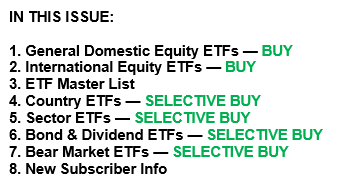
How to use this StatSheet:

  1. Out of the 1,800+ ETFs out there, I only pick the ones that trade over $5 million per day (HV ETFs), so you don’t get stuck with a lemon that nobody wants to buy or sell.
  1. Trend Tracking Indexes (TTIs)

These are the main indicators that tell you when to buy or sell Domestic and International ETFs (section 1 and 2). They do that by comparing their position to their long-term M/A (Moving Average). If they cross above, and stay there, it’s a green light to buy. If they fall below, and keep going, it’s a red light to sell. And to make sure you don’t lose your shirt if things go south, I also use a 12% trailing stop loss on all positions in these categories.

  1. All other investment areas don’t have a TTI and should be traded based on the position of each ETF relative to its own trend line (%M/A). That’s why I call them “Selective Buy.” In other words, if an ETF goes above its own trend line, you can buy it. But don’t forget to use a trailing sell stop of 12%, or less if you’re feeling nervous.

If some of these words sound like Greek to you, please check out the Glossary of Terms and new subscriber information in section 9.

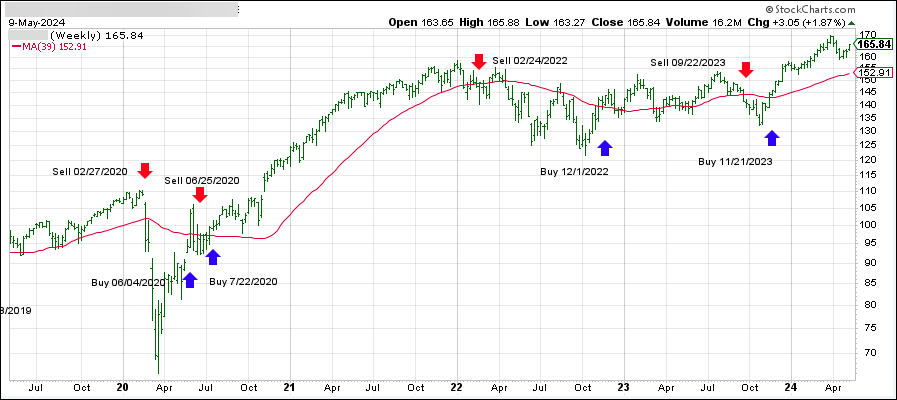
  1. DOMESTIC EQUITY ETFs: BUY— since 11/21/2023

Click on chart to enlarge

This is our main compass, the Domestic Trend Tracking Index (TTI-green line in the above chart). It has broken above its long-term trend line (red) by +8.76% and is in “Buy” mode as posted.

Read More