
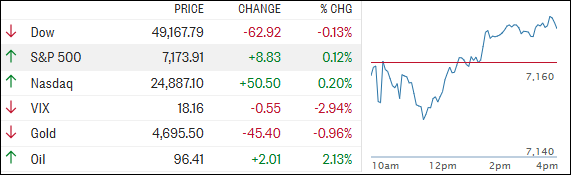
[Chart courtesy of MarketWatch.com]
- Moving the market
The major indexes slipped early as stalled peace talks with Iran and a fresh escalation in the Strait of Hormuz pushed oil prices higher, keeping geopolitical tensions front and center heading into an important week.
Over the weekend, President Trump scrapped plans to send U.S. special envoy Steve Witkoff and Jared Kushner to Pakistan for ceasefire talks related to Iran, saying negotiations could just as easily happen by phone.
“Too much time wasted on traveling, too much work!” Trump wrote on Truth Social. “Nobody knows who is in charge, including them. Also, we have all the cards; they have none! If they want to talk, all they have to do is call!!!”
Iran, for its part, showed little urgency. Foreign Ministry spokesperson Esmaeil Baqaei said no meeting between Tehran and Washington is currently planned.
That said, an Axios report suggested Iran has floated a new proposal to the U.S. that would reopen the Strait of Hormuz and end the war, while pushing nuclear talks to a later date.
So, the jawboning continues, leaving markets stuck in limbo until something concrete and verifiable actually materializes—whenever that may be.
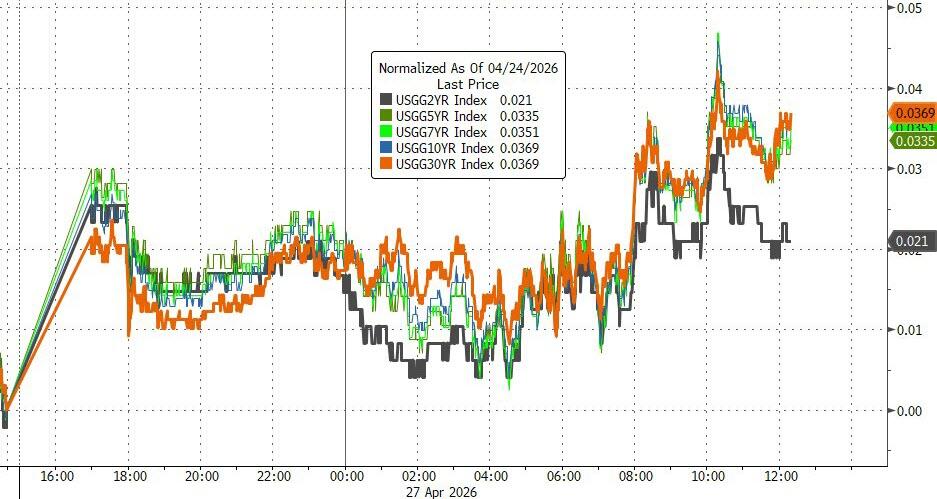
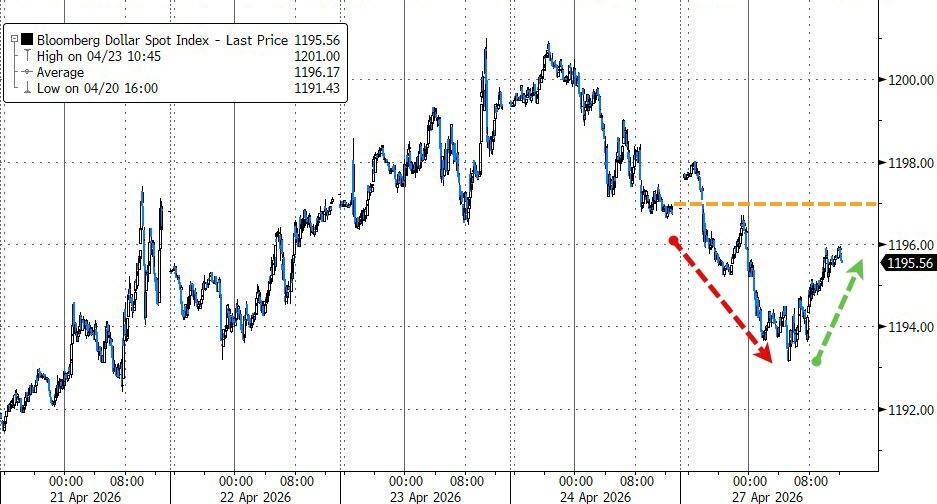
As a result, markets mostly spun their wheels. Oil prices moved higher, bond yields climbed, and the dollar slipped.
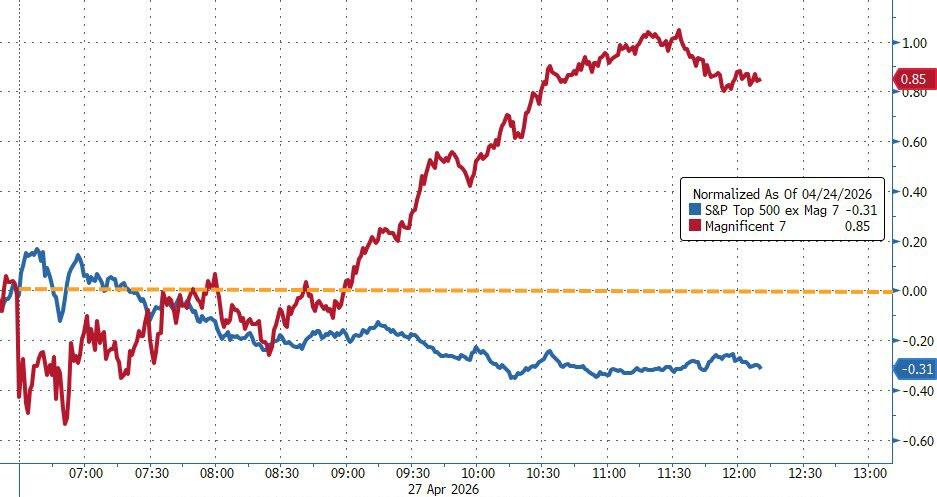
If there was a highlight, it was the Magnificent Seven outperforming the rest of the market, beating the S&P 493 on the day.
Gold didn’t get much help from the weaker dollar and slid below $4,700, while Bitcoin pulled back sharply from its recent high of $79,500 to around $76,500.
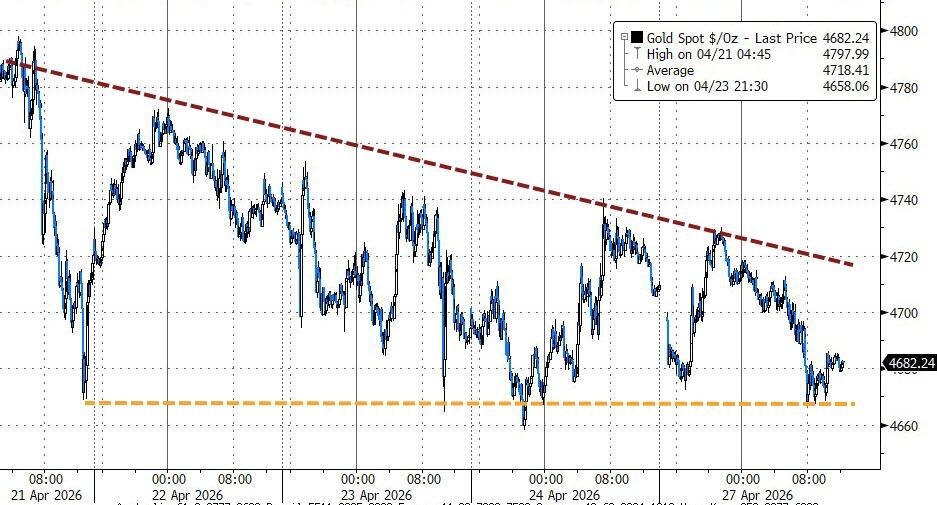
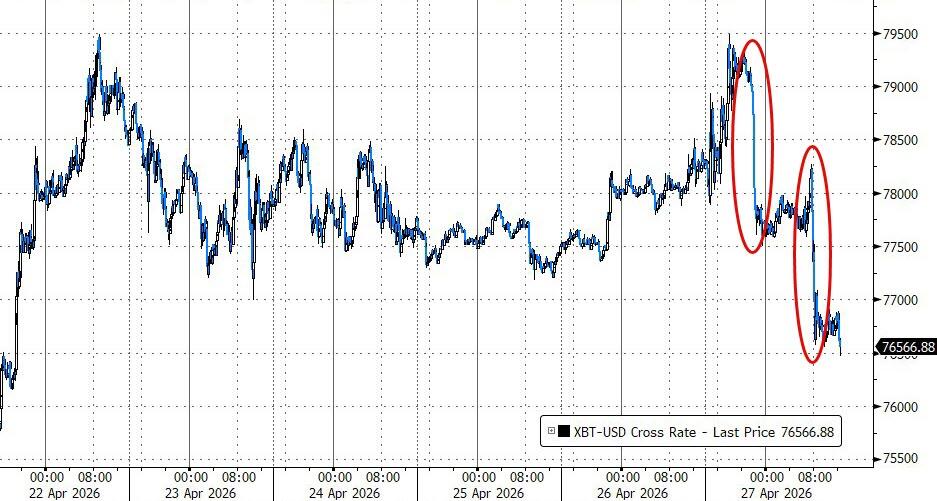
With headlines driving sentiment and real progress still elusive, the question remains: how long can markets stay patient before uncertainty starts to bite harder?
2. Current domestic “Buy” Cycle (effective 5/20/2025); International “Buy” Cycle (effective 5/8/25)
Our domestic bullish cycle that began on November 21, 2023, concluded on April 3, 2025, following a market downturn triggered by President Trump’s tariff policy announcement.
This development caused significant declines across major indexes and broader market indices. However, markets subsequently rebounded, culminating in a new domestic “Buy” signal taking effect May 20, 2025.
Concurrently, our International Trend Tracking Index (TTI) experienced parallel volatility. On April 4, 2025, it breached critical thresholds, prompting a “Sell” recommendation. This position reversed as global markets recovered, with the International TTI regaining sufficient momentum to issue a new “Buy” signal effective May 8, 2025.
3. Trend Tracking Indexes (TTIs)
While the S&P 500 and Nasdaq managed to finish slightly in the green, the gains were modest at best. Overall, markets essentially went nowhere, lacking any real conviction in either direction.
Metals and Bitcoin didn’t add much either, treading water alongside equities.
Our TTIs were just as uneventful, barely budging by the close — another sign that the market is pausing rather than changing direction.
This is how we closed 04/27/2026:
Domestic TTI: +5.35% above its M/A (prior close +5.51%)—Buy signal effective 5/20/25.
International TTI: +7.25% above its M/A (prior close +7.38%)—Buy signal effective 5/8/25.
All linked charts above are courtesy of Bloomberg via ZeroHedge.
———————————————————-
WOULD YOU LIKE TO HAVE YOUR INVESTMENTS PROFESSIONALLY MANAGED?
Do you have the time to follow our investment plans yourself? If you are a busy professional who would like to have his portfolio managed using our methodology, please contact me directly to get more details.
Contact Ulli