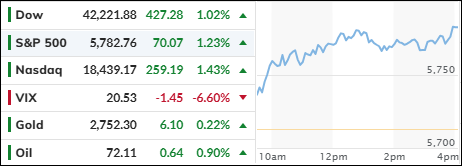
- Moving the market
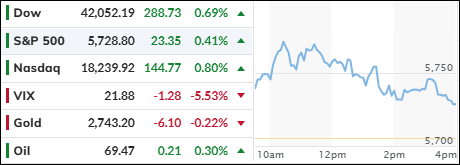
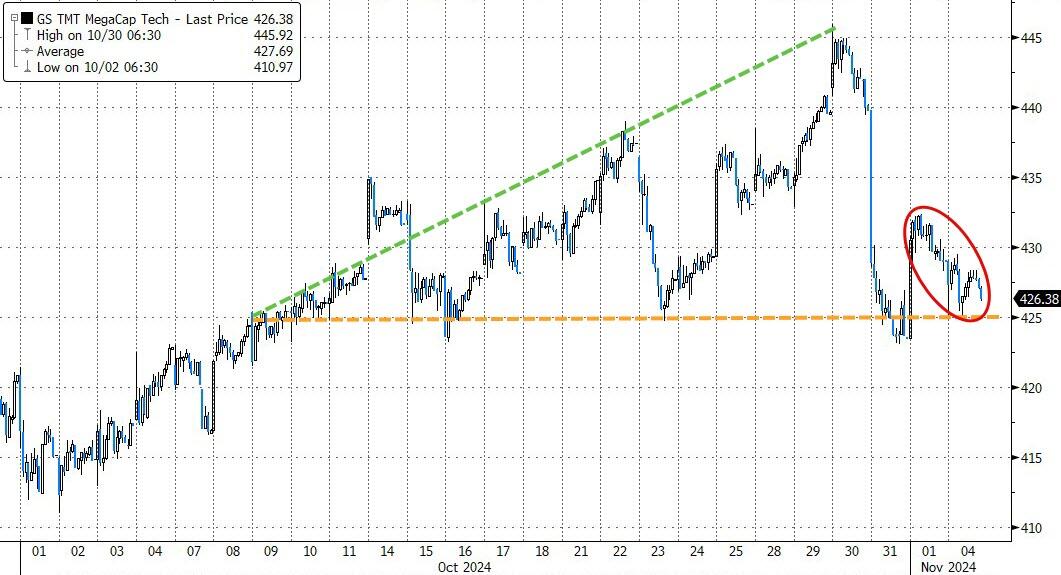
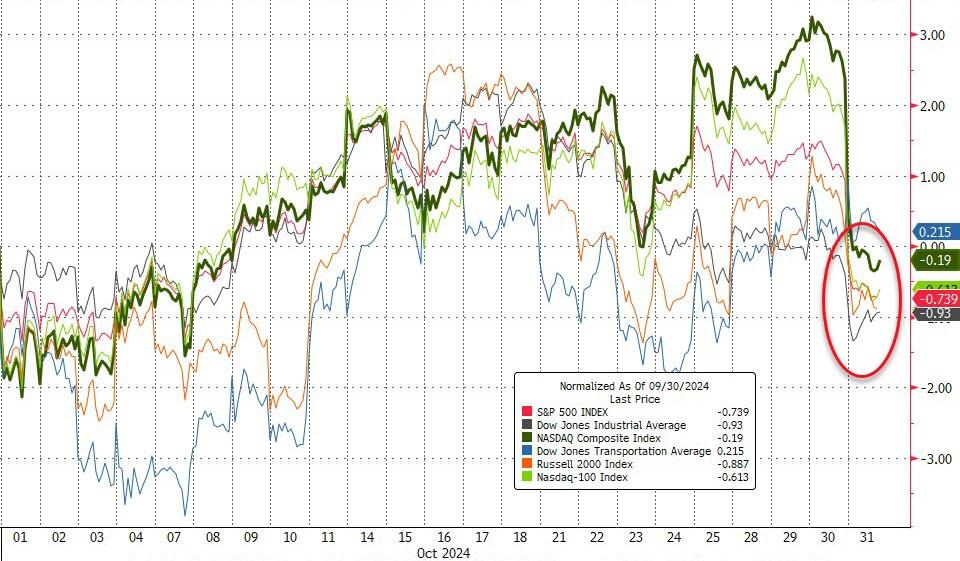
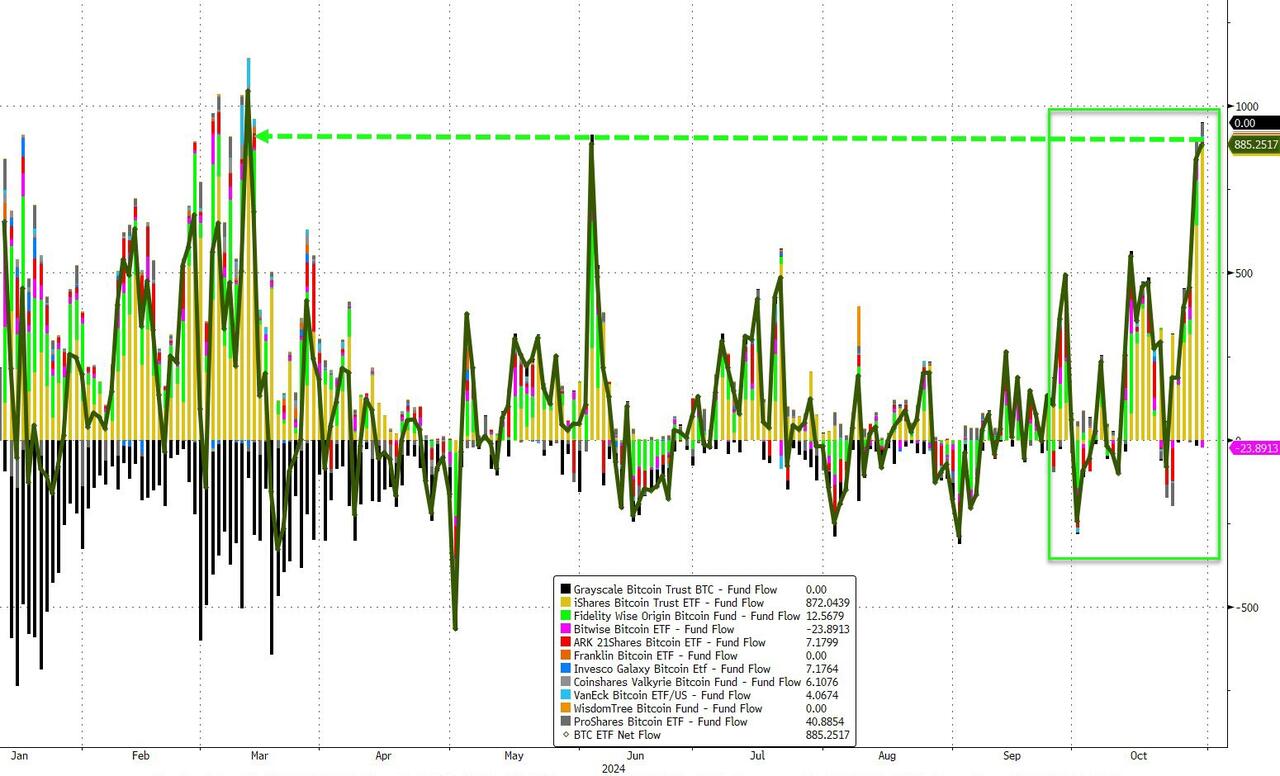
On this election day, traders viewed the market positively, driving the major indexes out of their recent slump and buying a wide range of assets, including stocks, bonds, gold, Bitcoin, and crude oil.
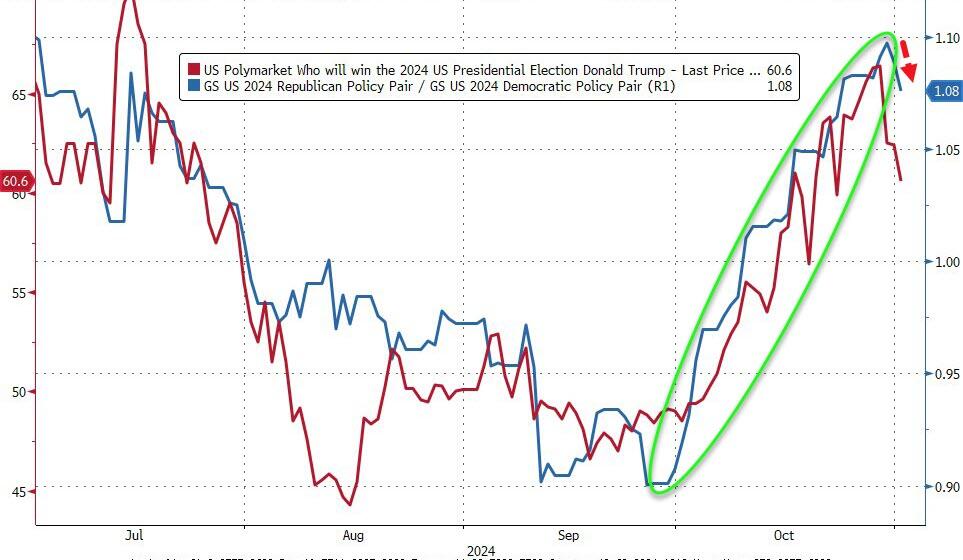
Wall Street is closely monitoring not only the Presidential elections, but also which party will dominate Congress, as any sweep could lead to significant changes in spending or tax policy.
While the election results can significantly impact market direction, this uncertainty might create more short-term volatility. Historically, however, the major indexes have tended to gain between election day and the end of the year.
Traders believe that a divided Congress would be the most favorable outcome, as it would likely limit severe policy changes. Additionally, the Federal Reserve’s decision on rate cuts is expected Thursday, with a 96% chance of a 0.25% reduction.
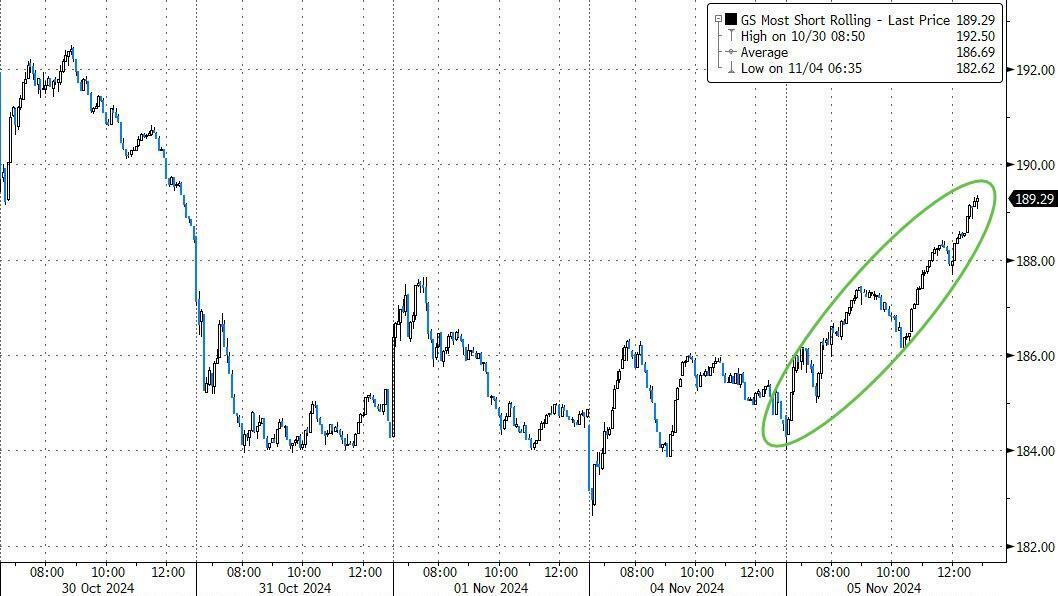
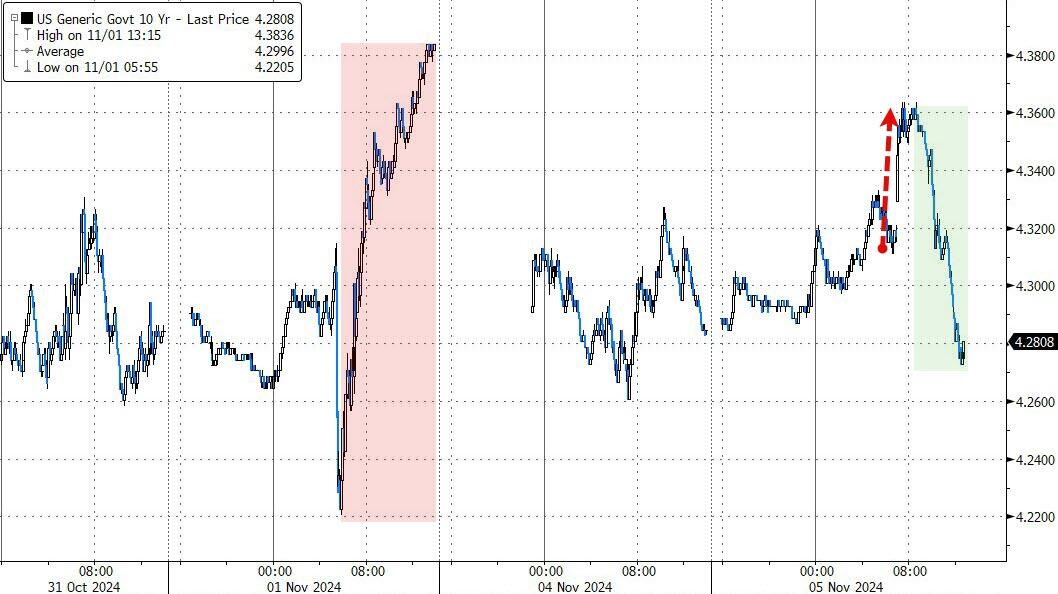
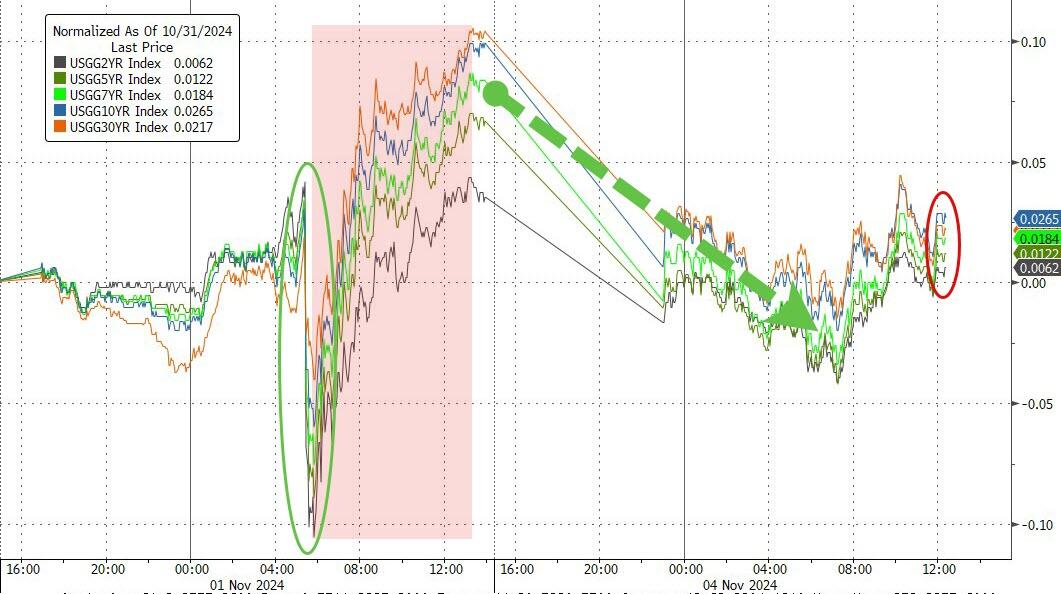
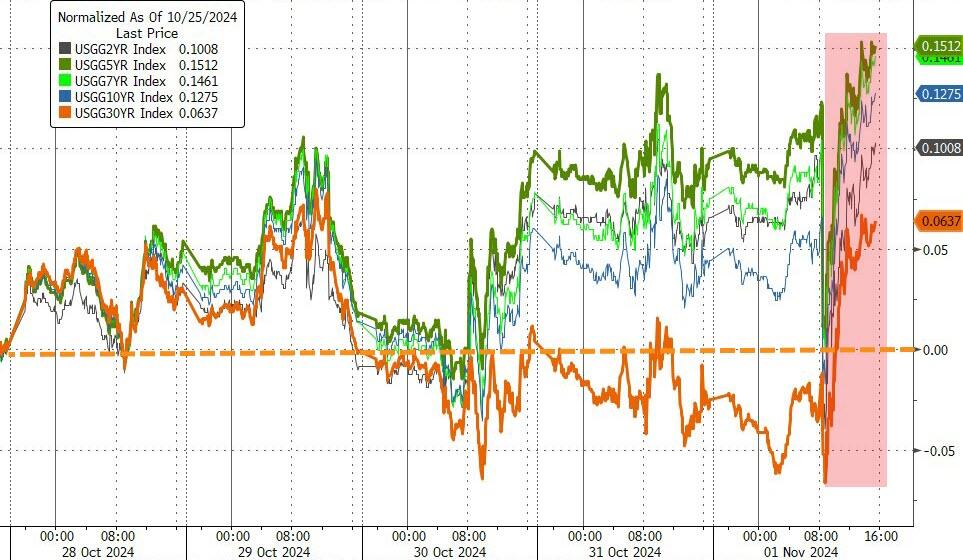
Today, the most shorted stocks were squeezed, and bond yields fluctuated, with the 10-year yield rallying to 4.36% before reversing to close nearly unchanged at 4.29%.
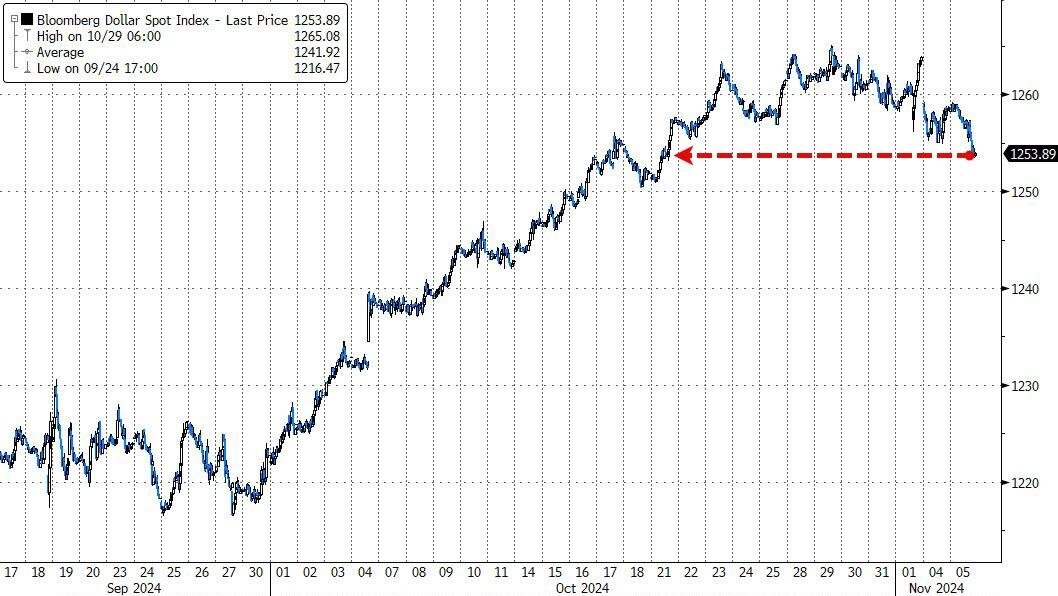
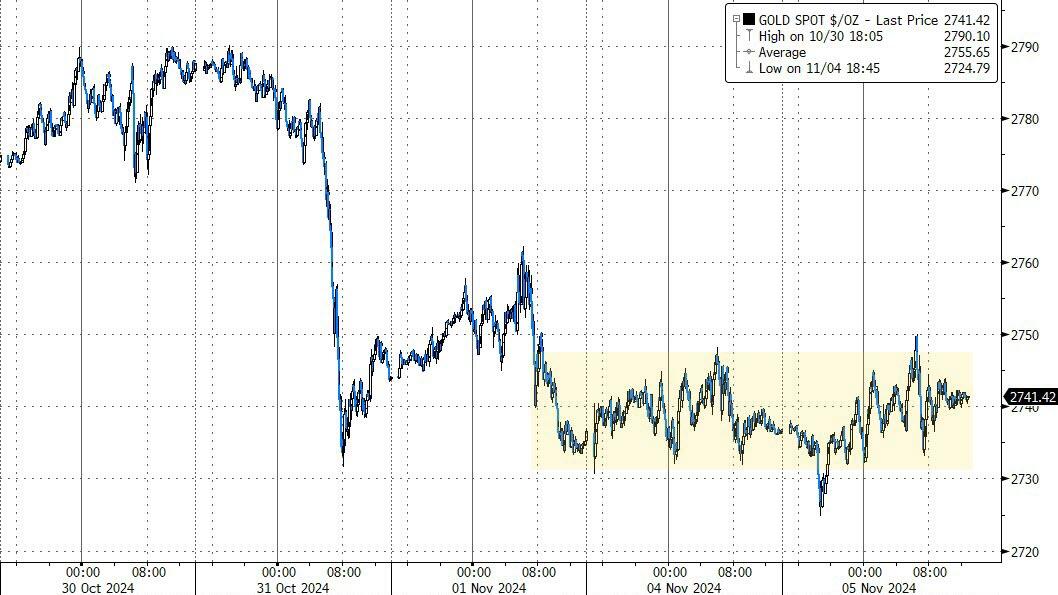
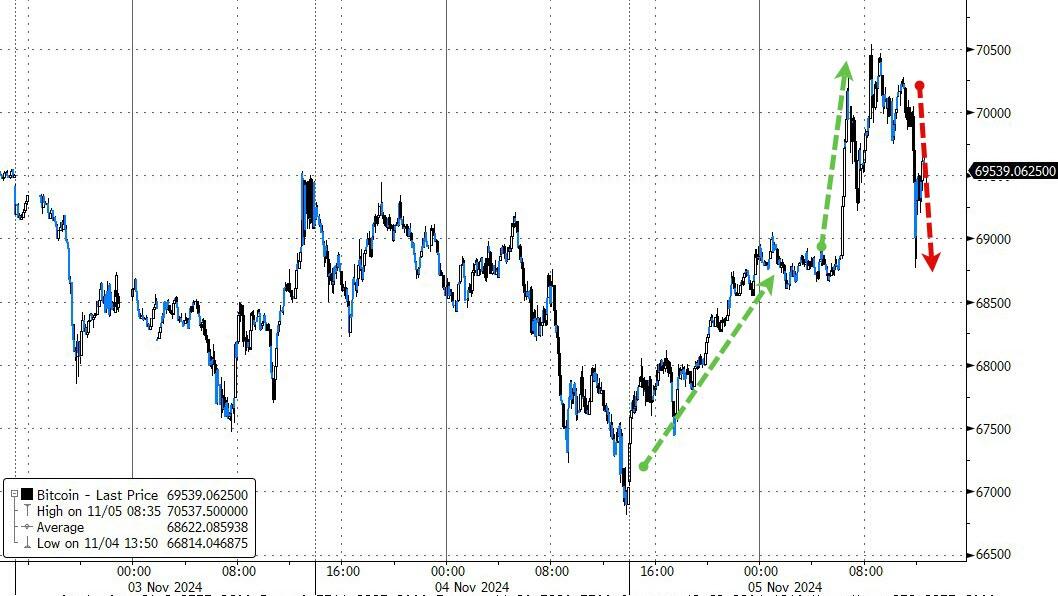
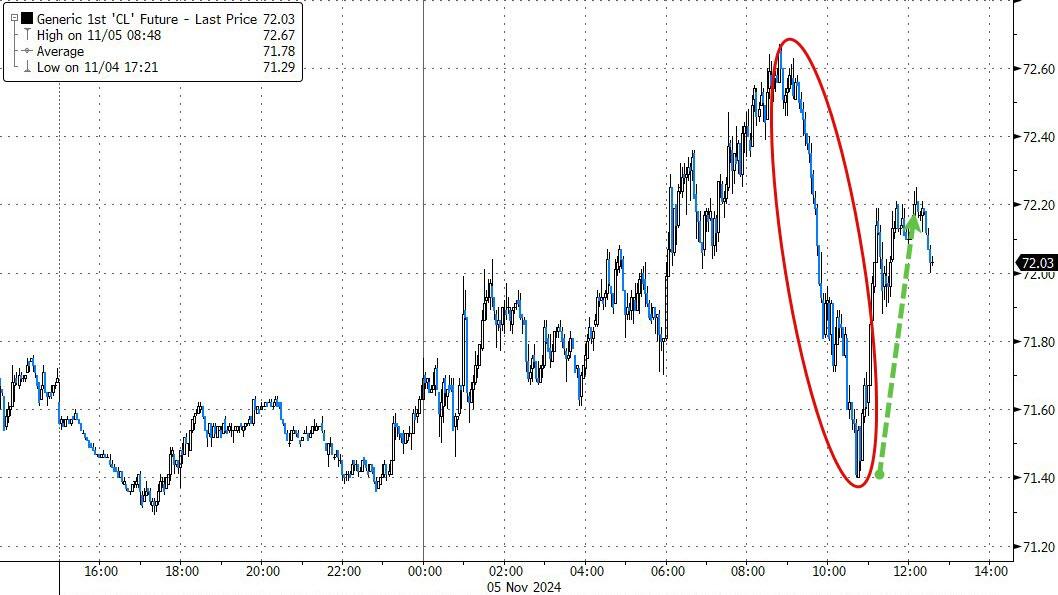
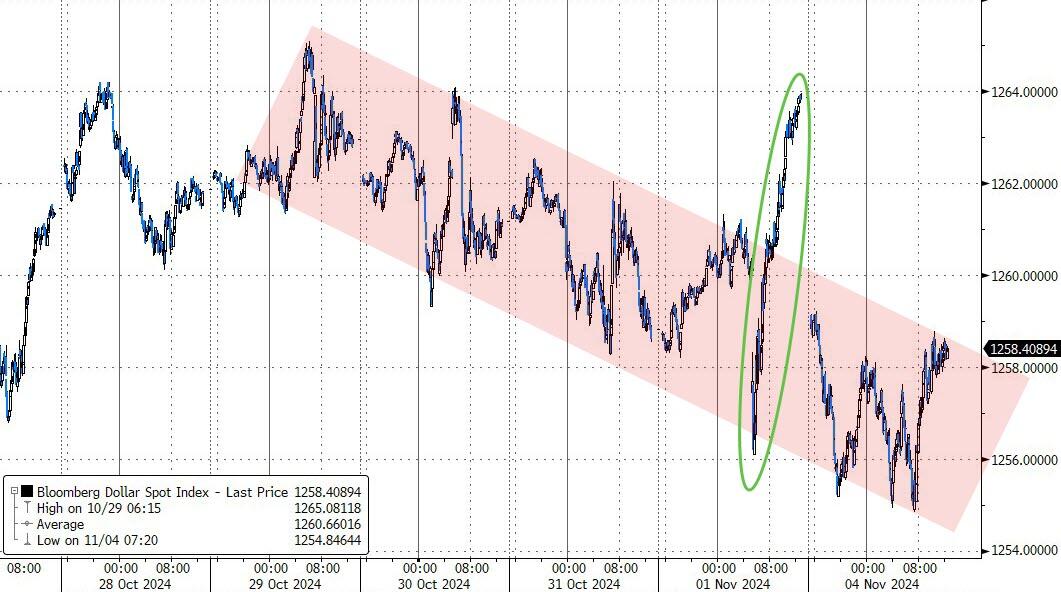
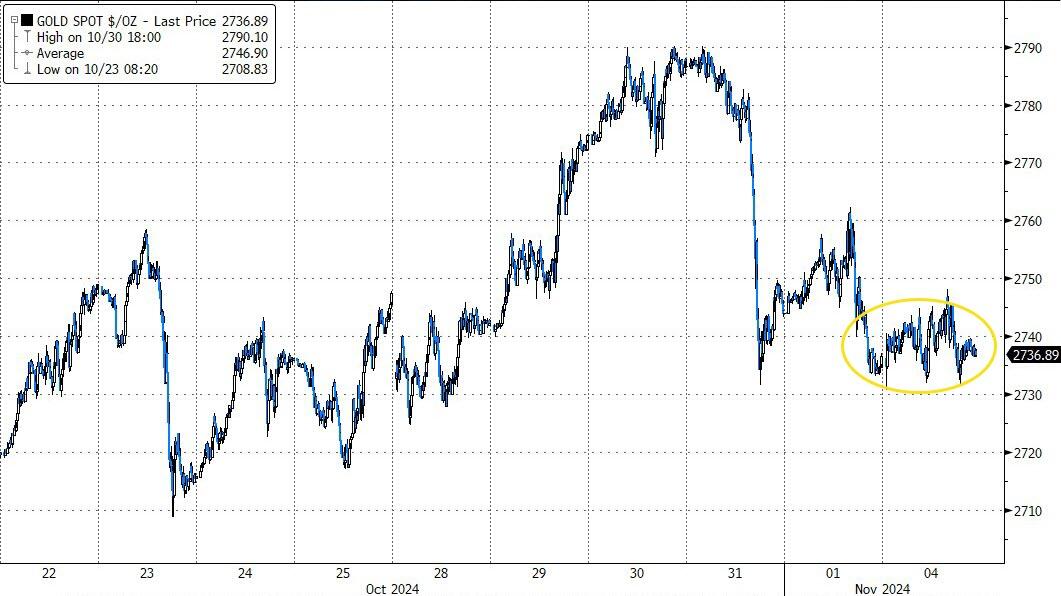
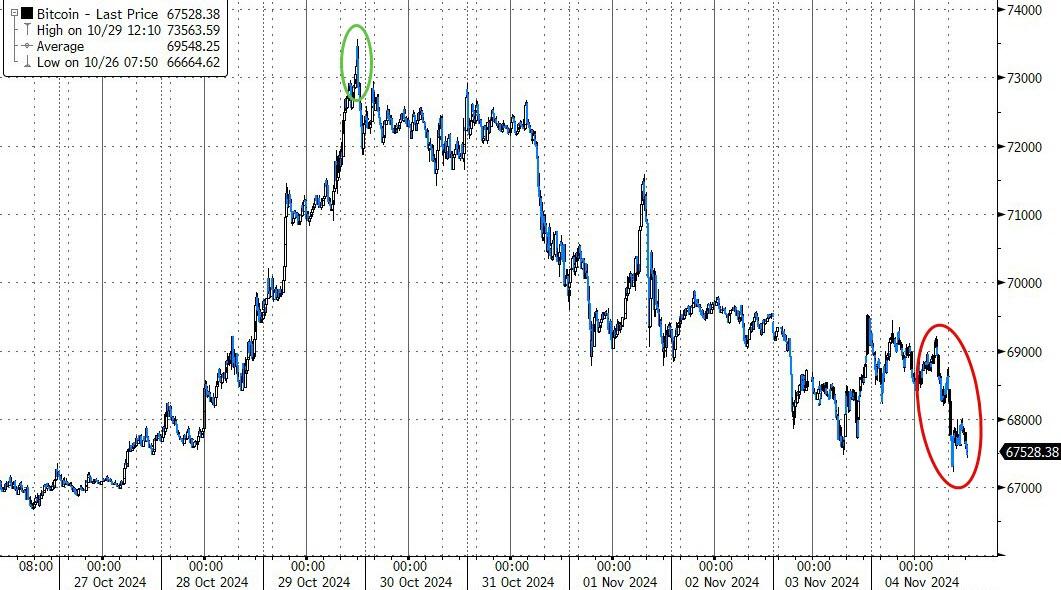
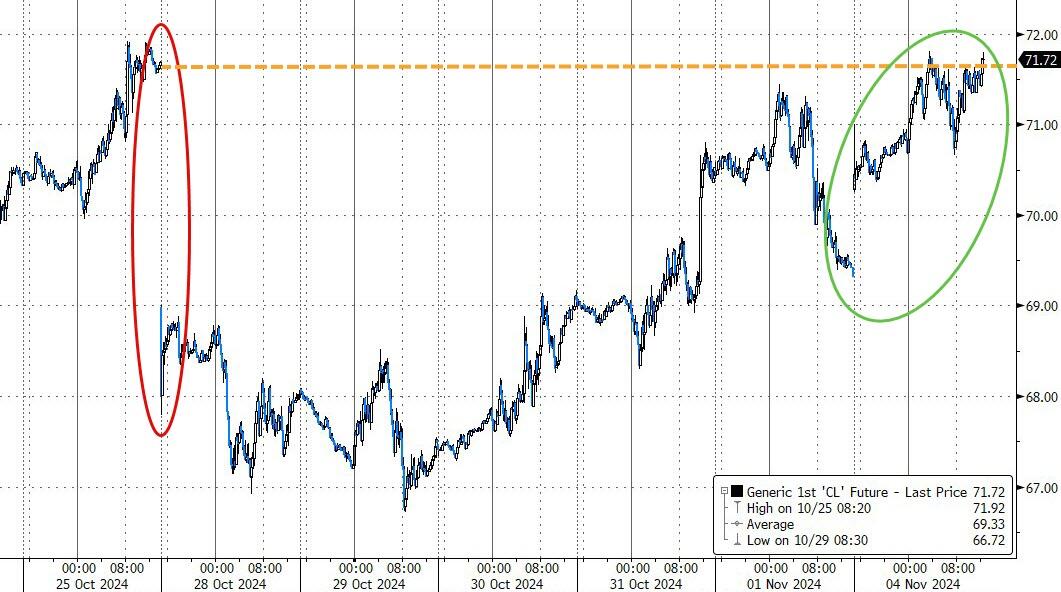
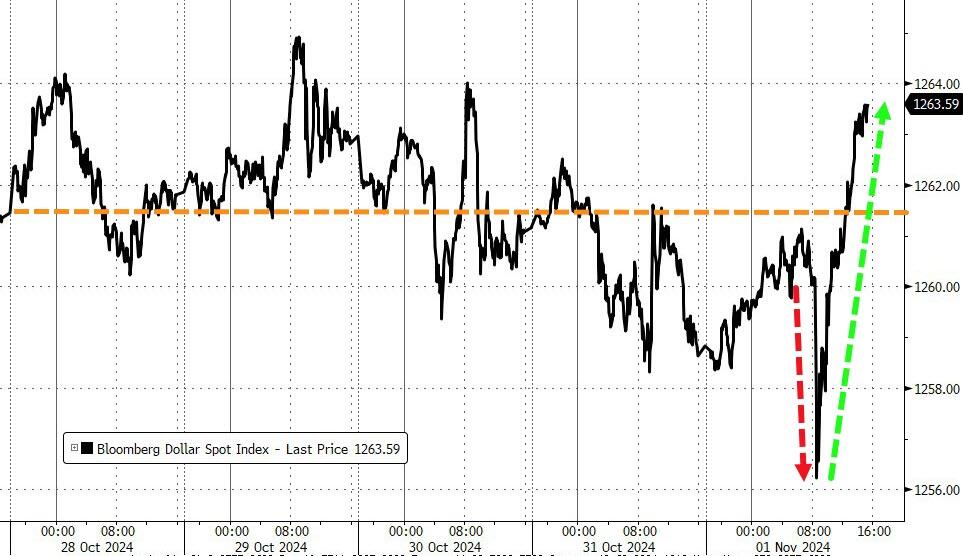
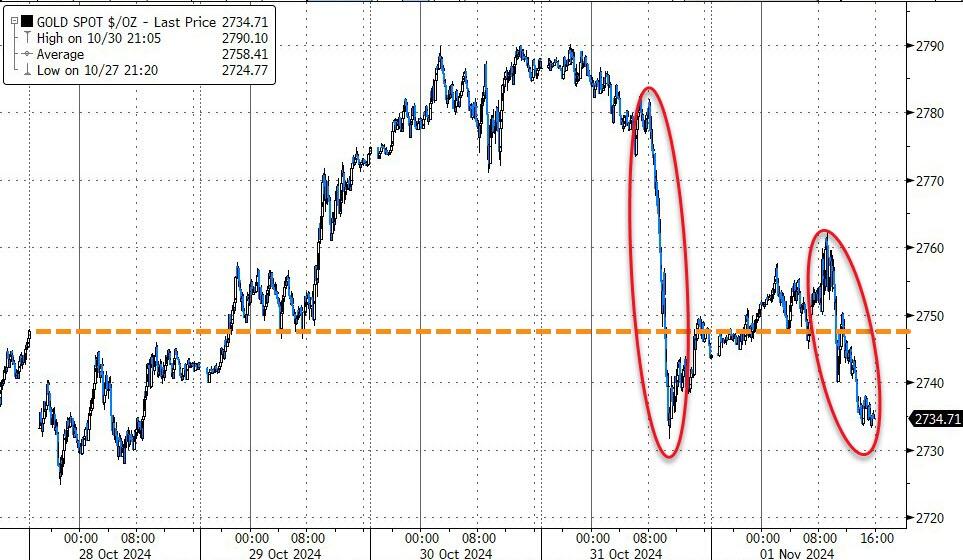
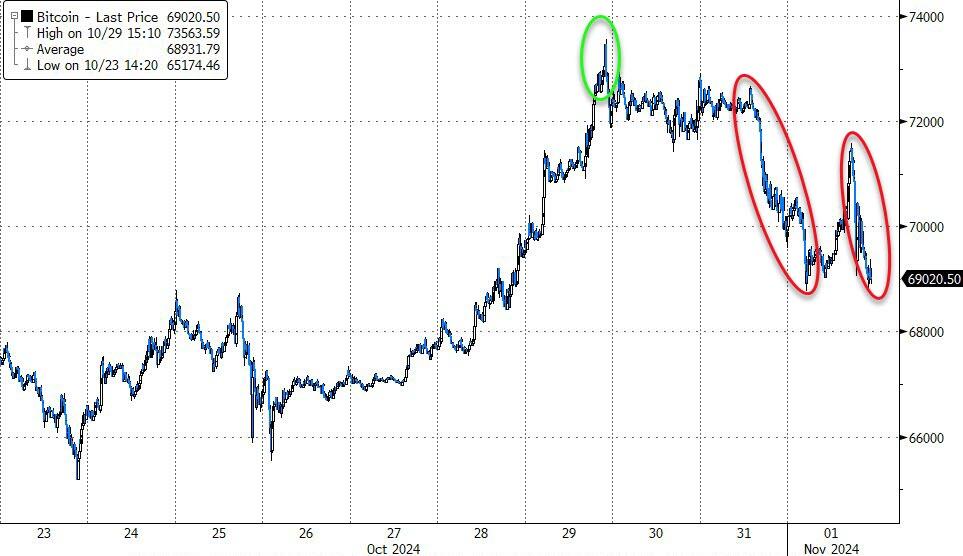
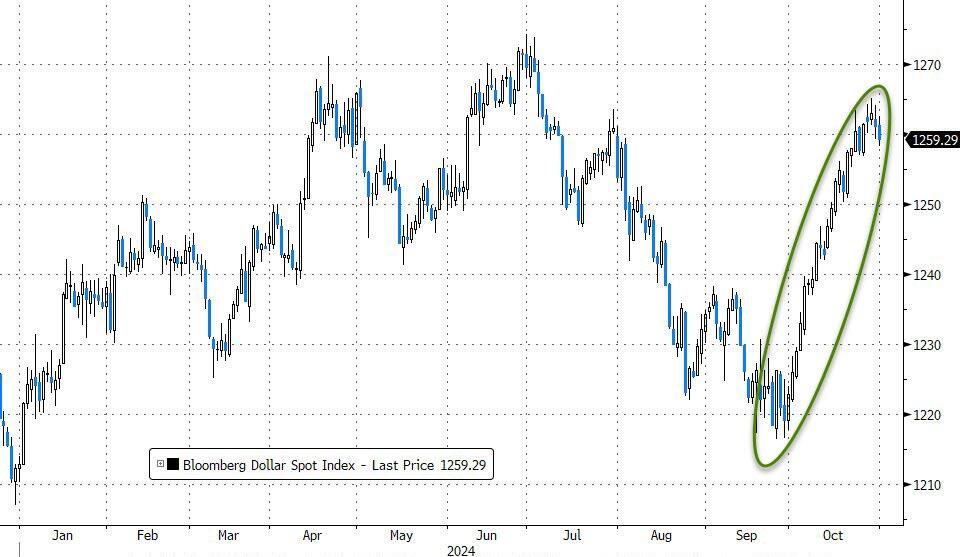
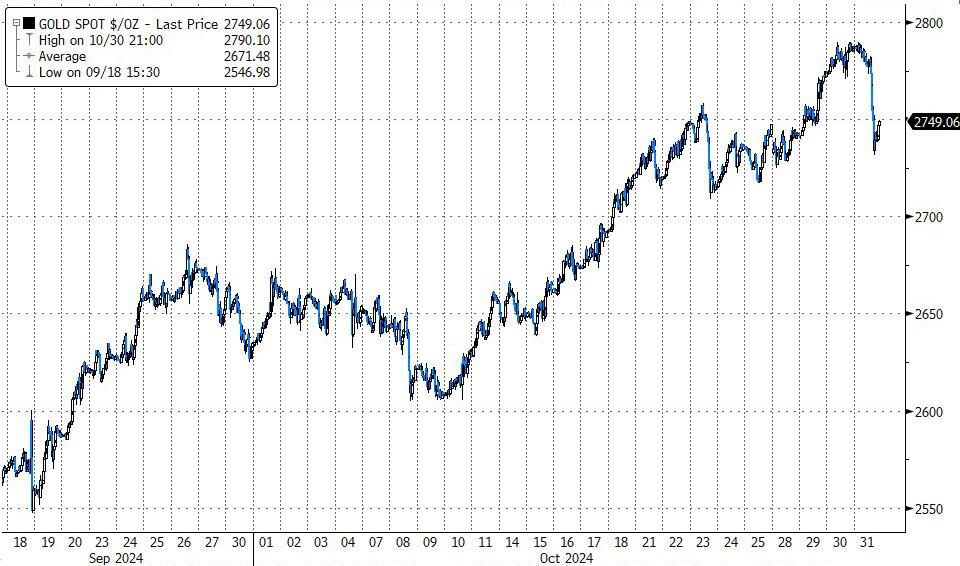
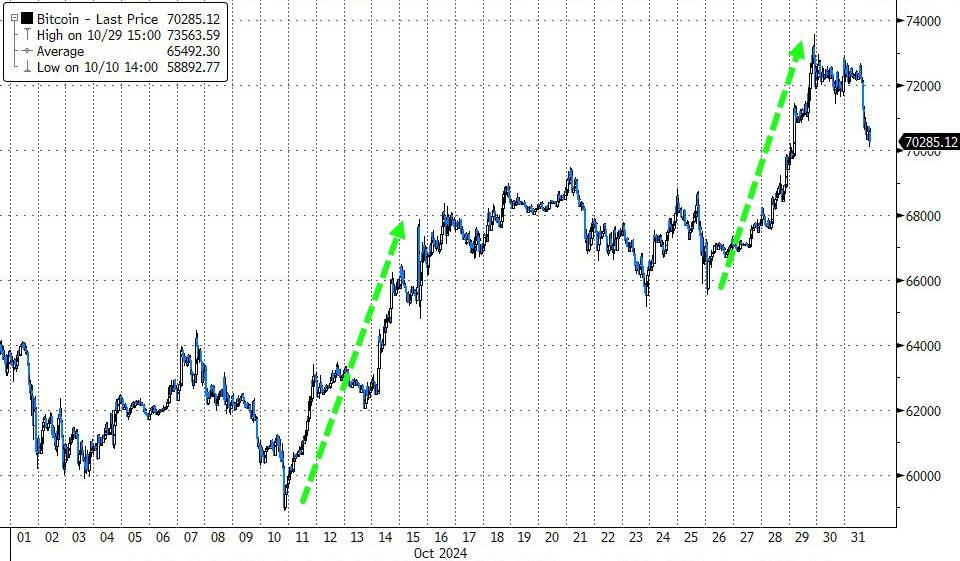
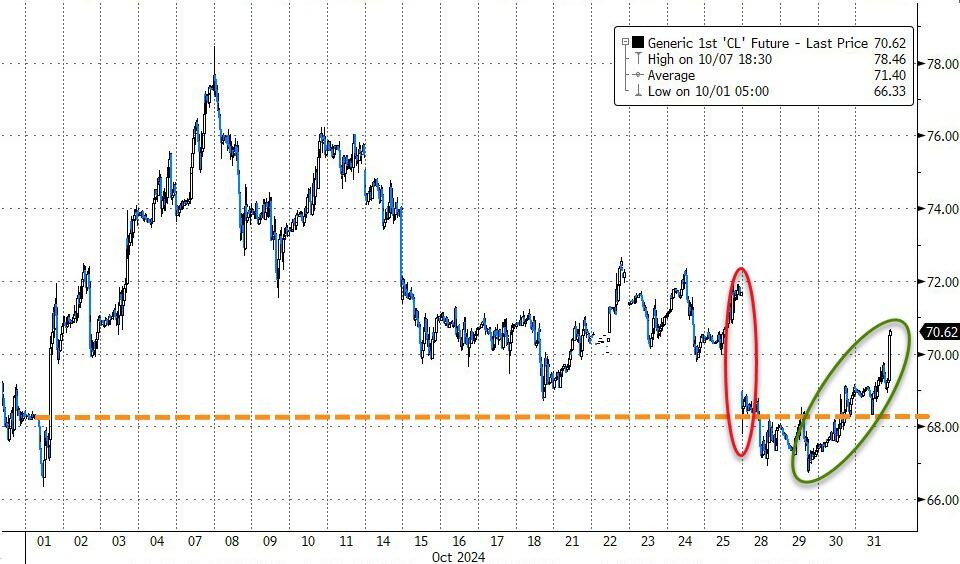
The dollar declined, while gold posted a small gain. Bitcoin underwent a wild ride, reaching $70.5k before falling back to around $69k. Crude oil followed a similar pattern and ended the day higher.
Although the election results are still pending, the Federal Reserve’s upcoming interest rate announcement on Thursday is likely to add to market volatility.
Read More