Fed Sparks Swings As Strong GDP And Copper Tariffs Jolt Markets

Ulli Market Commentary Contact

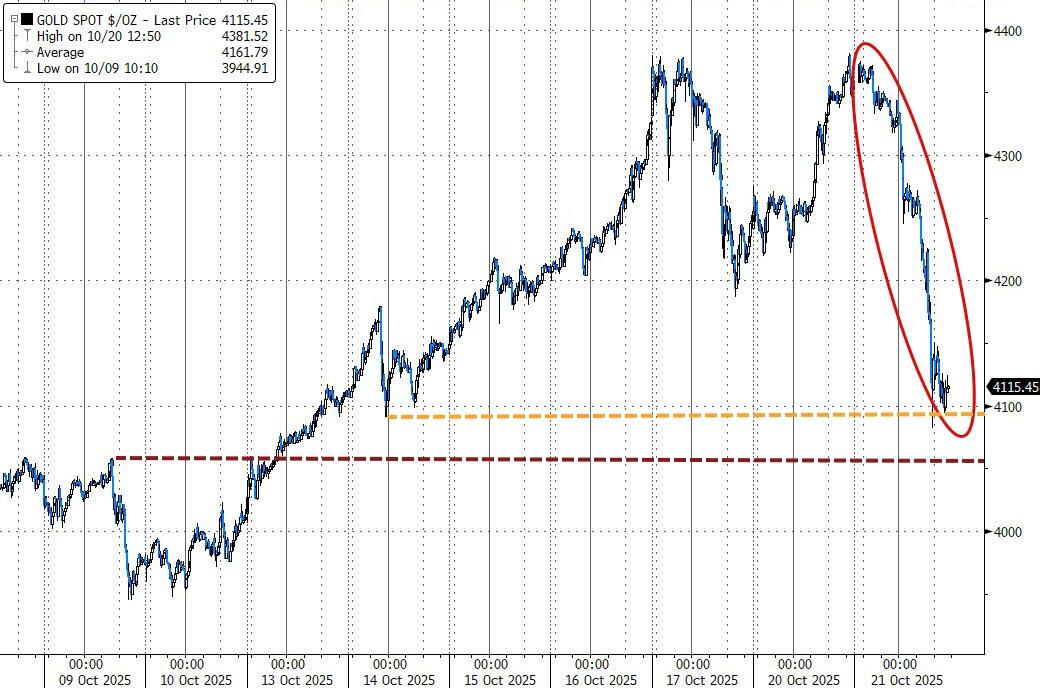
(Incorrect Gold print)

[Chart courtesy of MarketWatch.com]

  1. Moving the market

Stocks opened with a slight uptick as investors chewed over new earnings reports and waited for the Fed’s interest rate decision.

Even a stronger-than-expected GDP print—showing the U.S. economy growing at a 3% clip last quarter, well above forecasts—wasn’t enough to distract Wall Street from the main events: rates, Fed policy, and ongoing earnings news.

Most investors were content to sit tight before the Fed announcement, and with futures putting the odds of any rate move at just 2%, nobody expected major fireworks.

Despite some political pressure, Fed Chair Jerome Powell continued to signal he’s in no rush to make changes, so traders are betting the next policy move won’t come until September at the earliest.

That wait-and-see vibe followed a down day for the markets, as uncertainty over China trade talks and the possible extension of tariff pauses weighed on stocks.

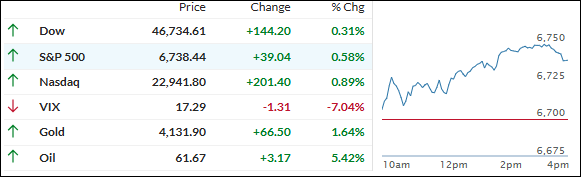
As expected, the Fed left its benchmark rate unchanged. But Powell’s comments, coupled with a dovish statement highlighting “moderating” growth, whipped up some wild swings on Wall Street. By the close, two of the three major indexes were in the red while the Nasdaq managed to just barely hang on to a gain.

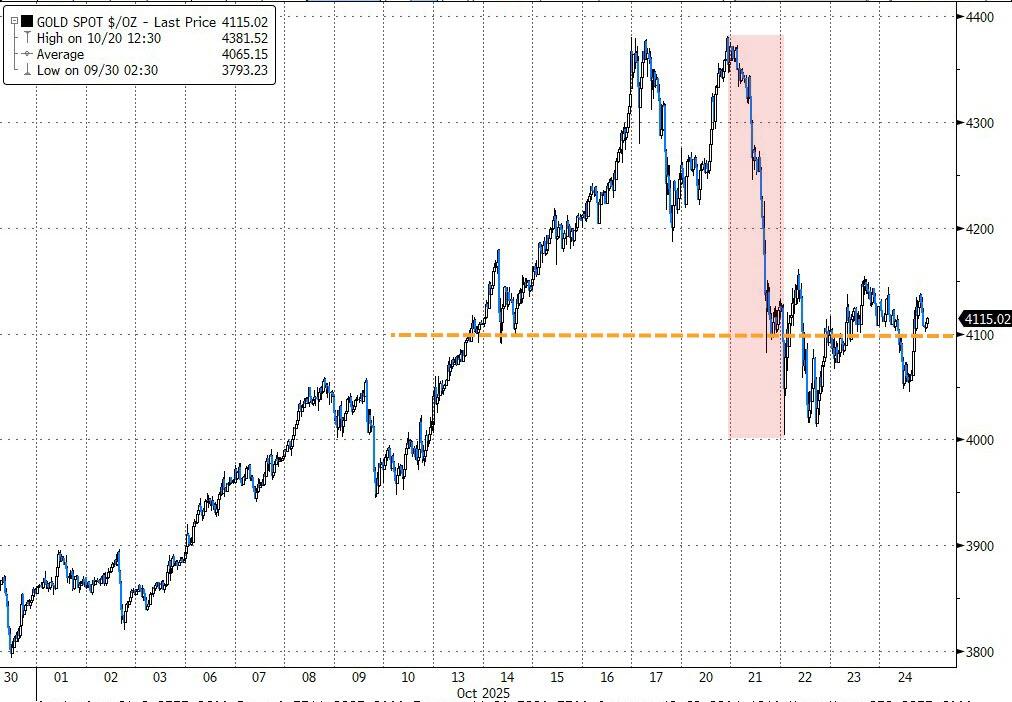
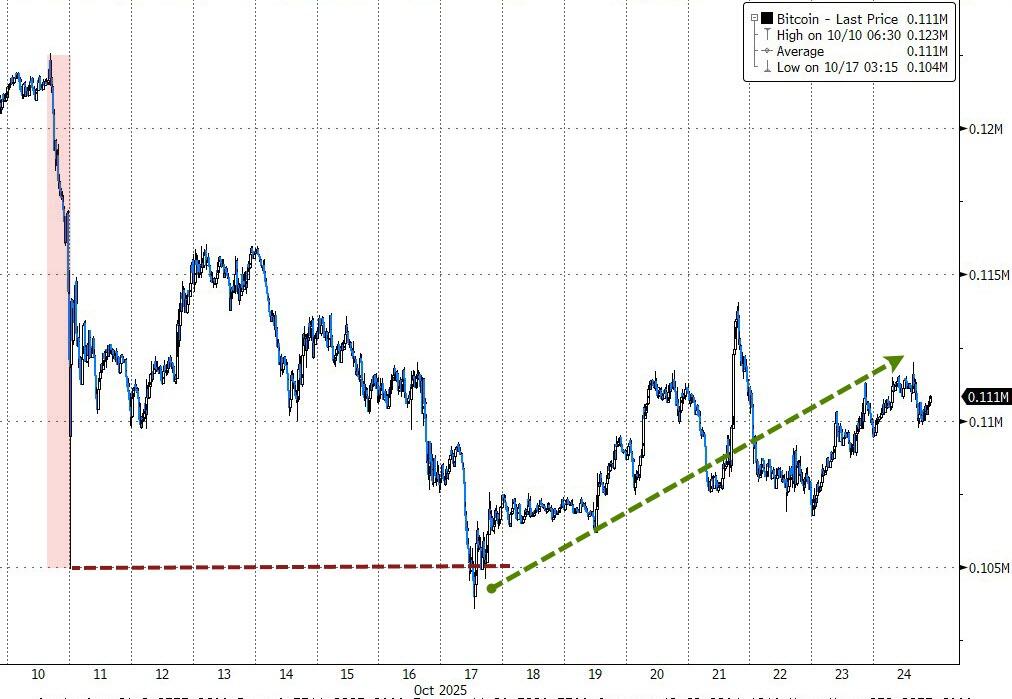
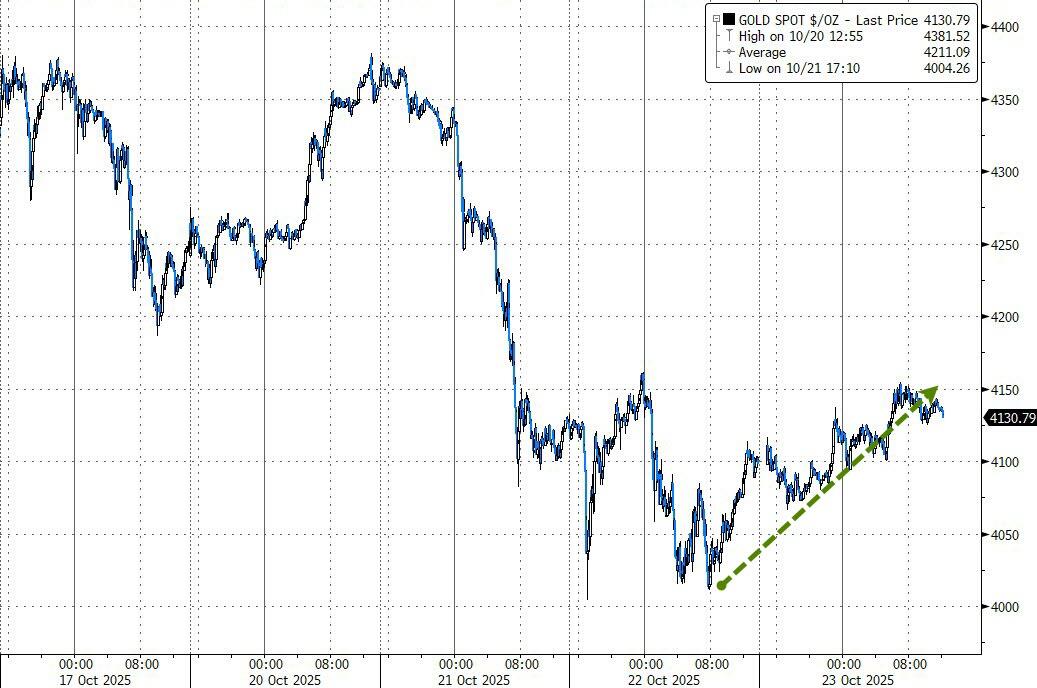
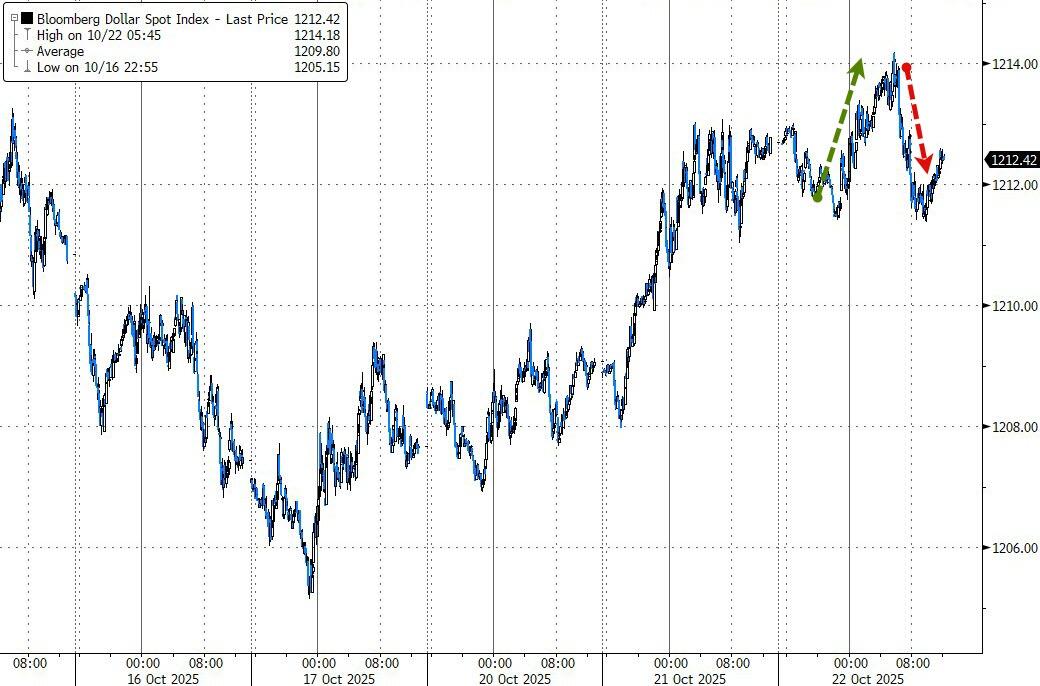
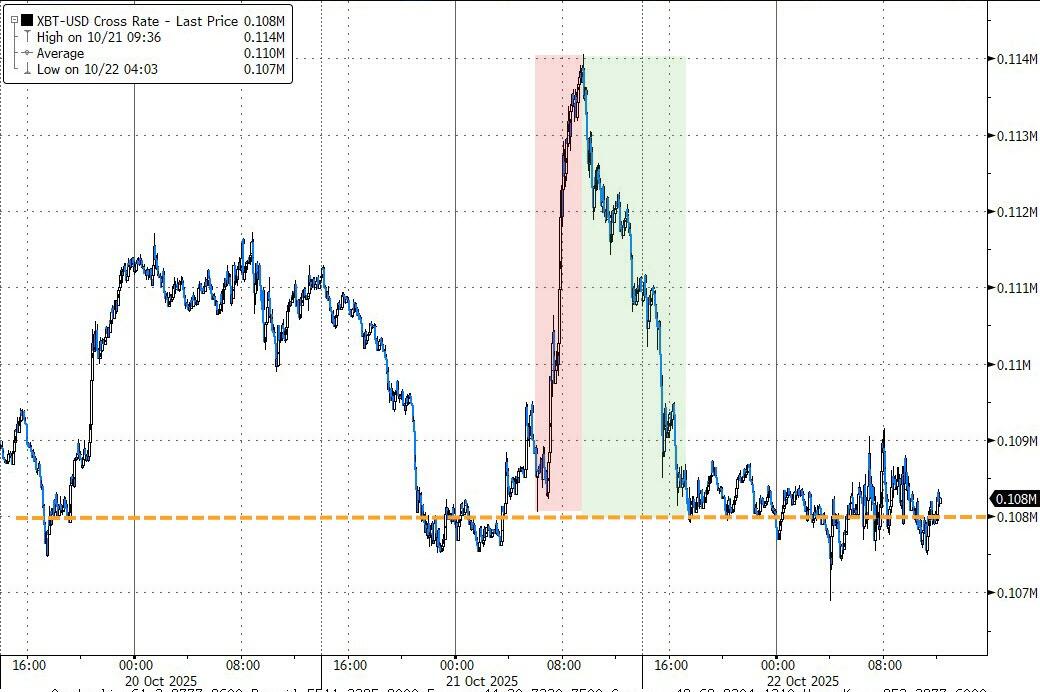
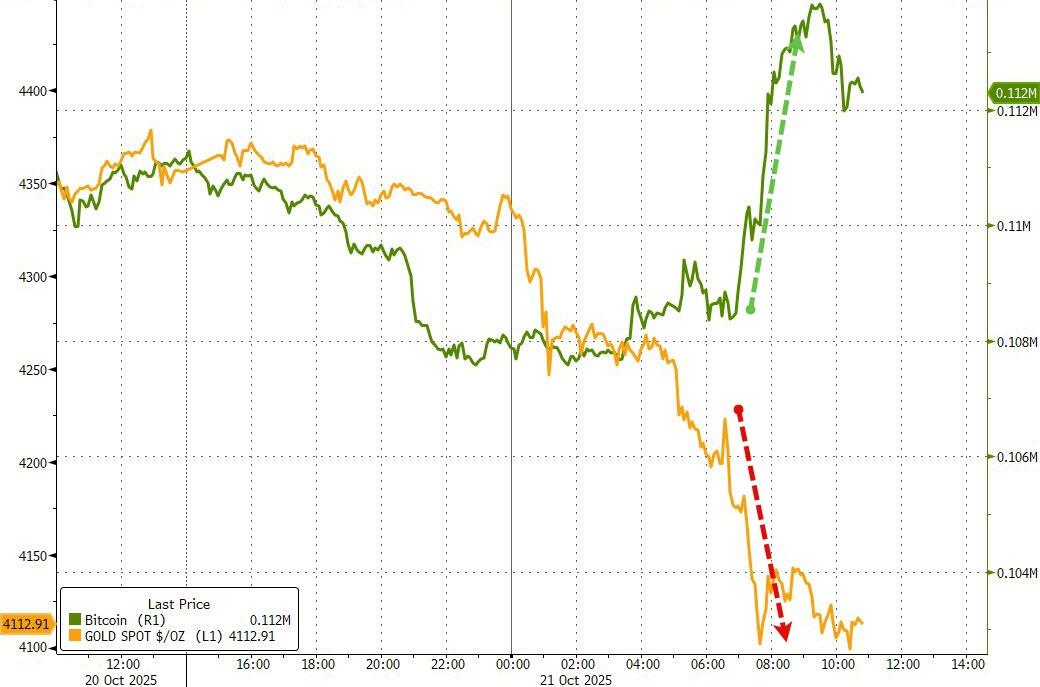
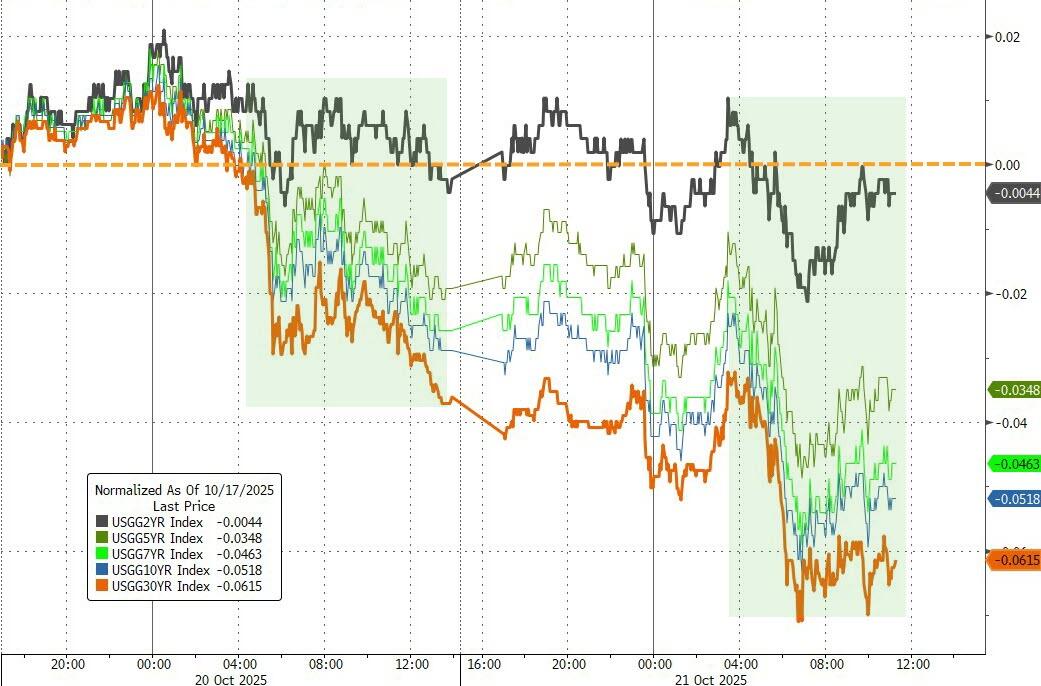
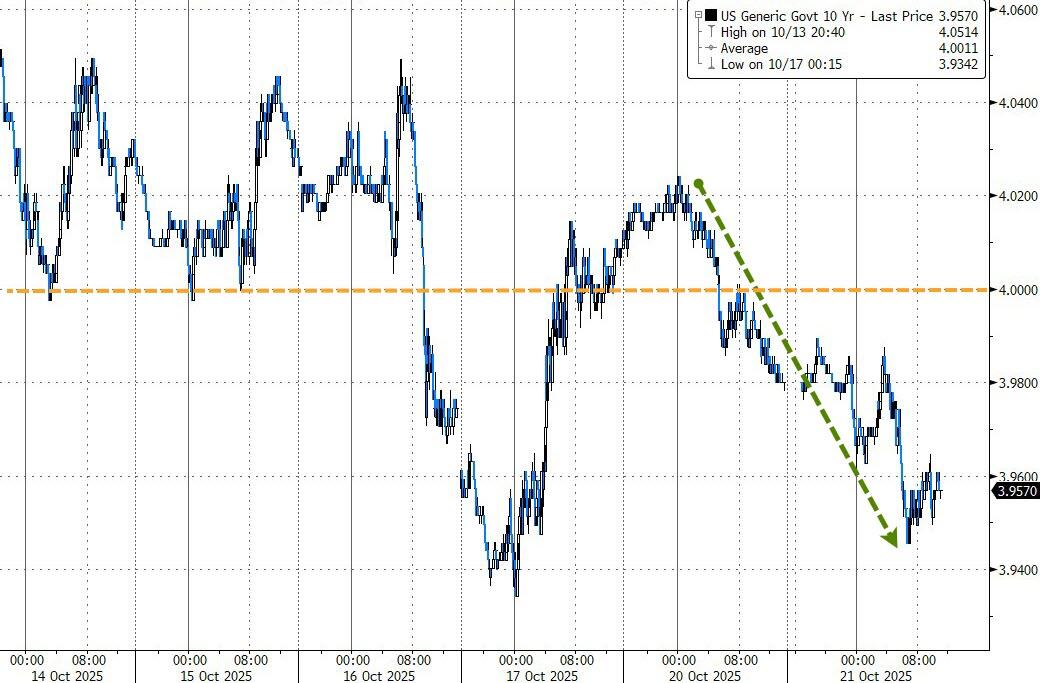
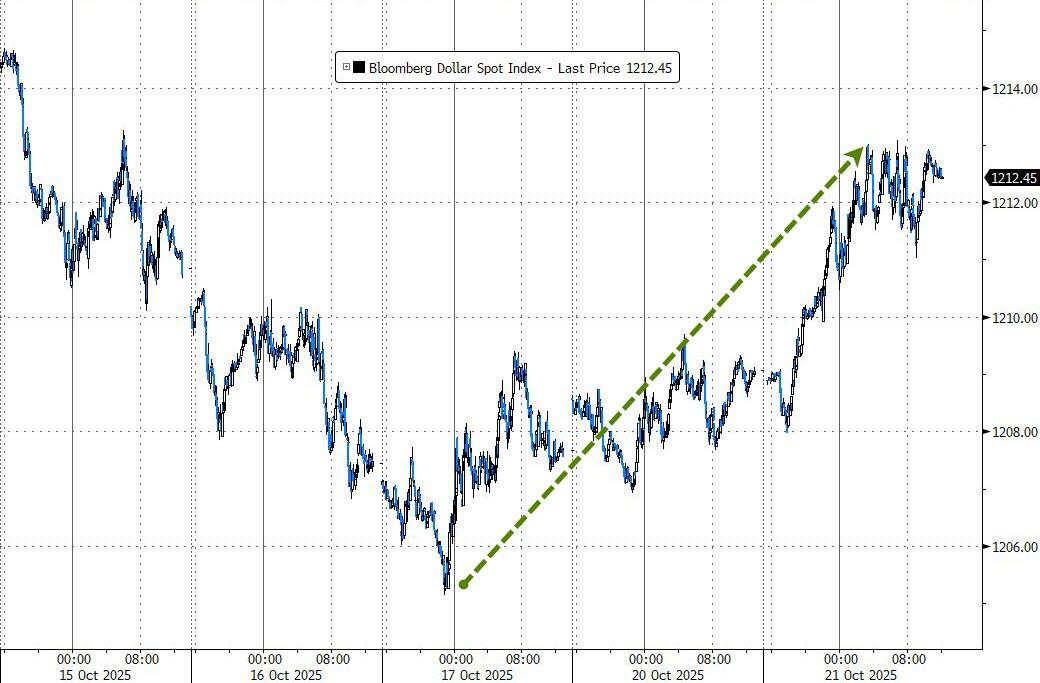
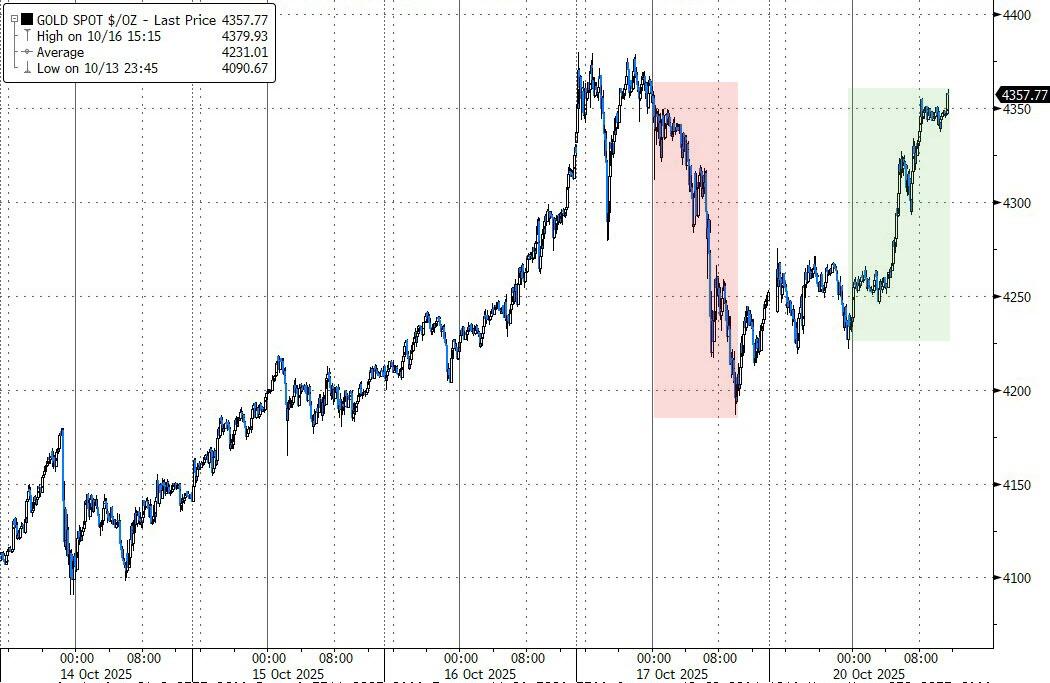
Elsewhere, the dollar and bond yields shot higher after the Fed, dragging gold down to one-month lows. Oil prices rallied on the back of new threats from the White House to buyers of Russian oil, and Bitcoin slipped before bouncing at around $116,000.

But the real drama unfolded in the copper market: after a strong 15% run this month, copper reversed sharply, giving up its gains after the White House slapped a hefty 50% tariff on all semi-finished copper imports starting August 1.

With so many moving parts, from Fed signals to fresh tariffs and trade turbulence, today’s market volatility could just be the start of a wild finish to the week.

Read More

Stocks Fade Late As Traders Brace For Fed, Jobs Data, And Earnings

Ulli Market Commentary Contact

[Chart courtesy of MarketWatch.com]

  1. Moving the market

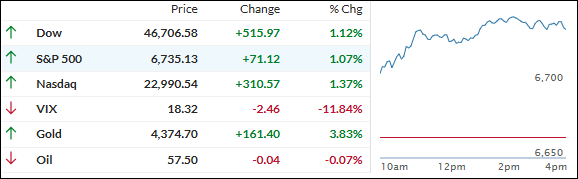
The S&P 500 started the day flat after squeezing out another record high, but excitement was nowhere to be found and trading stayed muted. By the closing bell, all the major indexes had slipped into the red, as the market couldn’t muster much momentum.

It’s a huge week for earnings, with the “Magnificent Seven” tech giants—Meta, Microsoft, Apple, and Amazon—set to report over the next couple of days. So far, 170 of the S&P 500 have shared their results, and more than 83% have beaten expectations, which has kept optimism alive even as the market treads cautiously.

Traders sorted through a scattershot of earnings on Tuesday. Boeing stock dipped, even after posting its strongest airplane deliveries since 2018, while Procter & Gamble managed a small climb thanks to a solid forecast and news of a new CEO from within its ranks.

Meanwhile, everyone’s eyes are on the Fed, which meets Wednesday—most expect interest rates to stay unchanged, but nerves are definitely showing. There’s even more on the economic calendar, including fresh GDP numbers, private payrolls, and the big July jobs report due Friday.

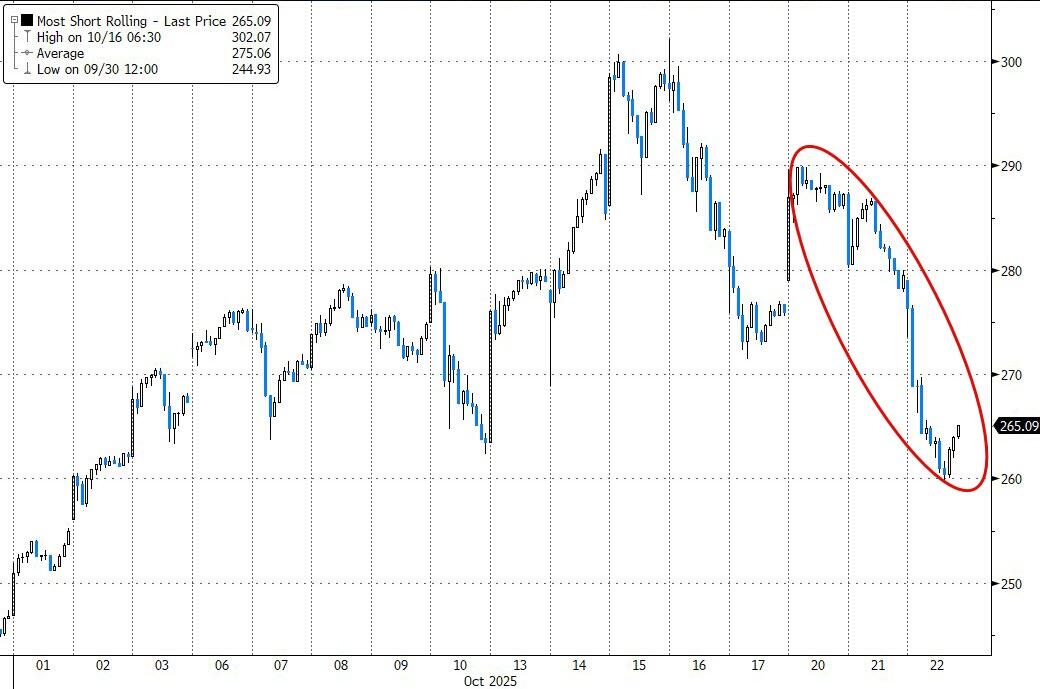
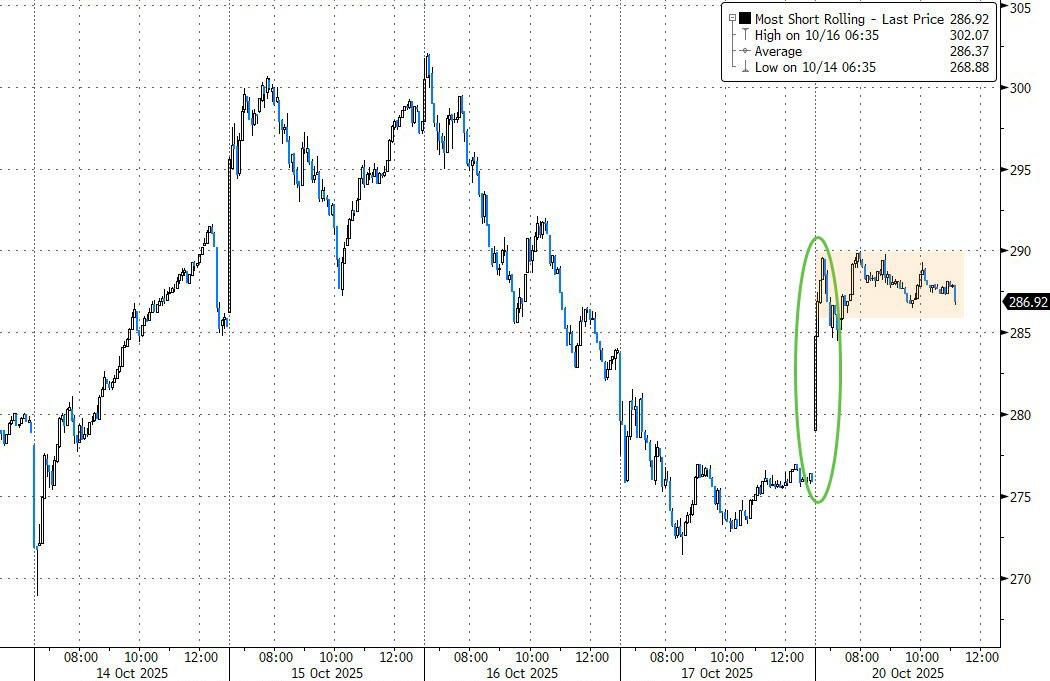
Elsewhere, the most shorted stocks kept heading lower, bond yields fell (boosting hopes for future rate cuts), the dollar rose a bit more, and gold bounced off its recent lows. Bitcoin took a dip early on but clawed back some ground off the $117,000 mark.

With so many major events packed into one week, could the market’s quiet spell be the calm before the storm—or will another round of surprise moves catch traders off guard?

Read More
Markets Tread Water Ahead Of Fed, Earnings, And Data Storm

Ulli Market Commentary Contact

[Chart courtesy of MarketWatch.com]

  1. Moving the market

The week started on a cautious note as the Dow, S&P 500, and Nasdaq all opened in positive territory, but by the end of the session, Wall Street turned in a “nothingburger” performance.

Despite an early rebound, the Dow lost steam later and slipped back, joining the other indexes in delivering a pretty uneventful day.

Traders didn’t seem overly excited about the much-anticipated U.S.–EU trade deal, even though it marked a big shift: Trump’s headline-grabbing threat of a 35% tariff on European goods was dialed back to a more manageable 15%. That’s still a hefty jump from where we started negotiations, but it’s seen as a win in terms of calming trade tensions.

Looking ahead, there’s a packed calendar: earnings from major tech names, a key Fed meeting wrapping up Wednesday, Trump’s tariff deadline on Friday, and crucial inflation data all on deck.

More than 150 S&P 500 companies—featuring the big “Mag 7”—will be reporting, so expect a lot of focus on what they say about AI spending and whether those investments are paying off.

This week also brings GDP numbers, personal consumption (PCE) inflation data, and the all-important jobs report. With so much uncertainty in the air, traders know a breakout—higher or lower—could be just around the corner.

Elsewhere, the most shorted stocks extended their slide, bond yields were mixed, and the Fed isn’t expected to cut rates. The dollar surged thanks to the trade agreement, which pushed gold lower. Bitcoin gave up its early rally, but still found support around $118,000.

With a loaded lineup of news ahead, will the markets finally make a move—or is this holding pattern here to stay?

Read More
ETFs On The Cutline – Updated Through 07/25/2025

Ulli ETFs on the Cutline Contact

Do you want to know which ETFs are hot and which ones are not? Then you need my High-Volume ETF Cutline report. It tells you how close or far each of the 311 ETFs I follow is from its long-term trend line (39-week SMA). These are the ETFs that trade more than $5 million a day, so they are not some obscure funds that nobody cares about.

The report is split into two parts: The winners that are above their trend line (%M/A), and the losers that are below it. The yellow line is the line of shame that separates them. You can see how many ETFs are in each group and how they have changed since the last report (256 vs. 266 current).

Take a peek:

The HV ETF Master Cutline Report

If you are confused by some of the terms we use, don’t panic. I have a helpful Glossary of Terms for you.

If you want to learn more about the Cutline method and how it can make you rich (or at least less poor), read my original post here.

ETF Tracker Newsletter For July 25, 2025

Ulli ETF Tracker Contact

ETF Tracker StatSheet          

You can view the latest version here.

MARKET RALLIES INTO WEEK’S END, BUT EU TRADE DEADLINE STILL LOOMS

[Chart courtesy of MarketWatch.com]

  1. Moving the market

The major indexes kicked off the final trading day of the week on a high note, looking set to close out with solid gains. The S&P 500 led the way, while Small Caps and the Nasdaq lagged a bit.

Thursday marked the S&P 500’s 13th record close of the year—and impressively, four of those records came just this week. The Nasdaq wasn’t far behind, notching three new all-time highs of its own.

A strong earnings season has been a real boost, especially thanks to standout reports from Alphabet and Verizon, whose shares jumped 4% and 5% for the week. As of now, over 82% of the 169 S&P 500 companies reporting have topped Wall Street’s expectations—a stat that’s fueling even more optimism.

The fundamentals are pretty friendly for bulls right now: inflation is steady, interest rates are staying in their range, and corporate earnings are showing a solid uptrend. Add to that some recent progress on trade agreements—including with Japan—and the market mood has definitely brightened.

The one big question mark is whether the U.S. can hammer out a deal with the European Union before the August 1 deadline. That remains the market’s biggest unknown, but optimism is still holding up.

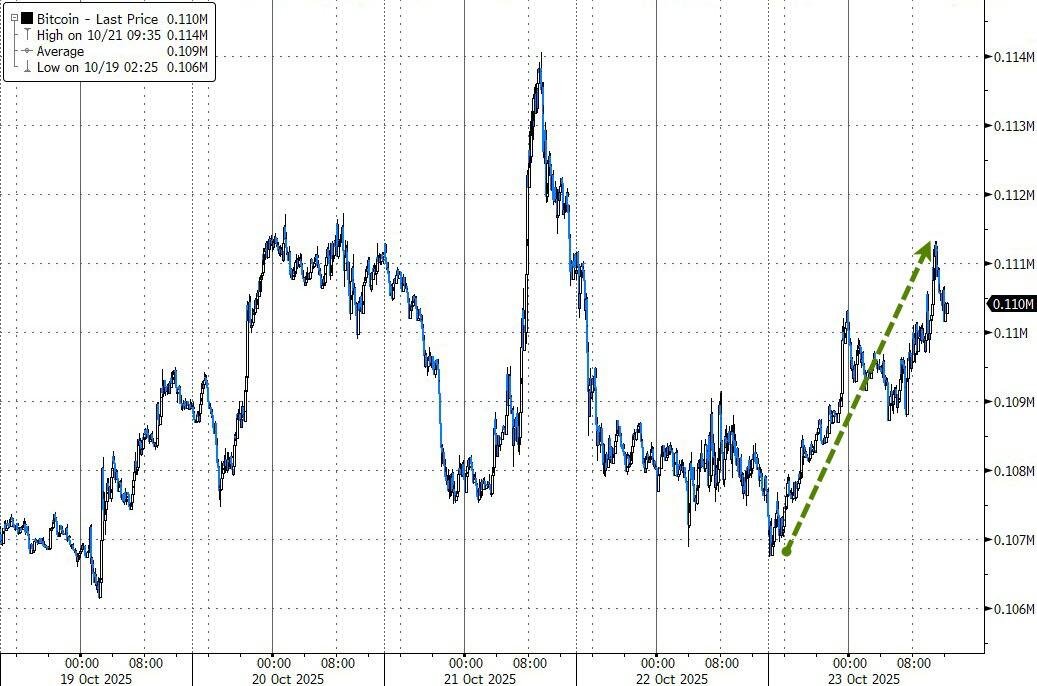
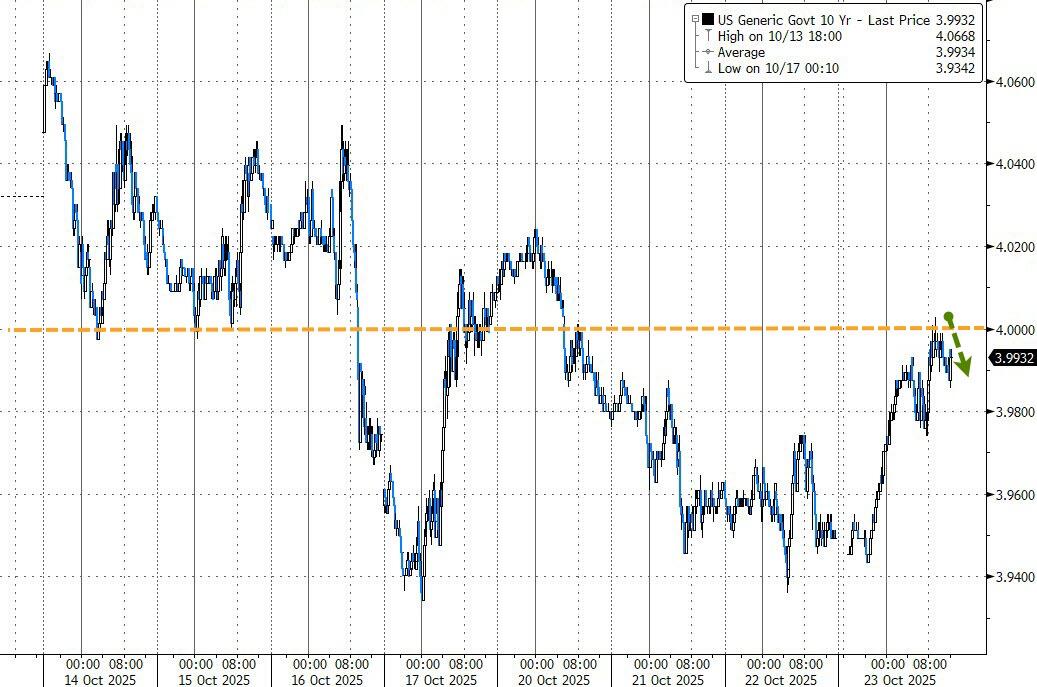
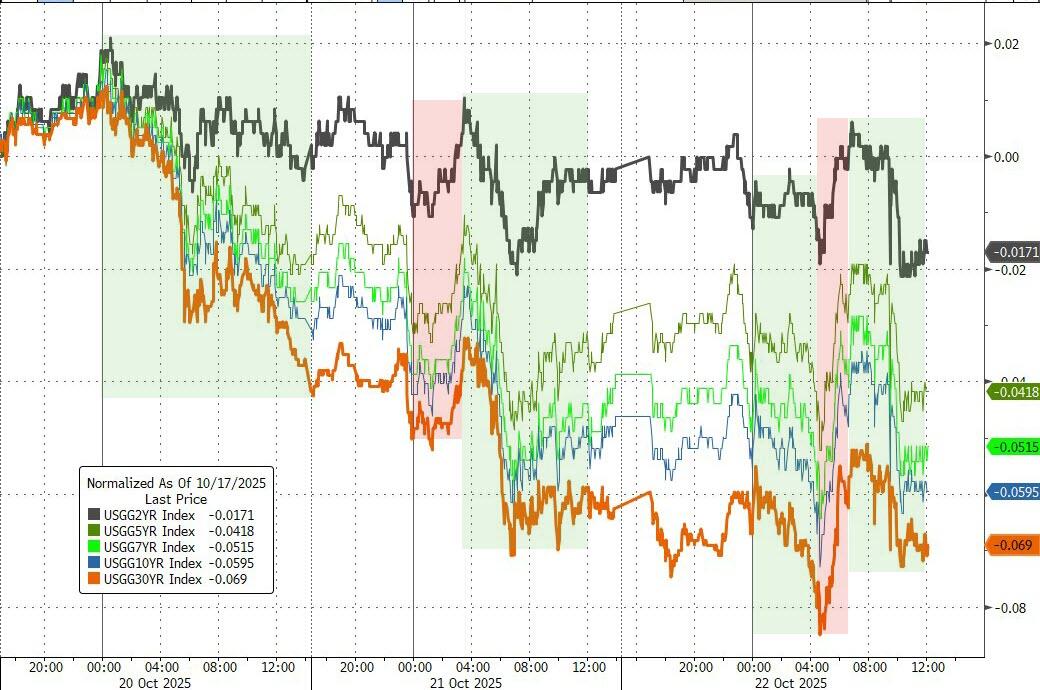
For the week, bond yields were mixed, the dollar regained some ground, gold slid for the third day in a row, and Bitcoin continued a two-week slide.

With so much going right for the bulls but that EU trade deadline still looming, I am pondering whether the good vibes will keep rolling—or could if the unresolved trade talks will trip up this rally?

Read More
Weekly StatSheet For The ETF Tracker Newsletter – Updated Through 07/24/2025

Ulli ETF StatSheet Contact

ETF Data updated through Thursday, July 24, 2025

How to use this StatSheet:

  1. Out of the 1,800+ ETFs out there, I only pick the ones that trade over $5 million per day (HV ETFs), so you don’t get stuck with a lemon that nobody wants to buy or sell.
  1. Trend Tracking Indexes (TTIs)

These are the main indicators that tell you when to buy or sell Domestic and International ETFs (section 1 and 2). They do that by comparing their position to their long-term M/A (Moving Average). If they cross above, and stay there, it’s a green light to buy. If they fall below, and keep going, it’s a red light to sell. And to make sure you don’t lose your shirt if things go south, I also use a 12% trailing stop loss on all positions in these categories.

  1. All other investment areas don’t have a TTI and should be traded based on the position of each ETF relative to its own trend line (%M/A). That’s why I call them “Selective Buy.” In other words, if an ETF goes above its own trend line, you can buy it. But don’t forget to use a trailing sell stop of 12%, or less if you’re feeling nervous.

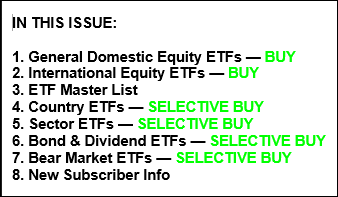
If some of these words sound like Greek to you, please check out the Glossary of Terms and new subscriber information in section 9.

  1. DOMESTIC EQUITY ETFs: BUY— effective 5/20/2025

Click on chart to enlarge

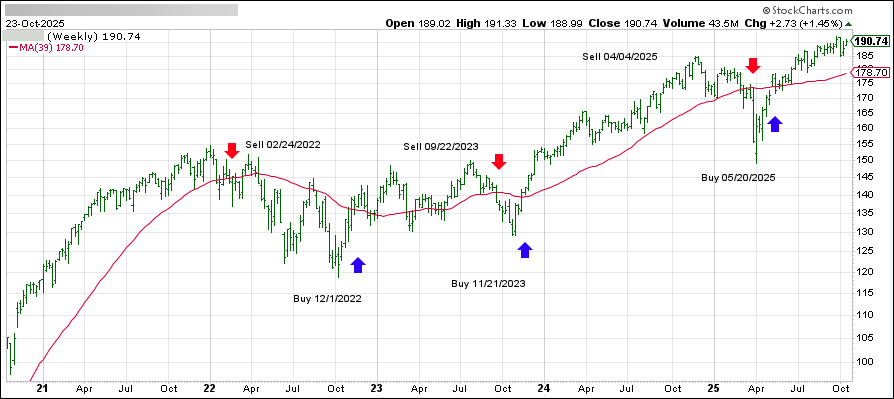
This is our main compass, the Domestic Trend Tracking Index (TTI-green line in the above chart). It has broken above its long-term trend line (red) by +6.12% and remains in “Buy” mode, with our new holdings being subject to our trailing sell stops.

Read More