ETFs On The Cutline – Updated Through 08/01/2025

Ulli ETFs on the Cutline Contact

Do you want to know which ETFs are hot and which ones are not? Then you need my High-Volume ETF Cutline report. It tells you how close or far each of the 311 ETFs I follow is from its long-term trend line (39-week SMA). These are the ETFs that trade more than $5 million a day, so they are not some obscure funds that nobody cares about.

The report is split into two parts: The winners that are above their trend line (%M/A), and the losers that are below it. The yellow line is the line of shame that separates them. You can see how many ETFs are in each group and how they have changed since the last report (266 vs. 231 current).

Take a peek:

The HV ETF Master Cutline Report

If you are confused by some of the terms we use, don’t panic. I have a helpful Glossary of Terms for you.

If you want to learn more about the Cutline method and how it can make you rich (or at least less poor), read my original post here.

ETF Tracker Newsletter For August 1, 2025

Ulli ETF Tracker Contact

ETF Tracker StatSheet          

You can view the latest version here.

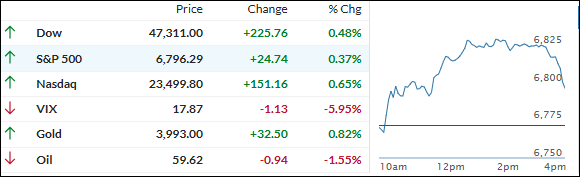
GOLD SHINES AMID MARKET ROUT; NASDAQ ENDURES ROUGHEST WEEK IN MONTHS

[Chart courtesy of MarketWatch.com]

  1. Moving the market

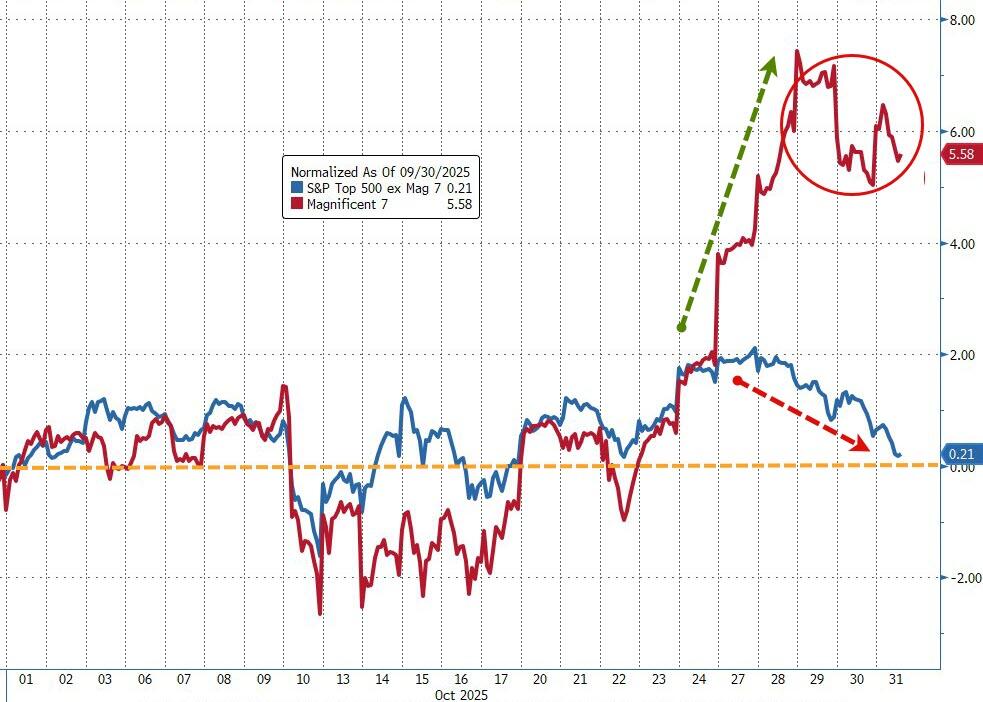
Stocks felt the heat on Friday as August trading kicked off with a double dose of bad news—a soft jobs report and President Trump’s new tariff hikes.

Nonfarm payrolls rose by just 73,000 last month, falling well short of the 100,000 jobs economists were expecting. To make matters worse, job growth for May and June was revised down sharply, signaling that the labor market’s been weaker for a while now.

Financial stocks took the brunt of it, with banks like JPMorgan Chase tumbling about 4% and Bank of America and Wells Fargo down more than 3%—all on fears that a slowing economy could squash loan growth.

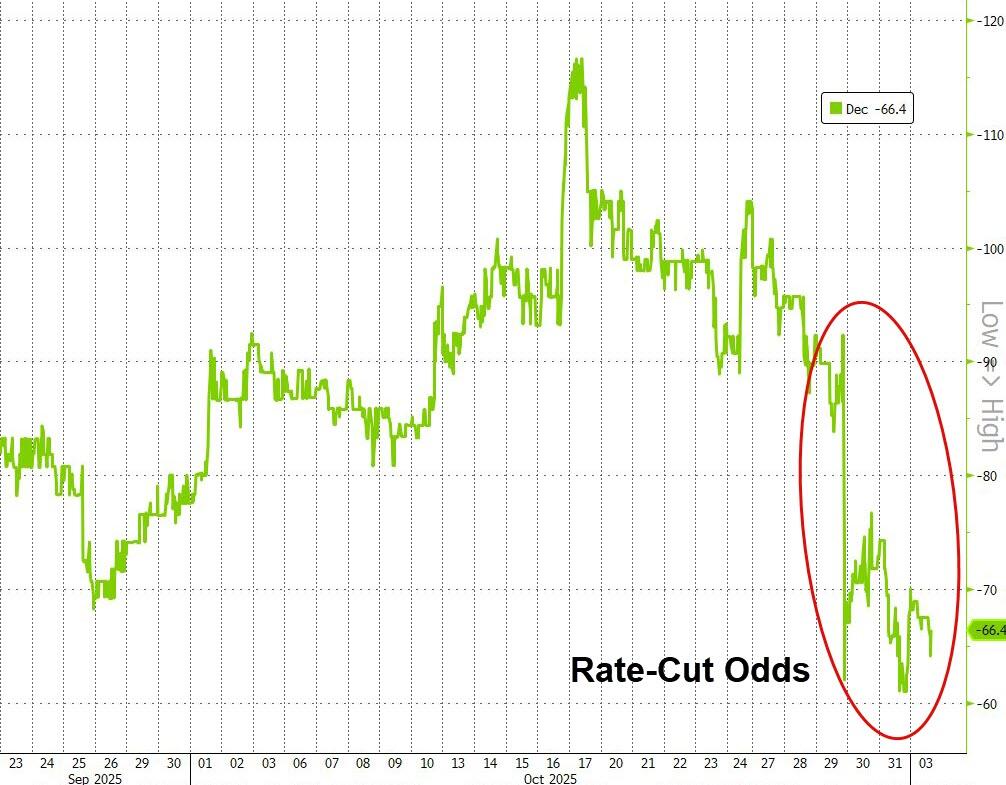
The grim data spiked odds that the Fed might cut rates sooner to give the economy a boost, with traders now pricing in a 66% chance of a rate cut by September.

Meanwhile, Trump’s updated tariffs—ranging anywhere from 10% to 41% on dozens of trading partners—hit overnight, stoking new trade war worries and adding to market jitters.

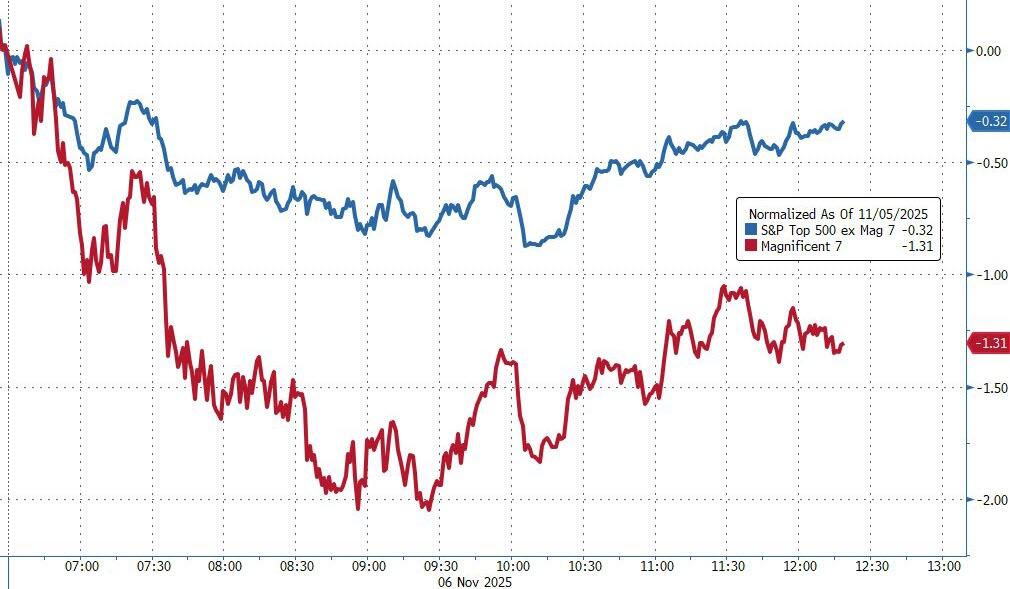
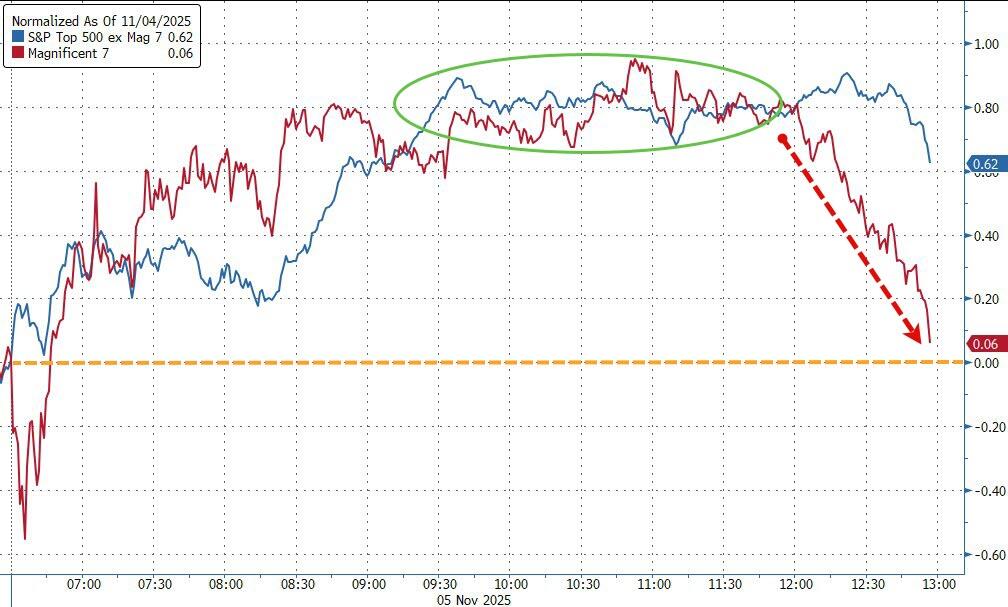
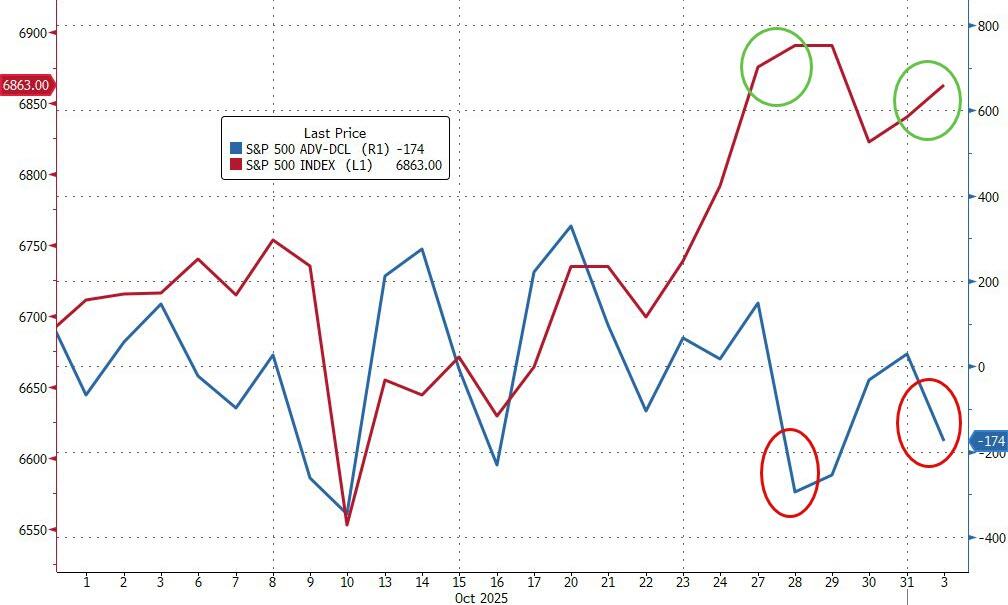
By the end of the first week of August, all the major indexes were in the red, especially Small Caps, with the Nasdaq holding up the best (though still suffering its biggest weekly loss in over two months).

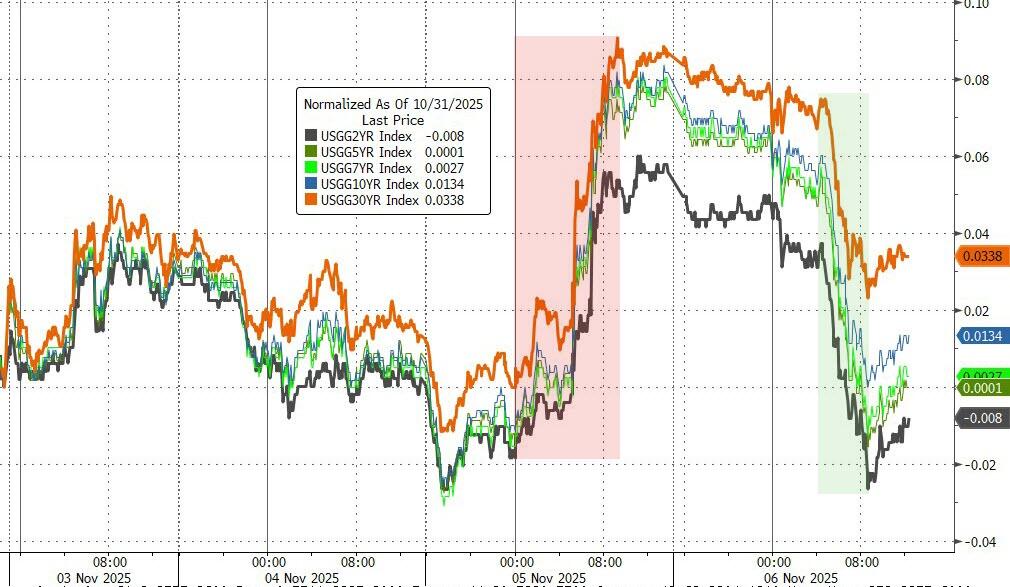
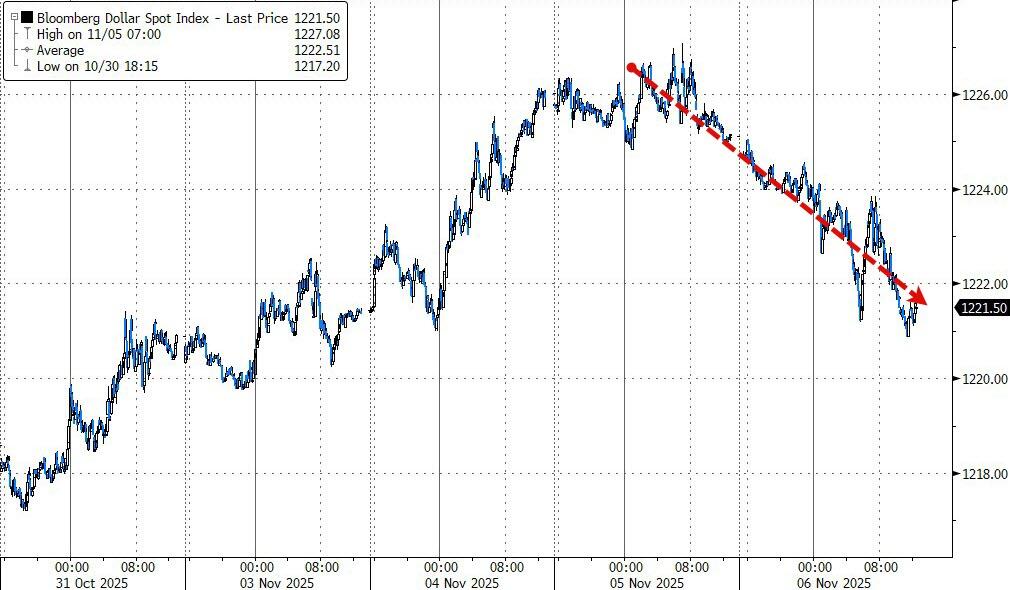
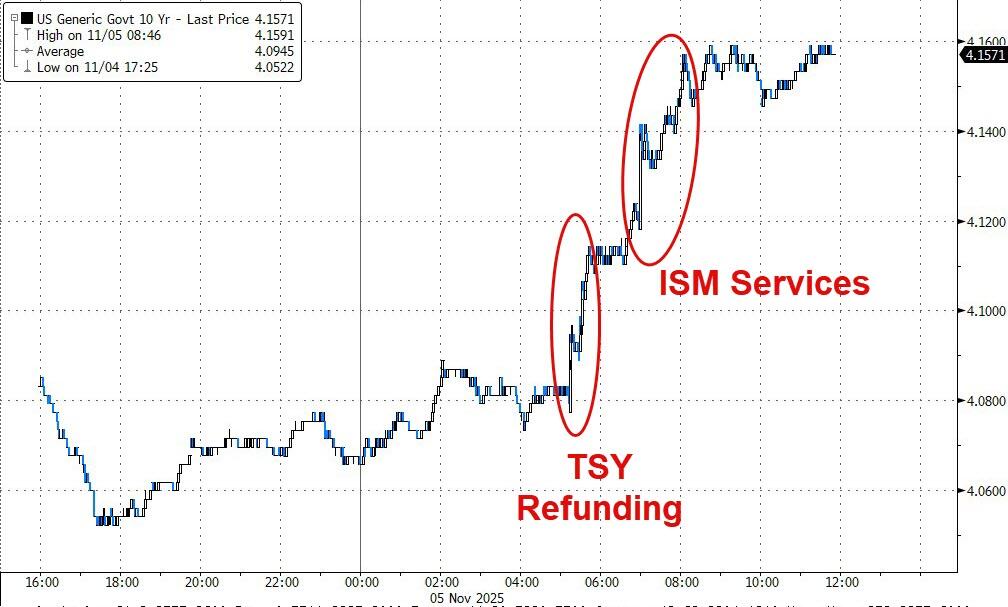
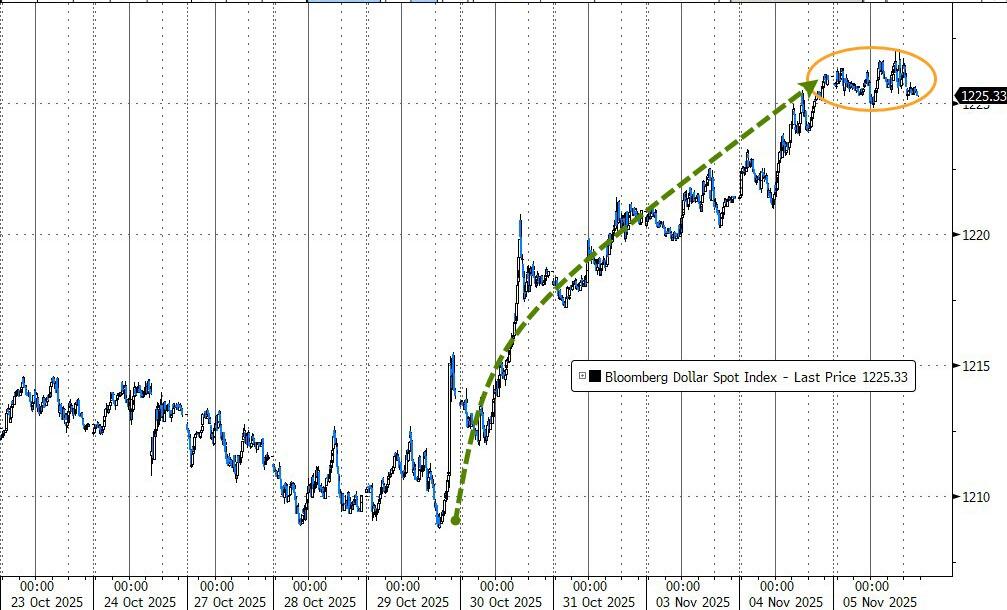
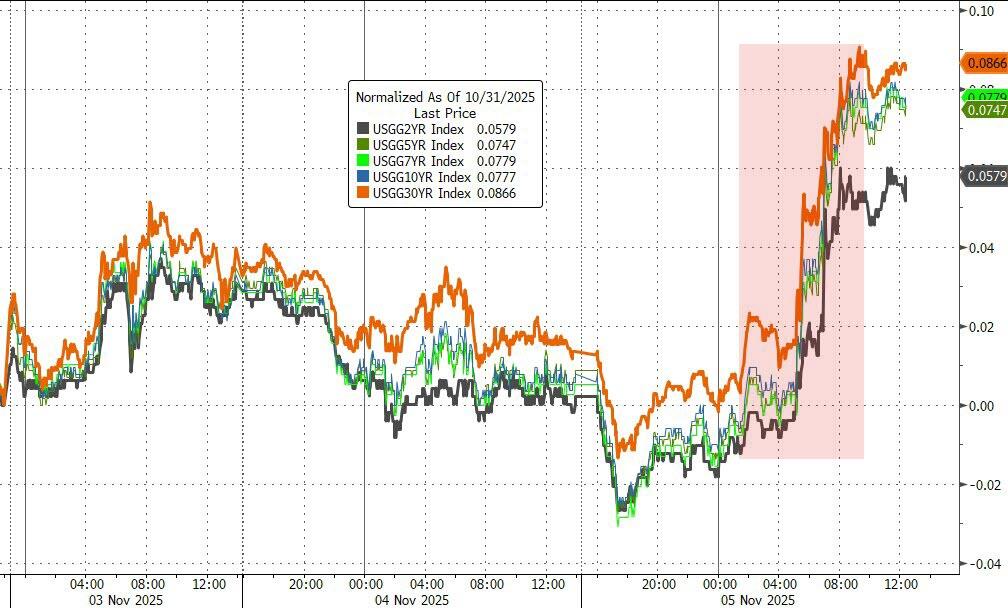
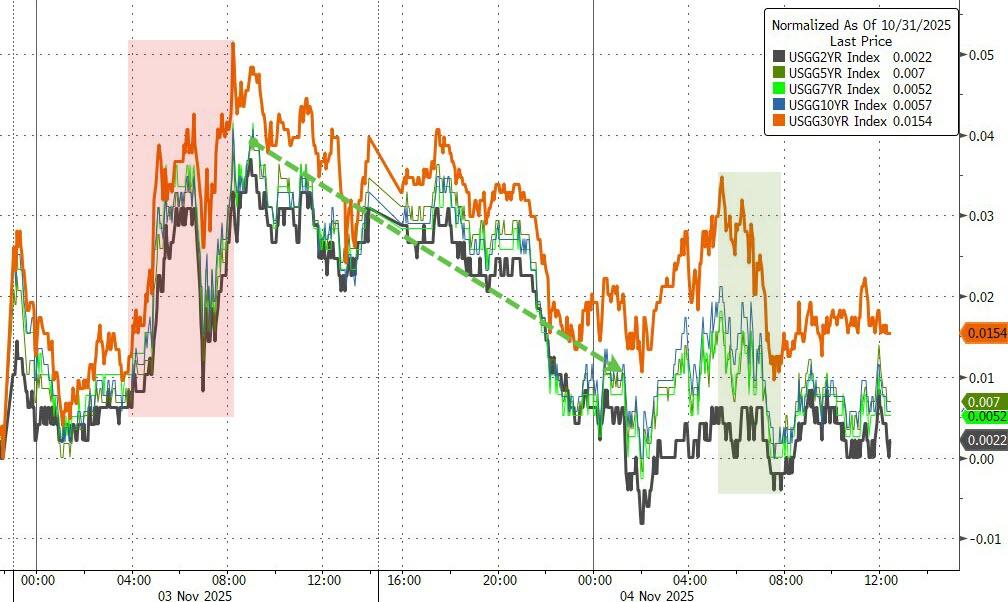
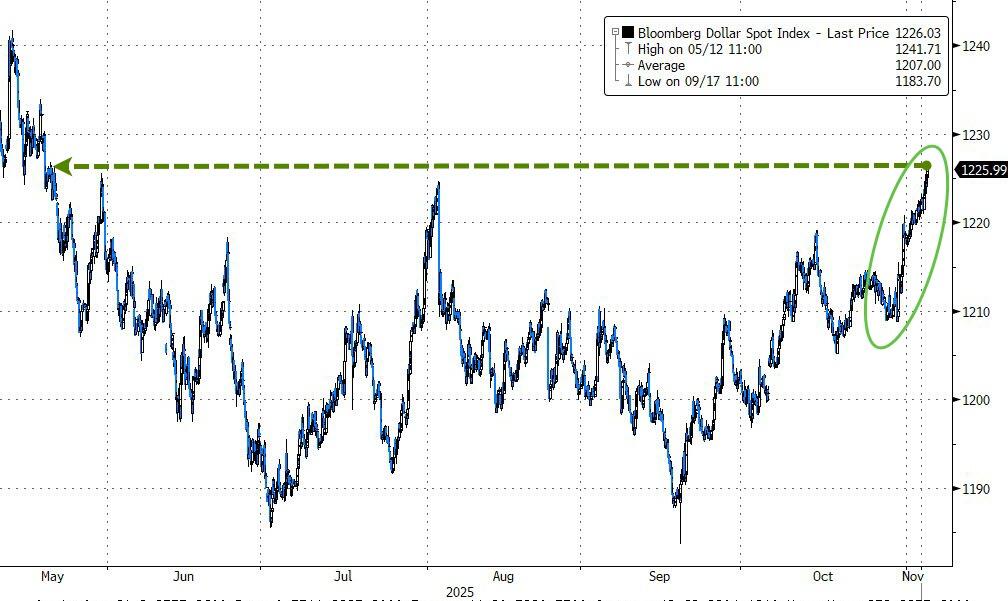
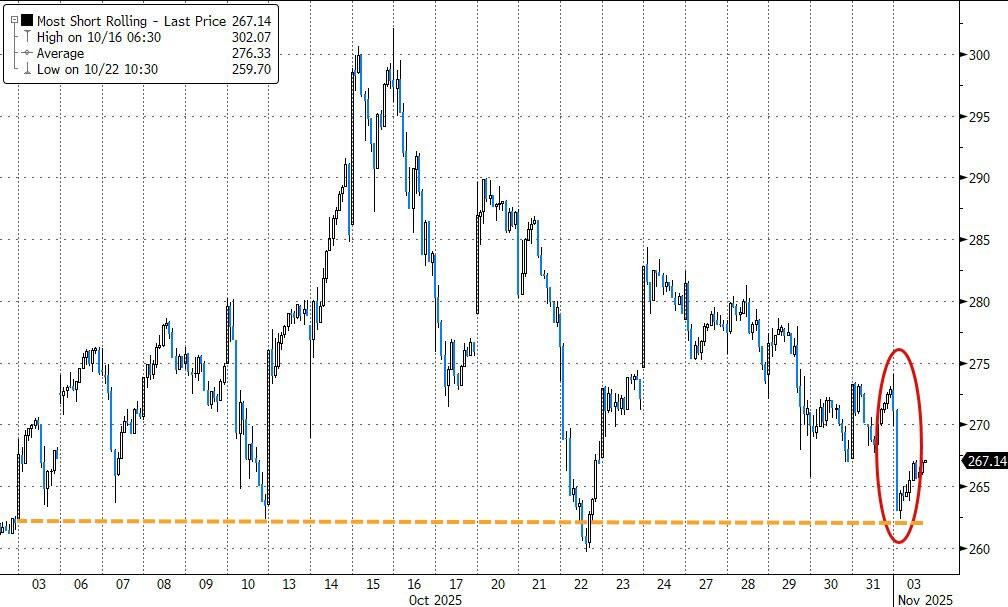
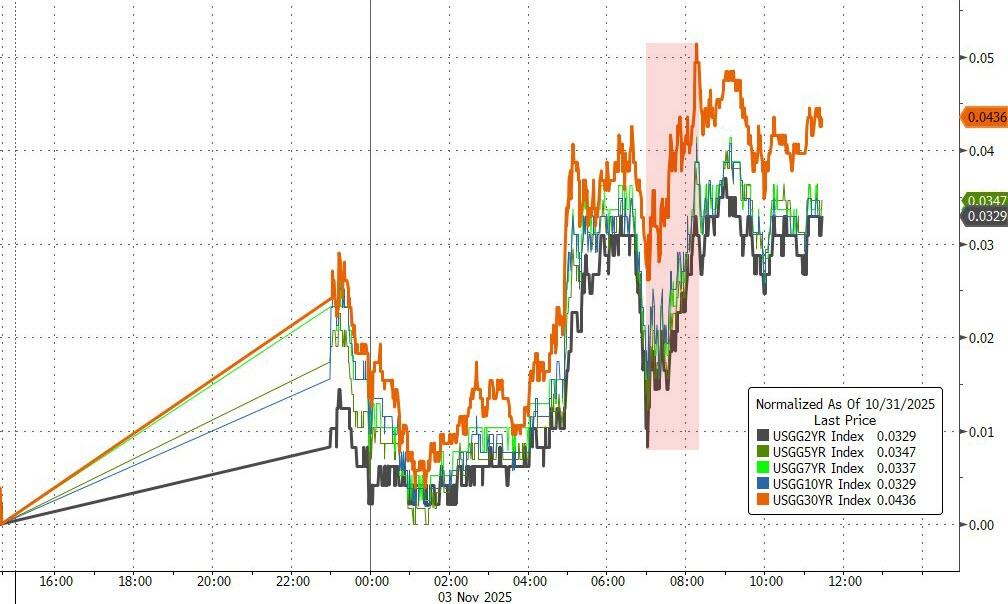
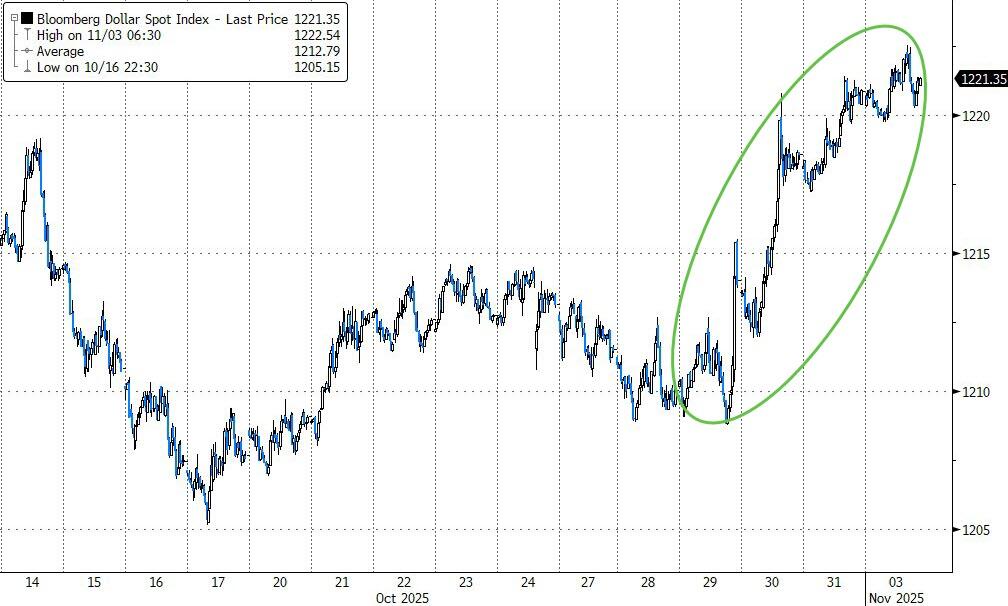
Trend-wise, the most shorted stocks have been down for seven straight days, global stock markets posted a sixth day of losses, bond yields collapsed, and the dollar broke its six-day winning streak with its worst session in two months.

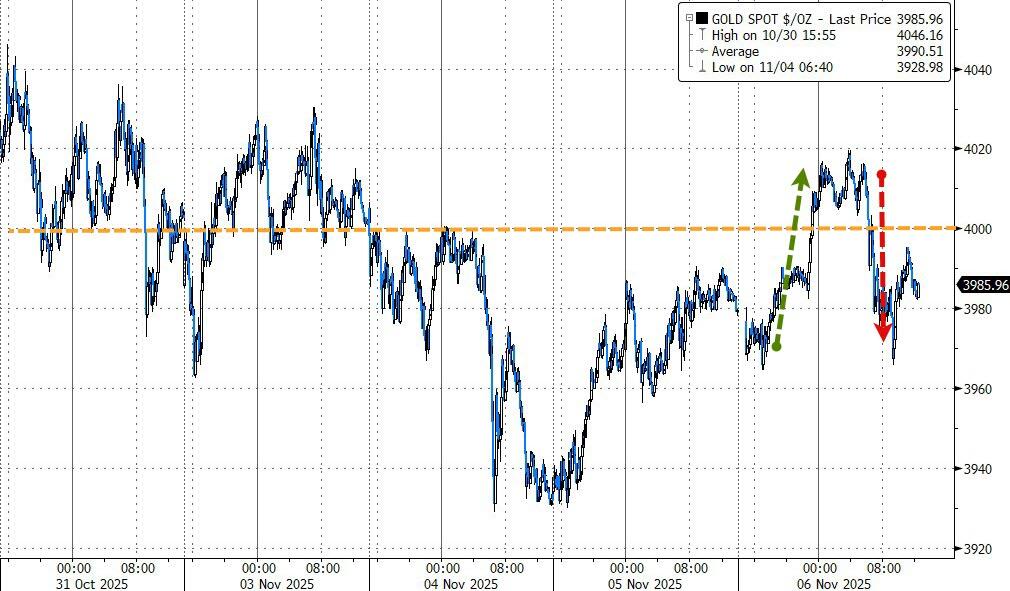
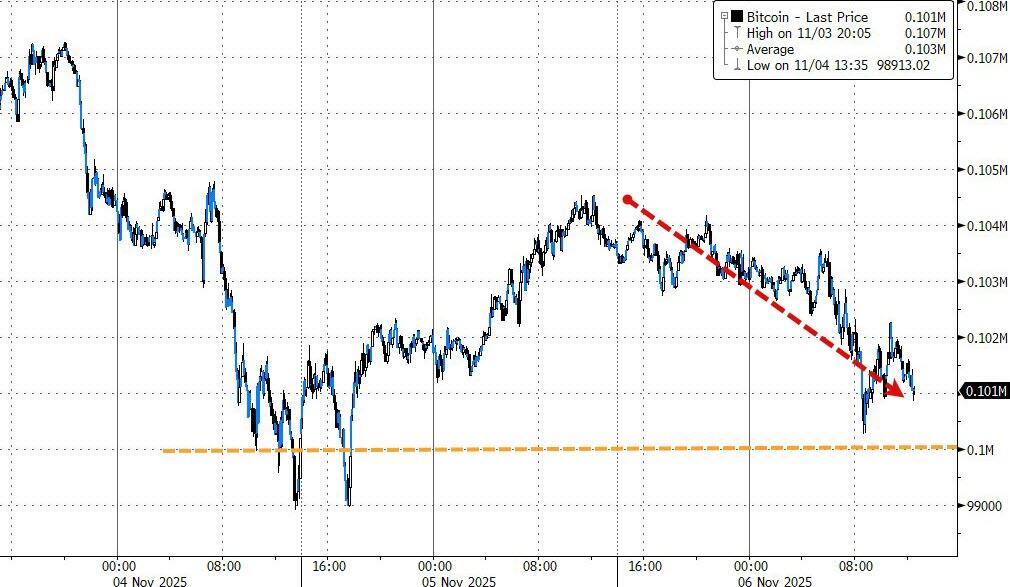
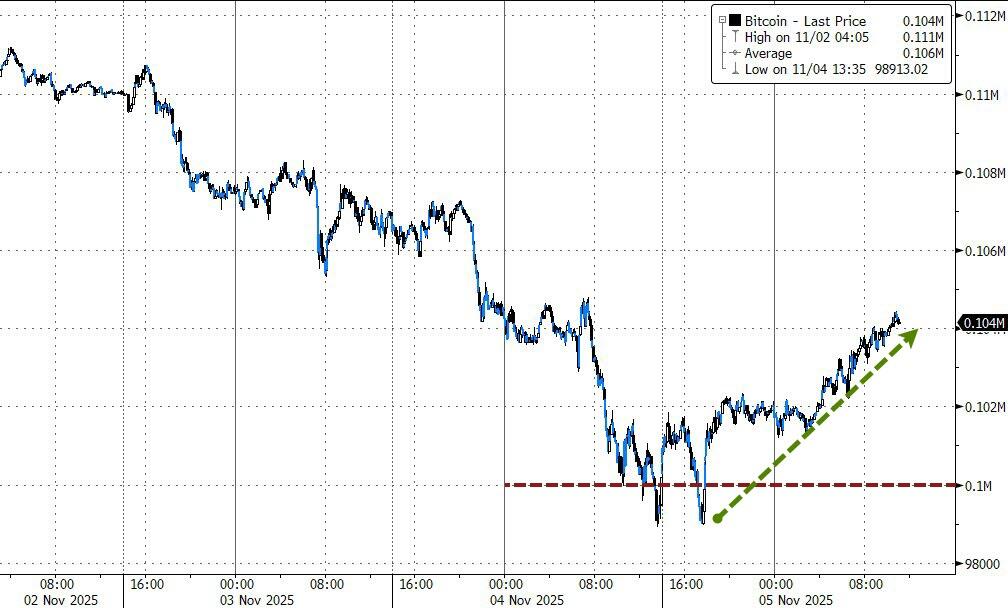
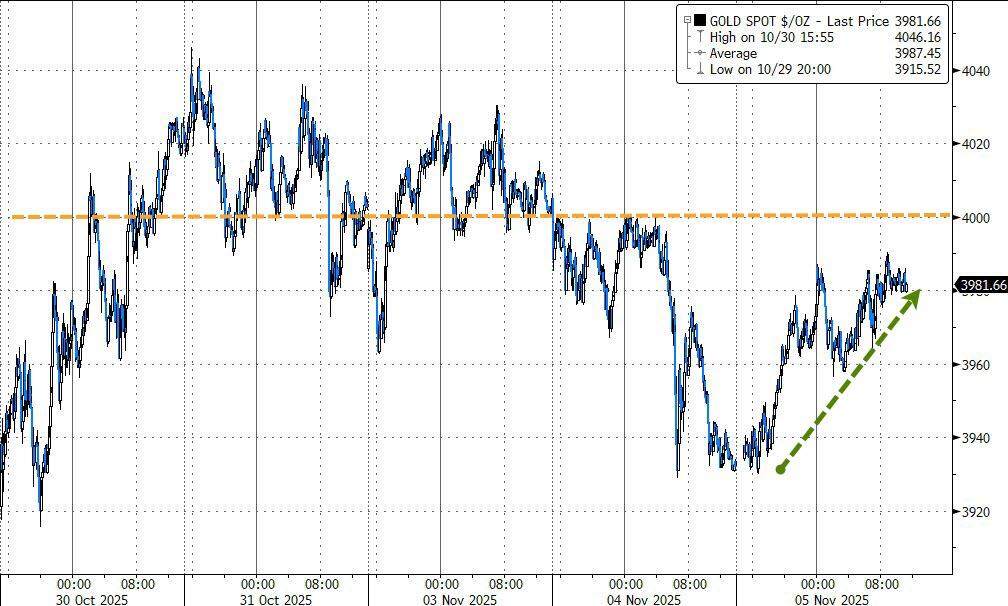
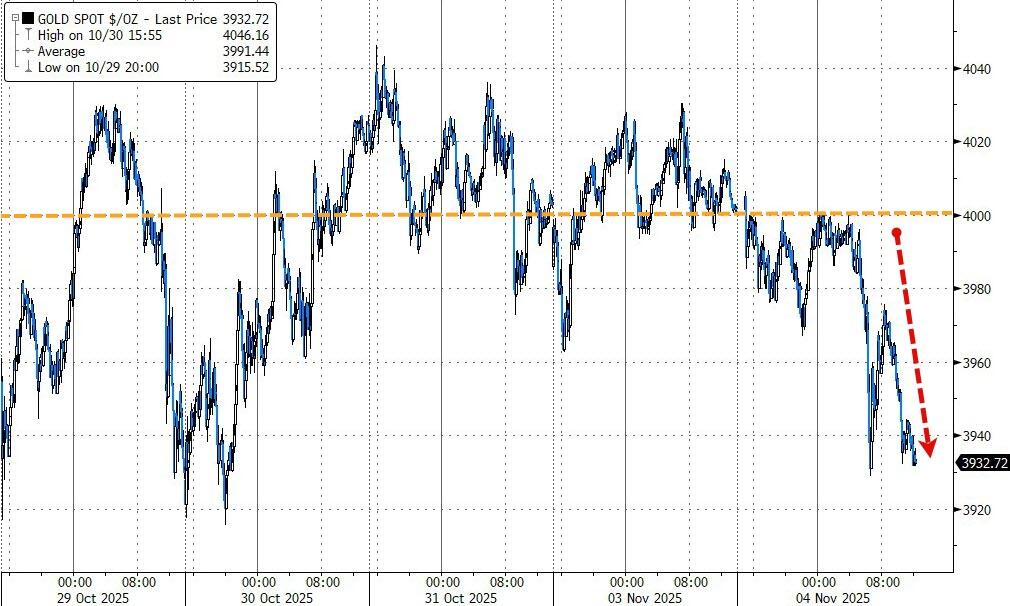
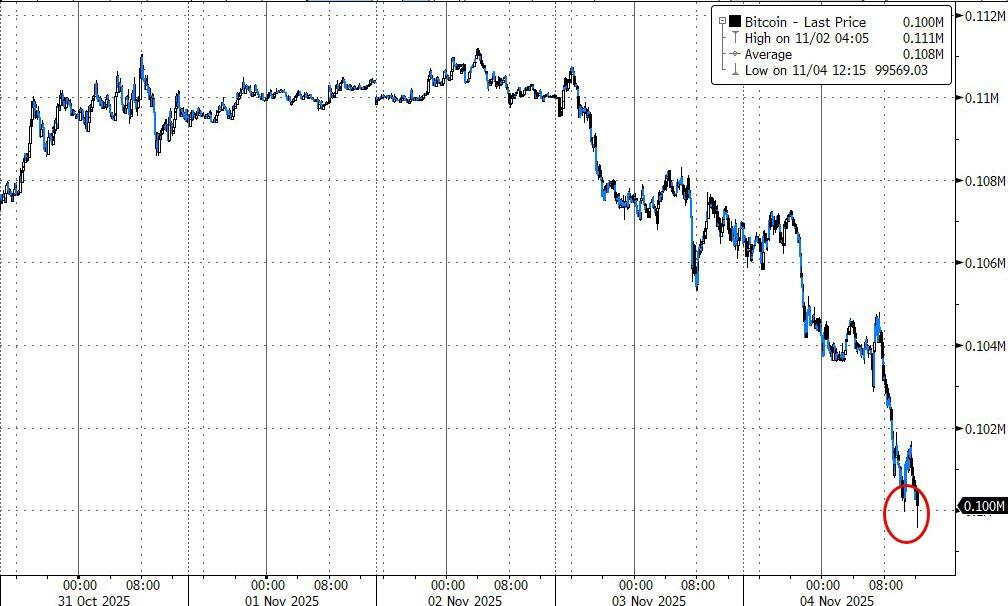
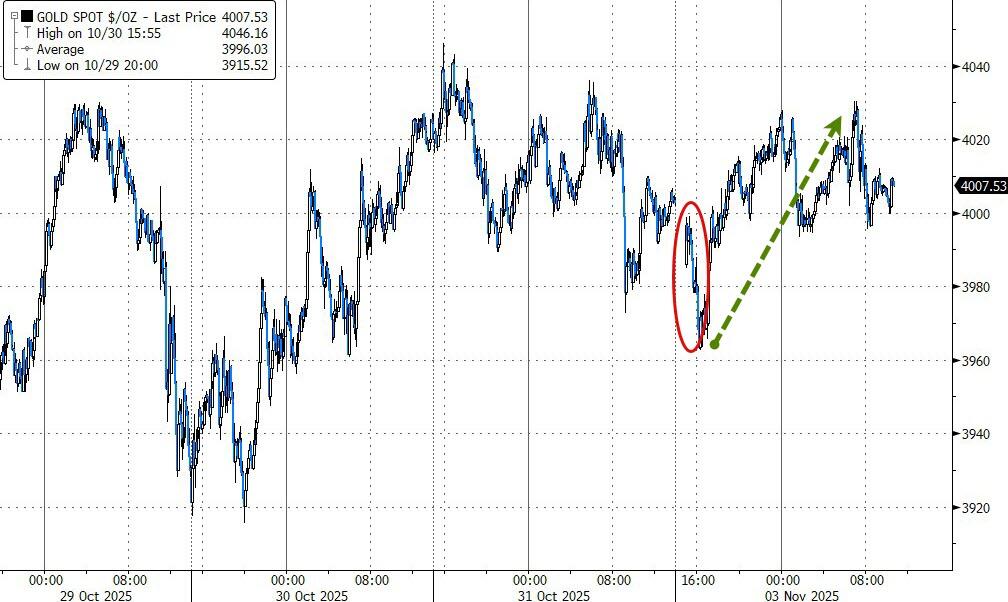
The only real bright spot was gold, which surged higher and locked in its best day in two months as nervous investors went searching for safety. Bitcoin had no such luck, slumping to its lowest level in three weeks.

So, here’s the real question: Will this weak jobs report turn out to be that “bad news is good news” twist for stocks—by pressuring the Fed into an earlier rate cut—or is there more pain ahead for the markets?

Read More
Weekly StatSheet For The ETF Tracker Newsletter – Updated Through 07/31/2025

Ulli ETF StatSheet Contact

ETF Data updated through Thursday, July 31, 2025

How to use this StatSheet:

  1. Out of the 1,800+ ETFs out there, I only pick the ones that trade over $5 million per day (HV ETFs), so you don’t get stuck with a lemon that nobody wants to buy or sell.
  1. Trend Tracking Indexes (TTIs)

These are the main indicators that tell you when to buy or sell Domestic and International ETFs (section 1 and 2). They do that by comparing their position to their long-term M/A (Moving Average). If they cross above, and stay there, it’s a green light to buy. If they fall below, and keep going, it’s a red light to sell. And to make sure you don’t lose your shirt if things go south, I also use a 12% trailing stop loss on all positions in these categories.

  1. All other investment areas don’t have a TTI and should be traded based on the position of each ETF relative to its own trend line (%M/A). That’s why I call them “Selective Buy.” In other words, if an ETF goes above its own trend line, you can buy it. But don’t forget to use a trailing sell stop of 12%, or less if you’re feeling nervous.

If some of these words sound like Greek to you, please check out the Glossary of Terms and new subscriber information in section 9.

  1. DOMESTIC EQUITY ETFs: BUY— effective 5/20/2025

Click on chart to enlarge

This is our main compass, the Domestic Trend Tracking Index (TTI-green line in the above chart). It has broken above its long-term trend line (red) by +4.13% and remains in “Buy” mode, with our new holdings being subject to our trailing sell stops.

Read More
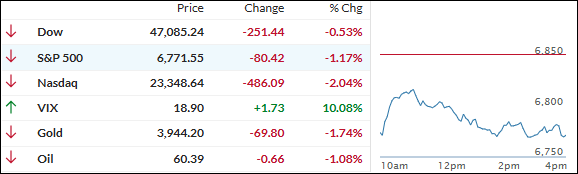
S&P 500, Nasdaq Set New Records Before Bears Crash The Party

Ulli Market Commentary Contact

[Chart courtesy of MarketWatch.com]

  1. Moving the market

Stocks got off to a hot start on Thursday, with Microsoft and Meta’s blockbuster earnings pushing the S&P 500 and Nasdaq to fresh record highs early on.

Microsoft jumped 6% and Meta rocketed up 11.5% after both tech giants smashed expectations—Microsoft’s cloud business hit over $75 billion in annual revenue, and Meta posted both strong results and upbeat guidance for next quarter.

Traders were also eyeing a key trade deadline and some upbeat talk from Treasury Secretary Scott Bessent, who suggested the U.S. and China might finally be closing in on a trade deal—though he didn’t give any specifics.

But despite all that early excitement, the mood soured as the day went on. The major indexes lost steam and wound up closing in the red, as bearish sentiment took over later in the session.

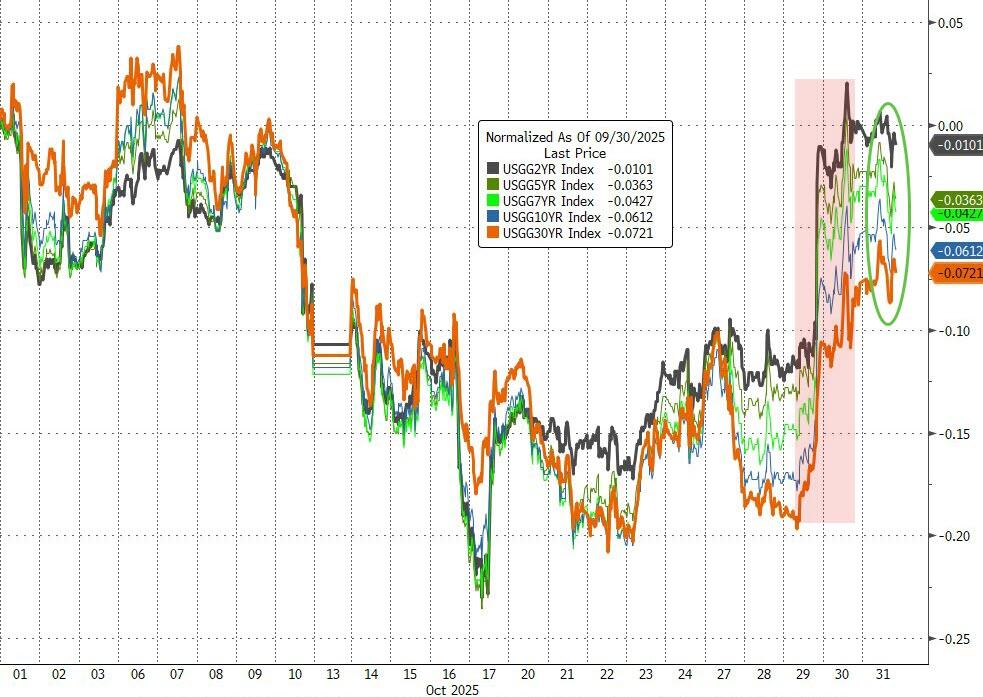
Looking at the month, the S&P 500 squeezed out a 3.13% gain and the Nasdaq rose an even stronger 4.77%. The “Magnificent Seven” stocks have easily cleared what was a pretty low bar for Q2 earnings, especially in AI-related sectors—though market enthusiasm faded by the end of the day.

Elsewhere, bond yields climbed, boosting the dollar to its first positive month since December. Gold stayed flat for a third-straight month even after testing near record highs but managed a solid 0.66% gain today.

Bitcoin started the month strong with a new record, but spent the back half stuck around $118k. The most shorted stocks got squeezed for much of July before finally cooling off in the final week.

All in all, it’s been a volatile but mostly positive month for markets.

Read More
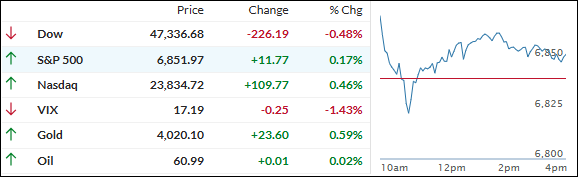
Fed Sparks Swings As Strong GDP And Copper Tariffs Jolt Markets

Ulli Market Commentary Contact

(Incorrect Gold print)

[Chart courtesy of MarketWatch.com]

  1. Moving the market

Stocks opened with a slight uptick as investors chewed over new earnings reports and waited for the Fed’s interest rate decision.

Even a stronger-than-expected GDP print—showing the U.S. economy growing at a 3% clip last quarter, well above forecasts—wasn’t enough to distract Wall Street from the main events: rates, Fed policy, and ongoing earnings news.

Most investors were content to sit tight before the Fed announcement, and with futures putting the odds of any rate move at just 2%, nobody expected major fireworks.

Despite some political pressure, Fed Chair Jerome Powell continued to signal he’s in no rush to make changes, so traders are betting the next policy move won’t come until September at the earliest.

That wait-and-see vibe followed a down day for the markets, as uncertainty over China trade talks and the possible extension of tariff pauses weighed on stocks.

As expected, the Fed left its benchmark rate unchanged. But Powell’s comments, coupled with a dovish statement highlighting “moderating” growth, whipped up some wild swings on Wall Street. By the close, two of the three major indexes were in the red while the Nasdaq managed to just barely hang on to a gain.

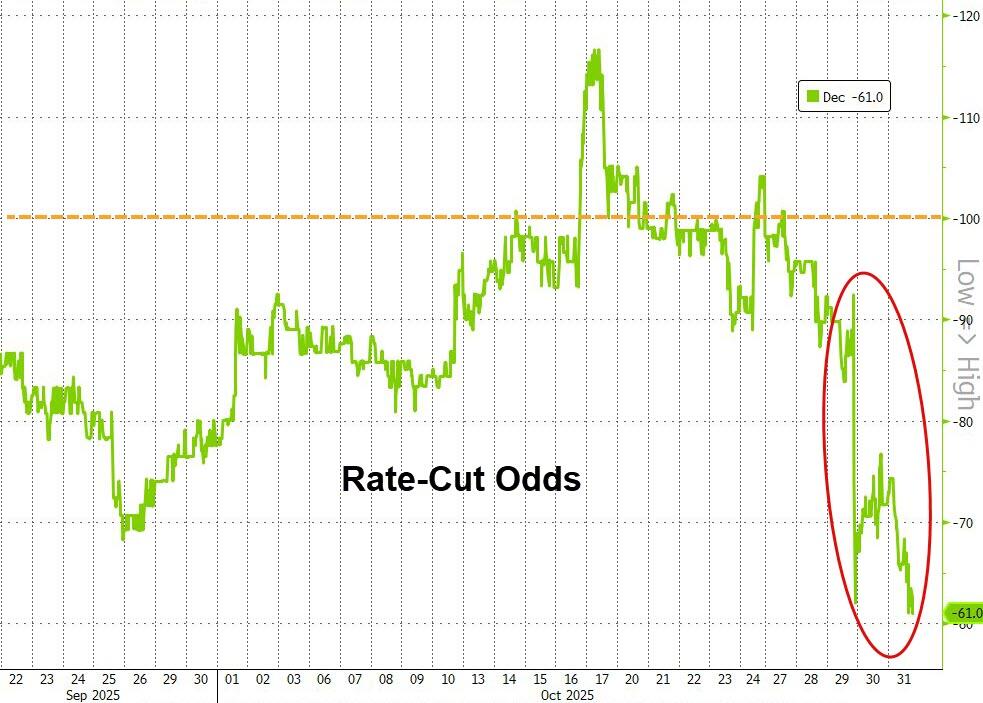
Elsewhere, the dollar and bond yields shot higher after the Fed, dragging gold down to one-month lows. Oil prices rallied on the back of new threats from the White House to buyers of Russian oil, and Bitcoin slipped before bouncing at around $116,000.

But the real drama unfolded in the copper market: after a strong 15% run this month, copper reversed sharply, giving up its gains after the White House slapped a hefty 50% tariff on all semi-finished copper imports starting August 1.

With so many moving parts, from Fed signals to fresh tariffs and trade turbulence, today’s market volatility could just be the start of a wild finish to the week.

Read More
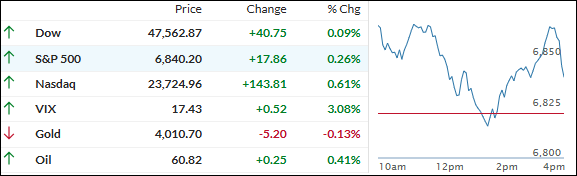
Stocks Fade Late As Traders Brace For Fed, Jobs Data, And Earnings

Ulli Market Commentary Contact

[Chart courtesy of MarketWatch.com]

  1. Moving the market

The S&P 500 started the day flat after squeezing out another record high, but excitement was nowhere to be found and trading stayed muted. By the closing bell, all the major indexes had slipped into the red, as the market couldn’t muster much momentum.

It’s a huge week for earnings, with the “Magnificent Seven” tech giants—Meta, Microsoft, Apple, and Amazon—set to report over the next couple of days. So far, 170 of the S&P 500 have shared their results, and more than 83% have beaten expectations, which has kept optimism alive even as the market treads cautiously.

Traders sorted through a scattershot of earnings on Tuesday. Boeing stock dipped, even after posting its strongest airplane deliveries since 2018, while Procter & Gamble managed a small climb thanks to a solid forecast and news of a new CEO from within its ranks.

Meanwhile, everyone’s eyes are on the Fed, which meets Wednesday—most expect interest rates to stay unchanged, but nerves are definitely showing. There’s even more on the economic calendar, including fresh GDP numbers, private payrolls, and the big July jobs report due Friday.

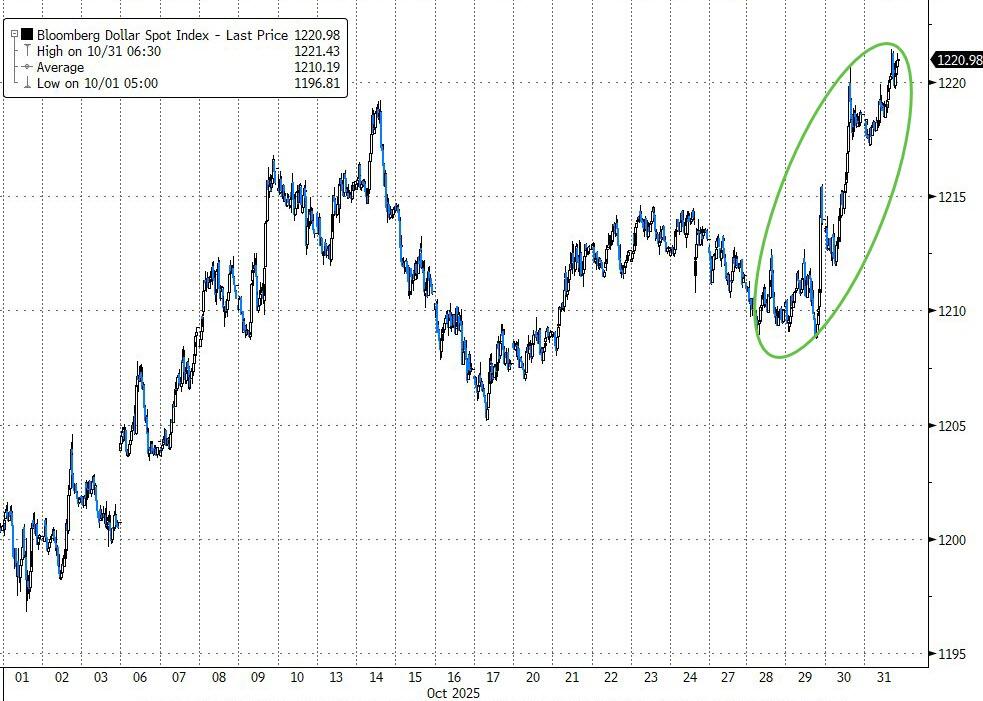
Elsewhere, the most shorted stocks kept heading lower, bond yields fell (boosting hopes for future rate cuts), the dollar rose a bit more, and gold bounced off its recent lows. Bitcoin took a dip early on but clawed back some ground off the $117,000 mark.

With so many major events packed into one week, could the market’s quiet spell be the calm before the storm—or will another round of surprise moves catch traders off guard?

Read More