Eking Out A Small Gain

Ulli Market Commentary Contact

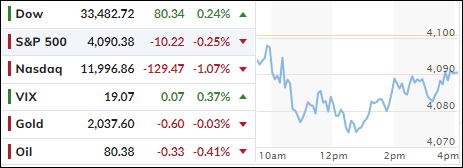
[Chart courtesy of MarketWatch.com]

  1. Moving the markets

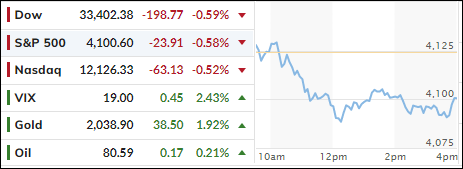
It wasn’t an impressive performance, but at least the markets managed to snap a 4-day losing streak by eking out a tiny gain in the face of sharply rising bond yields. Traders tried to shake off a surprise rate hike by the Bank of Japan (BoJ) and resigned themselves to the idea of a waning year-end rally.

The global trading community was shocked when the BoJ announced a “widening of its cap” on the Japanese 10-year government bond yield thereby following the hawkish tone set by the ECB and the Fed.

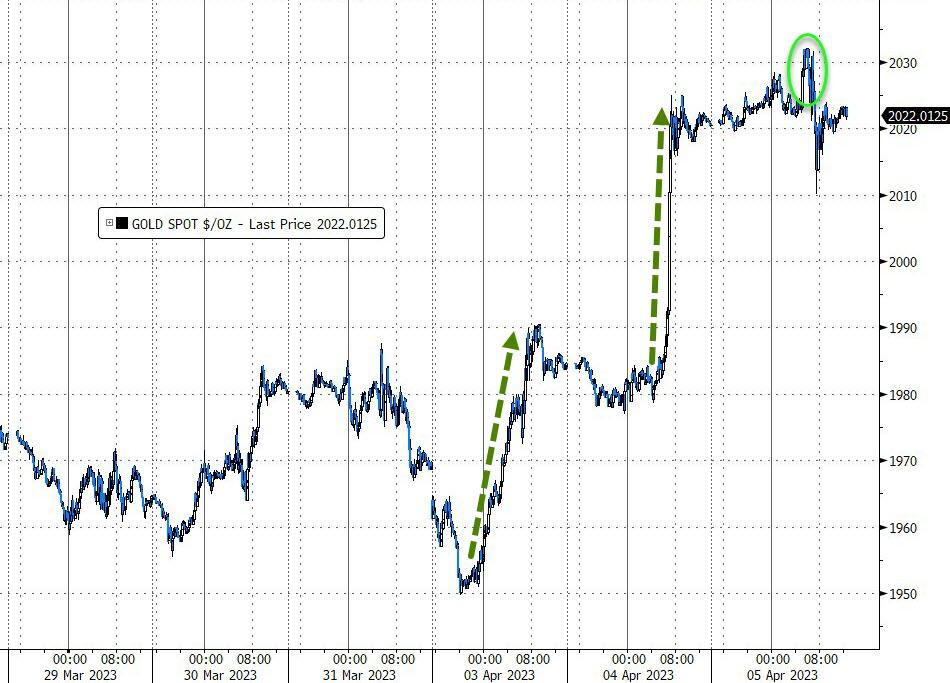
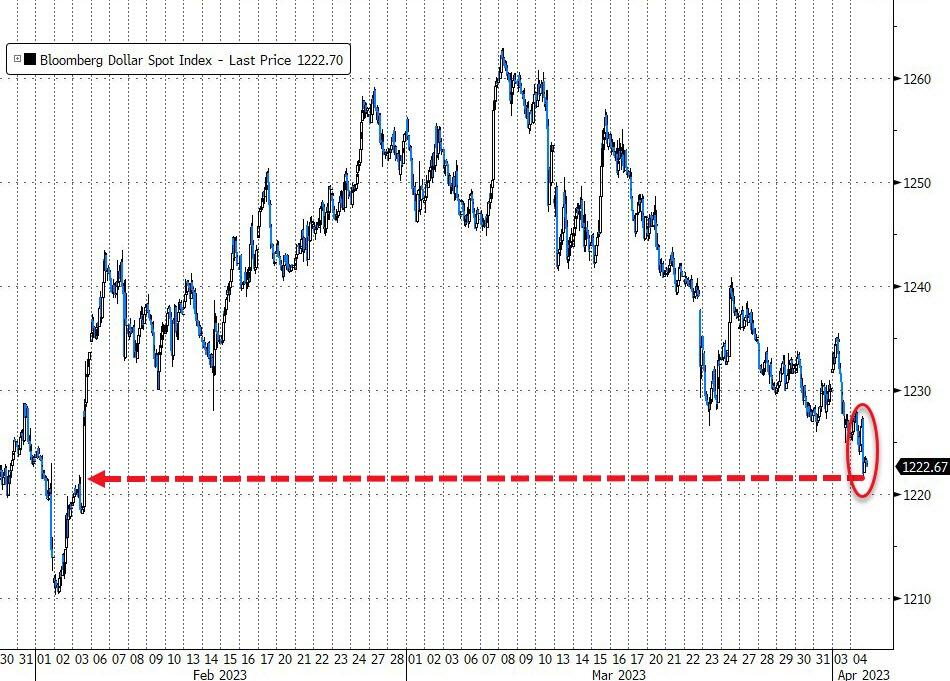
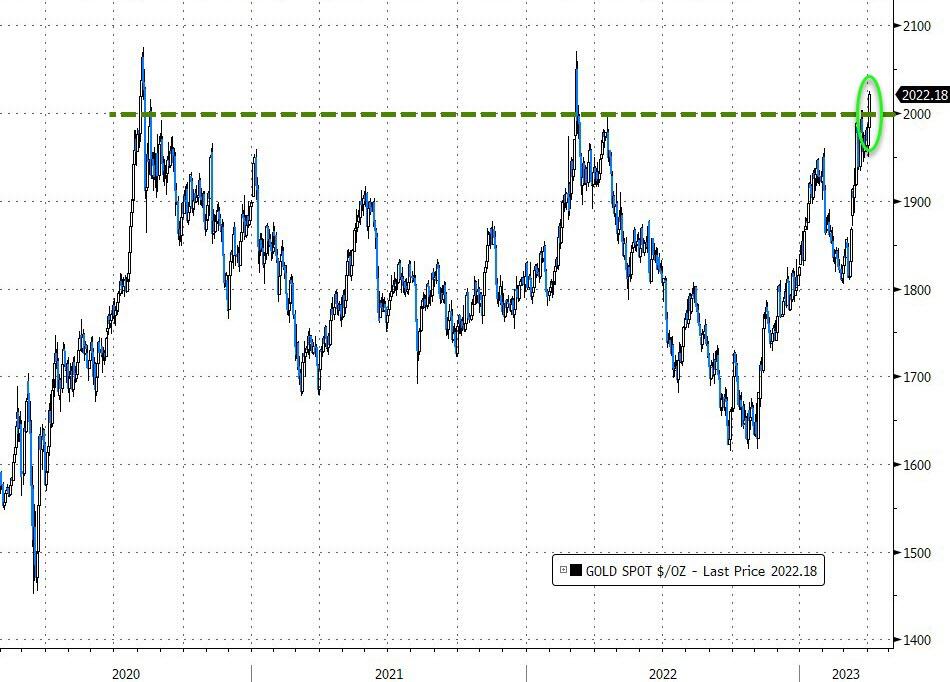
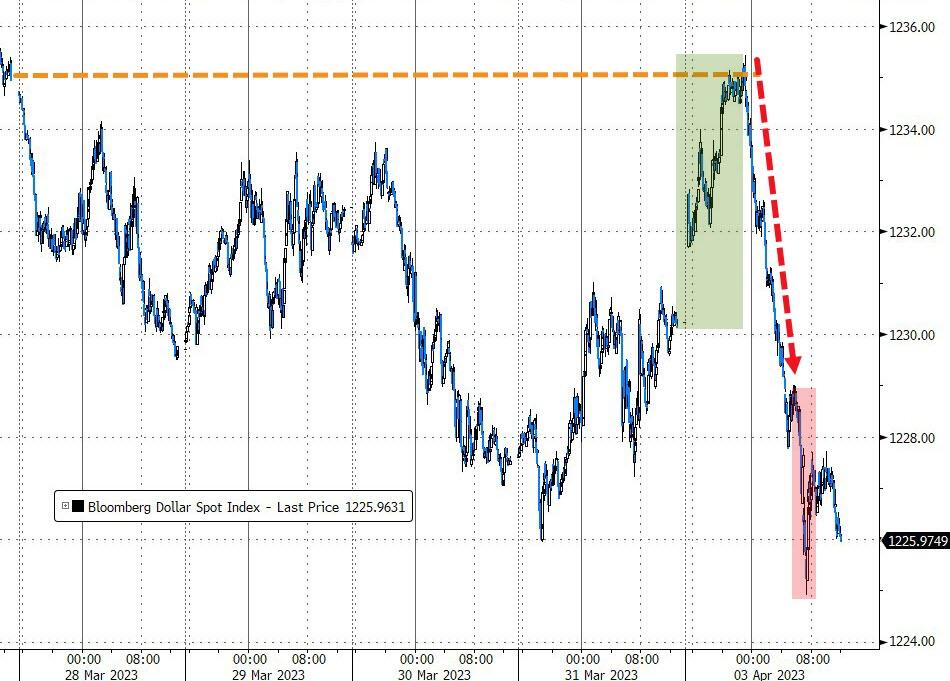
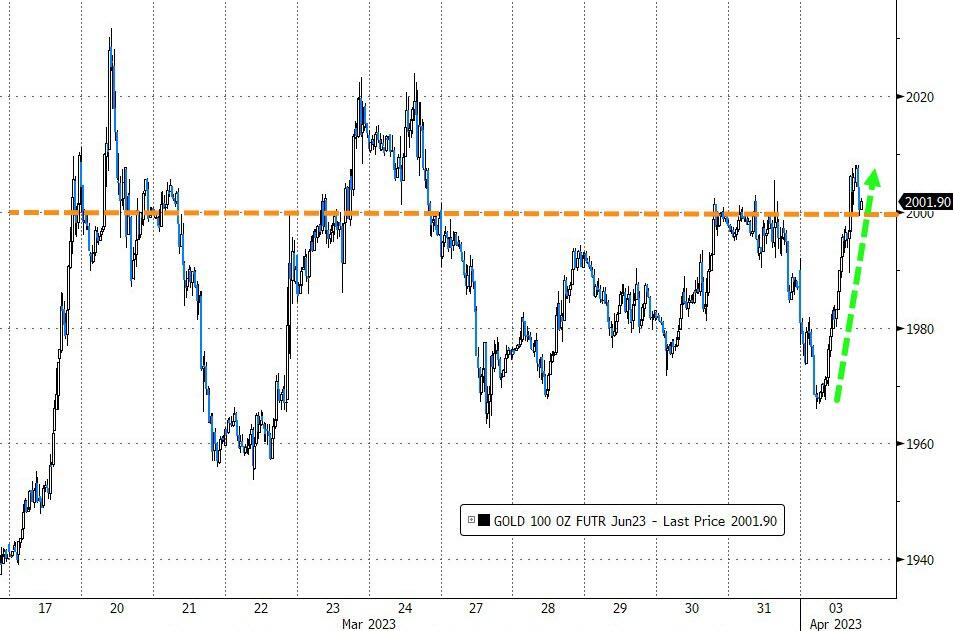
The Japanese Yen shifted into rally mode after needing to be propped up in September and October, while the US Dollar was slammed. Gold was the beneficiary with the precious metal gaining a solid +1.70%.  

Of course, the BoJ’s hike immediately supported hopes, or wishful thinking, that we have now moved one step closer to the end of the hiking cycles, which would lessen bearish sentiment and lay the foundation for a new bull market.

On the other hand, the economic hits keep coming with today’s collapse of US Building permits of -11.2% MoM (vs. -2.1% expected) being the latest data point that clearly shows that a recession is in the making. As ZeroHedge added, YoY permits are down over 22%, the biggest drop since 2009.

US Bond yields rallied with the 10-year surging 21 bps to close at 3.69%.

I expect trading volume to slow down over the next three trading days, as we approach the Christmas holiday.

Read More
Hope For A Christmas Rally Is Fading

Ulli Market Commentary Contact

[Chart courtesy of MarketWatch.com]

  1. Moving the markets

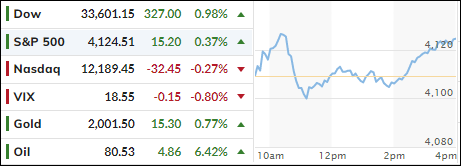
Friday’s sour mood about a worsening recession carried over into today’s session, with only the Dow managing to glimpse above its unchanged line, while the S&P 500 and Nasdaq never saw any green numbers. The major indexes have now closed lower for the 4th day in a row and are in the red for the month.

With the Fed now looking to hike the Federal Funds rate towards the 5.1% area, no matter what, traders have had to come to terms that this type of increase will worsen the recession and, by association, affect earnings negatively, which will cause stock prices to pull back.

On the economic side, there was only one data point of interest, and that was Homebuilder Confidence, which pretty much sealed the dominance of the bears for the day. The print was downright dismal, as the headline index dropped 2 points to 31, vs. expectations of a rally to 34, but there is still a long way to go to the downside to catch up with the Homebuyer confidence number.   

There was no news whatsoever to support any bullish movement, but traders and algos still have 4 days left to produce a Santa Claus rally, although right now, the odds are not that great.

Read More
ETFs On The Cutline – Updated Through 12/16/2022

Ulli ETFs on the Cutline Contact

Below, please find the latest High-Volume ETF Cutline report, which shows how far above or below their respective long-term trend lines (39-week SMA) my currently tracked ETFs are positioned.

This report covers the HV ETF Master List from Thursday’s StatSheet and includes 312 High Volume ETFs, defined as those with an average daily volume of more than $5 million, of which currently 88 (last report: 133) are hovering in bullish territory. The yellow line separates those ETFs that are positioned above their trend line (%M/A) from those that have dropped below it.

Take a look:                                                                   

The HV ETF Master Cutline Report

In case you are not familiar with some of the terminology used in the reports, please read the Glossary of Terms. If you missed the original post about the Cutline approach, you can read it here.      

ETF Tracker Newsletter For December 16, 2022

Ulli ETF Tracker Contact

ETF Tracker StatSheet          

You can view the latest version here.

RECESSION FEARS REIGN SUPREME

[Chart courtesy of MarketWatch.com]

  1. Moving the markets

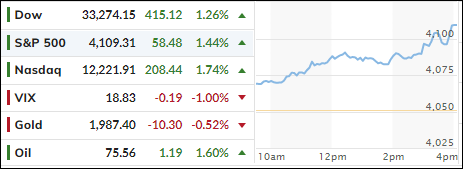
After yesterday’s drubbing, and today’s roller coaster ride, the latter of which occurred due to a massive quadruple options expiration session, it comes as no surprise that the markets took another dive.

The Dow was down as much as 550 points at its worst moment but managed to pair some of those losses, as did the other two major indexes. However, we ended solidly in the red, but gold bucked the trend, closed higher, and recaptured its $1,800 level.  

This second week of losses has the S&P 500 down about 6% for December, which now makes traders question whether this means the much hoped for Santa Claus rally has vanished. The story is far worse when looking at the FANG stocks, which not only have lost over 50% from their peak market cap from November 2021 but also tumbled over $600 billion this week alone.

Recession fears, and the Fed’s commitment to continue its relentless rate hiking schedule for “higher and longer” through 2023, to combat inflation, means that any kind of pause or pivot is not on the horizon. That also implies future earnings will be affected, something that the Wall Street crowd seems to finally have acknowledged, hence the sell off.

Those facts will not bode well for the markets as we enter 2023. While anything is possible, I believe that we will take out the October 2022 lows at some point. We must be prepared for the possibility of the bears taking over again. Case in point is today’s second straight weekly loss for the S&P 500, which pushed our TTI back into bear market territory (section 3).

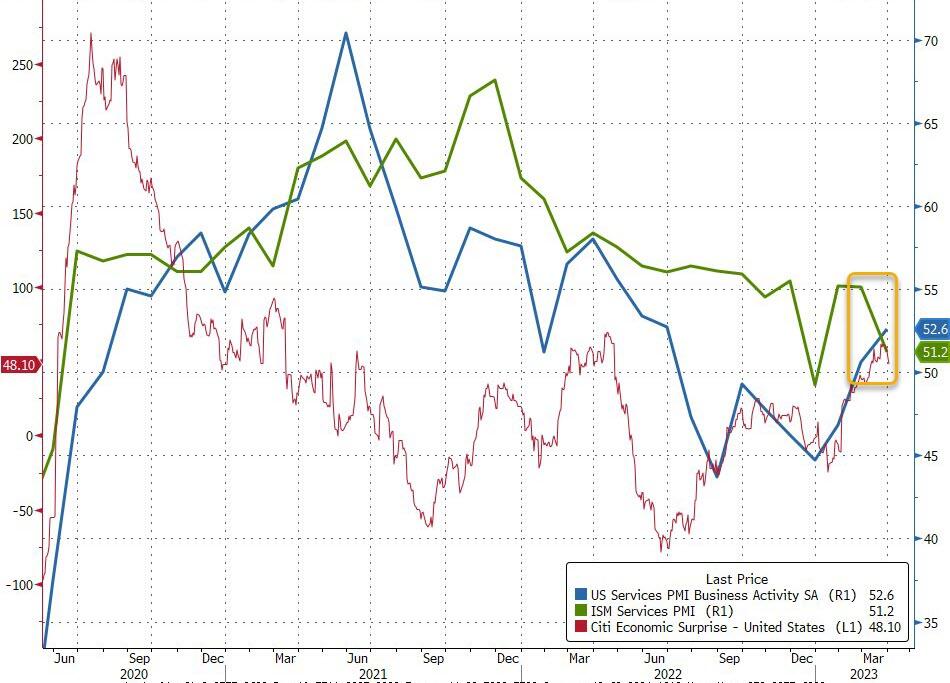
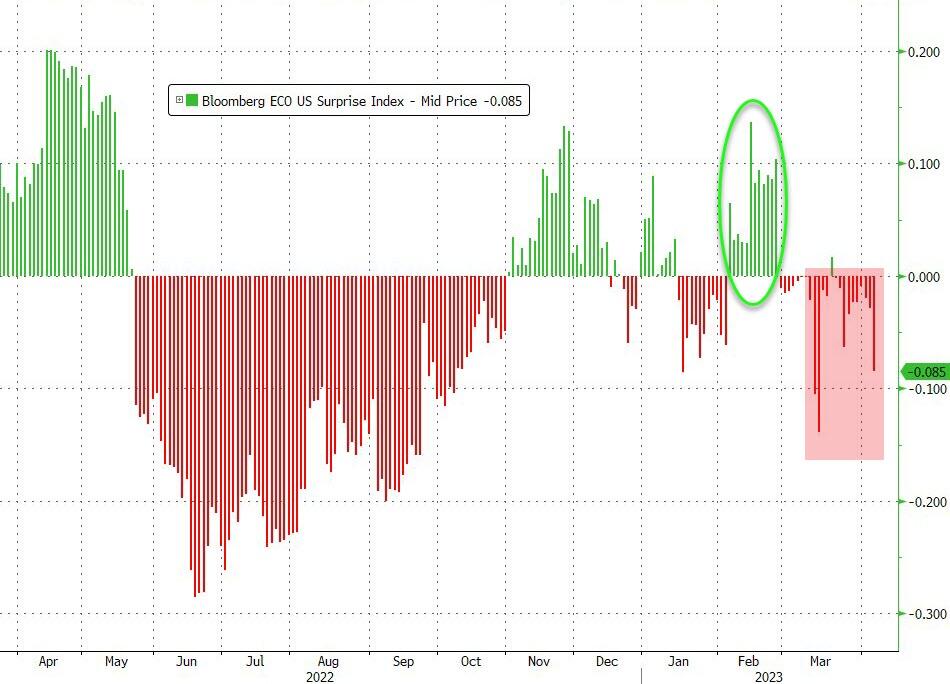
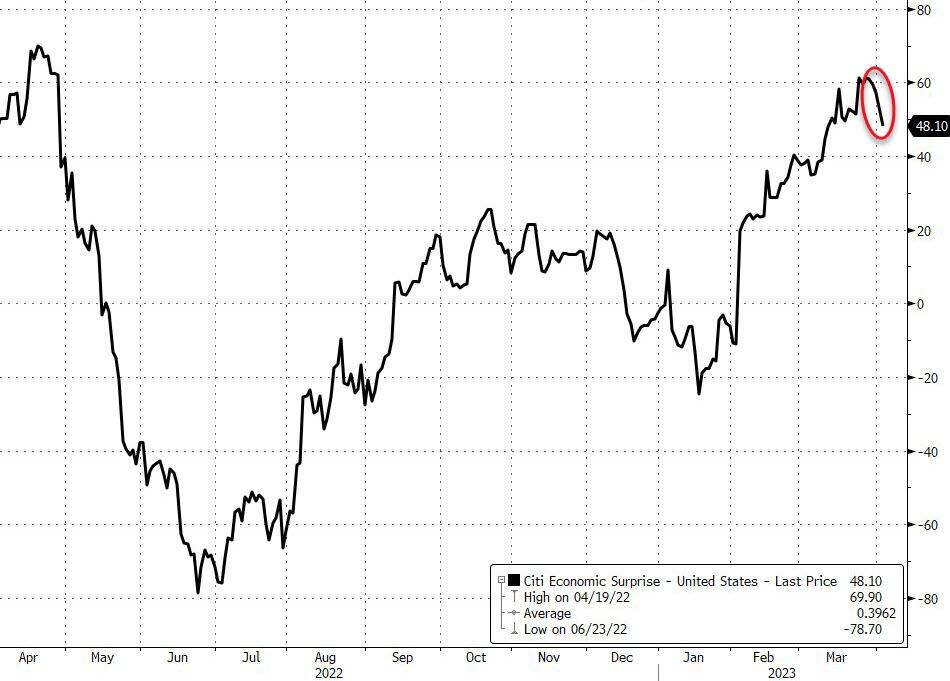
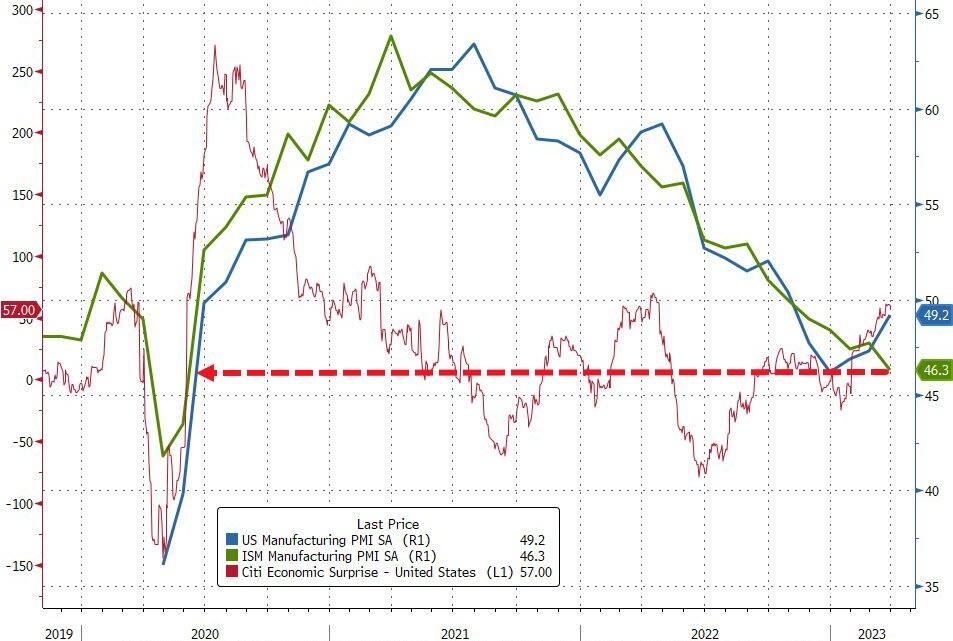
Adding to the current misery were a few data points, which seemed to support the view for a change in market direction. Both, US Manufacturing and US Services dropped not only into recession territory but also to their lowest since May 2020. As a result, the Economic Surprise index retreated to a level last seen in May.

And the final nail in the coffin came from two Fed mouthpieces, which reinforced their hawkish message, as ZeroHedge pointed out:

  • DALY: “INFLATION IS TOXIC“, FED “IS FAR AWAYFROM ITS PRICE-STABILITY GOAL, MAY NEED MID-4% OR MORE JOBLESS RATE FOR LABOR-MKT BALANCE
  • MESTER: HAVEN’T SEEN IMPROVEMENT ON SERVICE-PRICE INFLATION
  • DALY: DON’T KNOW WHY MARKETS ARE SO OPTIMISTIC ON INFLATION, PREPARED TO HOLD PEAK RATE MORE THAN 11 MONTHS IF NEEDED
  • MESTER: NEED TO KEEP FUNDS RATE ABOVE 5% IN ’23 TO CURB PRICES, FED HAS `MORE WORK TO DO ON INFLATION,’ IT’S TOO HIGH

I have repeatedly pointed to similar comments over the past few months, which to me means only one thing, namely that equities will face severe headwinds in 2023. Hence, it’s important to follow the direction of the long-term trends and make investment decisions based on them and not wild guesses and predictions.

After all, only the trend is your friend.

Read More
Weekly StatSheet For The ETF Tracker Newsletter – Updated Through 12/15/2022

Ulli ETF StatSheet Contact

ETF Data updated through Thursday, December 15, 2022

Methodology/Use of this StatSheet:

1. From the universe of over 1,800 ETFs, I have selected only those with a trading volume of over $5 million per day (HV ETFs), so that liquidity and a small bid/ask spread are assured.

2. Trend Tracking Indexes (TTIs)

Buy or Sell decisions for Domestic and International ETFs (section 1 and 2), are made based on the respective TTI and its position either above or below its long-term M/A (Moving Average). A crossing of the trend line from below accompanied by some staying power above constitutes a “Buy” signal. Conversely, a clear break below the line constitutes a “Sell” signal. Additionally, I use a 12% trailing stop loss on all positions in these categories to control downside risk.

3. All other investment arenas do not have a TTI and should be traded based on the position of the individual ETF relative to its own respective trend line (%M/A). That’s why those signals are referred to as a “Selective Buy.” In other words, if an ETF crosses its own trendline to the upside, a “Buy” signal is generated. Here too, I recommend trailing sell stop of 12%, or less, depending on your risk tolerance.

If you are unfamiliar with some of the terminology, please see Glossary of Terms and new subscriber information in section 9.     

1. DOMESTIC EQUITY ETFs: BUY — since 12/01/2022

Click on chart to enlarge

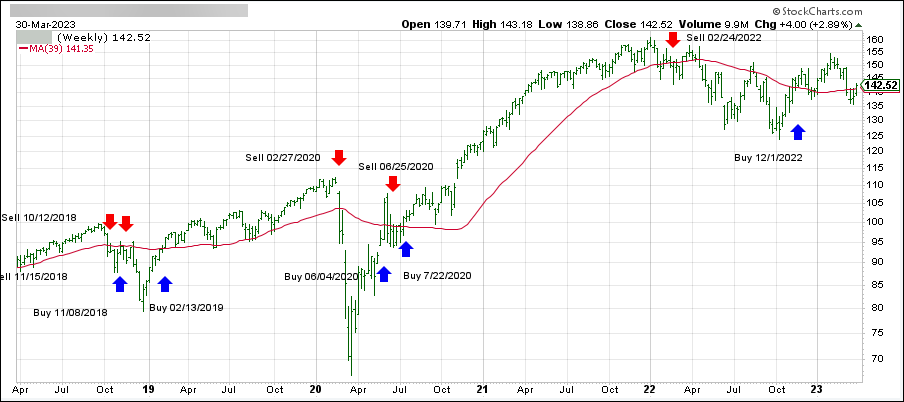
Our main directional indicator, the Domestic Trend Tracking Index (TTI-green line in the above chart) has broken back above its long-term trend line (red) by +0.27% and remains in “Buy” mode.  

Read More
The Morning After: Recession Angst Grips Markets

Ulli Market Commentary Contact

[Chart courtesy of MarketWatch.com]

  1. Moving the markets

Even though the Fed hiked rates as expected, a “morning after” hangover set in, as today’s poor retail sales confirmed current recessionary tendencies. Sales dropped -0.6% in November, which was twice the expectations of a -0.3% decline.

US Industrial Production did not help matters, because it fell 0.2% MoM (0% expected) and dropped to its weakest since September 2021, according to ZeroHedge.

Regarding the Fed’s stance on interest rates, analyst Peter Schiff summarized it best:

Now, that doesn’t mean the Fed shouldn’t be raising rates. They should be. They should have raised them a lot more than they have. The problem is they never should have cut them. That was the mistake — it was cutting rates. Raising them back up is really just an acknowledgment of that mistake. But what happens is when the Fed raises rates, it uncovers all of the problems that it created when it reduced rates. Because when it slashed interest rates to zero, it inflated a bubble economy, and it inflated it with inflation. Quantitative easing was inflation.

Then we learned that the Philadelphia Fed admitted that US Jobs were “overstated” by at least 1.1 million, a shocking story that you may want to read in detail, if this topic interests you.

As a result, the major indexes were spanked and yet again, there was no place to hide. Our Trend Tracking Indexes (TTIs) were slammed as well but remained a tad above their respective trend lines.

We’re now facing the possibility that our recent “Buy” signal may turn out to have been a head fake, but it’s too early to tell. Tomorrow’s $4 trillion options expirations session may shed more light on where the major trend is headed into the end of the year.

Read More