Tesla And Tech Stocks Soar; Inflation Data Awaits; VIX Set To Spike

Ulli Market Commentary Contact

[Chart courtesy of MarketWatch.com]

  1. Moving the markets

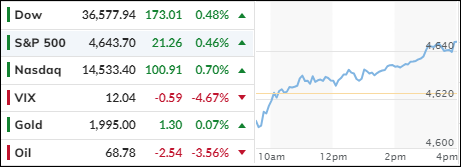
The stock market kicked off the week with a bang, as tech stocks bounced back from their recent slump. Tesla was the star of the show, soaring more than 9% after Morgan Stanley gave it a thumbs up and predicted a big rally ahead, thanks to its self-driving software. Maybe Elon Musk can finally afford to go to Mars now.

The bulls were also encouraged by a Wall Street Journal report that said the Fed was in no hurry to raise interest rates at its next meeting. That’s good news for the market because higher rates could spoil the party. But don’t get too comfortable because inflation is lurking around the corner.

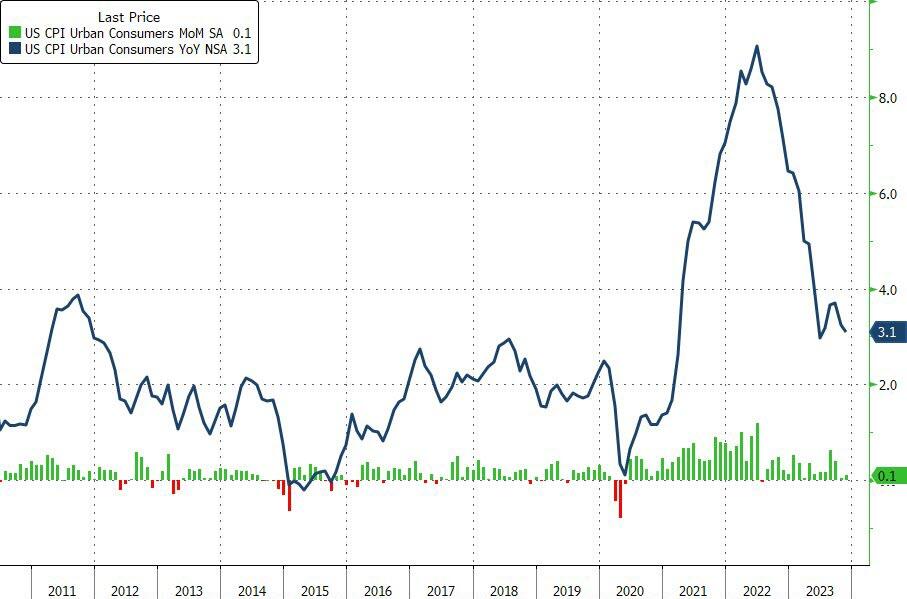
This week, we’ll get the latest readings on consumer and producer prices, which are expected to jump due to higher energy costs. Investors are hoping for some low numbers, but they might be disappointed. Will inflation force the Fed to change its mind and tighten its policy sooner than expected? That’s the million-dollar question.

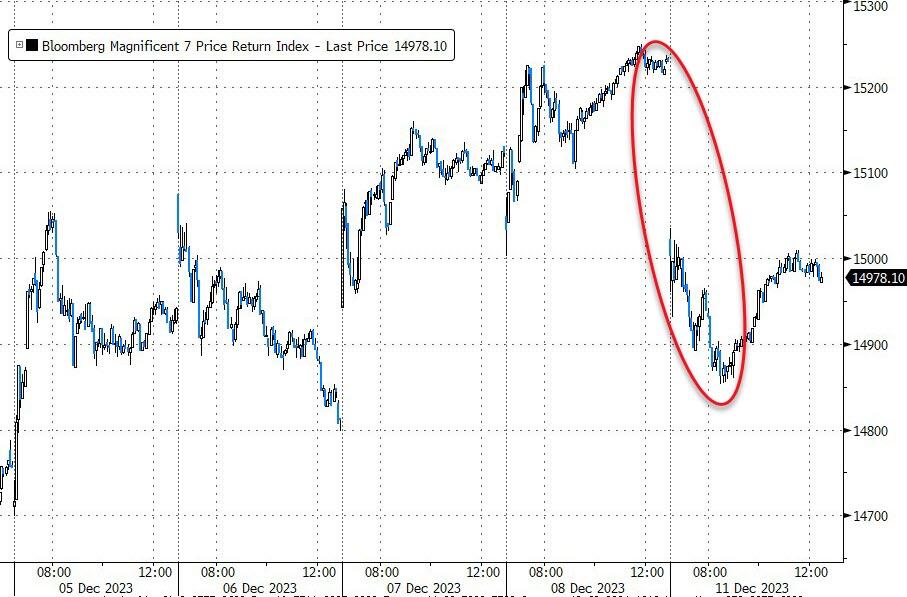
Today, there was no major news to move the market, but there was still some action. The Magnificent Seven (Apple, Amazon, Facebook, Google, Microsoft, Netflix, and Tesla) continued to defy gravity and rise despite higher bond yields. The 2-year yield briefly hit 5%, but then retreated. The Nasdaq led the way and outperformed, while the Dow and Small Caps gave up some early gains, but the S&P held steady throughout the session.

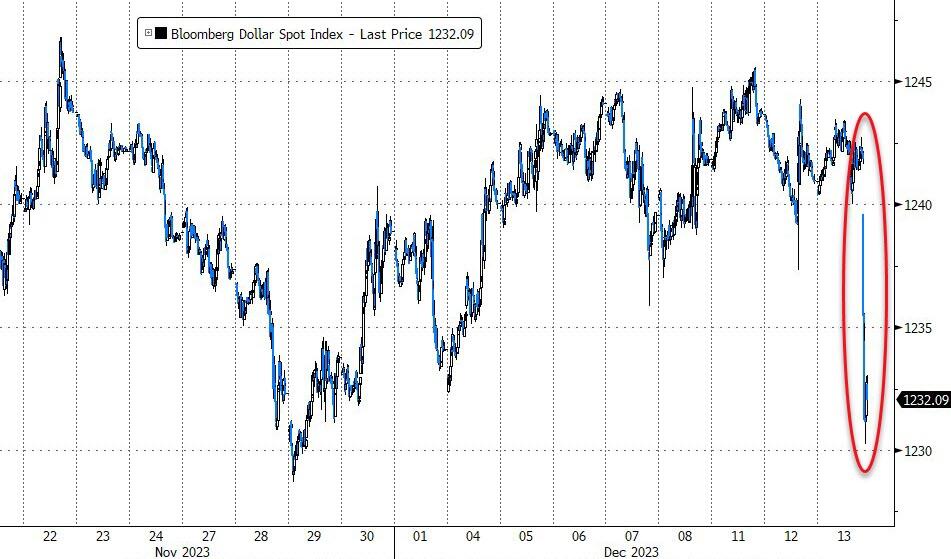
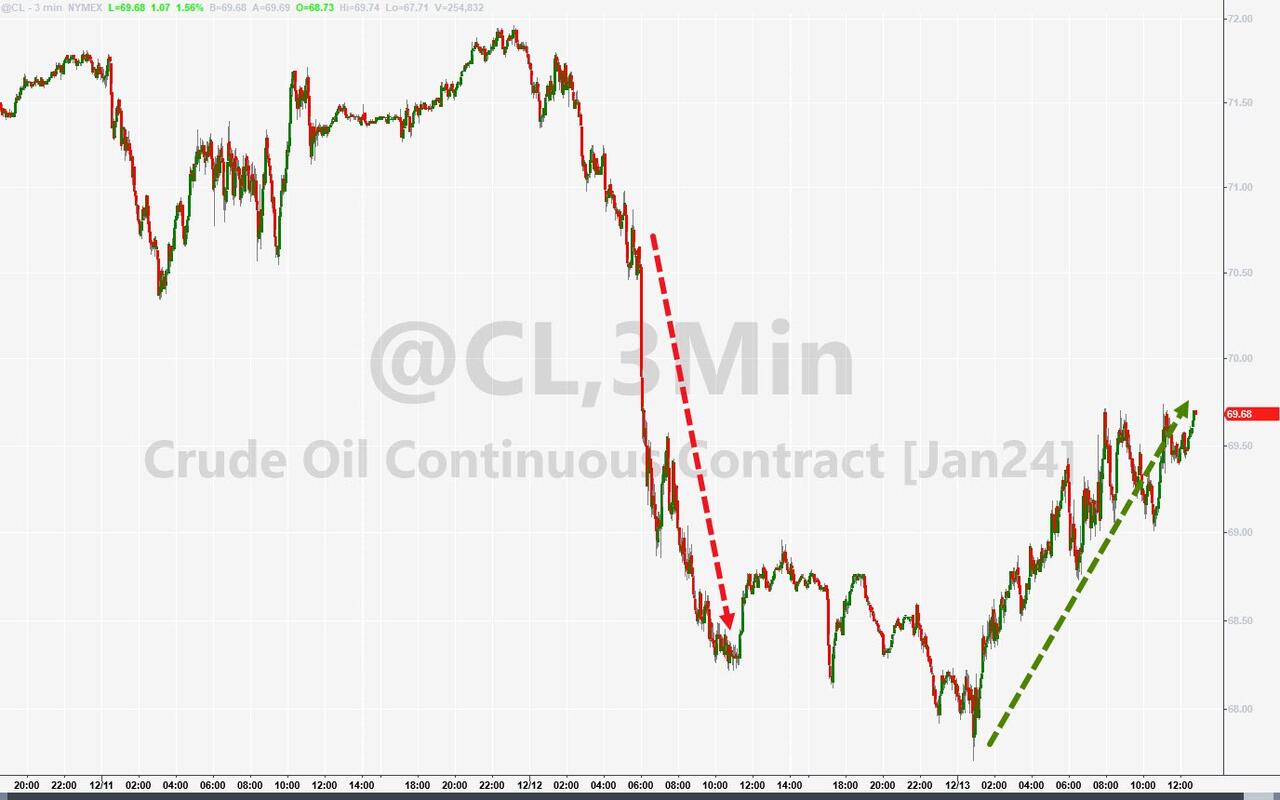
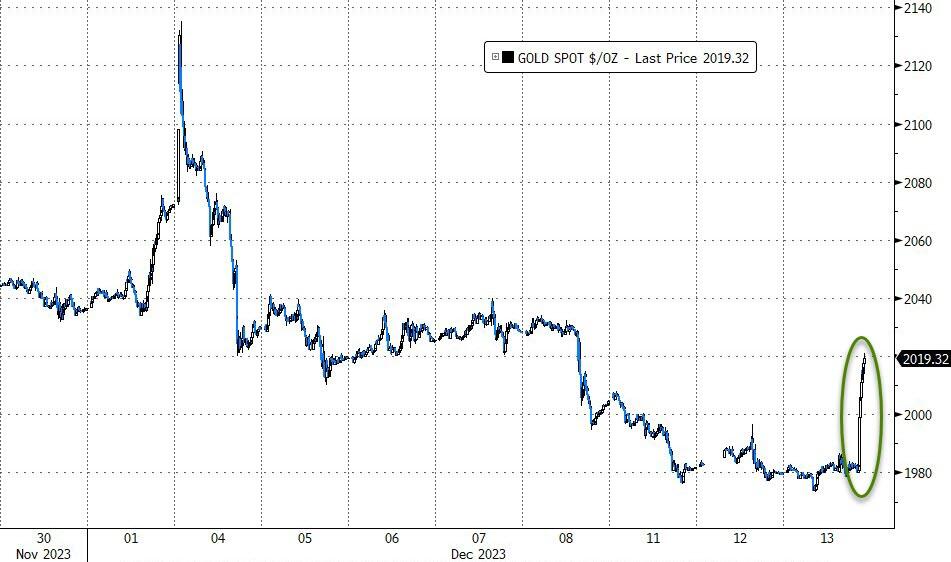
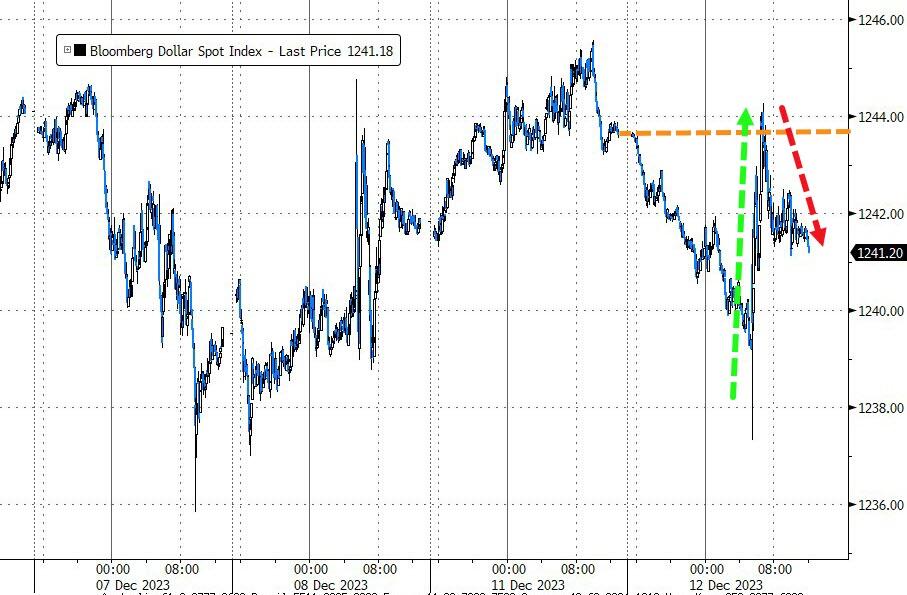
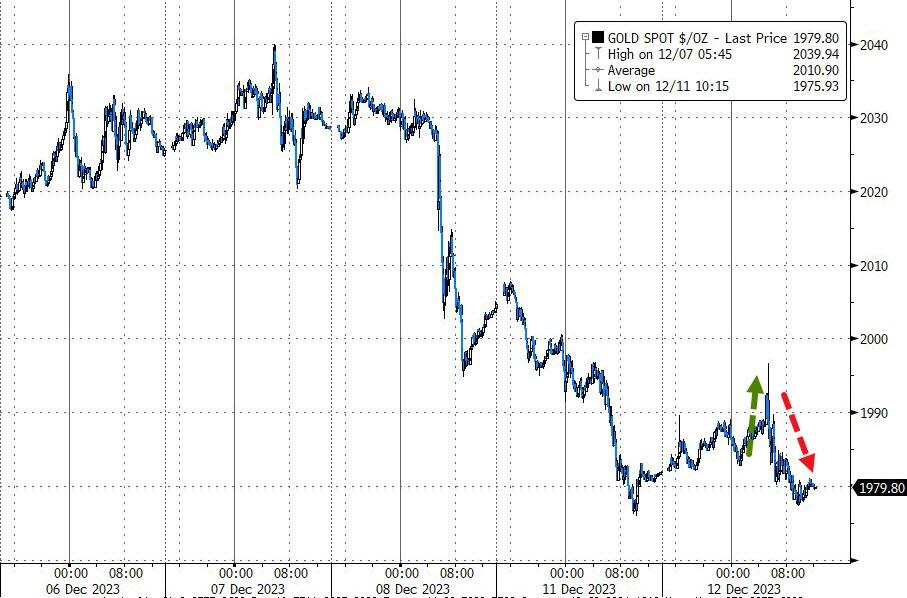
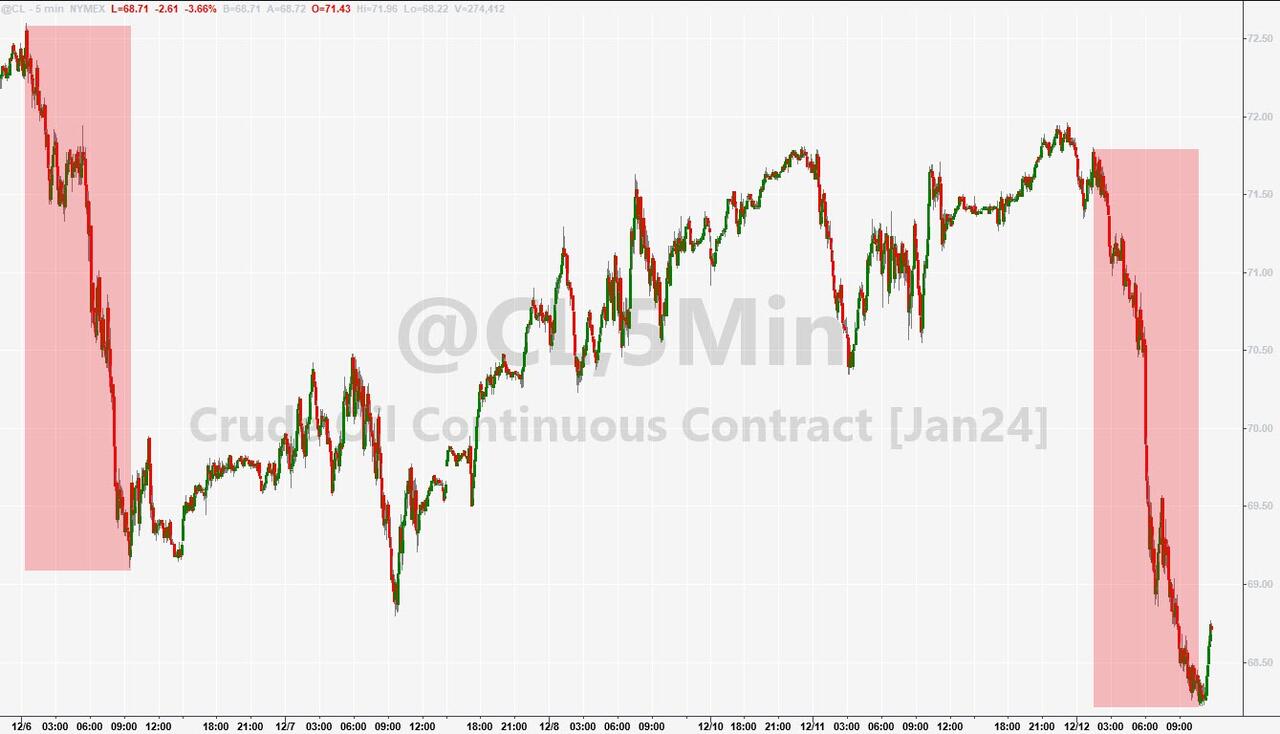
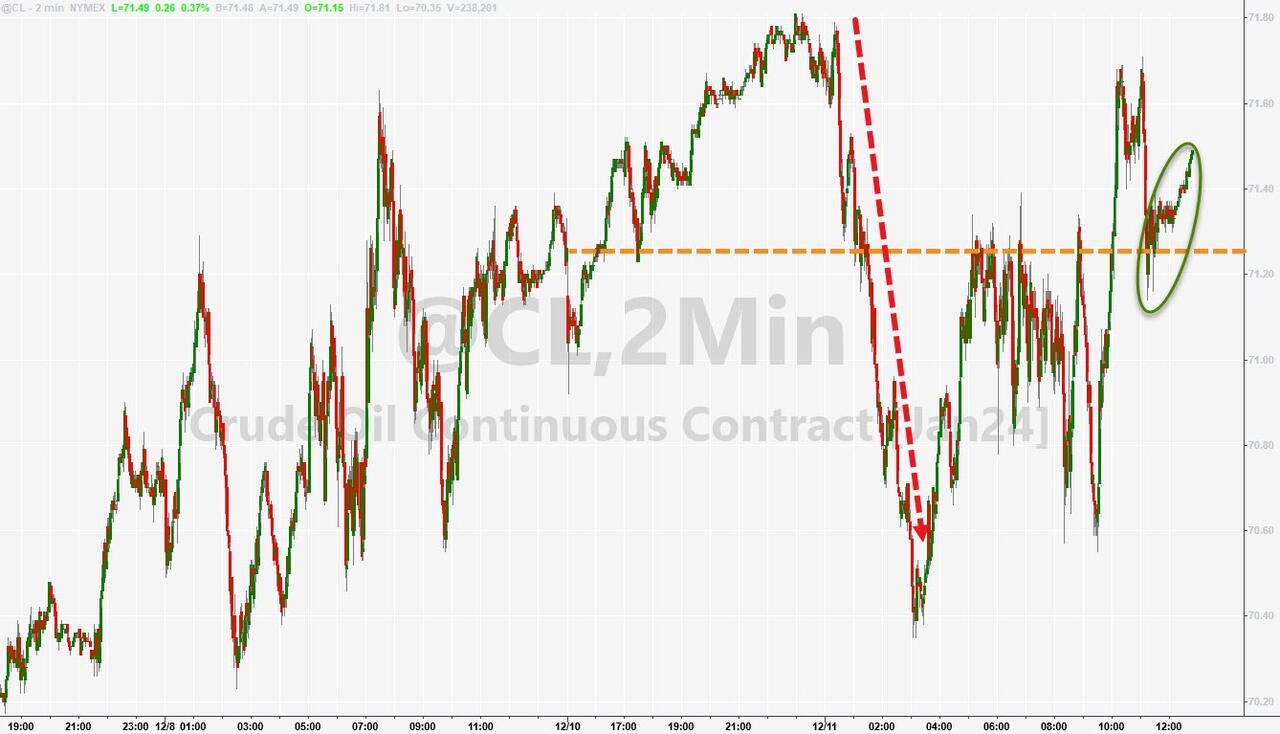
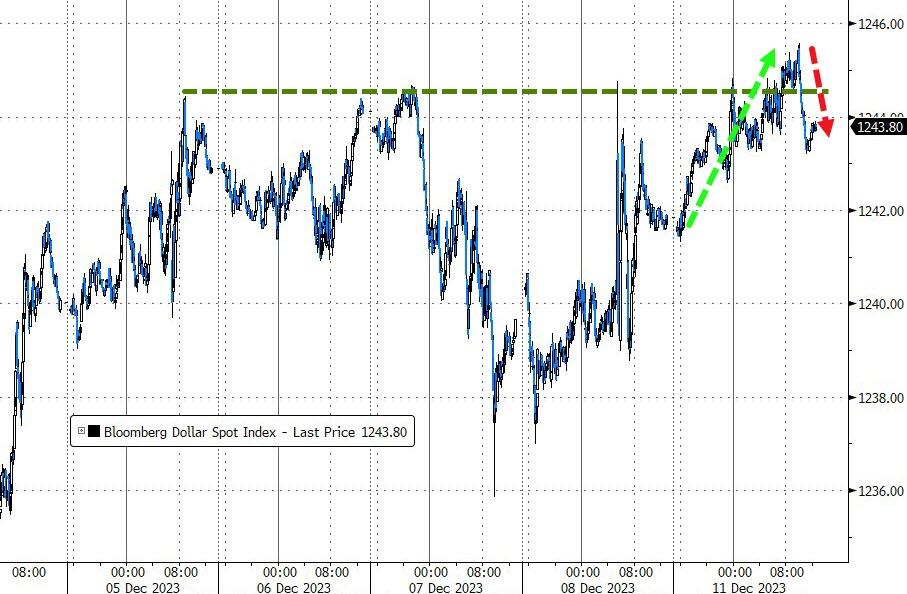
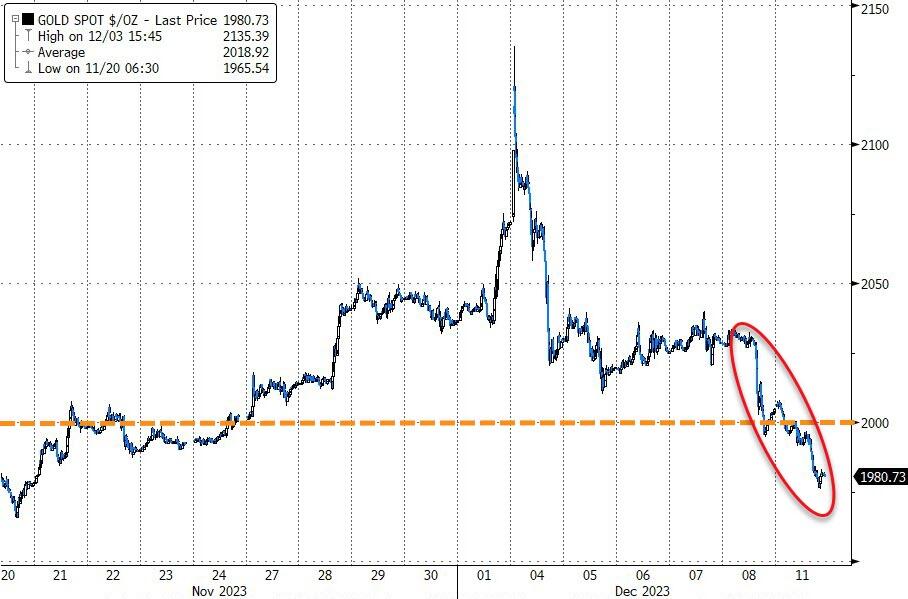
The Dollar had a bad day and dropped to its lowest level since February. Oil prices dipped slightly but remained near their recent highs. Gold swung back and forth but ended up with some gains.

What’s next? We have a busy week ahead, with CPI, PPI, Retail Sales, Triple-Witching OpEx (Options Expirations), and The Fed on the agenda. And don’t forget about the VIX, which is entering its seasonally strong period. Things are about to get very interesting indeed.

Are you ready for some volatility?

Read More

ETFs On The Cutline – Updated Through 09/08/2023

Ulli ETFs on the Cutline Contact

Do you want to know which ETFs are hot and which ones are not? Then you need my High-Volume ETF Cutline report. It tells you how close or far each of the 311 ETFs I follow is from its long-term trend line (39-week SMA). These are the ETFs that trade more than $5 million a day, so they are not some obscure funds that nobody cares about.

The report is split into two parts: The winners that are above their trend line (%M/A), and the losers that are below it. The yellow line is the line of shame that separates them. You can see how many ETFs are in each group and how they have changed since the last report (191 vs. 138 current).

Take a peek:

The HV ETF Master Cutline Report

If you are confused by some of the terms we use, don’t panic. I have a helpful Glossary of Terms for you.

If you want to learn more about the Cutline method and how it can make you rich (or at least less poor), read my original post here.

ETF Tracker Newsletter For September 8, 2023

Ulli ETF Tracker Contact

ETF Tracker StatSheet          

You can view the latest version here.

WALL STREET ENDS LOSING WEEK AS FED FEARS LOOM LARGE

[Chart courtesy of MarketWatch.com]

  1. Moving the markets

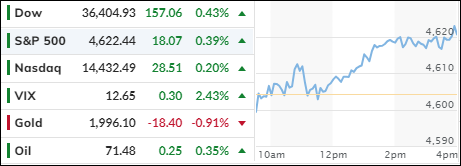
Wall Street had a rough week, despite a slight uptick on Friday. Investors were worried that the Fed might hike rates sooner and faster than expected, erasing most of the early gains by the end of the day. All the major indexes closed the week in the red, with Small Caps taking the biggest hit.

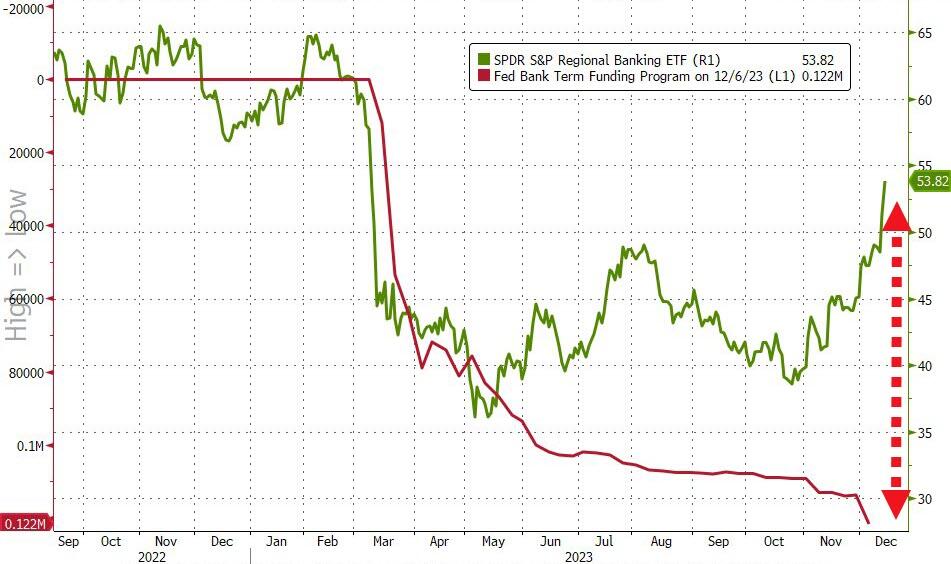
Apple had a bad week too, as China cracked down on iPhone usage. The AI basket, which was supposed to be the next big thing, also disappointed and fell behind Nvidia. Regional banks continued their downward trend for the fifth time in six weeks.

The latest economic data, such as the lower-than-expected jobless claims, added fuel to the fire of rate hike fears. Traders now think there is more than a 50% chance that the Fed will raise rates in November, after skipping September. August was a tough month, with weak data, and September doesn’t look much better.

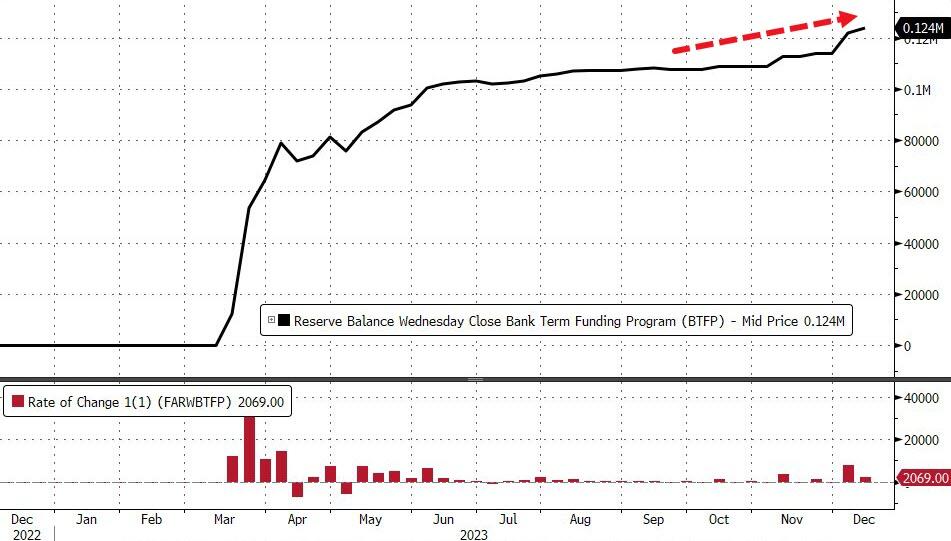
Meanwhile, the banking crisis is still simmering in the background, but no one seems to notice. Banks are using more and more of the Fed’s emergency funds, as money market funds attract more cash than ever. $42 billion flowed into money market funds last week, reaching a new record of $5.625 trillion.

This creates a huge gap between money market funds and bank deposits, which keeps growing every week. It means that banks must sell their underwater bonds or borrow from the Fed to meet withdrawals. Neither option solves the banking crisis, which will probably come back to haunt us soon.

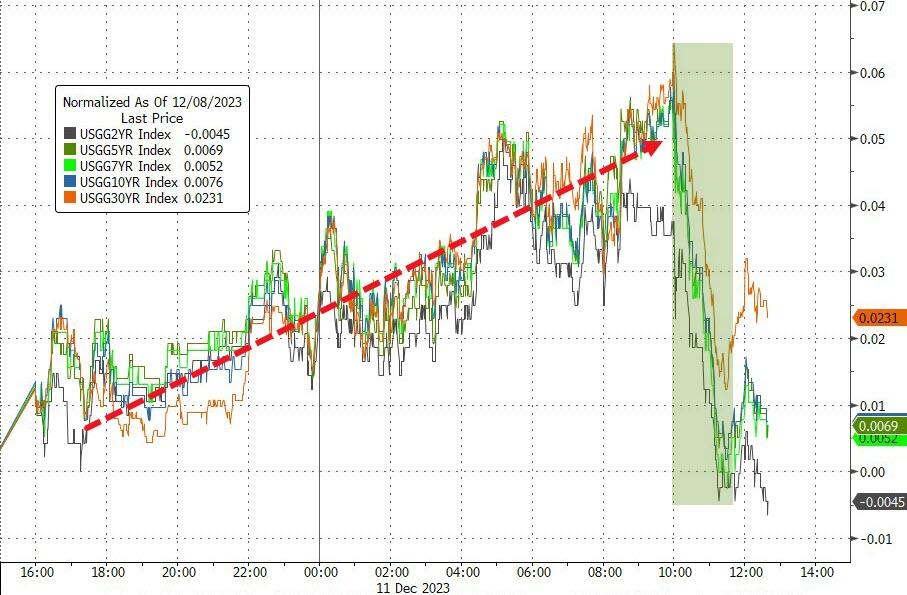
Bond yields were mixed today, with the 2-year yield moving away from its 5% peak earlier this week. The dollar kept climbing higher and higher, thanks to rising bond yields. It has now gained for eight weeks in a row.

Oil prices also rose for the ninth time in eleven weeks, nearing the $90/barrel mark. Gold was slightly lower for the week. In short, nothing has changed much, so we are still stuck with the same dilemma: too strong data could lead to higher real rates (bad for risk assets), and too weak data could hurt the next quarter’s earnings.

So, what’s your bet?

Read More

Weekly StatSheet For The ETF Tracker Newsletter – Updated Through 09/07/2023

Ulli ETF StatSheet Contact

ETF Data updated through Thursday, September 7, 2023

How to use this StatSheet:

  1. Out of the 1,800+ ETFs out there, I only pick the ones that trade over $5 million per day (HV ETFs), so you don’t get stuck with a lemon that nobody wants to buy or sell.
  1. Trend Tracking Indexes (TTIs)

These are the main indicators that tell you when to buy or sell Domestic and International ETFs (section 1 and 2). They do that by comparing their position to their long-term M/A (Moving Average). If they cross above, and stay there, it’s a green light to buy. If they fall below, and keep going, it’s a red light to sell. And to make sure you don’t lose your shirt if things go south, I also use a 12% trailing stop loss on all positions in these categories.

  1. All other investment areas don’t have a TTI and should be traded based on the position of each ETF relative to its own trend line (%M/A). That’s why I call them “Selective Buy.” In other words, if an ETF goes above its own trend line, you can buy it. But don’t forget to use a trailing sell stop of 12%, or less if you’re feeling nervous.

If some of these words sound like Greek to you, please check out the Glossary of Terms and new subscriber information in section 9.

  1. DOMESTIC EQUITY ETFs: BUY— since 12/01/2022

Click on chart to enlarge

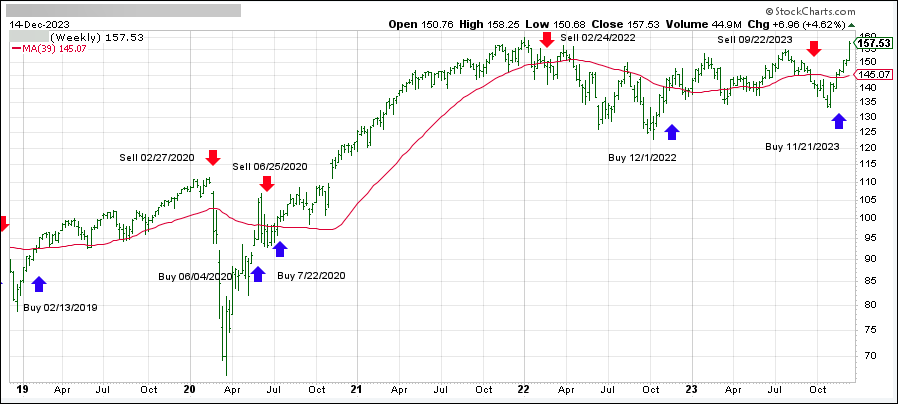
This is our main compass, the Domestic Trend Tracking Index (TTI-green line in the above chart). It has now broken above its long-term trend line (red) by +1.35% and remains in “Buy” mode.

Read More
Fed Fears And China Ban Spook Wall Street

Ulli Market Commentary Contact

[Chart courtesy of MarketWatch.com]

  1. Moving the markets

Wall Street was worried on Thursday as the Fed might raise interest rates again this year. Apple and other tech stocks suffered as China banned iPhones in state firms.

Jobless claims were lower than expected, and labor costs were higher, signaling a strong labor market. This, along with rising energy prices, could pressure the Fed to tighten its policy, which the market doves don’t like.

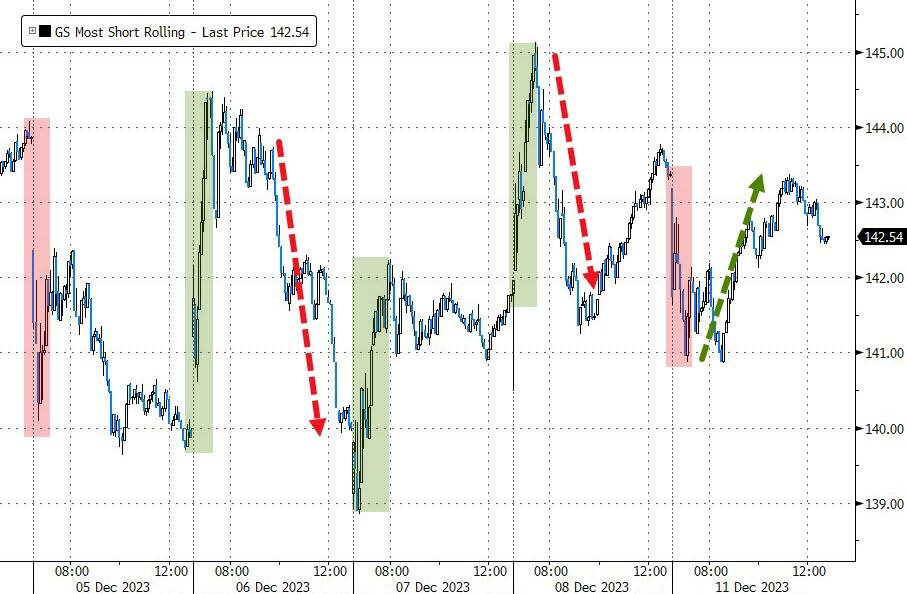
The “Magnificent 7” and the “most shorted stocks” both had a bad day, forming a possible bearish pattern. Bond yields fell, the dollar rose, and gold dipped. Oil prices dropped despite low supply and high demand.

What’s going on?

Read More
Stocks Slump As Oil Prices Spoil Dovish Dreams

Ulli Market Commentary Contact

[Chart courtesy of MarketWatch.com]

  1. Moving the markets

Wall Street had a bad day on Wednesday, as tech and consumer stocks dragged the market down. Nvidia, Apple and Tesla were among the worst performers, losing about 3% each. The “Magnificent 7” stocks were not so magnificent after all.

Oil prices soared to their highest level since November, as Saudi Arabia and Russia agreed to keep cutting supply. This pushed up inflation expectations and bond yields, hurting stocks and regional banks.

The Fed may have to raise interest rates sooner than expected, but traders are still betting on a pause later this month. That may change quickly, as oil prices could spoil the party for the dovish crowd.

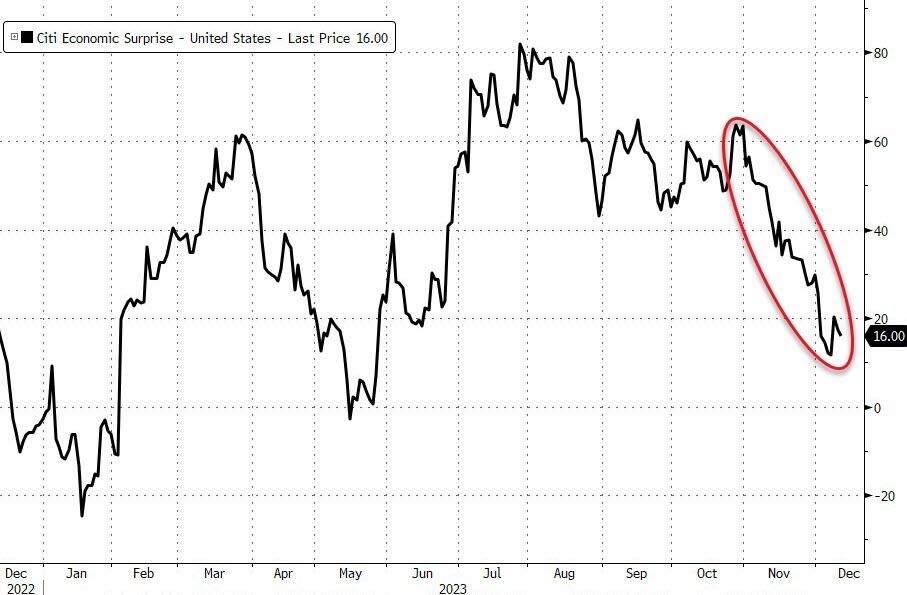
The economy is sending mixed signals, with manufacturing and services data showing a zigzag pattern. The Citi Economic Surprise Index is falling, while “Hard data” and “Soft Data” are converging. This means that inflation is rising, and growth is slowing – a recipe for stagflation.

Boston Fed President Susan Collins added to the confusion, saying that the Fed can be “cautious” on rate hikes, but also that “further tightening could be warranted”. That’s as clear as mud.

ZeroHedge summed it up like this:

Today’s price action is consistent with the market dynamic we’ve seen play out over the past few months, characterized by elevated sensitivity to economic data, with equity markets seemingly adopting a ‘bad news is good news’ view, rallying on weak growth data, and selling off on strong data – amid fears that too strong data will increase the risk of an additional rate hike.

Bond yields spiked, the dollar rose, oil prices climbed for the ninth day in a row, but gold dipped and found support at its 200-day moving average.

How will the market react to the next economic report?

Continue reading…

2. “Buy” Cycle Suggestions

The current Buy cycle began on 12/1/2022, and I gave you some ETF tips based on my StatSheet back then. But if you joined me later, you might want to check out the latest StatSheet, which I update and post every Thursday at 6:30 pm PST.

You should also think about how much risk you can handle when picking your ETFs. If you are more cautious, you might want to go for the ones in the middle of the M-Index rankings. And if you don’t want to go all in, you can start with a 33% exposure and see how it goes.

We are in a crazy time, with the economy going downhill and some earnings taking a hit. That will eventually drag down stock prices too. So, in my advisor’s practice, we are looking for some value, growth and dividend ETFs that can weather the storm. And of course, gold is always a good friend.

Whatever you invest in, don’t forget to use a trailing sell stop of 8-12% to protect yourself from big losses.

3. Trend Tracking Indexes (TTIs)

The markets had a rough day, as rising bond yields and oil prices scared off the bulls. A late rally trimmed some of the losses, but the mood was still gloomy.

Our TTIs also fell, and we may see a bearish turn in September. That’s because the economy is weakening, and September is historically the worst month for stocks.

This is how we closed 09/06/2023:

Domestic TTI: +1.75% above its M/A (prior close +2.10%)—Buy signal effective 12/1/2022.

International TTI: +3.39% above its M/A (prior close +3.85%)—Buy signal effective 12/1/2022.

All linked charts above are courtesy of Bloomberg via ZeroHedge.